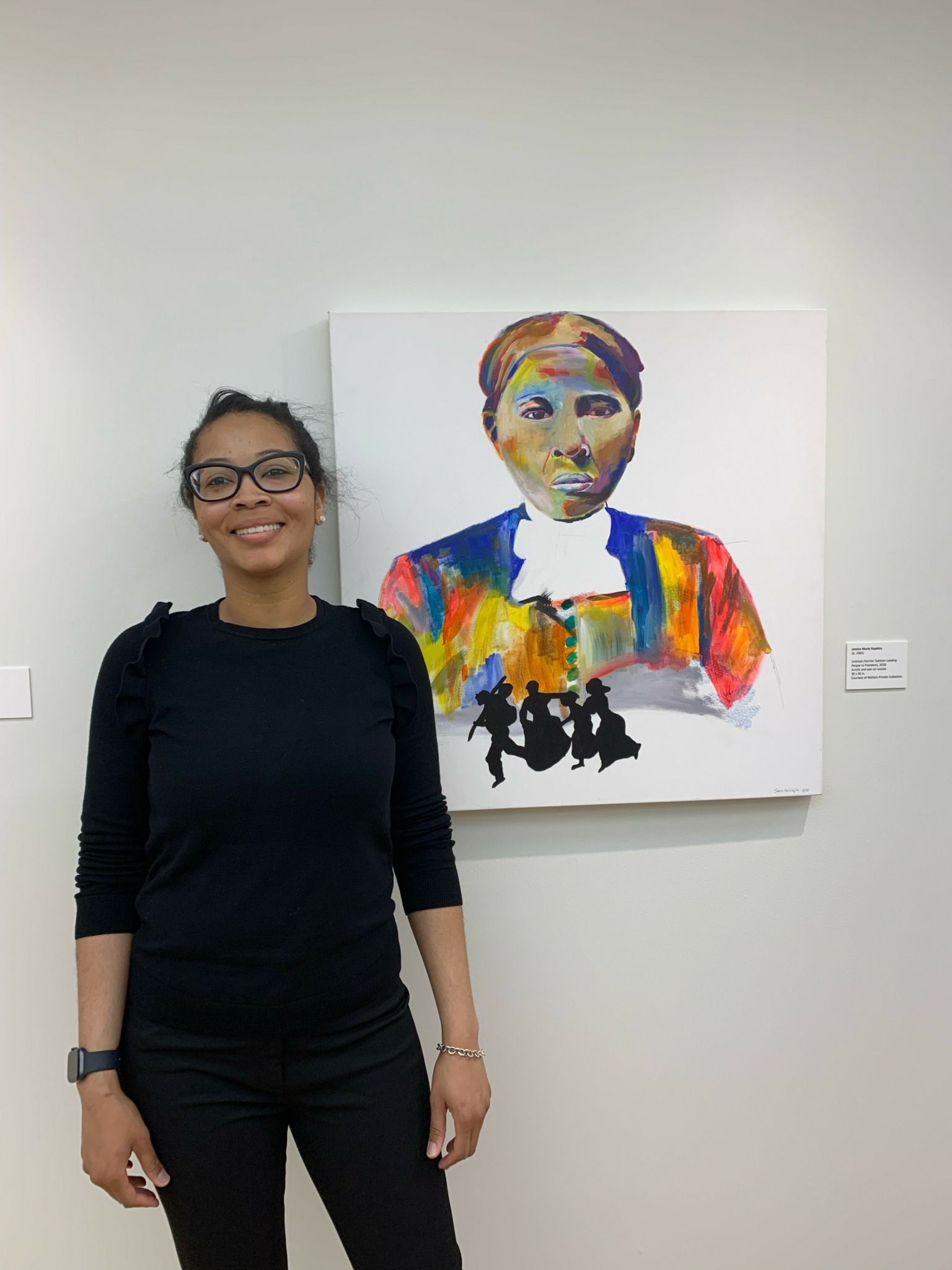

Alright – so today we’ve got the honor of introducing you to Jessica Maria Hopkins. We think you’ll enjoy our conversation, we’ve shared it below.
Jessica Maria, thanks for joining us, excited to have you contributing your stories and insights. When did you first know you wanted to pursue a creative/artistic path professionally?
When I was around 12 years old, I saw one of my older brothers drawing Simba from the movie “The Lion King,” and with my competitive nature, I decided to draw him too. Guess whose drawing was better? My love for art quickly grew. I compiled my best drawings into a portfolio and used it to audition for The Duke Ellington School of the Arts. It was here that I had the opportunity to explore other art disciplines and receive extensive oral critiques. My ability to draw and understand value was truly helpful in each art class. For example, in printmaking, I utilized the elements of art, along with cutter tools, to create linocuts. In drawing, my strong use of line, keen eyes, and value techniques helped me build a solid portfolio and receive great feedback from my instructors during the midterm critiques. I always felt nervous at the beginning of oral critiques, but my work showed confidence. Avatar photoLocal Stories
ShareTweetPin
Today we’d like to introduce you to Jessica Maria Hopkins.
Jessica Maria, we appreciate you taking the time to share your story with us today. Where does your story begin?
When I was around 12 years old, I saw one of my older brothers drawing Simba from the movie “The Lion King,” and with my competitive nature, I decided to draw him too. Guess whose drawing was better? My love for art quickly grew. I compiled my best drawings into a portfolio and used it to audition for The Duke Ellington School of the Arts. It was here that I had the opportunity to explore other art disciplines and receive extensive oral critiques. My ability to draw and understand value was truly helpful in each art class. For example, in printmaking, I utilized the elements of art, along with cutter tools, to create linocuts. In drawing, my strong use of line, keen eyes, and value techniques helped me build a solid portfolio and receive great feedback from my instructors during the midterm critiques. I always felt nervous at the beginning of oral critiques, but my work showed confidence. In art its not the final product but the journey.
After graduating from Duke, I furthered my art studies at the University of the District of Columbia. At UDC, I had the pleasure of studying under the late Professor Meredith Rode, Professor Daniel Venne, and Professor George Smith, to name a few. Art critiques were harsh, and painting sessions were endless; however, all the feedback nourished my talent, allowing me to uncover layers of myself that I had not known existed. “How can I call myself an artist if I cannot paint?” Well, a classmate approached me and said Prof. Venne loves your shoe. The shoe was painted in acrylic, but because acrylic dries quickly, I thought I wasn’t using this medium to its full potential. Little did I know this painting style was breathing life into my work, giving me a voice. With a referral from Prof. Venne, I was commissioned by UDC’s Office of the Registrar to paint 15 48×48 murals. During this time, DC’s population was becoming more divserse and these murals represented the many faces that could be seen on campus and all around the city.
After my time at UDC, I went on to receive a Master of Fine Arts in Painting from Howard University. At Howard University, I had the great pleasure of studying under members of the Africobra collective, including Akili Ron Anderson and James Phillips. I considered myself an expressionistic painter until Prof. Akili Ron Anderson studied my paintings classifying me as an abstract artist.
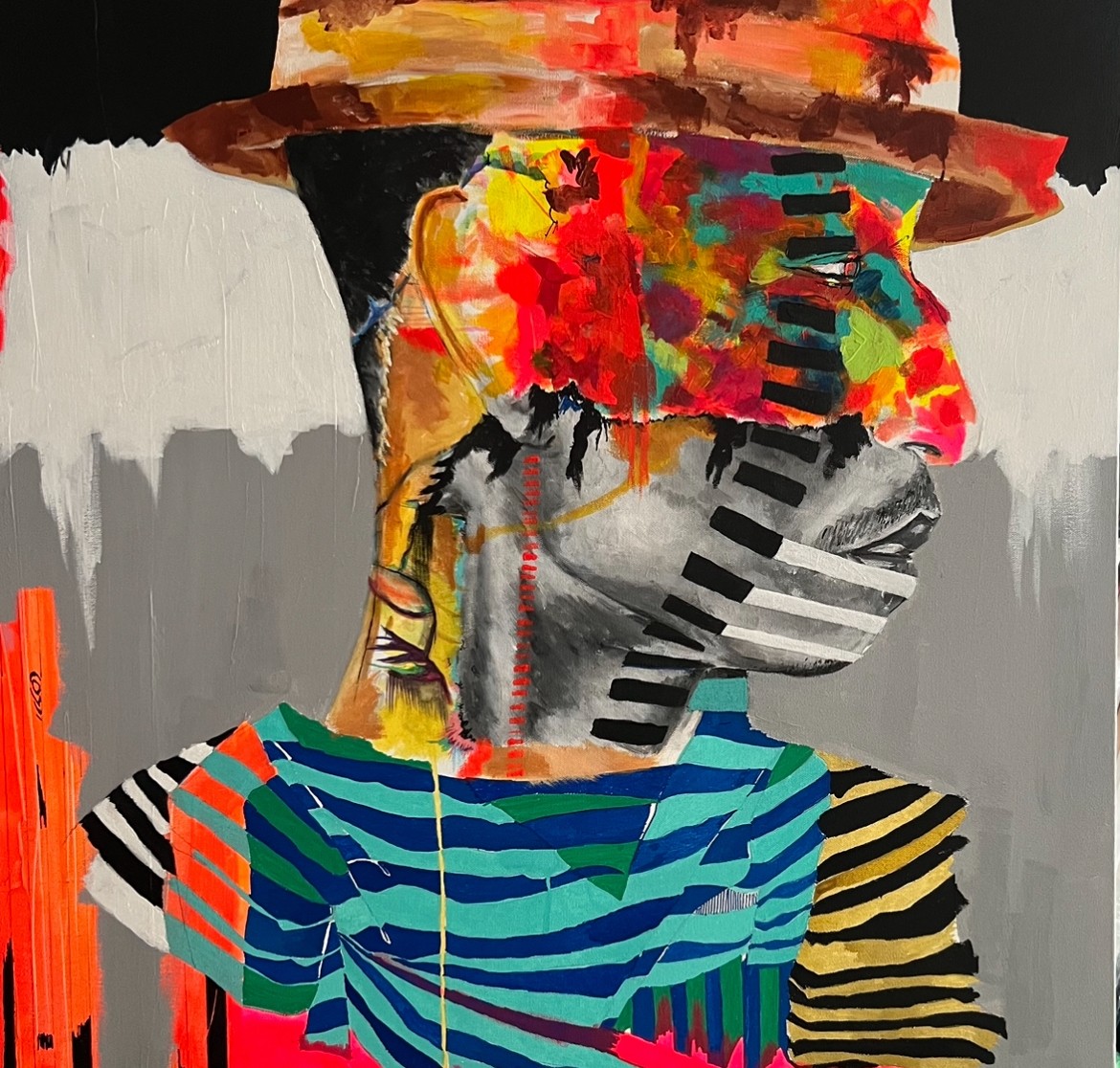
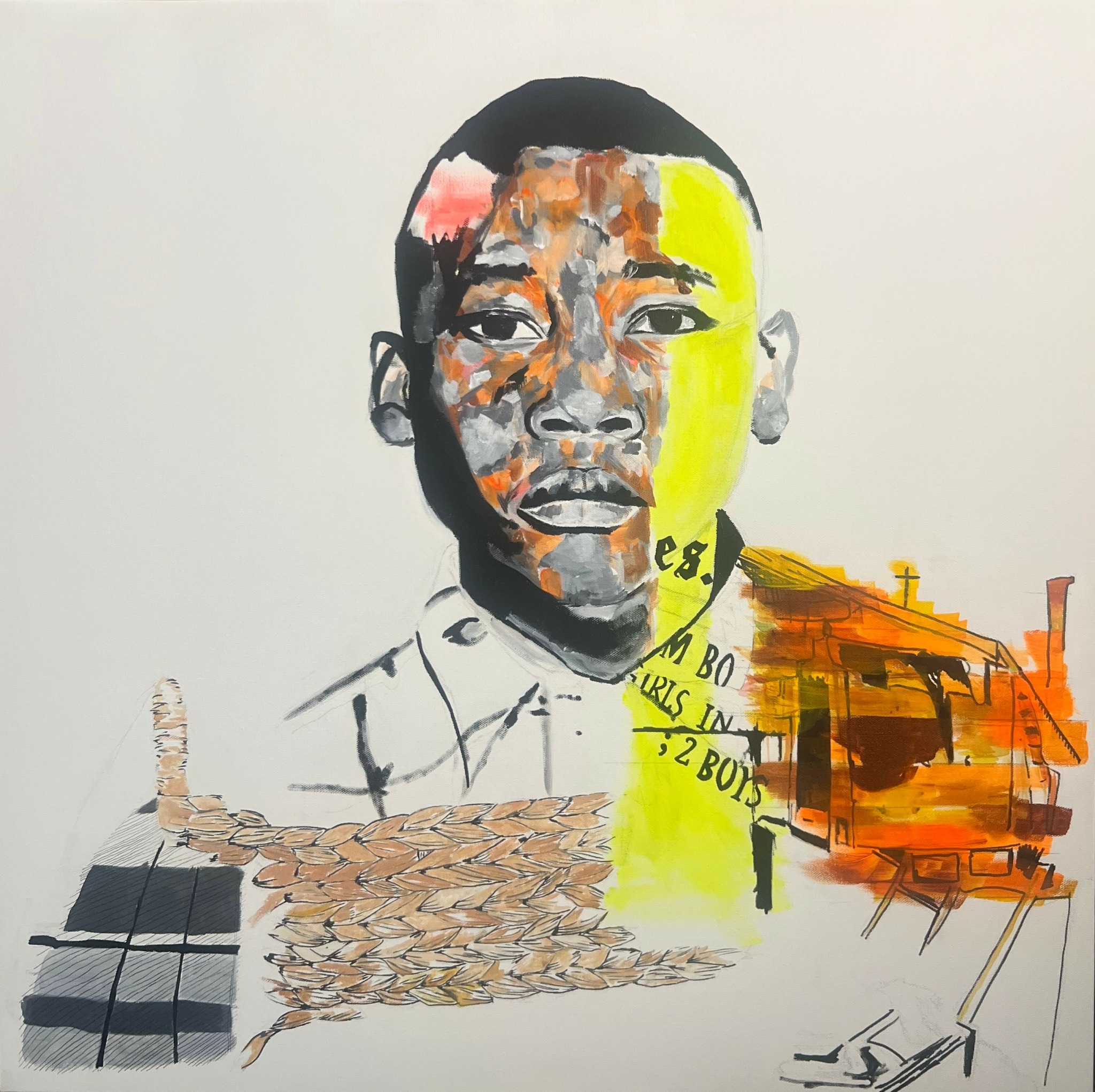
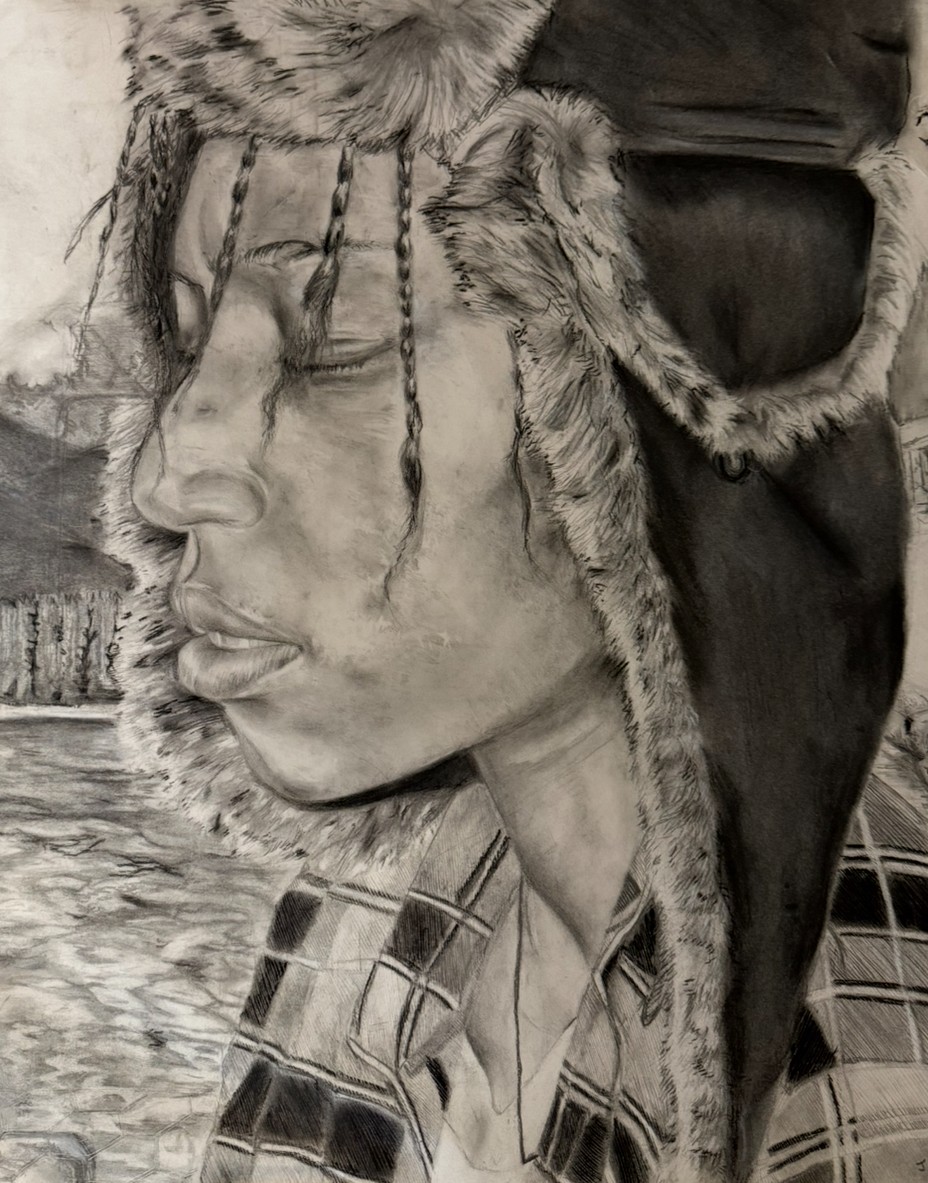
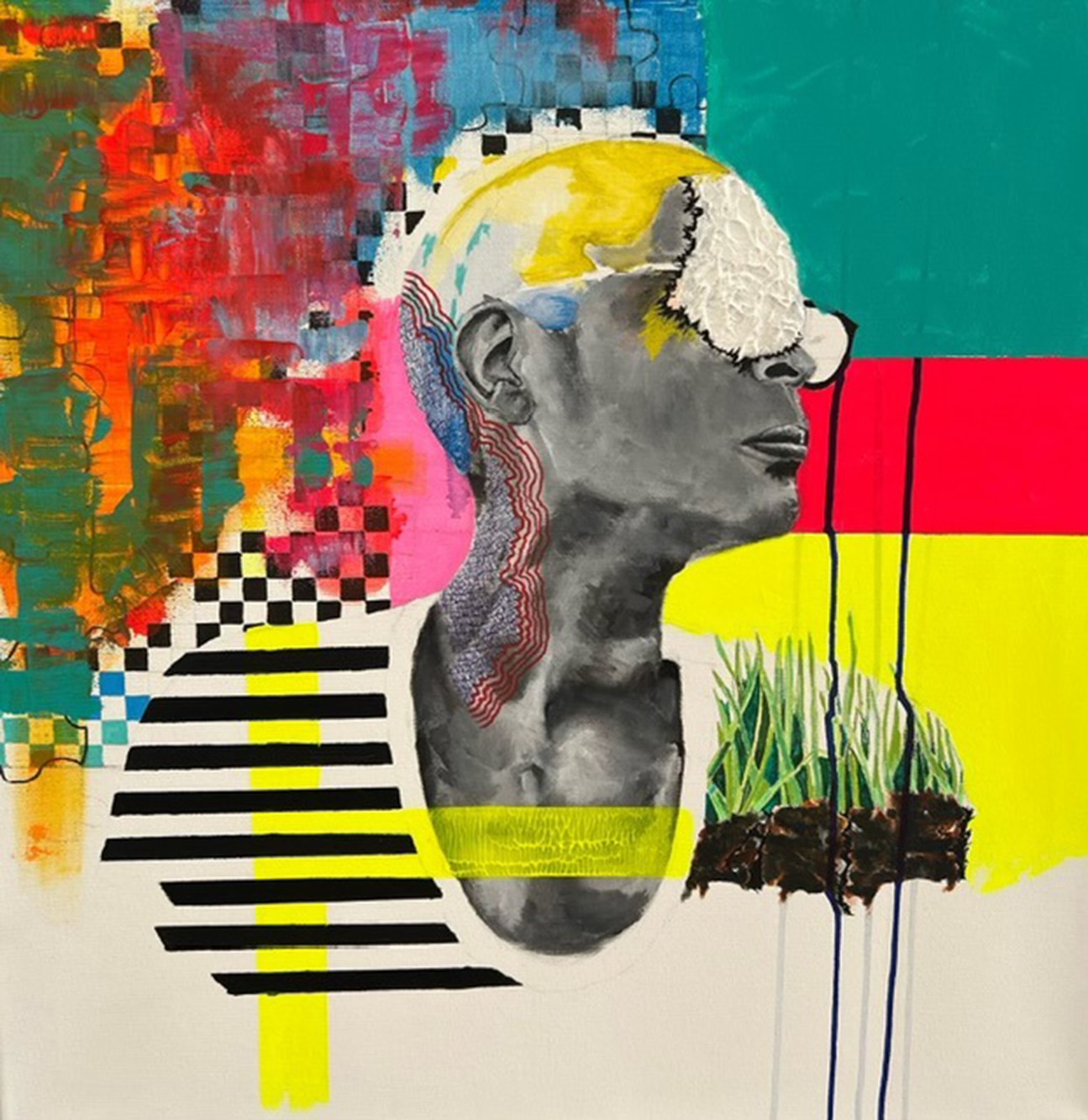
One thing that defines me and is a common thread in my art is portraiture. Portraiture is my muse, inspiring me to pick up a pencil. I create representational and non-objective portraiture. My portraits are meaningful because they serve as faces of others, and they convey different meanings through my application of color. Some of my portraits and figures are completely drawn and painted, while others have less detail, fewer lines, and more implied strokes. My purpose is to demonstrate techniques; art has no boundaries. Additionally, I want viewers to experience an organic process when viewing my artwork.
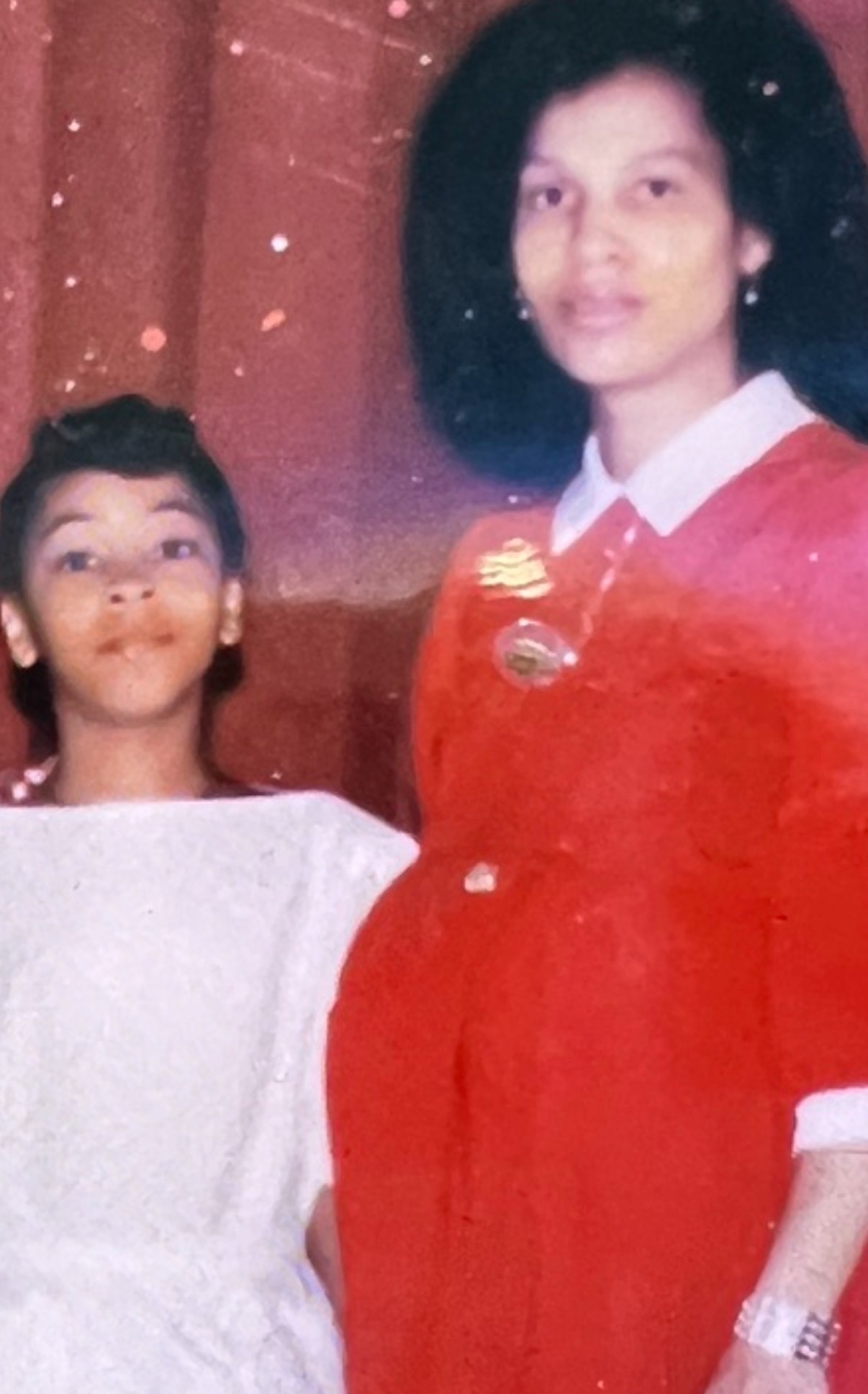
Jessica Maria, before we move on to more of these sorts of questions, can you take some time to bring our readers up to speed on you and what you do?
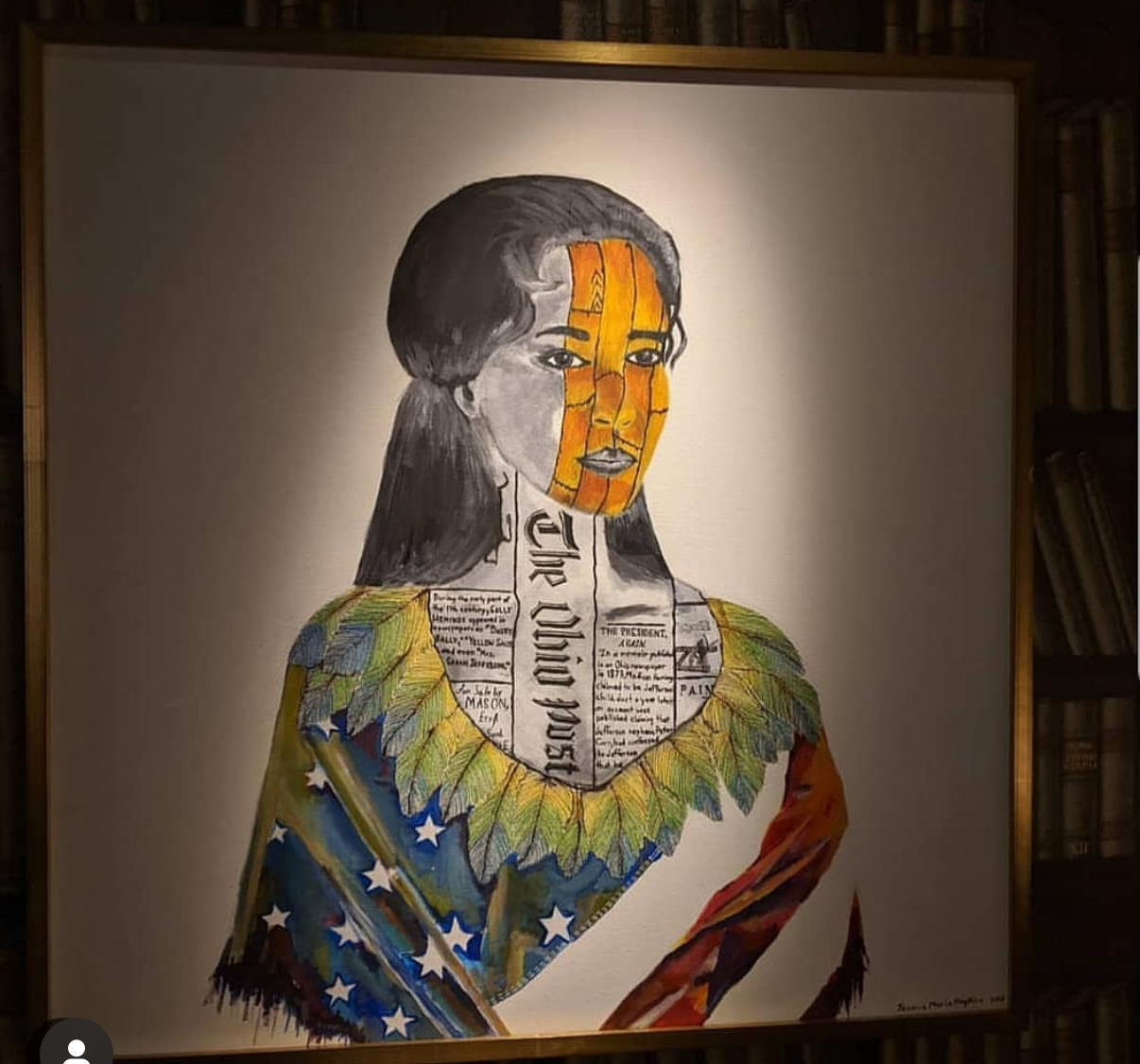
My work has been featured in Art on the Vine, Martha’s Vineyard, MA; Howard University; Art Miami; and The Delaware Contemporary Museum, and I have a painting of Sally Hemings in the Founder Farmers Reston. Additionally, my art is in the collections of the University of the District of Columbia and other private collections.
I am a fine artist who creates portraits in acrylic paint, graphite, and other mixed media. I am also an art teacher who enjoys teaching her students old and new techniques, and allowing them the freedom to dig within themselves to use their culture and voice to create their own visual narrative.
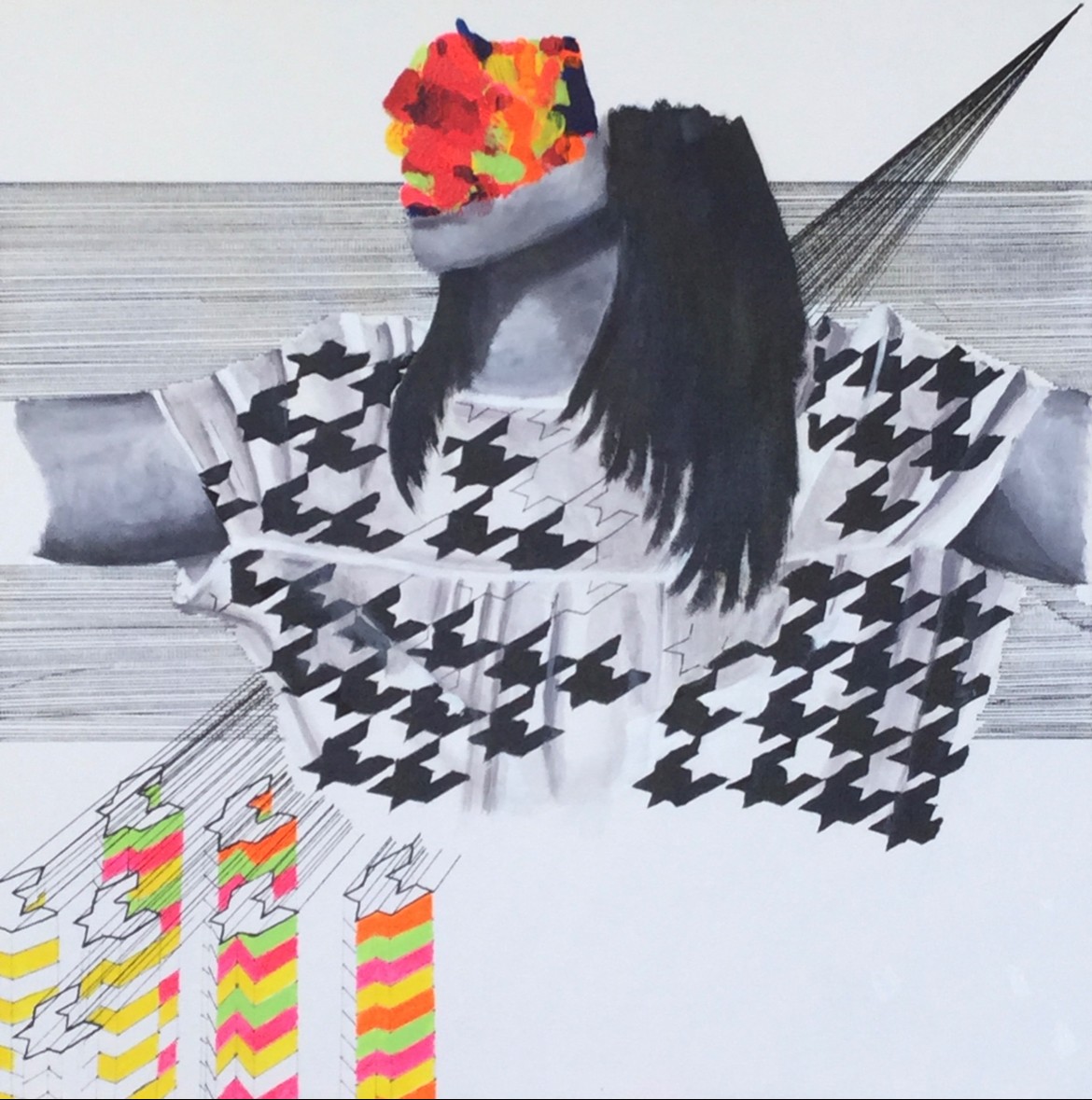
I use my culture and life’s journey to create expressionistic abstract art. The abstract elements of my paintings originate from my subconscious and are characteristics of my simultaneous painting style.
One thing that defines me and is a common thread in my art is portraiture. Portraiture is my muse, inspiring me to pick up a pencil. I create representational and non-objective portraiture. My portraits are meaningful because they serve as faces of others, and they convey different meanings through my application of color. Some of my portraits and figures are completely drawn and painted, while others have less detail, fewer lines, and more implied strokes. My purpose is to demonstrate techniques; art has no boundaries. Additionally, I want viewers to experience an organic process when viewing my artwork.
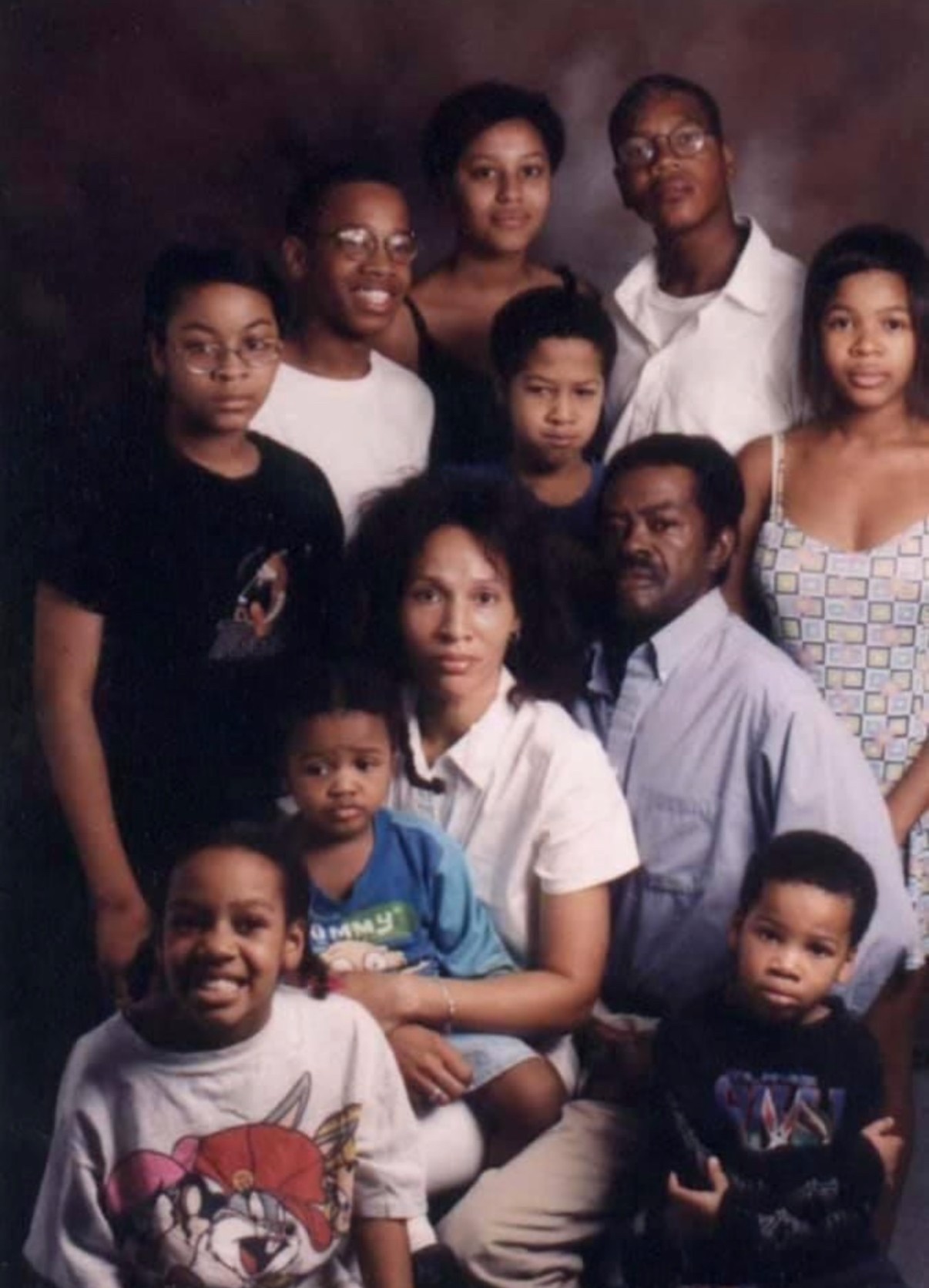
I am most proud of my commission, 15 48 x 48 canvases, for The Office of Registrars at The University of the District of Columbia. Recently, my painting titled Colors of My Reflection won first place in the 2025 Hill Center Galleries Regional Art Competition. Most importantly, I am proud and thankful to have the best mother in the world, Mrs. Carolyn A. Hopkins. She inspired me as a child and still encourages me to push boundaries and believe in myself.
Can you share a story from your journey that illustrates your resilience?
Like many, my path has its share of ups and downs. And like many, I have encountered numerous dead ends; however, my faith in God and knowing my destination allow me to navigate life’s road with grace.
During my second year of graduate school at Howard University, I was diagnosed with Non-Hodgkin lymphoma. All I remember hearing was “if you hadn’t come in sooner.” Horrible night sweats, a nonstop cough, and a thirteen-centimeter mass covering my chest were enough for my body to almost explode, causing my neck and face to swell like a balloon. This was definitely a bump in my road, but it was my actions moving forward that made my journey smooth.
I started chemotherapy and later radiation; however, I never stopped going to school. I began to view my body as a canvas and my blood as paint. Art became my therapy, and art became me.
For you, what’s the most rewarding aspect of being a creative?
The most rewarding aspect of being an artist is seeing viewers’ responses to my work—whether through words, silence, or facial expressions. As a child, people would say, “You can draw—you made it look just like the image.” I would smile.
As I grew older, it was during my undergraduate years at the University of the District of Columbia that I truly grew into who I am on canvas. That was when I began building my own language through color as a painter. I believe many artists begin by being fascinated with drawing what they see. The true challenge—and the real journey—begins when you find your niche and people can identify your work without reading your name.
That was when I realized that what I once feared helped shape who I am today and allowed me to touch viewers through my work. The fear was painting. People would say, “Your colors touched me,” or “I feel something meaningful is happening.” Those responses affirmed my path.
I was also deeply moved by my Aunt, Joyce Edmonds, who passed away. She was inspired by my art and wrote something powerful for my thesis at Howard University. Her words continue to stay with me.
To this day, I know that color is powerful. It evokes emotion and can serve as a healer. For me, this is success as an artist and painter. I hope to continue inspiring and touching people through my art.
Contact Info:
- Website: https://www.jessicamariahopkins.net
- Instagram: http://www.jessicamariahopkins.net/
- Linkedin: https://www.linkedin.com/in/jessica-maria-hopkins-6103b511/