

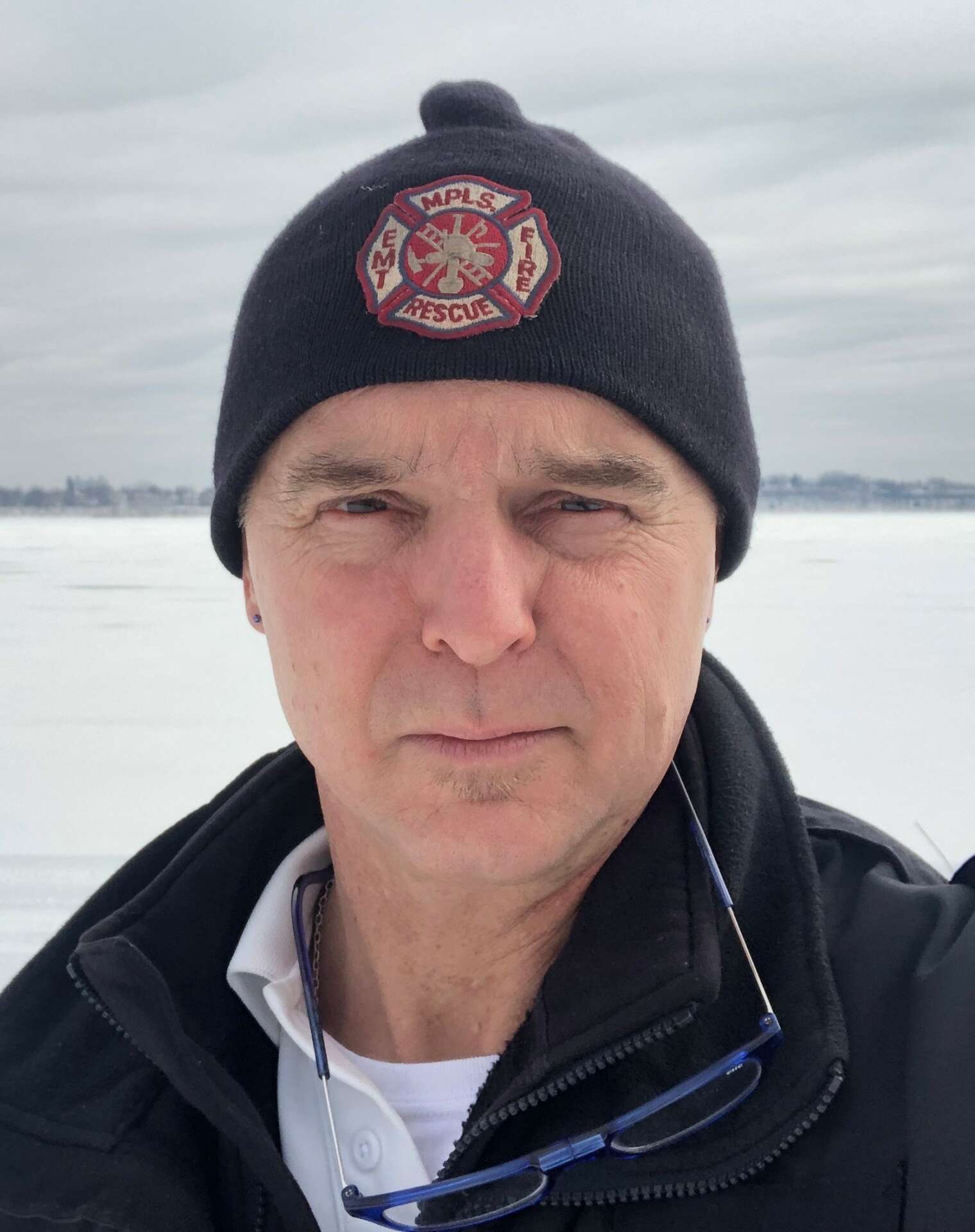

We were lucky to catch up with Jeremy Norton recently and have shared our conversation below.
Jeremy, looking forward to hearing all of your stories today. Over the course of your career, have you seen or experienced your field completely flip-flop or change course on something?
In career firefighting, there are relatively few paths for advancement. It’s a unique profession, certainly, but also a city job, a union job, a job; financial advancement, ascending the ranks, power and prestige: these are human (or capitalist) values. In our system, one can promote by testing to four spots, two of which are sequential (Captain and Battalion Chief) and two are separate (driver/Fire Motor Operator, and Arson Investigator). The rest of the upper echelon positions are by appointment: so, politics and personal whims of the Fire Chief.
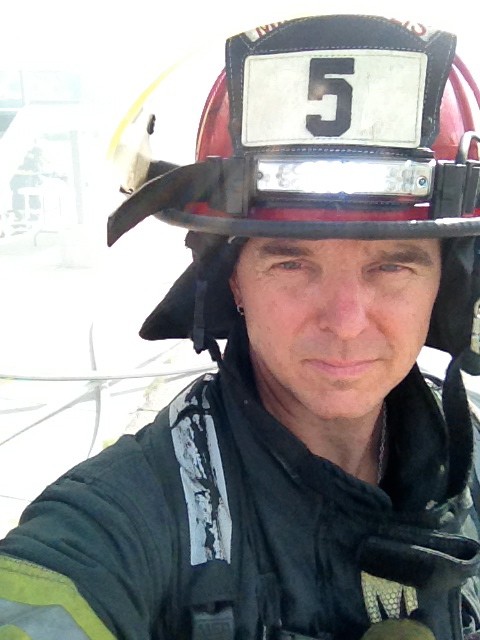
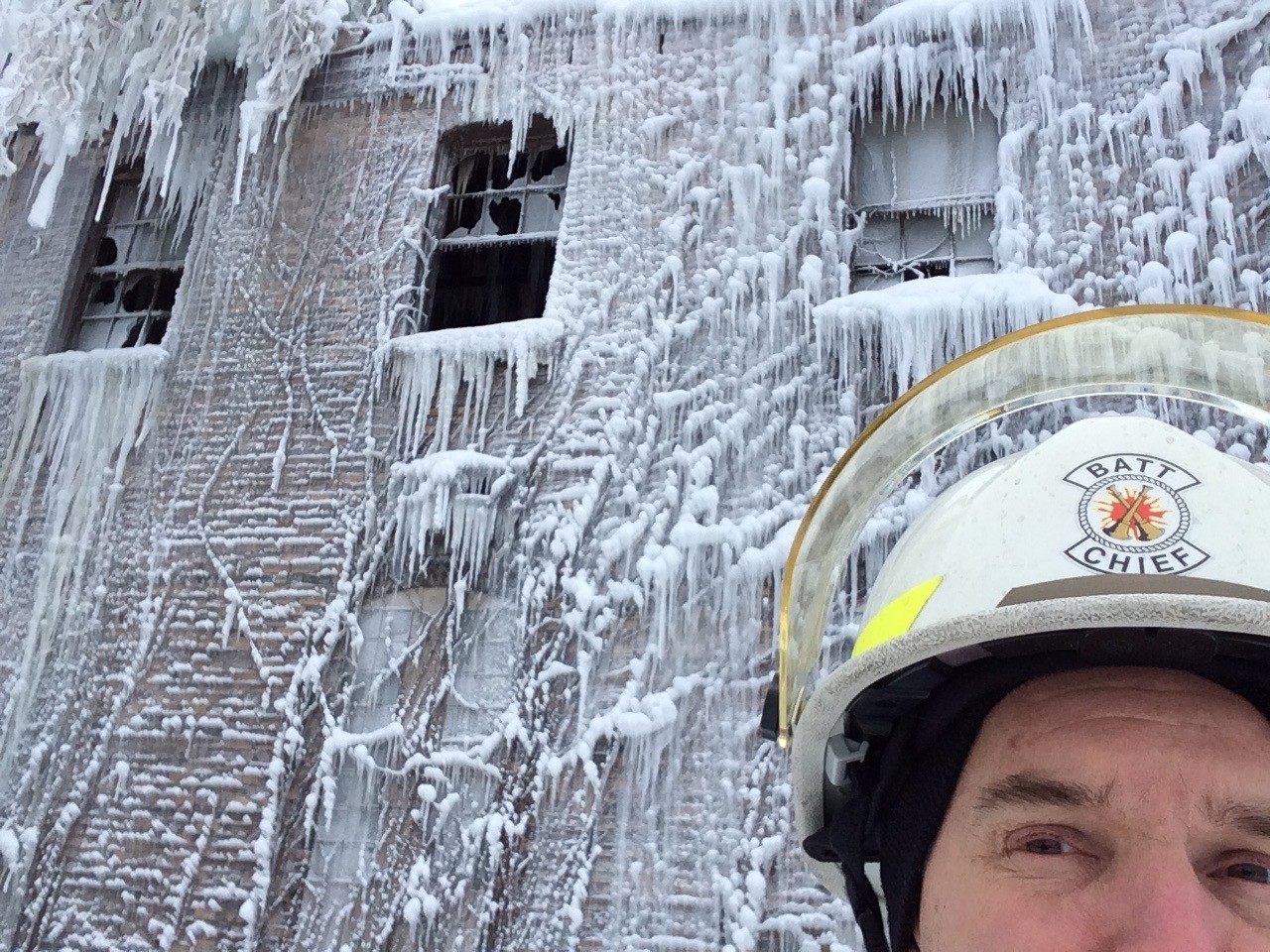
I promoted to Captain in 2007 and really enjoyed the good and the challenging of the position: leadership and responsibility, making tactical and strategic decisions in emergency settings, shaping a crew dynamic. I promoted to Battalion Chief in 2015 with the idea that we were experiencing a paradigm shift in leadership and my virtues would be good for the rest of our personnel. I quickly saw that there was/is so much entrenched reactionary behavior, and so much resistance, to progressive approaches, that I would NOT necessarily be part of a sea change. I could take my bigger paycheck and reduced duties and ride out my career. I could fight a pointed but futile battle against the status quo. Or, I could return to the rigs as a captain and continue to shape individual firefighters under my command and serve the public directly. That is what I did. I returned to the rigs in 2017. My only regret has been the bummer that our department’s dysfunction was the thing that drove me out of the leadership path.

Great, appreciate you sharing that with us. Before we ask you to share more of your insights, can you take a moment to introduce yourself and how you got to where you are today to our readers.
I was a school teacher before I became a firefighter/EMT, so I have an analytical mind. I ask a lot of questions and, being fairly oppositional, I challenge what strikes me as faulty ‘logic’ or baseless assertions. I moved to Minneapolis from TN, where I’d been a high-school English teacher. A friend from DC had just joined the MFD and from her I learned about the job. I was waiting tables with no health insurance; she had a very interesting, vibrant career–with benefits! I was in the process of applying to graduate writing programs, and the fire department schedule seemed a good one for writing. It took me a couple attempts to get hired, and, through my friend and her cohort, I also was educated about the enduring, persistent bias and resistance to women and non-white folks getting on the job. I started as an outsider, despite superficially fitting as a white man.
I brought a nerdy curiosity and critical engagement to the job, the work, the people. I asked ‘Why,’ a lot. The answers that worked, I accepted. The many that were empty or illogical, I questioned further. I am very aware of my privilege as an educated white man, and I feel the weight of responsibility to serve the public, learn from others, and do right by my coworkers AND the public.
The more time I spent on the job, the more I examined what we do–and why/how–the more I understood that we were seeing, and embodying, the very complicated sociological effects of American culture. What I mean is, most EMS training emphasizes seeing ‘poor people’ and being prepared for their dysfunction. This is true: we encounter nearly unfathomable situations. BUT: do we consider what makes OUR normal work? Do we consider what WE would do if we were in similar straits? Recognizing the heavy roles that race, class, gender, and capitalism play in who needs our help, why they need our help, how they receive help from us, and who does the helping: this puts the systemic issues of American culture into a sharp context. Nothing happens in a vacuum.
I try to advocate for our patients, to remind myself and others that there is more going on than we might presume–especially if/when we have been trained to presume the simplistic and the worst. I recognize I/we cannot and will not save a whole lot of the people we encounter, but I deeply believe that we can provide good service by treating everyone with respect and dignity.


Learning and unlearning are both critical parts of growth – can you share a story of a time when you had to unlearn a lesson?
Well, simply, what James Baldwin called The Lie at the core of American society. I had good friends and teachers–Black folks who by experience, example, and patience showed me how flawed the default (white) American approach to our history, our myths, our perpetual and perpetrated injustice was–and by listening to them, considering their truths against what I saw was the status quo, the surface narrative, I began to educate myself. Reading Baldwin’s essays blew open my understanding of whiteness and our desperate cultural deceits, even now 60-plus years after they were written they are, tragically, still relevant and poignant.
I had to unlearn our foundational lies, and then find a way to move forward with integrity.

Do you think you’d choose a different profession or specialty if you were starting now?
I had moments in the first years of my firefighting career when I really considered quitting. Not because it was too much for me, or too hard, or because I couldn’t take it, but because the sheer silliness and backwardness of the social culture, as well as the grim fact that, despite our noble rhetoric, it IS a city job and no one is going to enact big changes within the low-bar city dysfunction. But, I’d been a teacher, too, and had seen the ingrained dysfunction of education, how the needs of the students get short-shrifted by money issues, poor management, and petty politics. Same, same, except with fire trucks.
So, I am incredibly grateful and thankful that I’ve had the opportunities this job has afforded me. Tremendously grateful. I was able to pay my bills, spend good time w/ my daughters, serve the public, have time to myself. Would I do it all again? I think so. And I am unsure how I would do it differently if I started again w/ what I know now. Even better informed, I recognize that the system itself is pretty impervious to change.

Contact Info:
- Website: jeremynorton.info
- Instagram: @prolixgringo
Image Credits
Photos by author or Carly Danek