



We recently connected with Jeremiah Hearne and have shared our conversation below.
Jeremiah, appreciate you joining us today. Coming up with the idea is so exciting, but then comes the hard part – executing. Too often the media ignores the execution part and goes from idea to success, skipping over the nitty, gritty details of executing in the early days. We think that’s a disservice both to the entrepreneurs who built something amazing as well as the public who isn’t getting a realistic picture of what it takes to succeed. So, we’d really appreciate if you could open up about your execution story – how did you go from idea to execution?
The idea didn’t show up as an idea. It showed up as a need to keep moving.
For twelve years I’d run ARDEZEN — custom fabrication, design-build, remodel. By late 2025 the phone wasn’t ringing the way it used to, and the people I’d been building alongside were each fighting their own version of the same fight. The choice was wait for the trade to come back, or pivot into something that didn’t depend on a phone call I couldn’t make happen.
The pivot was AI infrastructure. Not because it was trendy — because I’d been quietly using AI and a stack of automation work to make my own operation survive, and the practitioners who actually needed governance, compliance, and integration tooling weren’t getting it from the big platforms. The big platforms were selling slideware. The companies running AI in regulated spaces were holding it together with duct tape and dread.
I registered the S-Corp in December 2025 and named it Ethereal Connections Co. — ECCO. Day one was opening the laptop. Day two was the same. There was no team. The first month was figuring out which of the things I was building should be public, which should be internal tooling, and which should be the commercial offer.
Four months later, ECCO has a five-node hardware stack I built and operate myself, three productized services, a 41-vertical compliance scanner mapped to four AI regulatory frameworks (NIST AI RMF, ISO 42001, EU AI Act, Colorado AI Act), a 152-tool tooling library, and a documented governance specification. Seventeen working surfaces in total. No investors. One operator. All shipped.
What I had to figure out: most of it, daily, on the laptop, alone. Python integrations. The compliance framework landscape across four jurisdictions. The economics of selling a $750 service alongside a custom integration that bills five figures. How to write a governance spec without sounding like a consultant. How to keep building when the bank account is the bank account it is.
The honest version: I started because I had to. I kept going because the work wanted to exist. The architecture is now bigger than the original idea — and that’s how it actually happens.
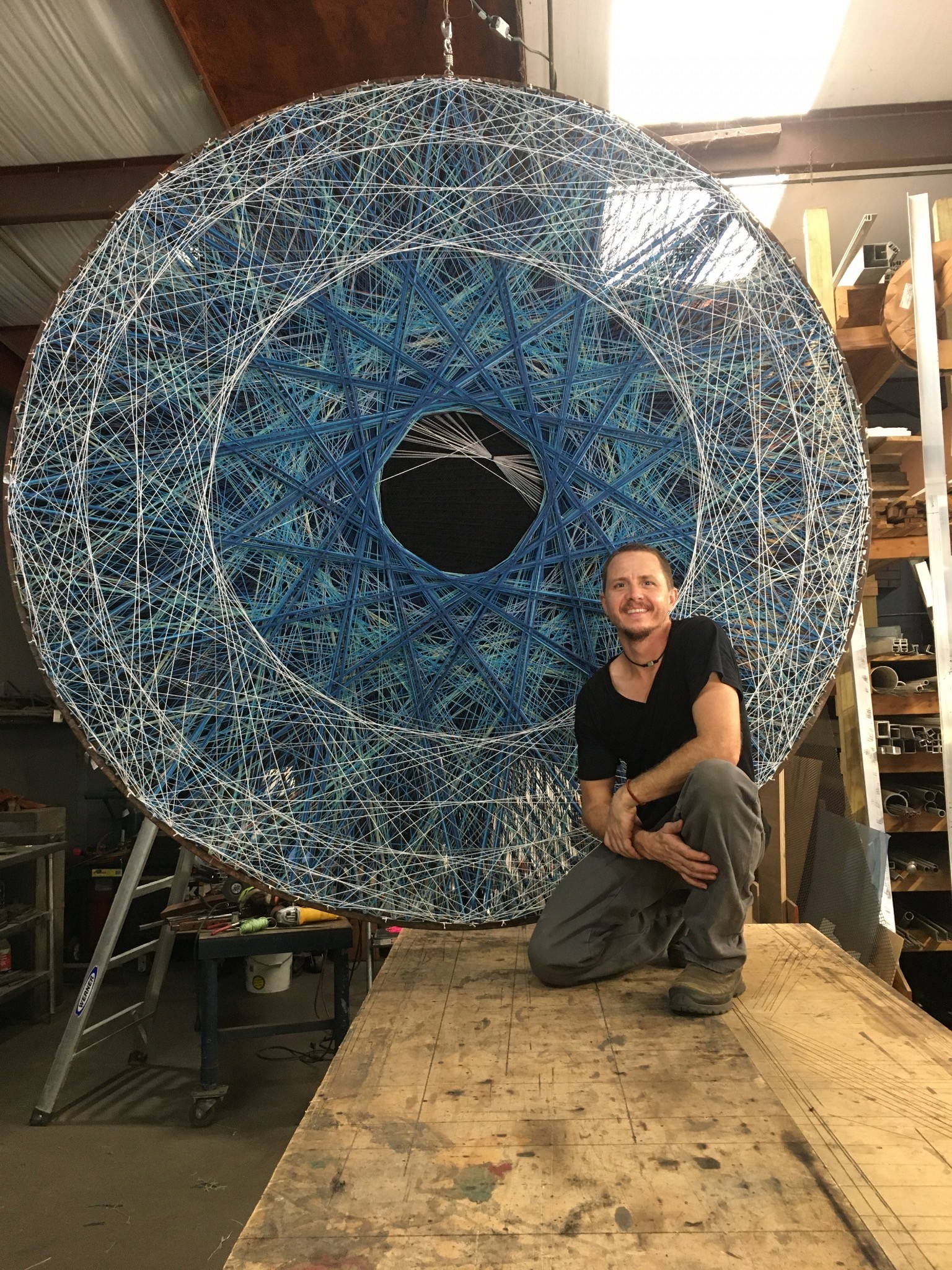
As always, we appreciate you sharing your insights and we’ve got a few more questions for you, but before we get to all of that can you take a minute to introduce yourself and give our readers some of your background and context?
I’ve worn a lot of hats, and it took me longer than I’d like to admit to realize they’re all the same hat.
I started as a Project Engineer at Bovis Lend Lease in New York, promoted to Assistant Superintendent on two high-rise towers ($85M and $45M) six months in. From there it went sideways — Texas Children’s Hospital NICU 3, oilfield safety in South Texas, Fire/EMT-B with South Montgomery County, and twelve years running my own design/build firm (ARDEZEN) doing custom fabrication, architectural metalwork, millwork, water and fire features. Texas Tech architecture before all of it.
Read from the outside, that résumé looks scattered. Read from the inside, it’s one job done in a lot of operating environments: figure out what the system actually needs, build the missing piece, hand it off, move on.
Ethereal Connections Co. (ECCO) is what that job looks like in 2026. ECCO builds practitioner-side infrastructure for AI governance, compliance, and integration — the surgical tooling that big platforms don’t ship because shipping it well doesn’t scale to slideware. Three commercial services today: A2P-10DLC compliance for regulated SMS deployments ($750), a Back-Office Data Bridge for custom Python integration into legacy ERPs ($3,500+), and an Enterprise Integrity Stack for organizations that need a full governance architecture. Behind those, a 41-vertical compliance scanner mapped to NIST AI RMF, ISO 42001, the EU AI Act, and the Colorado AI Act, plus a 152-tool indexed AI library and a documented internal governance specification.
The problem ECCO solves: regulated-vertical AI adoption is being held together by practitioners who don’t have the tooling to prove their AI systems are doing what they claim, and who can’t get that tooling from vendors because the vendors are still selling the deck. ECCO is what it looks like when a practitioner builds for practitioners.
What sets the work apart is that nothing about it is theorized. The compliance scanner exists because I needed it. The governance specification exists because I needed the doctrine before I’d let myself ship under it. The Transparency Project — ECCO’s public-facing campaign — exists because if the integrity layer is the product, then the integrity layer has to operate in public.
What I’m most proud of: ECCO went from S-Corp registration to seventeen working surfaces, three productized services, and a public ecosystem in four months. One operator. No outside capital. Shipped.
What I’d want readers to know: ECCO’s discipline isn’t AI. The discipline is integrity at the layer the AI sits on top of.
Data is the key. We design & build the lock.
PROVENANCE OVER PERFORMANCE · INFRASTRUCTURE OVER INFLUENCE · DOCTRINE OVER EXCUSE.

Can you share a story from your journey that illustrates your resilience?
In 2009 I left a construction career in NYC and took a job in Neonatal Intensive Care Unit 3 at Texas Children’s Hospital in Houston. I was a Registered Nurse’s Assistant — not the doctor, not the nurse, the person who’s there in the room when things happen and the senior clinical staff need another set of trained hands.
NICU 3 is where babies go who are not stable. Some are 24 weeks. Some are recovering from open-heart surgery. Some are on ECMO. The discipline of that room is unlike anything I’d encountered in twenty-six years of life prior. You don’t get to be tired. You don’t get to be distracted. You don’t get to bring your problems in with you. The babies are doing the hardest work; your job is to not make their job harder.
I worked NICU 3 for two years. I never made it back to anything resembling the NYC career path I’d left, and I’ve never tried to. What I took from those two years built everything that came after — the fabrication work I did under ARDEZEN, the fire and EMS work in Texas, and the integrity architecture I’m building now at ECCO. The discipline is the same in every domain: small thing done right, in sequence, under pressure, without taking shortcuts you can’t afford to take.
Resilience, when I think about what the word means, isn’t a quality. It’s a discipline you choose every time the room asks you to choose it. The babies didn’t get to opt out of being there. I figured out pretty quickly I didn’t get to either.

We often hear about learning lessons – but just as important is unlearning lessons. Have you ever had to unlearn a lesson?
I had to unlearn the assumption that if I gave the work everything I had, the people around me would meet me there.
Most of my career, I operated on the premise that team is real. You show up, you over-deliver, you carry weight that isn’t strictly yours, and over time the asymmetry corrects — because team. Because reciprocation. Because that’s how it’s supposed to work.
The backstory is the last several years. ARDEZEN was supposed to be a community of practice — designers, fabricators, builders, all working together. I poured into it. I subsidized when I needed to. I held space for people whose own situations made it hard for them to hold space back. I assumed that if I just kept showing up, the structure I was trying to build would eventually catch hold of itself.
It didn’t. By late 2025, the work had dried up, the relationships I’d anchored to were each in their own survival mode, and I was somewhere between exhausted and alone. The lesson I had to unlearn — and I’m still unlearning it some days — is that other people’s bandwidth is not a moral failing when they don’t have it. Not everyone is in the same season as I am. Team works when the math works for everyone, and the math wasn’t working.
Ethereal Connections Co. (ECCO) is what came out of unlearning that. ECCO is structured on the assumption that I will build alone until the work itself becomes the thing that calls collaboration in — not the other way around. The architecture comes first. The community comes when the architecture has earned it.
I wouldn’t recommend the unlearning to anyone. But I do recommend doing the math honestly. If you’re carrying more than your share for too long, ask whether you’re holding a structure that’s actually a structure, or whether you’re holding a relationship that needed to be smaller than you wanted it to be.
Contact Info:
- Website: https://etherealconnectionsco.com
- Instagram: https://www.instagram.com/ardezen.co/
- Facebook: https://www.facebook.com/ardezen.htx
- Linkedin: https://www.linkedin.com/in/jeremiah-hearne-b0611413/
- Other: http://amplification.etherealconnectionsco.com/
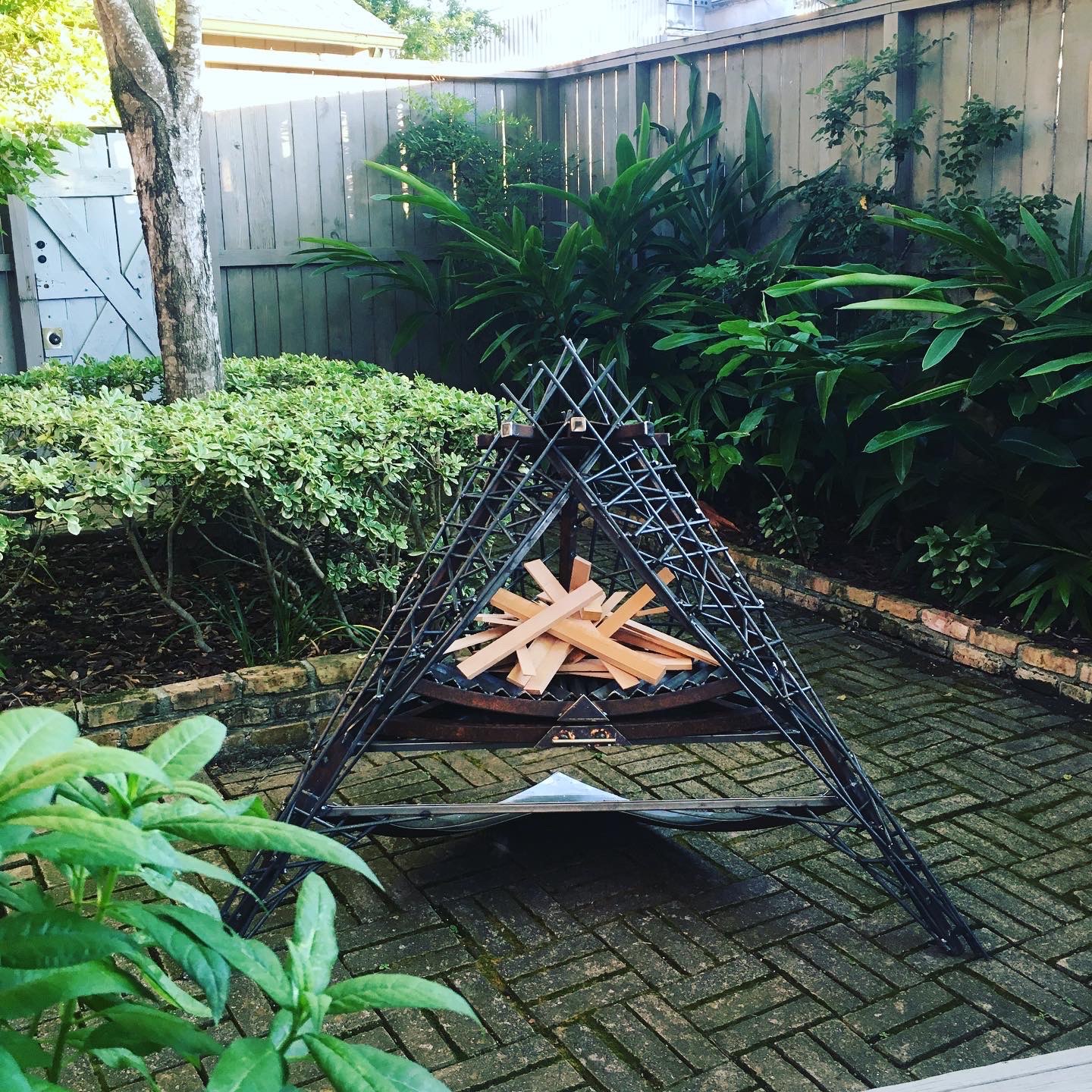
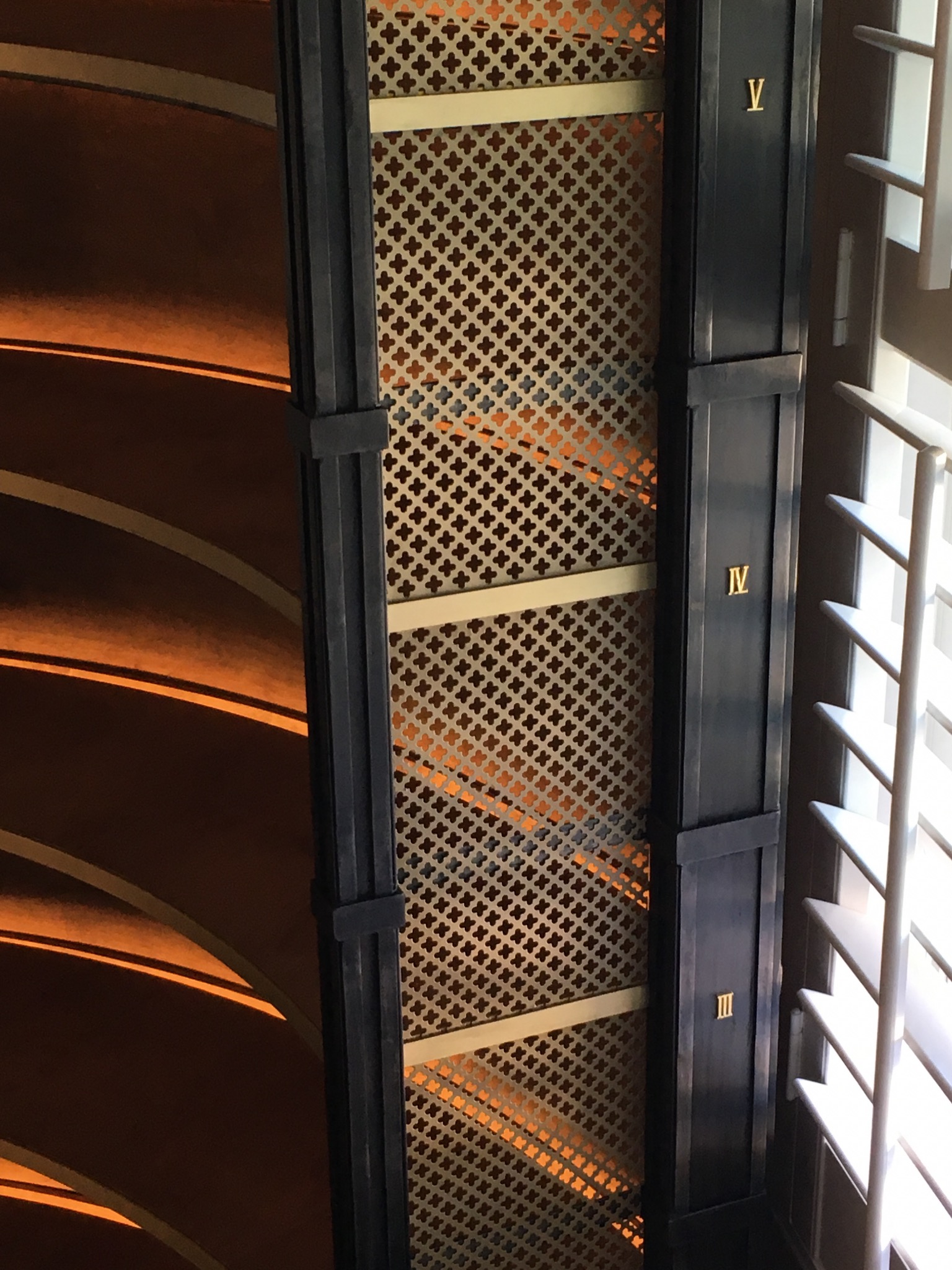
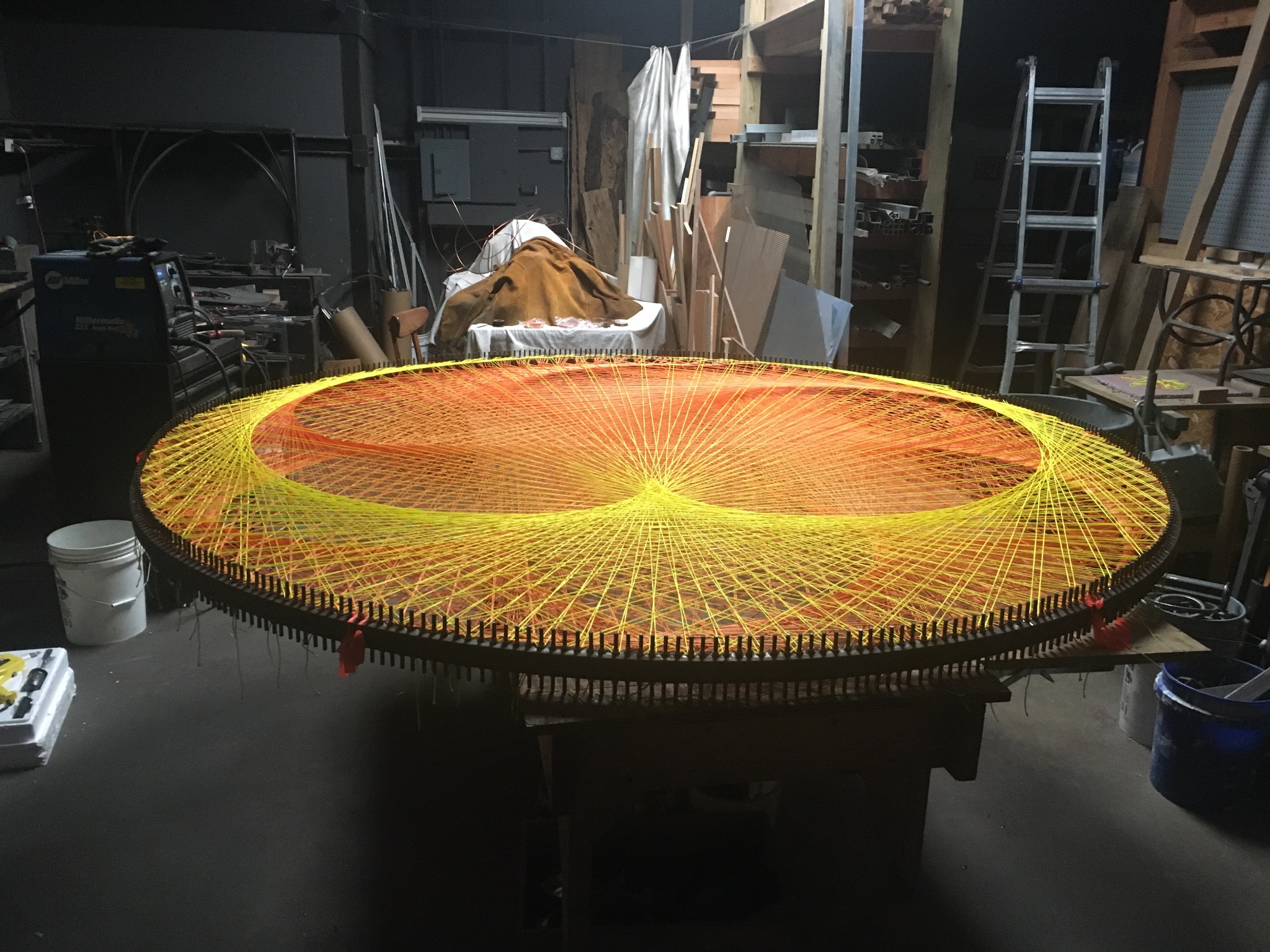
Image Credits
All photos: Jeremiah Wade Hearne