



We’re excited to introduce you to the always interesting and insightful Jennifer Trevino. We hope you’ll enjoy our conversation with Jennifer below.
Hi Jennifer, thanks for joining us today. We’d love to hear the backstory of how you established your own practice.
I decided to start my own practice in order to meet the gaps I saw in the healthcare journey for older adults. I would repeatedly hear clients say, “Where were you years ago?” They often felt that if they’d had the right guidance earlier, their health and independence might look very different. That made me realize there was a significant gap in proactive support for older adults and that I had a responsibility to help fill it. I founded my mobile outpatient therapy, home modification and dementia caregiving consulting practice to meet people earlier in their journey, when education, environmental modifications, and prevention can truly change outcomes.
One of the best decisions I made was working with a mentor, whom I still consult today. Having guidance from someone who has already navigated the path helps you avoid costly mistakes and accelerates growth. For anyone starting a practice, I strongly recommend finding experienced support. We don’t know what we don’t know.
Like any business, there were challenges. Early on, the hardest part was staying consistent when results weren’t immediate and showing up confidently even when I felt uncertain. Over time, I learned that progress is cumulative; every small step builds momentum. Looking back, I wouldn’t change anything, because each stage shaped both my business and my perspective.
My advice to young professionals considering their own practice is this: don’t let existing structures define your limits. If you see a need, you can create a solution. Surround yourself with people who support your vision, stay persistent, and keep moving forward. Success doesn’t come from fitting into someone else’s mold — it comes from building something that aligns with your own purpose.
Jennifer, before we move on to more of these sorts of questions, can you take some time to bring our readers up to speed on you and what you do?
I’ve been an Occupational Therapist for more than 25 years, and from the very beginning I knew I wanted to help people live fuller, more independent lives. I was drawn to healthcare as early as high school, but even during my training I realized I didn’t fit neatly into the traditional model of working solely in hospitals or rehab facilities. During a fieldwork placement at an adult day center, I developed health and wellness programs for participants and saw firsthand how creative, individualized approaches could transform daily life. That experience shaped my career path.
After graduating, I essentially created my first role by demonstrating how occupational therapy could benefit a community mental health adult day program that had originally been seeking other disciplines. That moment set the tone for my career: I’ve always believed in thinking beyond standard systems and designing solutions around real human needs.
Over the years, working across multiple healthcare settings, I repeatedly saw gaps in care, especially for older adults trying to function safely and confidently at home. That realization led me to build a practice focused on meeting clients where they are, literally and figuratively. I expanded my services to include home modification consulting after advanced training, allowing me to evaluate environments and recommend changes that support safety, independence, and daily routines. I then added in-home therapy services for individuals who had completed home health or struggled to access outpatient care but still needed skilled support.
As dementia increasingly became a factor affecting both clients and caregivers, I pursued additional training to provide specialized dementia consultation and functional support. Today, I work with clients in their homes and in community settings, including Generations Club adult day center clinic, where I focus on maximizing participation, function, and social engagement.
What sets my work apart is my philosophy: care should evolve as people’s needs evolve. My brand is built on continuous growth, proactive problem-solving, and personalized solutions rather than one-size-fits-all care. I’m most proud of creating a practice that prioritizes quality of life, not just clinical outcomes. We may not know how many days we have, but we can influence the quality of those days.
My services aren’t designed to be a fit for everyone, and that’s intentional. But for those who align with this approach, we build meaningful relationships and create practical strategies that truly support everyday living. That impact is what continues to inspire my work.
Can you tell us about what’s worked well for you in terms of growing your clientele?
The most effective strategy for growing my clientele has been genuine concern for each person I serve. Whenever I encounter a client who needs more than I can provide, I reach out to other providers or services to connect them with the right support. Those efforts not only help the client but often open new opportunities for my own practice.
Clients and colleagues know that I am fully committed to helping however I can. I believe that honest, candid communication is powerful. It helps clients see their situation clearly, recognize the options available, and consider solutions rather than feeling stuck or helpless. Sometimes the reality of our circumstances can be difficult to face, but awareness creates opportunity. With the right support and willingness to engage in the process, meaningful improvements are always possible.
Training and knowledge matter of course, but beyond that what do you think matters most in terms of succeeding in your field?
Beyond training and knowledge, one of the most important factors for success in this field is understanding that you are running your own race. It’s essential not to measure yourself against others, but instead to set your own standards and work steadily toward them. Expectations shape both mindset and outcomes; when you start comparing yourself to others, you risk discouragement and losing sight of your own purpose. Success looks different for everyone, so defining what it means to you, and staying focused on that vision is far more productive than comparison.
Contact Info:
- Website: https://www.functionalityforlife.com
- Facebook: https://facebook.com/functionalityforlife
- Linkedin: https://www.linkedin.com/in/jennifer-trevino-6b843677

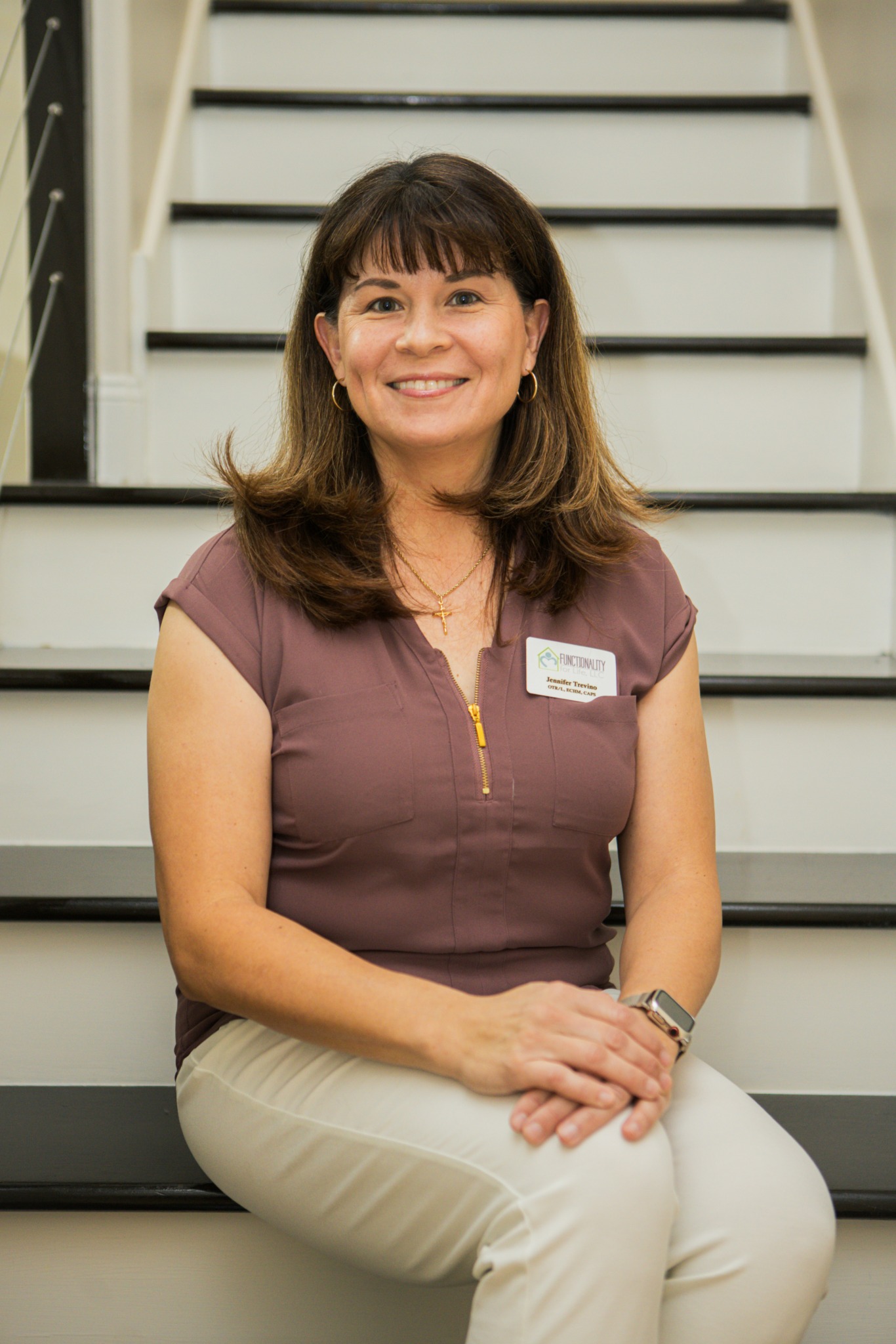
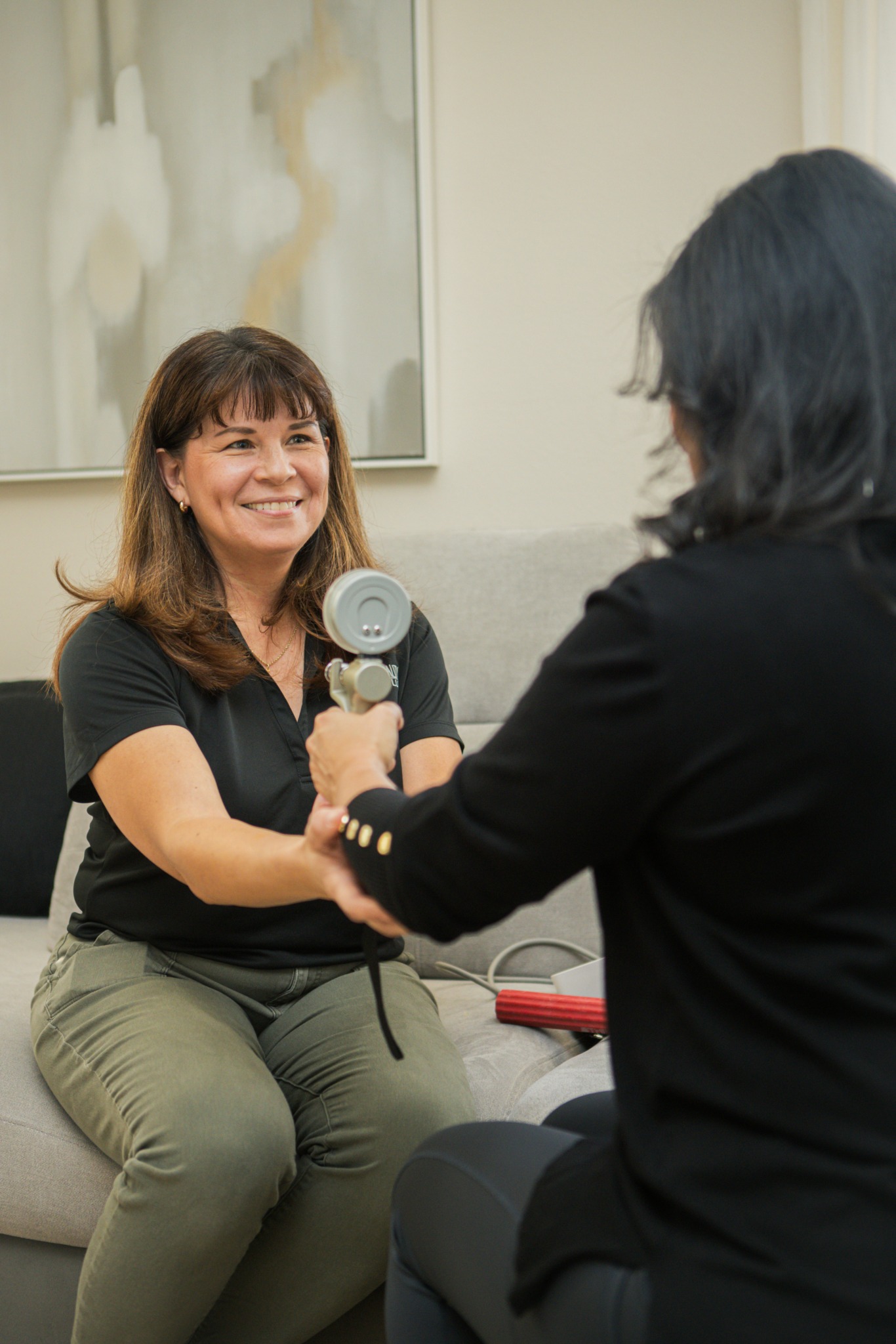
Image Credits
Yanyi Visuals