

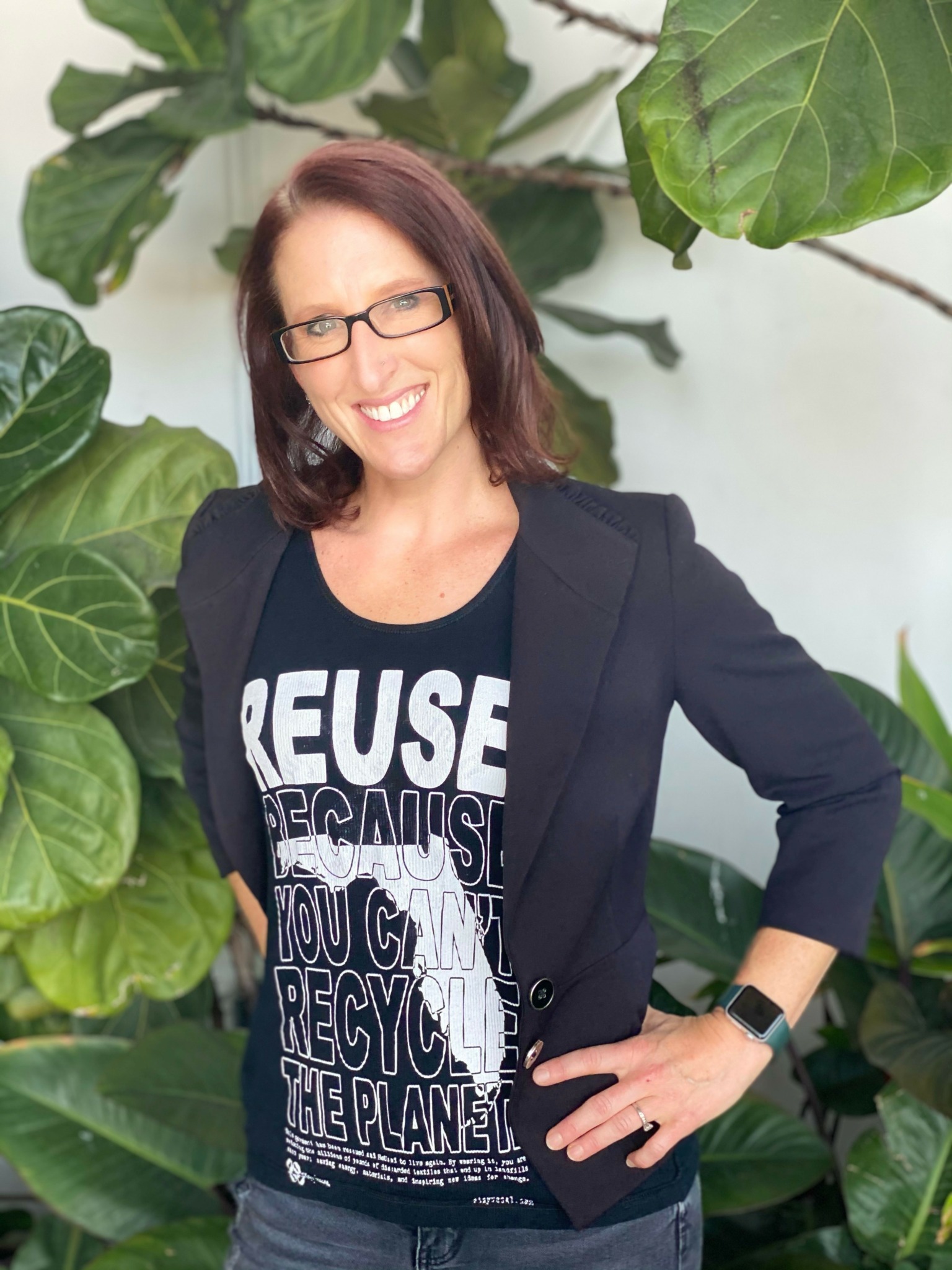

We’re excited to introduce you to the always interesting and insightful Jennifer O’Brien. We hope you’ll enjoy our conversation with Jennifer below.
Jennifer, looking forward to hearing all of your stories today. What’s been the most meaningful project you’ve worked on?
Resource Depot is, without question, the most meaningful project I’ve ever been a part of as an artist—though it doesn’t always look like what people expect when they hear that word. My canvas just happens to be a nonprofit. Every day, I get to blend two sides of myself that don’t often get to coexist so fully: the organized, analytical executive who loves building systems and sustainability, and the creative thinker who sees possibility in what others might overlook.
What started as a small operation has grown into something much bigger—more people, more programs, more impact—without ever losing its heart. I’ve had the chance to shape that growth in a way that feels intentional and creative, not just operational. One moment I’m looking at budgets and strategy, the next I’m dreaming up new programs, reimagining how materials can be used, or walking through our space watching someone turn discarded items into something beautiful and entirely new.
I get to tell stories, build partnerships, support artists and educators, and create opportunities for our community to see “waste” differently. I get to design experiences that spark creativity and connection. And maybe most meaningful of all, I get to work alongside a team and a community that believes in this idea—that creativity and sustainability belong together.
It’s rare to find work that uses all of who you are. Resource Depot does that for me.
Great, appreciate you sharing that with us. Before we ask you to share more of your insights, can you take a moment to introduce yourself and how you got to where you are today to our readers.
For those who may not be familiar with my work, I currently lead Resource Depot, a creative reuse center rooted in the idea that “waste” is often just a resource in the wrong place. My path here wasn’t traditional—it’s been shaped by a mix of arts education, creative thinking, and a strong operational mindset—but in many ways, it all makes perfect sense when you look at what we do.
When I stepped into this role, Resource Depot had already been around for over a decade and had a powerful mission, but it was struggling to find a sustainable operational and funding model. What I saw wasn’t just a challenge—it was potential. As someone who naturally thinks like a creative problem solver, it felt a lot like working on a collage: taking existing pieces, reworking them, refining systems, strengthening the foundation, and bringing everything together into something more cohesive, functional, and impactful.
Over the years, I’ve had the opportunity to help shape the organization into what it is today—building stronger systems, clarifying our brand, expanding programs, and growing our reach—while staying deeply rooted in our mission.
Resource Depot is about advancing a more circular economy at the local level. We collect clean, reusable materials from businesses and the community—items that would otherwise end up in the waste stream—and redistribute them to teachers, artists, nonprofits, and families. But beyond materials, we’re really shifting mindsets. We’re helping to normalize secondhand, to highlight the beauty and value in reused materials, and to encourage more conscious consumer habits.
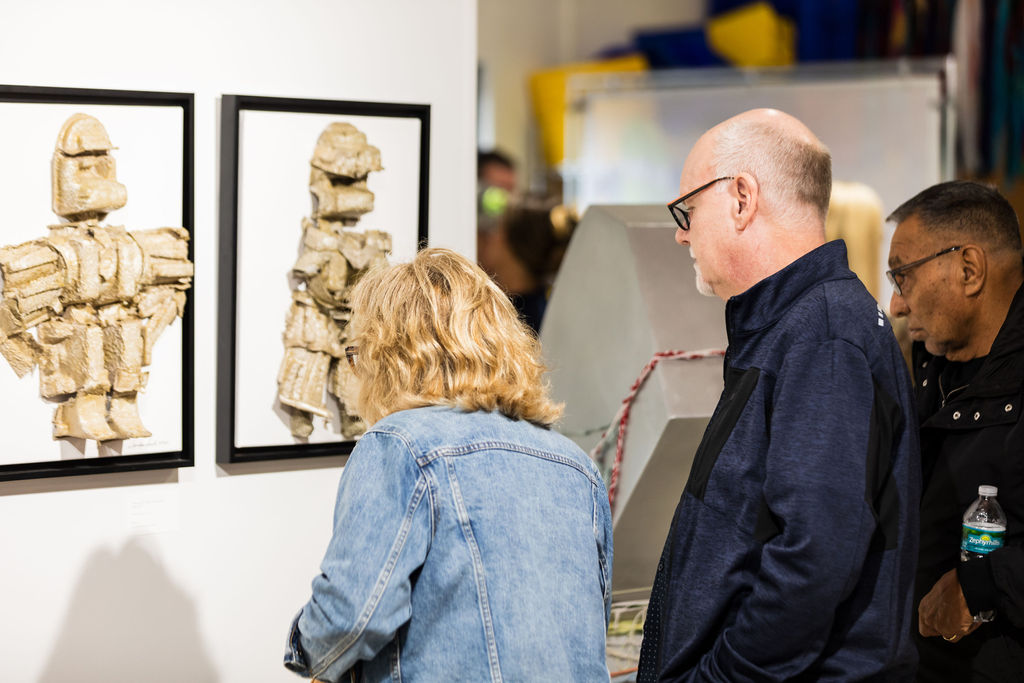
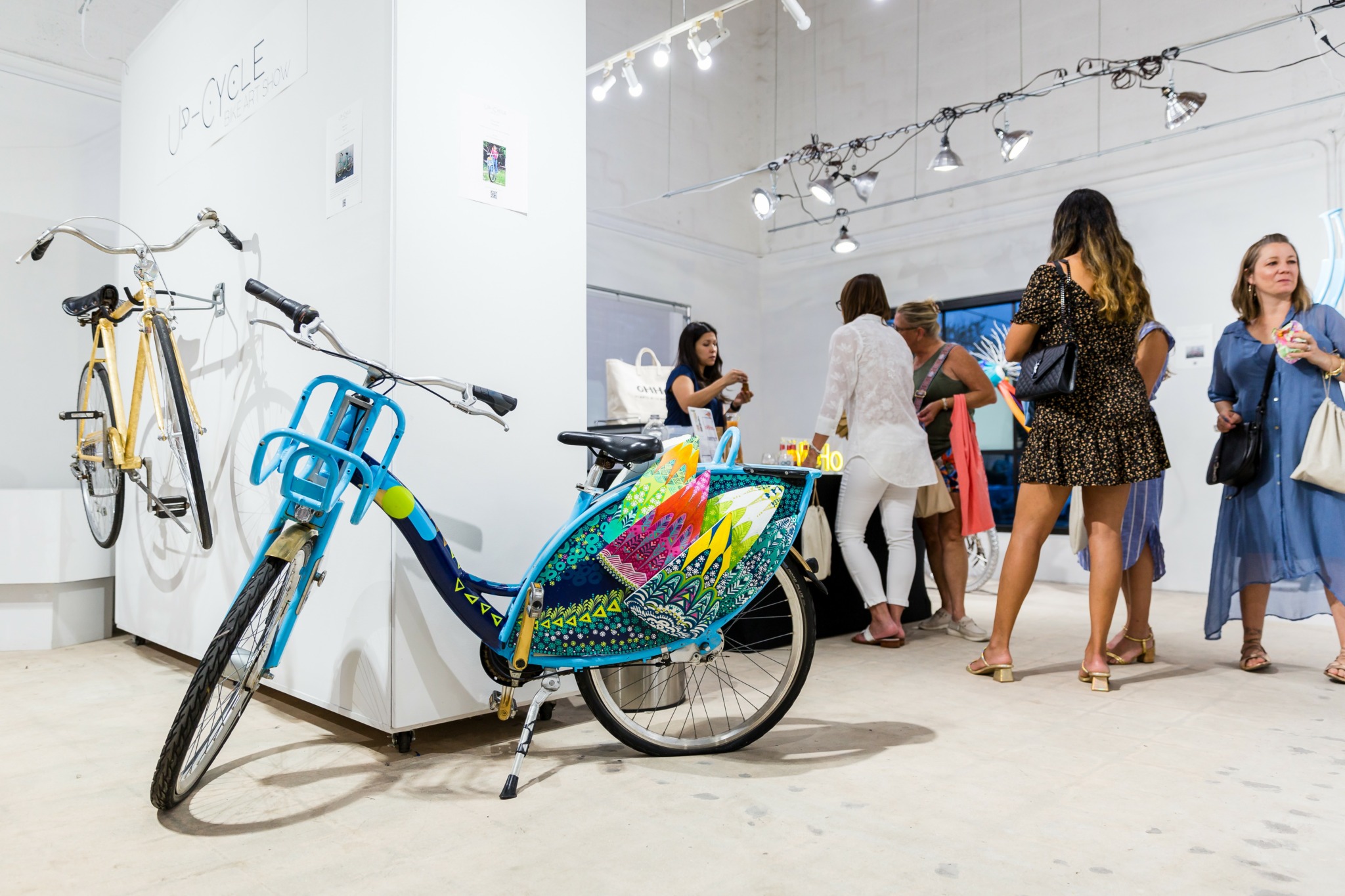
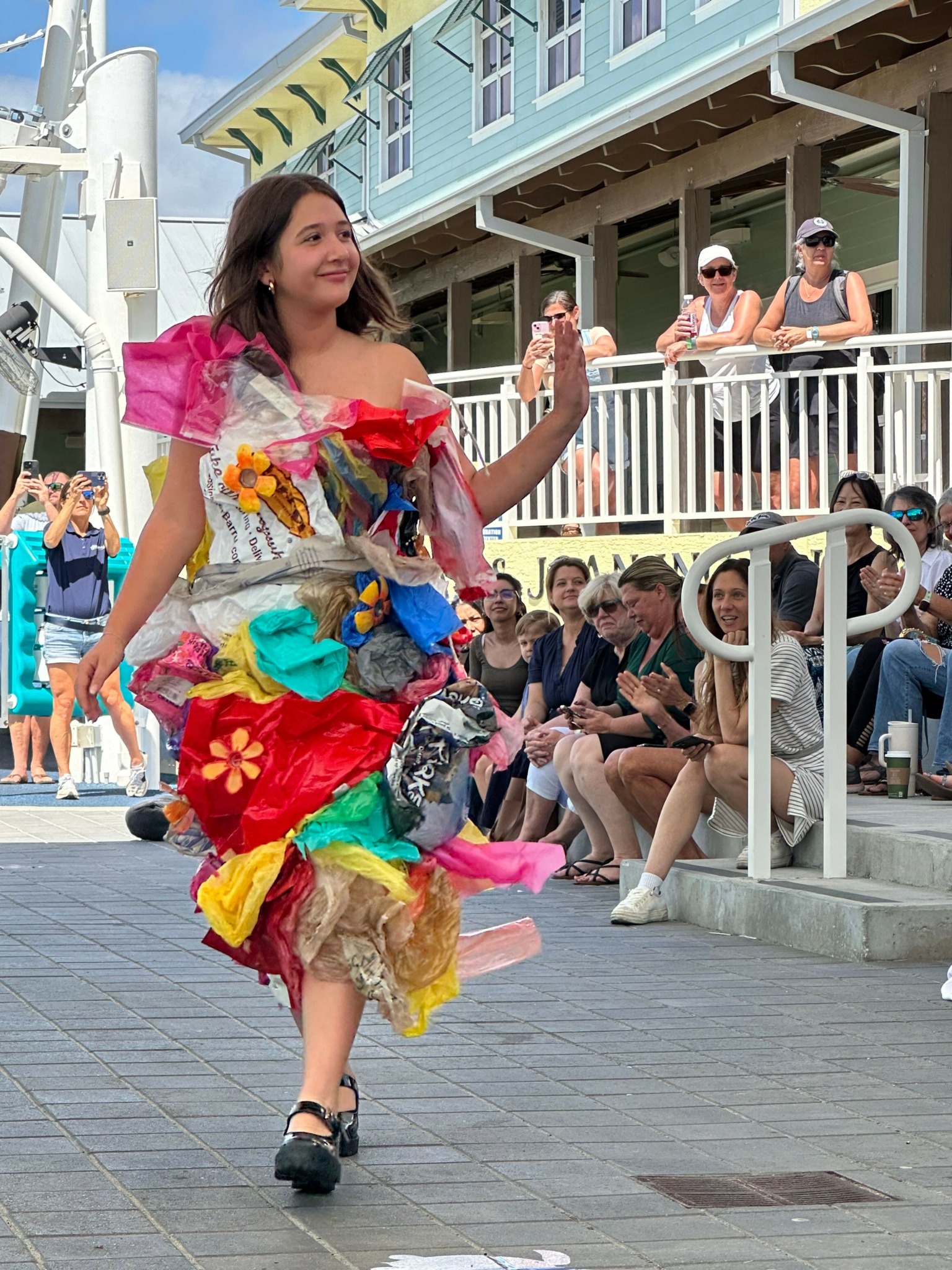
Our work is centered less on the materials themselves and more on what they make possible—education, access, and behavior change. Through our GalleRE exhibitions, field trips, workshops, and community events, we use creativity as a gateway to deeper environmental awareness. We’re creating spaces where people of all ages can experience hands-on learning, think differently about consumption, and begin to see discarded materials not as waste, but as opportunity. Whether it’s a student on their first field trip, an educator looking for new ways to engage their classroom, or a community member attending a workshop or event, we’re inviting people into a different way of thinking.
What sets Resource Depot apart is how we weave arts, education, and sustainability together in a way that feels inviting and inclusive. You don’t need to identify as an artist or an environmentalist to connect with what we do—you just need to be open to seeing things differently.
What I’m most proud of is how we’ve been able to grow this vision into something that truly resonates in our community. We’ve created a place—and a set of experiences—where creativity is not only celebrated, but also used as a tool for change.
When we shift how we see what we already have, we start to shift our habits, our values, and ultimately, our impact. And that’s where real, lasting change begins.
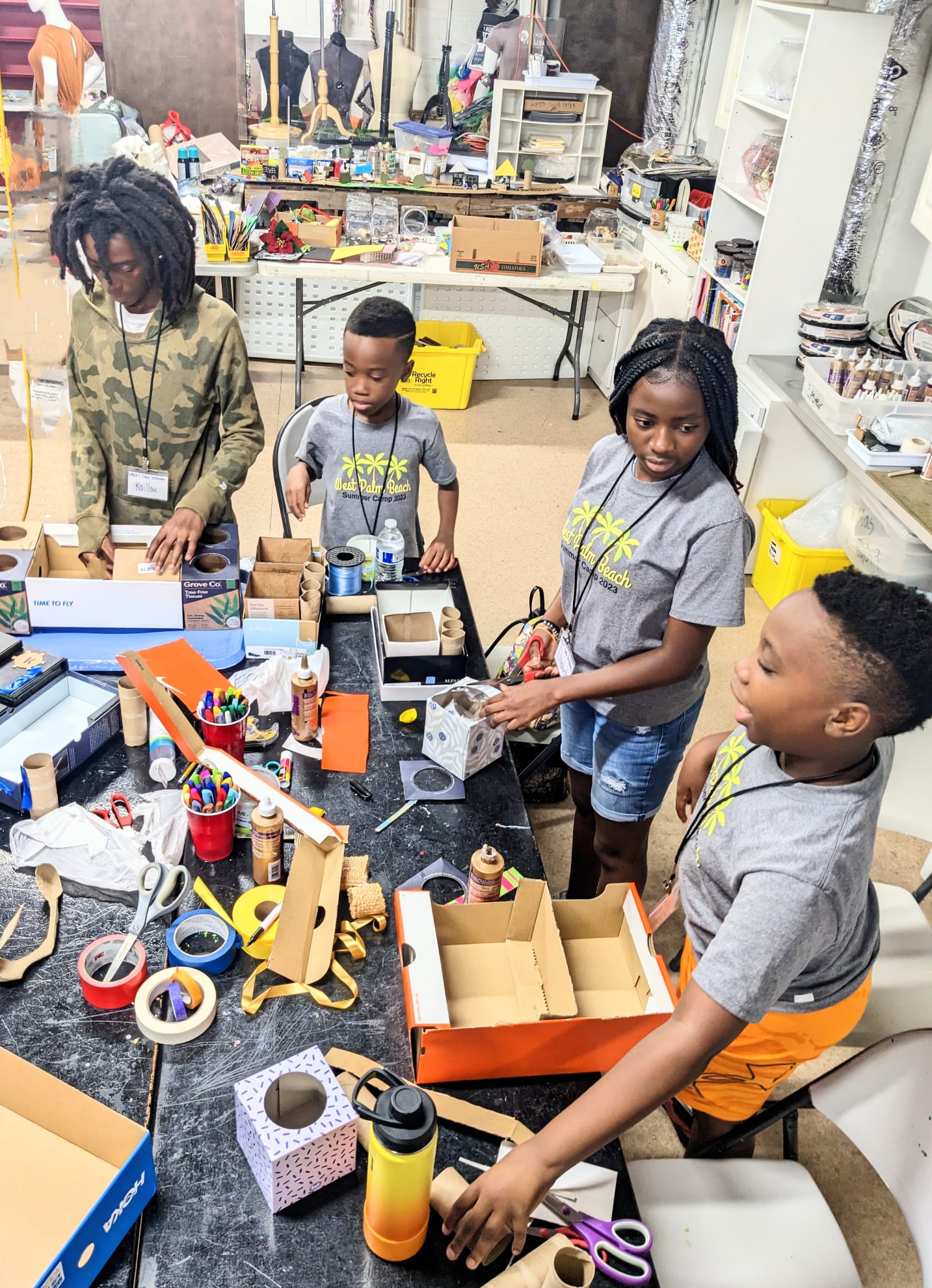
How can we best help foster a strong, supportive environment for artists and creatives?
In my view, the most meaningful way society can support artists and creatives is by recognizing that creativity isn’t a luxury—it’s essential. It shapes how we think, solve problems, connect with one another, and even how we approach challenges like sustainability and community well-being.
First, we need to invest in access to arts education at all ages. When people are given the opportunity to create—especially early on—it builds confidence, critical thinking, and a sense of agency that carries into every part of life. A thriving creative ecosystem starts with making sure that access isn’t limited by income, background, or geography.
We also need to value artists not just culturally, but economically. That means paying artists fairly, funding creative programs, and supporting organizations that create opportunities for artists to share their work, teach, and engage with the community. Too often, creative work is undervalued or expected to be given away, and that mindset has to shift if we want a sustainable creative sector.
Another piece is space—both physical and cultural. Communities benefit from having places where creativity can happen openly and accessibly, whether that’s studios, galleries, community hubs, or nontraditional spaces that invite participation. Just as important is creating a culture where people feel welcome to participate, not just observe.
And finally, I think we need to broaden how we define creativity. It’s not just fine art—it’s problem-solving, innovation, reuse, design thinking. When we start to see creativity as something everyone can engage in, it becomes more deeply embedded in our communities and everyday lives.
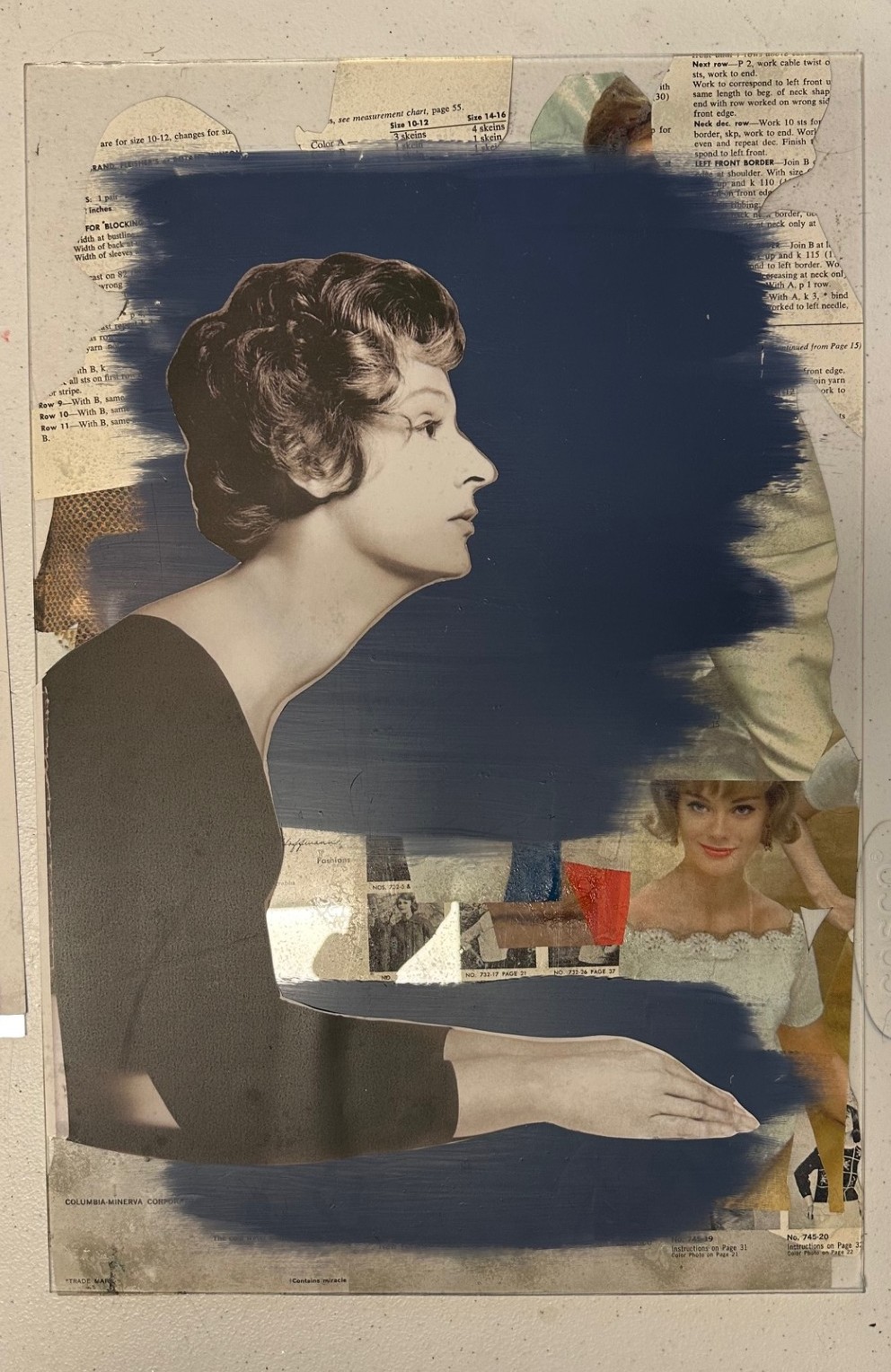
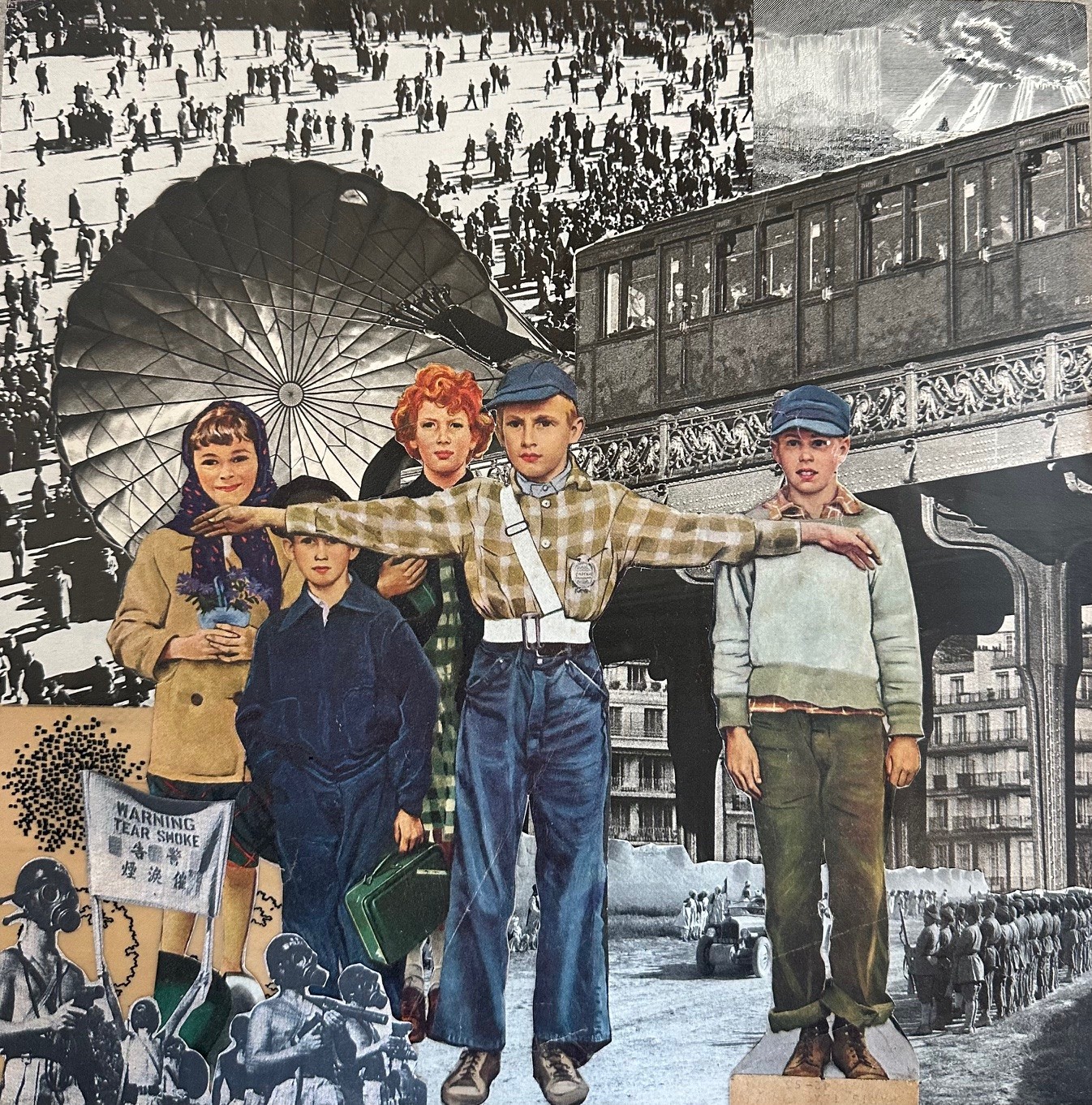
Is there something you think non-creatives will struggle to understand about your journey as a creative? Maybe you can provide some insight – you never know who might benefit from the enlightenment.
Artistic skill isn’t only about technique or aesthetics; it’s about perspective, curiosity, and the ability to reimagine the ordinary. Too often, society undervalues that type of creativity because it doesn’t look like “art” in the traditional sense. But it’s exactly that approach—creative problem solving applied to real-world challenges—that has made our work at Resource Depot possible and impactful. The lesson I’ve learned is that artistic talent is as much about vision and adaptability as it is about making something visually striking—and embracing that broader definition opens up a whole new world of possibility.
Contact Info:
- Website: https://www.resourcedepot.org
- Instagram: @jenobrien.studio
- Facebook: https://www.facebook.com/TheResourceDepot/
- Linkedin: https://www.linkedin.com/in/jennifer-o-brien-pbg33418/
- Youtube: https://www.youtube.com/channel/UCZ5ZaC2HlUCtr58KwXVsGKw
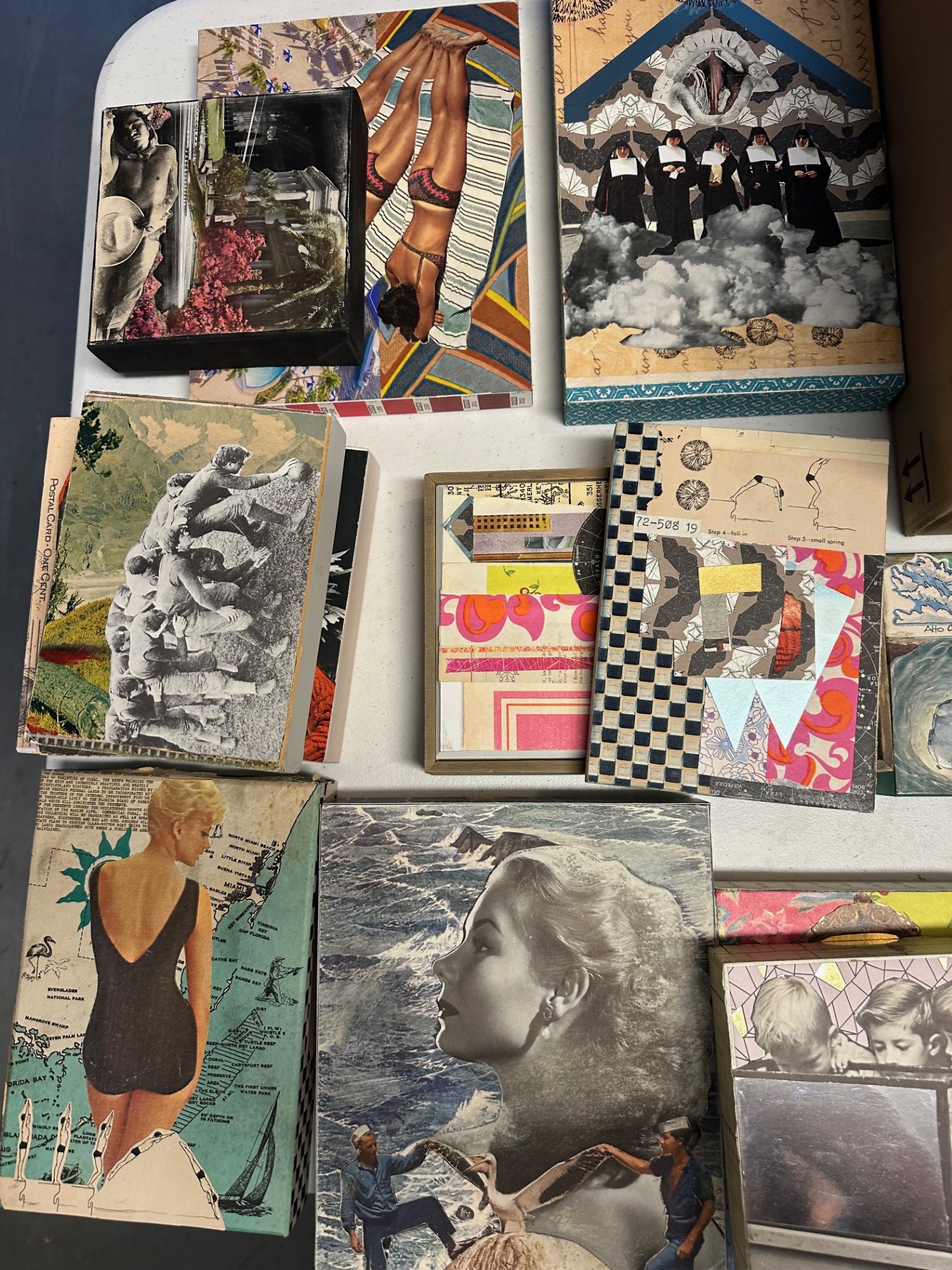
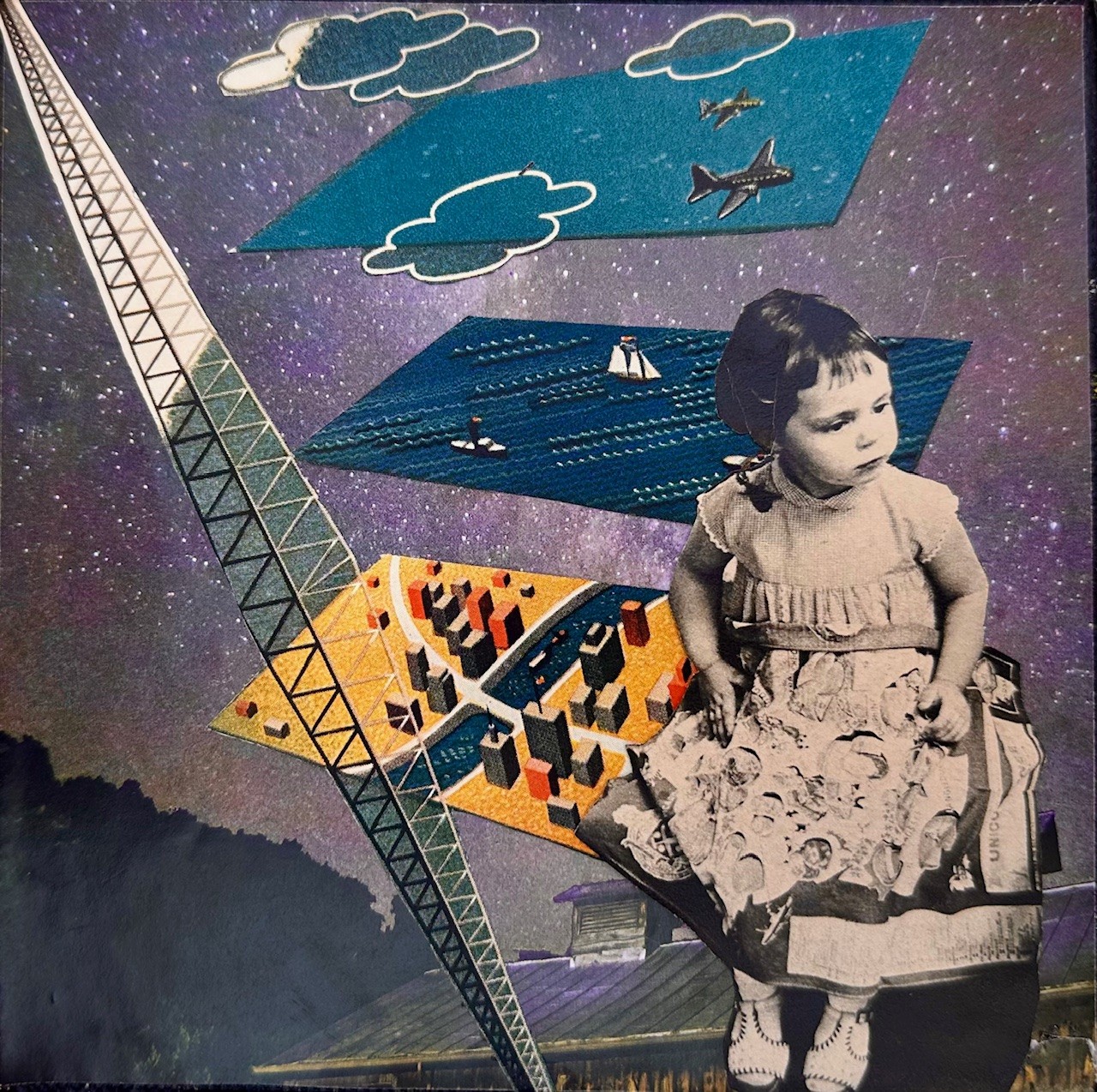
Image Credits
4 Photos from Resource Depot (GalleRE openings (2), Catwalk Student Fashion Show Program, Field Trip) and 4 photos of my collage work