

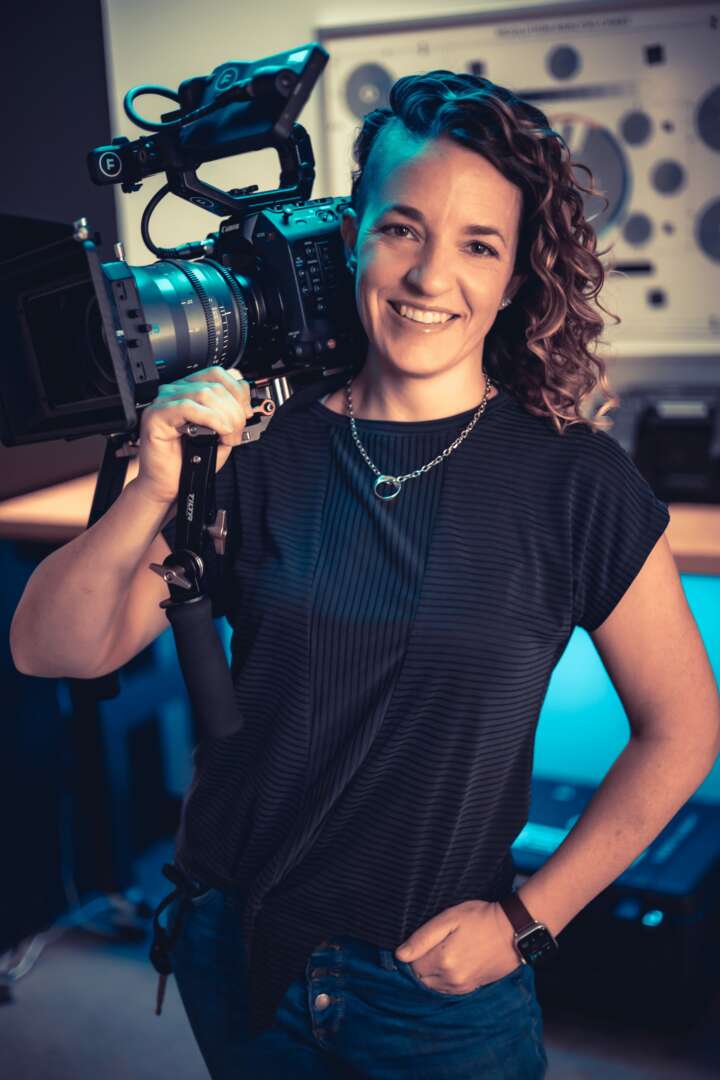

Alright – so today we’ve got the honor of introducing you to Jennifer Hook. We think you’ll enjoy our conversation, we’ve shared it below.
Jennifer, looking forward to hearing all of your stories today. Any thoughts around creating more inclusive workplaces?
Inclusivity in the film industry has been a long standing issue. It’s clear that there have been efforts to address this, which is a positive step forward. I’ve personally experienced missing out on job opportunities due to my gender, and it can be really demoralizing.
At the same time, I’ve also noticed that there were times when I was chosen for a position precisely because of my gender. While I’m grateful for these opportunities, I’d much rather be hired based on my skills and abilities than just because the client wants to “film from a female perspective,” whatever that means. It’s important to me that I’m recognized for my talents and qualifications, and not just seen as ticking a box to qualify the film for more festival awards.
When I’m chosen for a job because of my gender, it can make me feel insecure about my abilities as a cinematographer. I find myself questioning whether they hired me for my skills or just to meet a diversity quota. These thoughts are not conducive to creativity, so despite my reservations, I push those reflections away and take on those jobs to prove that my abilities alone qualify me for the position.
Inversely, I always try to keep these experiences in mind when I’m in a position to hire someone. While its true that I do give extra consideration to underrepresented individuals, I ultimately make decisions based on a person’s qualifications, experience, and attitude.
I hope for a future where diversity initiatives are simply no longer necessary, but I think we’re a long way from that. I think the best we can do for now is to expand our horizons outside of normal avenues when seeking new talent, and open ourselves to the oppotunity to find the incredible, diverse talent present in every community.
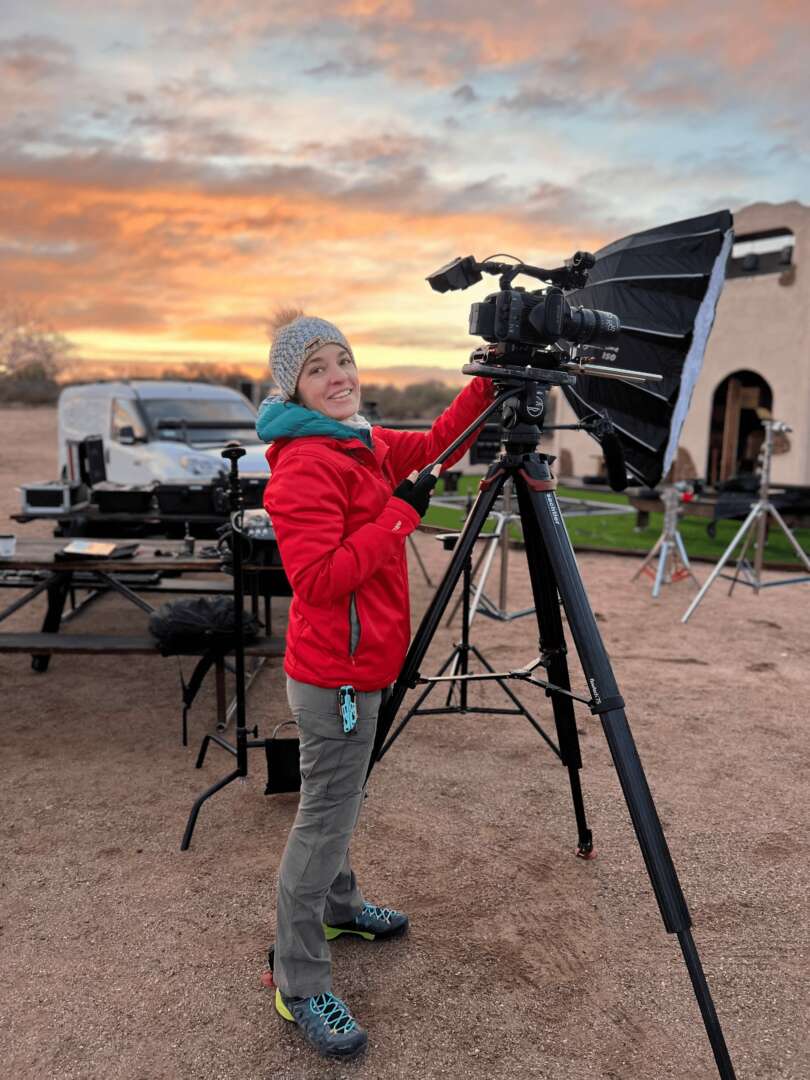
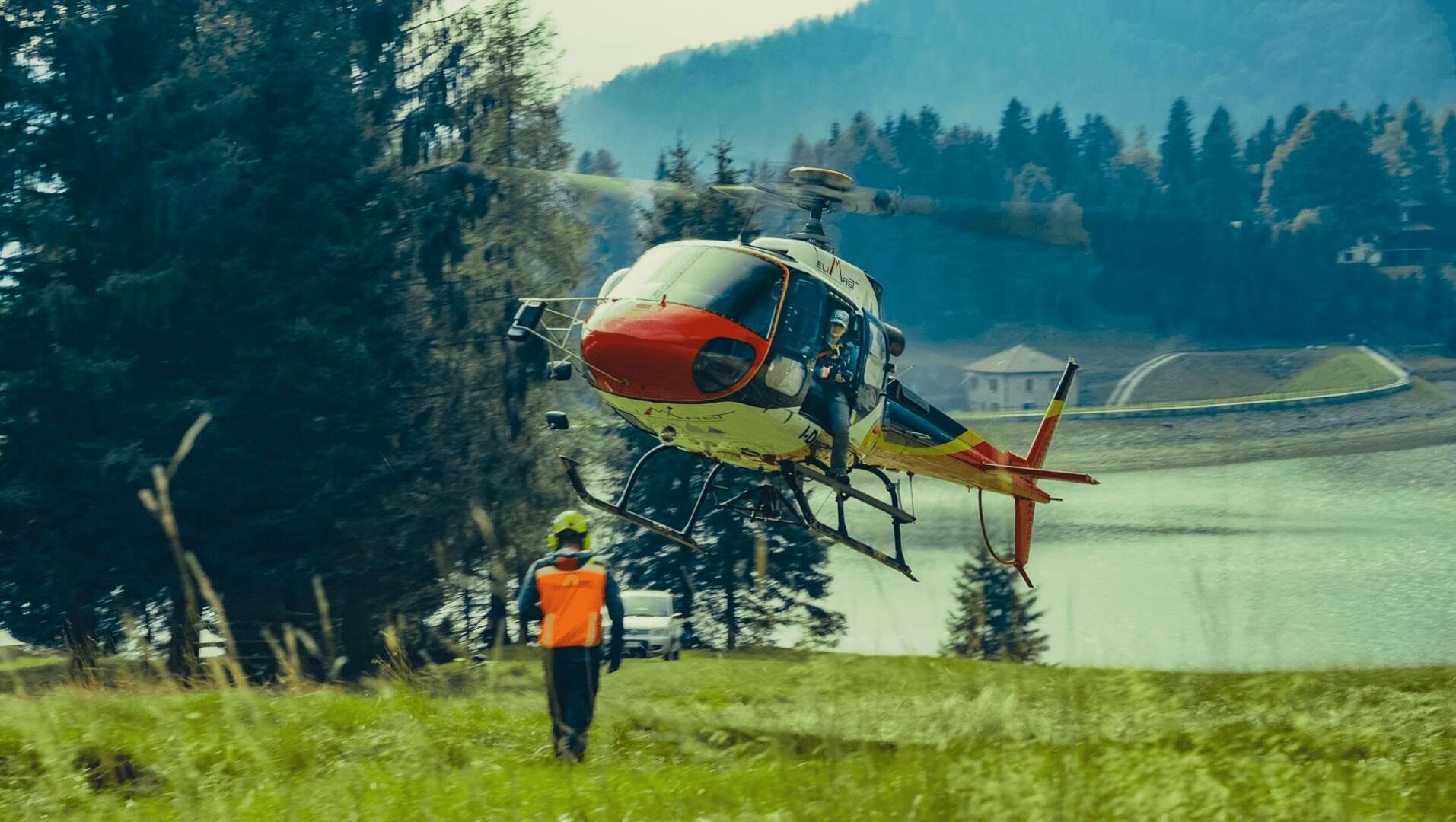
As always, we appreciate you sharing your insights and we’ve got a few more questions for you, but before we get to all of that can you take a minute to introduce yourself and give our readers some of your back background and context?
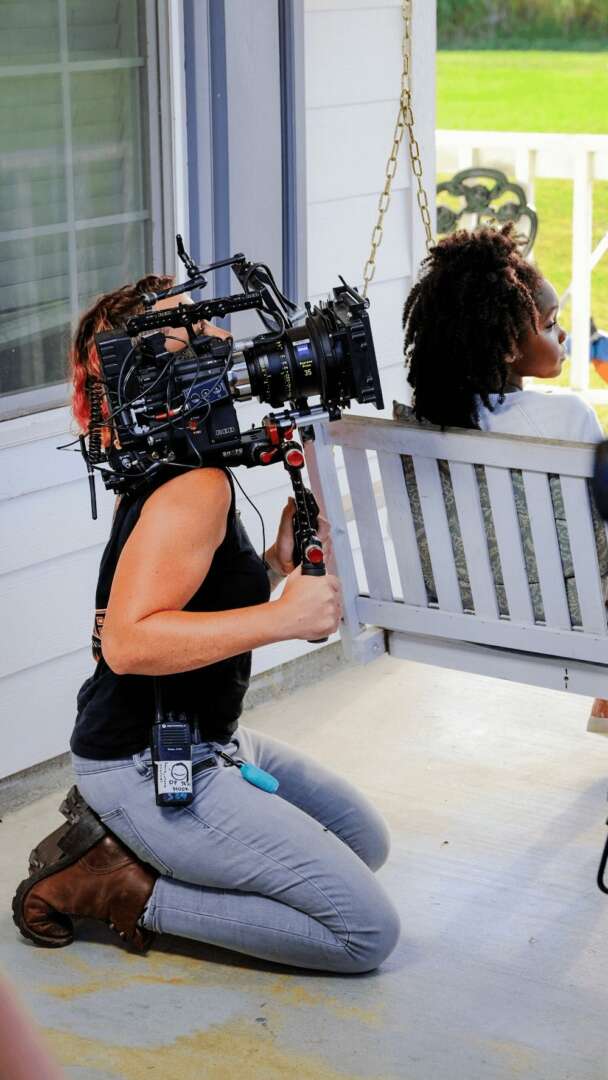
I’m a cinematographer. I guess you could say my first project was when I commandeered my parents’ video camera in high school and documented the drama club’s various productions. It was such a rewarding experience, and yet I had no concept that I could make a living doing this. It was just for fun..but, I mean, looking back- I taught myself Adobe Premiere Pro in 10th grade so that I could edit videos (previous to that I used a VHS recorder to manually fast forward, rewind, record the clips in the order I wanted them!). I was really dedicated and passionate about it. And when I was considering what college to attend, my mom said “Well, UNCW has a film studies program.” And I was just.. jaw on the floor. What? I can go to school for that? I can do that.. for a career? So I did. I figured I could always change my major.. never even considered it. I’m so lucky that my parents supported my endeavor. They might have had some doubts but I think they saw how much it lit me up.
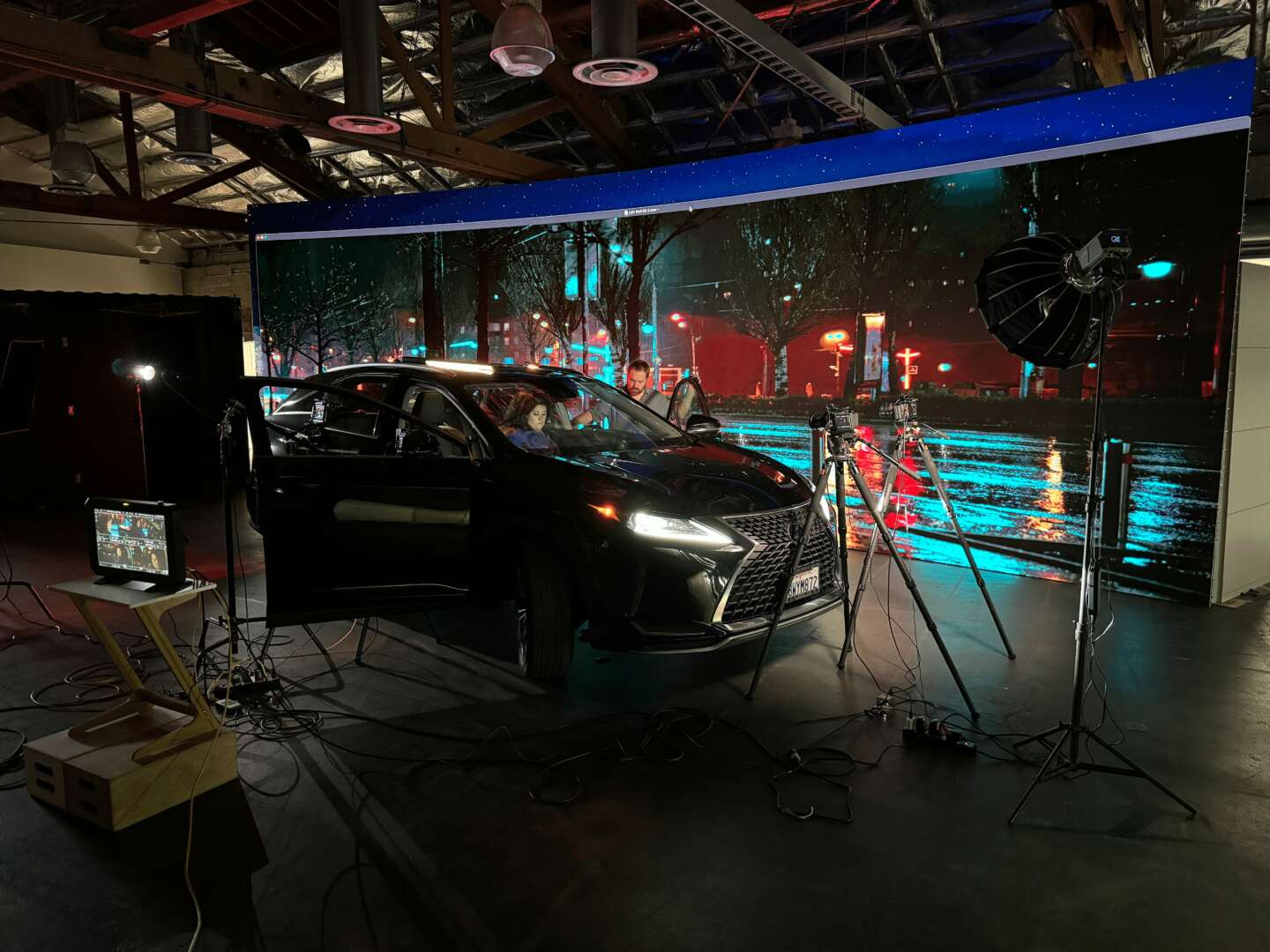
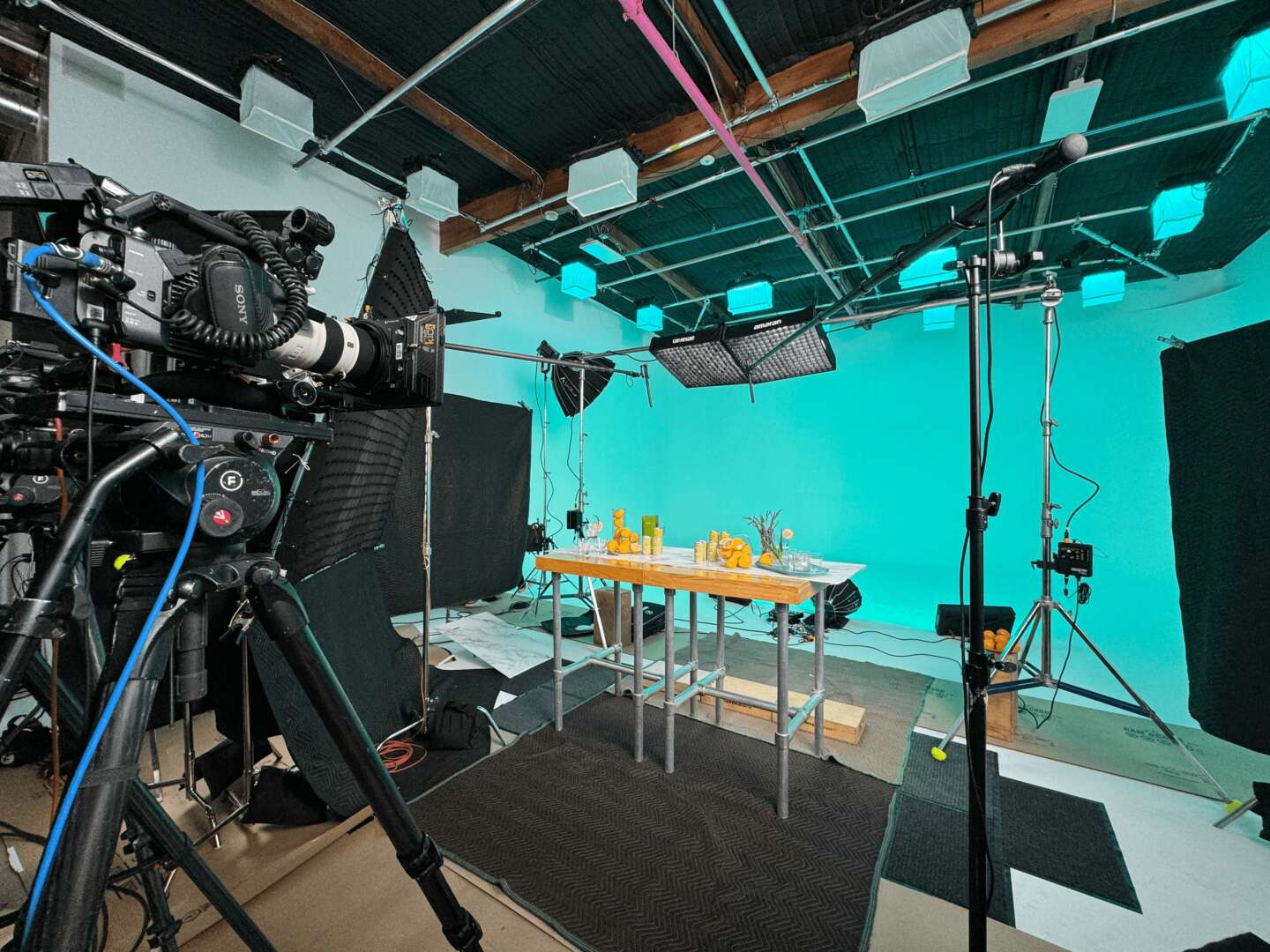
As a cinematographer, I film narrative short films and features, documentaries, events, commercials, and corporate content. By keeping my areas diverse, I’m able to ride out times when various sectors suffer. For example during the pandemic, a lot of work dried up, but I was lucky to secure a very small-crew documentary-style show. And over the past year, narrative work in the industy has been very slow due to union talks and other factors, but I’ve been able to go outside of the narrative sector and mostly focus on corporate projects.
I also edit, and can provide services as an individual providing a full package from concept to delivery, or I can coordinate a team for a full-scale production. From a 30 second instagram reel to a full-length feature film.
I achieve this by maintaining a network- two networks really, which often intertwine – clients and colleagues. I meet potential clients in the most unexpected places. I always keep an open mind to any potential collaborations. Through my colleagues, if there’s an aspect of production I don’t have the means to execute, one of my colleagues knows someone who does.
Every job I work gives me new experience that I apply to the next one, and its incredible how these can grow, build, and improve on eachother, expanding my resoucefulness. For example, as a rock climber I’ve had several opportunties to film the sport of outdoor rock climbing while on the ropes next to the climber. The knowledge I’ve gained about rope work has come in handy when rigging lights in truss. Everything connects.
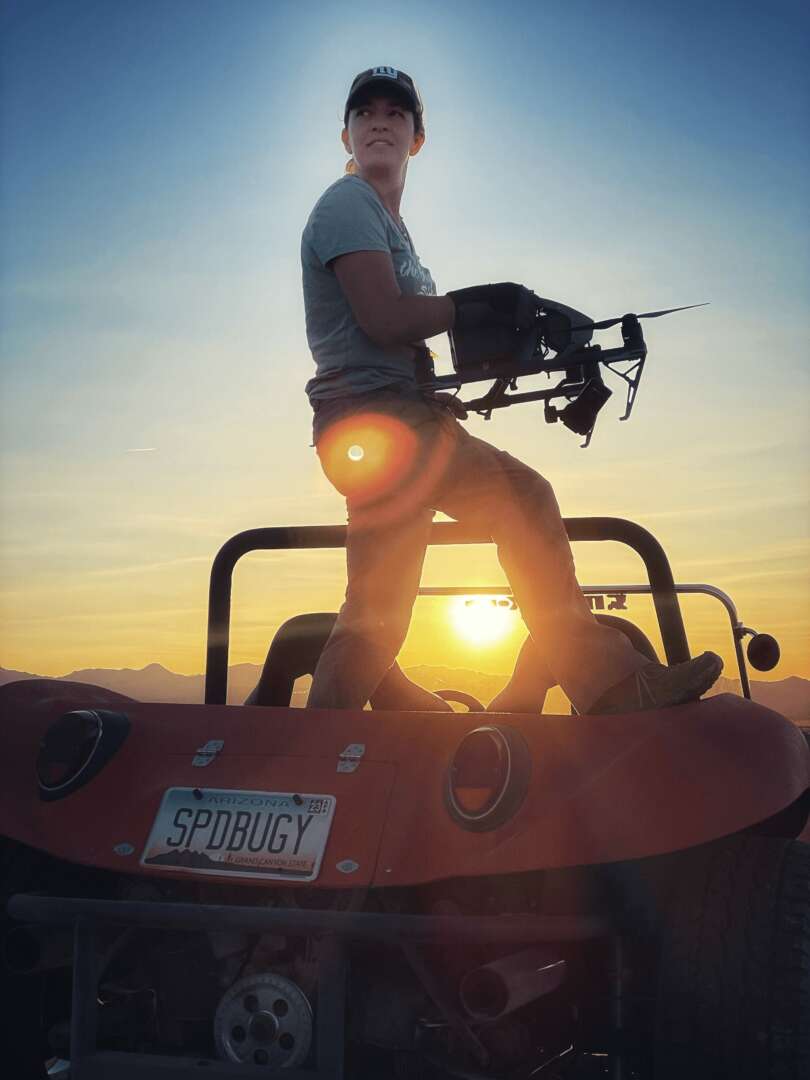
Looking back, are there any resources you wish you knew about earlier in your creative journey?
I wish I had understood how much people want to help eachother. There are so many opportunities – for things like internships, mentors, even things like visiting a set for a day or getting a studio tour. Each one of those oppotunities is a chance to build your network, get involved in new projects, and learn something new. The film industry from the outside might seeming daunting and tough to crack, and yes – not everyone wants to help you – but those people are there. People who want to share knowledge and see you succeed, because they see a piece of themselves in you, this fresh-faced filmmaker who is so excited to create something.
Learning and unlearning are both critical parts of growth – can you share a story of a time when you had to unlearn a lesson?
There’s a lot of rules in filmmaking. But the thing is, also, there are no rules. Well, sort of. The rules are like guidelines to help you make your film fit standard expectations, so that the audience doesn’t get confused. For example, the 180-degree rule means you draw an imaginary line between two people in a scene and keep the camera on one side of that line. Otherwise, the two people might look like they aren’t looking at each other in the final cut.
So, these rules of filmmaking were lessons that I learned in college that I had to later unlearn. But I think its important to have a grasp of the rules and a reason for breaking them.
So along those same lines, I was reminded of this on a particular short film. The director wanted me to do something with the camera which wasn’t physically possible. Not so much a rule of filmmaking as a rule of physics, but the point is that my immediate answer was “no.” But the director pressed the issue, and I shifted my mind into problem-solving mode. I devised a shot that felt close to what they wanted, and ended up with something creative, and unexpected. When I closed my mind to her idea instantly, I shut off the opportunity to try something new and surprising. So now, I always try to keep my mind open and explore ideas outside my arsenal of “regular” shots to find new, arguably better, less apparent alternatives. It leads to a more unique result, and in this case, a true collaboration of minds.
Contact Info:
- Website: https://www.jenniferhook.com
- Instagram: @hook_is_back
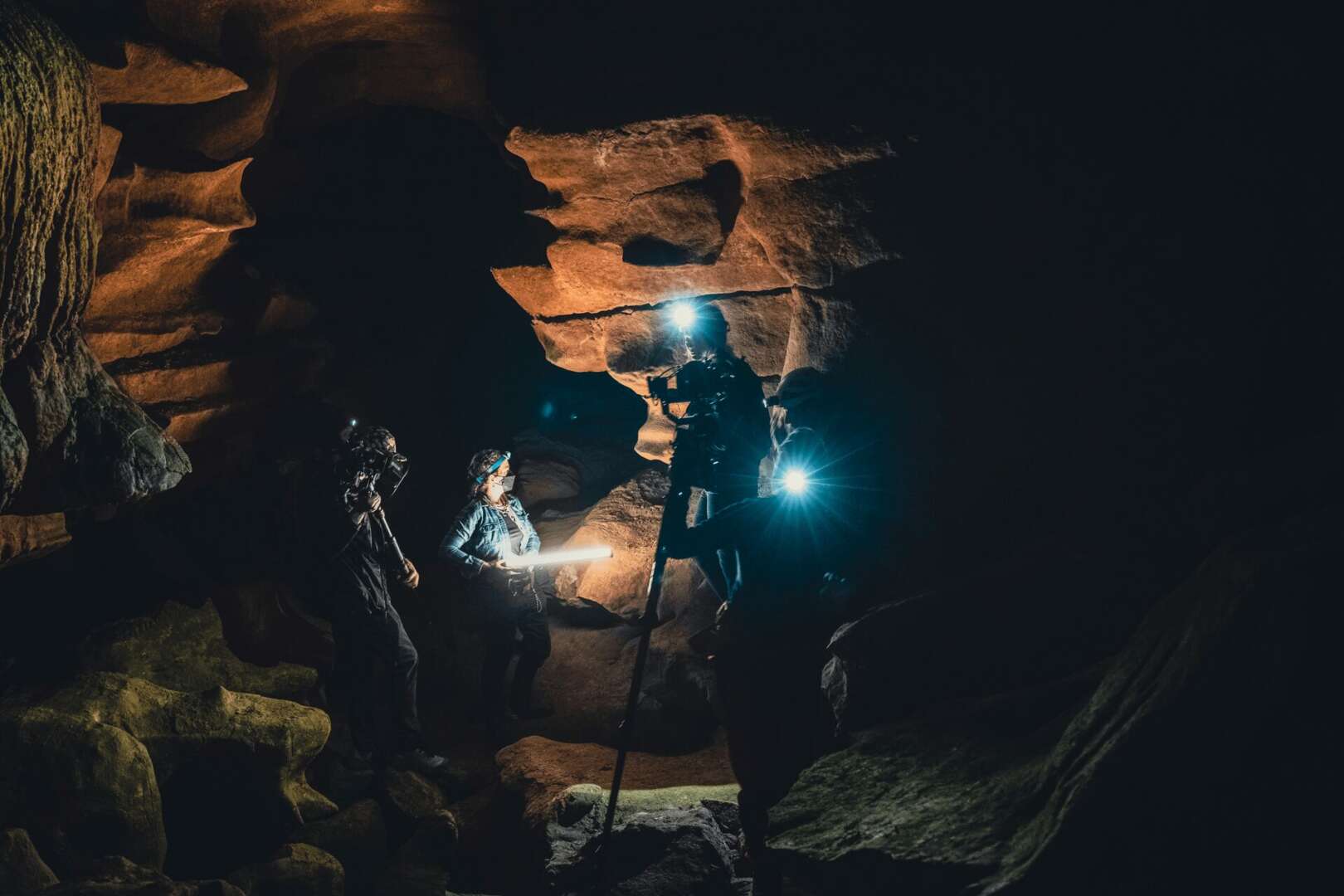
Image Credits
Adam Finmann, Gray Morison