

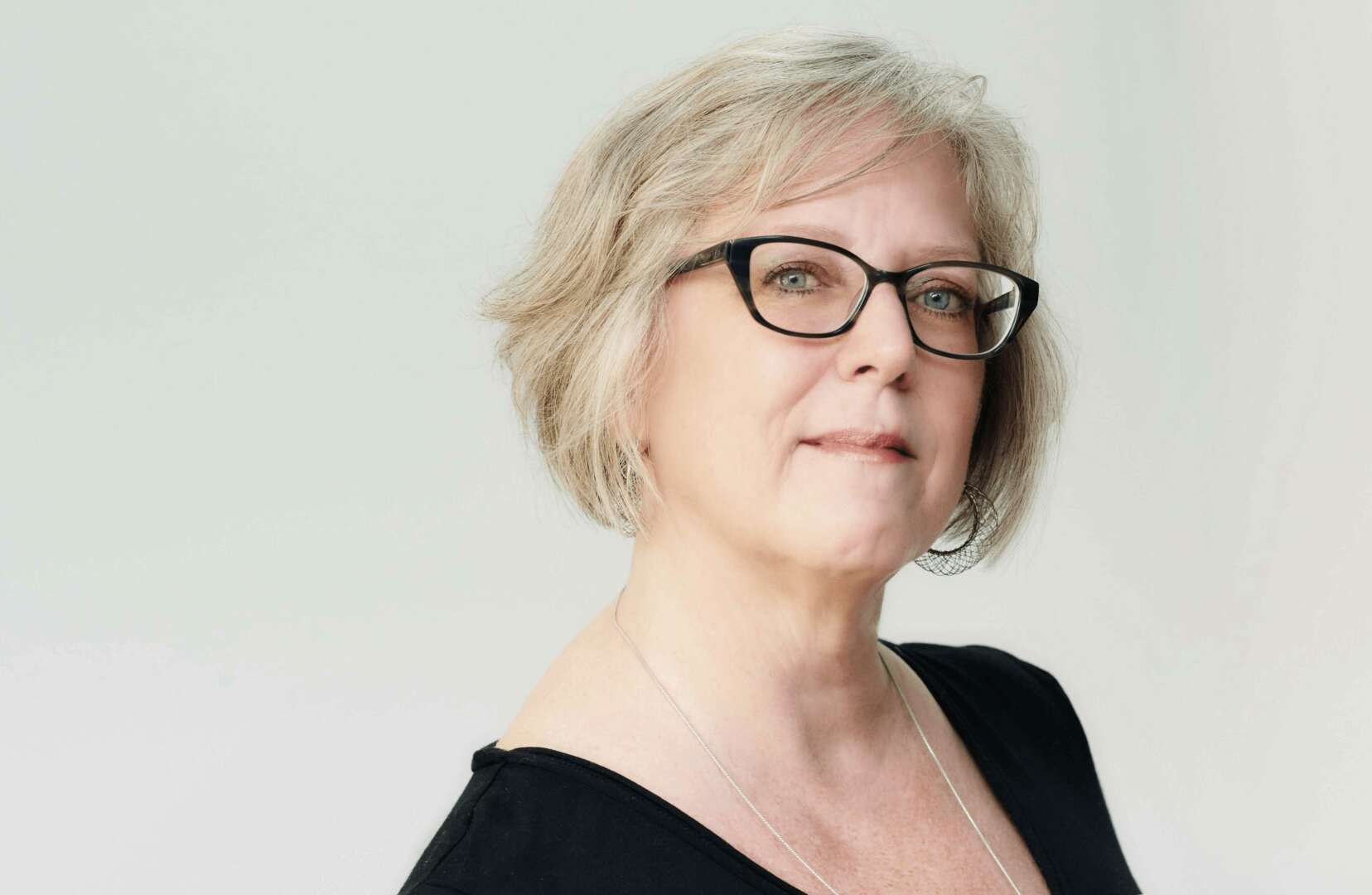

We’re excited to introduce you to the always interesting and insightful Jennie Webb. We hope you’ll enjoy our conversation with Jennie below.
Alright, Jennie thanks for taking the time to share your stories and insights with us today. If you could go back in time do you wish you had started your creative career sooner or later?
Honestly, at this point in my life it’s hard to answer this question. Twenty or so years ago – when I was turning 40 and started to really focus on my work as a playwright – I might have said “Ack! Why didn’t I figure this out sooner! Why in the world did I spend all that time doing was I doing…?” Except maybe I wouldn’t have.
I’m kind of a take things as they come and put the pieces into places as I go along person. So sometimes it takes me a good while to look back – ahead? – at those pieces and make sense of them, you know?
I started my own journey by jumping into the LA theater scene as an actor in the early ‘80s, but soon realized that acting was, for me, extremely limiting. So like a lot of actors I got into writing my own material, did improv and some stand-up and formed a theater company where I started writing plays… all of course while working the old day job. Until I wriggled things around and started making my living in theater, working in arts education, production, administration & public relations and as an arts writer, of course supplemented by gigs as a freelance journalist and in corporate writing. So while you could say I was “creative” during this time, I don’t know that I would have been comfortable saying I actually had a “career,” ha ha ha. And it wasn’t until much later that I was able to say to myself, “Yes! I am a playwright!”
The fact that I didn’t take a traditional, straightforward career path – or start when I was young and bright and shiny – is probably not entirely unique. However, I did spend a lot of years looking around at playwrights who had the advantage of an arts school or MFA launchpad: those contacts and connections, not to mention training and exposure to working writers as mentors. And I’d think, “If only I’d gone that route! Where would I be today?”
But the thing is, I certainly wouldn’t have been the writer I am. And I might not have had the sort of long-term relationship with the LA theater scene that I have, along with the amazing artists working in it. I learned by doing, getting hands-on experience in so many aspects of theater. All of that gives me a perspective that I really value.
I’m incredibly fortunate to be able to now spend my time working in new play development as a dramaturg and teacher, and as a playwright with a unique voice that I believe has been honed by my experiences… a writer who has, shall we say, lived through some shit.
Awesome – so before we get into the rest of our questions, can you briefly introduce yourself to our readers.
It’s a little weird being a playwright in Los Angeles. A city where I’d say over half of the population don’t even know that theater exists. I mean, beyond touring productions at the Pantages. And what’s it called downtown, the Music Center? They put on plays sometimes, don’t they?
Right. That’s always a slap in the face for those of us who live so much of our lives on and around LA’s many, many stages – particularly intimate stages of 99 seats or less. Oh, the theater scene here has gone through all sorts of changes (good and bad) since I was first involved. And yes, everyone is struggling right now, post-Pandemic and post-Entertainment Industry shutdowns. (Lots of people who work in LA theater make their bread and butter working in film and TV.) But there’s no doubt about it: Theater in LA is very much a thing and it’s not going away.
(Although there’s one thing that hasn’t changed: the continual challenge of letting Angelenos and Tourists know about this!)
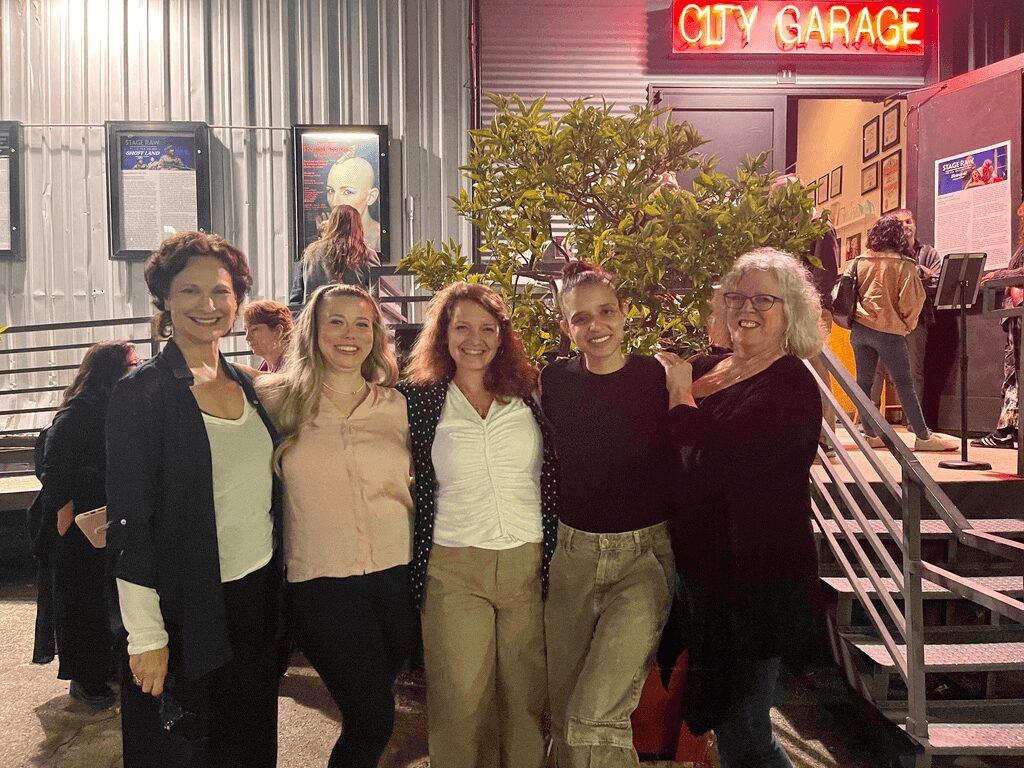
So aside from writing plays, I’ve also sort of found my niche supporting other artists through new play development, and also promoting and connecting women+ and nonbinary writers through the LA Female Playwrights Initiative, a service organization I run and co-founded with playwright Laura Shamas in 2009. LAFPI is going into its 15th year, and I’m incredibly proud of the work we’ve done, bringing artists together through our website and community-building events, joining forces with LA-area theaters and also the Hollywood Fringe Festival each year during the month of June. (Visit https://lafpi.com for more info.)
In my work as a dramaturg – which is an unfamiliar word even to some theater people – I nurture writers and new works, sometimes from the initial idea and other times after a play is drafted, focusing on the elements of a play and the playwright’s intentions. In a sense, new play dramaturgy can be thought of as script analysis. But it’s different from breaking down a script for film and TV to make sure it works within a very specific structure. A play is something that will always be a living and breathing creature. The script itself is what the playwright has put on the page and brings into a production, probably after working with a number of other artists – probably after lots of time and lots of drafts!
But what’s singular and wonderful about a play is that it doesn’t truly find itself until it’s in the hands of collaborators: actors, directors, designers… and ultimately the audience. And even then, in live performance each night is a different experience, for everyone involved.
So looking at writing for the stage is always exciting in that structure is three dimensional. In my work I use what I call “organic dramaturgy,” tailoring workshops and individual sessions with writers to the specific needs of what they’re writing, and where they are with it at that moment.
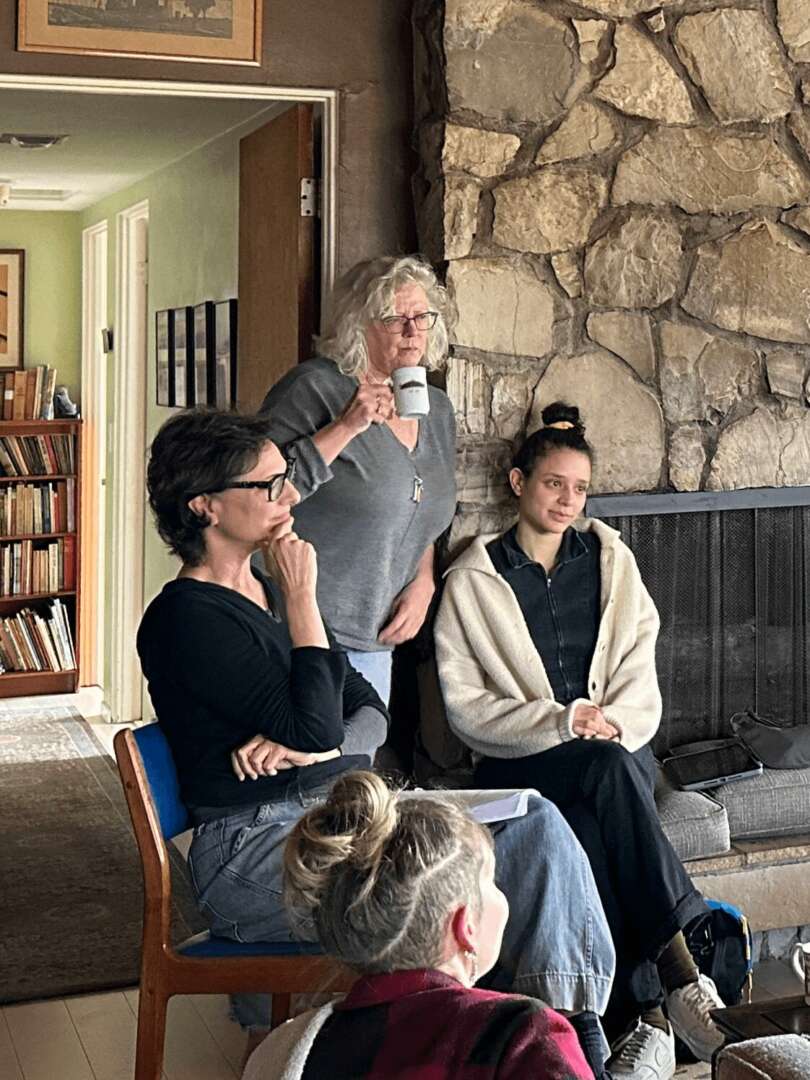
It’s a way of working that I found while I ran the new play development program, Botanicum Seedlings, up at Will Geer’s Theatricum Botanicum, which is a very cool classical outdoor theater in Topanga, CA. I created the program as their playwright-in-residence in 2002, and ran it through 2019, supporting over 200 new plays in readings of various sorts. I’ve also worked with a number of LA theaters as a dramaturg, have lectured at various colleges and universities and run private workshops for playwrights.
And at Ensemble Studio Theatre/Los Angeles, I co-created the Ignite Project with playwrights David Johann Kim and Makeda Declet. Since our first cohort of playwrights in 2022, the Ignite Project has lit a fire under the creation of 40 new plays from an incredible and diverse group of writers. (Visit https://www.estlosangeles.org/ignite-project for more info.)
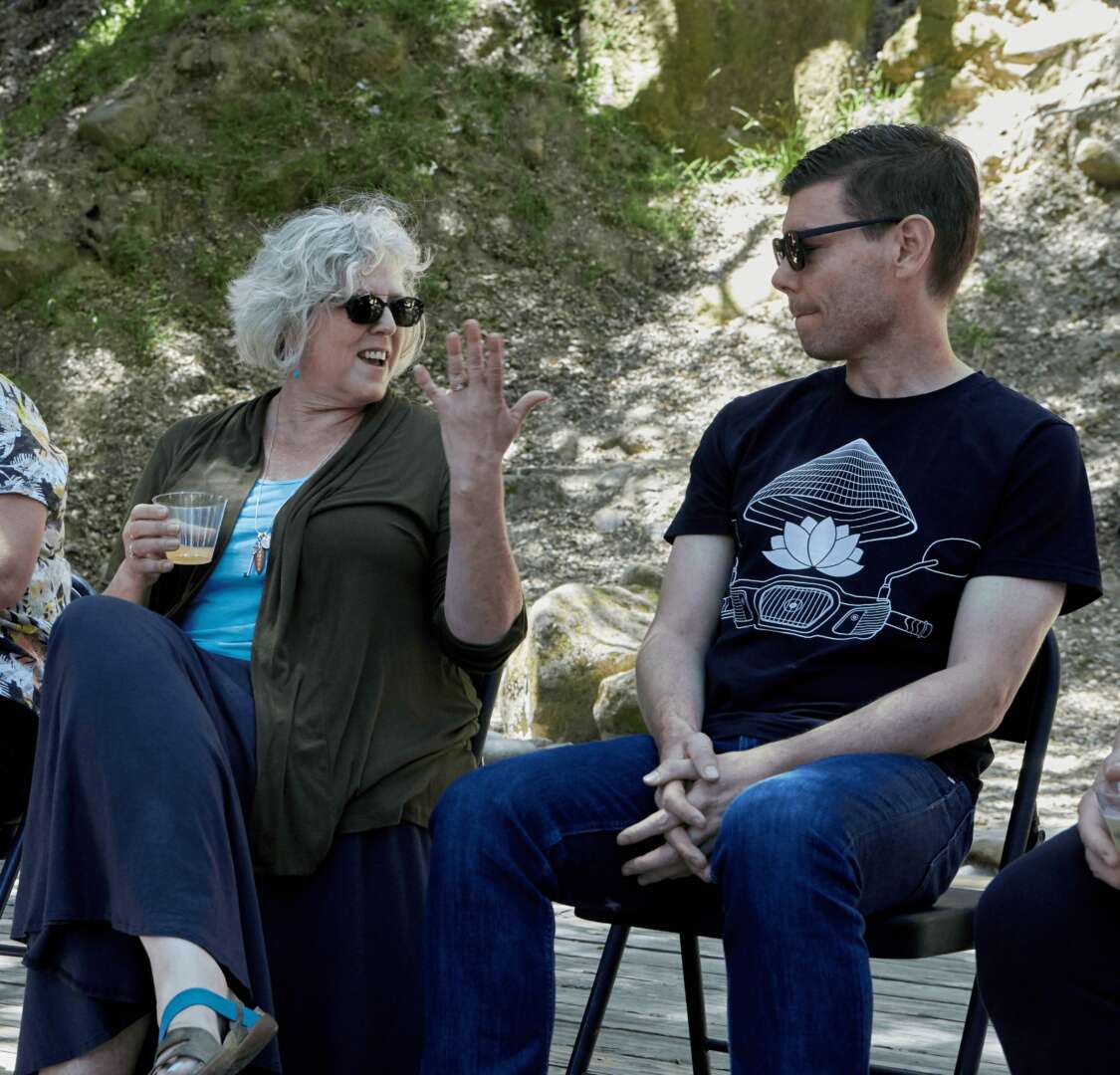
Is there a particular goal or mission driving your creative journey?
I’ve never been good at goals. While I’ve done a lot of stuff over the years, I don’t know that I’d describe myself as driven. More like self-propelled? Or self-sustained, even. I’m okay with not being on any sort of fast track. For better or worse, I tend to be one of those you know where to find me people. And I’m continually thankful for the opportunities that have been presented to me. But I’ve also elbowed my way into plenty of places to create those opportunities.
I guess you could say that for me as a playwright, it’s always about riding the line between pushing myself out of my comfort zone – responding to a deadline that pops up at the last minute, following up with decision-makers at theaters, pursuing new opportunities and doing almost any sort of self-promotion, including social media (and interviews like this!) – and being the sort of artist and human being I’m comfortable with, someone I want to be around at the end of the day. Someone who has and makes room for others.
I think that’s why I am so interested in other writers, by what and how they create; I am incredibly inspired by artists who are as generous as they are talented. And I learn so much working with playwrights, in any capacity. It’s a gift that I try to give back whenever I can.
But in my own plays, I definitely have a focus. I describe my style of writing as “domestic absurdism,” in that we wake up and perhaps the world seems beautiful and manageable, until the surreal starts to creep in and eventually takes over. I write complex characters for adventurous actors – primarily women – and believe in tackling difficult subject matter in unexpected ways and through darkly comic choices.
So I’d say my goal as a playwright is to keep doing just that. To be true to myself, and put truths in front of audiences in the way that no one else can.
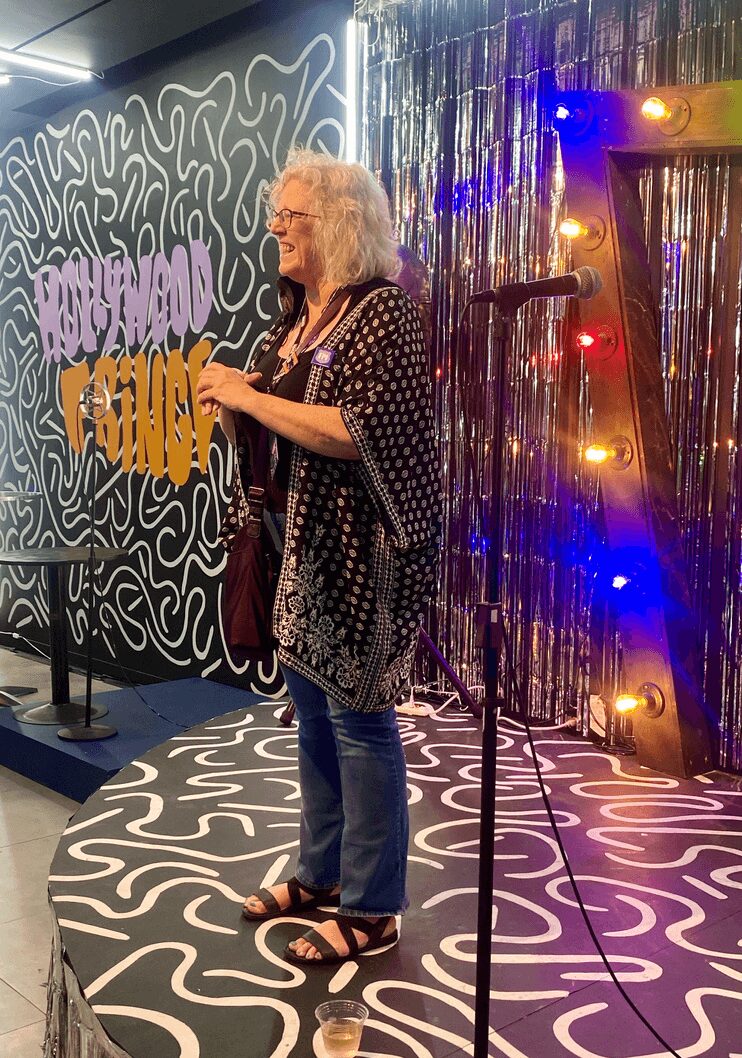
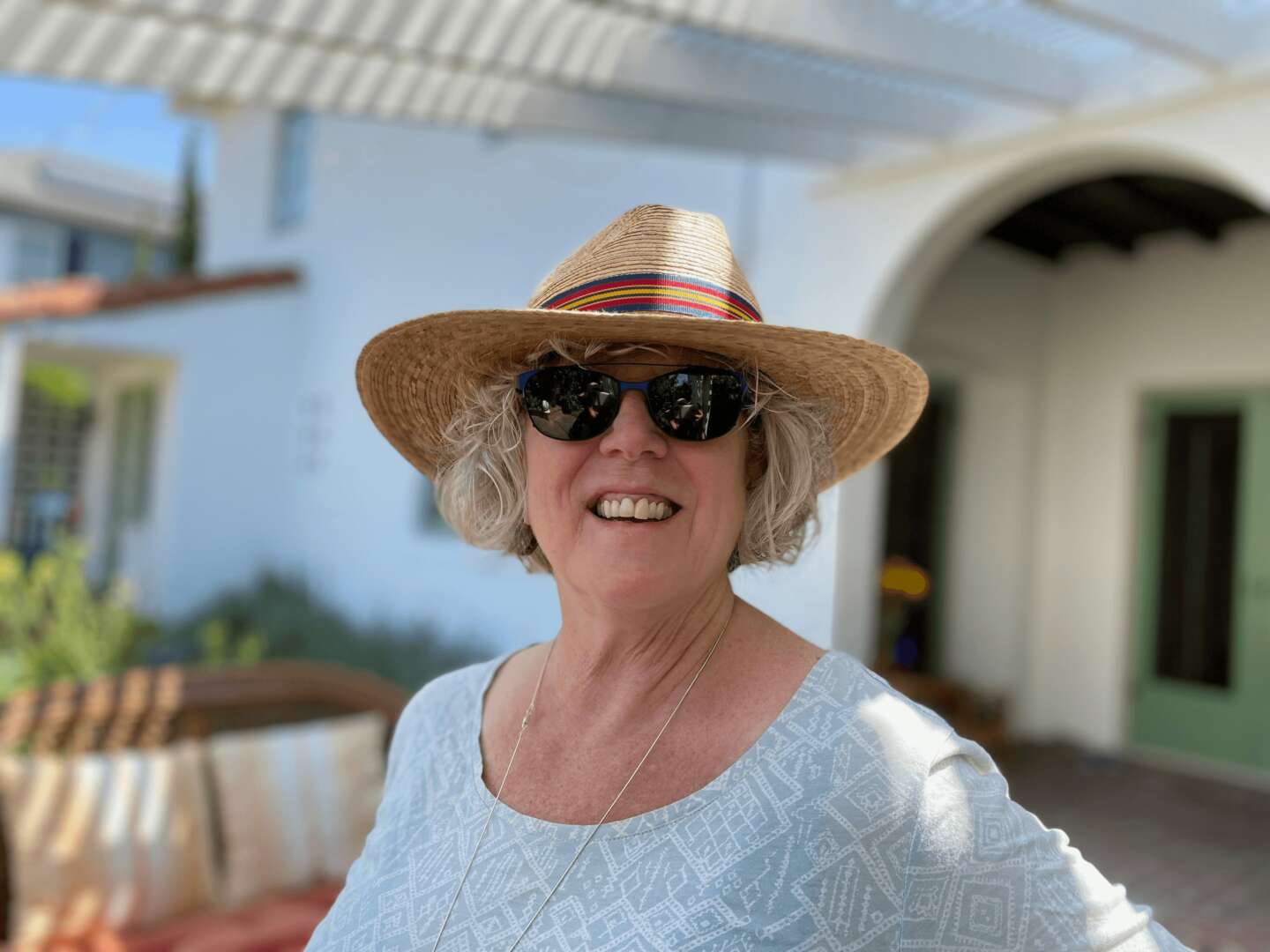
How about pivoting – can you share the story of a time you’ve had to pivot?
For me, this story is just beginning. I just lost my dad, having been in charge of his care over many years during his decline.
We were fortunate, as he’d been living in facility he chose for himself when he was able to make those choices, and was in a good situation in so many ways. I hesitate to call myself a “caregiver” – the people who truly fill this role are superhuman. But being there for him, with him, and being responsible for any and all of his decisions has been a huge part of my life for a long time.
I know so many of us are or have been in situations like this. While at times challenging, we wouldn’t trade any of it for the time we got to spend with our fathers/mothers/grandparents/dear friends/partners/siblings… Then when the time comes to say goodbye, we’re never really prepared because it’s different each time we find ourselves navigating grief and loss and the business of death while grappling with the reality that life goes on.
And if we’re artists, we create.
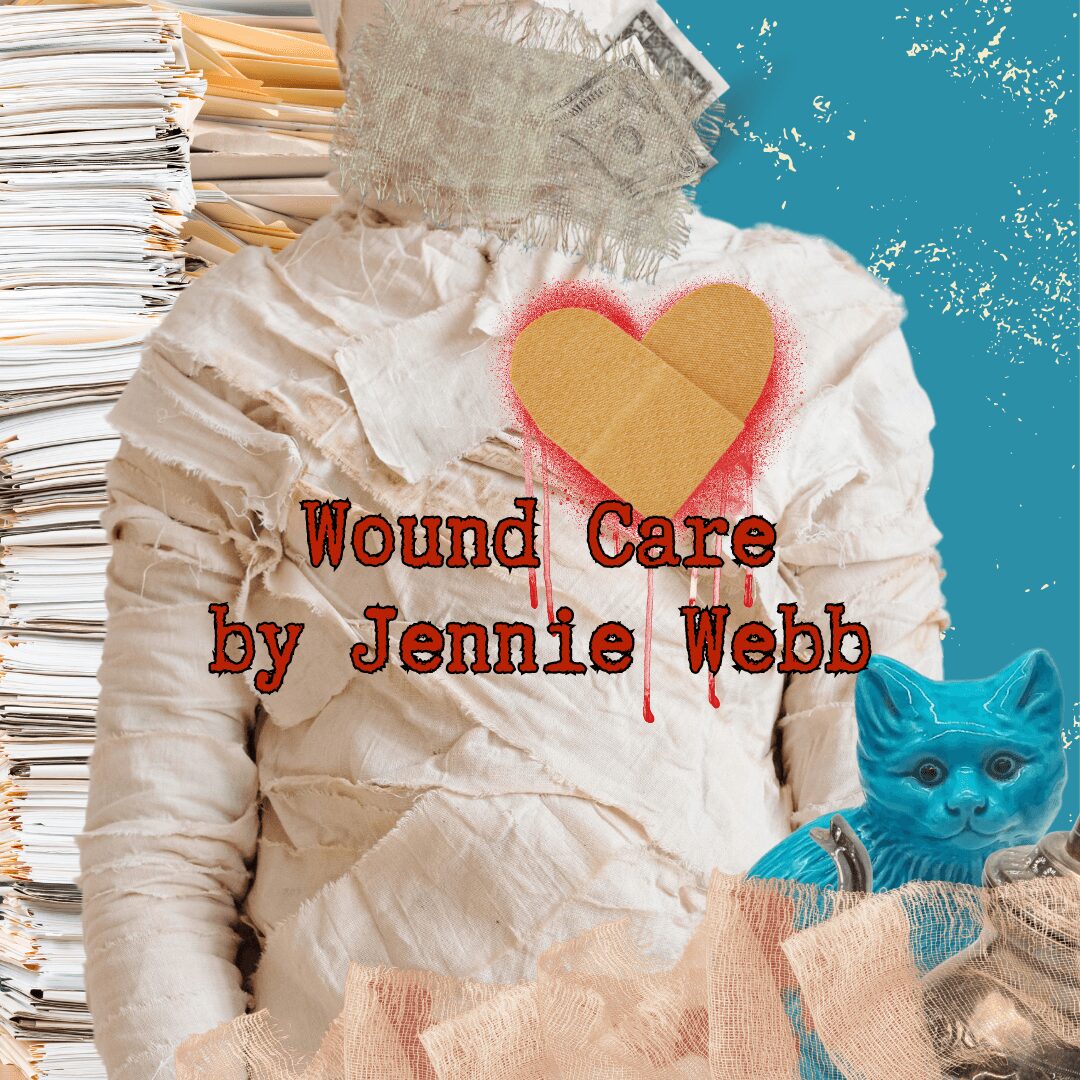
My most recent play is called “Wound Care.” I started it early this year – supported by the Playwrights Union here in LA and PlayGround in San Francisco – and had a public reading the week before my dad died. The play is, in part, about healing what you didn’t know was broken.
While I’ve experienced lots of loss in my life before and realize that I’m at the age where it’s inevitable, I am now finding myself in a new, unfamiliar and oh-so-uncomfortable place. I mean, I’ll get through the next few months of putting things in order for myself and my family; these are tasks I know how to do. But after that, how will I fill that hole that was, what, me taking care of my dad? What will I do Fridays, now? Where will “the good daughter” part of myself go without parents?
I know this sounds kind of ridiculous. And I am so grateful for the support of my family and friends, right now. Many of these beautiful humans has written to me about a new path. One friend predicted that my energies would now be transferred to myself and my art. I very much want to believe them. But I also know that now is the time to find a new balance for myself, having to do with making thigs happen vs. letting them happen, perhaps?
I hope that as I continue to work on my play, “Wound Care,” that healing can happen – for myself, my fellow artists and for the audiences I’m lucky enough to share the work with. It seems like maybe the timing is right.
Contact Info:
- Website: https://jenniewebbsite.com/
- Instagram: https://www.instagram.com/jenniewebbsite/
- Facebook: https://www.facebook.com/jenniewebbsite/
- Linkedin: https://www.linkedin.com/in/jenniewebb/
- Other: https://newplayexchange.org/users/2457/jennie-webb
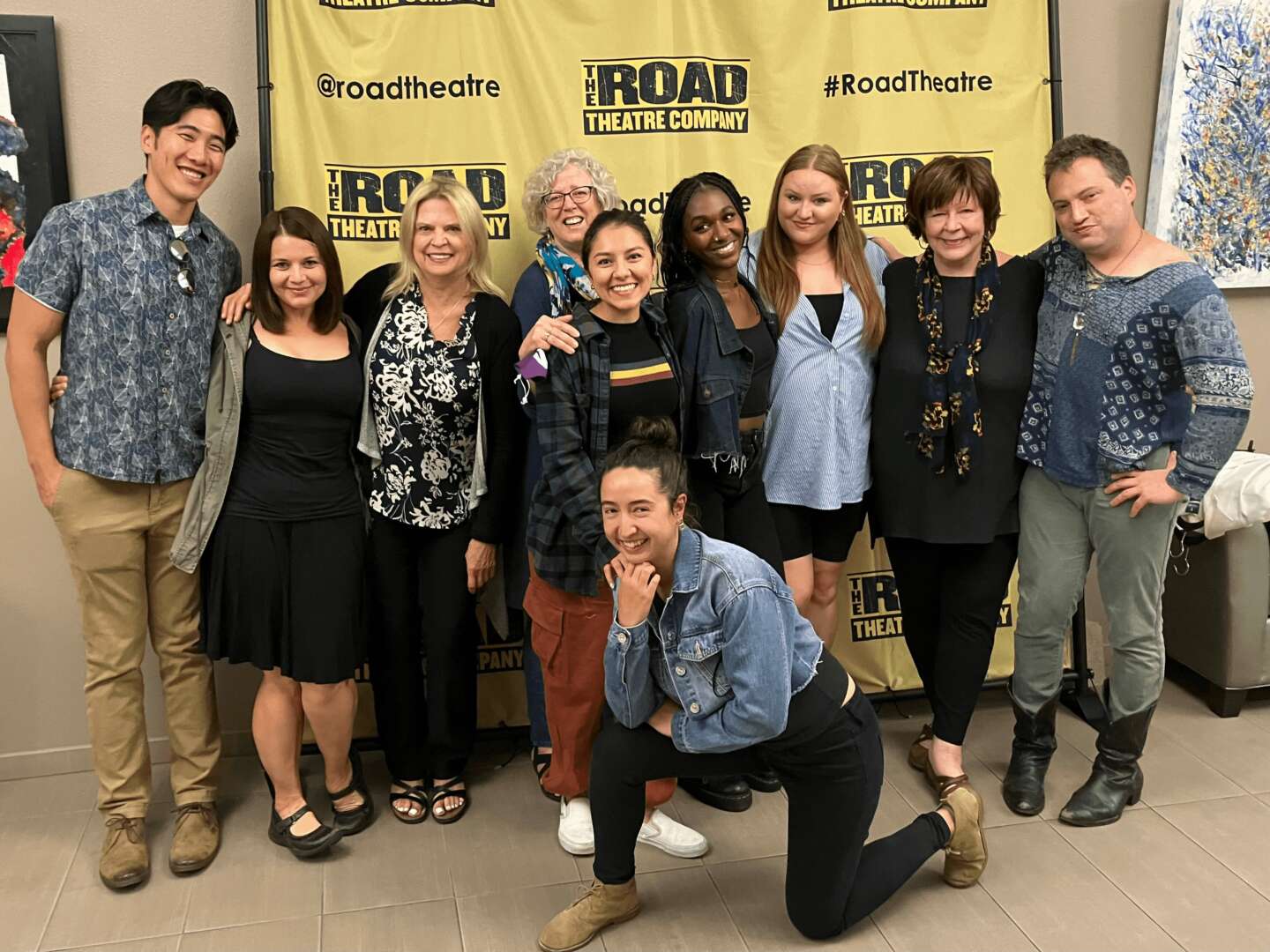
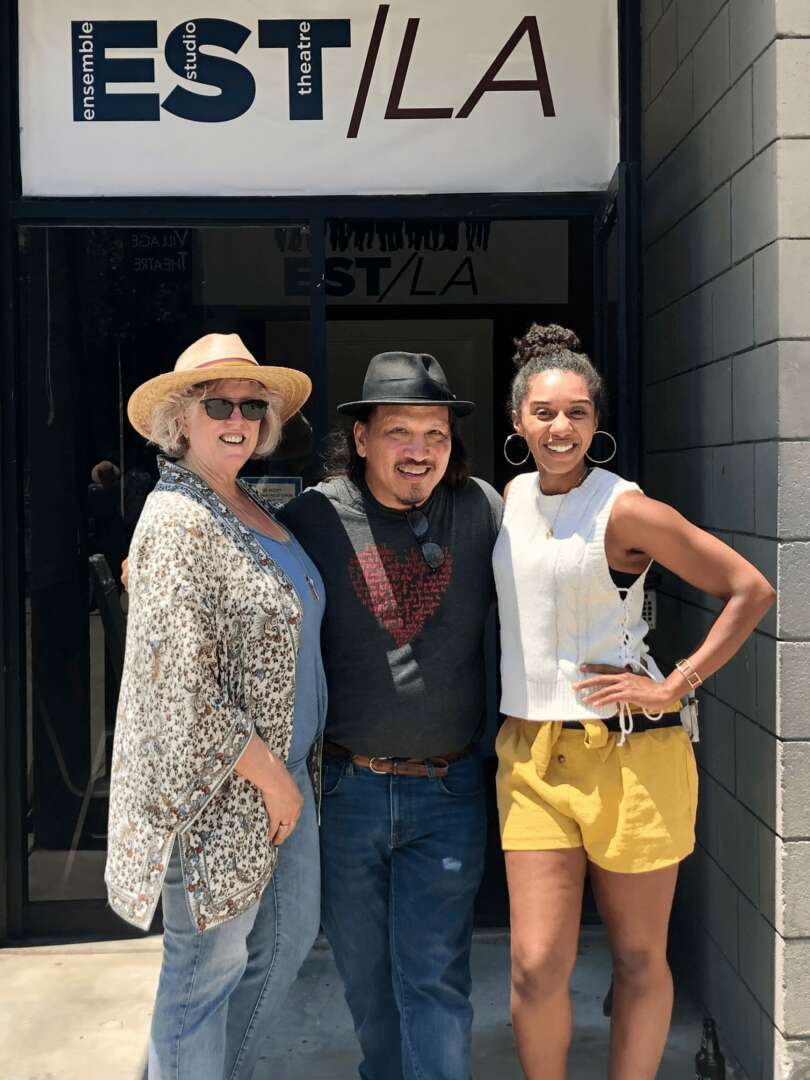
Image Credits
Peter Koreneko, Cece Tio; “Wound Care” image by Lainnie Felan