

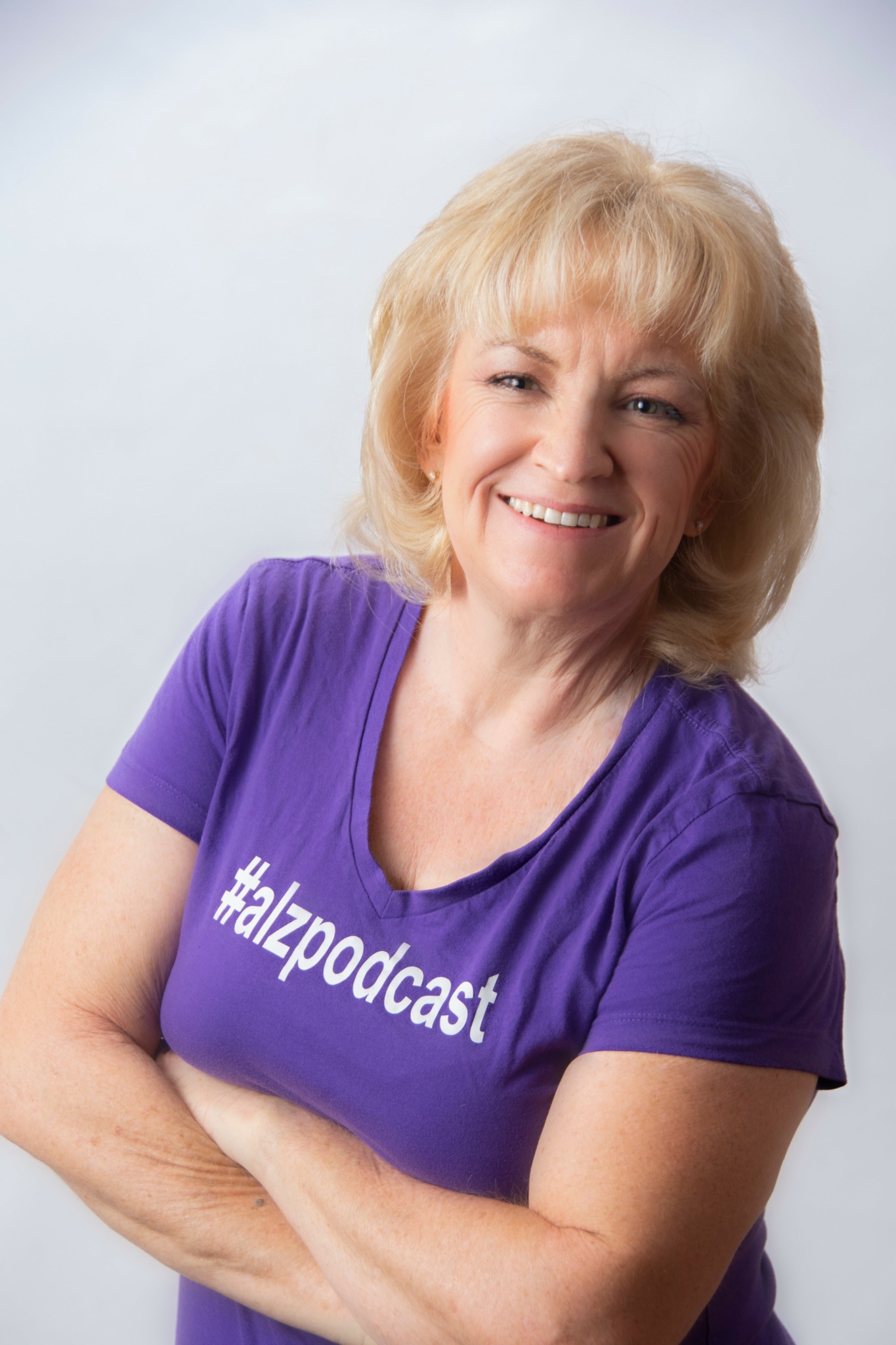

We’re excited to introduce you to the always interesting and insightful Jen Fink. We hope you’ll enjoy our conversation with Jen below.
Alright, Jen thanks for taking the time to share your stories and insights with us today. We’d love to hear about how you went about setting up your own practice and if you have any advice for professionals who might be considering starting their own?
“The practice didn’t actually start with a business plan; it started with a microphone and a desperate need for clarity. When I launched my podcast, I was navigating dementia care in my own life. I realized that the clinical world was often speaking a language that didn’t translate to the living room. The lack of dementia training for medical professionals only compounded the problem of how best to care for my Mother who was living with advanced Alzheimer’s.
I started my podcast to ‘decode’ the sensory and emotional overload that comes with memory loss—not just for others, but to make sense of it myself. What began as a series of conversations to bridge the gap between medical diagnosis and the human experience eventually revealed a much larger mission. I wasn’t just hosting a show; I was building a methodology for an underserved and ever growing part of our population.
Establishing the Practice: The “Lab” Evolution
“As the podcast grew, so did the realization that people needed more than just information—they needed a strategy. That’s when I took the leap to establish The Dementia Decoded Lab just this year. I had to find a way to combine all the dementia caregiving education I was providing into one space.
The main steps involved:
Taking the themes from my podcast conversations and support group facilitation and turning them into actionable advocacy frameworks.
Structural Pivot: I had to transition my professional identity from a storyteller to a strategic advocate, ensuring my business structure. Storytelling is an important aspect of teaching but I needed to pivot how I am “seen” in the caregiver world.
The Identity Shift: The biggest challenge was moving from the ‘daughter’ role to the ‘expert’ role without losing the empathy that started the journey in the first place. I learned to speak with more authority while sharing my story as a background to the advice.
Key Challenges & Hindsight
“The hardest part of setting up the practice was determining how to combine all my caregiver advocate/teacher roles while trying to process a massive influx of industry data and staying true to the simple, human goal of the podcast.
Knowing what I know now, I would have leaned into the ‘Lab’ concept even sooner. I spent a lot of time wondering if I was ‘allowed’ to be an authority in this space. I eventually realized that my lived experience, combined with the hundreds of hours of ‘decoding’ dementia challenges on the podcast, was exactly what the industry was missing.”
Advice for Young Professionals
“Start with the ‘Why,’ then build the ‘How.’ If you’re considering starting your own practice, don’t wait until you have a fancy office. Start a podcast, write a blog, or volunteer in the space you want to disrupt.
Find the ‘corrupted file’ in your industry—the thing that everyone complains about but no one is fixing—and make that your niche. Your practice shouldn’t just be a service; it should be a solution to a problem you’ve felt in your bones.”
Jen, before we move on to more of these sorts of questions, can you take some time to bring our readers up to speed on you and what you do?
The Journey: Decoding the Impossible I didn’t choose the dementia care industry; it chose me. For a long time, I was just a daughter trying to find a map to a place I never wanted to visit. When my own family was hit with a dementia diagnosis, I realized very quickly that there is a massive, heartbreaking gap between a medical diagnosis and the Tuesday afternoon reality of caregiving.
I started my podcast because I was drowning in the “noise” of it all. I needed to talk to experts, but more importantly, I needed to talk to people who got it. What began as a personal quest for clarity turned into a community. I realized that the “files” in our brains for how to be a daughter or a spouse get completely corrupted by this disease. I started The Fading Memories podcast (changing to Dementia Decoded in May) to help others “re-code” their approach—not with clinical jargon, but with strategy, empathy, and a bit of grit. Now, in 2026, I am about to publish a book, part memoir, part how-to and I have begun the branding process for all my activities under one name – The Dementia Decoded Lab.
What I Do & The Problems I Solve
Through my book, Dementia Decoded, and my podcast, I provide a roadmap for the emotional and logistical chaos of memory loss. Whether I’m speaking on a stage or working through my “Lab,” my goal is to solve the problem of isolation and overwhelm.
I help caregivers understand that the difficult behaviors they see aren’t “personal”—they are sensory and neurological glitches. I teach people how to stop fighting the reality of the disease and start navigating it.
What Sets Me Apart
I think what sets me apart is that I’m not a distant clinical observer. I’ve been in the trenches. I’ve felt the guilt, the exhaustion, and the “identity crisis” that comes when the person you love doesn’t recognize the role you play in their life. My work isn’t just about “managing” a patient; it’s about preserving the humanity of both the person with dementia and the person caring for them.
What I’m Most Proud Of
I am incredibly proud of the fact that I’ve turned my own “crisis” into a toolkit for others. Writing Dementia Decoded was one of the hardest things I’ve ever done because it required me to revisit some of my darkest moments to find the light for someone else. When a reader or a listener tells me, “I finally feel like someone understands what I’m going through,” that is my greatest achievement.
What I Want You to Know
If you follow my work or join the “Lab” community, I want you to know this: You aren’t failing. This is an impossibly hard journey, and it’s okay to feel lost. My brand is built on the belief that while we can’t change the diagnosis, we can change the experience. We can decode the confusion and find moments of connection, even in the middle of the storm. You can apply this knowledge to to just about any challenge.
We’d love to hear a story of resilience from your journey.
The Story of the Missing Map
I didn’t get into this industry because I had a business plan or even because I wanted to; I got into it because I was a daughter trying to find a “map” to a place I never wanted to visit. When my family was hit with Mom’s dementia diagnosis, I realized very quickly that there is a massive gap between a clinical diagnosis and the reality of caregiving.
A lot of people think the hardest part of dementia is the “memory loss,” but for me, the most telling moment was much more practical. I had lost a significant amount of weight, and one day, I realized my mom simply didn’t recognize me as her daughter anymore. For many, that’s a devastating “gut punch” moment, but because there was a logical reason for it—my physical appearance had changed—it didn’t hit me that way.
Instead, it was a lightbulb moment. I realized her “Daughter” file wasn’t just gone; it was indexed to a version of me that didn’t exist anymore. She was looking for a specific visual “map” to find me, and I wasn’t providing it. I needed a new map to show me how to provide excellent dementia care to Mom.
What I Do & Why It’s Different
This was the real birth of my podcast and my book, Dementia Decoded (not yet published). What truly sets me apart from other “dementia coaches” is where my training comes from. I’m not a distant clinical observer with a certificate on the wall; my expertise was forged in the fifteen-plus years I spent in the trenches with my mom, followed by hundreds of hours of deep-dive conversations with other caregivers about their real-world experiences.
My mom has been gone for six years now, but the learning hasn’t stopped. I am still learning better caregiving practices and “decoding” new strategies from every guest I interview on my podcast. That continuous learning gives me a unique confidence—if I’m still finding new, better ways to navigate this journey after all these years, I know my listeners and readers will find those life-changing techniques, too.
What I’m Most Proud Of
I’m most proud of the fact that I’ve turned my own “crisis” into a toolkit for others. Writing the book was one of the hardest things I’ve ever done because it required me to revisit some of those quiet, difficult moments to find the light for someone else.
If you follow my work, I want you to know this: You aren’t failing. This is an impossibly hard journey, and it’s okay to feel lost. My goal is to help you stop fighting the reality of the disease and start navigating it. We can’t change the diagnosis, but we can change the experience.
Learning and unlearning are both critical parts of growth – can you share a story of a time when you had to unlearn a lesson?
The Lesson I Had to Unlearn
One of the biggest lessons I had to unlearn was the idea that there is a “standard” way to provide dementia care. When you first enter this world, you are bombarded with well-meaning advice and “best practices” that look great on a pamphlet but often fall apart in a living room.
The Backstory
Early on, I tried to follow the textbook. I was told to “redirect,” to “validate,” and to use specific therapeutic communication techniques with my Mom. I thought if I just checked all the boxes and followed the expert scripts, things would go smoothly. But they didn’t.
I remember specifically trying the “standard” approach during a particularly difficult afternoon, and it completely backfired. My Mom didn’t need a scripted response; she needed me to see that her environment was overwhelming her. The “expert” advice was telling me to change her behavior, but I realized the real solution was changing my approach and the sensory input around her.
The Pivot
I had to unlearn the “Expert vs. Patient” dynamic. I realized that my Mom wasn’t a problem to be solved or a patient to be managed—she was a person who was navigating a world that no longer made sense to her.
That wasn’t a failure on my part; it was a massive part of my learning process. It taught me that the “standard” advice is often too generic to be useful in the messy, real-world moments of caregiving. It’s what led me to start the podcast and eventually write Dementia Decoded. I wanted to create a space where we could talk about what actually happens when the textbooks fail us.
Why it Matters Now
Today, my work is built on that unlearning. I’m much more interested in the “why” behind a behavior than the “how-to” of a script. It’s about looking at the person in front of you—not the diagnosis—and having the courage to throw out the rulebook when it isn’t working.
Contact Info:
- Website: www.fadingmemoriespodcast.com
- Instagram: https://www.instagram.com/alzheimerspodcast
- Facebook: https://www.facebook.com/AlzheimersPodcast/
- Linkedin: https://www.linkedin.com/in/jen-fink/
- Twitter: https://twitter.com/Jennifer_Fink
- Youtube: https://www.youtube.com/channel/UCO3X7ufUPUrq5j1aNcW_ELg
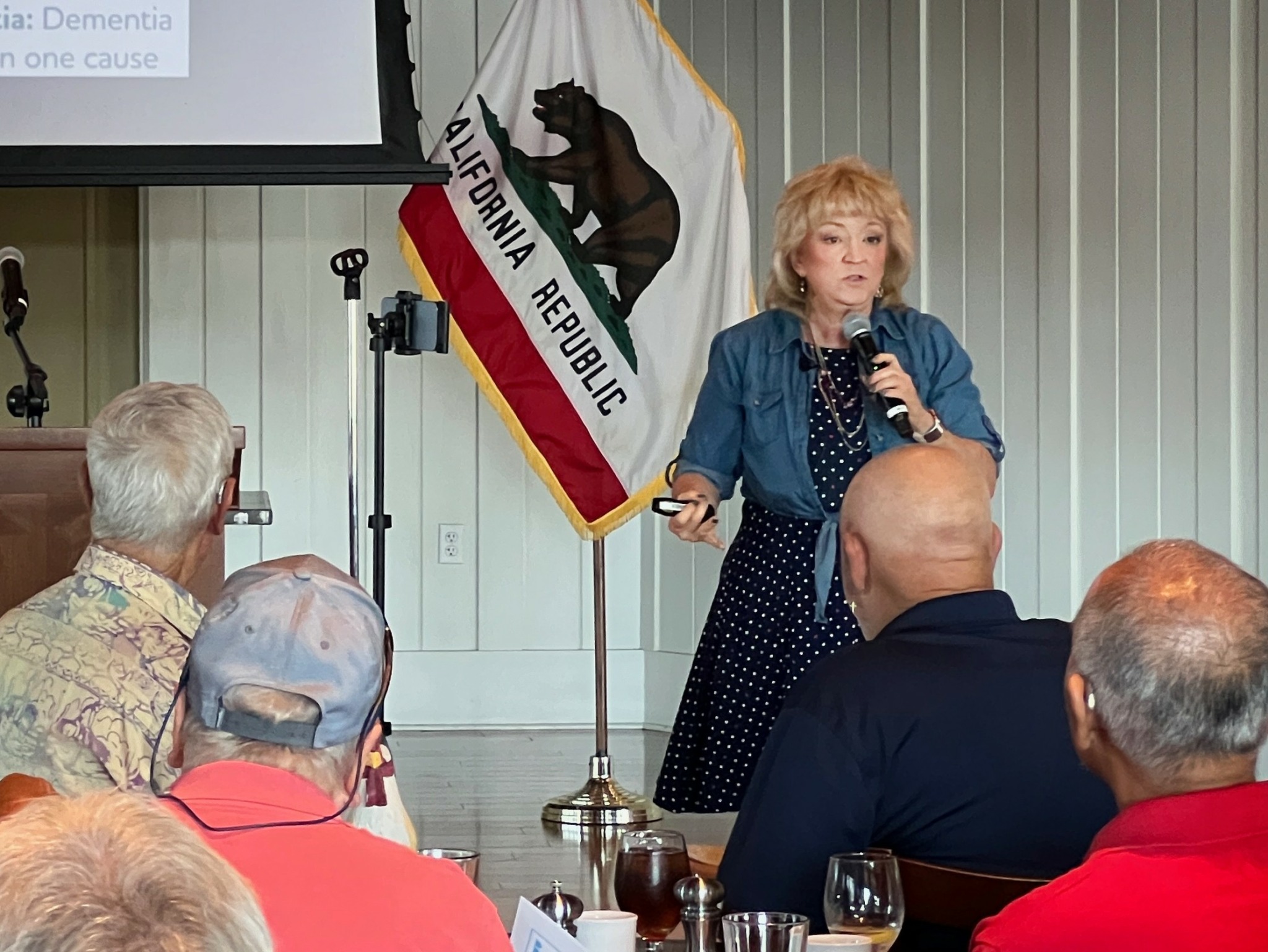
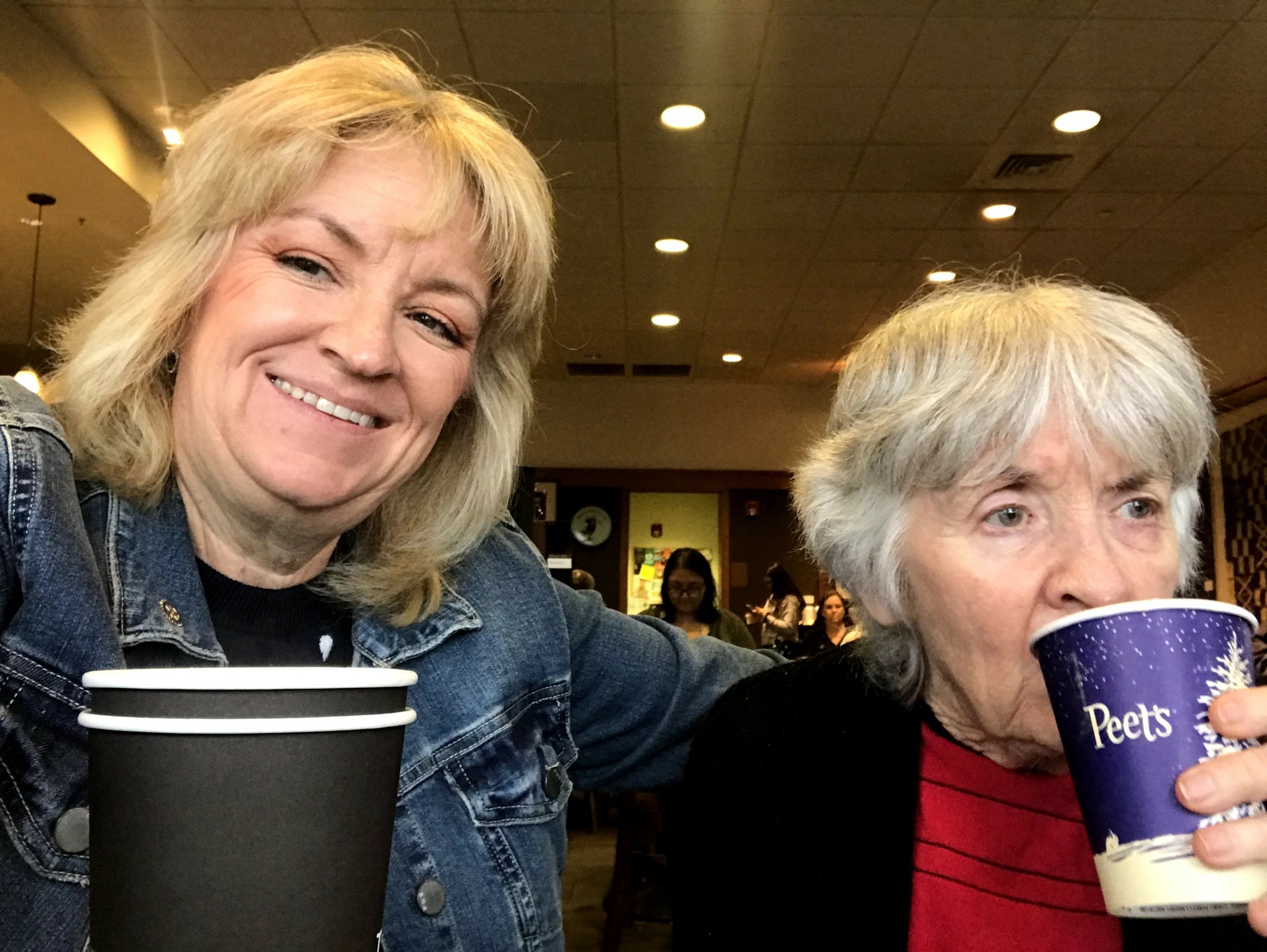
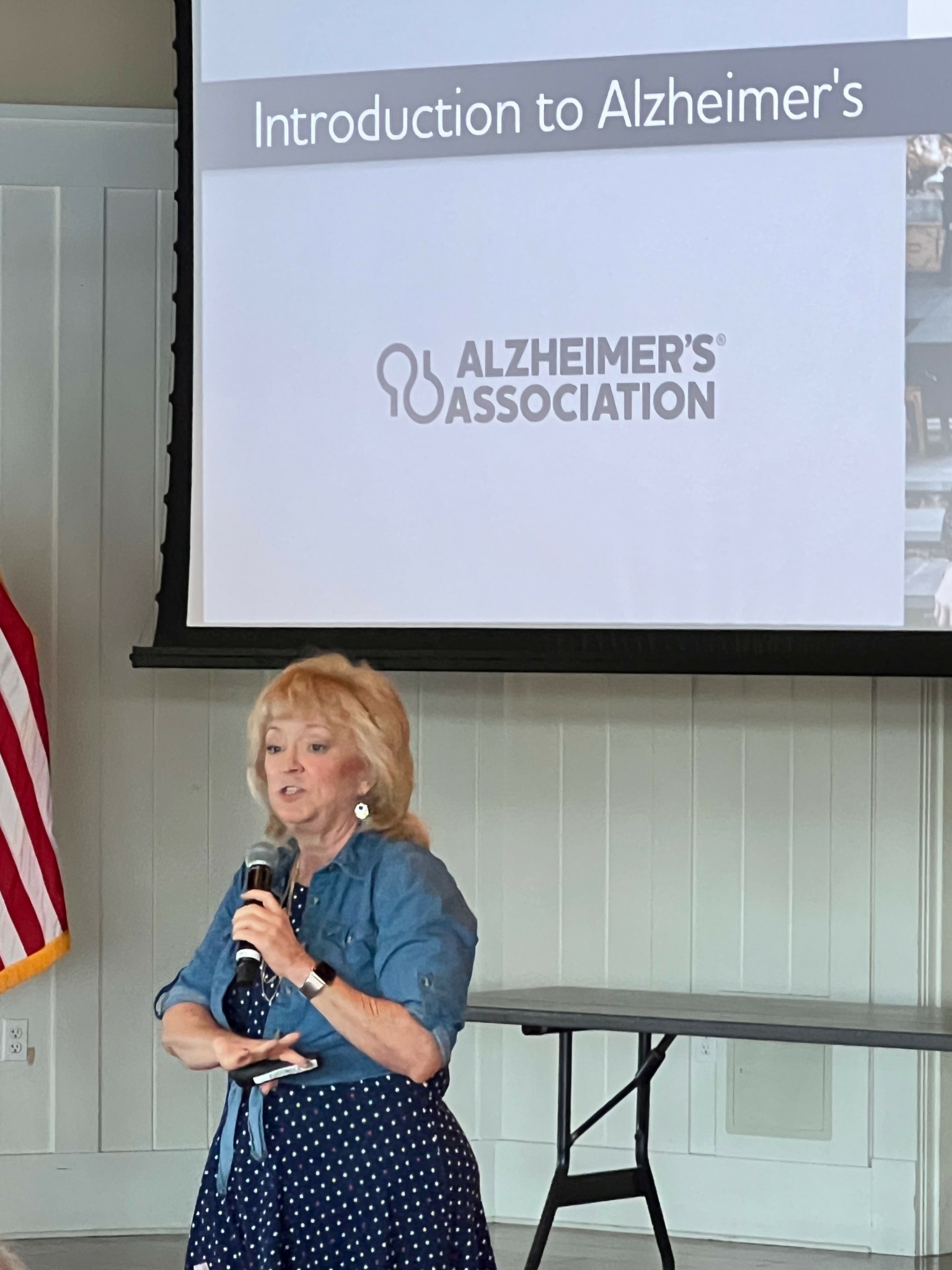
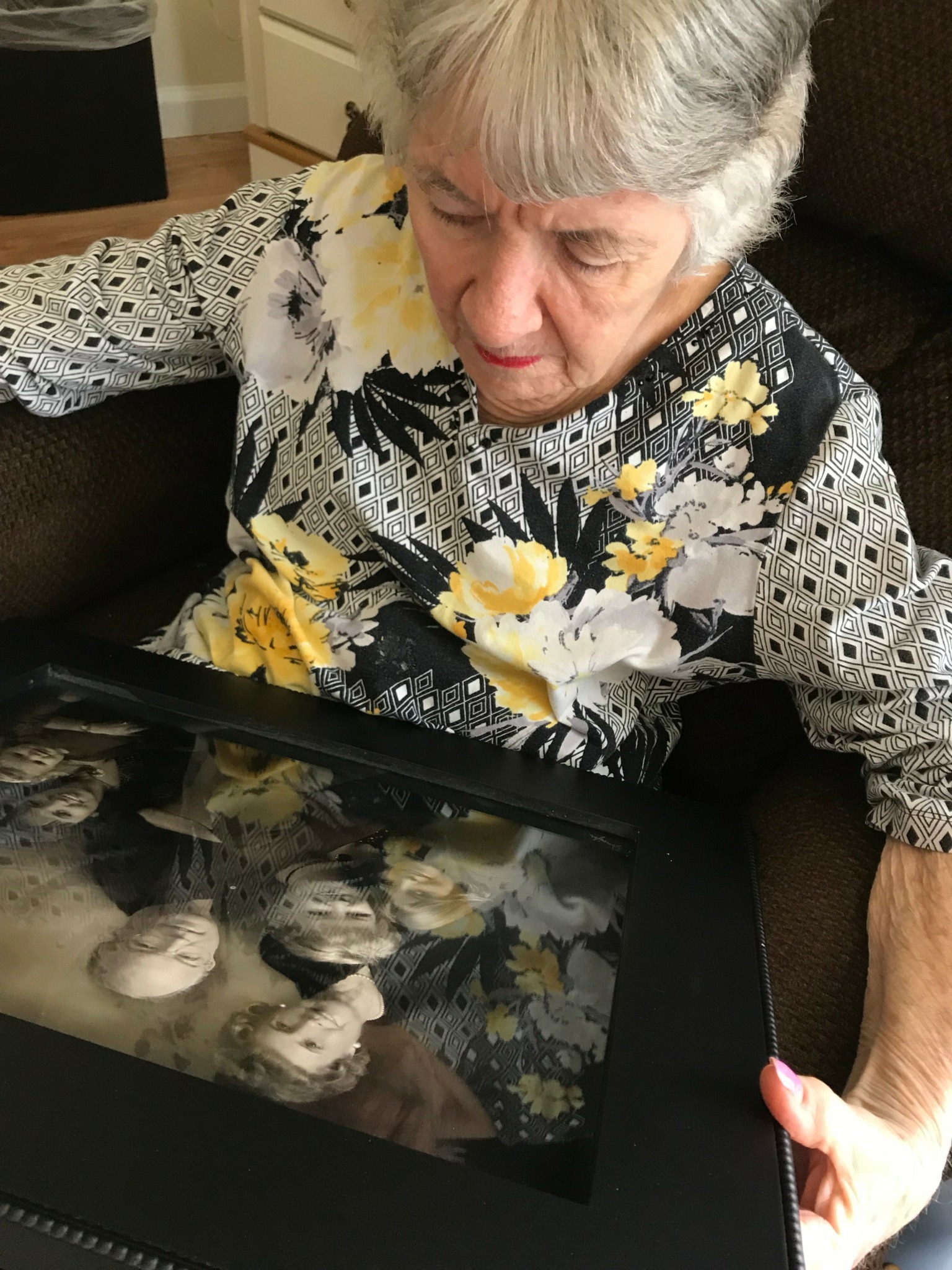
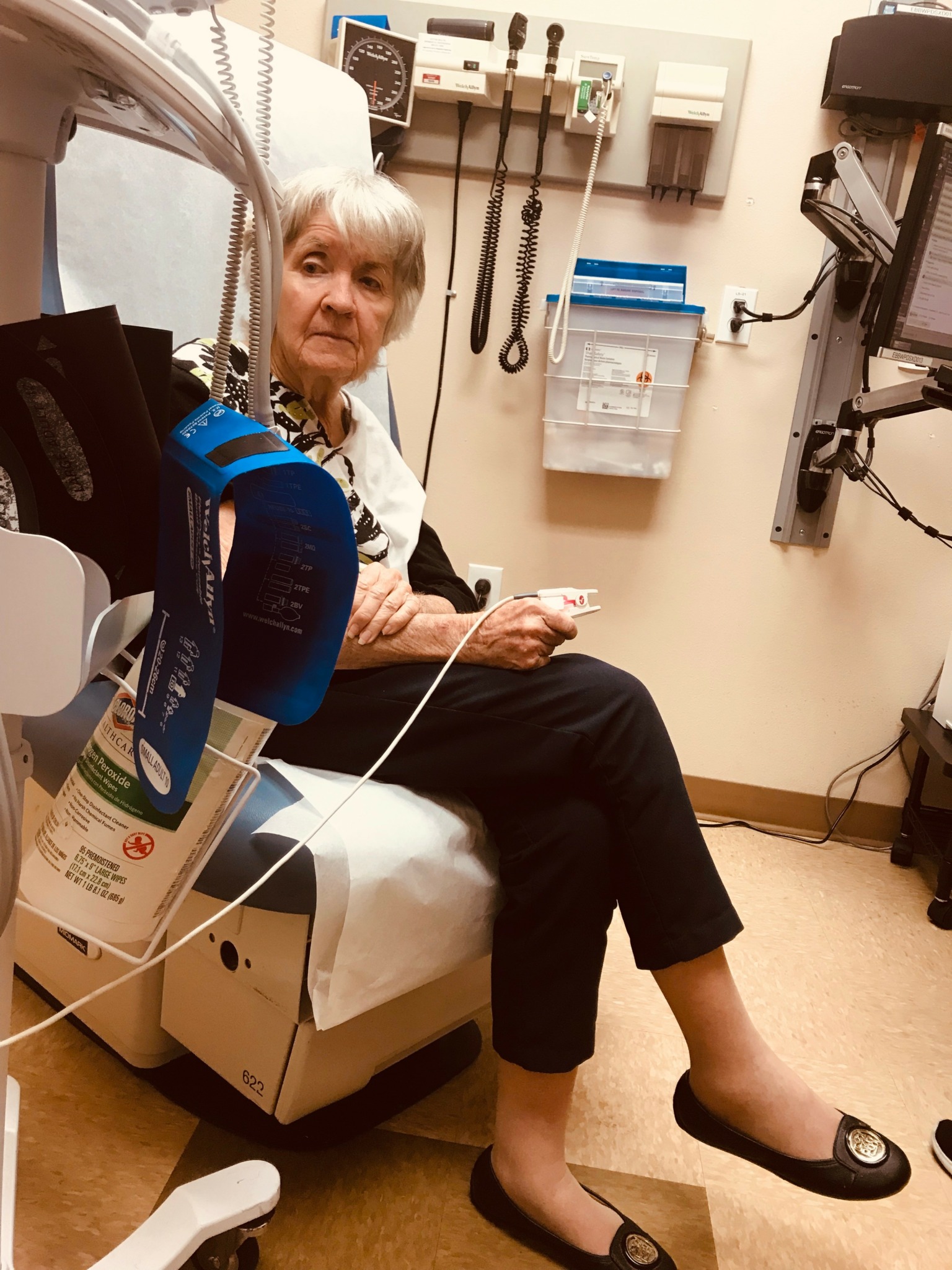
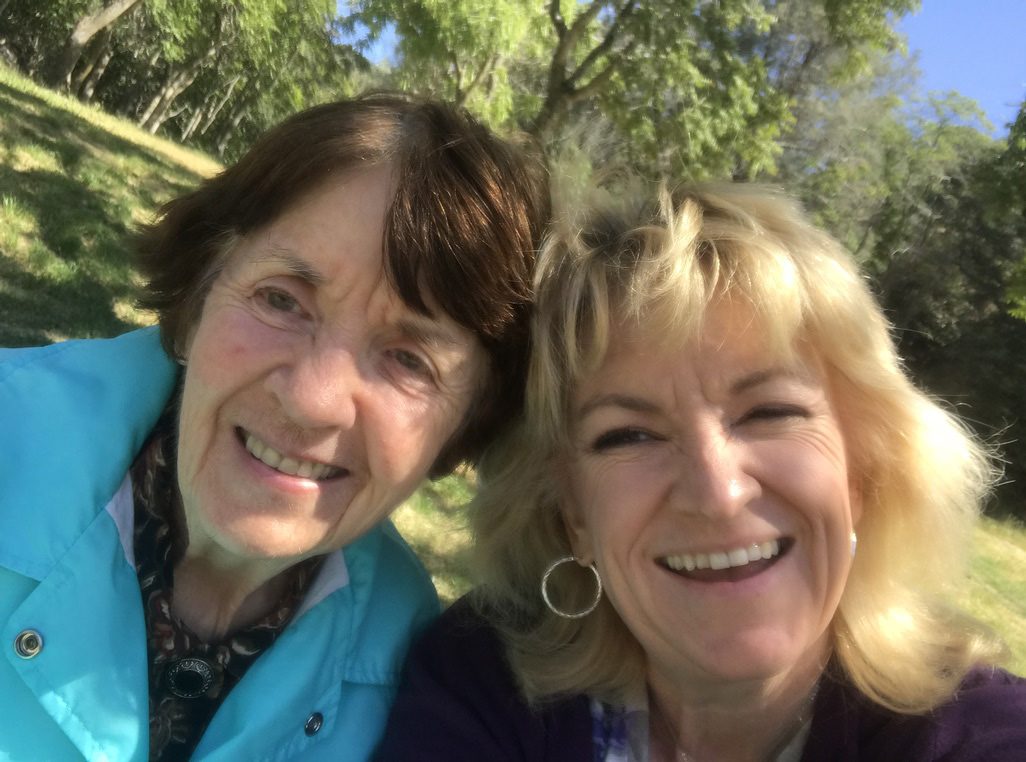
Image Credits
All images taken by Jen Fink (retired professional photographer. Image of Jen speaking was taken by John Fink.