

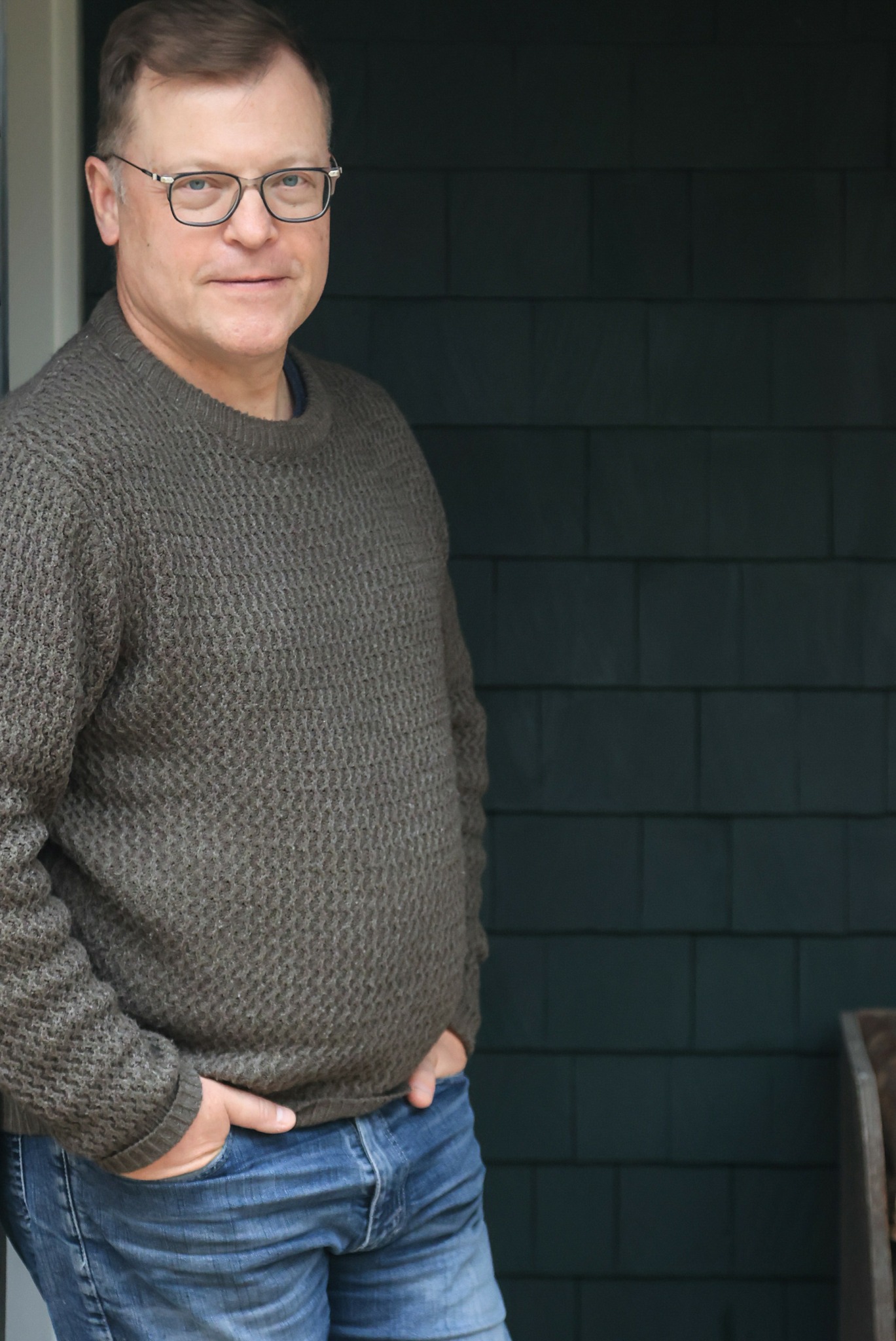

We recently connected with Jeffrey Nytch and have shared our conversation below.
Jeffrey, looking forward to hearing all of your stories today. What were some of the most unexpected problems you’ve faced in your career and how did you resolve those issues?
I was 7 years out of earning my DMA in composition from Rice University. While I was a student, I was celebrated as a rising star with a bright future ahead: I released my first commercial recording while still in school, and my doctoral dissertation — a clarinet concerto — was contracted for my second release with Richard Stoltzman and the Seattle Symphony. During my final year, I shocked my teachers by announcing that I did not intend to pursue a career in academia (the expected course of action); instead, I would pursue a freelance career. I was inspired to take that leap because I’d recently won a year-long artist grant from the City of Houston: I figured that one’s first grant had to be the hardest to get, so I thought I was on my way.
Fast-forward 7 years, and here I was at the UT-Austin events center, serving popcorn for basketball games. I had no money, no other job, and was crashing on my friend’s couch. I was ready to quit music and cash in on another acumen: finance and investing. I figured that if I was going to be miserable I might as well be rich.
And I was angry. Resentful. I had come up with the belief that if you worked hard and checked the right boxes — go to a prestigious school, win the awards, have the support of your teachers — that your early successes will open doors and lead to further success, building towards a career of distinction. Years later I would call it the “vending machine mentality”: put in the right inputs and you’ll get your reward. To learn that this was a lie was incredibly disillusioning. Crawling back out of that place took nearly a decade, but at the beginning of that journey it was one thing that drove me to not give up: a love for music above all else, and a determination to find my way no matter what.
As always, we appreciate you sharing your insights and we’ve got a few more questions for you, but before we get to all of that can you take a minute to introduce yourself and give our readers some of your back background and context?
I’d been involved in music all my life, but I never believed I had what it took to have a musical career. I went to college intending to major in economics and go into investing, as I’d found I had an uncanny ability to pick winning stocks. But in college I started studying composition for the first time, and everything changed. At the same time, I also fell in love with geology. I ended up double-majoring and even went to grad school in geology for a year before realizing that, if I had to choose between the two, music was the clear winner.
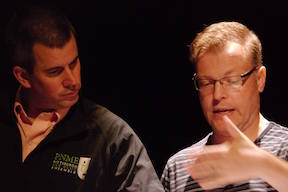
The journey I eluded to in my previous answer lasted for 15 years, with an assortment of day jobs — including running the operations for a small startup in Houston and, later, being Executive Director of Pittsburgh New Music Ensemble (one of the country’s most prestigious contemporary chamber music ensembles). All the while I was trying to find an audience for my music. These threads began to coalesce in a way I only saw clearly in retrospect: by spending those years in the trenches, trying to create opportunities for my music while also gaining valuable insights into how businesses and non-profit institutions run, I began to see that the key to unlocking value for my creative work required me to think about the needs of my customers rather than *my* need to have my work succeed. Without putting that term to it, I was beginning to think like an entrepreneur.
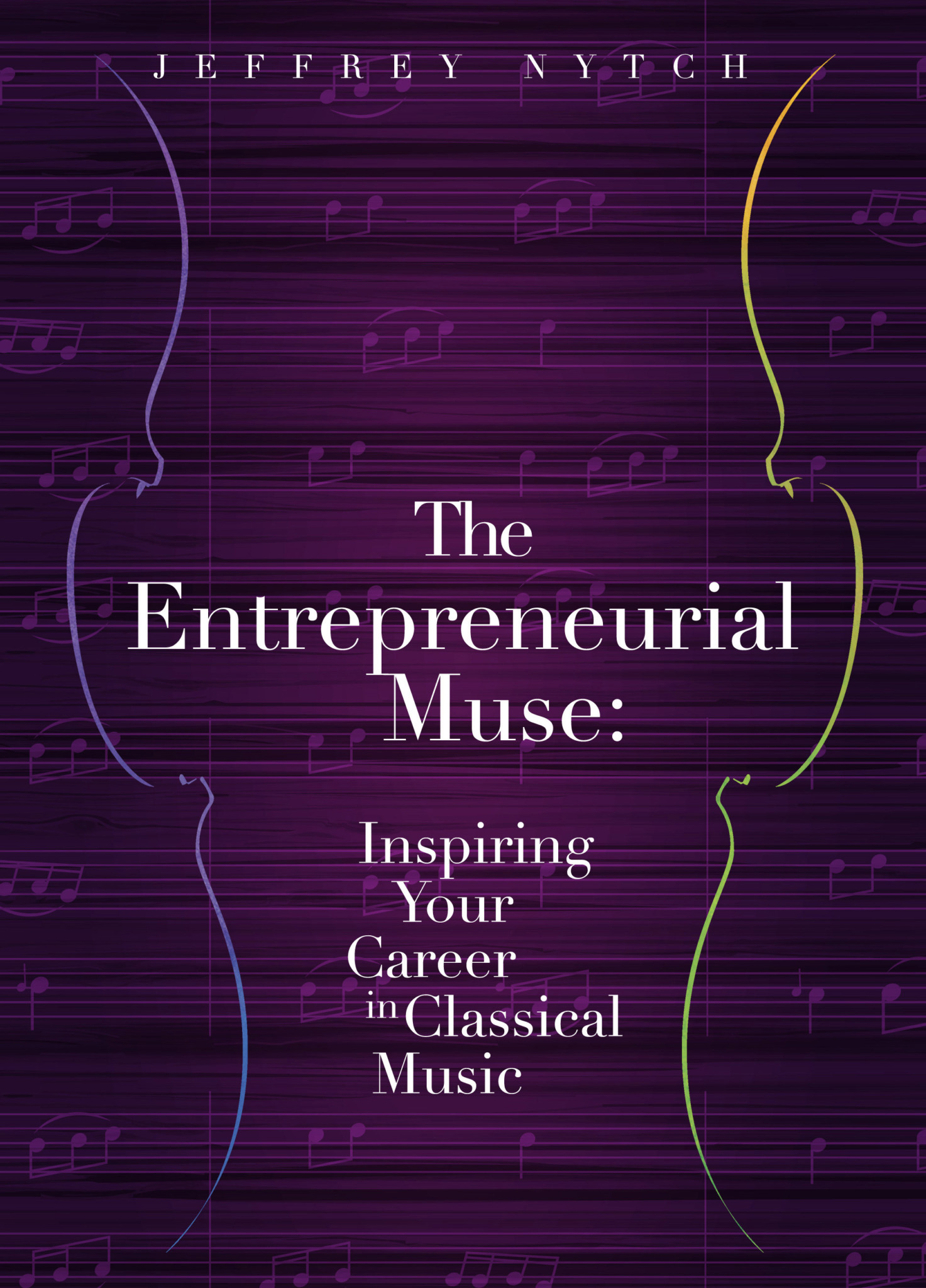
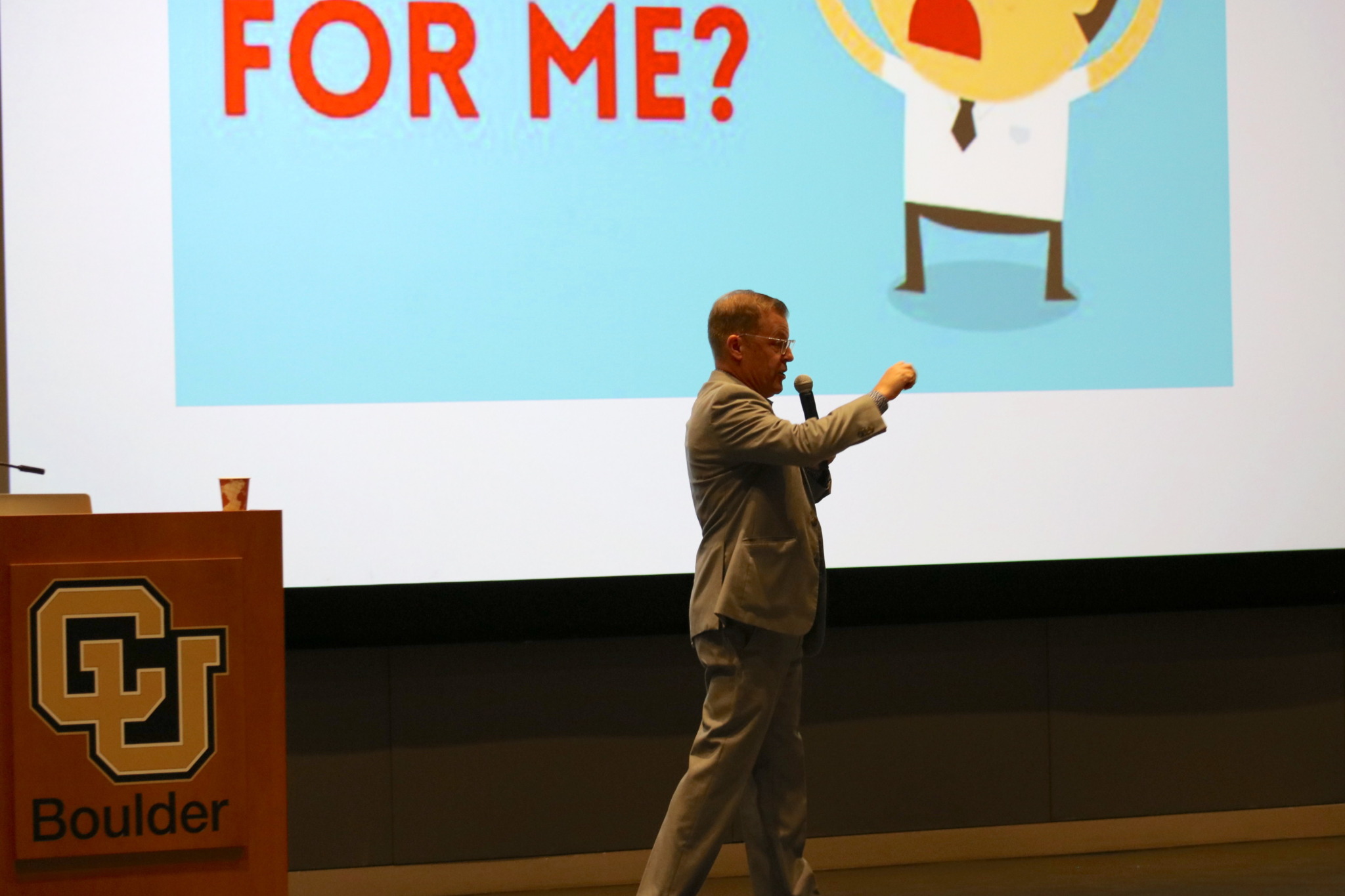
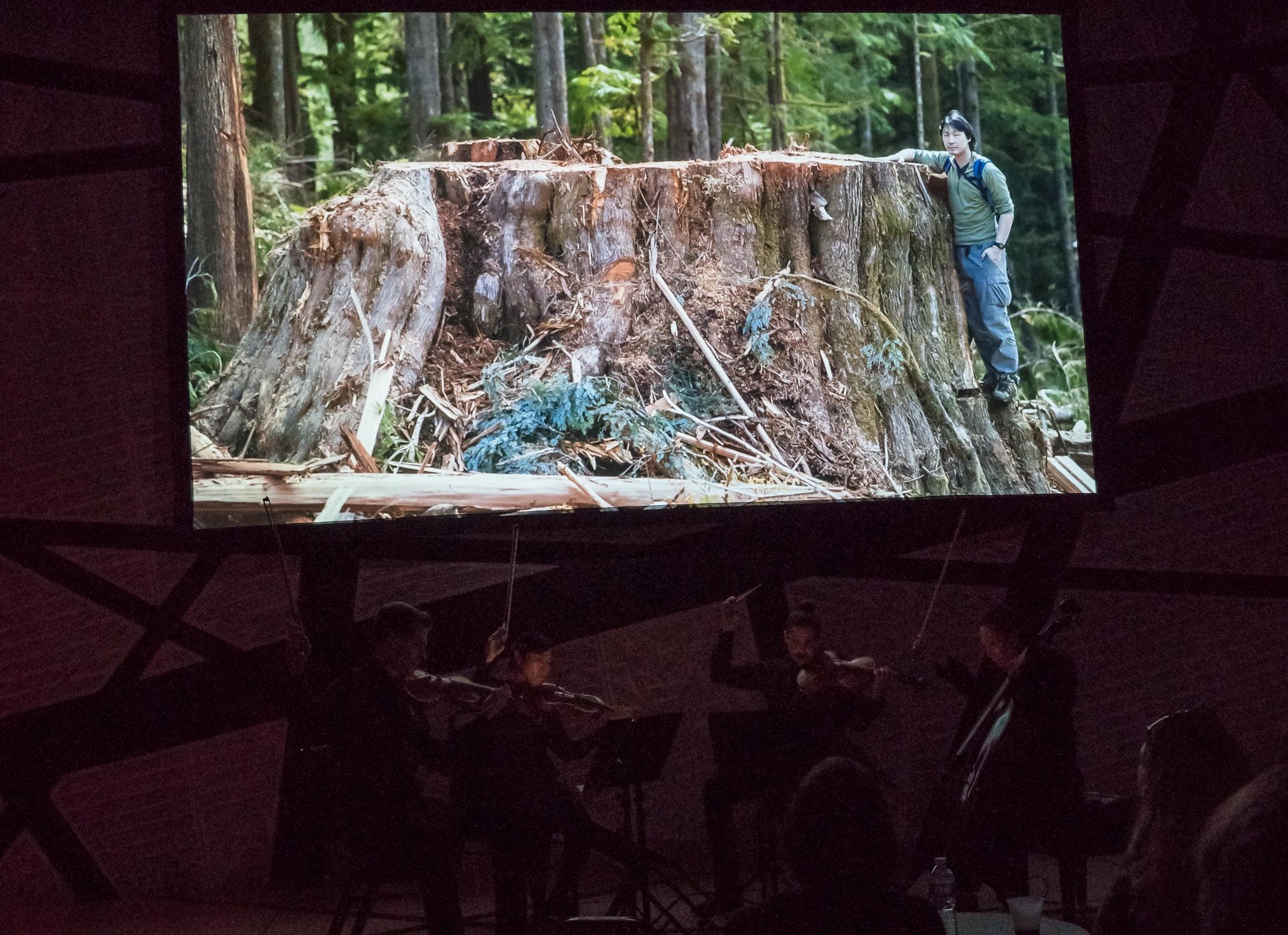
Today, my work as an artist-entrepreneur operates on two complimentary but distinct tracks. In my creative work, all my compositions are designed from the start to speak to issues of importance to the communities in which the music is being performed. These have included works about the geology of the Rockies (love how that thread came back!), deforestation and climate change, the story of the violinist who perished in the Costa Concordia shipwreck when he couldn’t leave his violin behind and, most recently, the early labor movement in America and the immigrant workers who made it happen. I focus on community partnerships to bring these stories out of the concert hall and into communities, in turn, creating media buzz and building an audience. The other track is that of an entrepreneurship educator for musicians: I’m a professor of arts entrepreneurship at the University of Colorado-Boulder College of Music, and one of my greatest joys is visiting music schools for workshops and residencies and planting the seed of entrepreneurship with arts students who never thought the term could apply to them.
I think it’s my twisty and complex journey that make both of these tracks uniquely potent. My dual background in science and the arts mean I can speak to those double majors who are wondering how their interests can work together; it also means I can speak to scientists about the importance of the arts in their work, and to artists about the value of science in creative fields. My experience as a freelancer, a businessperson, and an arts administrator means that I have insights that others with narrower experiences might not have; it also means I bring a similarly integrated perspective on entrepreneurship theory and practice. Lastly, I have applied all of this to strategic planning for non-profits, in which I use entrepreneurship as the vehicle for a strategic plan that is less about creating an institutional “to-do list” and more about meeting the needs of their customer and community.
How can we best help foster a strong, supportive environment for artists and creatives?
There are several components needed to address this question. First, we have to advocate for better public funding of the arts: the U.S. spends less per capita on the arts than almost any developed nation, and when you factor in inflation that funding has decreased dramatically over the last 20 years. Secondly, individuals can support artists and arts organizations in their own community: buy tickets, go to exhibits, encourage your friends to go too. Get to know creatives in your community, and ask how you can help: it’s not just money they need; they may need space to work or introductions to potential patrons. Third, insist on arts education in your local schools: there’s mountains of evidence demonstrating that arts education results in better test scores, better adjusted kids (reduced stress and anxiety, improved self-confidence and agency), and kids who grow up to be more empathetic and tolerant of different cultures and perspectives. And lastly, society must comes to terms with the fact that the arts will never be self-supporting businesses. There may be pockets here and there that are, but as a sector overall, the visual and performing arts have always relied on patronage in one form or another. That’s because great art requires risks, and risks that have no rational way of mitigating them will never be considered sound “business.” The sooner we accept this, hand-in-hand with recognizing the incredible value that the arts return to our society the sooner we can embrace public support for the arts as a benefit to our humanity but as an economic driver as well.
Is there a particular goal or mission driving your creative journey?
My desire is for my creative work to make a difference to people and their communities: to stir their hearts, to perhaps cause them to see the world around them in a different light, maybe even to take action in support of an issue they care about (or have connected with as a result of my work). I’m not especially interested in the accolades of the “establishment” or the big institutional “gatekeepers” — except for insofar as those things can open more opportunities to reach more people with the art I create. I don’t shy away from beauty and expression because I think that’s how you connect with a general audience. I also think that the world today needs all the beauty, authenticity, empathy and community it can get. My goal is to send a little more of those things out into the world.
Contact Info:
- Website: https://www.jeffreynytch.com
- Instagram: @jeffnytch
- Facebook: https://www.facebook.com/jeffreynytchcomposer
- Linkedin: https://www.linkedin.com/in/jeffreynytch/
- Soundcloud: https://soundcloud.com/jeffrey-nytch
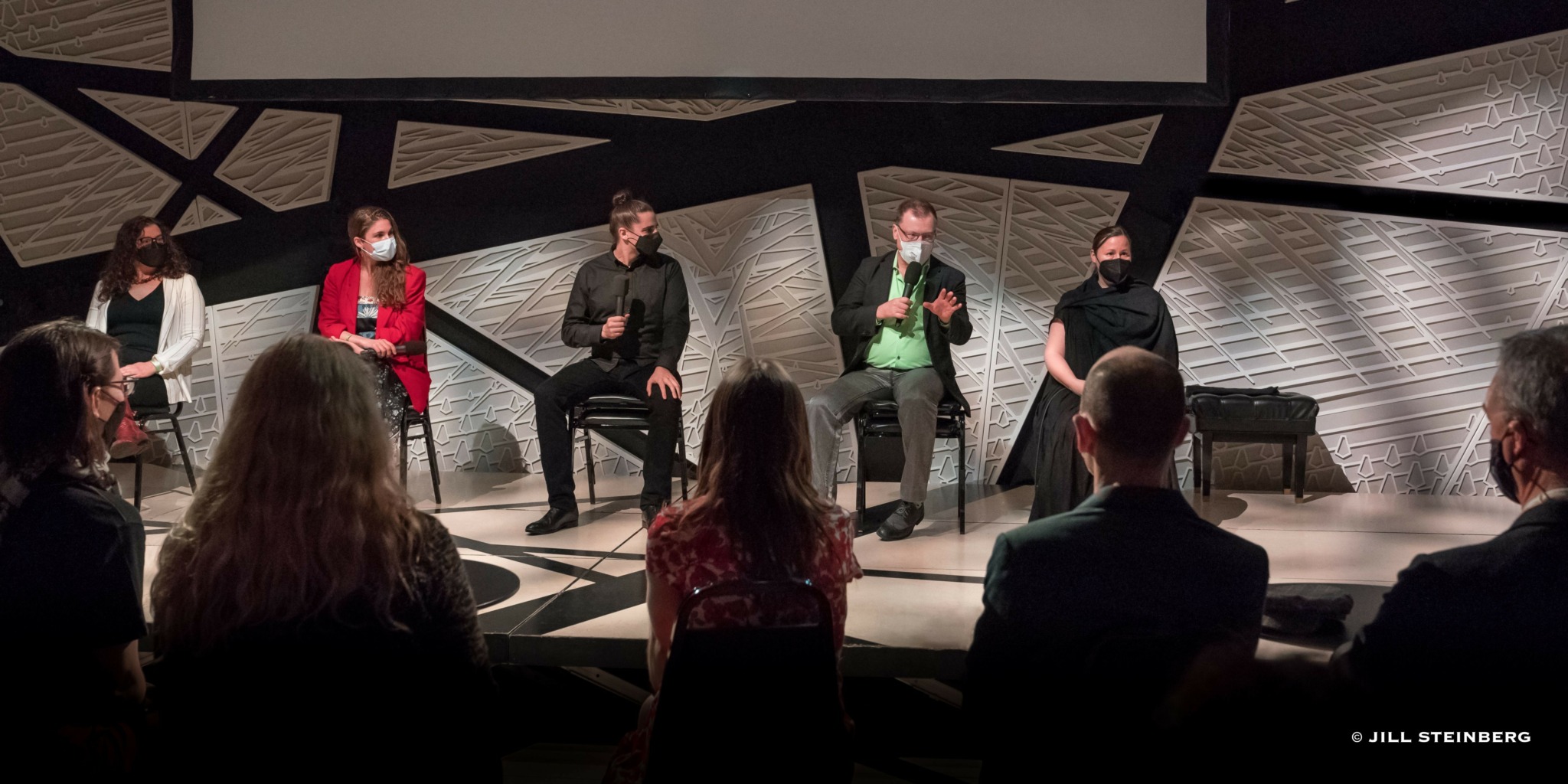
Image Credits
Joanna Eldredge Morrissey