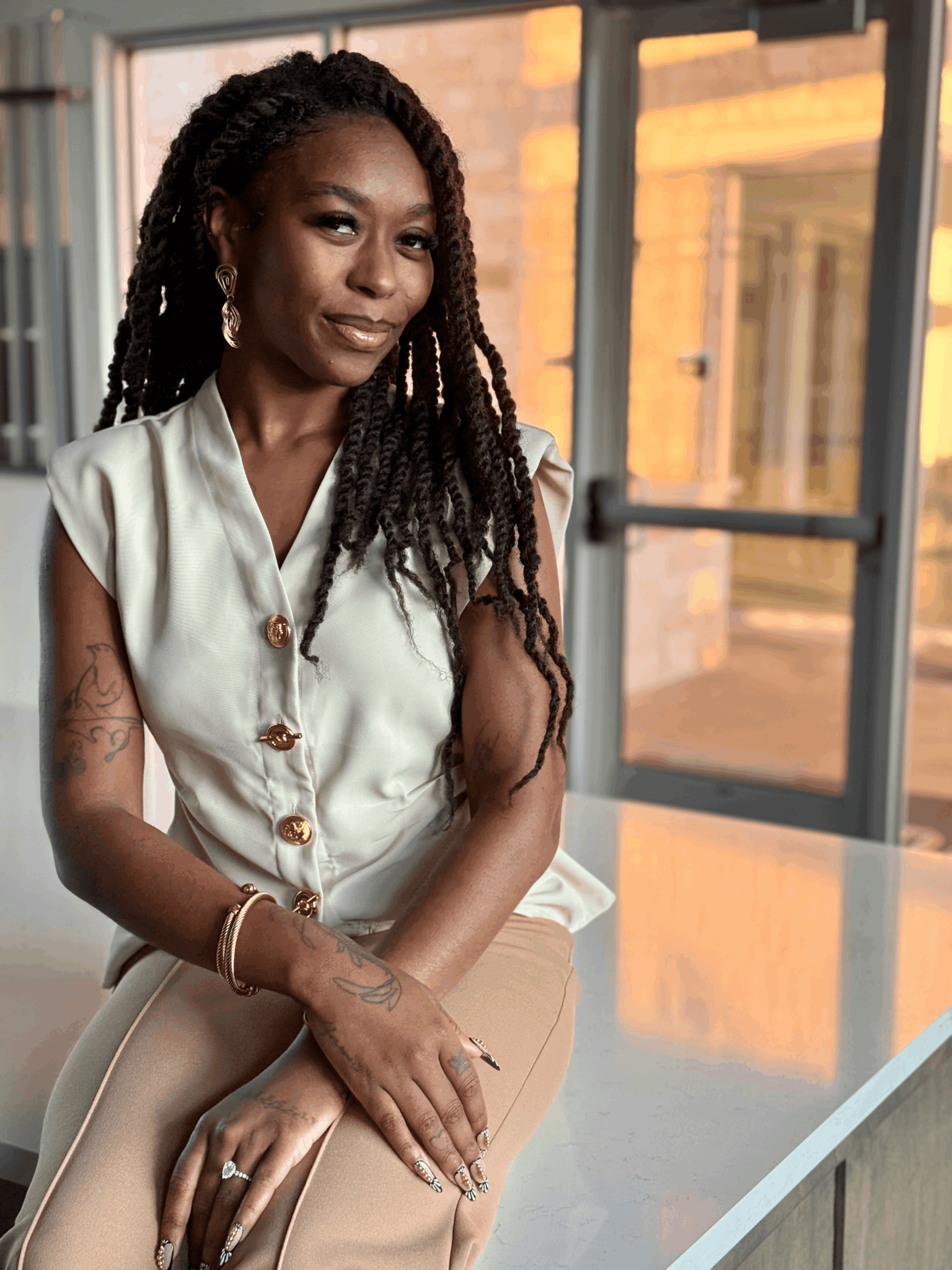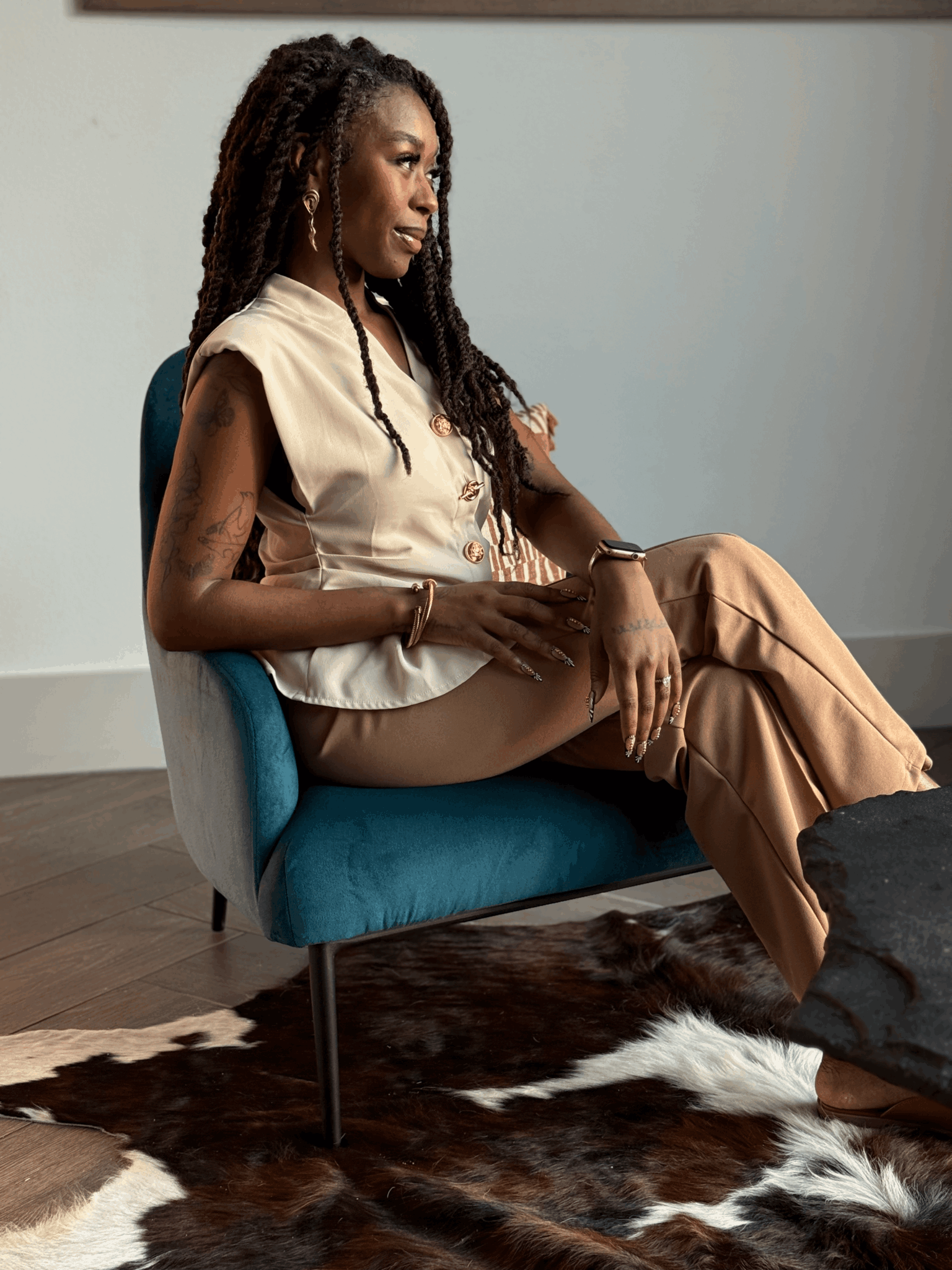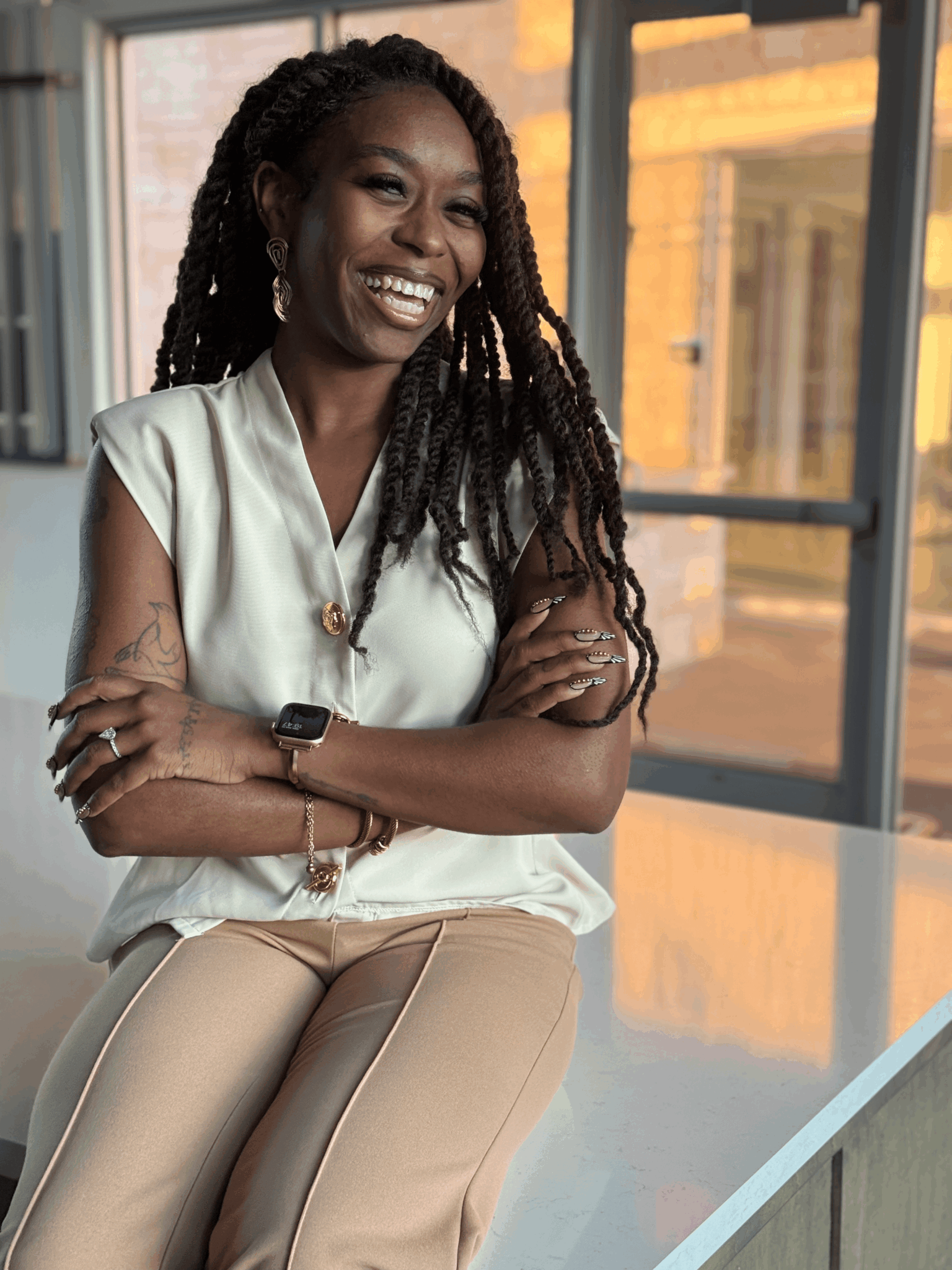

We recently connected with Jazmyn Nobles and have shared our conversation below.
Jazmyn, appreciate you joining us today. Can you share a story with us from back when you were an intern or apprentice? Maybe it’s a story that illustrates an important lesson you learned or maybe it’s a just a story that makes you laugh (or cry)?
The process to become a licensed therapist is hard. In Texas, you have to complete 3,000 hours to become licensed, and 1,500 of those hours must be direct client work. I was off to a great start. I began as a Master’s Level Intern at a private practice, learning the ropes of balancing client care, paperwork, and professional development. I eventually became an associate therapist and felt like I was building strong momentum toward licensure. Then life shifted. I became a mom, and everything I thought I knew about pacing myself and prioritizing my goals had to change. I pressed pause on my hours to focus on my child, and while it was the best decision for my family, it was also hard to watch my peers continue on while I felt like I was standing still. Coming back was not easy. I had to rebuild my caseload, re-establish my rhythm in the therapy room, and push through the mental hurdle of feeling like I was behind. In doing so, I learned one of my most important lessons. There is no expiration date on your purpose. The time I took away made me a better therapist. It taught me patience, compassion, and the ability to meet people exactly where they are, even if they are not moving as quickly as they hoped. That season shaped my leadership style today. I understand firsthand that life does not move in a straight line, and I lead with empathy for anyone navigating detours on their way to their goals.
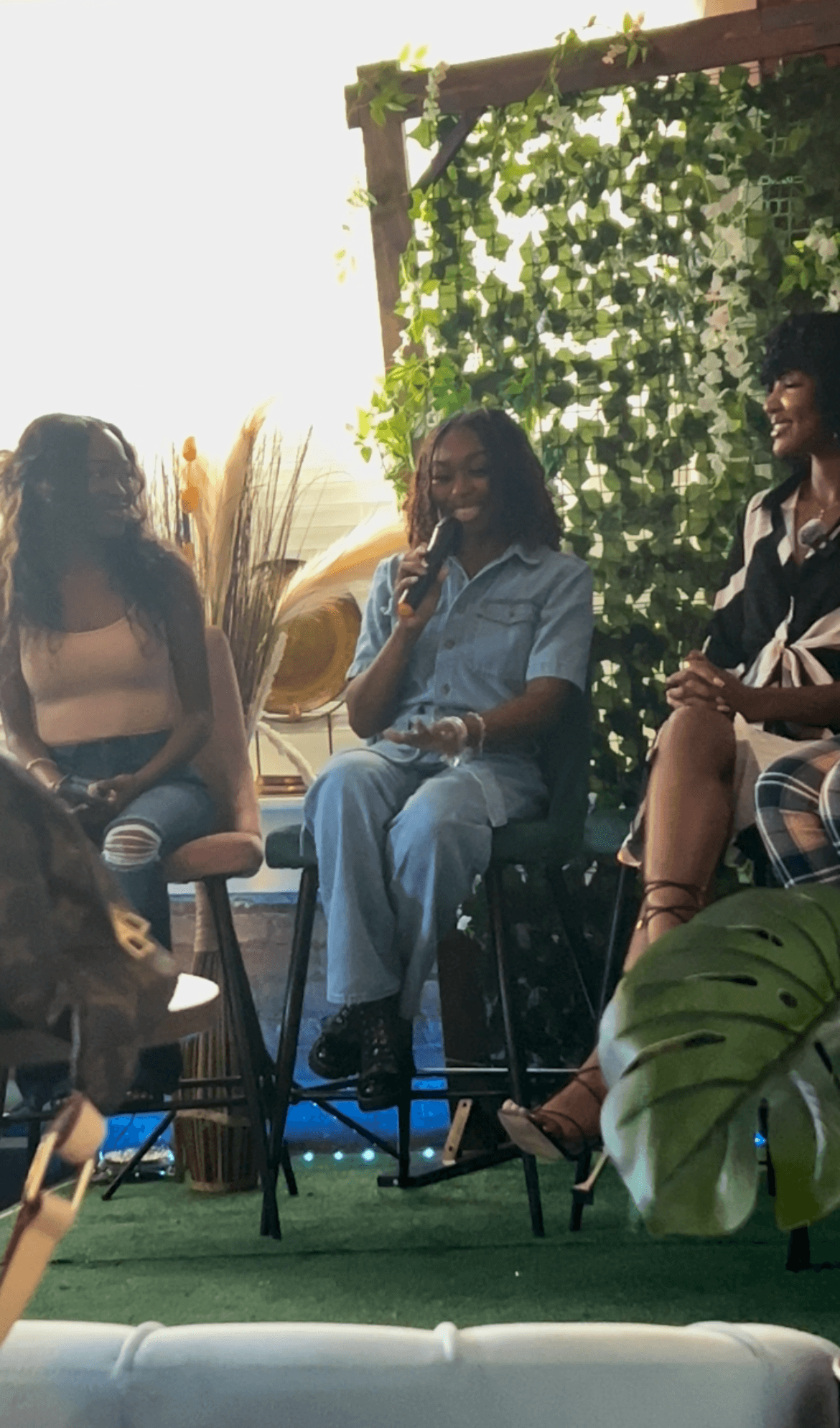
Jazmyn, love having you share your insights with us. Before we ask you more questions, maybe you can take a moment to introduce yourself to our readers who might have missed our earlier conversations?
I’m Jazmyn Nobles, a licensed therapist and proud Dallas native. My journey into mental health wasn’t straightforward. It was deeply personal and purpose-driven. Earning my Bachelor’s in Psychology at Prairie View A&M University and my Master’s in Clinical Mental Health Counseling at Southern Methodist University, the path to licensure was filled with adversity. But I persevered, driven by a desire to provide culturally responsive care to the Black and Brown BIPOC communities, individuals too often overlooked in mental health spaces. Today, I’m independently licensed in Texas, with licensure in two more states pending! Growing into this role wasn’t easy. Listening to—and absorbing—the deep traumas my clients shared, some of which I could deeply relate to… it required me to do my own inner work. I had to confront my own biases, heal my own wounds, and stay grounded, all so I could truly facilitate growth and healing in others. I support people through stress, life transitions, behavioral struggles, trauma, anxiety, depression, sexual and relationship concerns, boundary challenges, co‑parenting issues, really, a full spectrum. My approach centers on clients’ needs: we talk through what’s working… and what isn’t. From there, together we replace old patterns with healthier, more positive routines. I also maintain an Instagram platform, @thejourneywithjazz, that started as a grad‑school diary and evolved into a powerful resource. It invites others into honest conversation about being Black in a white‑dominated profession, and it’s become a way for the community to connect with me.
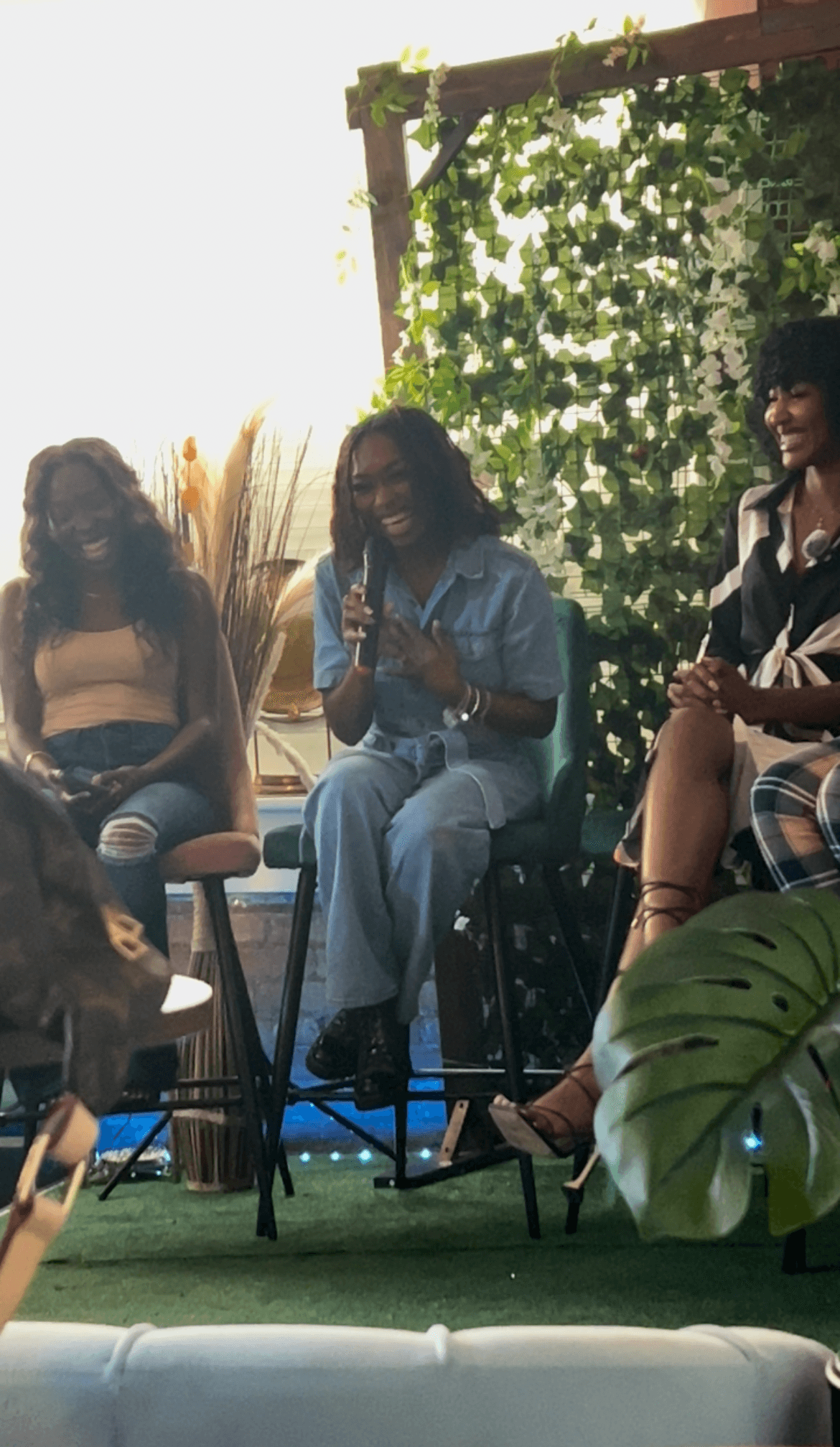
How’d you build such a strong reputation within your market?
I think my reputation has grown because I have never tried to fit into a box of what a therapist is “supposed” to look or sound like. I am unapologetically authentic, especially in how I show up in sessions. As a Black woman in a profession that still has a lot of traditional, Eurocentric norms, my style does not always look like the “standard” therapy session you might see in textbooks. I integrate cultural awareness, real-world language, and an approachable energy that helps clients feel seen, heard, and safe from the first interaction.
I believe therapy should meet people where they are, not force them to fit a mold. That is why I bring my full self into the room, professional, yes, but also human. I am not afraid to laugh with my clients, sit in silence when they need it, or gently challenge them when it is time for growth. Over time, people realize that this combination of expertise and authenticity allows them to open up faster, be more honest, and stay committed to their healing process.
I often compare finding the right therapist to dating. It may take time, but when the fit is right, it is transformative. My clients know they can trust me because what they see is exactly what they get. That consistency, along with my cultural competence and genuine investment in their progress, is what has built my reputation and kept people coming back, even referring their friends and family.

Learning and unlearning are both critical parts of growth – can you share a story of a time when you had to unlearn a lesson?
A big lesson I had to unlearn was that I did not need to do everything on my own in order to be strong or successful. For a long time, I wore hyper-independence like a badge of honor. I grew up believing that relying on others was a sign of weakness, so I became someone who handled everything myself, even when it left me exhausted and emotionally drained.
The backstory is that much of my life and early career reinforced this mindset. In school, in my personal life, and even in the mental health field, I felt pressure to prove myself without asking for help. Over time, especially through my own therapy and personal growth, I realized that this constant self-reliance was not resilience. It was survival mode. It was also keeping me from experiencing the fullness of healthy relationships and community.
Letting go of hyper-independence meant learning to receive as much as I give. It meant allowing trusted people into my life to support me, challenge me, and hold space for me the way I do for my clients. Now I understand that true strength comes from connection, and that leaning on others is not a weakness but a form of wisdom.
Contact Info:
- Instagram: @thejourneywithjazz
- Facebook: https://www.facebook.com/share/17Cm6D1Wv1/?mibextid=wwXIfr
- Twitter: https://x.com/littlemissjahde?s=21&t=sjJ5RtfyZGJ7co9JXK3r2A
- Youtube: https://www.youtube.com/@Littlemissjahde
- Other: https://voyagedallas.com/interview/meet-jazmyn-nobles-of-dallas-tx/