

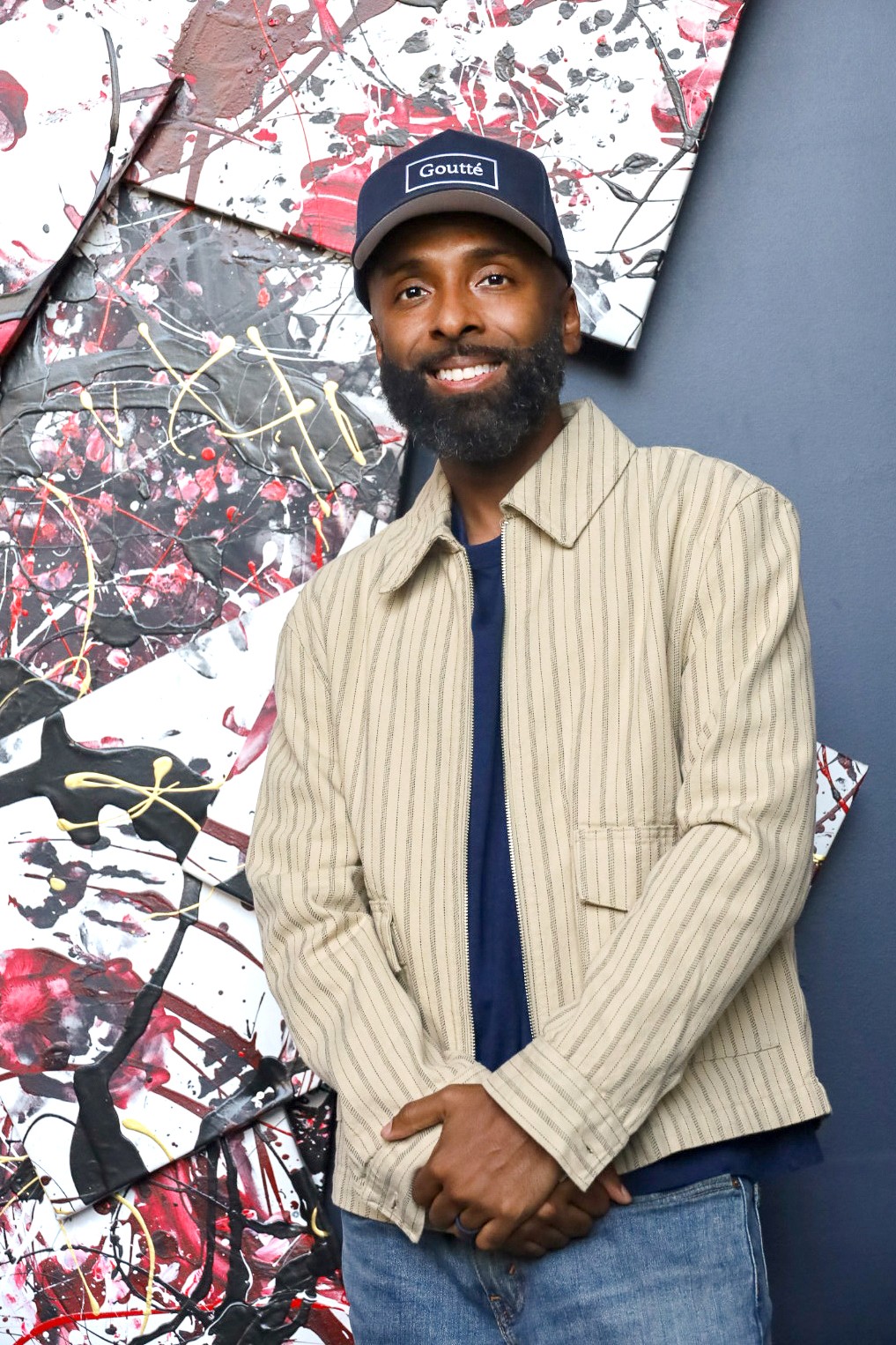

We recently connected with Jason Smith and have shared our conversation below.
Jason, thanks for taking the time to share your stories with us today Let’s jump right into how you came up with the idea?
For as long as I can remember, I’ve loved working on creative projects.
As a child, I used to write and draw comic books, staple the pages together, and share them with my family. In elementary school, I created a book that won a bronze medal in a New York City-wide competition. I knew I loved making things, but at the time, I didn’t yet understand how that passion could grow into a career.
In high school, I became interested in computer programming.
When I first got my TI-83 calculator, I was fascinated by how different it was from a regular calculator. I read the manual and taught myself how to code it overnight. My first program was a choose-your-adventure-style text prompt that used the graphing feature to display images and also animate them based on key commands. I had made a video game on a calculator, but again, I had no idea what that really meant.
My curiosity with tech, led me to major in computer programming in college, but I quickly fell out of love with it.
Discouraged, I told my parents I wanted to take time off from school to find a job. My mother encouraged me to reconsider and to take a look at other majors. She told me to choose what I really wanted and not just what I felt I needed. I explained to her that I was very interested in art and design, but I was afraid it wouldn’t be a field where I could make money. My mother told me, “Follow your instincts and if you are happy with what you are doing, that’s all that matters.”
So, I joined the art and design program at LIU Post and it open up a whole new world for me.
It revealed a vast creative landscape where I could see myself exploring, creating and building in. The program offered everything from sculpture, drawing, photography to graphic design, web design, and animation. I took as many classes as I could and enjoyed every one of them. For my senior thesis, I had to create a gallery exhibition and although many students chose traditional fine art, I decided to combine my computer programming background with my work in design and present it as a website for a creative agency.
But, what would I name the agency?
I opened my Photoshop software and just stared at the screen until it hit me. Staring right back at me, the first layer in the program had an “eye icon” and was labeled Layer 1.
“Layer One” was just the beginning.
After, graduating college, I realized my gallery exhibition for Layer One was also my resume / portfolio.
I kept building and improving it while working jobs at ad agencies and marketing firms. I absorbed everything I could and poured it back into Layer One. I don’t recall the details, but someone found my website online and reached out to my directly to build theirs. I couldn’t believe it! I started getting side projects, and with each one came more referrals.
In 2009, I picked up a pretty large scale client and worked with them for a few months before they told me they could no longer work with individual freelancers due to policy changes. I was bummed by this, because Layer One, was more than just me, it was running like a business – well, not officially.
The next day, I went online I found out how to incorporate my business. I took all of my savings and filed for an LLC – Layer One, LLC. A few weeks later, I returned to that client and said, “I’m now a legal business entity. I’d be happy to take on more projects.”
I continued to work 9-5 jobs, but I kept convincing myself that Layer One was a business and not a side hustle. However, I felt that would only be true if I were scaling and developing systems. So, I began reaching out to other freelancers and assigning them parts or sometimes entire projects. This enabled me to take on more work and deliver faster. I adopted project management, financial and automation tools that streamlined everything from internal systems to my client’s experience.
Today, Layer One has grown beyond a creative studio – That was just the first layer.
With all the experience I gained working for other companies and constantly improving and building Layer One, I started launching sub-brands that operate under the Layer One umbrella:
Goutté – A clothing brand that tells stories of navigating and celebrating everyday moments. Goutté is where I express my artistic side through fashion, while also tapping into my business skills—developing systems, working with manufacturers, and pitching to partners.
Ella’s Moments – A personalized print-on-demand ecommerce company I built from scratch, complete with its own brand identity, unique product designs, and a refined backend workflow. Ella’s is also a storytelling brand—built to turn life’s precious memories into beautiful, physical keepsakes.
Sheila’s Peppa Sauce – A hot sauce brand I helped my mother create using her secret family recipe. I manage the branding and business side… and let mom cook! This is a venture that honors family legacy. Some of my earliest memories of my grandfather was watching him create his own version of pepper sauce.
And lastly, a return to my roots: writing.
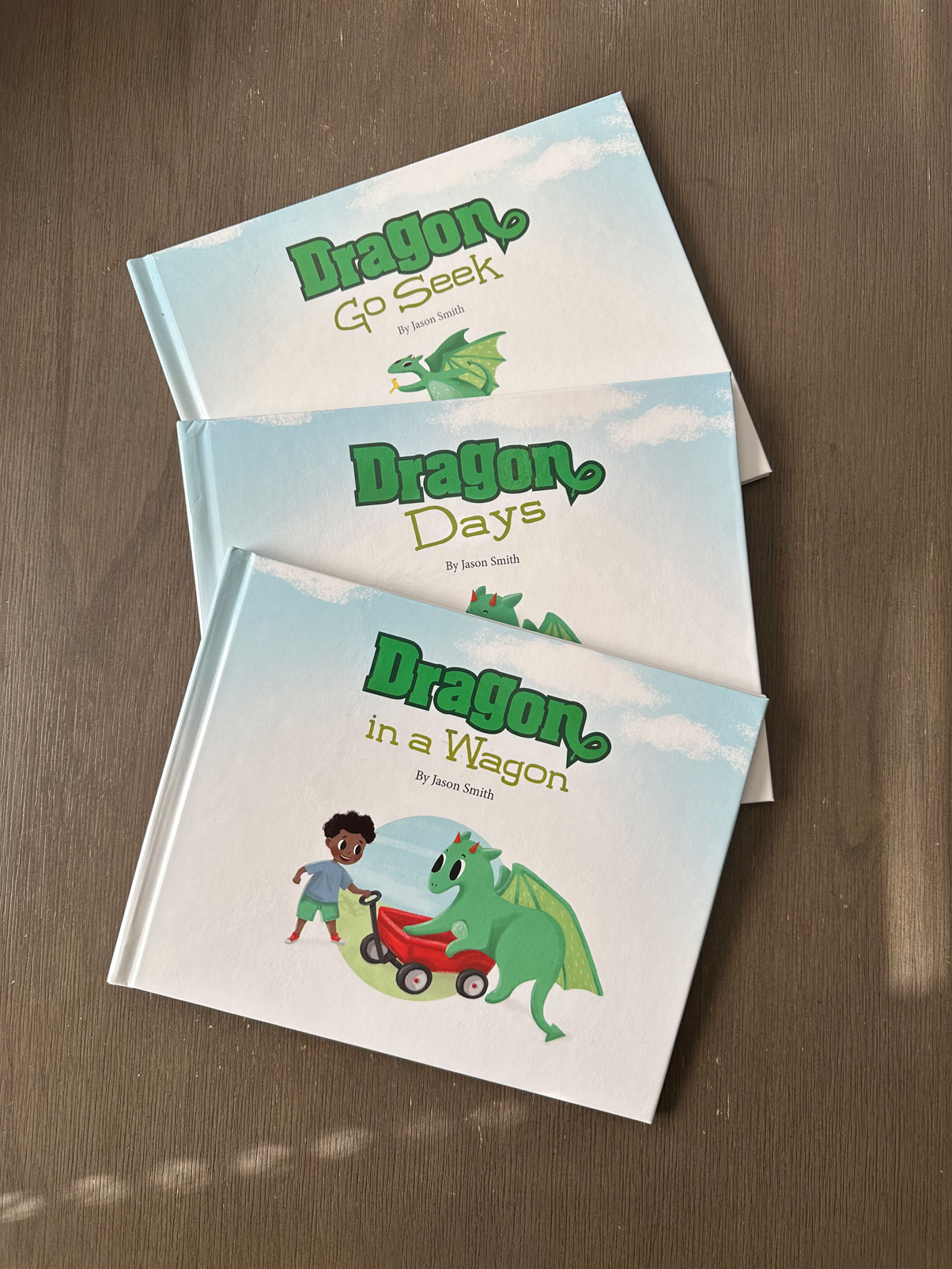
I’ve published three children’s books: Dragon Go Seek, Dragon in a Wagon, and Dragon Daze. Each book inspired by my kids and encourages young readers to explore their imagination – exposing them to the endless possibilities of creativity.
Layer One was the first layer in my journey as a creative entrepreneur.
And through it, I’ve learned that as long as you love what you do, the work will always be worthwhile.
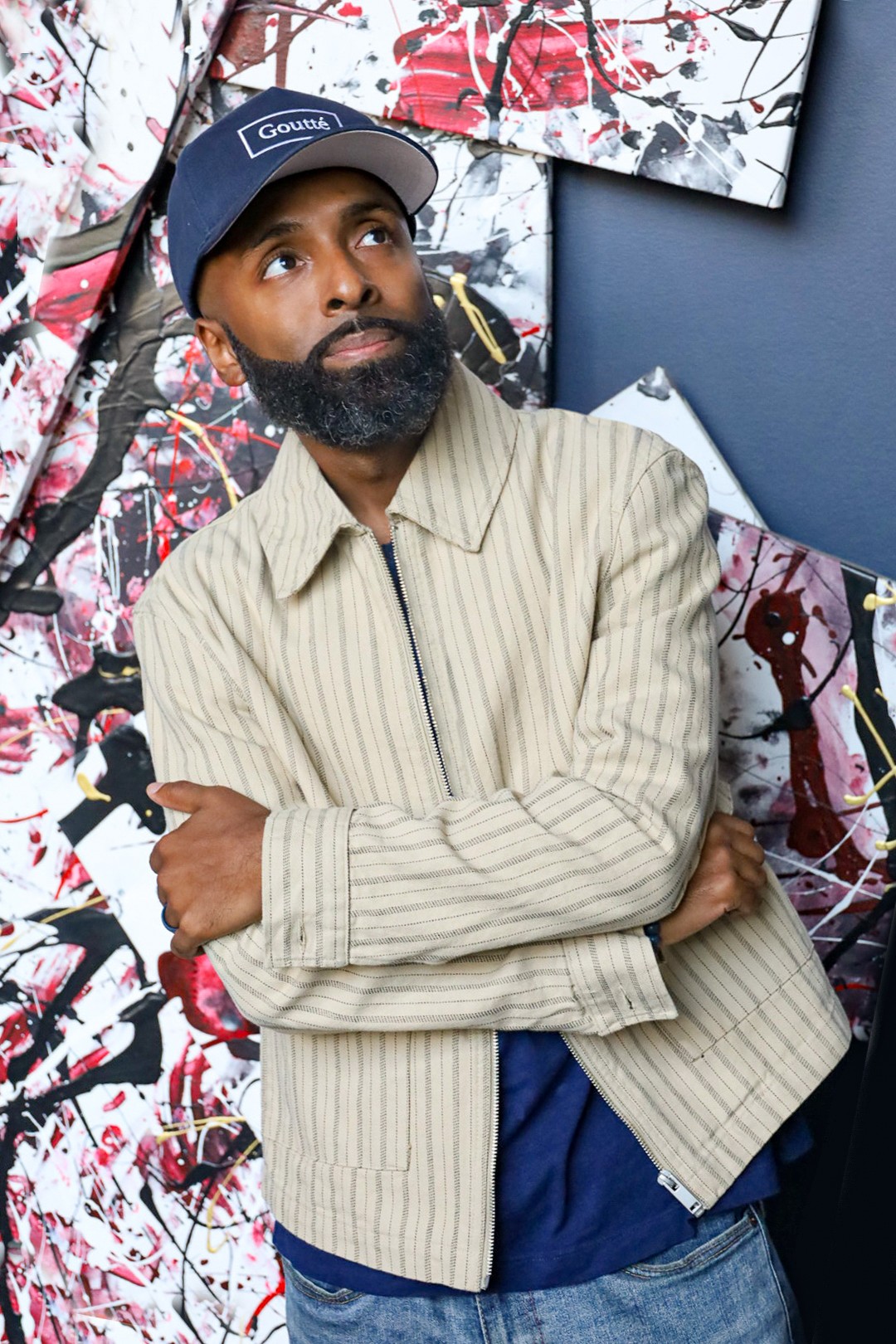
Jason, before we move on to more of these sorts of questions, can you take some time to bring our readers up to speed on you and what you do?
The best way to describe what I do is Creative Entrepreneur. I’ve always had a passion for storytelling, creative projects, and collaboration. Over the years, I’ve built a career that blends design, strategy, technology, and vision. A journey led me to create Layer One, my creative studio and the foundation of everything I do including sub brands such as Goutté, Ella’s Moments and others.
I come from a background that includes graphic design, web design, branding, UI/UX, fine art, marketing, and even coding. I’ve worked in agencies, print shops, and marketing firms and adopted learnings from every side of business. I worked my way up from intern, to Graphic Designer, to Web Designer, to Lead Designer to my career goal of Creative Director. But what sets me apart isn’t just my diverse skill set, it’s how I approach creative work with both artistry and structure.
One of my most important lessons was learning the distinction between art and design. Art expresses. Design solves. As a creative, that lesson shaped my philosophy: that everything I create should serve a purpose. That starts by deeply listening to clients and understanding their goals, whether they need a new brand identity, a conversion-focused website, or a storytelling product that resonates. From there, I build solutions that are not just beautiful, but effective.
What I’m most proud of are all the people I have positively impacted – Both the creatives and entrepreneurs I’ve mentored, who have gone on to building their own success, and the clients whose trust and respect I’ve earned over the years.
If there’s one thing I’d want people to know about me and my work, it’s that I care deeply about what I create and who I create it for. I believe that with the right mix of creativity, strategy and passion anything is possible.
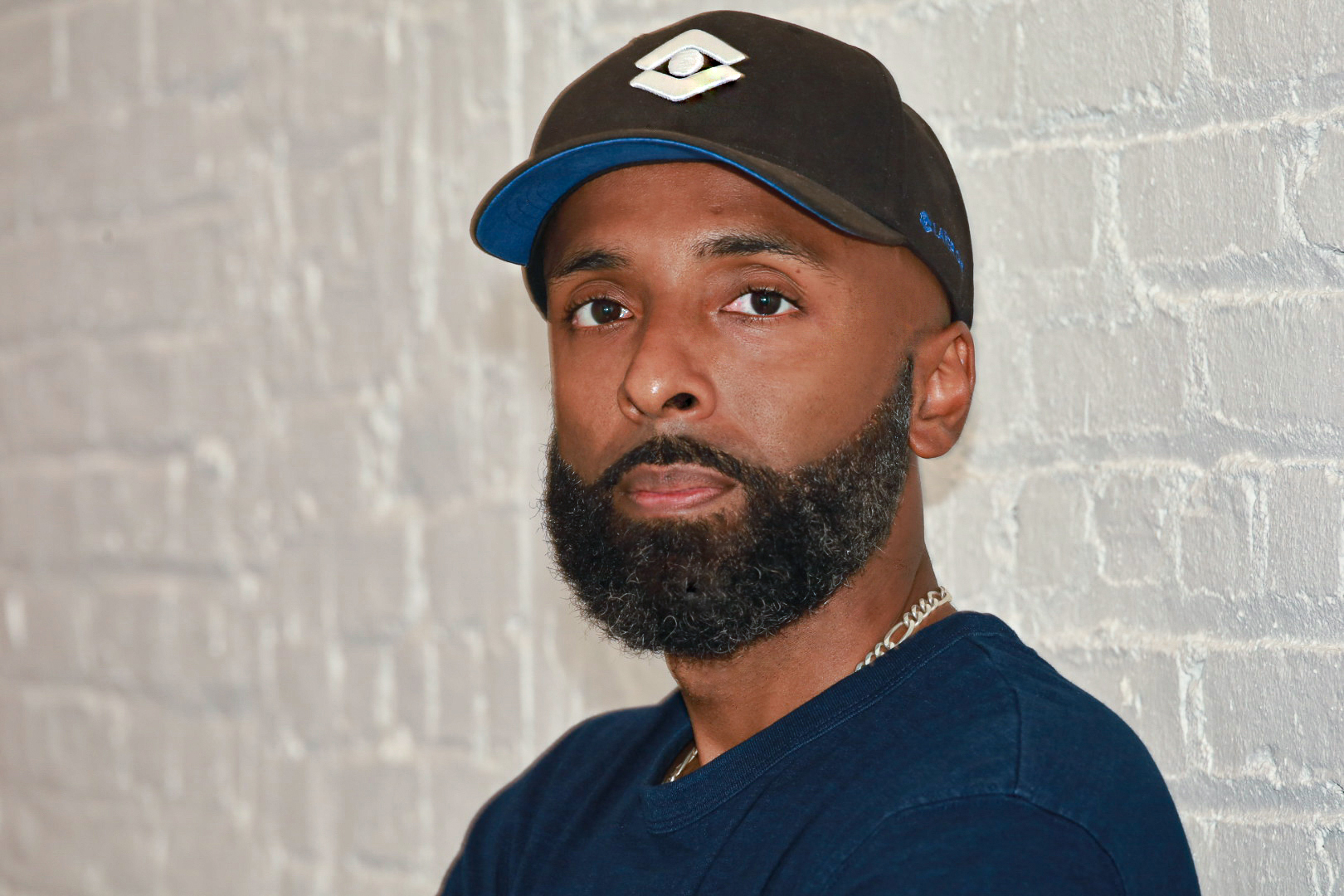
Can you tell us about what’s worked well for you in terms of growing your clientele?
My most effective strategy to grow my clientele has been through genuine transparency. I make it my mission to understand my client’s issues, hurdles and and goals. I listen and respond with an empathic, yet diagnostic approach. By making them feel seen and addressing their main concern, they are more likely to return, recommend me to someone else or write a positive review. In my experience, nothing grows a business faster than people feeling confident enough to recommend you. Trust takes time to build, but once it’s earned, it’s the most valuable marketing tool there is.
Do you have any insights you can share related to maintaining high team morale?
The best advice I have for managing a team is to allow them to bring new ideas to the table and give them the opportunity to develop it. I was fortunate enough to have mentors and leaders who always gave me a chance to express my ideas. Even if you feel some ideas won’t work out or may likely fail, it’s important to allow your team to make mistakes and then learn from them. Otherwise, you risk stagnation, low morale and lack of innovation.
Contact Info:
- Website: https://www.layer.one
- Instagram: https://www.instagram.com/layerone_creative
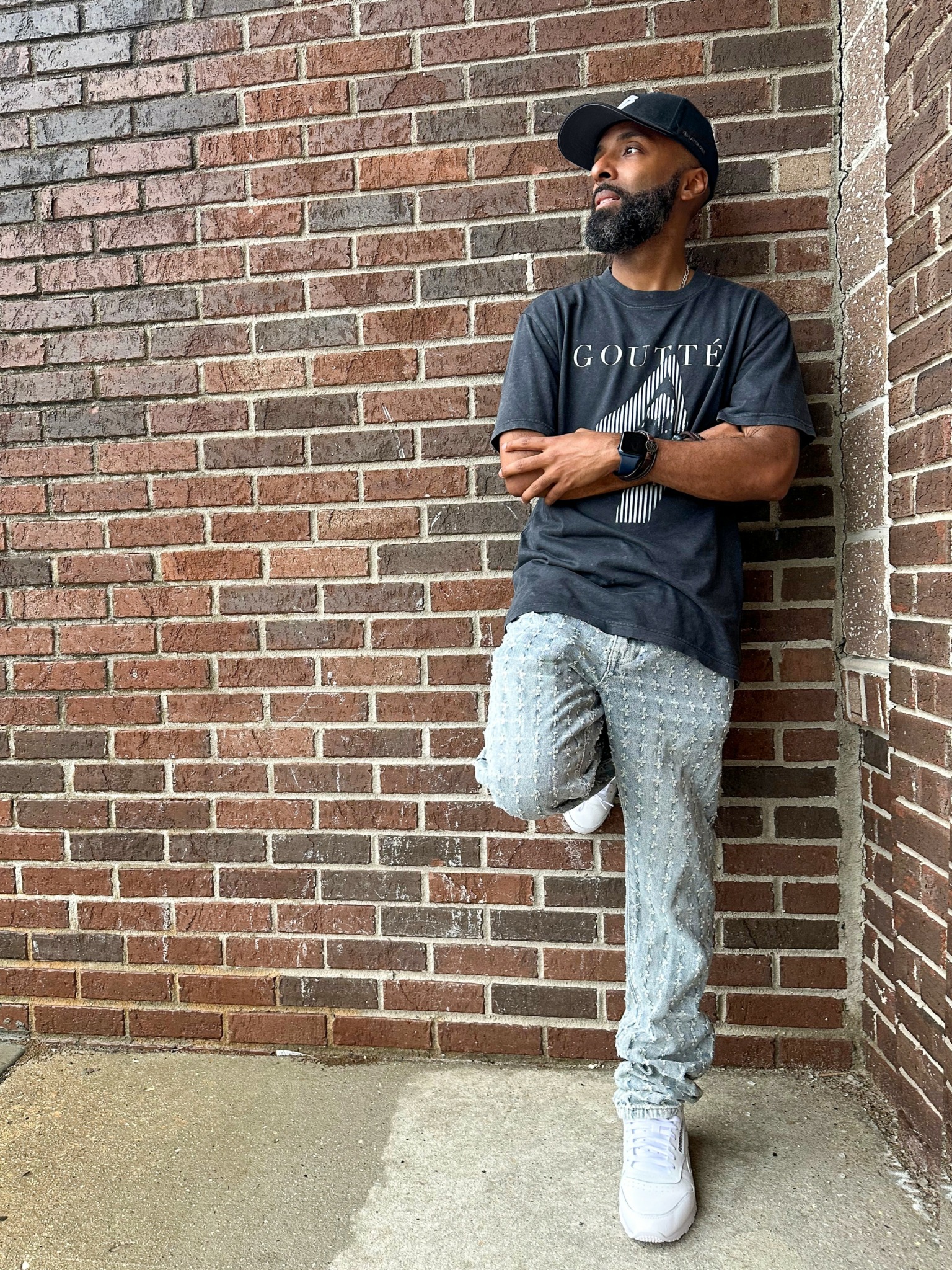
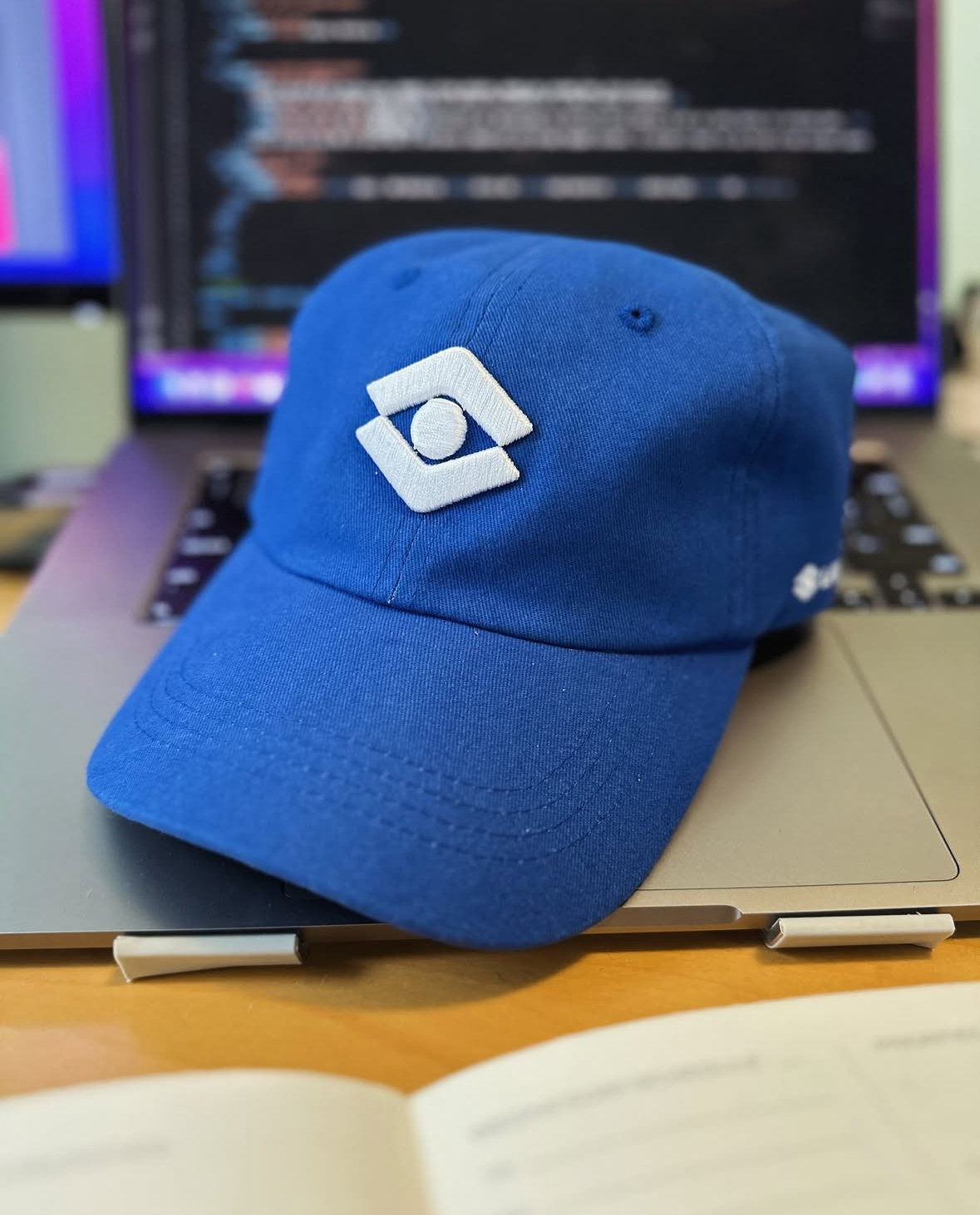
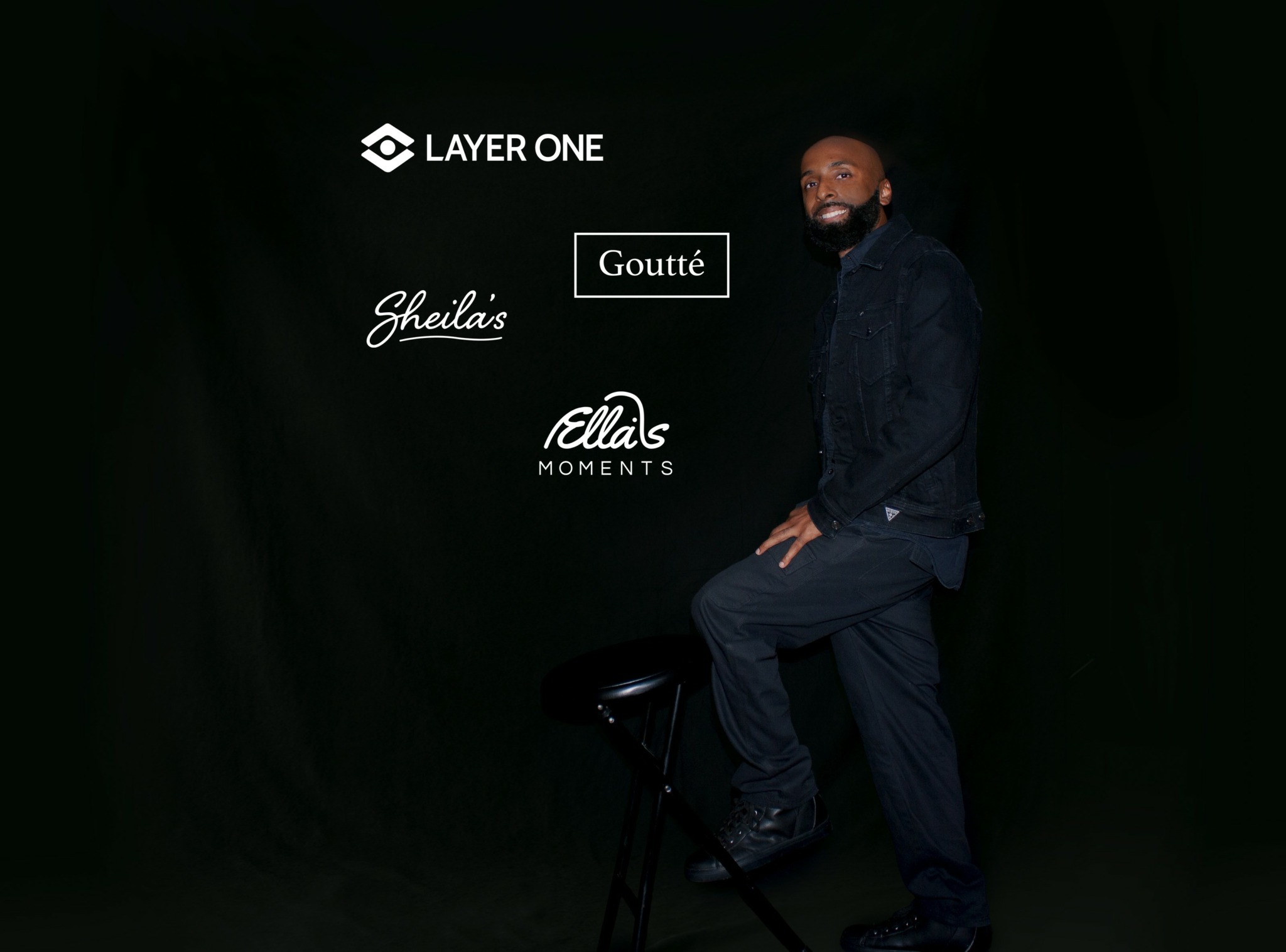
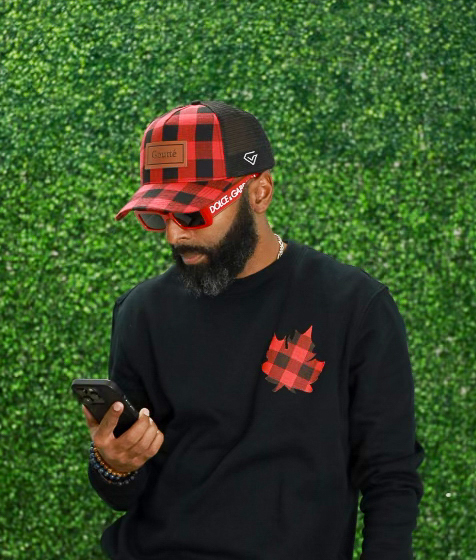
Image Credits
www.instagram.com/photo.is.video