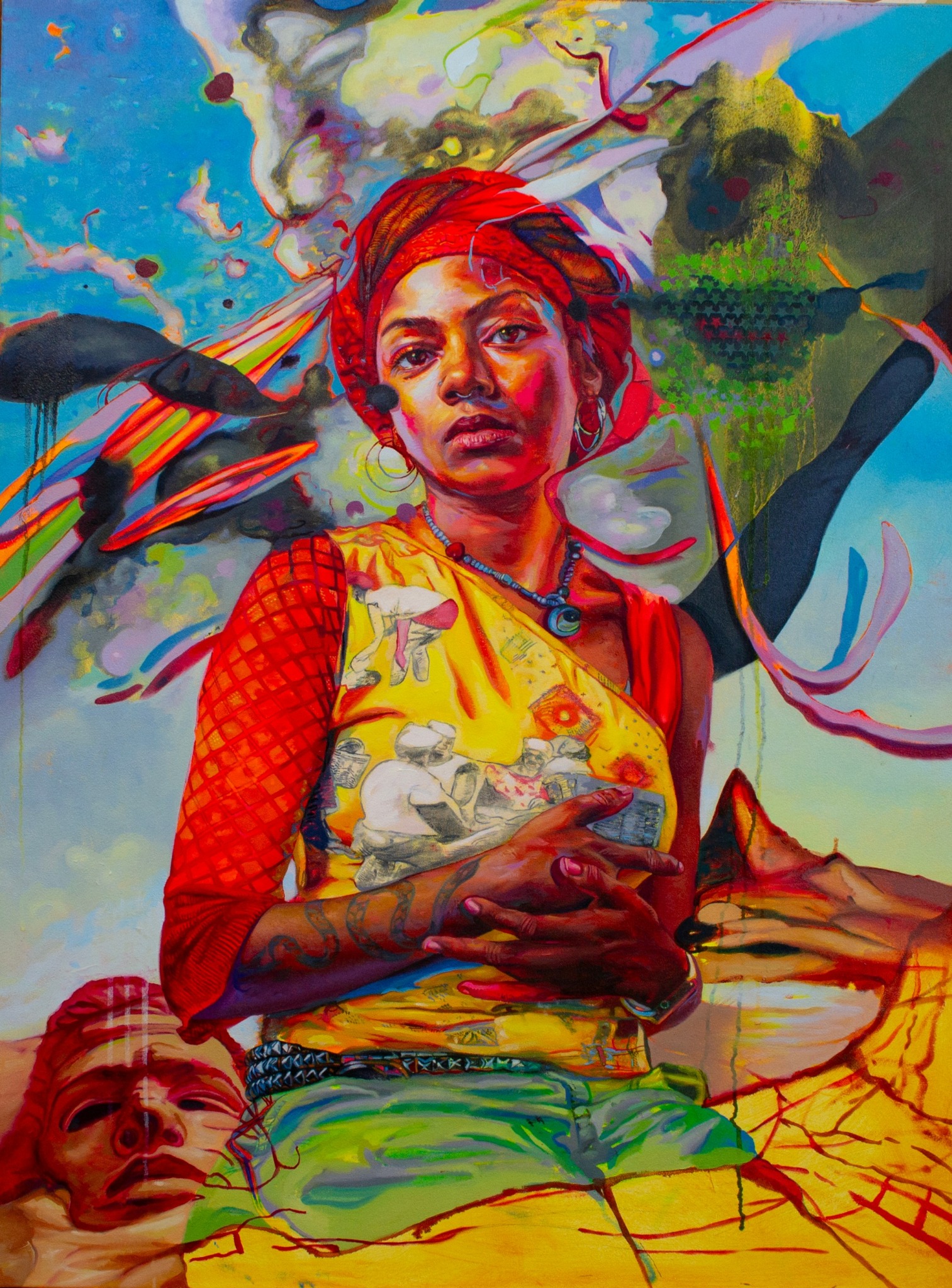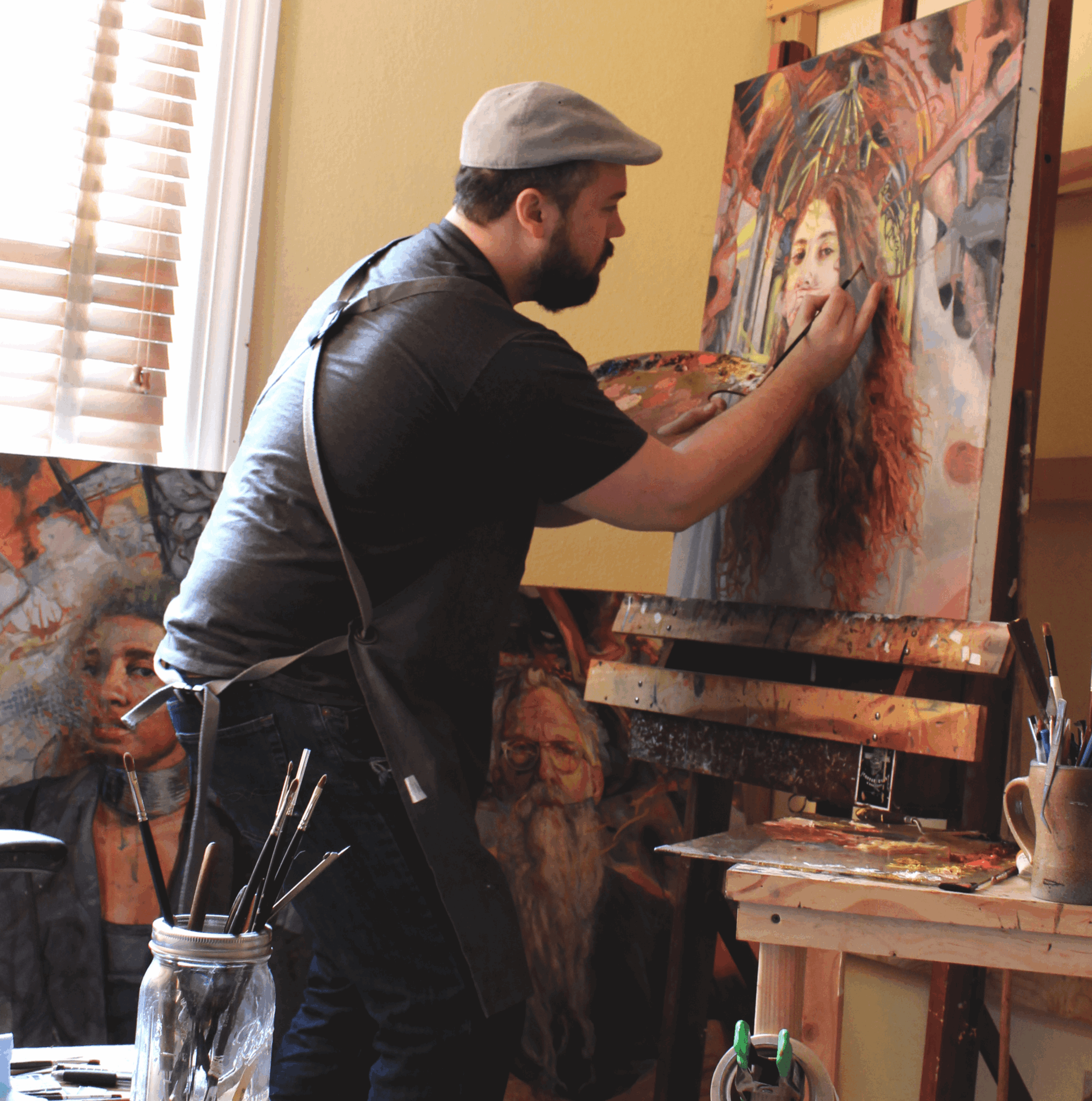

We caught up with the brilliant and insightful Jason John a few weeks ago and have shared our conversation below.
Jason , thanks for joining us, excited to have you contributing your stories and insights. How did you learn to do what you do? Knowing what you know now, what could you have done to speed up your learning process? What skills do you think were most essential? What obstacles stood in the way of learning more?
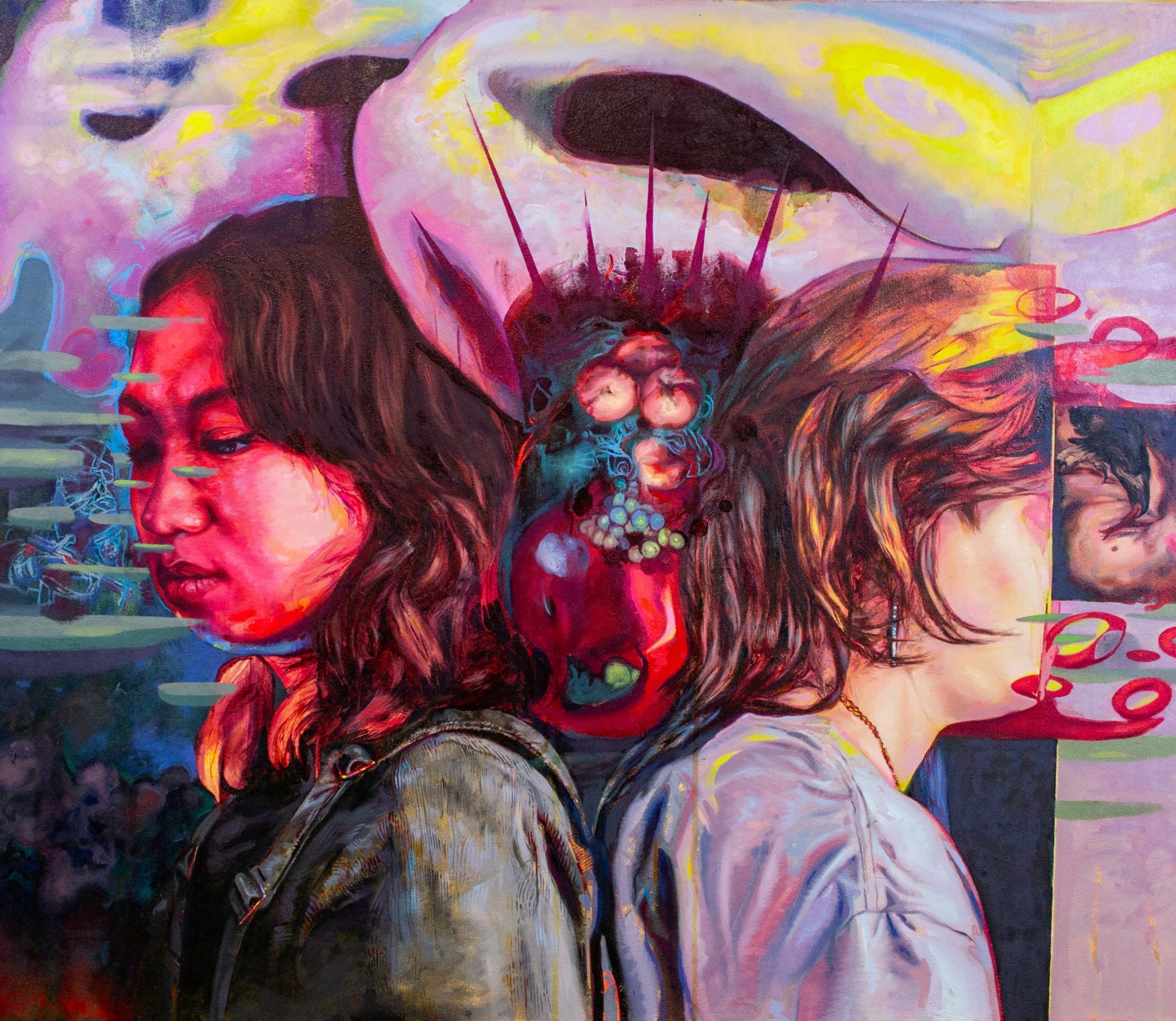
As a painter, I was classically trained, a circumstance that was both a gift and a burden. I remain deeply grateful for the technical skills I gained; they allow me to execute what I envision. Yet that same training made it difficult to shed the academic rules I absorbed, since the foundation of my education was built almost entirely on structure and correctness. There are countless exceptional painters in the world, many of whom are technically better than I am, but only a few manage to use their skills to say something genuinely original. For a long time, I was obsessed with making each painting more refined and better crafted, when, in hindsight, much of that pressure existed only in my own mind.
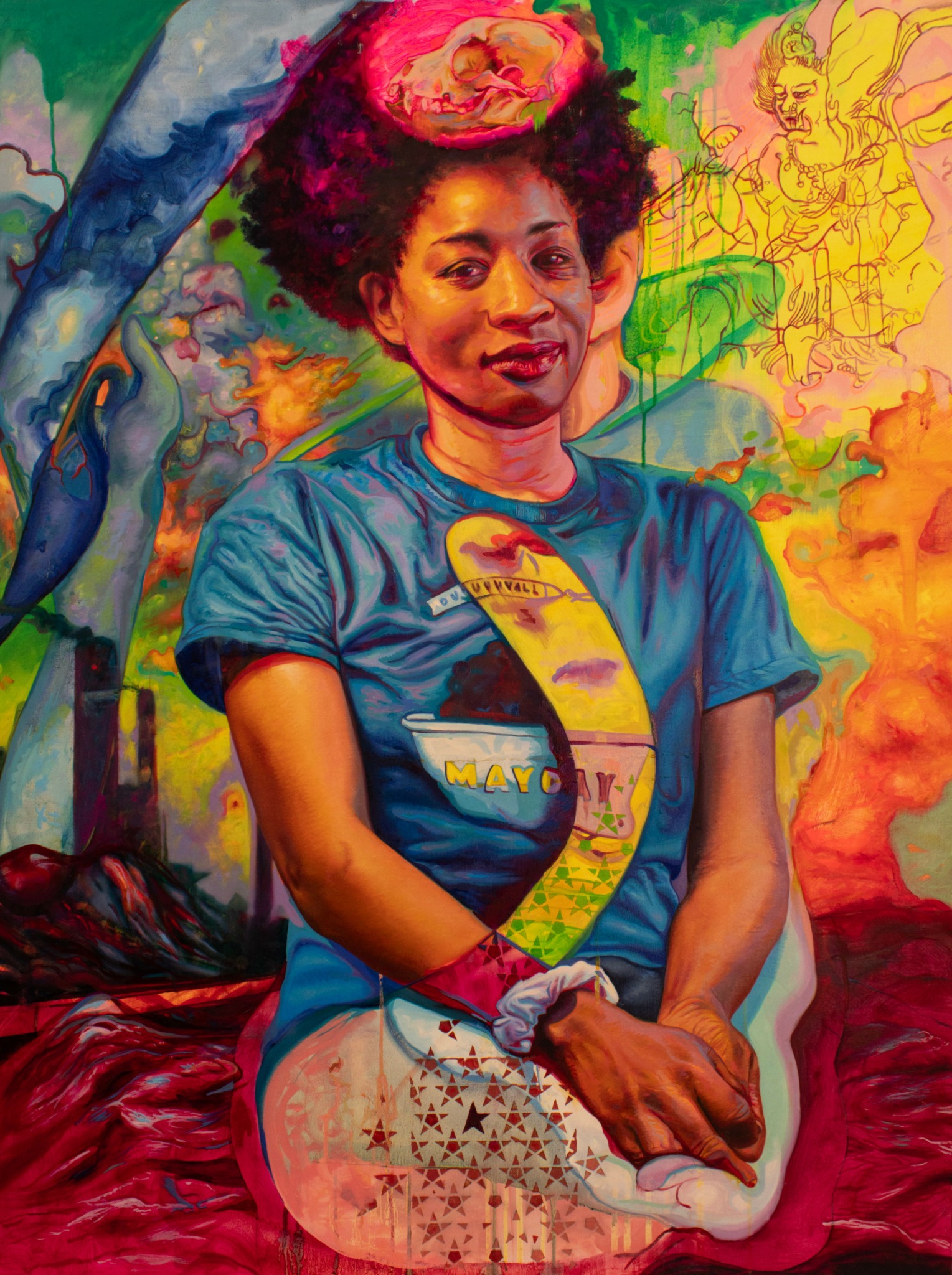
As always, we appreciate you sharing your insights and we’ve got a few more questions for you, but before we get to all of that can you take a minute to introduce yourself and give our readers some of your background and context?
I came to painting at the very start of my freshman year in art school, almost entirely by accident. I had planned to major in graphic design, but due to a clerical error, I was placed in the painting program instead. It is amusing how fickle fate can be. I quickly found that I enjoyed painting enough to stay, and what initially felt like a detour soon revealed itself as a destination. In truth, very little time passed before that decision solidified.
Through the institution where I was studying, I encountered an artist named Anthony Waichulis, who ran an atelier dedicated to academic training in painting and drawing. It was there that I truly began to take the medium and the craft of painting seriously. The environment was demanding and uncompromising, and most of the students were intensely focused and deeply disciplined.
From there, I went on to earn a Bachelor of Fine Arts in painting, followed by a Master of Fine Arts. I feel my MFA was instrumental in helping me understand the purpose and necessity of art within society. While an undergraduate education in fine arts teaches you how to make art, the graduate experience confronts you with why you make it and how to sustain a life devoted to making it. I do credit my atelier with passing on some of this wisdom as well.
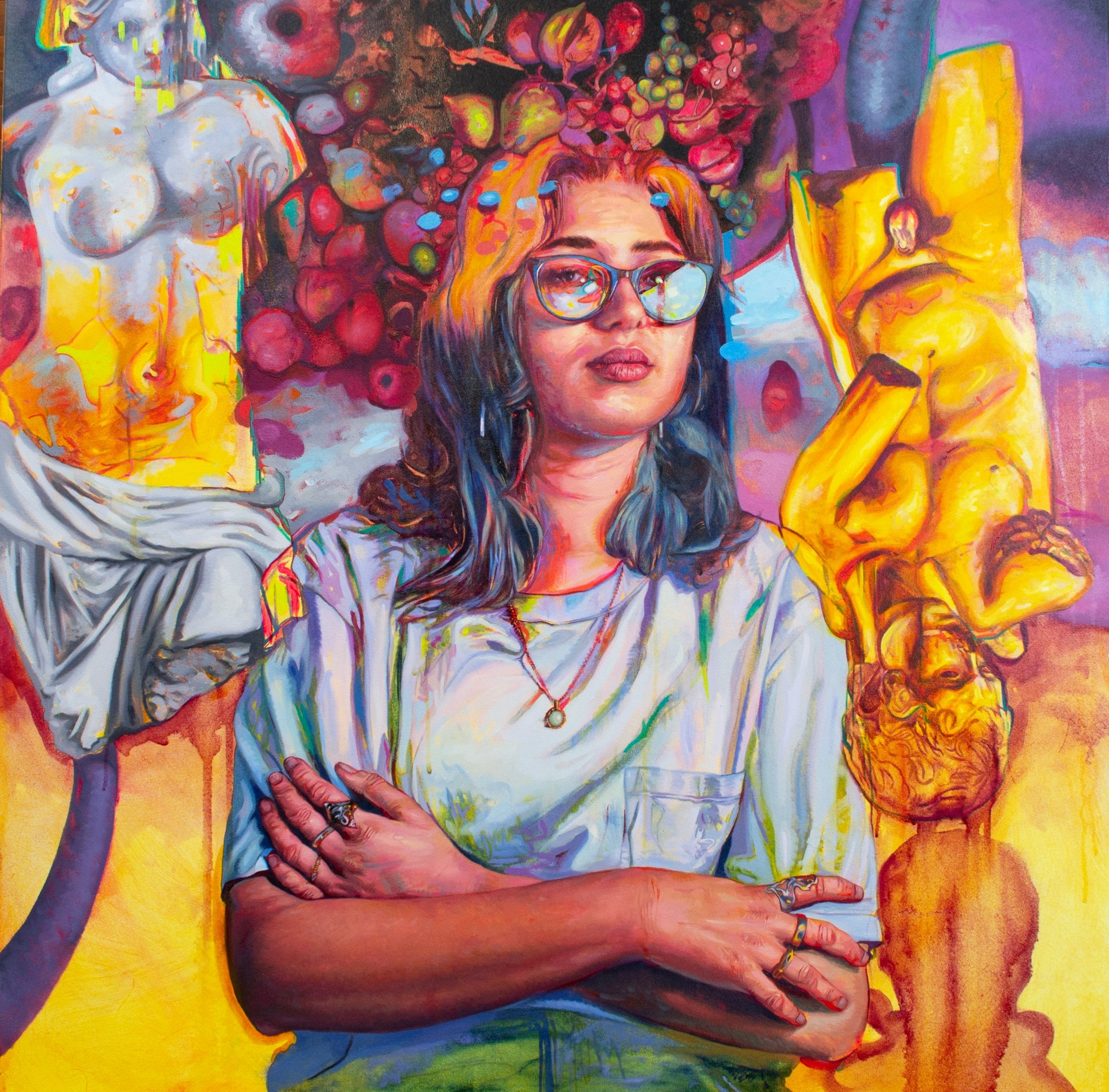
How can we best help foster a strong, supportive environment for artists and creatives?
Our society, particularly in the United States, does a poor job of supporting creative education and sustaining creative ecosystems. Within the K–12 system, and now in higher education, overall and financial support for artists and creative disciplines has steadily eroded, resulting in widespread defunding across the entire creative landscape. This erosion extends beyond the visual arts to include history, music, and writing. The cumulative effect is a diminished capacity for critical thinking, cultural literacy, and innovation.
We need to seriously consider what the world would look like without creative endeavor. To do so, society must reconsider several foundational assumptions:
-Stop treating monetary profit as the sole measure of value. Not everything of worth can or should be justified by immediate financial return.
-Recognize that strategic investment in certain sectors, particularly education and the arts, generates long-term growth across many areas of society.
-Acknowledge that all aspects of an economy are interconnected, and that the creative industries function as the connective tissue that binds innovation, industry, and culture together. The economy will benefit as a result.
-Commit to a holistic approach to education, understanding that wisdom is not confined to isolated disciplines but emerges at their intersections.
Without this shift in perspective, we risk undermining the very systems that enable cultural continuity, adaptability, and meaningful progress. And hell, the world will be a terribly boring place.
Can you share a story from your journey that illustrates your resilience?
I hate to say it, but resilience is ultimately a choice. I have taught many students over the years, and resilience is one quality that is difficult, if not impossible, to instill in someone else, yet it is absolutely essential. Failure is inevitable in any field. Resilience is not just about picking yourself up after failure, but about regrouping and reassessing. If you simply recover and repeat the same approach that did not work before, no real adaptation occurs, and resilience becomes meaningless without reflection and change.
I have had to do this many times throughout my own career, so it is difficult to single out just one moment. However, the period after graduating with my MFA stands out most clearly. At that point, I was uncertain about what came next, and resources were scarce. Opportunities were limited, financial support was minimal, and there was no clear roadmap forward. Still, I knew I had to keep going. During that time, I was forced to regroup repeatedly, to rethink my strategies, reassess my goals, and find ways to move forward with very little to work with. Gradually, those adjustments took hold, and eventually things worked out.
Contact Info:
- Website: https://www.jasonjohnart.com
- Instagram: @jcjohnpaint
- Facebook: Jason John