

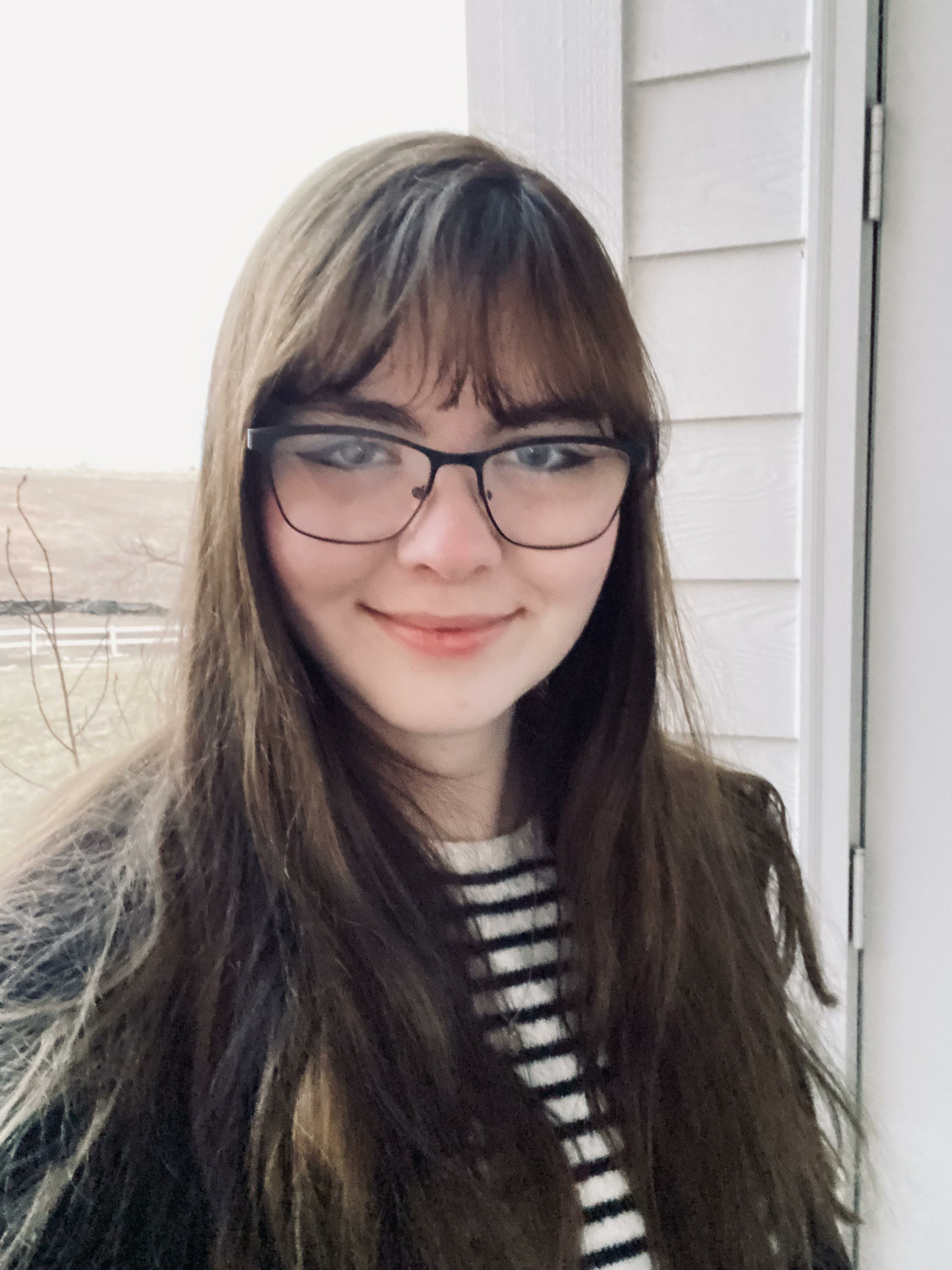

We’re excited to introduce you to the always interesting and insightful Jasmine Seewald Godeaux. We hope you’ll enjoy our conversation with Jasmine below.
Alright, Jasmine thanks for taking the time to share your stories and insights with us today. Can you open up about a risk you’ve taken – what it was like taking that risk, why you took the risk and how it turned out?
The first step to being an artist is taking a risk. I started drawing digitally when I was 11 years old, but for years I never showed anyone my work. I was afraid of exposing what I thought was “bad” about my art, so I kept everything hidden—every drawing, whether I thought it was good or not.
Eventually, I decided to take that first step and showed my mother my drawings. Even that felt like a huge risk. A few years later, I showed my father my artwork for the first time as well. I was especially nervous about being judged for my anime-inspired style and the darker themes I like to explore in my art.
Looking back, sharing my work was one of the most important risks I could have taken. It taught me that being an artist means allowing yourself to be seen, even when it feels uncomfortable.
Jasmine, love having you share your insights with us. Before we ask you more questions, maybe you can take a moment to introduce yourself to our readers who might have missed our earlier conversations?
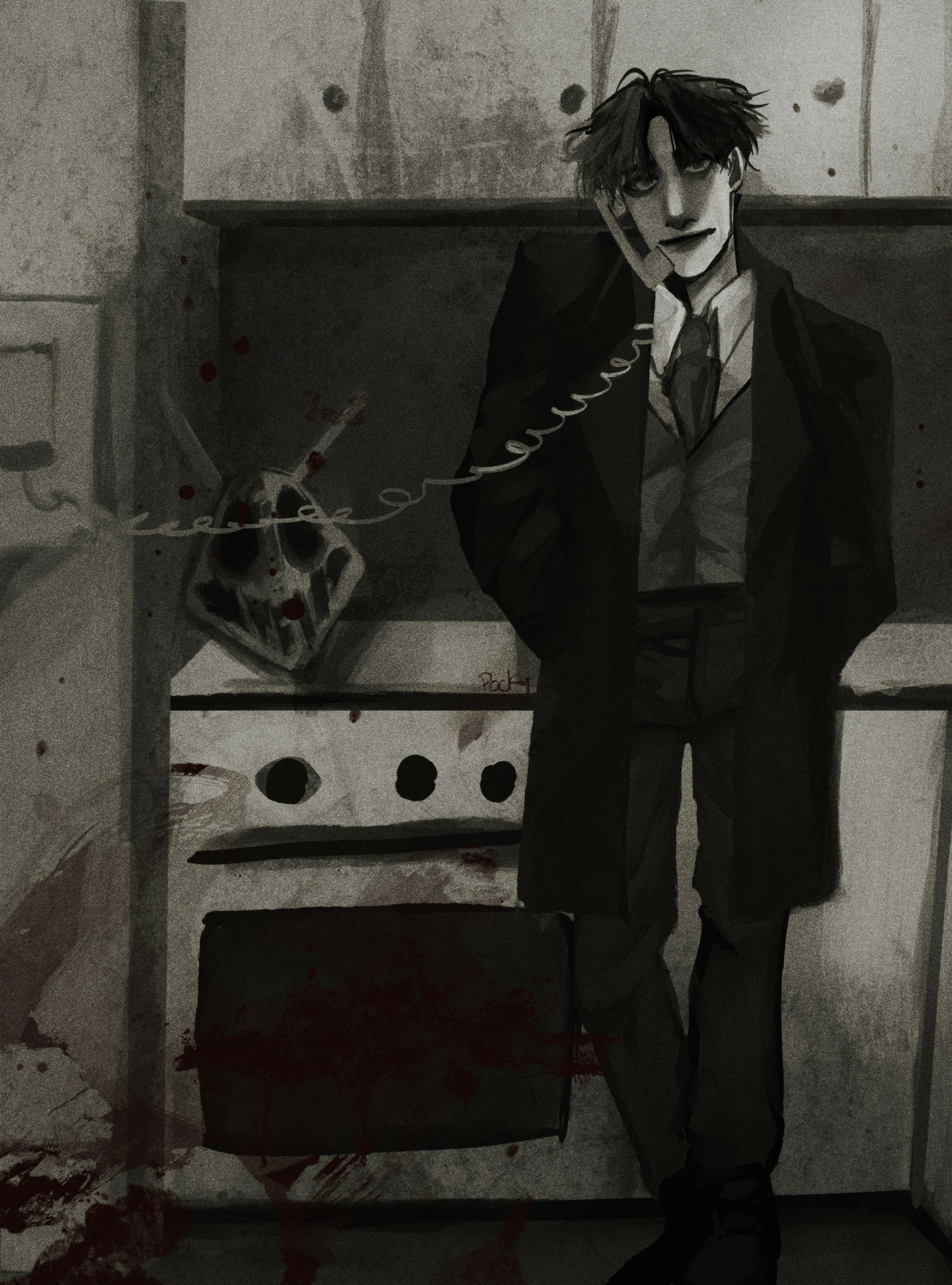
As a high school student preparing to graduate, my main creative mediums are digital art and writing. My style has developed over time, evolving from anime influences into a semi-realistic approach. When I first started watching anime, it changed the way I saw storytelling. It made me realize that I could create my own stories and bring my own characters to life.
For me, writing and drawing feel similar to keeping a diary, even when the work isn’t directly about my own life. It allows me to explore emotions and process experiences that can be difficult to express otherwise.
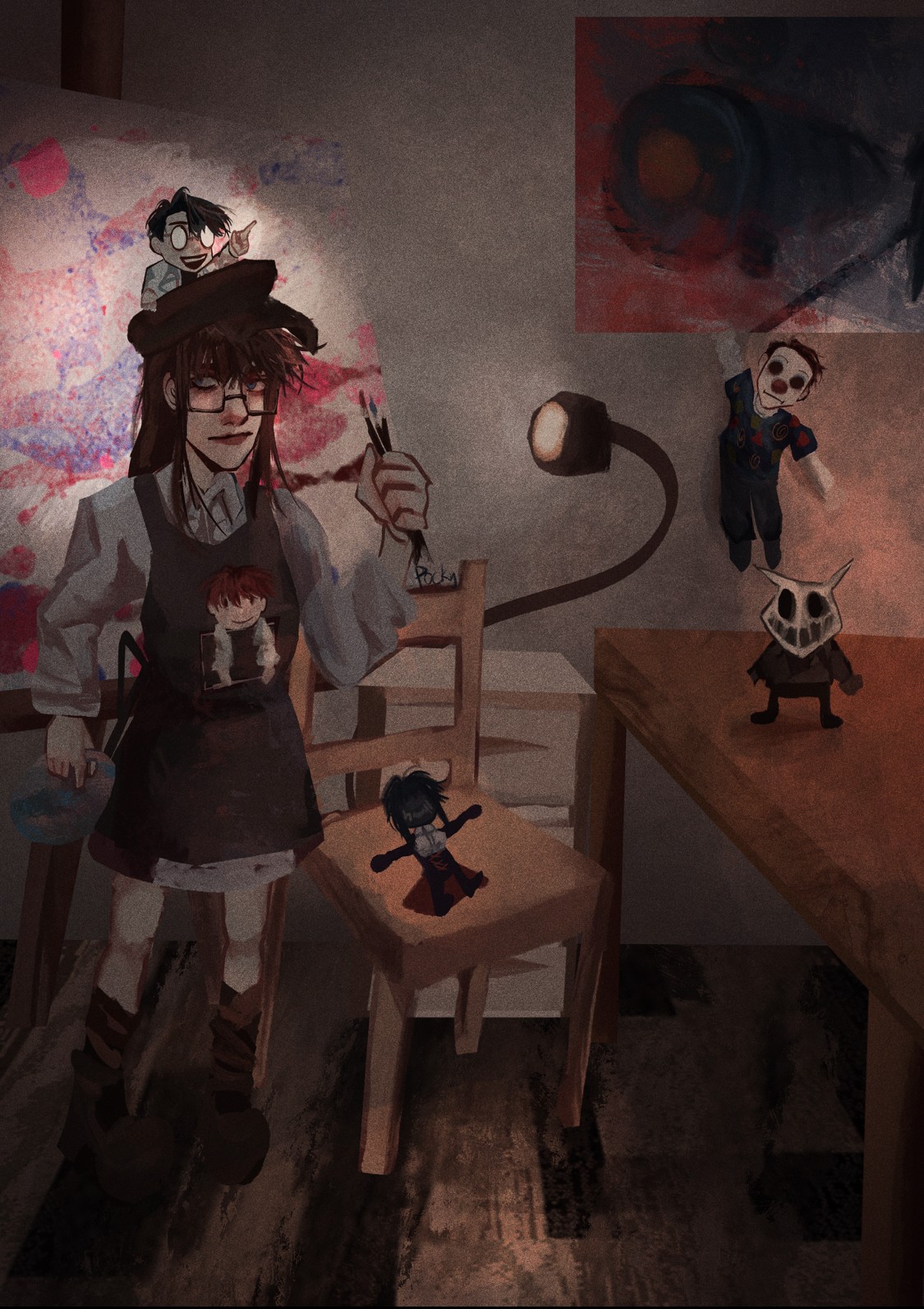
I believe the purpose of art is to make people feel something, even if the emotion is uncomfortable or controversial. While art can be innocent and peaceful, life itself is often uneasy and sometimes tragic. My work reflects that contrast. I often describe my style as nostalgic and slightly unsettling, balancing moments of calm with an underlying sense of disturbance within the character or atmosphere.
At 15, I began writing my first novella and finished it at 17. Publishing it became one of my greatest accomplishments so far. I’ve always had a passion for creating characters, and seeing them come to life through both writing and art feels like a dream in itself.
What do you find most rewarding about being a creative?
The most rewarding part of creating is the time spent in the process itself. Romanticizing the process often feels more meaningful than simply finishing the artwork. Completing a piece or story can feel satisfying, but there is also a kind of grief in knowing you won’t experience creating it again for the first time.
When I write, it feels like watching a movie unfold. I don’t always know what will happen next, and the story reveals itself as I go. Drawing feels similar. Sometimes I don’t fully understand why I’m creating something until I reach the end.
That sense of discovery—the feeling of finding something along the way—is what makes creating so rewarding to me.
Do you think there is something that non-creatives might struggle to understand about your journey as a creative? Maybe you can shed some light?
I believe everyone is creative, whether they have discovered it yet or not. Creativity is a form of expression, and it doesn’t always have to appear through traditional art forms like drawing, writing, or music. In many ways, simply being human is an act of creation. The mind has the ability to imagine, build, and transform ideas into something meaningful, which is why art can be so powerful and inspiring.
One thing people outside of creative fields may not always realize is how internal the creative process can be. Being an artist often requires a deep level of empathy, even when you’re creating something personal. When someone feels strong emotions, those feelings naturally leave an imprint on their work.
In many ways, art becomes a reflection of the artist’s experiences and inner world. If emotion exists within the artist, it will show in the work. If it doesn’t, the work can feel empty. That emotional connection is what gives art its depth and meaning.
Contact Info:
- Instagram: https://www.instagram.com/pocky83947/
- Youtube: https://www.youtube.com/@Pocky83947
- Other: Gumroad: https://pocky83947.gumroad.com/