
We were lucky to catch up with Jamison Weddle recently and have shared our conversation below.
Hi Jamison, thanks for joining us today. Learning the craft is often a unique journey from every creative – we’d love to hear about your journey and if knowing what you know now, you would have done anything differently to speed up the learning process.
How did you learn to do what you do?
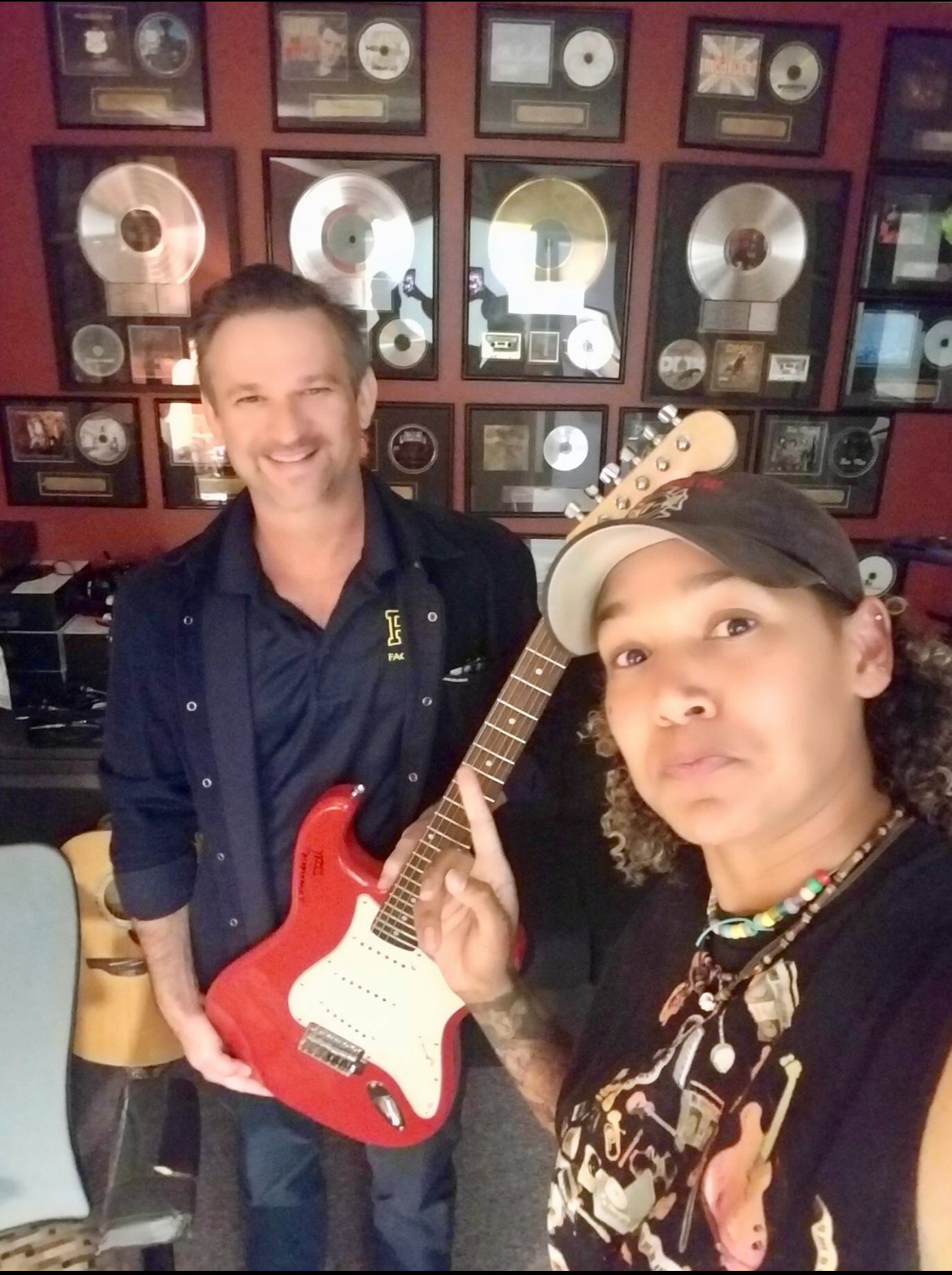
I learned through a combination of formal education, real-world experience, and decades of hands-on work in professional studios. Structured training gave me the technical foundation and critical thinking skills necessary to work at a high level, while constant experimentation and collaboration sharpened those skills in practice. Over the course of my career, I’ve been fortunate to earn Gold and Platinum records and to work on albums with artists such as DMX, Red Hot Chili Peppers, Kenny Rogers, Willie Nelson, Soulfly, David Crosby, Graham Nash, Nils Lofgren, Bruce Springsteen, Neil Young, and many more. That balance of education and experience is exactly what we emphasize in the Phoenix College Music Industry Studies program—because that’s what actually prepares students for sustainable careers.
Knowing what you know now, what could you have done to speed up your learning process?
I would have embraced formal training and mentorship even earlier. Understanding the underlying principles of audio production and the music business dramatically shortens the learning curve. I also would have been more patient with the process. This industry doesn’t reward shortcuts—it rewards critical thinking, consistency, and long-term commitment. When students try to rush past the fundamentals, they often stall later. That’s why our degrees and certificates are designed to build skills progressively, with hands-on experience reinforcing every concept.
What skills do you think were most essential?
Patience and critical thinking are absolutely essential. Technology will continue to change, but the ability to listen critically, solve problems, adapt, and make informed decisions never goes out of style. Strong communication and collaboration skills are equally important, especially in audio production and music business environments where trust and professionalism matter. Our program focuses on developing well-rounded professionals who understand both the creative and business sides of the industry.
What obstacles stood in the way of learning more?
Access to professional environments and reliable guidance was one of the biggest challenges early on. Without structured education, learning can be fragmented and inefficient. There’s also a persistent myth that passion alone is enough to succeed in music, when in reality, formal training and disciplined practice are what allow creativity to thrive. As director of the Phoenix College Music Industry Studies program, my goal is to eliminate those obstacles by providing clear pathways, modern facilities, and real-world experience.
I also believe strongly in staying active in the industry. I continue to record and produce professionally, and I’m currently working on a new album with Nils Lofgren. Staying engaged in real-world projects ensures that what we teach is current, relevant, and aligned with today’s music industry—not yesterday’s. That connection between education and active professional practice is what truly sets our program apart.
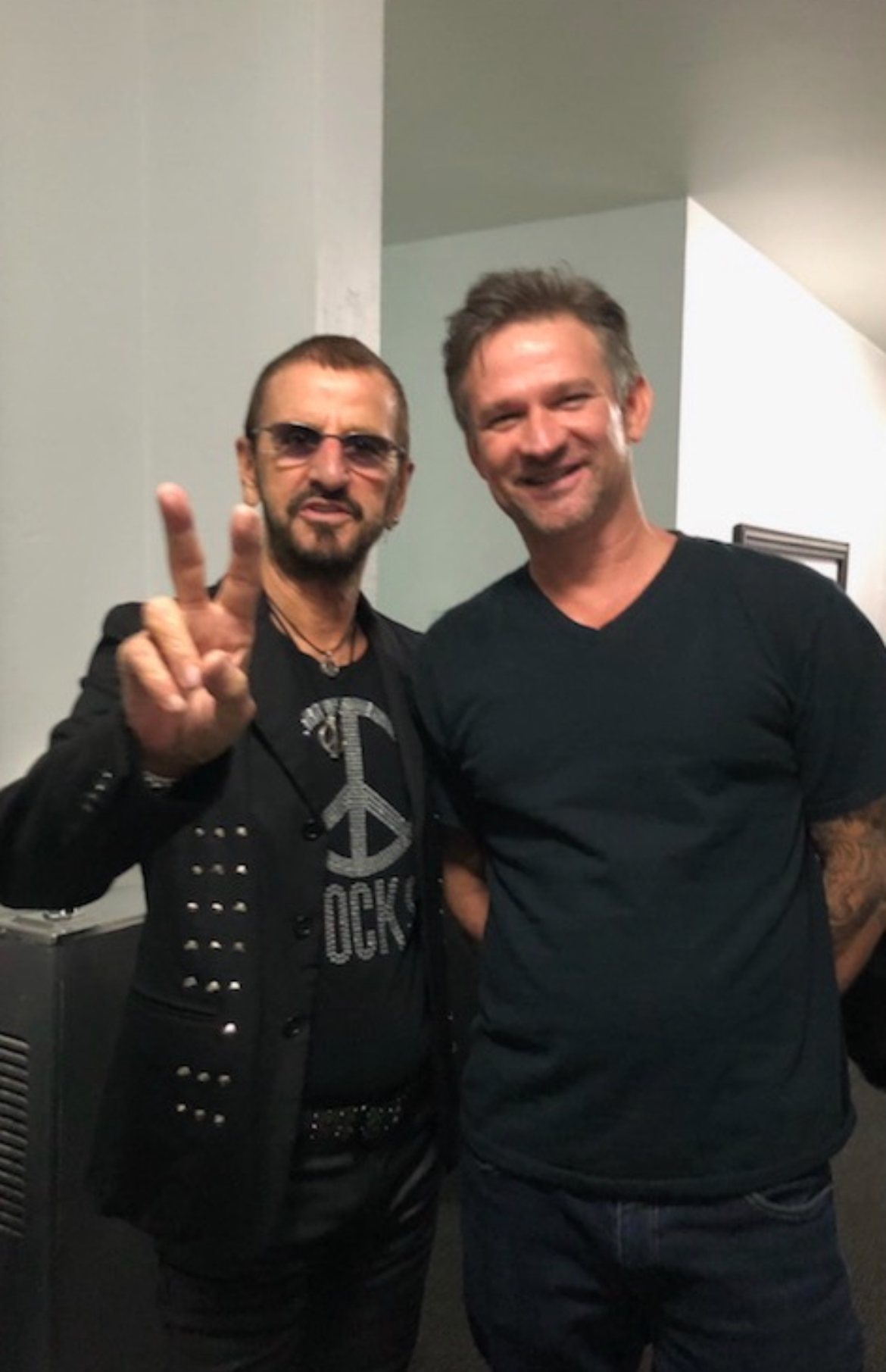
Awesome – so before we get into the rest of our questions, can you briefly introduce yourself to our readers.
I’m a recording engineer, producer, and educator, and I currently serve as the Director of the Phoenix College Music Industry Studies program. My career has been built at the intersection of professional music production and education, with a focus on helping artists and students turn creative passion into sustainable, real-world results.
I got into the music industry the same way many people do—through a deep love of music—but what kept me there was a fascination with how records are actually made. Early on, I became obsessed with sound, process, and problem-solving: how performances translate into recordings, how technology shapes emotion, and how decisions behind the scenes affect what listeners ultimately experience. That curiosity led me into professional studios, where I learned that making great records is as much about discipline, communication, and preparation as it is about creativity.
That breadth of experience has shaped how I approach both production and education—every project requires listening closely, adapting quickly, and serving the music above all else.
In addition to my work in the studio, education has become a central part of my professional identity. At Phoenix College, I oversee degree and certificate programs in Audio Production and Music Business. What sets our program apart is its emphasis on formal training paired with hands-on application. Students don’t just learn how to use tools; they learn how to think critically, work professionally, and understand how the creative and business sides of the industry connect. My role is to make sure what we teach reflects how the industry actually operates today.
What I’m most proud of is building a career that bridges high-level professional work and meaningful education. Whether I’m producing a record or guiding students toward their goals, the objective is the same: clarity, excellence, and long-term sustainability. I want people to know that my work—and the Phoenix College Music Industry Studies program—is rooted in real-world experience, high standards, and a genuine commitment to helping the next generation of music professionals succeed.
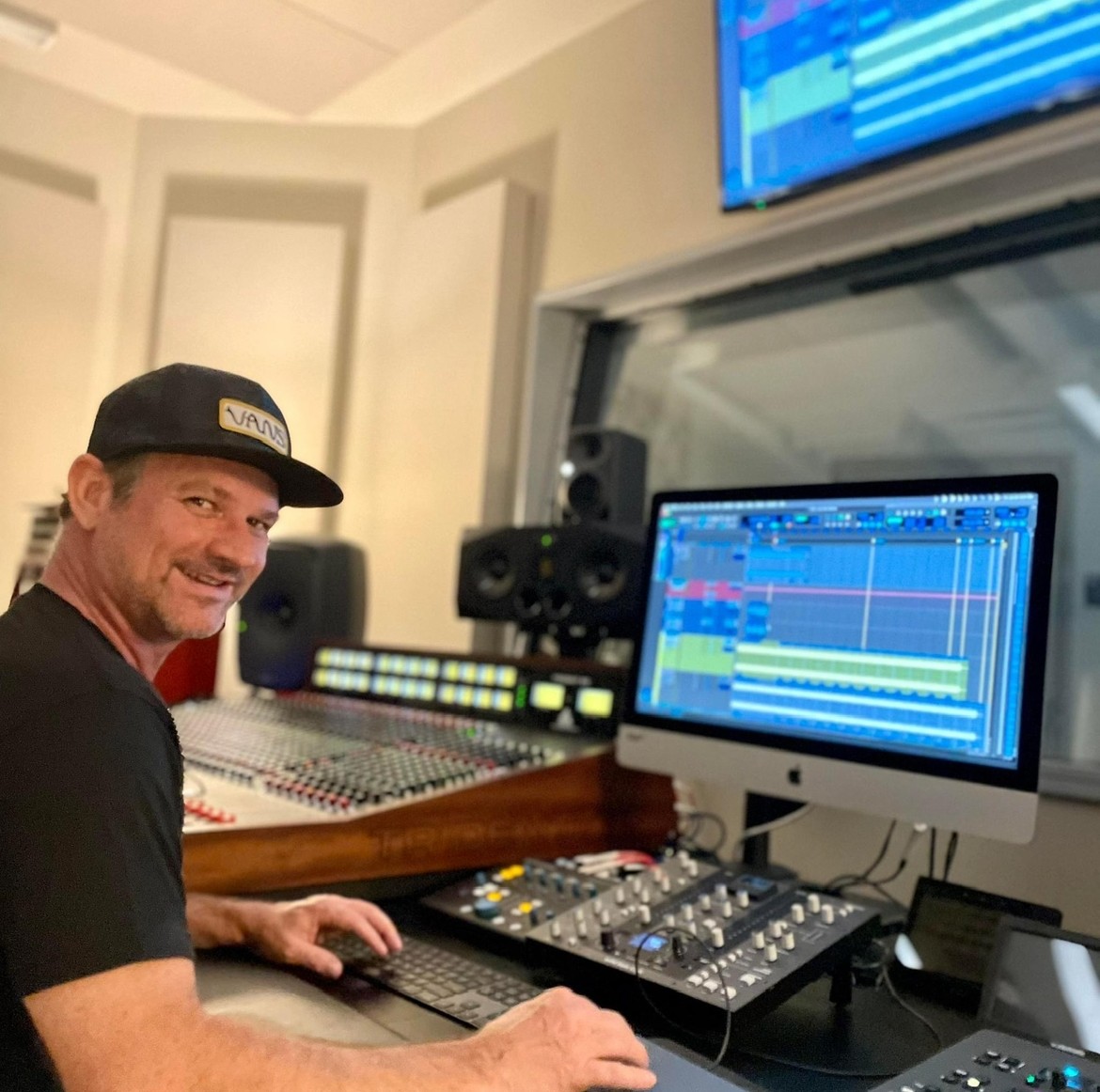
Can you share a story from your journey that illustrates your resilience?
Resilience has been one of the defining factors in my career. After completing my formal education in audio engineering, there was no immediate straight line into full-time studio work. Like many people entering the music industry, I had to build my career incrementally while doing whatever it took to stay connected to the craft.
During that period, I worked construction in the early mornings and spent long nights at the studio. I was an assistant engineer at Chaton Studios under Otto D’Agnolo, learning by observation, repetition, and persistence, while also running my own recording sessions whenever the opportunity arose. The days were long and the pace was demanding, but that combination of physical work, technical learning, and creative problem-solving reinforced the discipline required to succeed in this field.
Eventually, that consistency opened a critical door. I was hired as an adjunct professor at Phoenix College, teaching a small number of recording classes while continuing to put in even more hours at the studio. Landing that teaching position allowed me to finally leave construction behind and focus entirely on audio production and education. That transition marked a turning point—one that made it possible to invest all of my energy into developing my skills and building a long-term career in the industry.
That moment came 26 years ago, and since then, all of my professional work has been centered on audio production. Over time, my role at Phoenix College grew alongside my studio career, and in 2017 I was hired as the Director of the Music Industry Studies program. Looking back, none of it happened quickly, but each step built on the last. The experience reinforced a lesson I now pass on to students: progress in this industry is rarely instant, but persistence, patience, and a willingness to do the work will create opportunities that last.
Is there a particular goal or mission driving your creative journey?
At the core of my creative journey is a commitment to preparing people for real, sustainable careers in the music industry. While producing records is deeply rewarding, seeing students land meaningful jobs and gigs is just as fulfilling. Watching them apply what they’ve learned, build professional lives, and contribute creatively to the industry never gets old.
That mission doesn’t stop at graduation. I stay in close contact with many former students who are now working professionals, and I make a point to continue mentoring them whenever possible—whether that means offering guidance, connecting them with opportunities, or simply being a sounding board as they navigate the realities of the industry. The long-term relationships are one of the most meaningful aspects of the work.
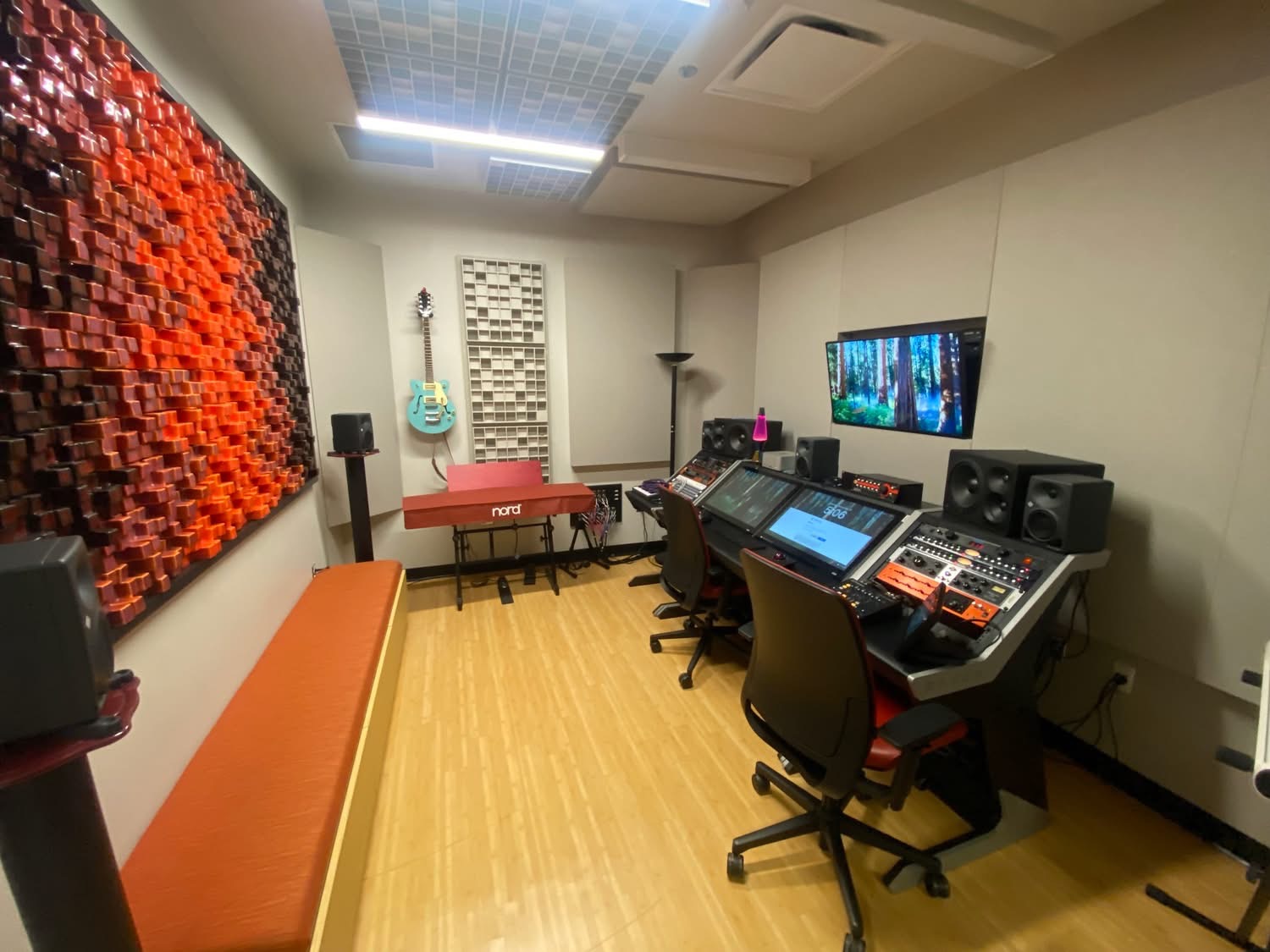
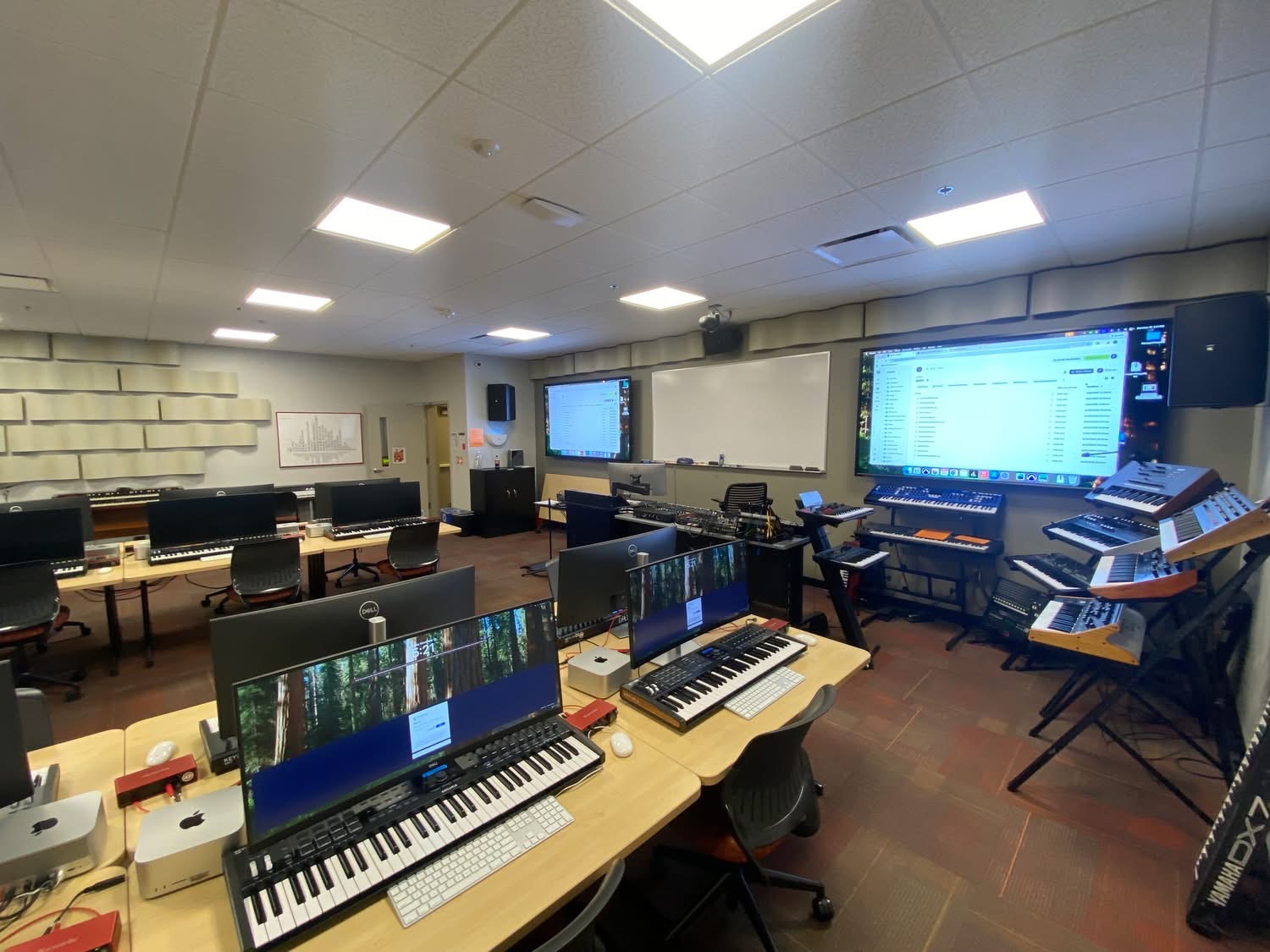
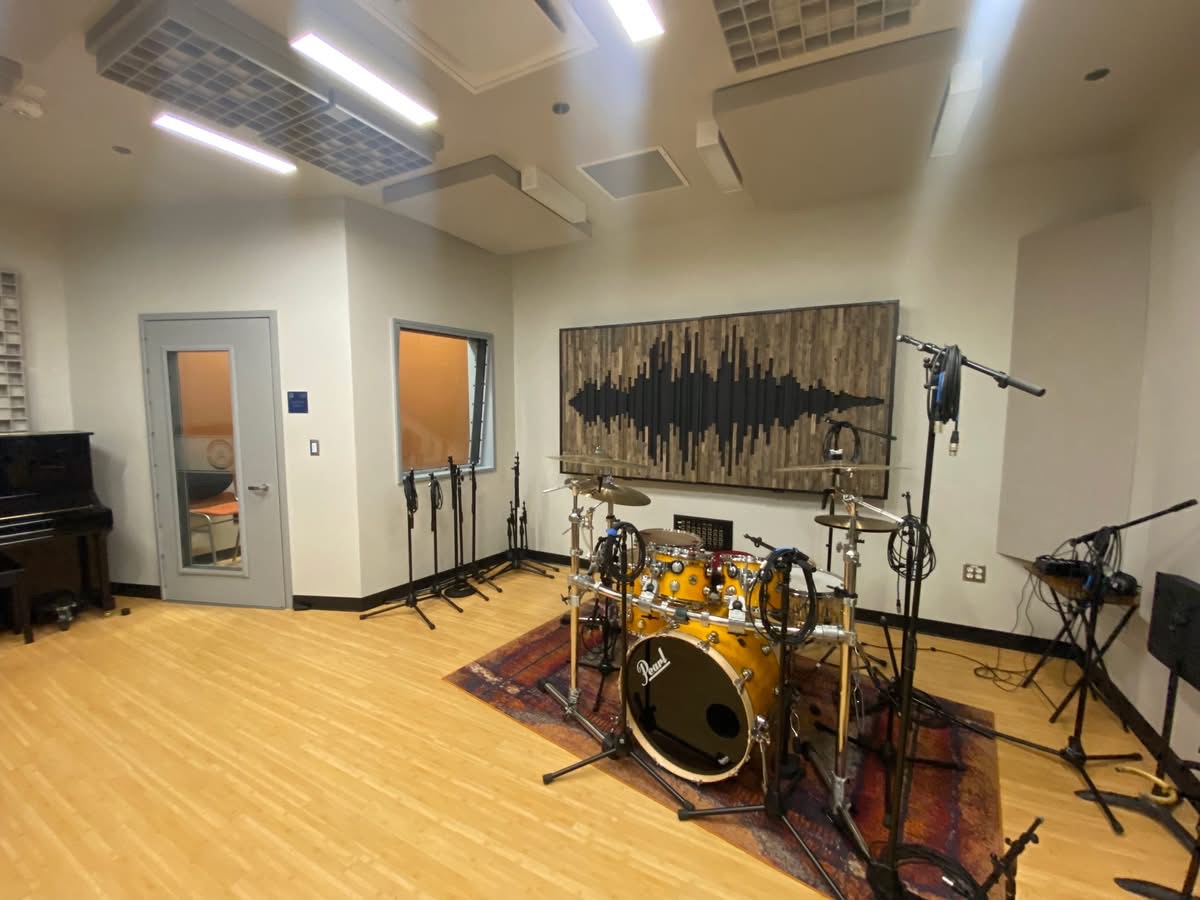
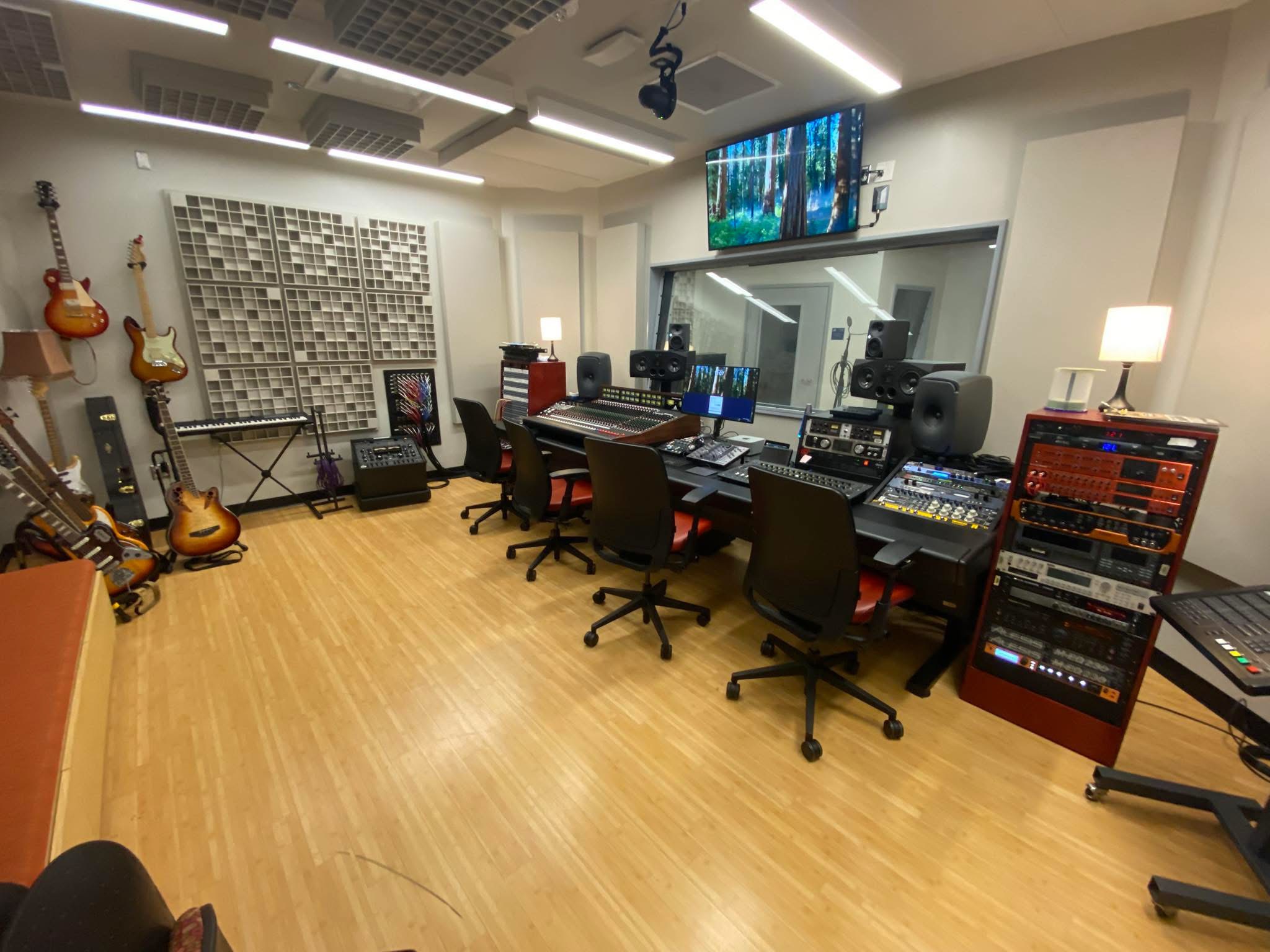
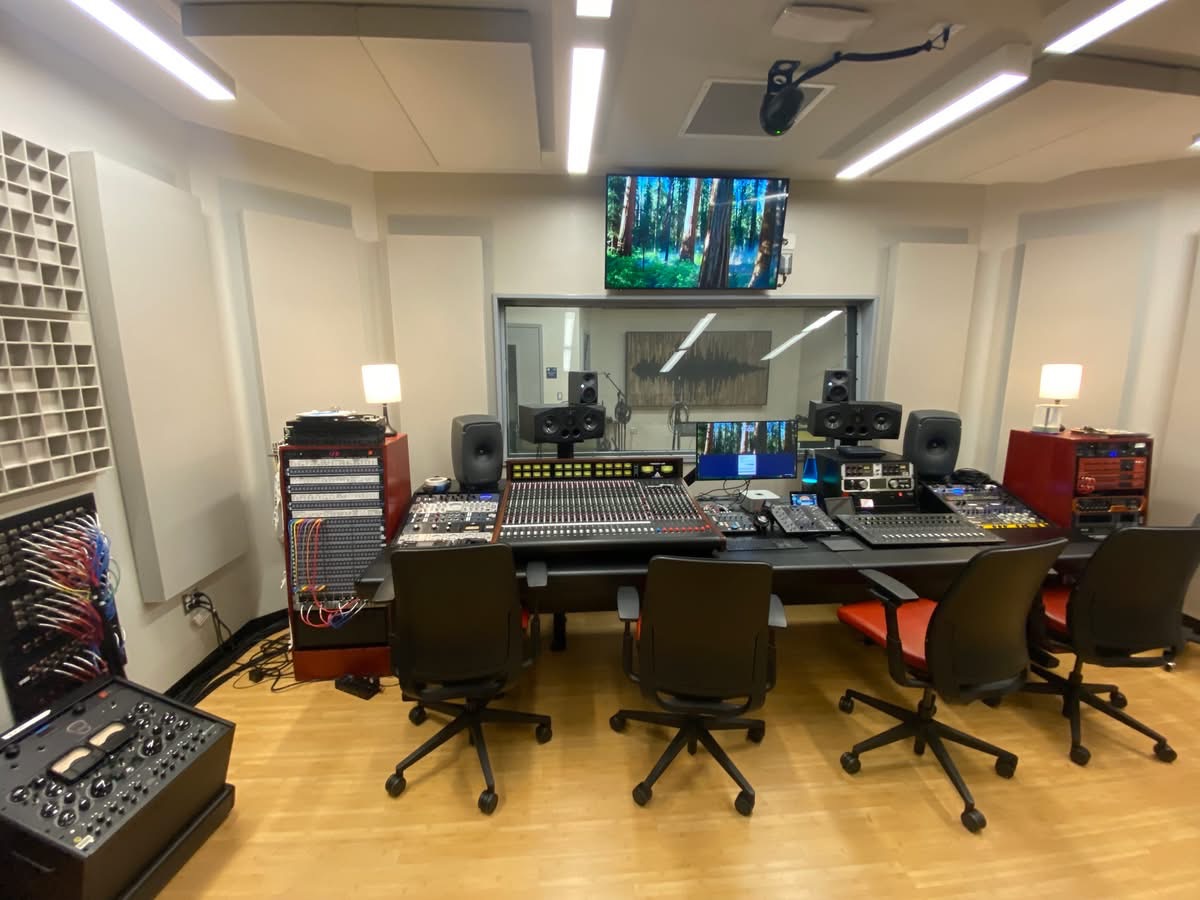
I’m also driven by a desire to create an environment that reflects the professional world students are preparing to enter. I’m incredibly proud of our pro, industry-standard recording facility and lab, as well as the high-quality instruments and gear we provide. Access to real tools matters, but knowing how to use them under real-world conditions matters even more. That’s why our program leans heavily on hands-on experience and repetition—students learn by doing, refining, and doing again.
Equally important is who teaches our classes. I only hire industry professionals—people who have done the work, understand current standards, and know how to translate real experience into effective teaching. Our instructors don’t just know the industry; they know how to prepare students for it.
What ultimately drives me is the culture we’ve built at Phoenix College. There’s a genuine team and family atmosphere here, with a shared commitment to giving students an exceptional experience and setting them up for success in the real world. That sense of collective purpose—students, faculty, and staff working toward something meaningful—is what continues to fuel my creative and professional journey.