
We’re excited to introduce you to the always interesting and insightful James Jin. We hope you’ll enjoy our conversation with James below.
James, thanks for taking the time to share your stories with us today We’d love to hear about a project that you’ve worked on that’s meant a lot to you.
Growing up neurodivergent, I spent a lot of time feeling like the system had no place for me. Art was the one thing that made sense of my racing thoughts. When I discovered that Jean-Michel Basquiat turned that same kind of “messy” thinking into masterpieces, I started wondering how many other kids like me were never given that same moment of recognition.
That question became ArtFlow. I started small, folding chairs in a classroom, teaching myself nonprofit work through YouTube at 2 AM. The project grew beyond what I expected, but what keeps it meaningful has nothing to do with the scale. It is the individual moments: a student opening his ADHD diagnosis with tears of relief, a kid who was labeled disruptive submitting his first Scholastic Art Award entry. Those are the reasons this work matters to me.
James, love having you share your insights with us. Before we ask you more questions, maybe you can take a moment to introduce yourself to our readers who might have missed our earlier conversations?
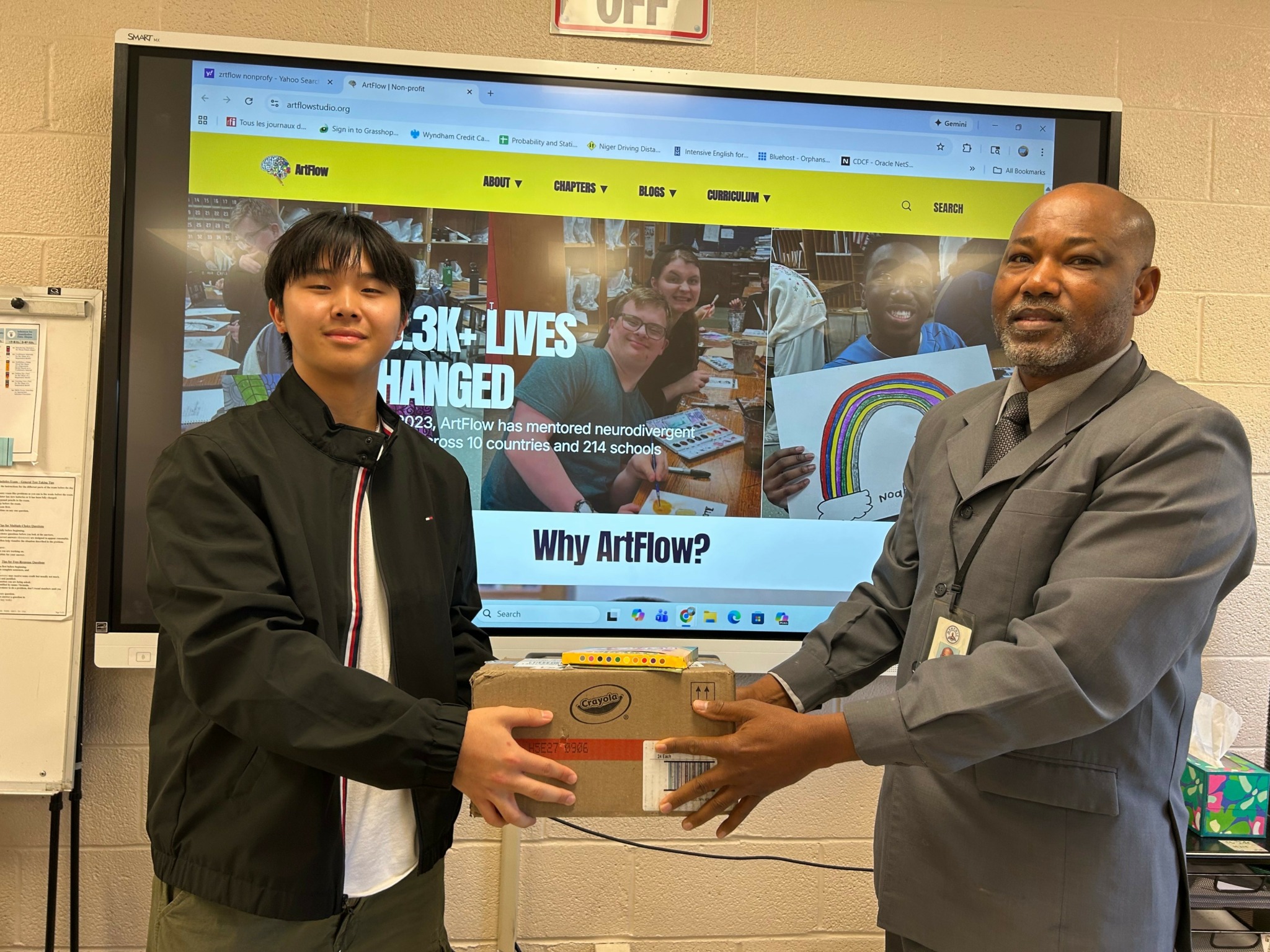
I’m a visual artist and the founder of ArtFlow, a nonprofit that mentors neurodivergent and racial minority youth through creative expression. My own experience as a neurodivergent student is what drove me here. Art was the only place my racing thoughts made sense, and I wanted to create that same space for others who felt like they didn’t belong anywhere else.
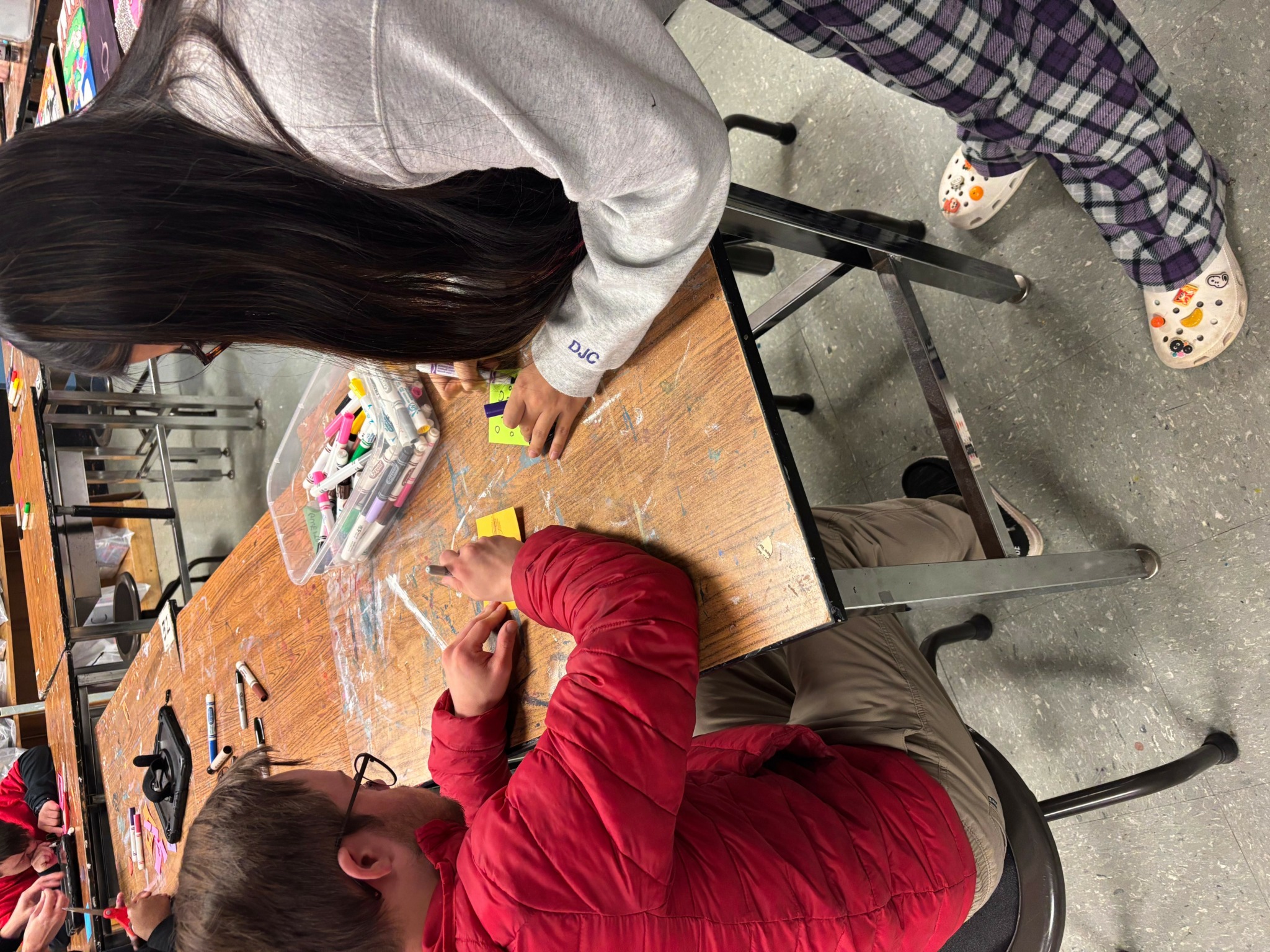
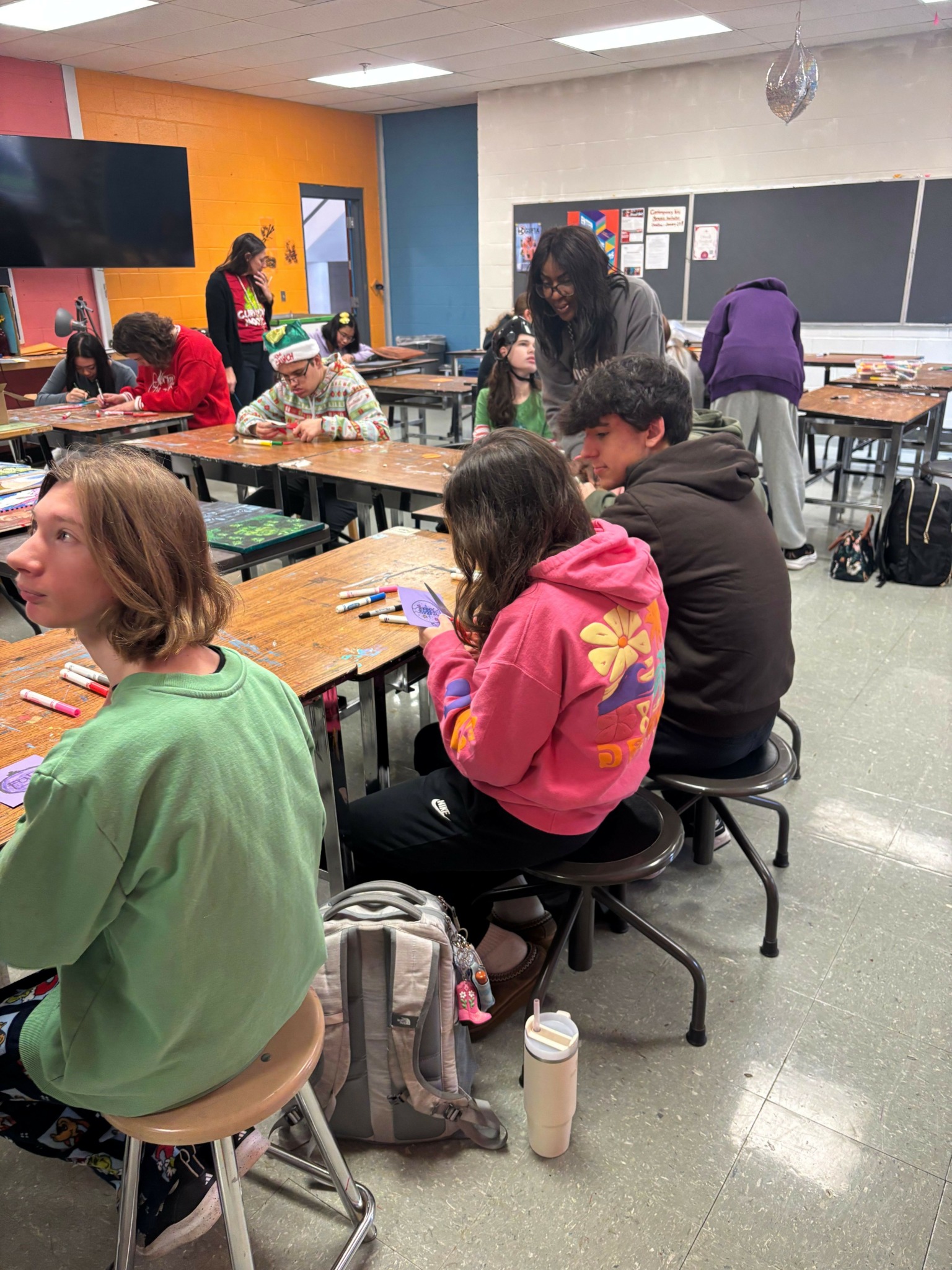
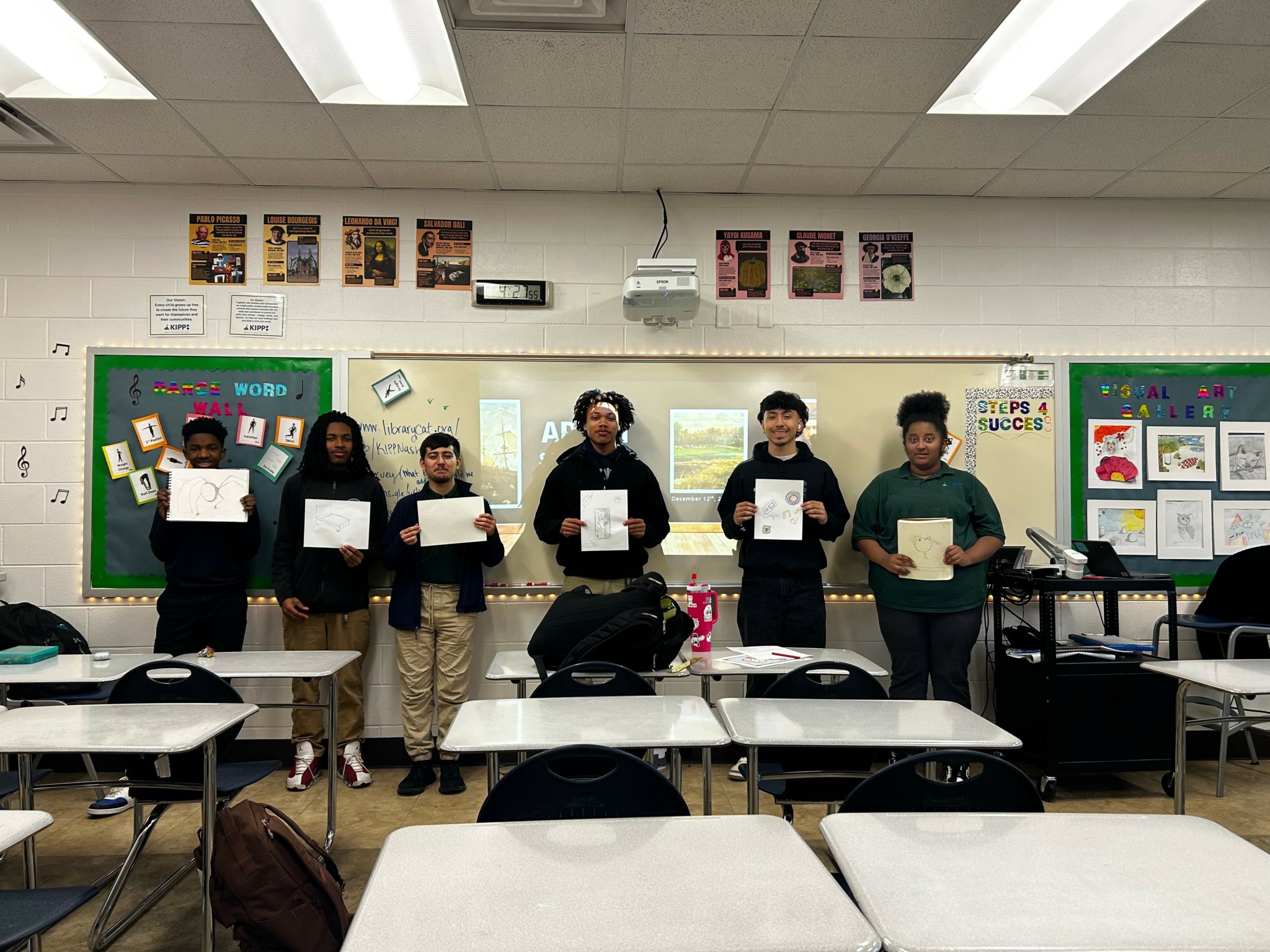
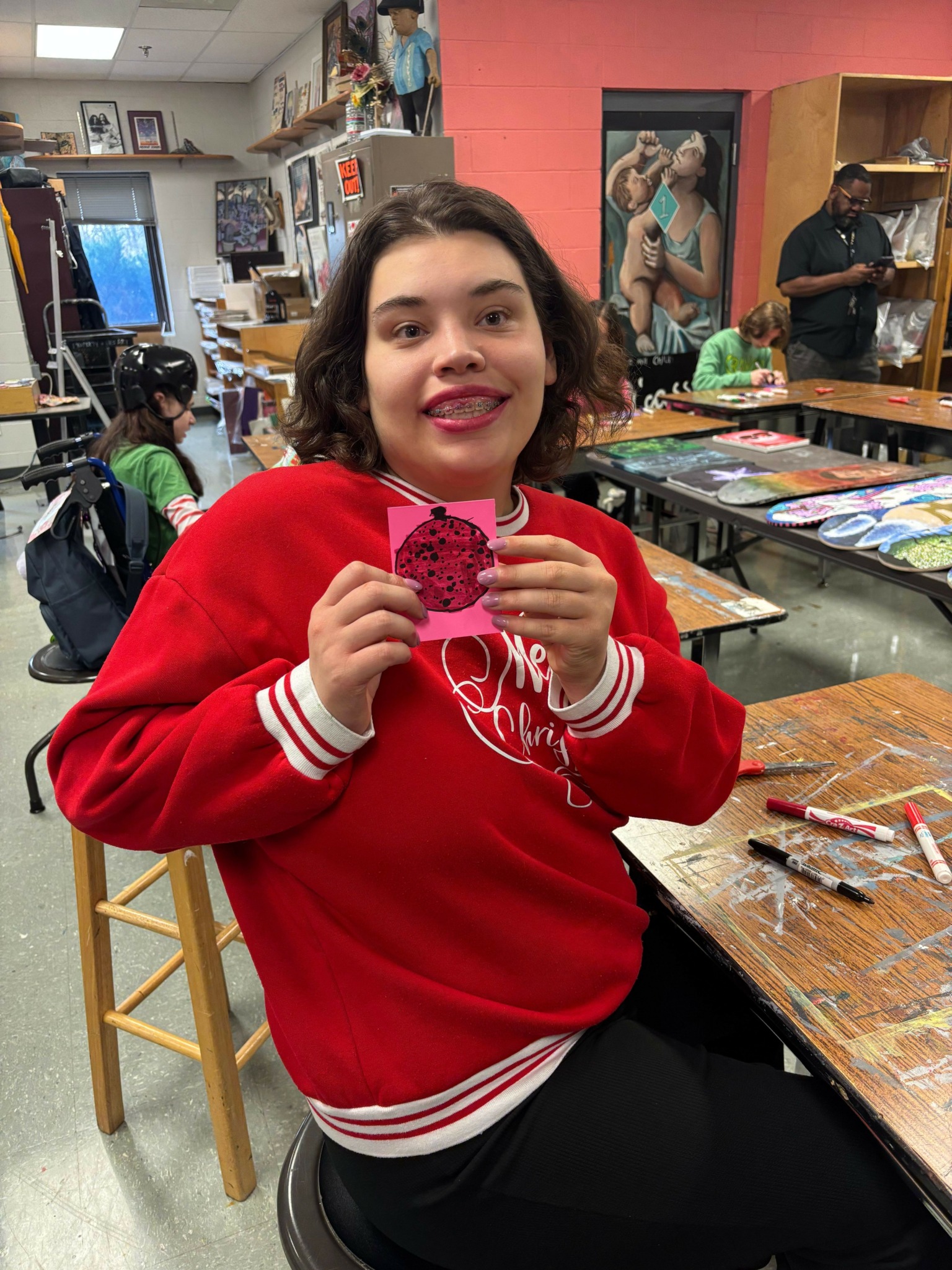
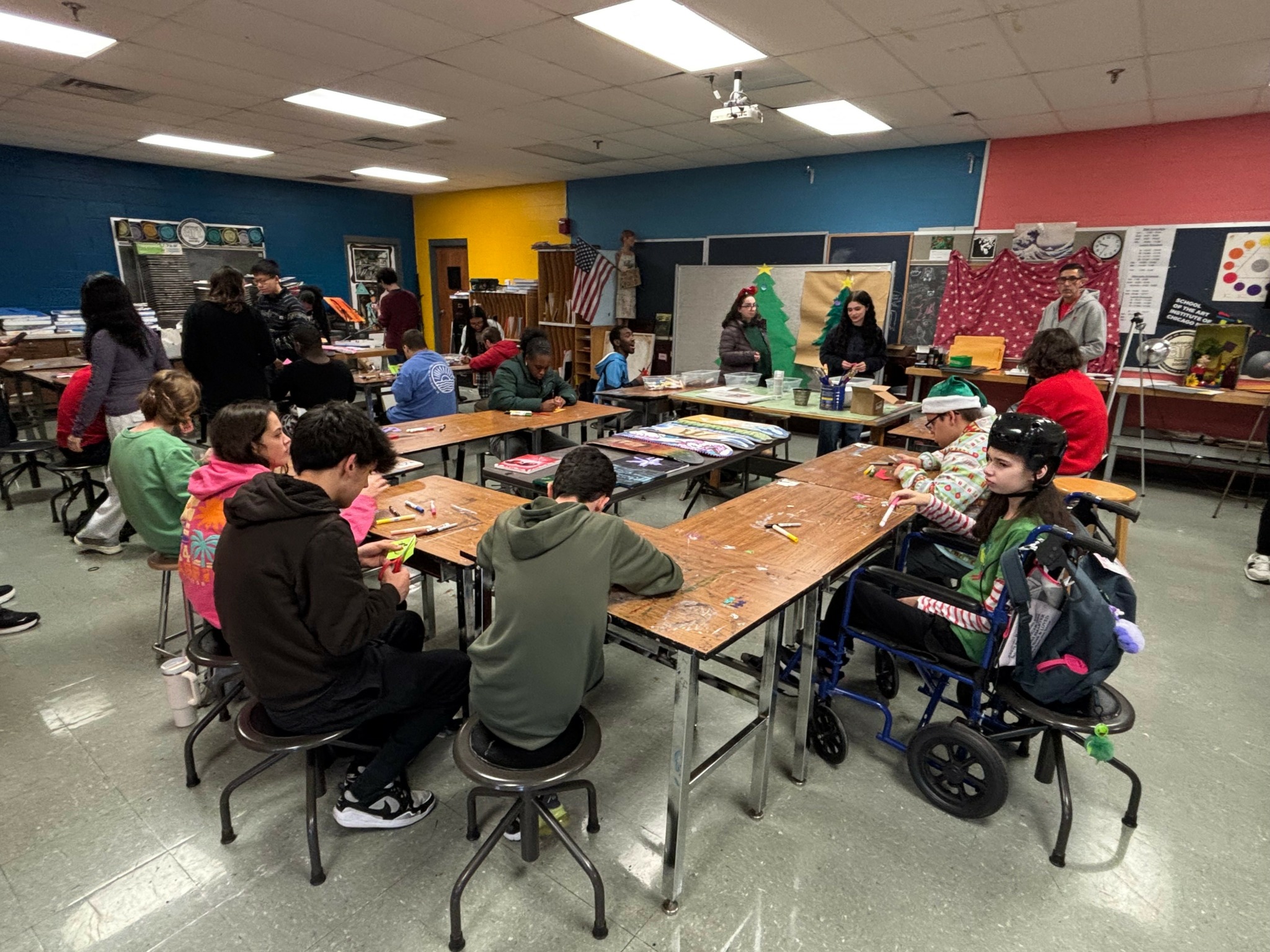
ArtFlow works by pairing student mentors with neurodivergent youth in schools and community spaces, many of which had no art programming at all before we arrived. We develop original curricula, run workshops, and build real relationships with students over time. What started in one Memphis classroom has grown across several countries, though the work that matters most still happens one student at a time.
What I hope people take away from ArtFlow is not the scale, but the philosophy: neurodivergent students don’t need to be fixed. They need environments that recognize their potential in the first place.
What’s the most rewarding aspect of being a creative in your experience?
The most rewarding part is that art gives you permission to be unresolved. In policy work or academics, everything needs a clean answer. Art lets you sit with contradiction, with tension, with the parts of yourself that don’t fit neatly anywhere. For me as someone with ADHD, that freedom is everything. My best pieces come from moments of total chaos in my head, and seeing that chaos become something someone else connects with reminds me that the things I was told made me difficult are actually what make my work honest.
Let’s talk about resilience next – do you have a story you can share with us?
In fifth grade, I spent hours on my first watercolor painting, only to watch a juice packet explode across the whole canvas. I crumpled it up and convinced myself I would never amount to anything more than the problem my teachers said I was.
Years later, running ArtFlow, I accidentally scheduled three major events on the same day. Partners were confused, my team was scrambling, and I had to call people I deeply respected and admit the mistake. It was humiliating in a way that felt familiar, like that ruined painting all over again.
But I had learned something since fifth grade: the mess is not the end of the story. We rescheduled, we apologized, and those partners showed up anyway. Resilience for me has never been about avoiding failure. It is about refusing to let failure be the last thing you make.
Contact Info:
- Website: https://www.artflowstudio.org/
- Instagram: https://www.instagram.com/artflowusa/