

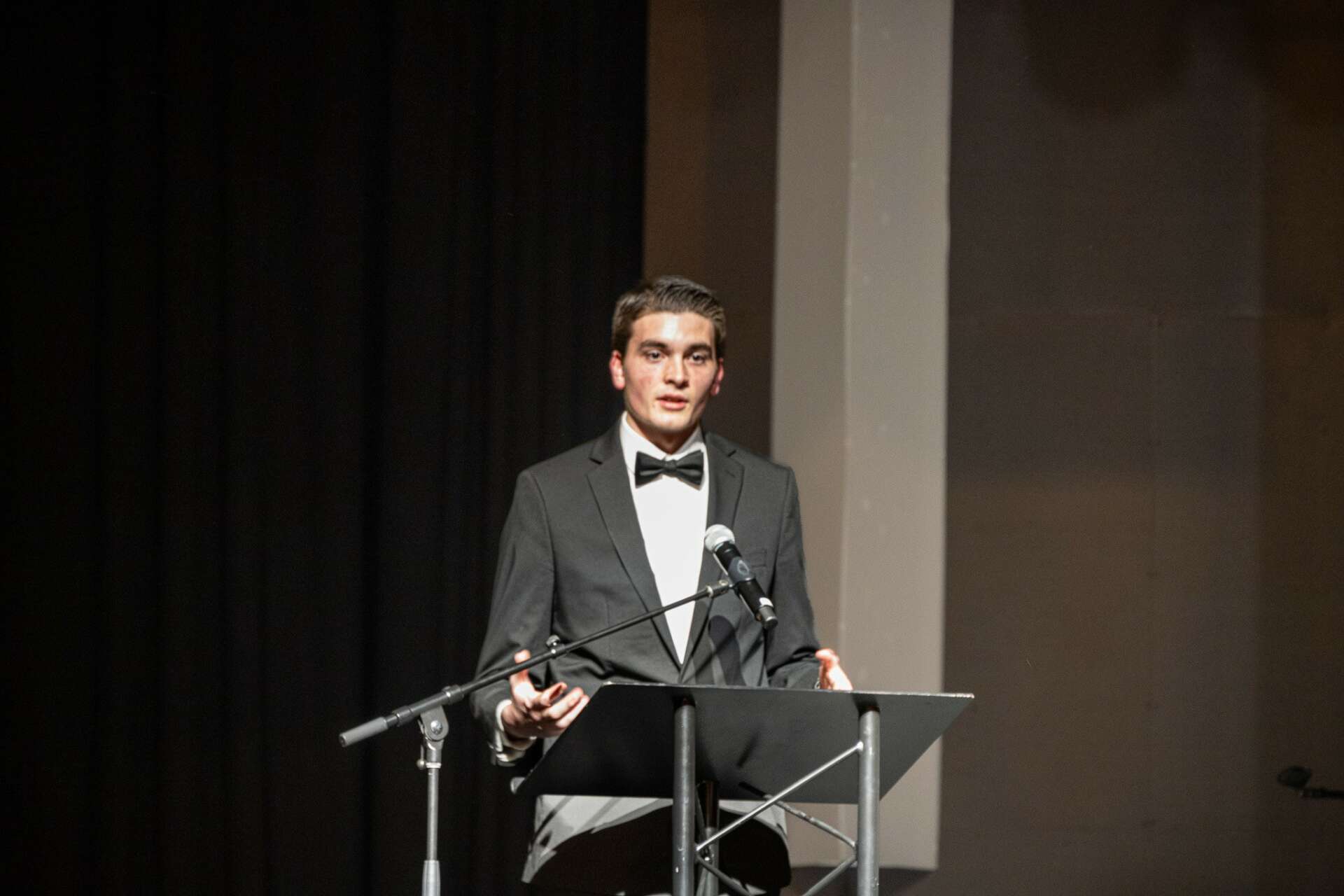

We caught up with the brilliant and insightful Jacob Poag a few weeks ago and have shared our conversation below.
Hi Jacob, thanks for joining us today. What’s the backstory behind how you came up with the idea for your business?
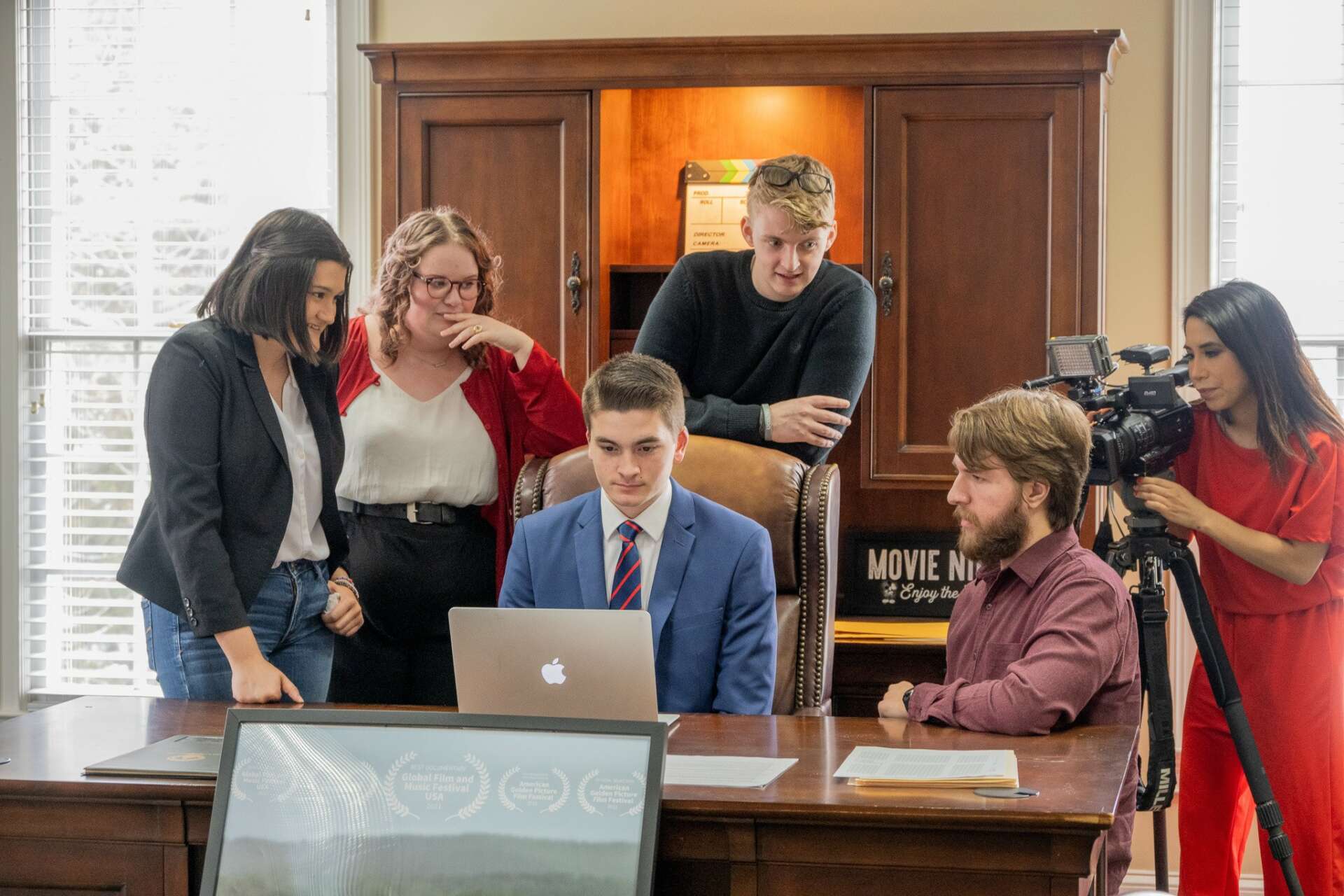
As a 15-year-old filmmaker, the opportunities to get involved in the film industry were few and far between. When I could finally create a script of my own, I could not find a single studio that could help me make it. This is when I had the idea of a student-run studio. This studio would be completely run by students, and help other students create their own films by providing organization, budgets, and distribution. Once the studio was established, we began work on our first project, a documentary. Through Covid-19 we assembled 15 teenage filmmakers and spent two months shooting. We later spent the next year editing and sending our film out to film festivals. We were accepted into three film festivals and won two of them. After our success at film festivals, we realized our idea was working and decided to take it to the next level. We transformed S.T.E.P. Studio into S.T.E.P. Studio Inc and turned our corporation into a non-profit. We grew to five branches and 60 students involved. Today, we are working on expanding our studio up the East Coast. We have three films in development with our next film coming out this Christmas. No matter how large we get we will always remember our roots, that we started to help students have a voice in one of the most competitive industries in the world.
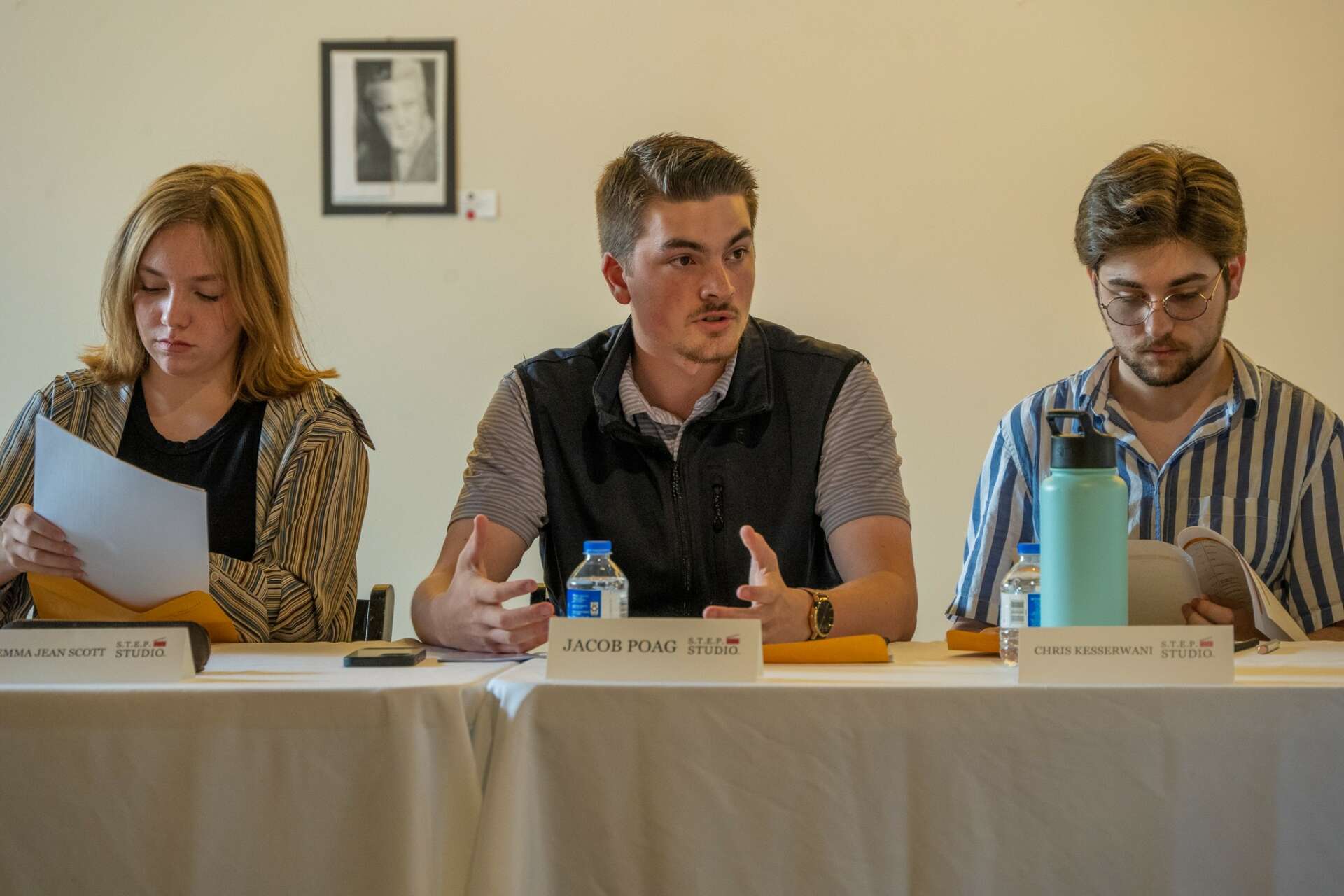
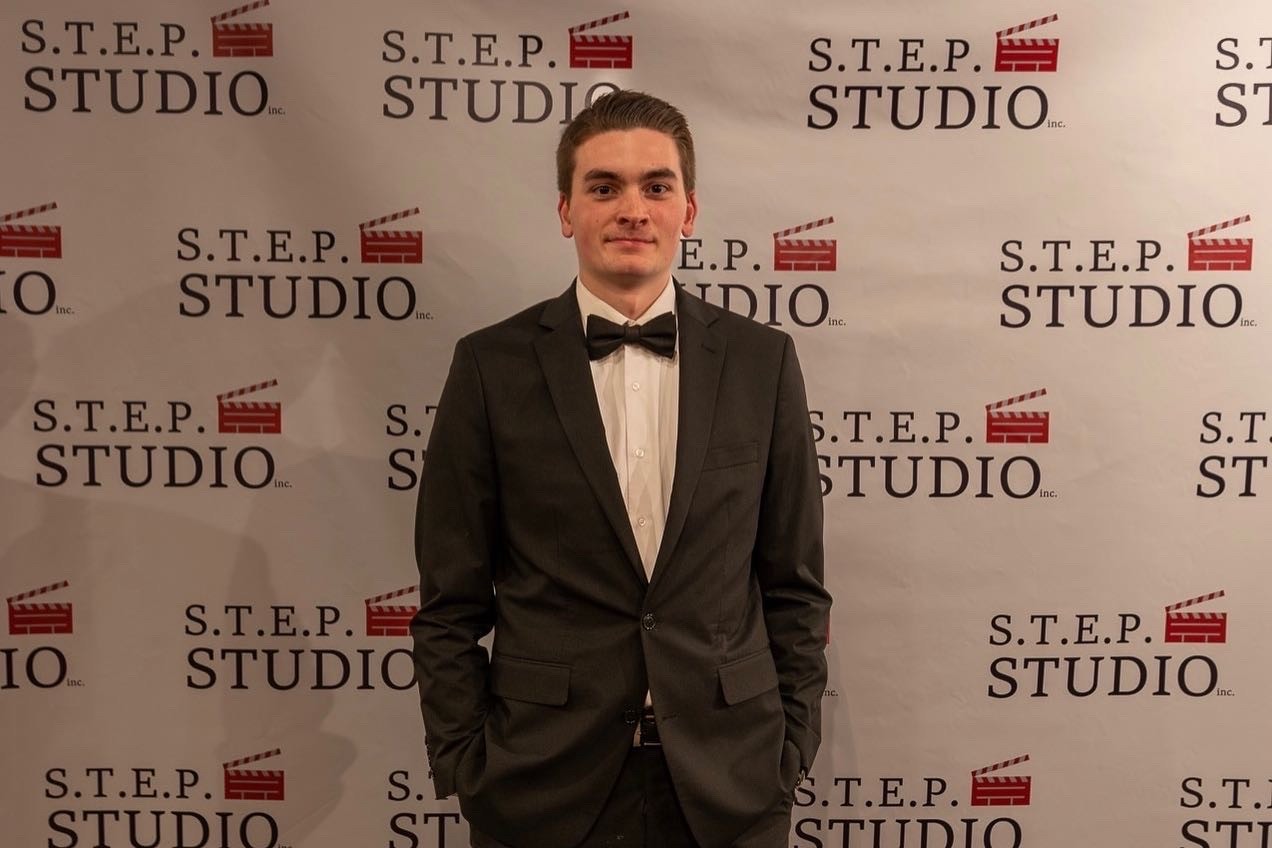
Great, appreciate you sharing that with us. Before we ask you to share more of your insights, can you take a moment to introduce yourself and how you got to where you are today to our readers.
When I was 15 years old, I had an idea. This idea had never been achieved in the past and to my knowledge, it had never even been attempted. The idea was to form an entirely student-run film studio that was dedicated to helping young adults get involved in the most competitive industry in the world. The initial goal, after creating the studio, was to create a professional film to compete with projects from other studios across the state. After putting a team of 15 students together, we started on our journey. Our first project was a documentary featuring the small carpet town of Dalton, GA. The name of our film was ‘Dalton: A Story of Survival’. Once our team was assembled we were immediately locked down by the Covid-19 pandemic so, unfortunately, we were not able to meet in person. We were determined that this was not going to stop us, or even slow us down. We met every day on Zoom for 4 hours over the course of 3 months and we wrote the script, raised money, and spent countless hours learning how to use filming equipment. When it was time to begin filming that summer, our team was ready. After filming was complete, we spent almost 18 months and over 200 hours in an editing room where we crafted our very first feature-length film. We were very proud to see this first film be accepted into three different national film festivals We were thrilled when our film received several awards at those film festivals. Recently, we have made efforts to expand. As word of our successes has spread, we have been approached by other students from around the state that want to be a part of what we are doing. This has led to our becoming a non-profit corporation and opening 6 other branches around the state at various colleges. These branches have access to large film programs which will make our company even stronger. The students at these S.T.E.P. branches are now beginning to write their own scripts and are forming teams to create films of their very own. As for me, I am still on board as the President of S.T.E.P. Studio Inc working on expanding our studio up the East Coast.
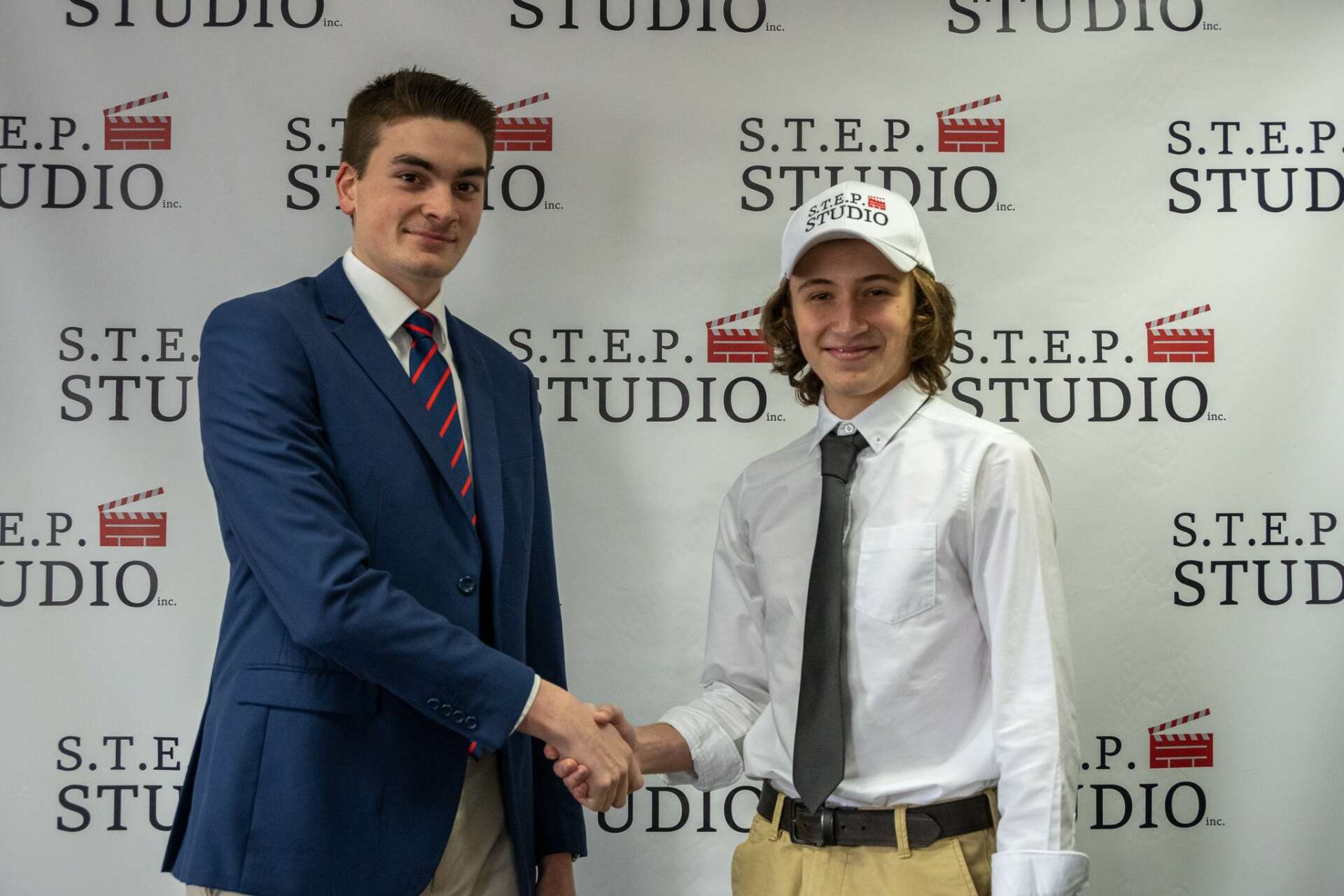
Can you open up about how you funded your business?
To fund our business, we knew it would be impossible for a student-run organization to make money quickly. Therefore, we turned our corporation into a non-profit. This way businesses could fund our projects while also getting a tax break for their business. This was a win-win for both our studio and our donors. This means the majority of our jobs are fundraising, the amount of money we bring in dictates how large our projects can be. As we continue to grow, we hope to make more capital off of our projects to be able to turn into an LLC and create larger projects along with building our own production facility.
Can you share a story from your journey that illustrates your resilience?
In our first year as a studio, we had placed all of our resources in our documentary. We had sent it all over the country to film festivals, hoping one would take a chance on us. Rejections poured in week after week and we became very down on ourselves. We believed that this chance we had taken had failed, that our idea could not work. Meetings took place to disband, and the idea should be abandoned. However, three months and 12 rejections later we were accepted into our first film festival. Later we were accepted into two more and won two out of the three. Three years later we have grown into a corporation with branches, various projects, and a national reputation. I believe we would not be where we are today without taking the leap of faith and submitting to film festivals.
Contact Info:
- Instagram: jacob_poag/s.t.e.p._studio
- Linkedin: https://www.linkedin.com/in/jacob-poag-b28419279