

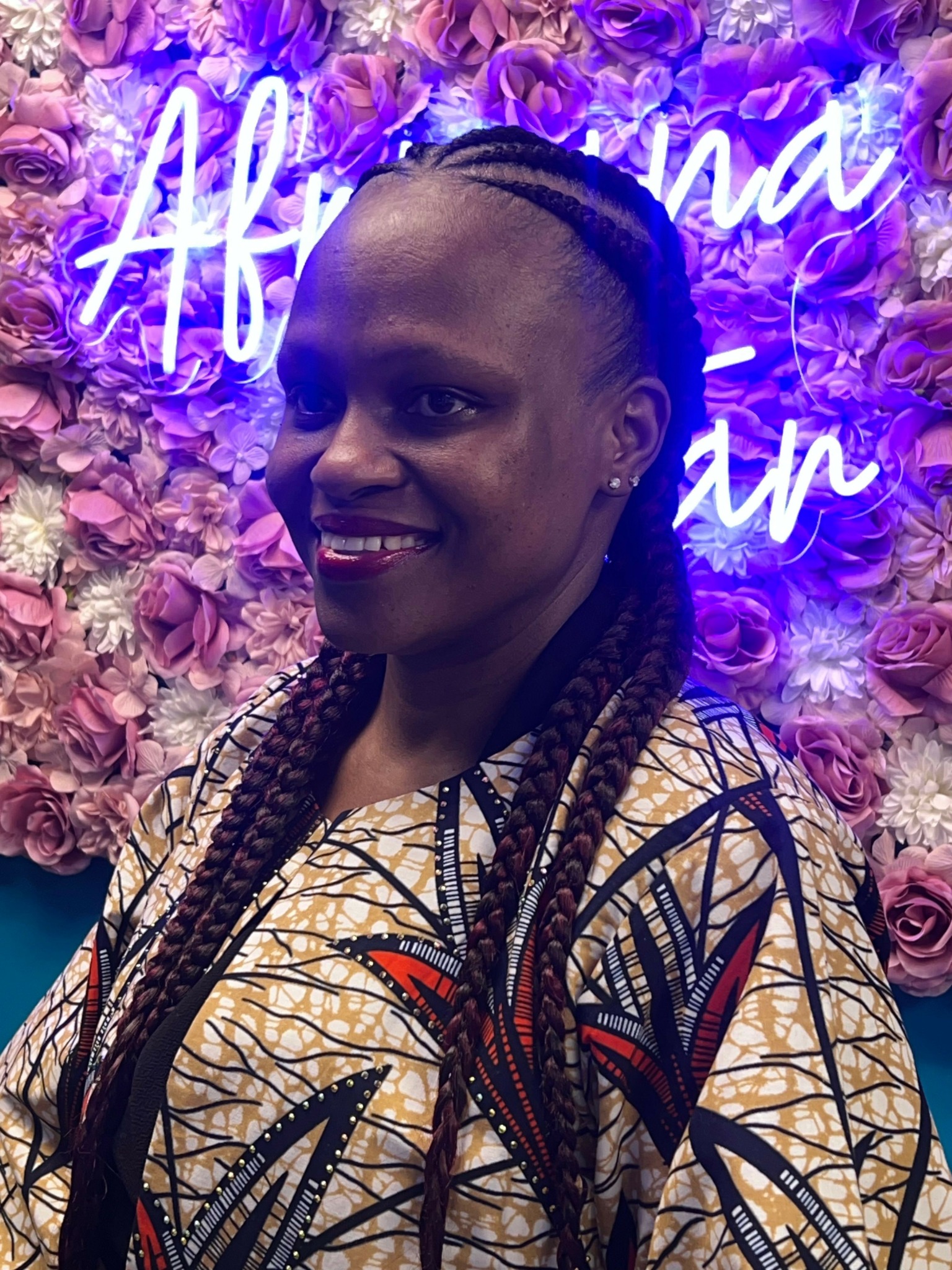

We were lucky to catch up with Jackie Senkandwa recently and have shared our conversation below.
Jackie, appreciate you joining us today. Was there an experience or lesson you learned at a previous job that’s benefited your career afterwards?
My professional philosophy is built on the principle of mutual respect. I’ve learned that the “ladder” of success isn’t a one-way street; the people you encounter as you rise are often the same people who hold the keys to your next chapter. When I needed a former employer to approve my state certification hours, it was the bridge I didn’t burn that allowed me to cross over into the next stage of my career. I carry that lesson with me daily: treat everyone with dignity, because professional success is circular, not linear.
“What goes up, must come down.” It’s a classic lyric, but in my career, it’s been a guiding truth. I’ve always made it a point to treat colleagues and mentors with genuine respect, regardless of my position. Because I had been good to her during my time there, she was happy to help me unlock my future. You never know who will hold the door open for you later in life, so make sure you’re the kind of person others want to see succeed.
Jackie, before we move on to more of these sorts of questions, can you take some time to bring our readers up to speed on you and what you do?
For those just meeting me, I am Jackie Senkandwa—an entrepreneur, advocate, and co-founder of Minority Wealth Gap (MWG). My work is defined by a singular, urgent mission: to dismantle the systemic barriers that prevent Black, Hispanic, and immigrant communities from achieving true economic mobility. Whether through my non-profit leadership or my social enterprise, Africanastar, I am dedicated to turning the “War on Poverty” into a series of winnable battles.
The Journey: From Observation to Action
My entry into this field wasn’t just a career choice; it was a response to a lived reality. Running a non-profit alongside my husband, Jemba, we saw firsthand that the “wealth gap” isn’t just about a lack of capital—it’s a multifaceted barrier made of trauma, limited access to high-growth industries, and a lack of culturally competent support.
I transitioned into this space because I realized that traditional charity often provides a temporary safety net but rarely a ladder. I wanted to build the ladder. This led to the creation of MWG and my business, Africanastar, which I designed as a hybrid salon and clothing brand that serves as more than a retail space—it is an on-the-job training ground for women in our community.
What We Provide: A Holistic Ecosystem
We solve the “whole person” problem. We recognize that you cannot build a career if your mental health is in crisis, and you cannot sustain mental health if you are in economic despair. Our services include:
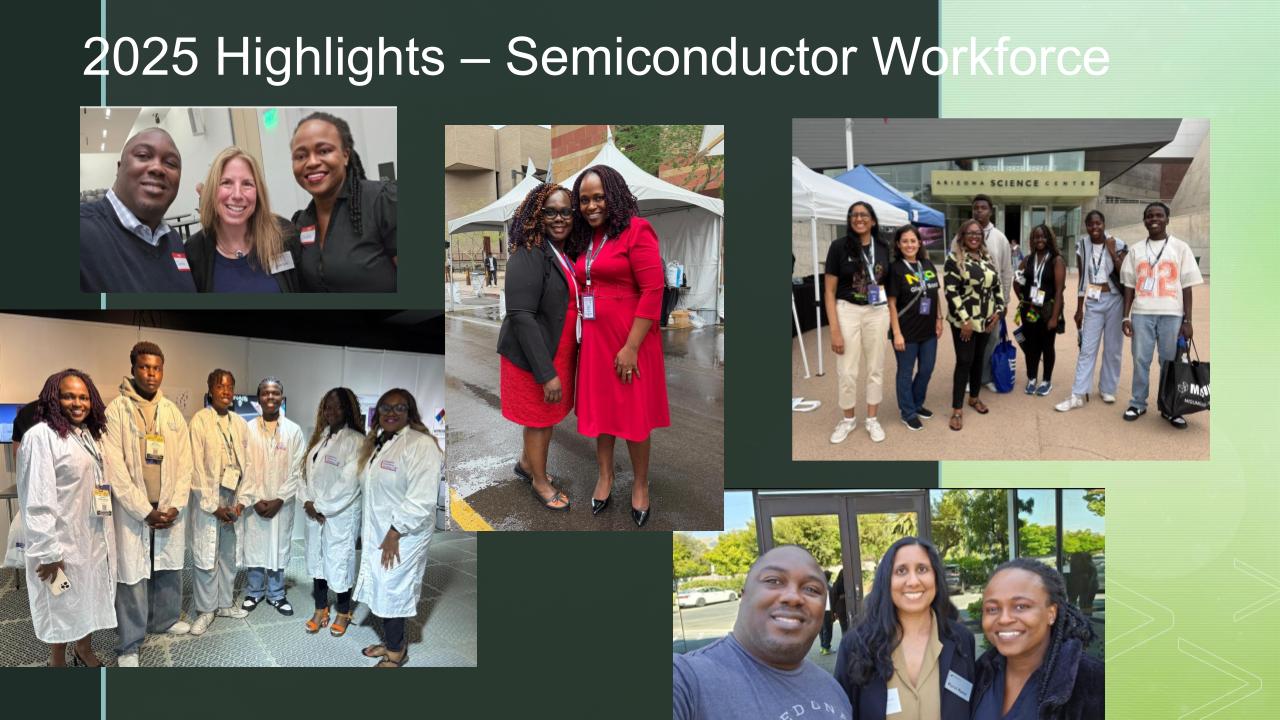
Workforce Development: We bridge the gap to high-growth, high-wage sectors like semi-conductor, aerospace, clean energy, technology, and construction.
The Bernice Women Program: A cornerstone of our work, providing culturally sensitive mental health care and support for survivors of domestic violence and economic instability in both Los Angeles and Uganda.
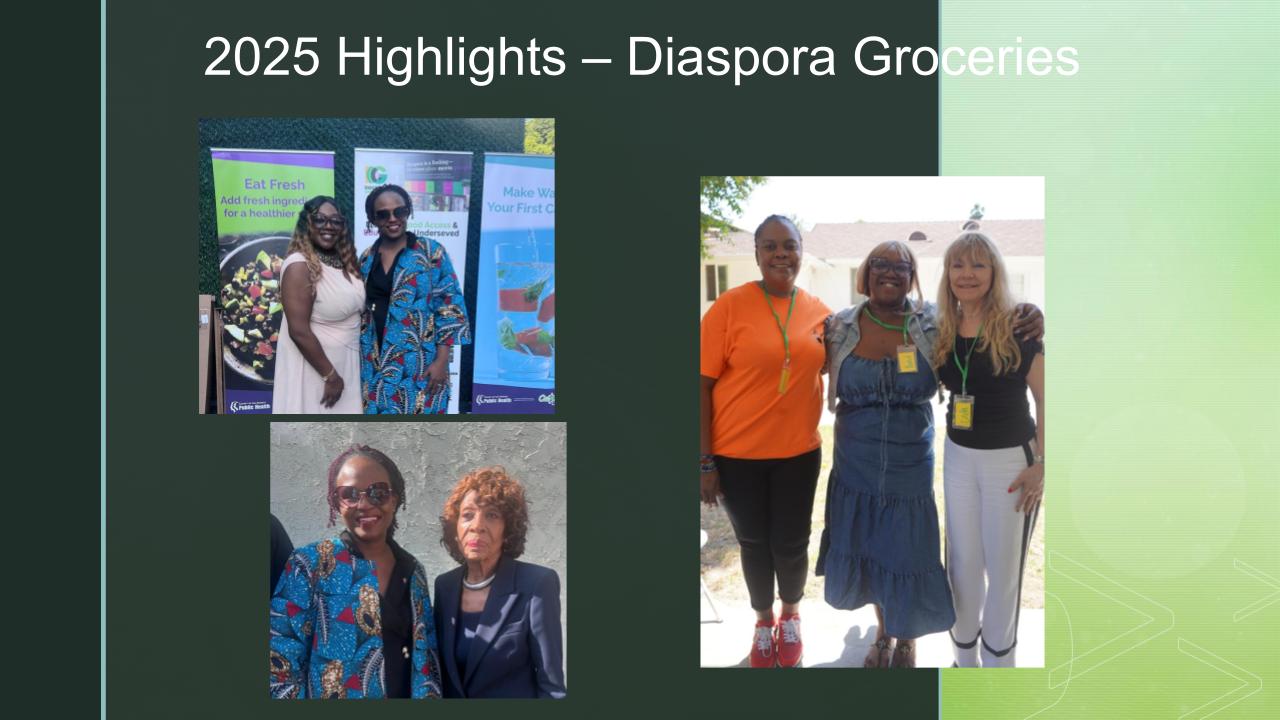
Social Entrepreneurship: Through Africanastar, we provide enterpreneurship and retail training, giving individuals the hands-on experience they need to launch their own paths to wealth.
What Sets Us Apart
What distinguishes our brand is our holistic, data-driven approach. We don’t just “help”; we measure impact.
We also operate with a global-to-local lens. We are just as committed to establishing a 4,000-square-foot Center of Excellence in the San Fernando Valley as we are to supporting sustainable farming and a Burns Center of Excellence in Uganda. We believe that empowerment has no borders.
Our Pride and Our Promise
I am most proud of the resilience I see in the women and youth we serve. When a domestic violence survivor reclaims her mental health and secures a job in a technical field, or when a young entrepreneur launches their first business through our workshops, that is the “return on investment” that matters most.
The main thing I want our followers and potential partners to know is that Minority Wealth Gap is a mission of momentum. We are building a permanent home for opportunity—a centralized hub where mentorship, training, and healing happen under one roof. We aren’t just looking for donors; we are looking for investors in a more equitable future.
Whether you are a client at Africanastar or a supporter of MWG, you are joining a movement that believes generational wealth is a right, not a privilege.
Can you tell us about what’s worked well for you in terms of growing your clientele?
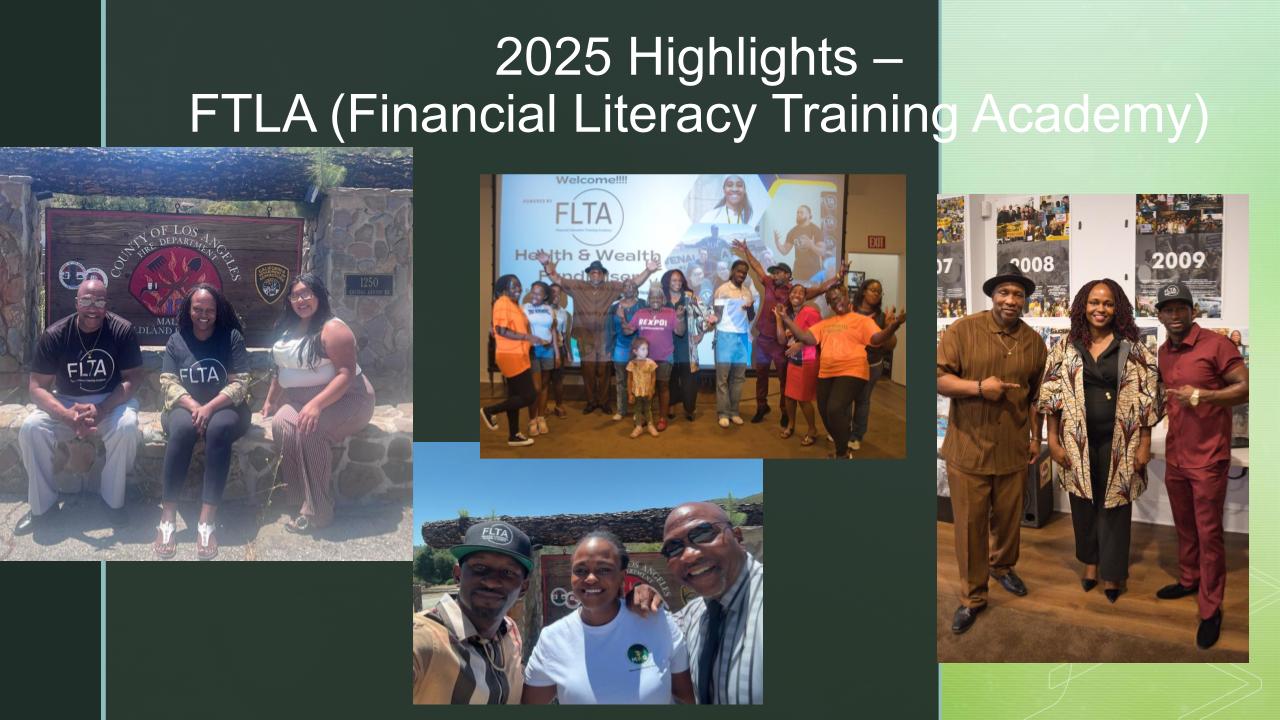
Growing a clientele through social capital is one of the most sustainable ways to build a brand because it relies on the quality of relationships and community trust rather than just marketing spend. Social capital—the value derived from networks, shared values, and mutual understanding—translates into support when those relationships are nurtured into active advocacy.
The Most Effective Strategies for Growing Social Capital
The most effective strategy for converting social capital into a loyal clientele involves a shift from “transactional” interactions to “relational” ones. Here are the core pillars of that process:
1. Strategic Partnership and Co-Branding
Instead of trying to reach every potential client individually, the most effective strategy is to partner with “anchor organizations” or individuals who already hold high levels of trust within your target community. By aligning with partners whose values mirror your own, you inherit their social capital. This “halo effect” allows you to bypass the initial skepticism that new clients might have.
2. The Reciprocity Loop
Social capital is built on the principle of reciprocity. The most successful brands focus on providing value long before they ask for a sale. This could be through free workshops, community resources, or simply being a “connector” who introduces people to opportunities. When you consistently add value to your network, the community feels a natural inclination to support your work when you eventually make an “ask.”
3. Cultivating “Brand Ambassadors”
Clientele growth accelerates when your existing supporters transition from being customers to being advocates. This happens when you involve them in the “why” of your business. By sharing the mission behind the work and showing the tangible impact of their support, you give clients a social incentive to spread the word. They aren’t just buying a product; they are participating in a movement.
How Social Capital Translates into Tangible Support
Social capital doesn’t stay abstract; it converts into business growth through specific “conversion” points:
Warm Referrals: Social capital lowers the “cost of acquisition” because a recommendation from a trusted peer is more powerful than any advertisement.
Resilience During Crisis: Brands with high social capital have a “reservoir of goodwill.” If a business faces a challenge or needs to pivot, a community built on social capital is more likely to offer patience and financial support (such as through crowdfunding or donor pushes).
Co-Creation: High social capital allows you to ask your clientele for feedback. When clients feel they have a “seat at the table” in developing your services or products, they become more invested in the brand’s long-term success.
How’d you build such a strong reputation within your market?
“That’s a great question. I believe reputation in the non-profit and social enterprise space isn’t just about what you say; it’s about who is willing to stand beside you. For Minority Wealth Gap, our reputation has been built through a strategy I call ‘Institutional Validation.’
First, we focused on Digital Authority. We started our journey with TechSoup, who helped us secure a Google Ad Grant. For a young organization, that was a game-changer. It allowed us to spread awareness at scale and signaled to the market that we were a vetted, tech-forward entity. That initial digital footprint is what led to the ‘knock on the door’ from the Department of Labor.
Secondly, we moved from being ‘at the table’ to being ‘thought leaders.’ Through partners like California Jobs First and sponsorships to attend California Forward, we’ve been able to bridge the gap between grassroots work and high-level policy. When you are invited into those rooms, your reputation shifts. You’re no longer just a service provider; you become a regional expert that the state and federal government look to for real-world solutions.
Thirdly, we lead with radical authenticity. We don’t just talk about youth empowerment; we live it. Our partnership with America on Tech is a perfect example. Having brilliant young people actually build our website and digital infrastructure proves that our mission isn’t just a theory—it’s an active ecosystem.
Finally, my personal background provides a layer of Technical Trust. Coming from a career as a Senior Financial Institutions Examiner, I speak the language of the ‘pipes’ of finance. I understand the regulations and the systemic hurdles because I’ve seen them from the inside. When you combine that technical expertise with the incredible community support we’ve received, you get a brand that people trust because it is both heart-led and data-backed.
We are deeply grateful for this journey. We’ve seen that when you show up with integrity, the state, the federal government, and tech leaders don’t just become your ‘funders’—they become your partners in the war on poverty.” If you want to support minoritywealthgap, donate here:https://avvmtgju.donorsupport.co/page/FUNSHHMBTQJ
Contact Info:
- Website: https://www.minoritywealthgap.org
- Instagram: https://www.instagram.com/mwgbernice
- Facebook: https://www.facebook.com/MinorityWealthGap/
- Linkedin: https://www.linkedin.com/in/jackie-senkandwa-4140512b4/
- Twitter: https://x.com/mwgbernice?s=21
- Youtube: https://www.youtube.com/@minoritywealthgap3894
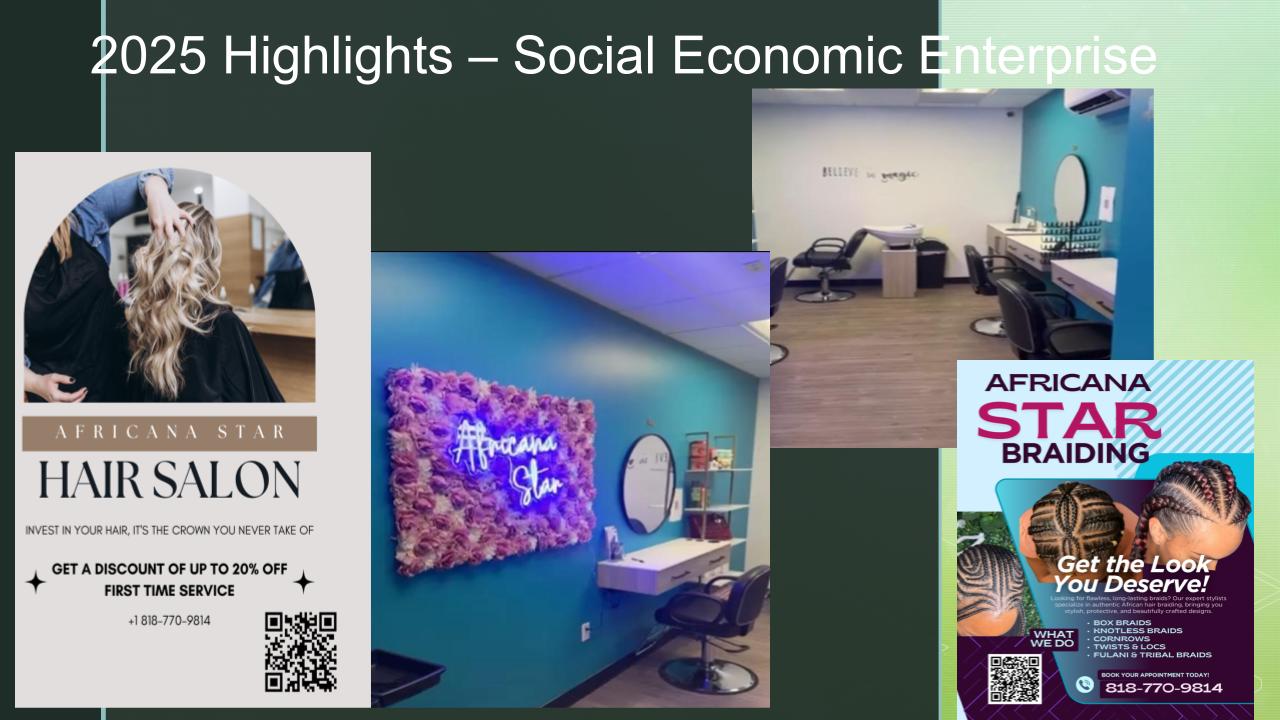
Image Credits
The names (credit) are in the titles