

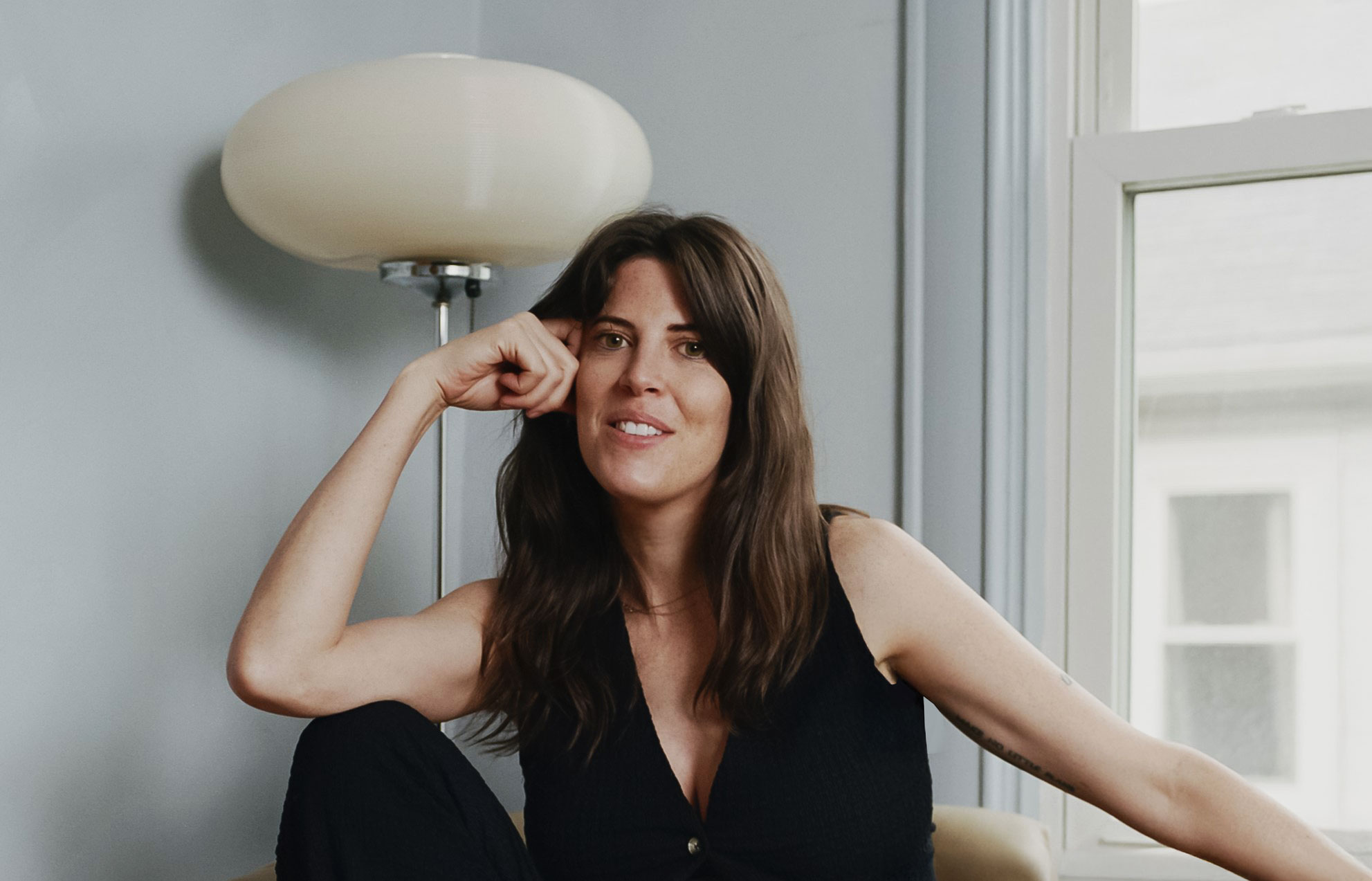

Alright – so today we’ve got the honor of introducing you to J.R. Coffin. We think you’ll enjoy our conversation, we’ve shared it below.
J.R., thanks for joining us, excited to have you contributing your stories and insights. We’d love to hear the story of how you went from this being just an idea to making it into something real.
The idea for Dwelly didn’t start as a business plan—it started as a shift in how I wanted to practice. If I weren’t an architect, I’d be a sculptor—no question. I started out in painting, obsessed with composition, and my dad was in film, so I grew up with this sense that everything should have movement, rhythm, and narrative. I love balancing forms—whether on a canvas, through a camera lens, or now in the landscape.
Someone asked the other day, “What’s your ideal architecture project?”—and honestly, it’s no project at all. It’s a sculpture. No clients, no rules—just a piece that stands on its own.
Dwelly was my way of getting closer to that. It’s a collection of predesigned ADUs—small homes that can be added to a property to create more space for living, working, or hosting. By creating my own models first, and taking the client out of the early creative process. I’m able to start with a pure composition—form, light, proportion—and craft something intentional, something that can stand as a mini sculpture. From there, I layer in the story of who lives there, all while working through material and code constraints as part of the design.
The first step was the first ADU design. It was the most constrained design I could take on—compact, fully accessible, two sleeping areas—meeting some of the most stringent requirements. Once I understood those limits deeply—how to make them part of the form—I felt the freedom to make it truly sculptural. After that, everything became more fluid, more exploratory. From there, the challenge became translation.
How do you take something that feels like a sculptural piece—and make it buildable, repeatable, and accessible to someone who isn’t an architect?
That meant developing a system around the design: drawing sets that communicate intent without being overly prescriptive, packages that allow homeowners to enter at different stages, and language that makes high-performance design feel understandable. The process wasn’t linear. I’d move between design, writing, and setting everything up around it—refining the drawings one day, building the website the next, adjusting how the story was told based on how people responded.
There wasn’t a clear “launch” moment. It felt more like releasing the start of a body of work.
Great, appreciate you sharing that with us. Before we ask you to share more of your insights, can you take a moment to introduce yourself and how you got to where you are today to our readers.
I originally started in painting, mostly because there weren’t many opportunities to work in 3D when I was growing up. At the time, I thought I’d go into film like my father—I was always drawn to composition, storytelling, and how something unfolds visually. I ended up at the Rhode Island School of Design, and during my foundation year I took an architecture class almost by accident. I hadn’t really been exposed to architecture before, but I immediately connected with it and never looked back.
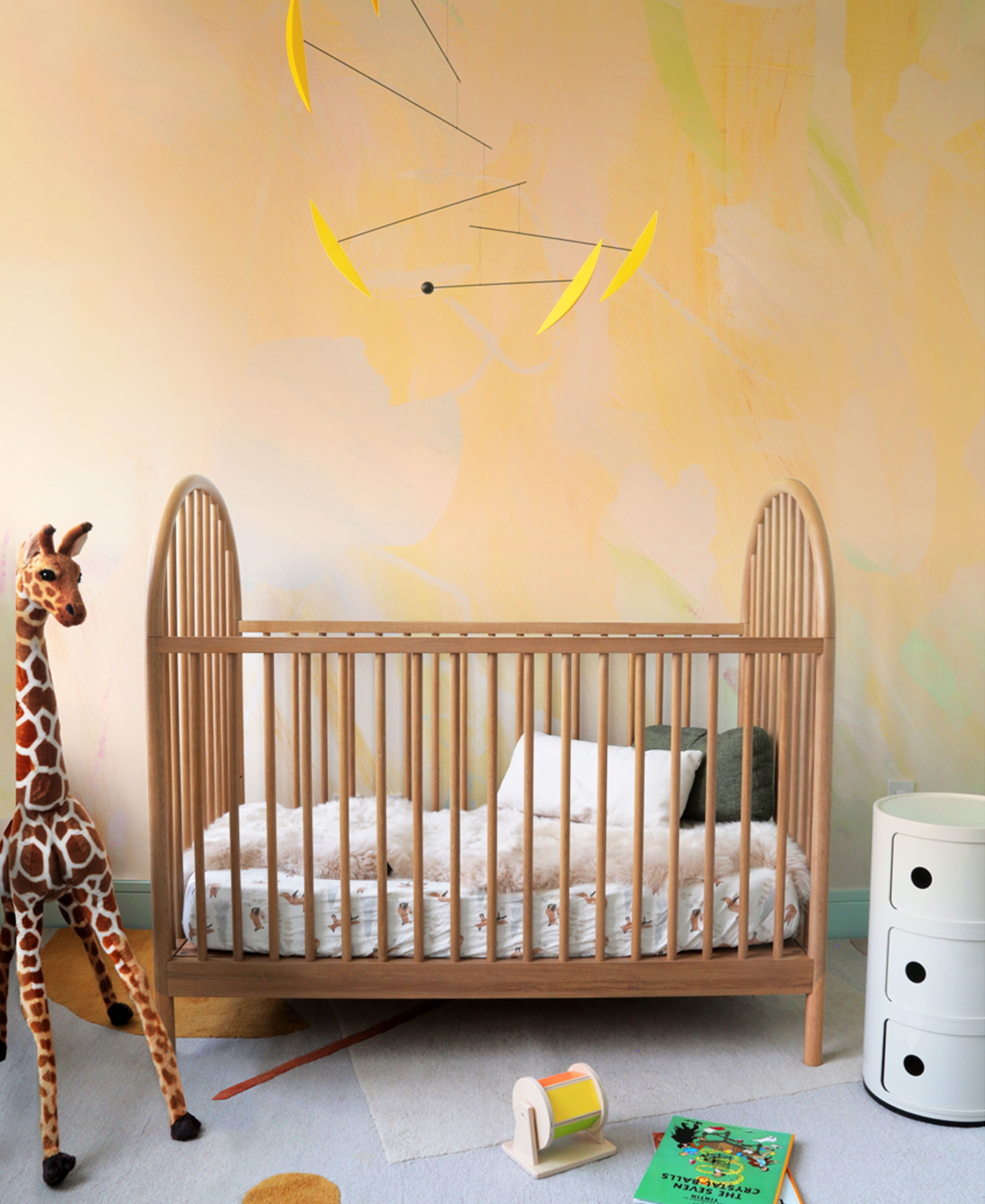
After graduating, I took a bit of a detour into art direction. That experience was incredibly formative—it taught me how to build a narrative around an idea and bring together photography, content, and digital platforms into a cohesive whole. In a way, it was my version of filmmaking. That way of thinking still shows up in how I design. It feels less like working in one discipline and more like pulling different things together—materials, light, objects, even artwork—around a simple idea that holds everything in place. I’m always trying to land on a concept that’s clear enough to guide decisions without overcomplicating it. I still paint as part of that process too, usually when a project needs a focal point or a small moment that makes the space feel more personal
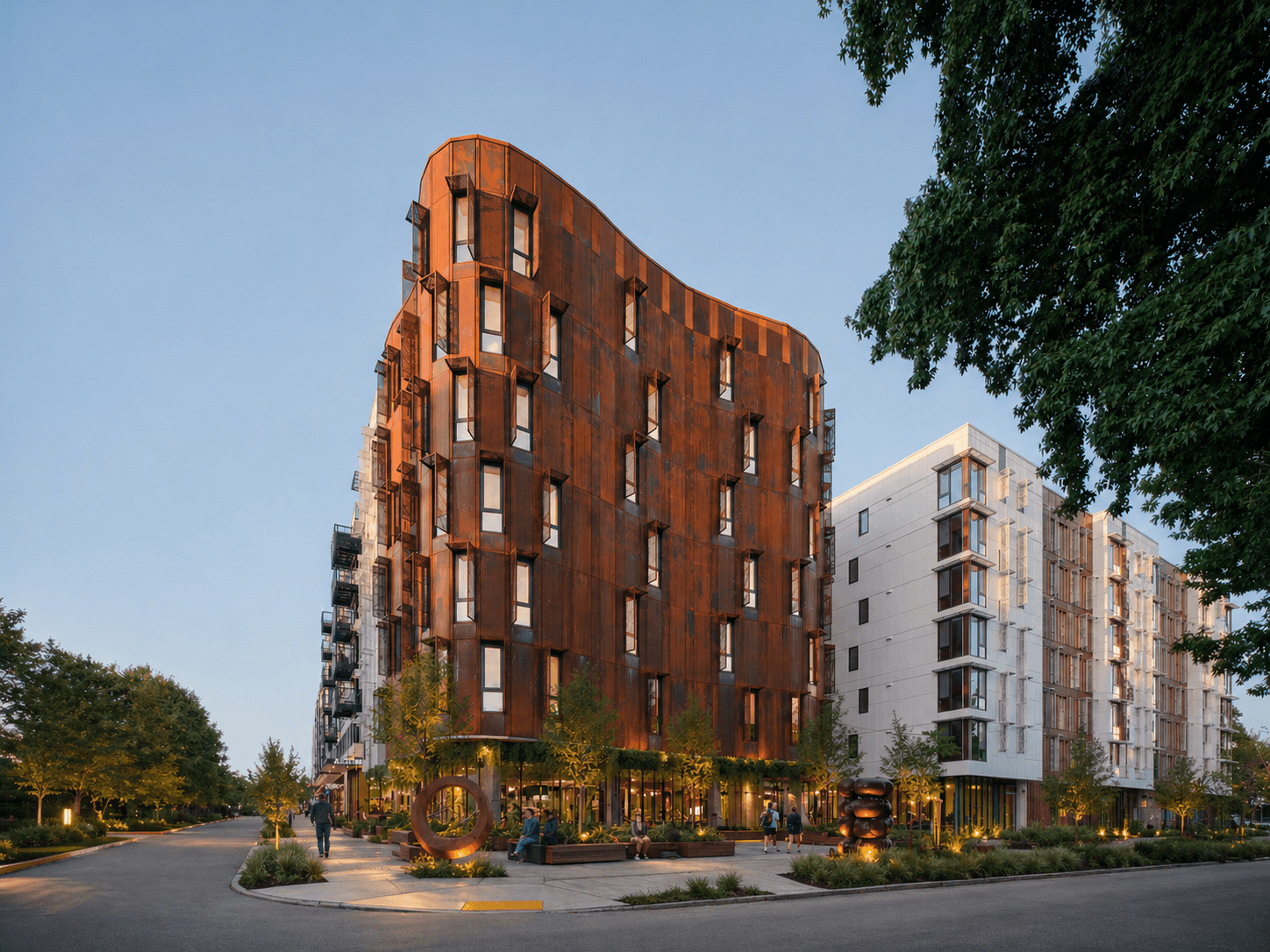
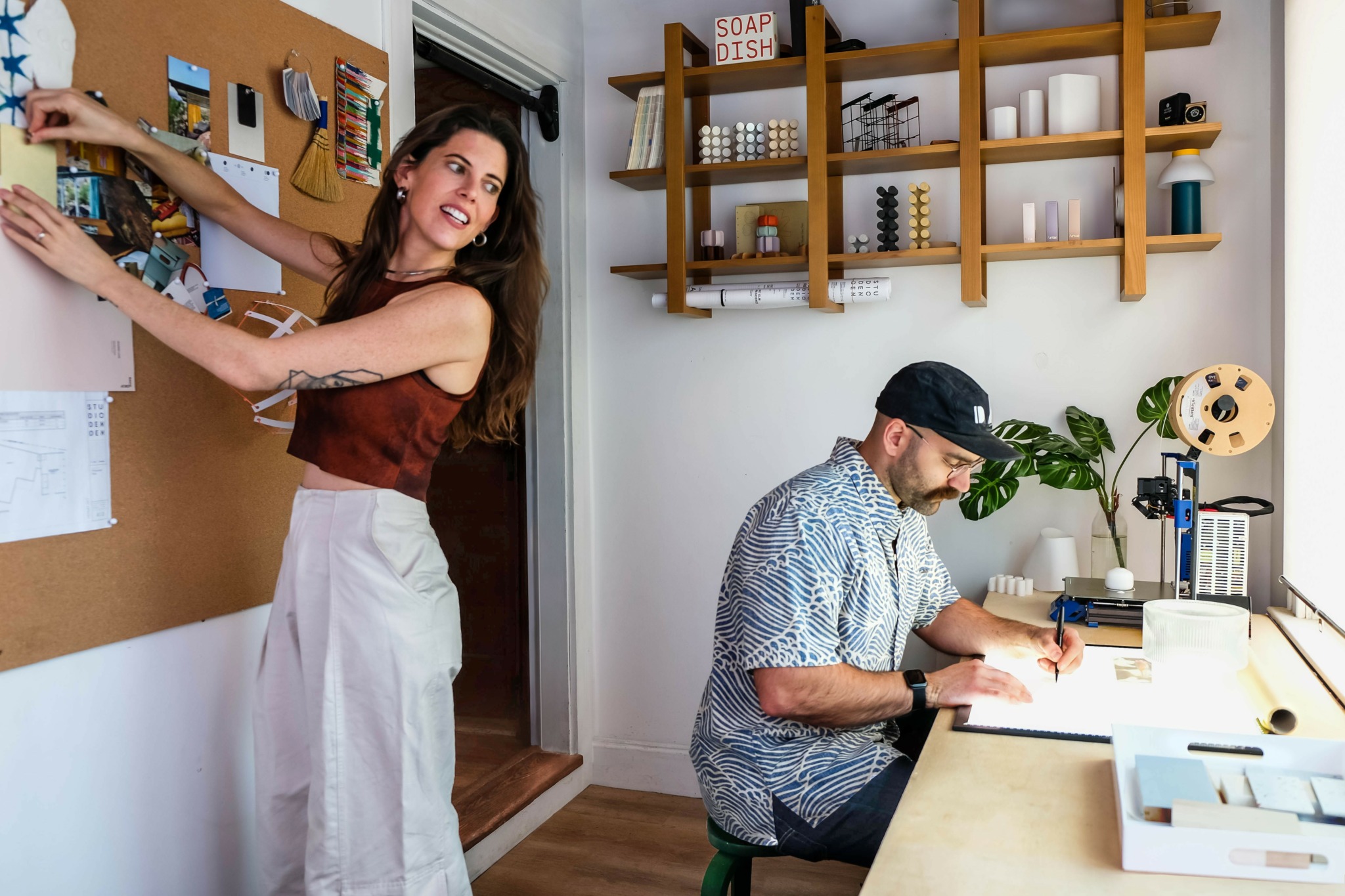
As I transitioned back into architecture—working my way up to lead architect roles at firms in Boston and New York—I realized that the traditional definition of the role as an architect wasn’t fully satisfying my creative instincts. So my husband and I started Studio Den Den as a way to build a more expansive, multidisciplinary practice. He’s an industrial designer, so we’re constantly pushing each other’s thinking across scales—from furniture and objects to interiors and buildings. The studio has always been a space for us to explore ideas, and Dwelly grew out of that as one of those explorations.
Through Studio Den Den, I design spaces that are both expressive and grounded—creative, but also deeply considered in terms of sustainability and construction. A lot of people want something that feels beautiful and personal, but they also care about making responsible choices for their health and the environment. The challenge is that those priorities can feel at odds, or just overwhelming to navigate. My role is to guide clients through that.
I lead with the creative—exploring form, composition, and ideas that feel fresh and specific to them—but at the same time, I’m advocating for them behind the scenes. That means making thoughtful decisions around budget, materials, construction methods, and performance. Clients don’t have to carry that complexity alone—they can trust that we’re thinking through the technical side in a rigorous way. In that sense, it’s a bit of a breath of fresh air. Clients get to focus on the vision, while we make sure it’s grounded in something durable, healthy, and responsible. What sets the work apart is that balance—it’s not about choosing between beauty and performance, but making sure they’re working together from the start.
Any advice for managing a team?
A big part of managing a team is protecting them—and the creative process.
There’s a lot of pressure in design to operate in a constant state of urgency, but most deadlines aren’t as fixed as they feel. When everything is treated as critical, it creates a kind of low-level burnout that ends up working against the quality of the work. I try to filter that. Not everything needs to reach the team at full intensity, especially when it interrupts the kind of focus good design actually requires.
I’m also really aware that I get to work with incredibly talented people. There’s a lot of thought, care, and skill behind what they produce, and that deserves to be recognized in a real way. When people feel trusted and respected, they do better work. For me, good morale comes down to clarity, respect for people’s time, and creating an environment where the work is taken seriously—but the process is protected, and not everything feels urgent all the time.
Learning and unlearning are both critical parts of growth – can you share a story of a time when you had to unlearn a lesson?
That “the work will speak for itself”. I think that idea kept me pretty quiet for a long time. I was focused on doing good work and assumed that would naturally lead to opportunities. And at the same time, I never felt comfortable sharing things while they were still in progress—most of my work feels personal, and it’s rarely “done” when I’m in it. So I ended up in this in-between where I wasn’t really putting anything out there.
Starting Studio Den Den and then Dwelly forced me to rethink that. Not in a way where I suddenly became comfortable with self-promotion, but more in realizing that if I didn’t explain what I was doing, no one else would. Especially when the work is a little outside the norm.
What I’ve landed on is a middle ground—sharing the thinking, the process, and the context, without feeling like I have to expose every unfinished idea. It’s less about putting the work on display and more about letting people into how it’s developing. That shift made it feel a lot more natural—and a lot more sustainable.
Contact Info:
- Website: https://www.hellodwelly.com
- Instagram: https://www.instagram.com/jr_coffin
- Linkedin: https://www.linkedin.com/in/jrcoffin/
- Other: https://www.studiodenden.com
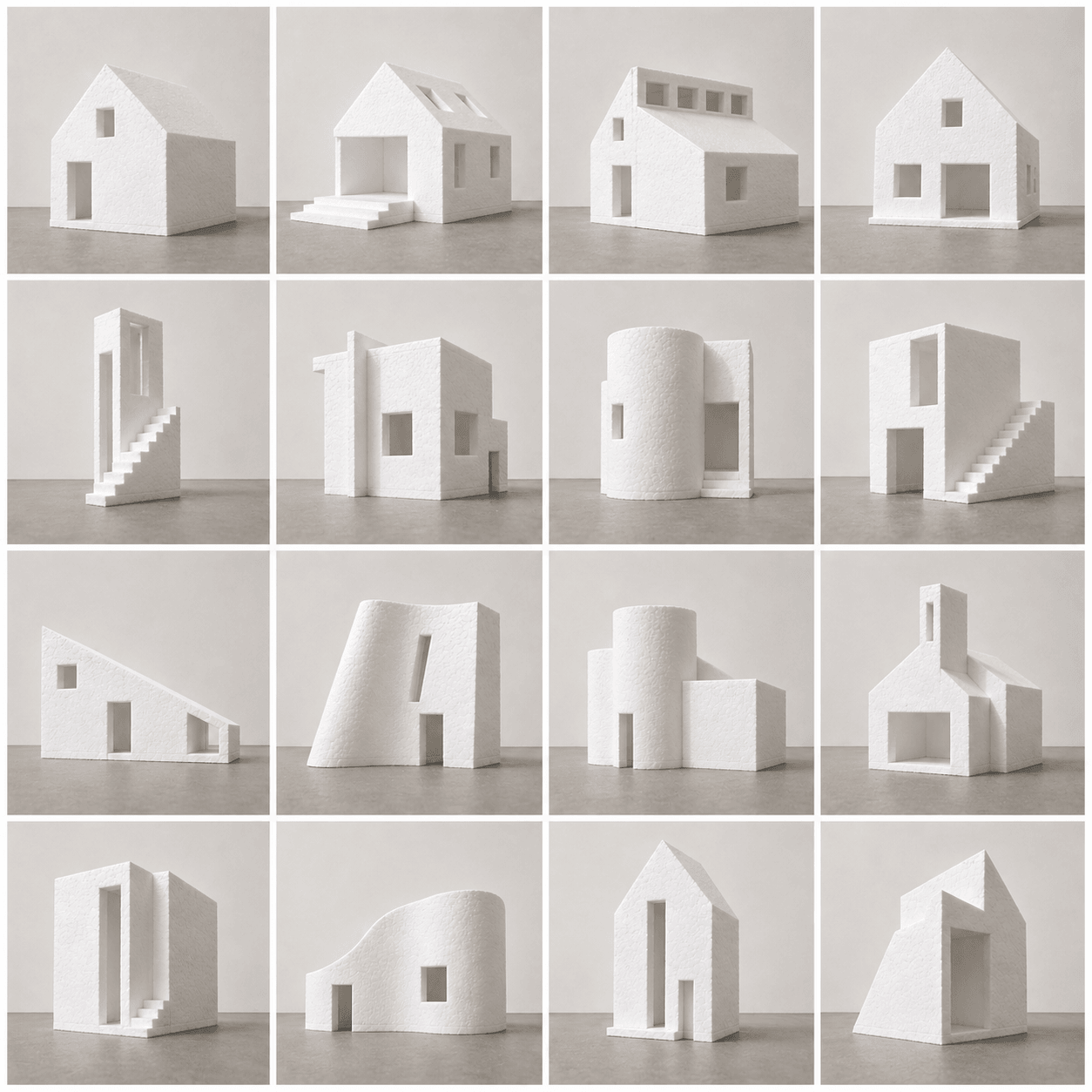
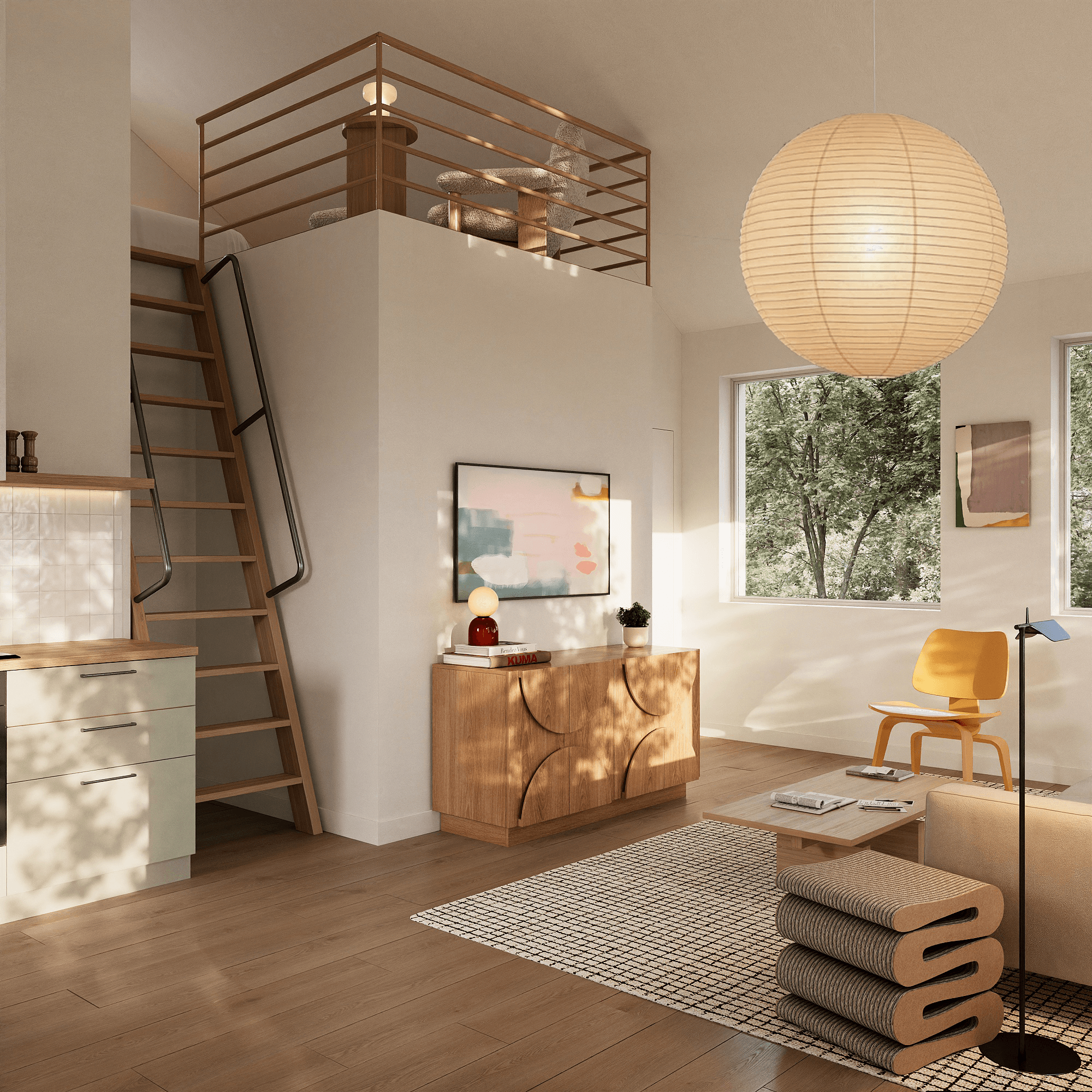
Image Credits
Derek Delahunt, Ed Sozinho, J.R. Coffin