

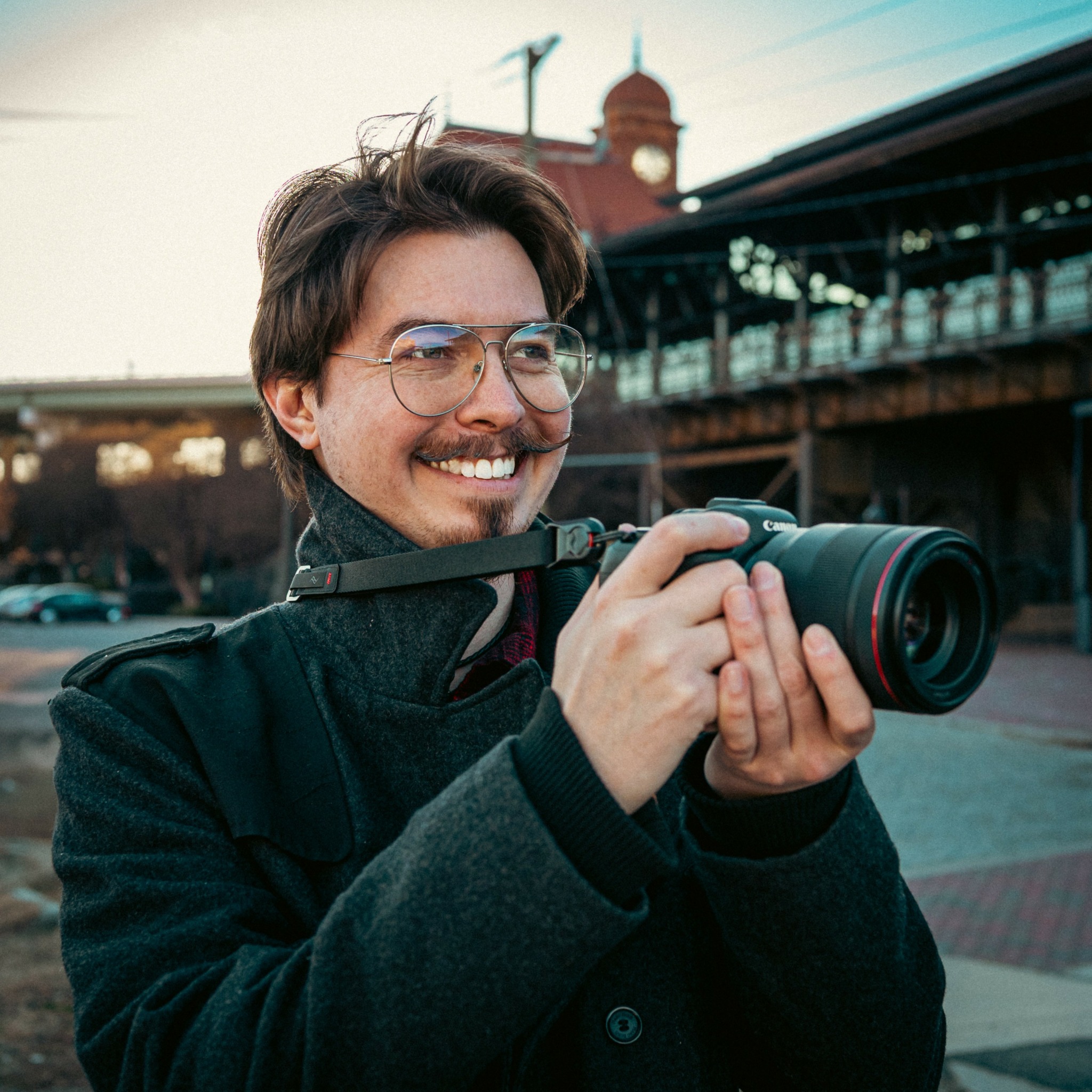

We’re excited to introduce you to the always interesting and insightful J.C.. We hope you’ll enjoy our conversation with J.C. below.
J.C., appreciate you joining us today. Going back to the beginning – how did you come up with the idea in the first place?
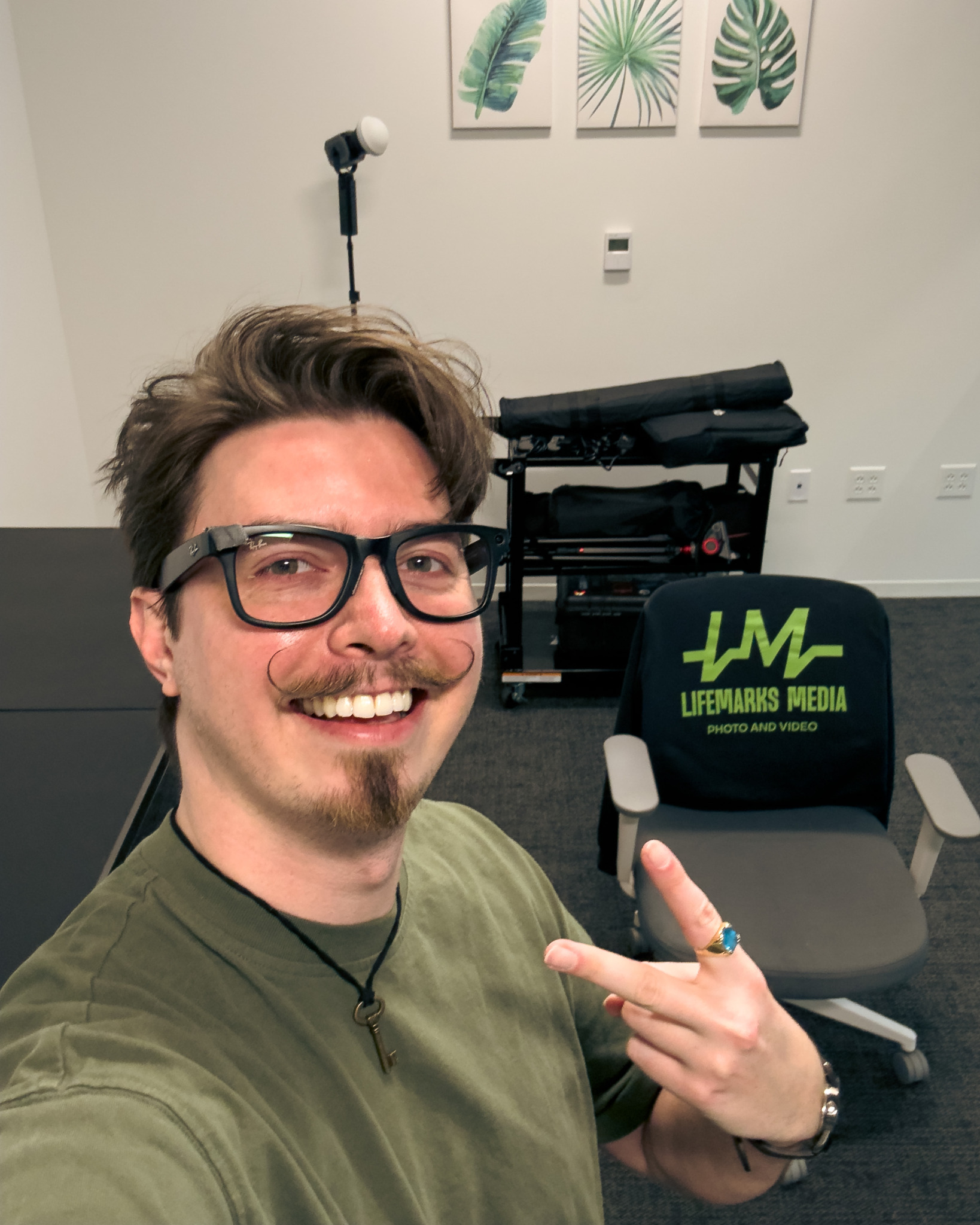
Growing up as a young creative, I always enjoyed coming up with concepts for exploring ideas through any kind of medium. Whether that be poetry, painting, photography; I always felt art was best explored when it had a through line holding it all together. Back in my band days, I wanted to write a collection of songs for an album that reflected the peaks and valleys of one’s life. I began to imagine these points as the lines of an EKG or heart monitor machine. The neon green line reflecting life also illustrated the highs and lows of our existence. As far as a narrative is concerned, I reimagined that same lifeline as a timeline of one’s life. And not unlike our own experiences, we use these highs and lows as landmarks. They show us how far we’ve come and how much more we have left to go to achieve our goals. I renamed these landmarks to LifeMarks, monuments of our experiences. The height of graduating high school or college, the lows of losing a family pet or losing that job, the ecstasy of falling in love, getting married, having kids. These are the moments that I aim to capture and crystallize. Although this idea started as an album concept, the band unfortunately broke apart before the idea could take shape. Nearly ten years later, when I suddenly lost my dream job, I went into survival mode. I questioned everything, my talent, my value, my worth. When the dust settled and I realized, I didn’t actually die, I realized it was time to find another job in my field. There’s not a ton of video agencies in my area. And when it became clear that no one was going to hire me, I decided I needed to hire myself. It just meant that my survival mindset was going to be normal for the foreseeable future. But through that survival, I decided to resurrect the LifeMarks concept for my introduction in the business owning world.
J.C., before we move on to more of these sorts of questions, can you take some time to bring our readers up to speed on you and what you do?
I’m J.C. Cloonan. I’m a filmmaker and photographer based in Virginia, and my work lives at the intersection of story, legacy, and emotional truth.
I didn’t grow up thinking, “I’m going to be a filmmaker.” What I’ve always been drawn to is people. Conversations. The stuff underneath the surface. I’ve always been fascinated by the why behind someone’s life. Why they chose the person they married. Why they stayed. Why they left. What they regret. What they’re proud of. What they want to pass down.
Photography was my entry point. It started with documenting friends and slowly evolved into realizing that images can hold weight. They can freeze something that will never exist in the same way again. From there, film felt like the natural next step because it allows voice, nuance, pauses, breath. It allows someone’s story to live beyond them.
Today, I create legacy films for families and brand story films for businesses. On the family side, I sit down with parents, grandparents, couples, and document their stories in a way that feels honest and human. Not scripted. Not polished to death. Just real. These films become heirlooms. They preserve personality, voice, humor, wisdom. The things that disappear too quickly.
On the business side, I work with founders and companies to clarify who they are and communicate it with emotional depth. A lot of businesses struggle not because they lack skill, but because they lack narrative clarity. I help them articulate their story so their audience feels something instead of just being informed.
The problem I solve is this: most people wait too long to document what matters. They assume they’ll do it “someday.” Or they think their story isn’t important enough. I don’t believe that. I believe ordinary lives are extraordinary when you slow down and actually listen.
What sets me apart is how I approach people. I’m not just there to capture content. I’m there to understand. I ask questions most people don’t ask. I sit in the silence. I’m comfortable when conversations get emotional. That’s usually where the good stuff is. Clients often tell me they feel seen during our sessions. That matters to me more than any camera gear I own.
I’m most proud of the trust people give me. When someone lets you document their marriage, their regrets, their grief, their growth, that’s sacred. I don’t take that lightly.
If there’s one thing I want potential clients or collaborators to know, it’s this: I care deeply about the work. I’m not trying to mass produce content. I’m trying to create something that still feels meaningful ten, twenty, fifty years from now. Whether it’s a legacy film for your kids or a brand story that helps your business grow, the goal is the same. Make something honest. Make something lasting.
At the end of the day, I don’t just make videos. I preserve people.
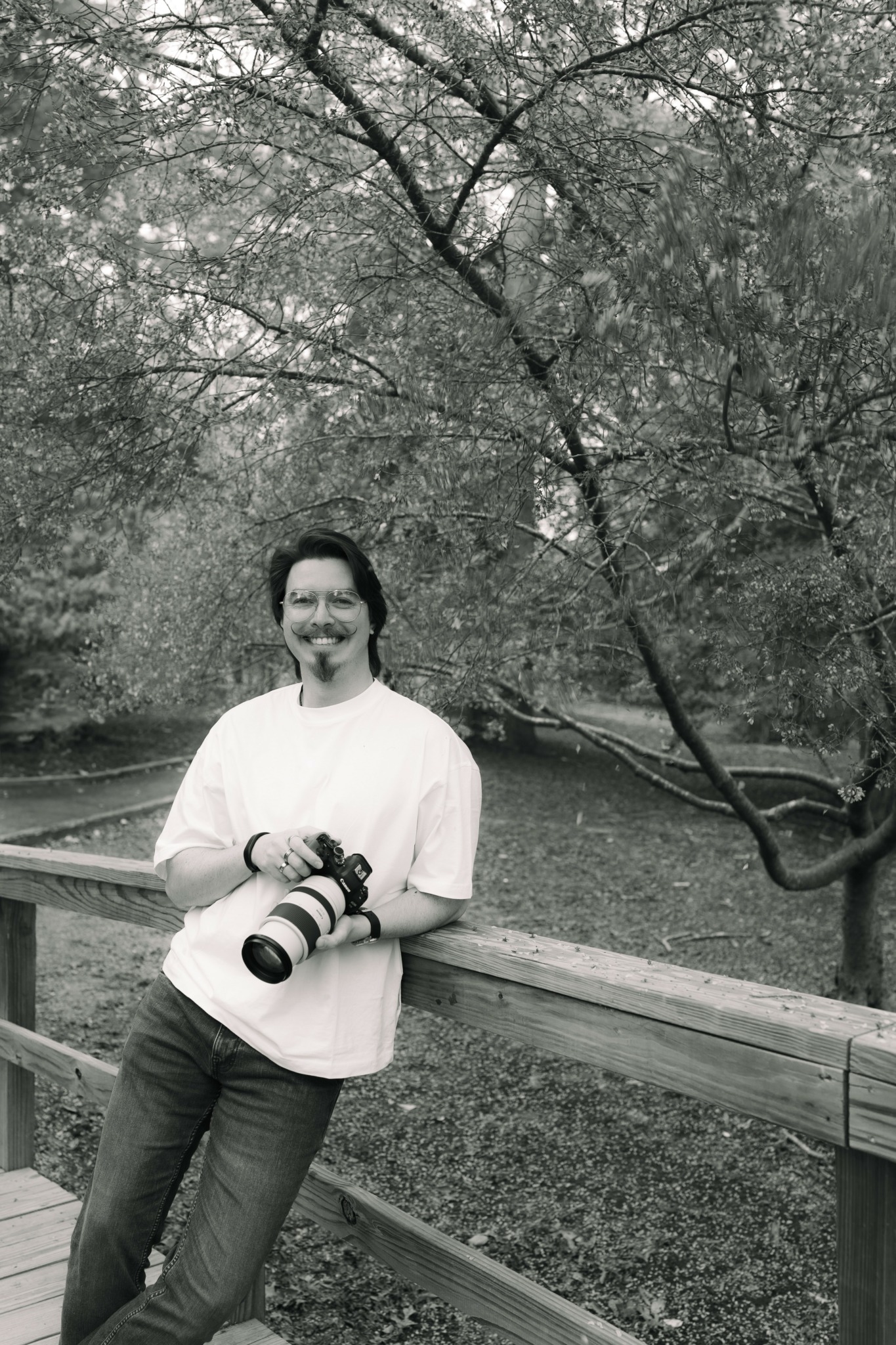
We’d love to hear a story of resilience from your journey.
There was a period in my life where I felt deeply unsteady.
I had tied a lot of my identity to a professional role and to someone else’s belief in me. When that ended abruptly, it wasn’t just the loss of work. It felt like the loss of stability, belonging, and confidence all at once. I remember sitting in my car afterward feeling small. Leaving weeping voicemails to my closest friends. Embarrassed. Questioning whether I had really chosen the correct paths for my professional life.
What made it difficult wasn’t just the external change. It was the internal spiral. The self-doubt. The replaying conversations. The wondering if I had missed something or could have done more.
Resilience, for me, didn’t show up as strength right away. It showed up quietly. It looked like getting up the next morning and realizing that I didn’t die just because I lost my dream job. It looked like picking up my camera even when I didn’t fully trust myself. It looked like deciding to continue even though I most client inquiries were just scams trying to kick me while I was down. It looked like having honest conversations with friends and family instead of pretending I was fine.
Slowly, something shifted. I began to separate my worth from a single opportunity. My first “yes”. I started building work that felt aligned with who I am at my core, not who I thought I needed to be to earn approval.
That season made me more compassionate. It softened me. It helped me understand what it feels like to lose footing and rebuild. Now when I sit across from someone sharing their story, especially the parts that carry regret or grief or transition, I recognize that look in their eyes. I’ve felt it.
Resilience, I’ve learned, is not loud. It’s the quiet decision to keep creating. To keep believing that your story still has weight, even when something falls apart.
That chapter hurt. But it also clarified me; it continues to prepare me for the new challenges that I face each day. And I’m grateful for that.
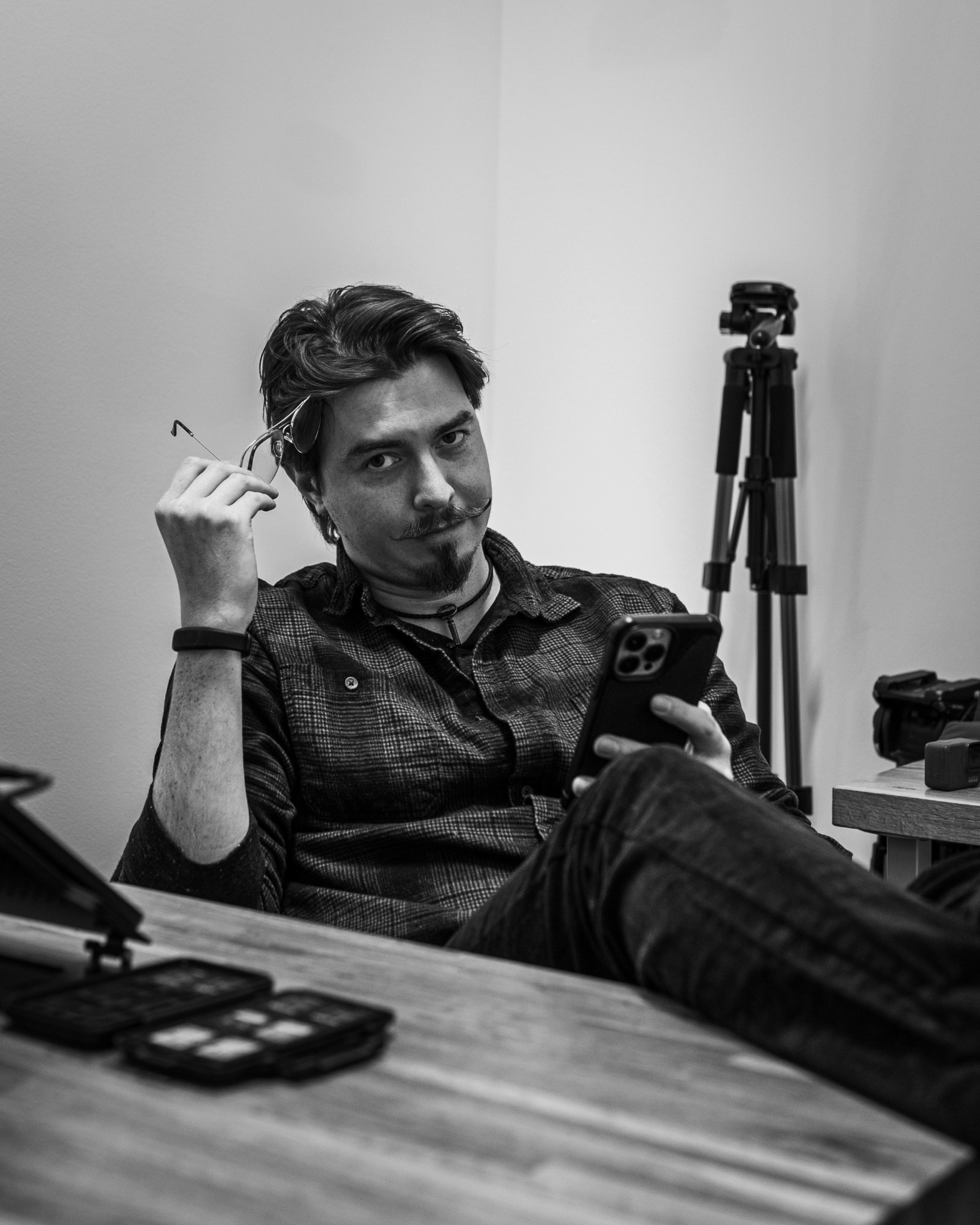
Is there something you think non-creatives will struggle to understand about your journey as a creative?
I think something non-creatives sometimes struggle to understand is how personal this work actually is.
When you’re a creative, especially in storytelling, you’re not just selling a service. You’re offering your perspective. Your instincts. Your taste. Your interpretation of what matters. So when a project doesn’t land, or a proposal gets declined, or someone critiques your work, it can feel less like “the product didn’t fit” and more like “I didn’t fit.”
There’s also this invisible labor that people don’t always see. The mental energy. The emotional presence. The hours spent thinking about someone else’s story long after you’ve left the shoot. Creativity isn’t clock-in, clock-out. It follows you home. It shows up in the shower. It wakes you up at 2 a.m. with an idea you have to write down.
Another thing is the financial unpredictability. Many non-creatives are used to stable paychecks and linear career paths. As a creative entrepreneur, there are seasons of momentum and seasons of quiet. You can pour your heart into something and still not know if it will be received, funded, or understood. That requires a different kind of resilience. You have to believe in the work before anyone else does.
At the same time, I wouldn’t trade it. Being a creative means I get to notice things. I get to sit with people in meaningful moments. I get to help preserve stories that would otherwise fade. That privilege outweighs the uncertainty.
If anything, I’d want non-creatives to understand that when they hire someone like me, they’re not just hiring technical skill. They’re hiring emotional investment. And when they support creative work, they’re often supporting someone who has taken a real personal risk to make something meaningful.
It’s vulnerable work. But it’s also deeply rewarding.
Contact Info:
- Website: https://www.lifemarksmedia.com
- Instagram: @lifemarksmedia, @j.c.cloonan
- Facebook: LifeMarks Media
- Linkedin: www.linkedin.com/in/ jc-cloonan-457a42290
- Youtube: LifeMarks Media
- Yelp: LifeMarks Media
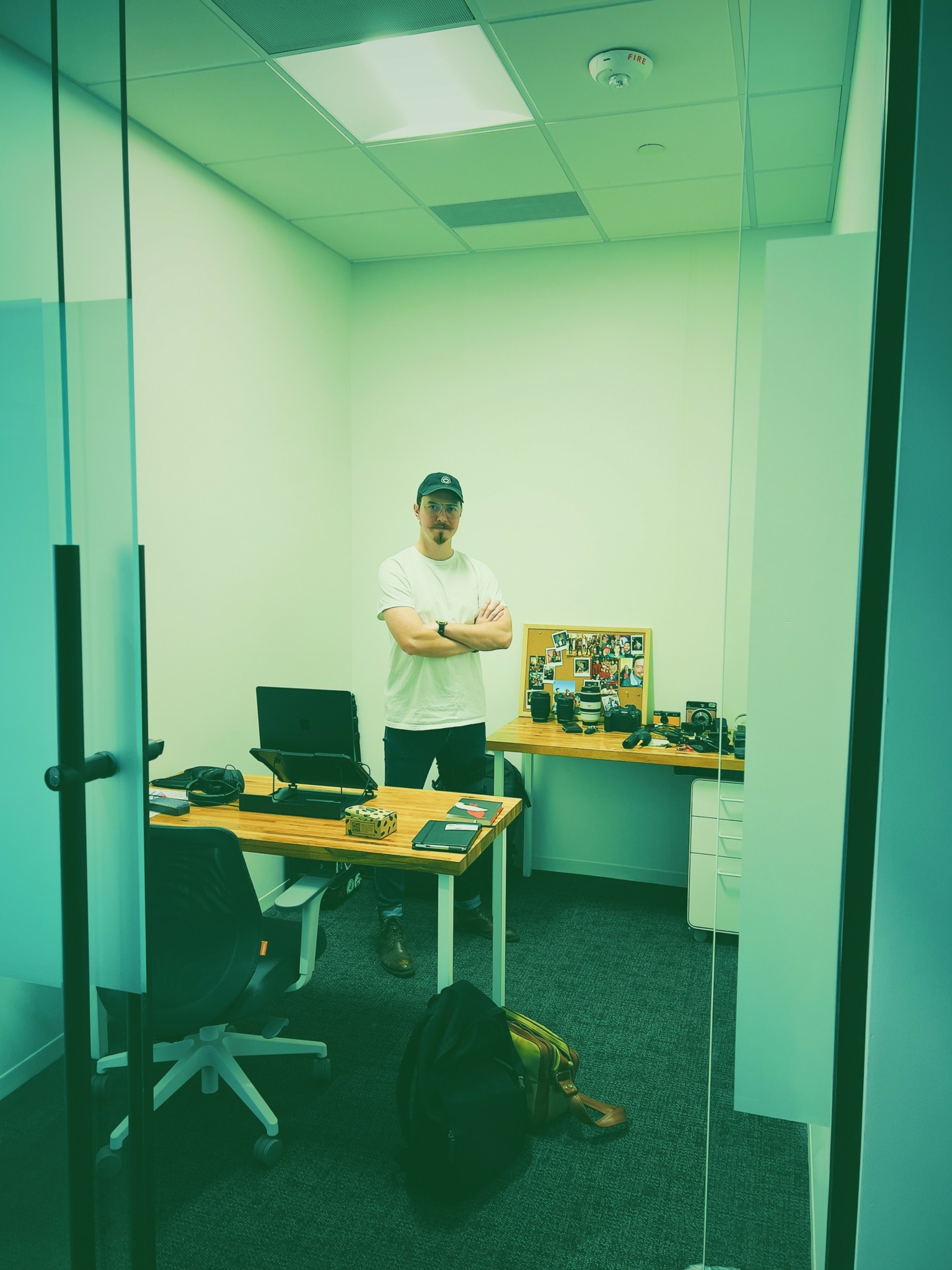
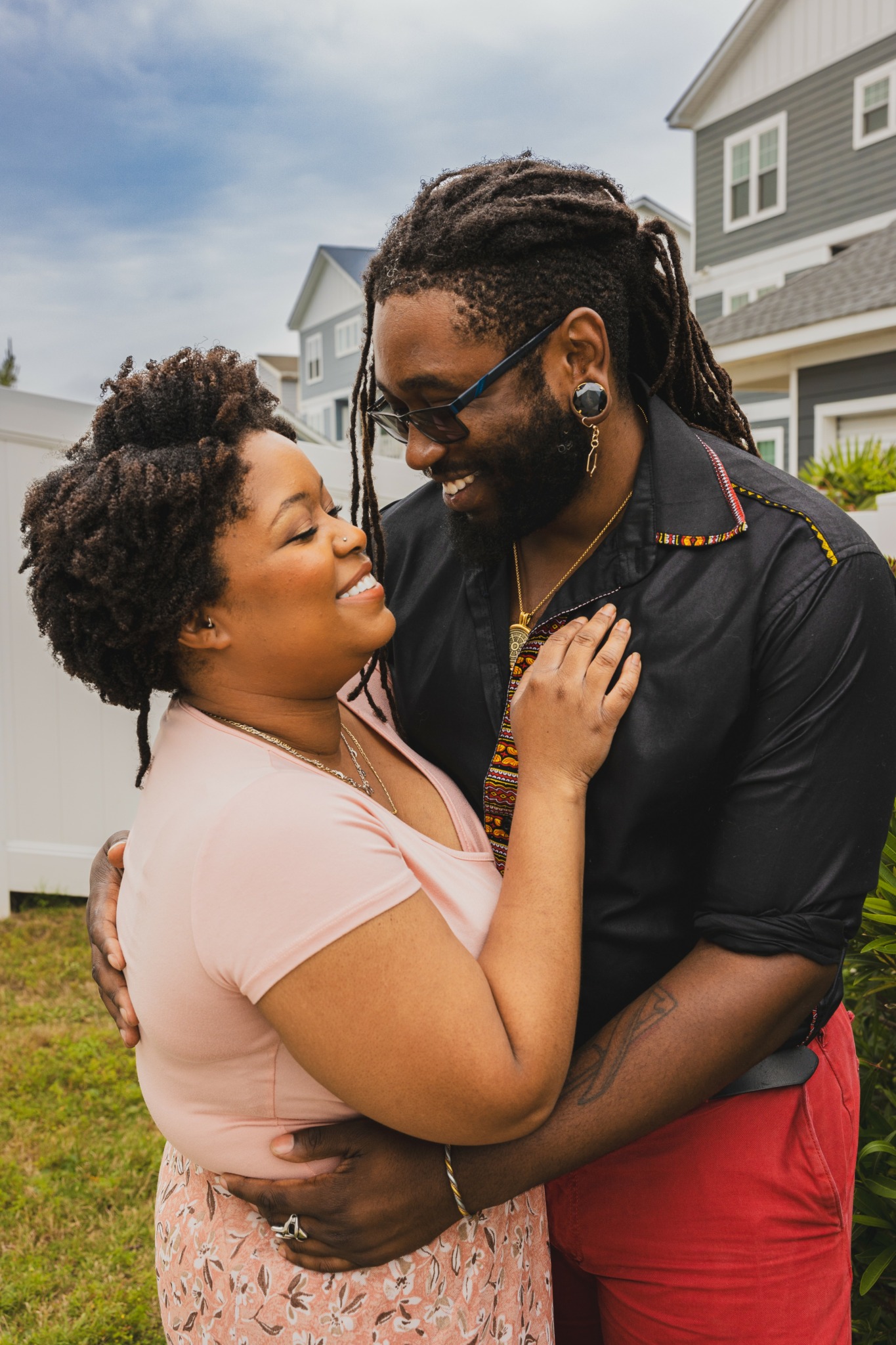
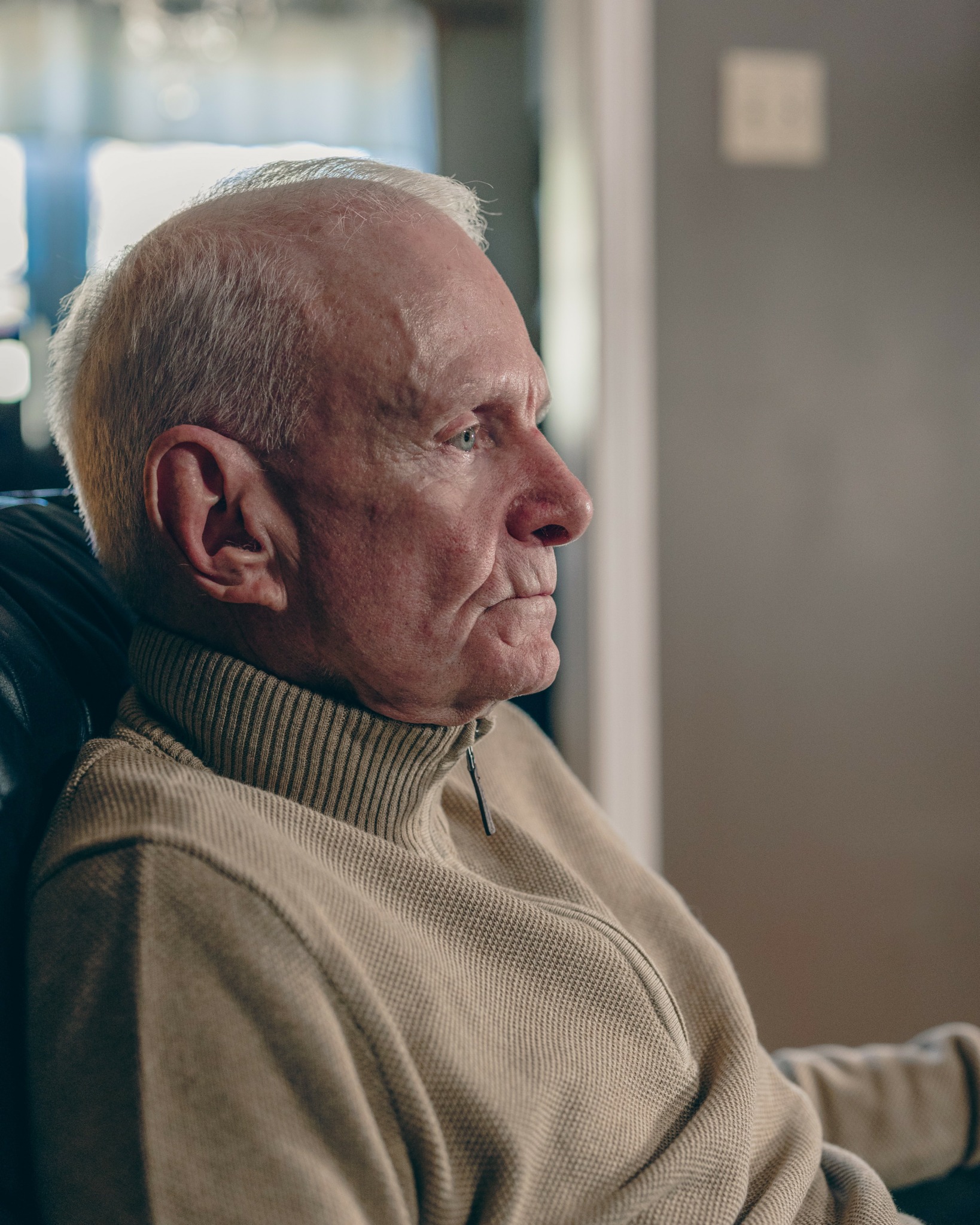
Image Credits
J.C. Cloonan, LifeMarks Media