

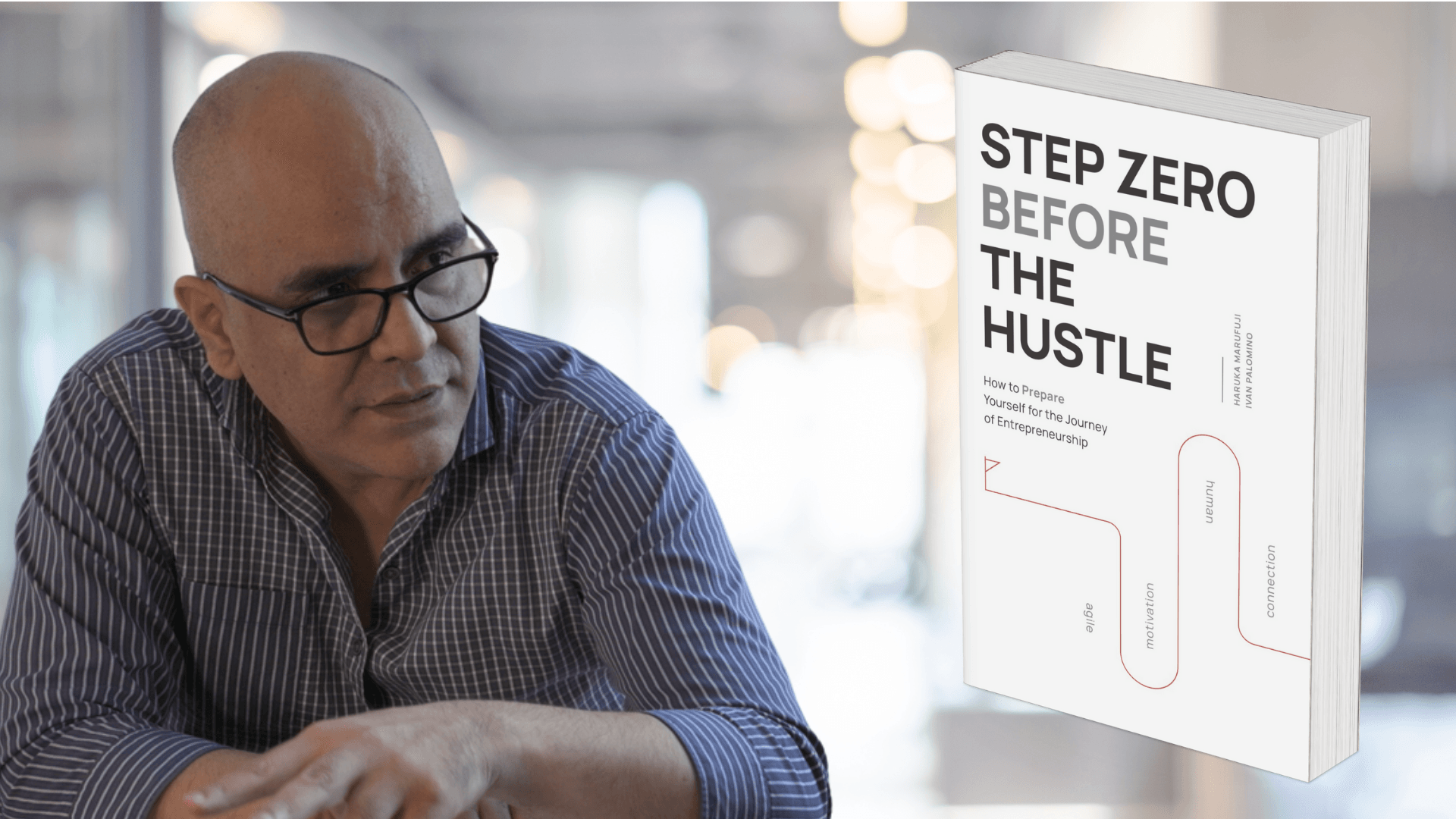

We recently connected with Ivan Palomino and have shared our conversation below.
Ivan, looking forward to hearing all of your stories today. Looking back, do you think you started your business at the right time? Do you wish you had started sooner or later
I think about this a lot. I spent nearly two decades in the corporate world, mostly in strategy and innovation. During those 18 years, I noticed a painful, recurring pattern: great strategies didn’t fail because the ideas were bad; they failed because of ‘human friction.’
Even though I saw this happening every day, I stayed. I felt unheard, and I saw the people around me feeling the same way. Looking back, a part of me definitely wishes I’d started sooner. I felt a deep calling to help people live better working lives, but I was held back by what I call the ‘prison of my own mind’—that nagging fear that I wasn’t ‘ready’ or ‘equipped’ enough to go solo.
The turning point wasn’t a sudden burst of courage; it was hitting a wall. I felt trapped in a life that had lost its joy. That’s when I realized that to solve this ‘human project,’ I needed to combine the two tools I loved most: psychology and technology.
Would I change the timing? It’s a double-edged sword. If I’d started sooner, I might not have felt the deep corporate ‘pain’ that allows me to empathize so closely with my clients today. But if I’d waited any longer, I might have lost my spark entirely. I started exactly when my desire for impact finally became louder than my fear of instability. My advice? Don’t wait until you feel ‘ready.’ Wait until your purpose becomes non-negotiable.
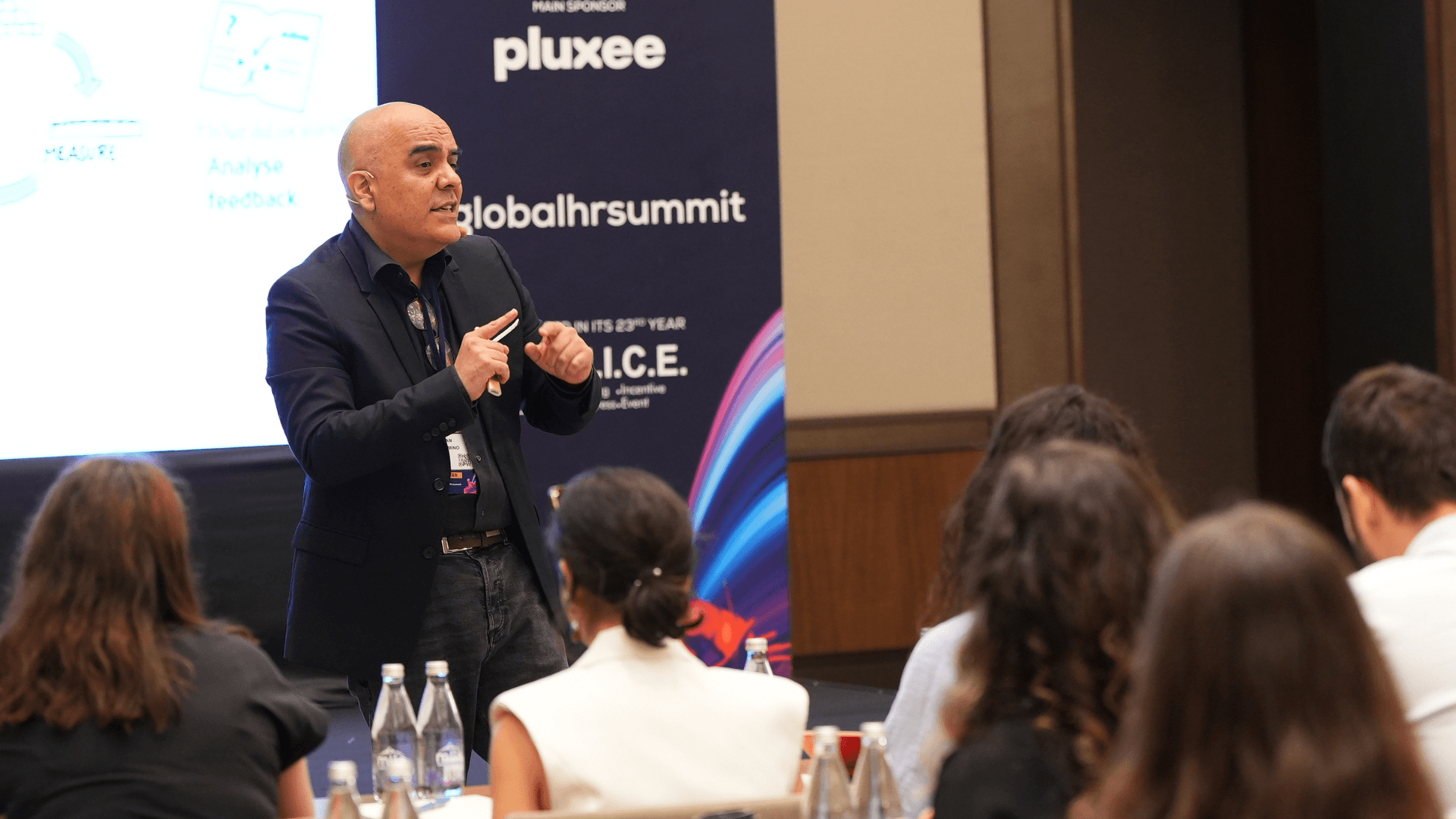
Ivan, before we move on to more of these sorts of questions, can you take some time to bring our readers up to speed on you and what you do?
I’ve always been incredibly curious—the kind of person who sees a messy, complex problem and can’t help but try to take it apart and fix it. That curiosity is exactly what led me to behavioral science. To put it simply, behavioral science is the study of why we do what we do. It looks at the invisible ‘bugs’ in our internal software—our biases, our habits, and our environments—that stop us from being as productive or as happy as we want to be.
For nearly 20 years in the corporate world, I watched a recurring problem that drove me crazy: companies would spend millions on ‘culture change,’ but all they’d have to show for it were some nice posters on the wall and a few workshops. Nothing actually changed on Monday morning. I saw a massive gap between what companies wanted (motivated, high-performing teams) and the outdated methods they were using to get there.
I founded PeopleKult because I wanted to stop guessing and start treating culture as a science. I use neuroscience to identify ‘micro-habits’—the tiny, daily actions that actually rewire a brain and a team’s energy. I’ve even built a technology-driven platform that helps scale this. Instead of just talking about abstract ideas like ‘trust,’ I use tech to help employees practice the specific actions that build it, and I use data to monitor that change in real-time. I have a personal rule: if I can’t measure the impact, I won’t implement it.
My obsession with these mental routines is also why I wrote my book, Step Zero Before the Hustle. I wanted to help aspiring entrepreneurs understand that success isn’t just about the ‘grind’; it’s about the specific routines and mindset shifts you need to adopt before you even launch.
At the end of the day, what I’m most proud of isn’t just improving ‘business results.’ It’s about the person behind the desk. We spend 8 to 10 hours a day at work, and that experience follows us home. My mission is to make work culture so healthy and human-centric that when you leave the office, you actually have more energy left for your family, your kids, and your community—not less.
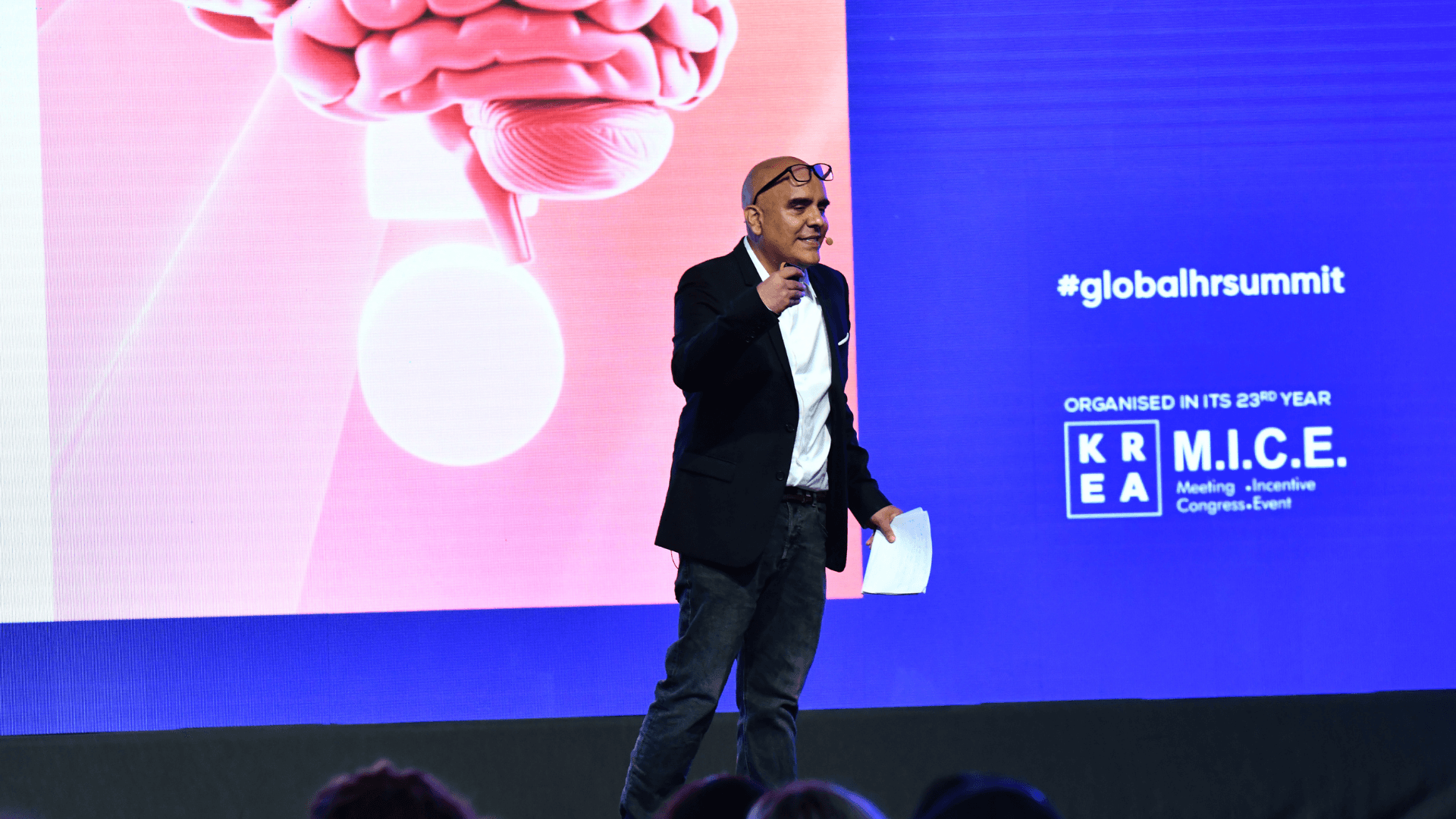
What’s a lesson you had to unlearn and what’s the backstory?
If I’m being honest, the hardest thing I ever had to unlearn was the idea that stability equals safety. I grew up in an environment where money was a constant struggle. Because of that, my brain was basically ‘programmed’ from childhood to believe that a steady paycheck and a predictable career path were the only ways to survive. For a long time, I lived by that rule. I stayed in the corporate world for 18 years because I was convinced that my value as a human was tied to my title at a Fortune 500 company.
When I decided to become an entrepreneur, that belief system completely crumbled. I realized that the ‘safety’ I had been clinging to was actually a cage that kept me from growing.
In my book, Step Zero Before the Hustle, I talk about this journey as a process of ‘rewiring’ my own mind. I had to unlearn some very deep-seated habits. For example, in the corporate world, you’re taught to wait for 100% certainty before you act. But in entrepreneurship, if you wait for 100% certainty, you’re already too late. I had to learn to trade perfection for speed.
The biggest shift was learning to ‘fall in love with the problem, not the solution.’ I had to stop seeing failure as a catastrophe and start seeing it as just another piece of data I needed to succeed. My book is essentially a roadmap of all those mental traps I had to escape to finally become the person I was meant to be. It turns out, real safety doesn’t come from a stable job—it comes from having the mental tools to handle an unstable world.
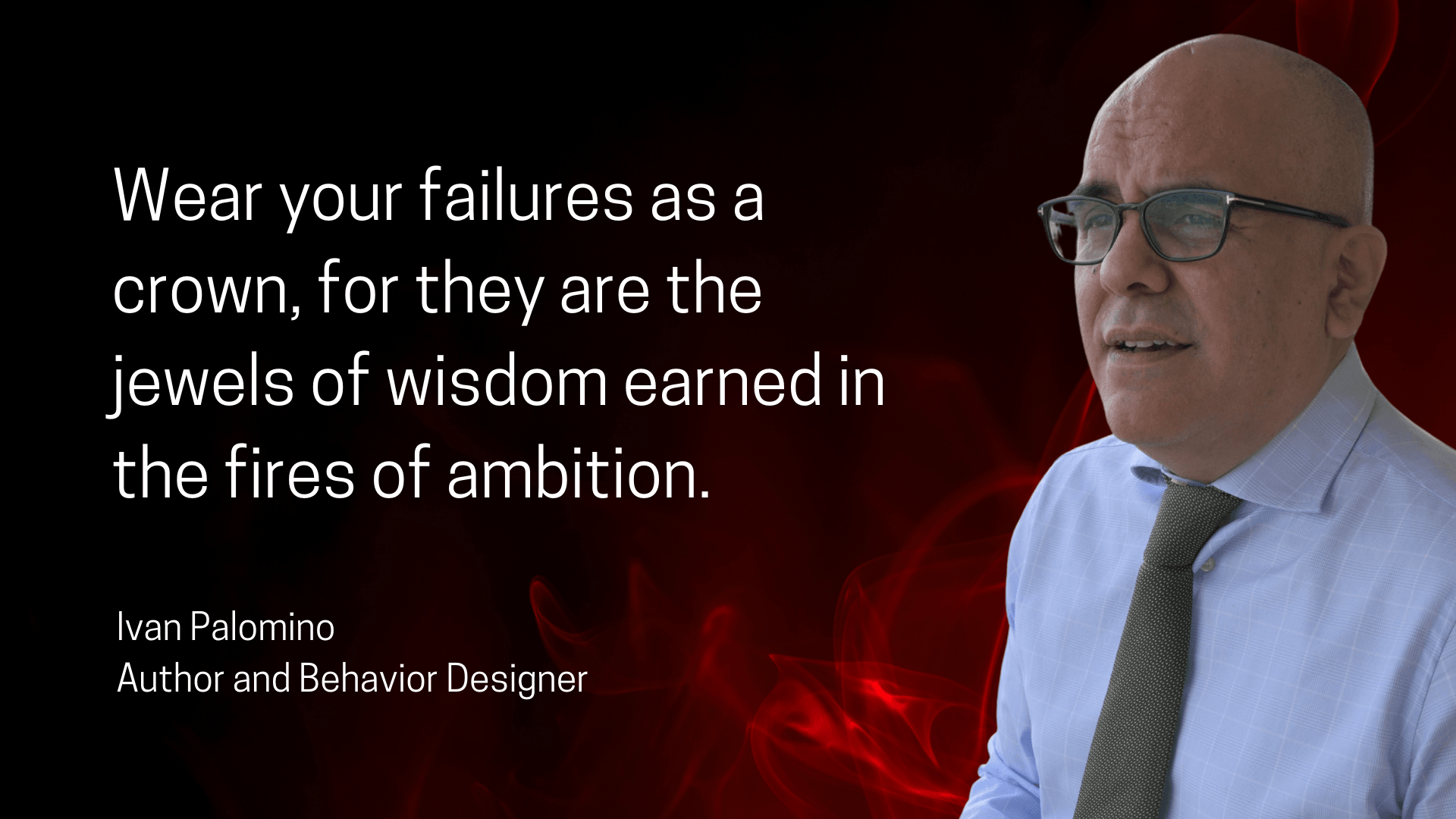
How do you keep your team’s morale high?
If there is one thing I’ve learned, it’s that high morale has almost nothing to do with ‘perks’ like free snacks or team building activities. It has everything to do with behavioral science—the study of how our environment and our interactions actually change our brain chemistry.
In my experience, great leadership starts with a ‘party of one’: Self-awareness. Before I can hope to lead a team, I have to understand my own internal state. Why? Because stress is contagious. When a leader is anxious or lacks awareness of their impact, they unintentionally trigger the ‘survival brain’ in their employees.
When the brain is in survival mode, it’s focused on protection, not innovation. Morale and creativity vanish the second a person feels threatened or uncertain.
Here is the personal ‘playbook’ I recommend to any leader:
Kill the Ambiguity: Our brains actually find uncertainty physically painful—it’s processed in the same way as physical pain. To keep morale high, I make it a point to be radically clear. Clarity is the highest form of psychological safety. If your team knows the ‘why’ and the ‘how,’ their brains can stop worrying and start creating.
Encourage ‘Helping’ as a Metric: Science shows that when we help others, our brains release oxytocin, the ‘trust hormone.’ I try to foster a culture where supporting a colleague is celebrated more than a solo ‘win.’ This shifts the team from a competitive mindset to a collaborative one.
Close the ‘Intention-Action’ Gap: I’ve seen so many leaders who have golden intentions but terrible habits. Your team doesn’t experience your intentions; they only experience your actions. I always advise leaders to pick one ‘micro-behavior’—for example, making it a habit to ask for a dissenting opinion in every meeting—and practice it until it’s automatic.
At the end of the day, high morale isn’t something a leader ‘gives’ to a team. It’s the natural result of an environment where people feel safe, seen, and—most importantly—allowed to be simply human.
Contact Info:
- Website: https://www.ivanpalomino.net/
- Instagram: https://www.instagram.com/ivanpalomino.official/
- Linkedin: https://www.linkedin.com/in/ipalomino/
- Twitter: https://twitter.com/ivanpalomino_
- Youtube: https://www.youtube.com/@growthhackingculture
- Other: My podcast: https://open.spotify.com/show/6zmdPIAQ677UGvCXlMRVYd
My book Step Zero Before the Hustle: https://a.co/d/02xP20r1
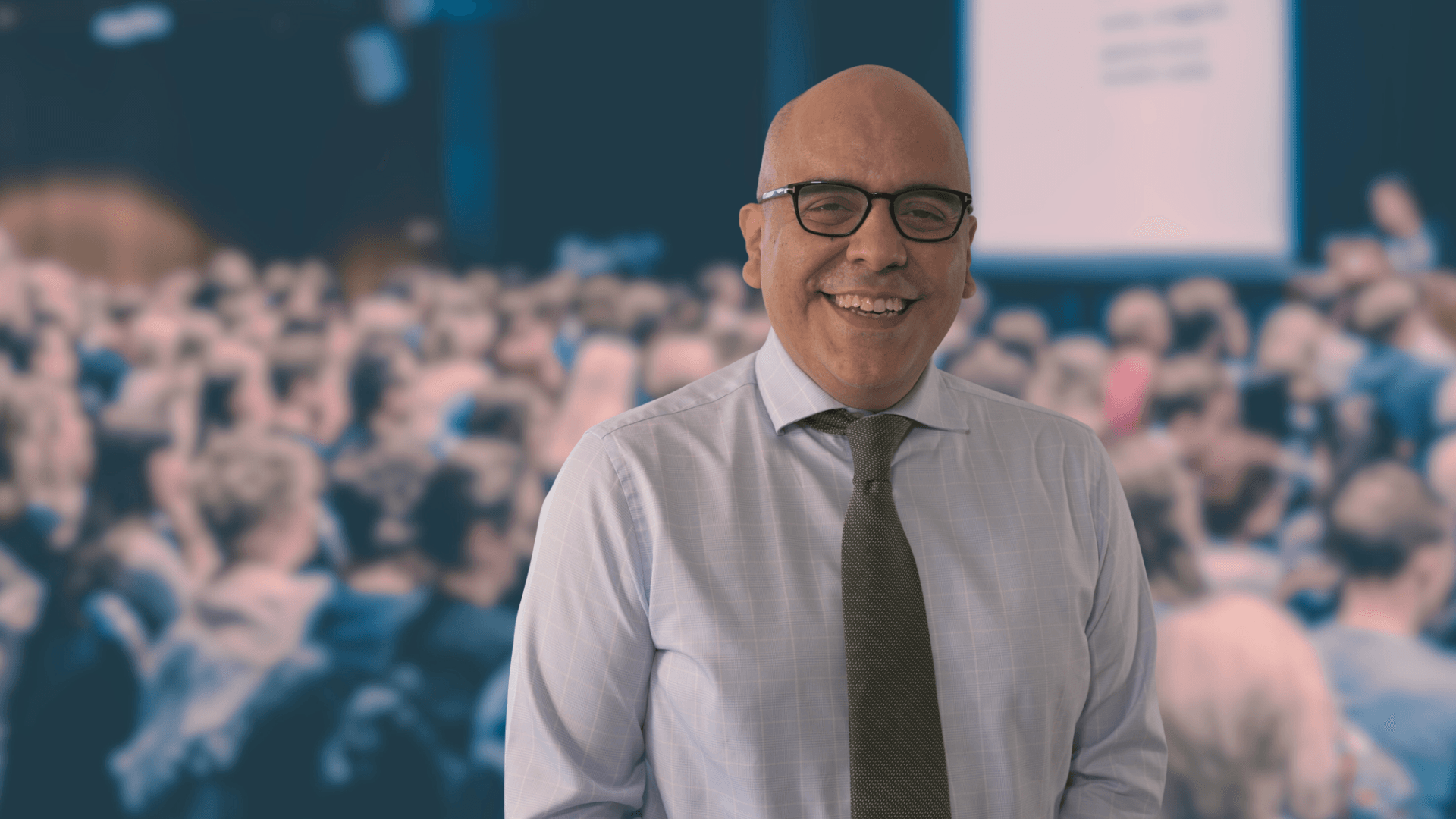
Image Credits
Ivan Palomino / HR Summit