

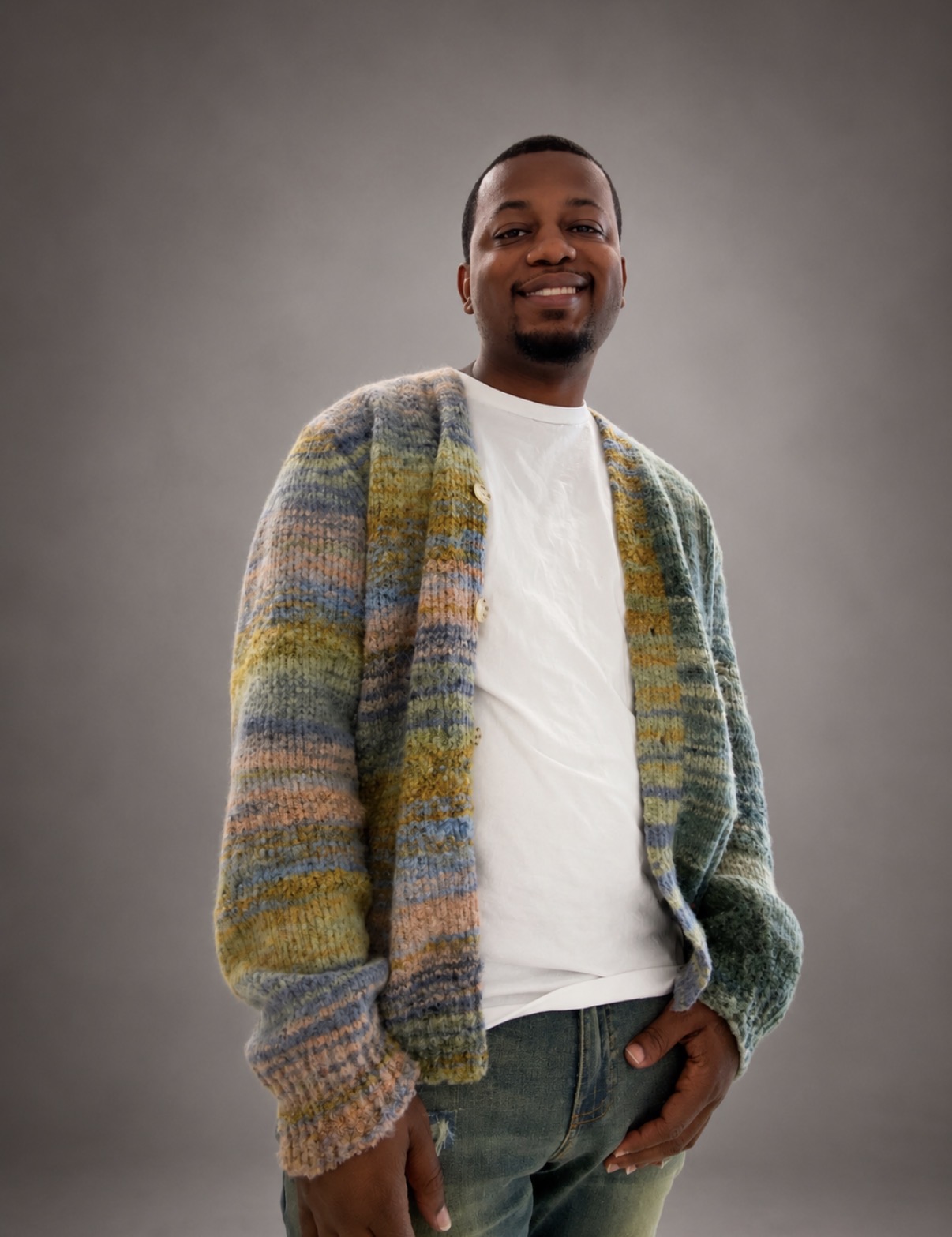

We caught up with the brilliant and insightful Irwin Rogers a few weeks ago and have shared our conversation below.
Irwin, thanks for taking the time to share your stories with us today One of the toughest things about progressing in your career is that there are almost always unexpected problems that come up – problems that you often can’t read about in advance, can’t prepare for, etc. Have you had such and experience and if so, can you tell us the story of one of those unexpected problems you’ve encountered?
One of the most unexpected problems I faced in my professional career was realizing that strong lesson planning alone was not enough to guarantee student success. Early in my teaching journey, I believed that if I created an engaging lesson, prepared clear materials, and delivered the content with energy, students would naturally meet the objective. However, I quickly learned that many students were facing barriers that were not immediately visible, including reading gaps, language needs, inconsistent attendance, trauma, and low confidence in their academic abilities.
The backstory that stands out most happened while teaching 9th grade World History. I had planned what I believed was a strong document-based lesson. The sources were aligned to the standard, the questions were rigorous, and the class discussion was meaningful. During the lesson, several students could verbally explain the historical concept, but when it was time to write, many struggled to organize their ideas or use evidence. In that moment, it felt frustrating and humbling because I realized the issue was not student effort. The issue was access. I had prepared the content, but I had not fully prepared the pathway for every student to demonstrate understanding.
To resolve the issue, I redesigned the lesson using stronger scaffolds. I created modified texts, vocabulary previews, sentence starters, graphic organizers, and structured writing frames using RACE and CER. I also began using student data more intentionally, including IEP goals, reading levels, exit tickets, and classwork trends, to plan supports before students struggled. Over time, students who were once hesitant to write became more willing to attempt evidence-based responses. Their writing improved because the expectations became clearer and the process became more manageable.
That experience changed my approach to teaching and leadership. It taught me that unexpected problems often reveal the gap between intention and impact. My responsibility is not only to care deeply or plan well, but also to build systems that make success possible for students with different needs. I resolved that issue by becoming more reflective, more data-driven, and more intentional about designing instruction that removes barriers rather than simply identifying them.
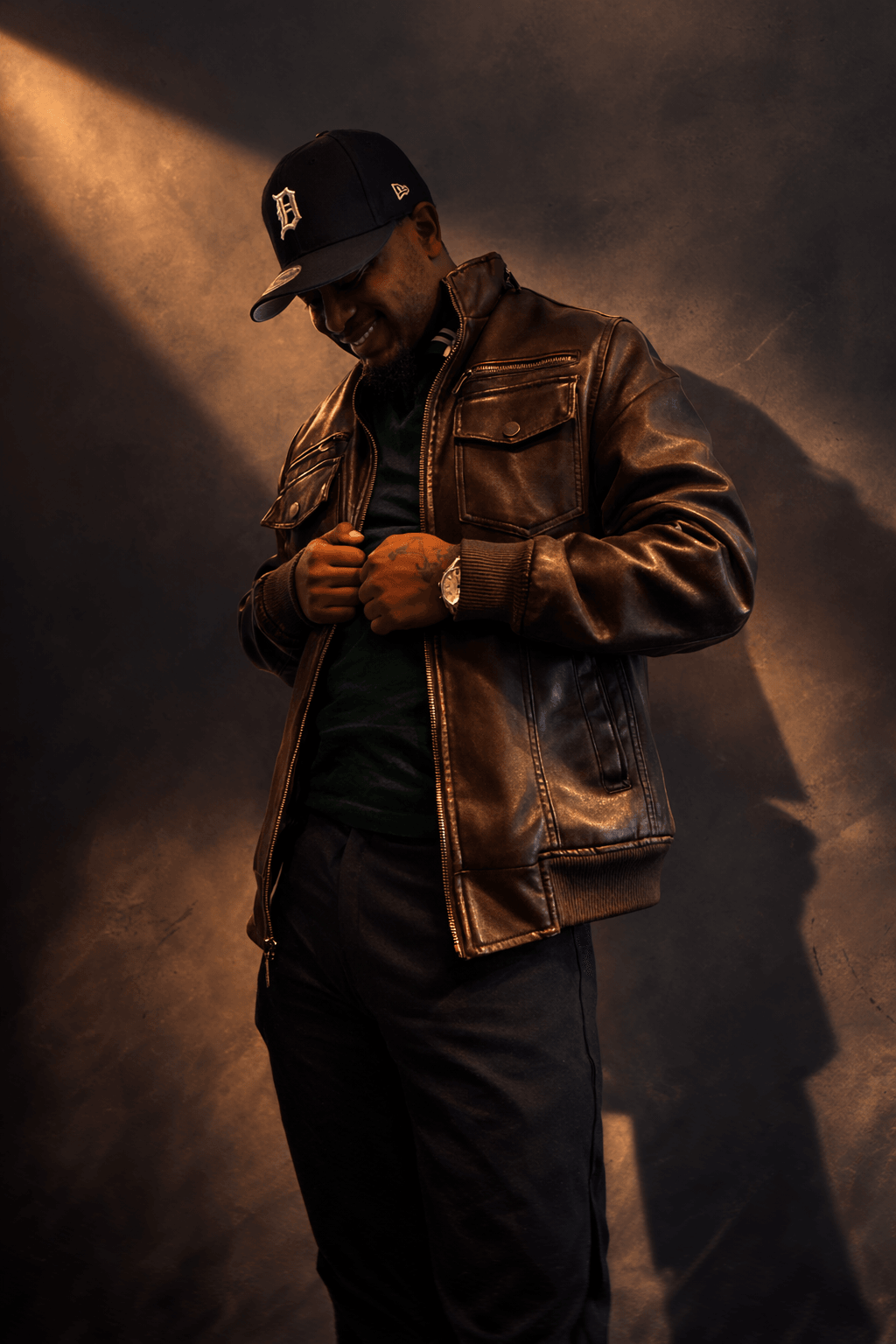
Irwin, before we move on to more of these sorts of questions, can you take some time to bring our readers up to speed on you and what you do?
I am an educator, instructional designer, special education practitioner, media educator, and emerging education-technology creator based in Washington, D.C. At the core of my work is a simple belief: students deserve learning experiences that are rigorous, culturally relevant, accessible, and joyful. I have built my career around helping young people see themselves as thinkers, creators, historians, storytellers, and leaders.
I entered education through a deep love for history, storytelling, and community. Before I became a teacher, I was always drawn to the way stories shape how people understand themselves and the world around them. History, in particular, gave me language for identity, struggle, power, resilience, and change. That passion eventually led me into the classroom, where I began teaching high school World History and later expanded my work into Broadcast Journalism, special education, curriculum development, student culture, and teacher leadership.
My journey has not been linear, but it has been deeply purposeful. I began as a classroom teacher and quickly realized that teaching was not just about delivering content. It was about designing access. It was about understanding why a student may be able to explain an idea verbally but struggle to write it. It was about recognizing that attendance, confidence, disability, language development, family circumstances, and school culture all affect learning. That realization pushed me to grow beyond traditional teaching. I became invested in special education, multilingual learner support, instructional coaching, AI integration, and systems that help both students and teachers thrive.
Professionally, I provide a range of education-centered products, services, and creative work. I design curriculum, instructional resources, professional development sessions, classroom tools, student media projects, and AI-supported education systems. My work often sits at the intersection of teaching, technology, accessibility, and storytelling. I create resources that help teachers plan more effectively, support students with IEPs, differentiate instruction, monitor progress, and use AI responsibly without losing the human element of education.
One of the problems I solve is helping educators turn big ideas into practical classroom systems. Many teachers know what they want students to achieve, but they need support building the scaffolds, routines, assessments, and tools that make those outcomes possible. I help translate complex instructional goals into usable materials, such as lesson plans, modified texts, writing frames, rubrics, progress-monitoring tools, student-facing activities, and professional learning resources.
Another major problem I focus on is access. Too often, students with disabilities, multilingual learners, and students who have experienced academic frustration are expected to meet rigorous standards without being given a clear pathway to get there. My work challenges that. Whether I am designing a World History DBQ, a special education progress report system, or an AI tool for teachers, I am always asking: Who might be left out of this experience, and what can be built to bring them in?
My work in Broadcast Journalism is also an important part of my identity. I teach students how to use media to tell stories, ask questions, build confidence, and participate in their school community. Through student broadcasts, interviews, debates, sports recaps, teacher spotlights, and creative media projects, I help students develop communication skills that extend beyond the classroom. I believe student voice is not an extra part of school culture. It is one of the strongest indicators of whether students feel ownership in their learning environment.
What sets me apart is that I do not approach education from only one lens. I bring together the perspective of a classroom teacher, special educator, curriculum designer, media creator, AI practitioner, and school leader. I understand the daily realities of teaching, including the pressure, the paperwork, the data, the emotional labor, and the need to make learning meaningful in real time. I also understand how to build tools and systems that reduce friction for educators while improving outcomes for students.
I am especially proud of the way I have used innovation without losing sight of people. In my classroom and professional work, AI is not about replacing teachers or shortcuts. It is about expanding capacity. I use AI to support lesson planning, differentiation, student feedback, progress monitoring, curriculum design, and teacher sustainability. My goal is to help educators use technology in ways that are ethical, practical, and centered on student dignity.
I am also proud of the student-facing systems I have helped build. From developing a 9th-grade identity and culture framework, to creating student broadcast opportunities, to supporting special education progress monitoring, I have tried to create systems that help students feel seen and supported. Some of my proudest moments are not only test-score related. They are moments when a student who rarely spoke on camera agrees to anchor a segment, when a student with writing challenges completes a strong paragraph using evidence, or when a student begins to see school as a place where their voice matters.
My brand is rooted in access, innovation, culture, and storytelling. I want people to know that my work is not about making education look impressive on paper. It is about making education work better for real students and real teachers. I care about building resources that are useful, human-centered, and grounded in the actual conditions educators face.
For potential clients, collaborators, followers, or supporters, I want them to know that I bring both creativity and execution. I can dream big, but I also know how to build the template, write the lesson, design the rubric, facilitate the training, analyze the data, and revise the system. I care about ideas, but I care even more about implementation.
At this stage in my career, I see my work expanding into a broader platform for educator support, AI-powered instructional tools, professional development, special education resources, student media, and culturally responsive curriculum. I want to continue creating products and experiences that help teachers save time, improve access, and bring more joy and clarity into their classrooms.
Ultimately, my work is about helping people tell better stories about what is possible in education. I want students to see themselves as capable. I want teachers to feel supported rather than overwhelmed. I want schools to use innovation in ways that deepen equity rather than widen gaps. That is the heart of my brand, my practice, and my purpose.
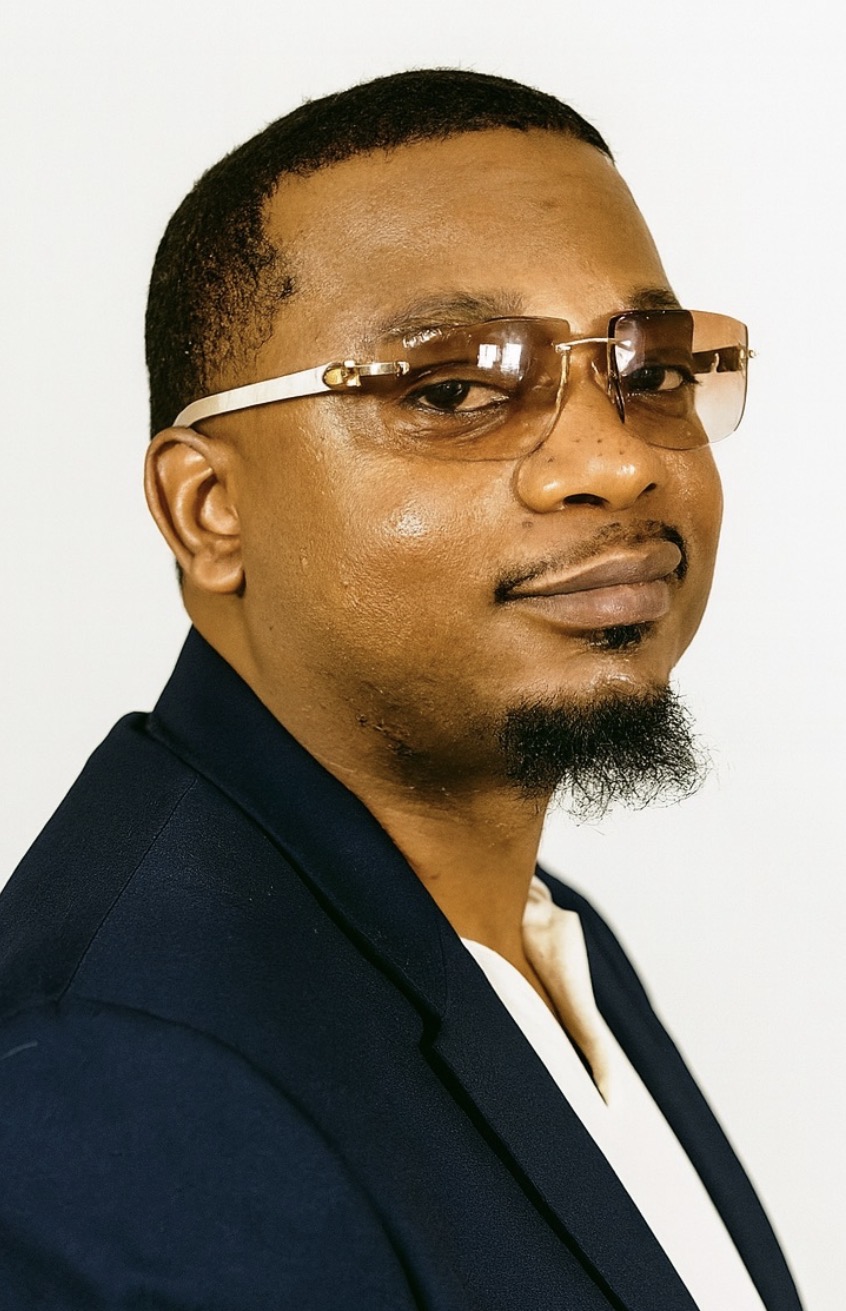
We often hear about learning lessons – but just as important is unlearning lessons. Have you ever had to unlearn a lesson?
A lesson I had to unlearn was the belief that being effective meant being able to carry everything myself.
Early in my career, I thought strong educators were the ones who could handle every challenge, solve every problem, and absorb every responsibility without showing strain. I took pride in being dependable. If students needed extra support, I found a way. If a lesson needed to be modified, I stayed late. If a student needed a check-in, a parent needed a call, a colleague needed help, or a school initiative needed someone to step up, I often said yes. At the time, I saw that as commitment.
The backstory is that I entered education with a deep sense of purpose. I wanted to be the kind of teacher I knew students deserved: present, creative, consistent, and willing to go beyond the minimum. As I grew into more responsibilities, including teaching World History, supporting students with IEPs, leading student media work, contributing to school culture, and helping build systems for students and teachers, I began to treat every need as urgent and every gap as something I personally had to fill.
For a while, that mindset helped me grow. It made me resourceful. It pushed me to learn special education practices, curriculum design, AI tools, progress monitoring, and student engagement strategies. However, it also created an unhealthy assumption that impact required exhaustion. I was solving problems, but I was also building systems that depended too much on my personal capacity.
The moment I began to unlearn that lesson came when I realized that sustainability is also a form of leadership. If a system only works because one person is sacrificing their time, energy, and well-being, then it is not truly a strong system. It may be admirable in the moment, but it is not scalable. I had to accept that being committed does not mean being overextended. It means building structures, routines, and tools that allow the work to continue with clarity, consistency, and shared ownership.
That lesson changed how I approach my work. Now, I try to think less like someone who is simply responding to problems and more like someone who is designing solutions. Instead of just creating one modified lesson for one moment, I think about how to build templates other teachers can use. Instead of only helping one student complete one assignment, I think about what scaffold or routine would help that student become more independent over time. Instead of taking pride in doing everything alone, I take pride in building something that others can understand, use, and improve.
Unlearning that lesson also made me a better advocate for students and teachers. In education, burnout is often disguised as dedication. I had to learn that the goal is not to prove how much I can carry. The goal is to create conditions where students are supported, teachers are sustained, and good ideas can last beyond one person’s effort.
That is a lesson I am still practicing. I remain deeply committed to the work, but I no longer believe that commitment has to look like constant sacrifice. Sometimes the strongest thing a leader can do is build a system that gives other people access, clarity, and room to lead alongside them.
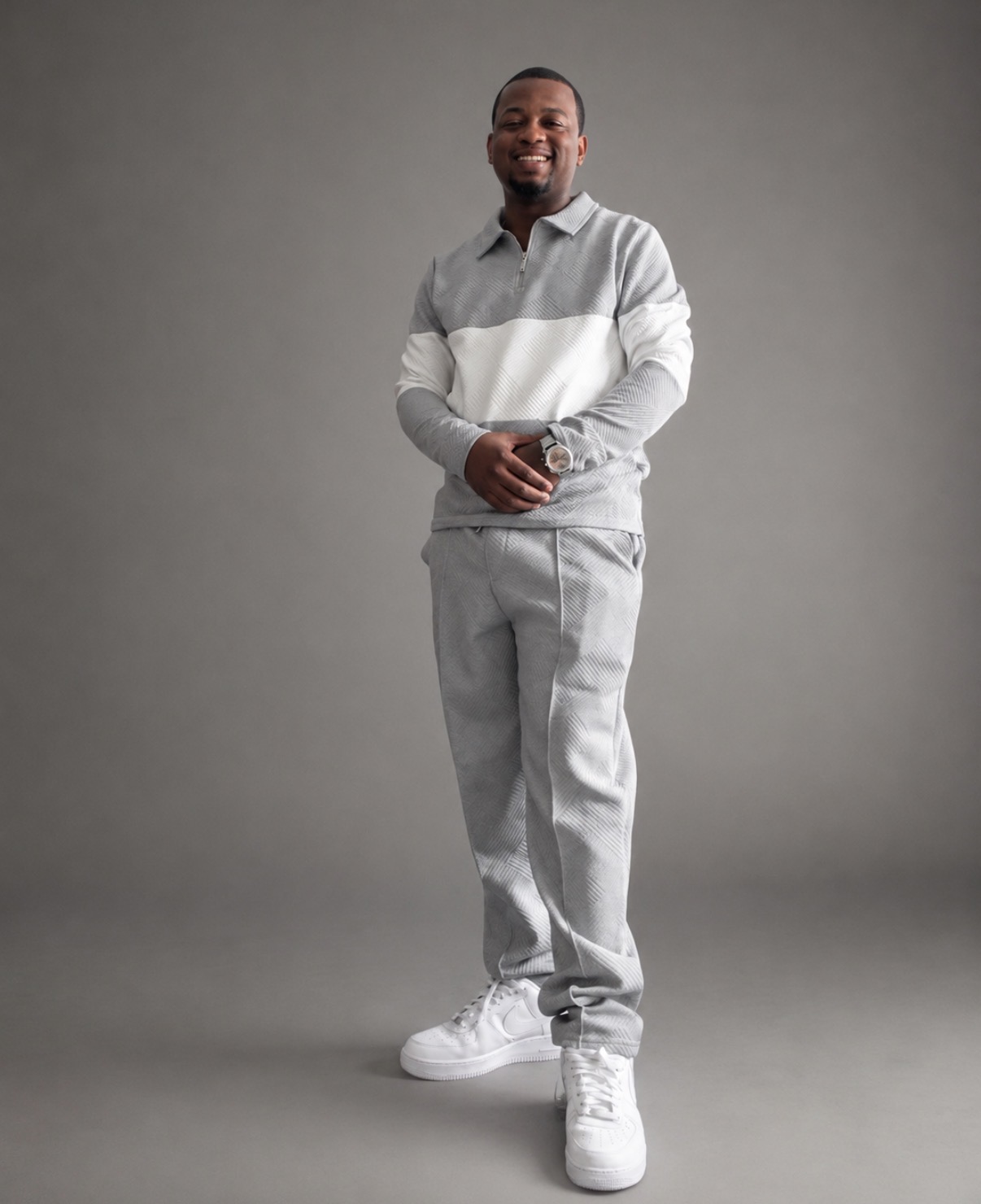
How’d you build such a strong reputation within your market?
I believe my reputation has been built through consistency, trust, and a willingness to solve real problems instead of simply talking about them. In education, people pay attention to whether your work actually helps students, whether colleagues can rely on you, and whether your ideas translate into practice. I have tried to build my reputation by being someone who follows through, creates useful systems, and centers students in every decision.
A major part of that reputation comes from my work in the classroom. Teaching 9th grade World History has allowed me to show that rigorous content can still be accessible, engaging, and culturally meaningful. I do not believe students should have to choose between being challenged and being supported. My lessons often combine historical inquiry, writing scaffolds, student discussion, modified texts, and clear routines so students can access complex material while building confidence. Over time, students and colleagues have come to see me as someone who can make difficult content feel reachable.
My work in special education has also shaped my reputation. I have developed a strong understanding of IEP goals, accommodations, progress monitoring, present levels, and differentiated instruction. More importantly, I try to approach special education as a matter of dignity and access, not compliance alone. I want students with disabilities to have meaningful opportunities to demonstrate what they know. That has helped me become known as someone who can bridge the gap between instructional practice and student support.
Another factor is that I create. I do not only identify problems. I build tools, resources, lessons, frameworks, and systems to address them. Whether it is a student media project, an AI-supported instructional resource, a progress-monitoring tool, a professional development session, or a school culture idea, I try to leave people with something practical they can use. That has helped my work stand out because it is not theoretical. It is built from the daily realities of classrooms and schools.
I also think my reputation has grown because I am willing to innovate while staying grounded. I have embraced AI, media production, curriculum design, and student voice, but I do not use innovation for attention alone. I use it to solve problems that educators actually face: saving time, improving feedback, making lessons more accessible, supporting IEP implementation, increasing student engagement, and helping teachers sustain the work. People can see that my interest in technology is connected to equity and instructional impact.
Finally, I believe relationships have been central. I try to be dependable with students, collaborative with colleagues, and reflective in my leadership. I listen, adjust, and keep learning. My reputation has not come from one single accomplishment. It has come from repeated evidence that I care about the work, that I can execute ideas, and that I am committed to making school more meaningful for students and more sustainable for educators.
What sets my reputation apart is the combination of creativity and follow-through. People know that I can generate ideas, but they also know I can turn those ideas into lessons, systems, student experiences, and measurable outcomes. That balance has helped me build trust within my market and continue expanding my work as an educator, instructional designer, special education practitioner, and education-technology creator.
Contact Info:
- Instagram: CFTBCash
- Linkedin: https://www.linkedin.com/in/ijrogers/
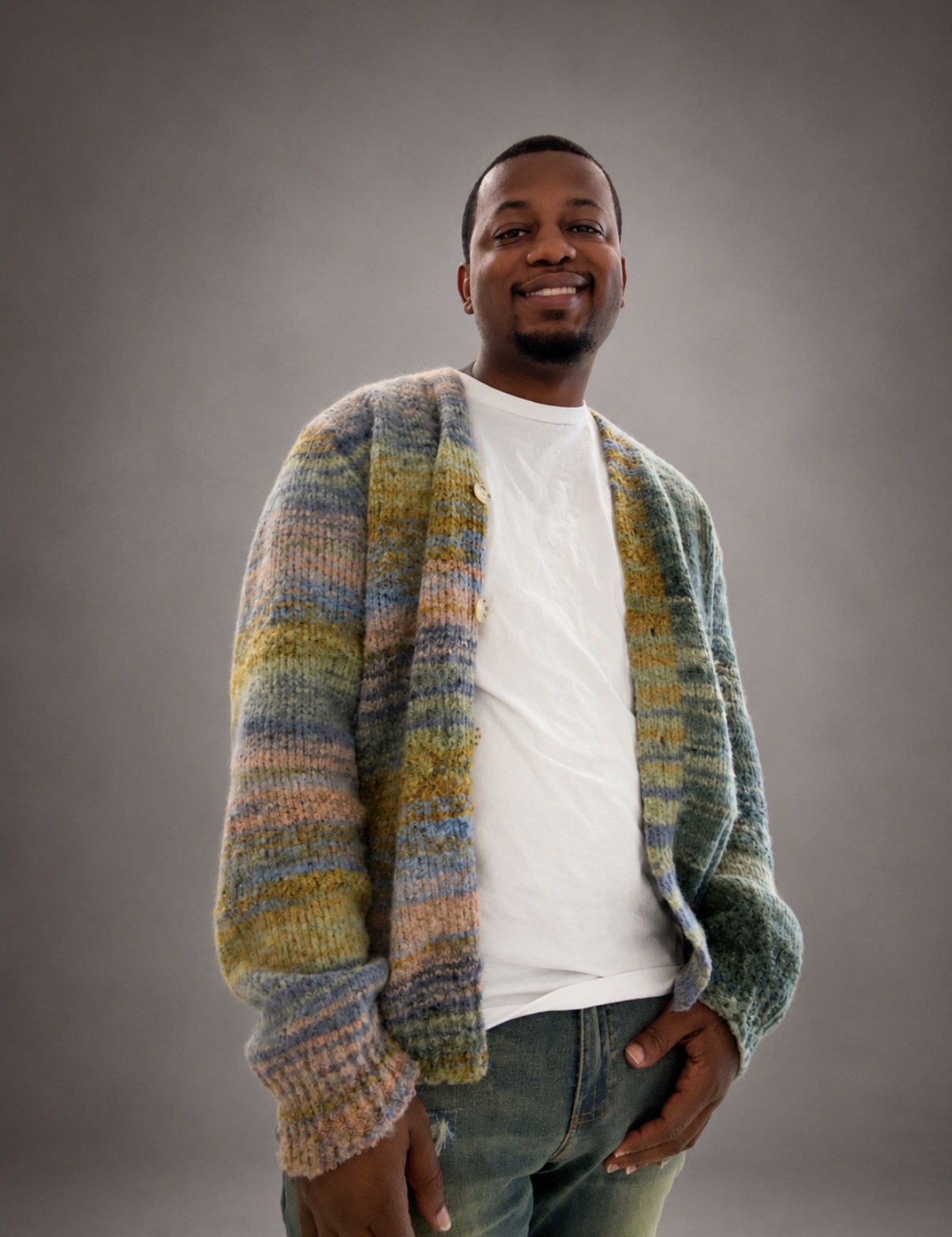

Image Credits
Edward Kirkland