
We recently connected with Ilene Listrom and have shared our conversation below.
Hi Ilene, thanks for joining us today. We’d love to hear about a project that you’ve worked on that’s meant a lot to you.
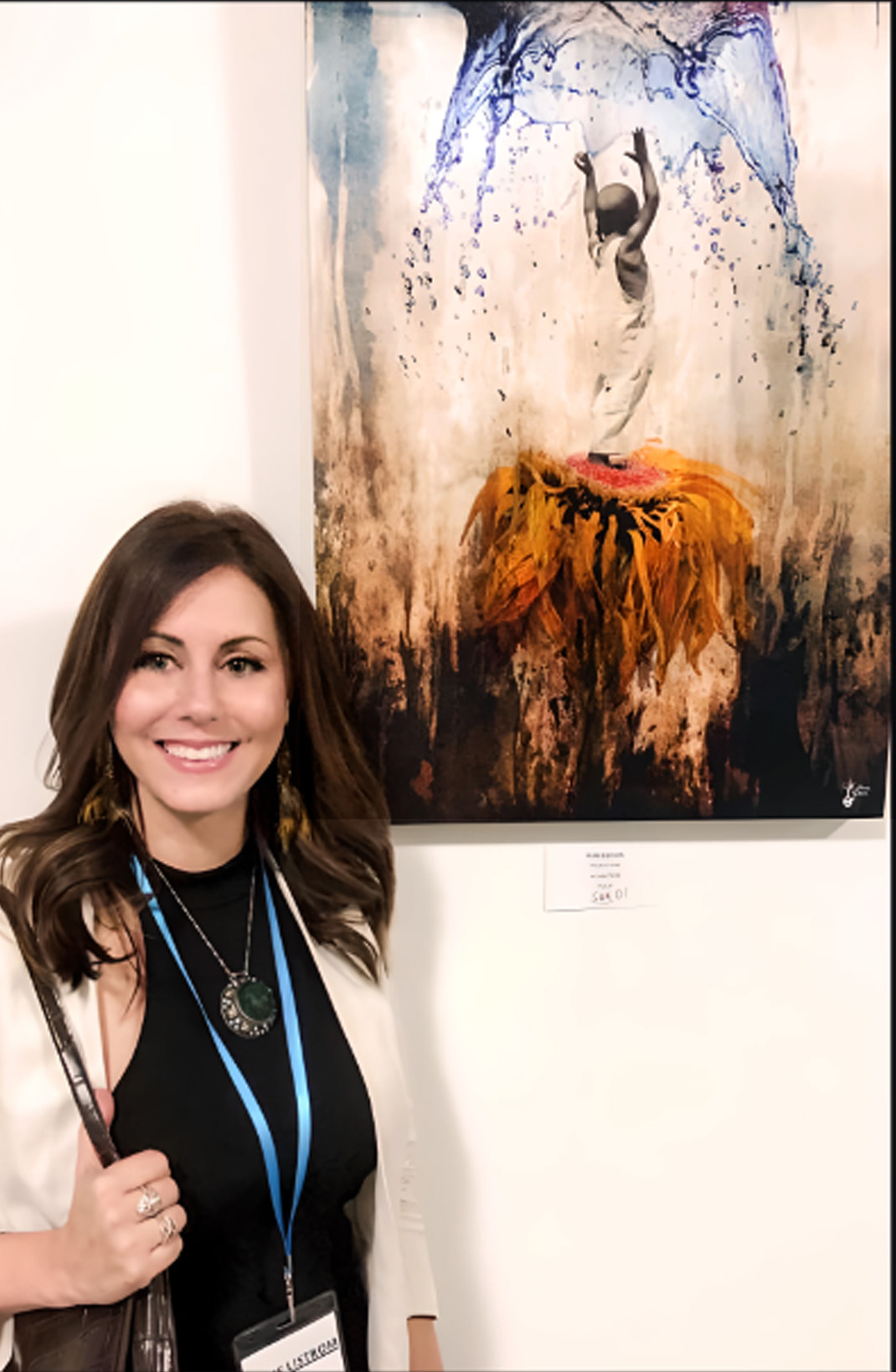
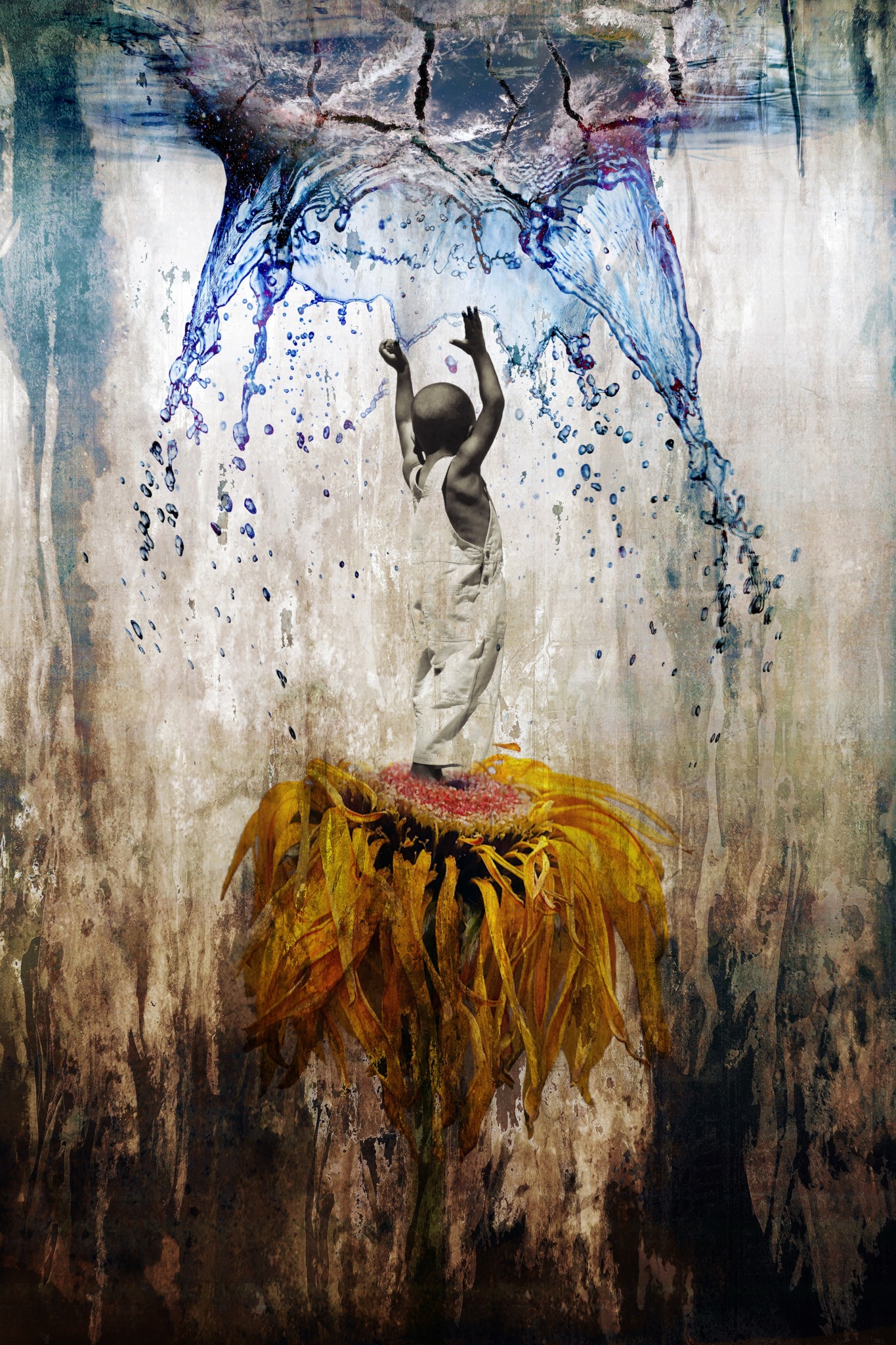
One of the most meaningful projects I’ve worked on was a digital piece I created for the Art of H2O show hosted by Well Aware and Artist Couple. The whole point of the show was to raise funds and awareness for clean water systems in communities in Africa, so it already carried a different kind of weight going into it.
I knew I didn’t want to make something that was just “pretty.” It needed to hold two truths at the same time. Water as something powerful, life giving, almost sacred, and the reality that not having access to it creates a level of suffering most of us will never fully understand.
I ended up creating a piece of a child standing on a wilting sunflower, reaching toward water just out of reach. That contrast became the core of it for me. It’s hopeful, but it’s also a quiet kind of desperation.
The process wasn’t light. I spent a lot of time sitting with it, probably overthinking it, trying to do justice to something that’s hard to even grasp. There was also that pressure in the back of my mind of wanting it to actually resonate and not just exist.
When the piece sold and the proceeds went directly to Well Aware’s mission, it stopped being just an idea and became something that actually contributed, even in a small way. That’s what made it stay with me.
Awesome – so before we get into the rest of our questions, can you briefly introduce yourself to our readers.
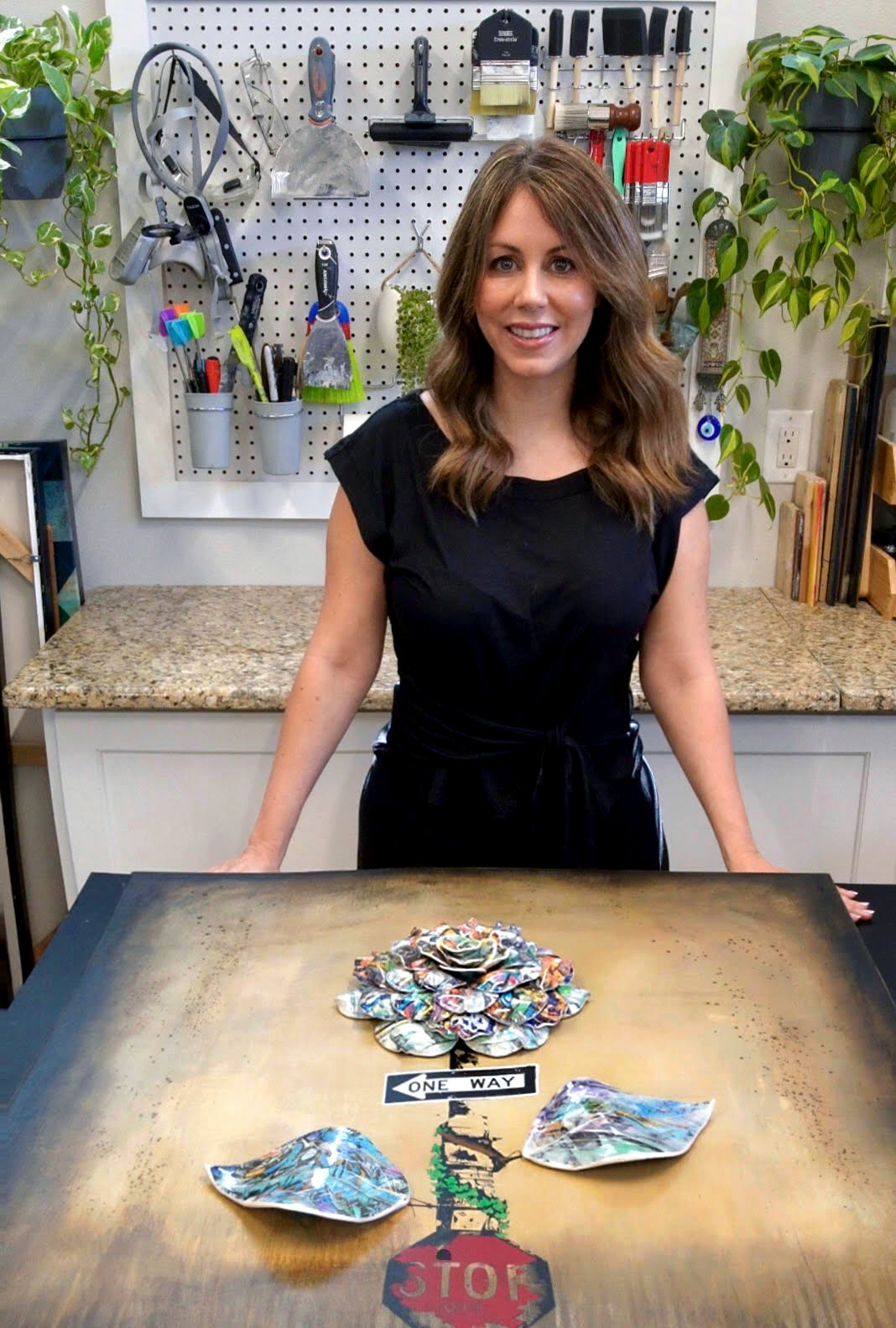
I’m a mixed media artist, which is a nice way of saying I’ve never really stayed in one lane. I’ve always been curious, and most of what I do comes from wanting to push an idea further than I probably should and then figuring out how to make it work anyway. I’m a sucker for a challenge.
I’ve been creative for as long as I can remember, but I really started taking it seriously when I was in university studying studio art with a focus in ceramics. That’s where I learned what it actually means to trust the process. Not in a romantic way, more like watching things go wrong in real time and realizing you don’t really have control over all of it. There are a million ways to ruin a ceramic piece, and even if you do everything right, the kiln still gets the final say.
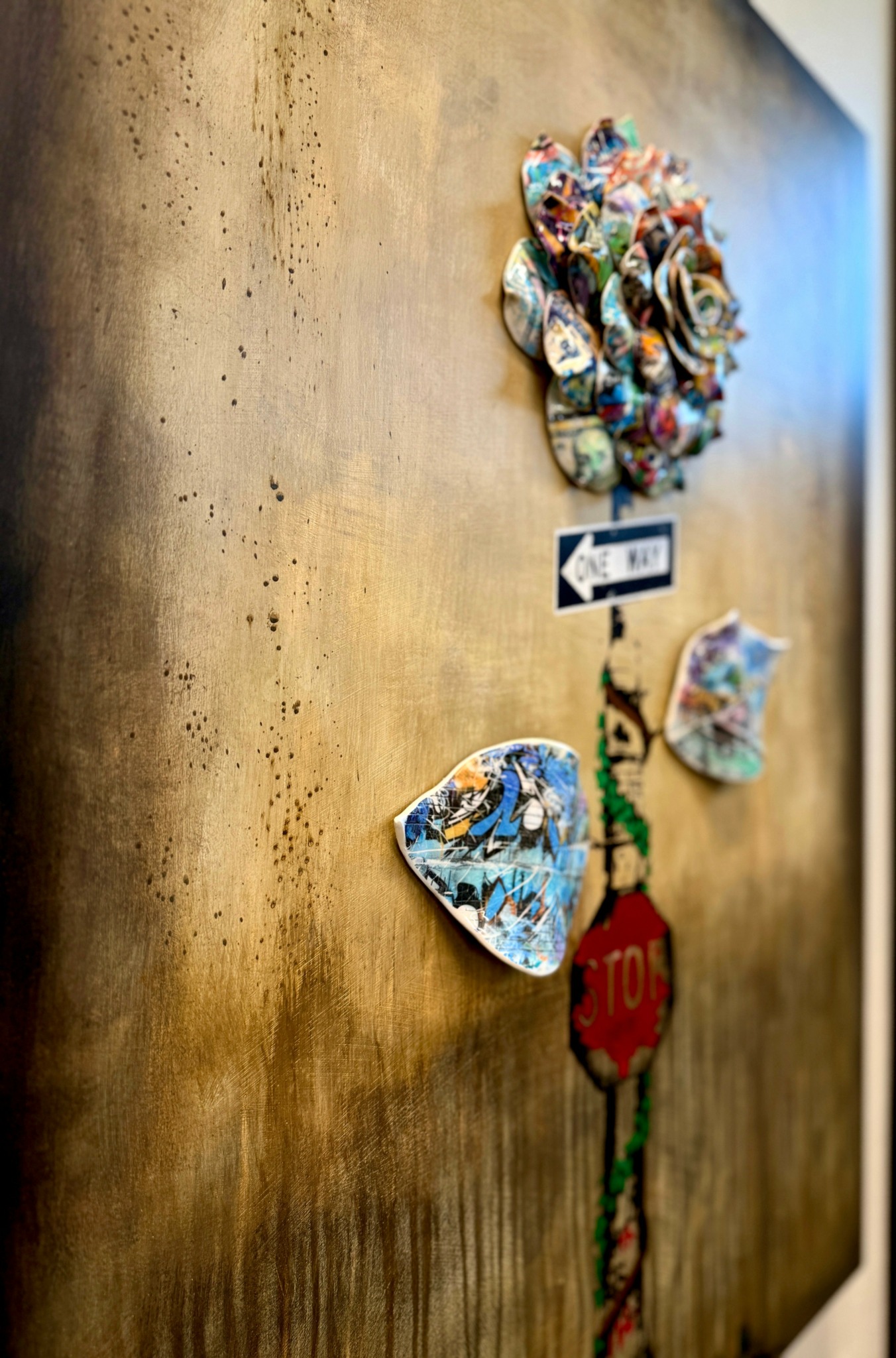
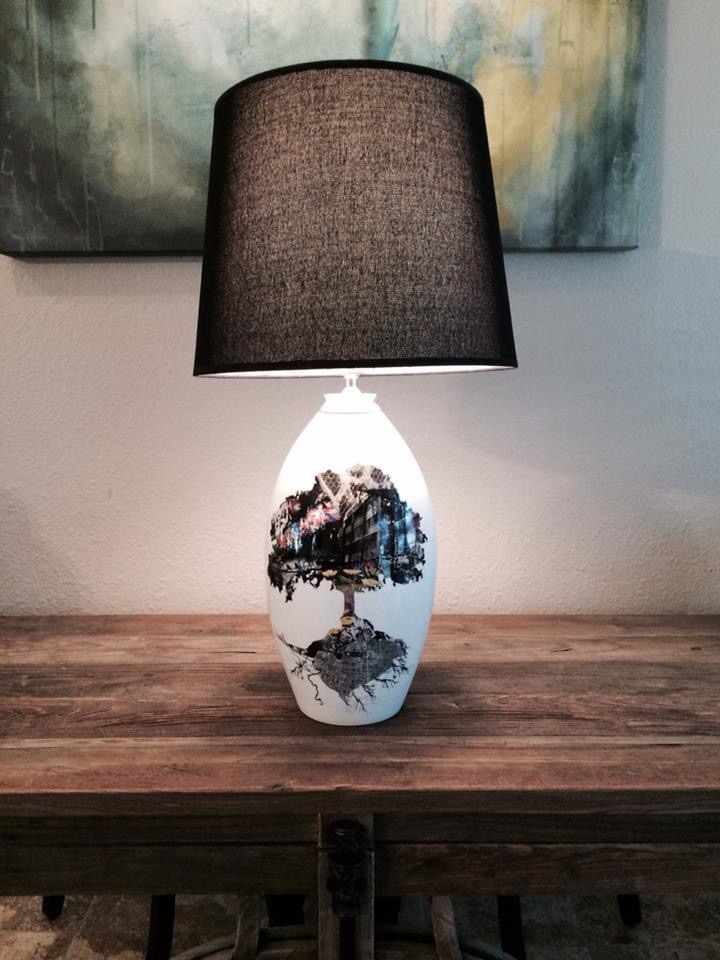
At the same time, I was deep into digital work and got pulled into highly detailed, realistic, layered imagery. Of course that wasn’t enough, so I started experimenting with transferring those images onto ceramic surfaces. That’s where things really shifted. The line between digital and physical stopped feeling real, and I’ve been exploring that intersection ever since.
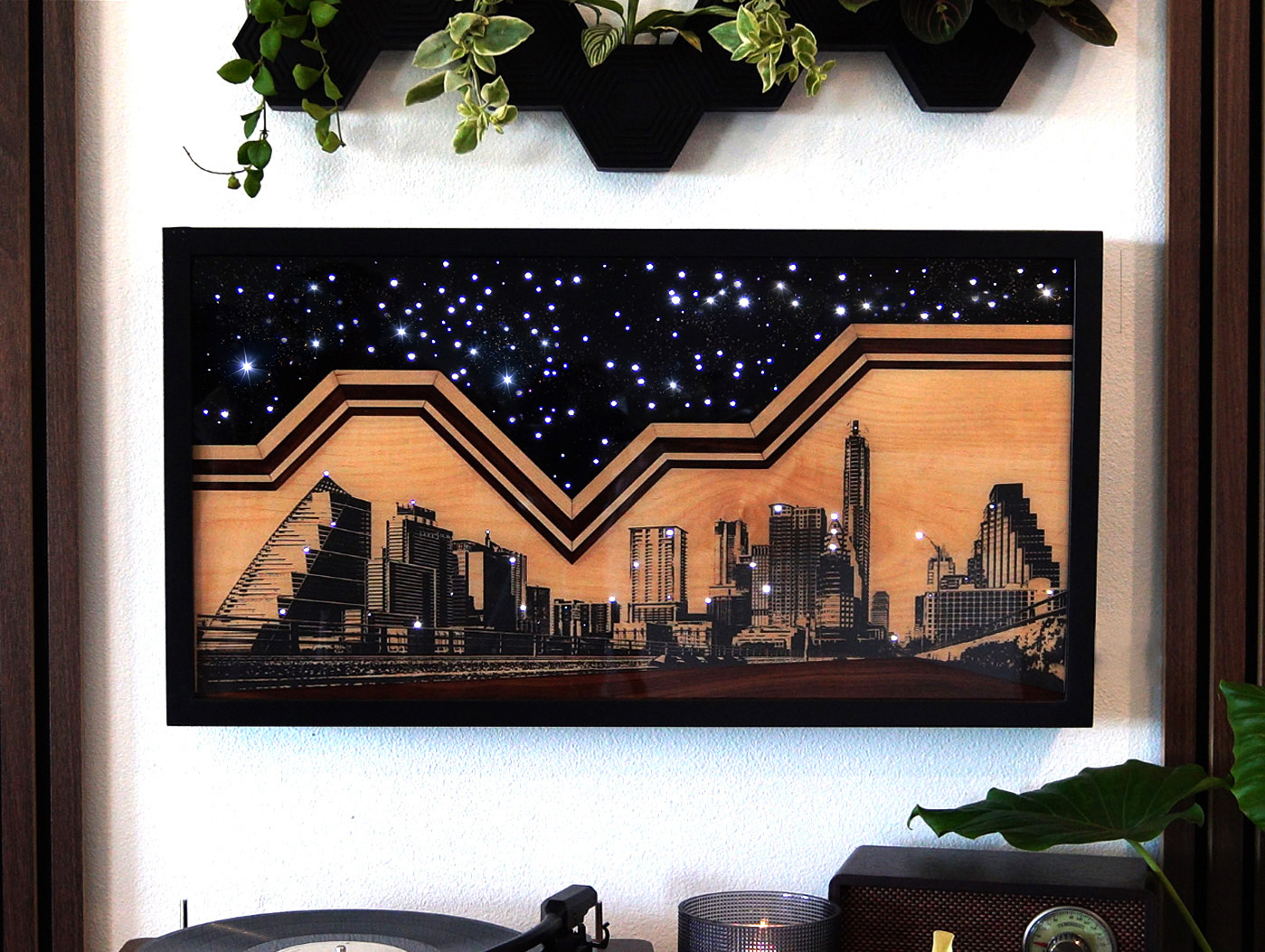
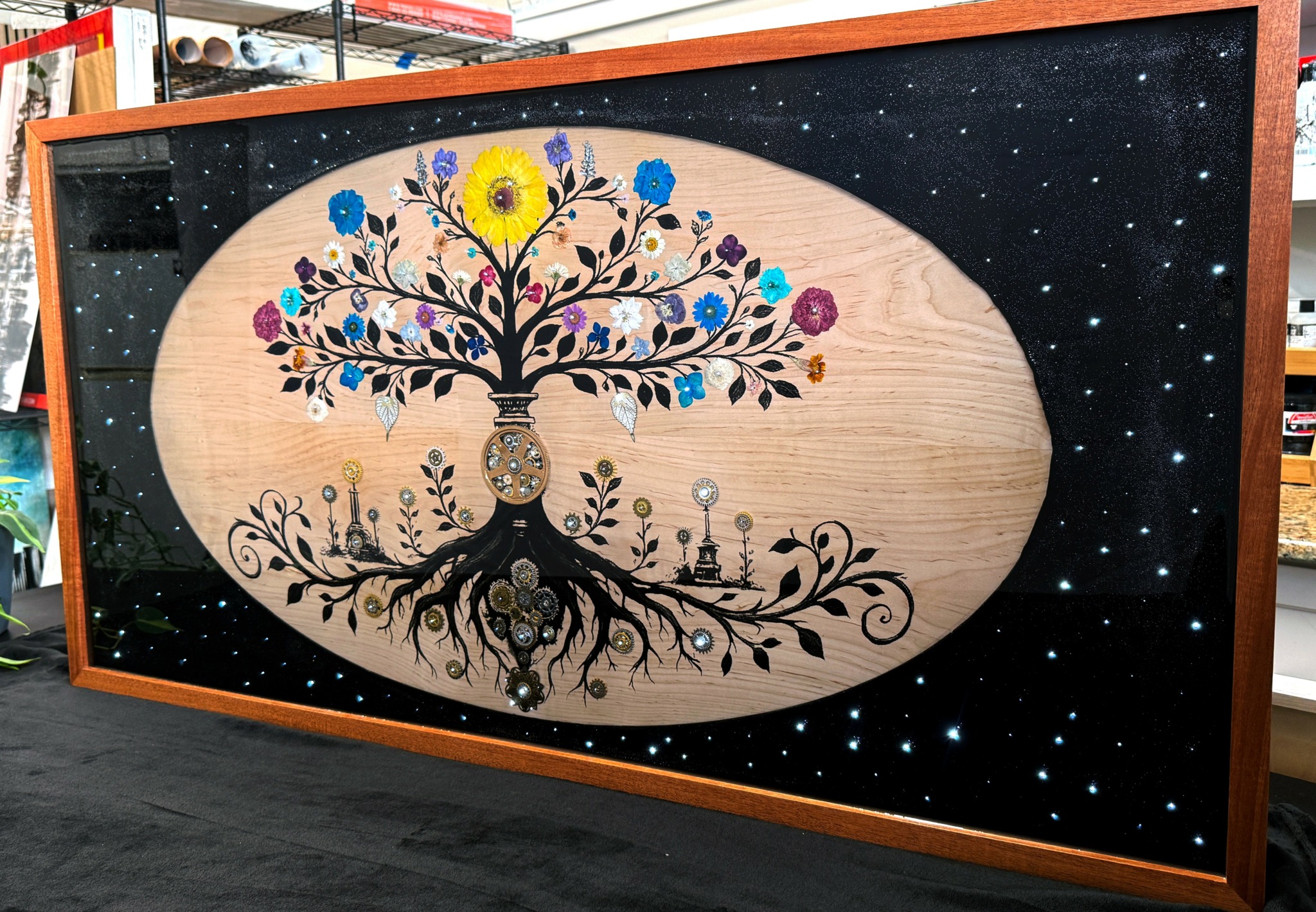
A lot of what I do now is still trial and error. Most pieces start as an image in my head, followed by the question of how I’m actually going to pull it off. That’s especially true with my fiber optic work. Every strand is drilled, threaded, glued, and sealed by hand, and somewhere in the middle of it there’s always a moment where I think, “Yup, I’ve definitely overcommitted this time.” But I’ve learned that’s usually the point where it starts getting good. And once it lights up and syncs with music, everything makes sense again.
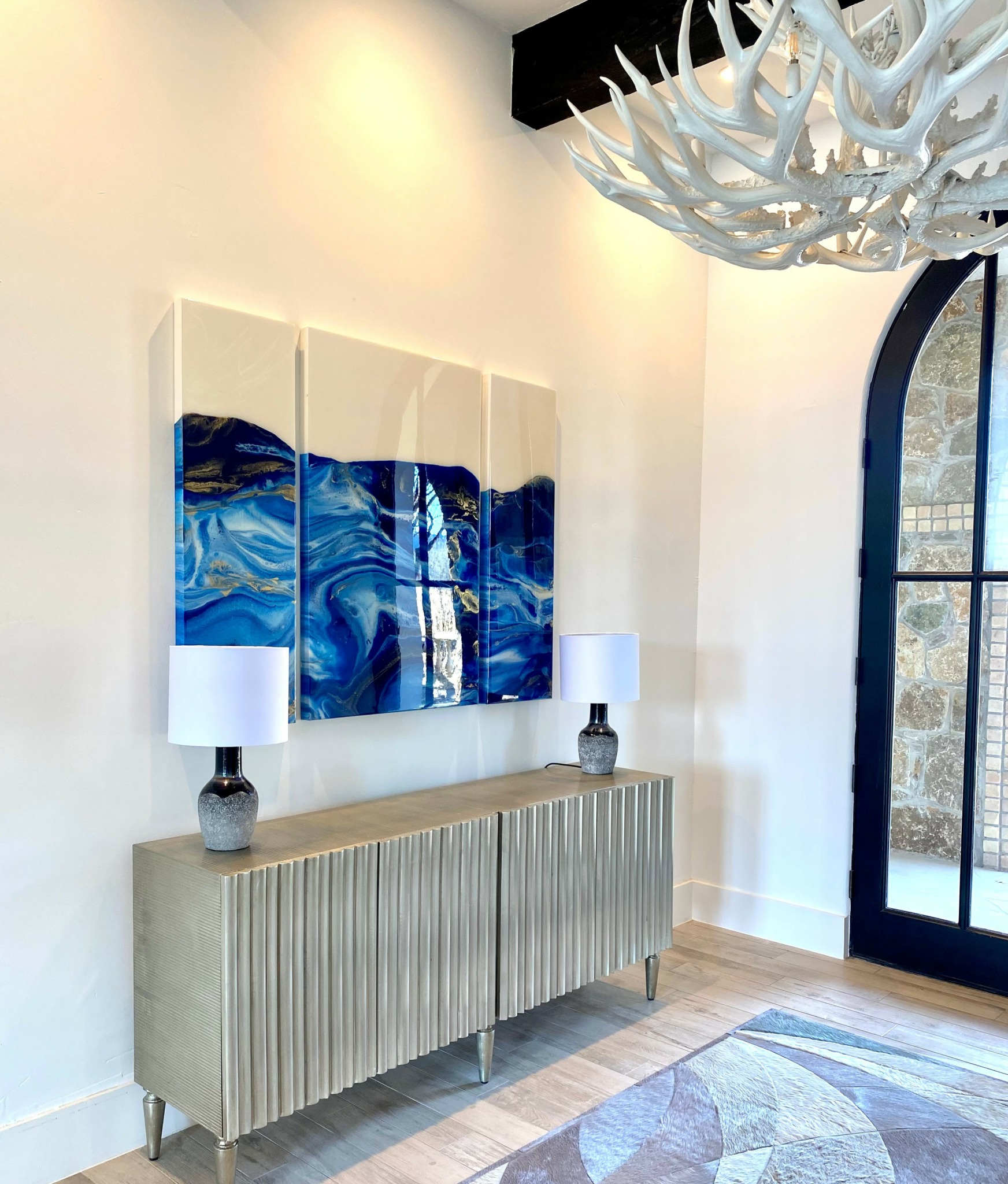
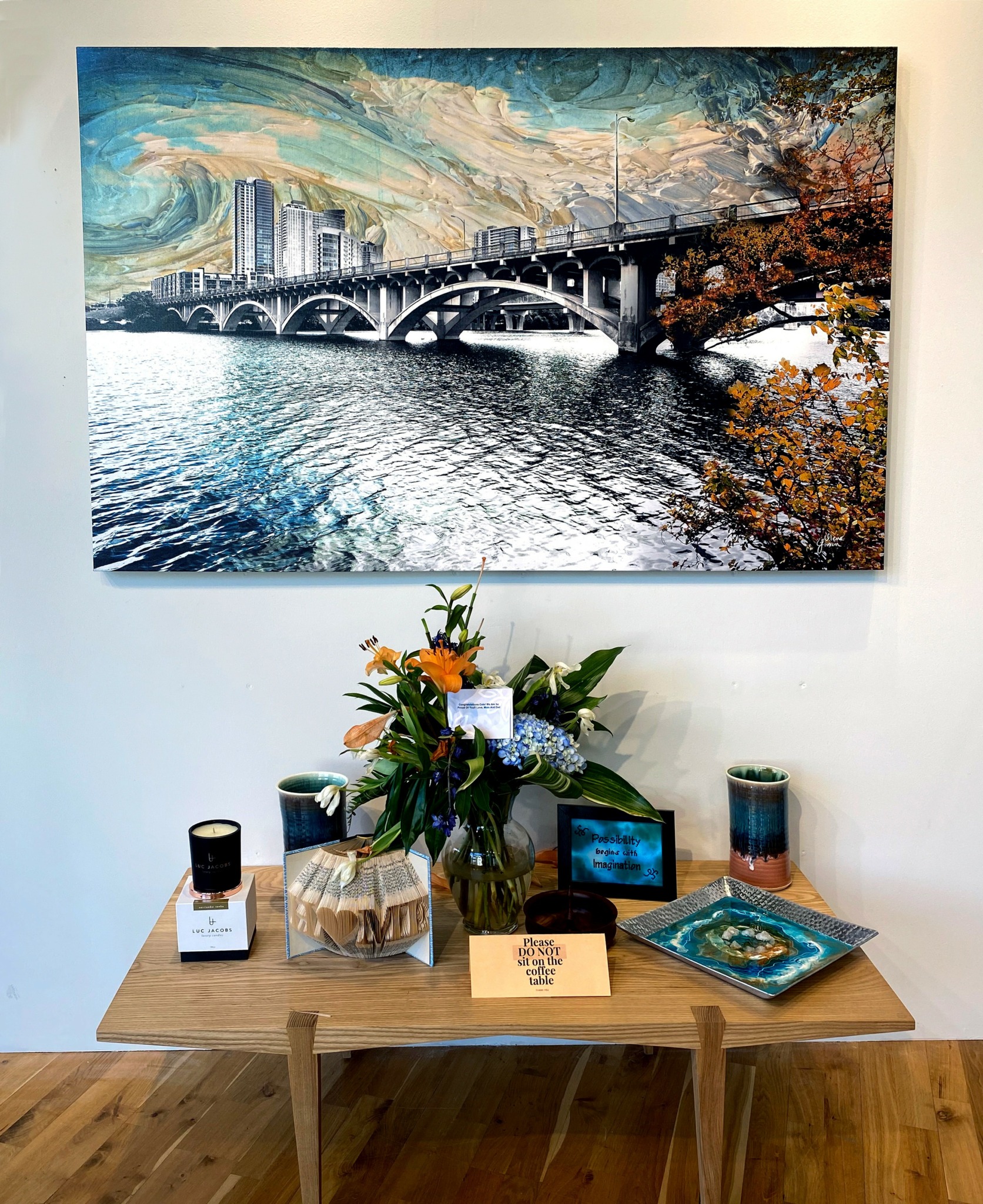
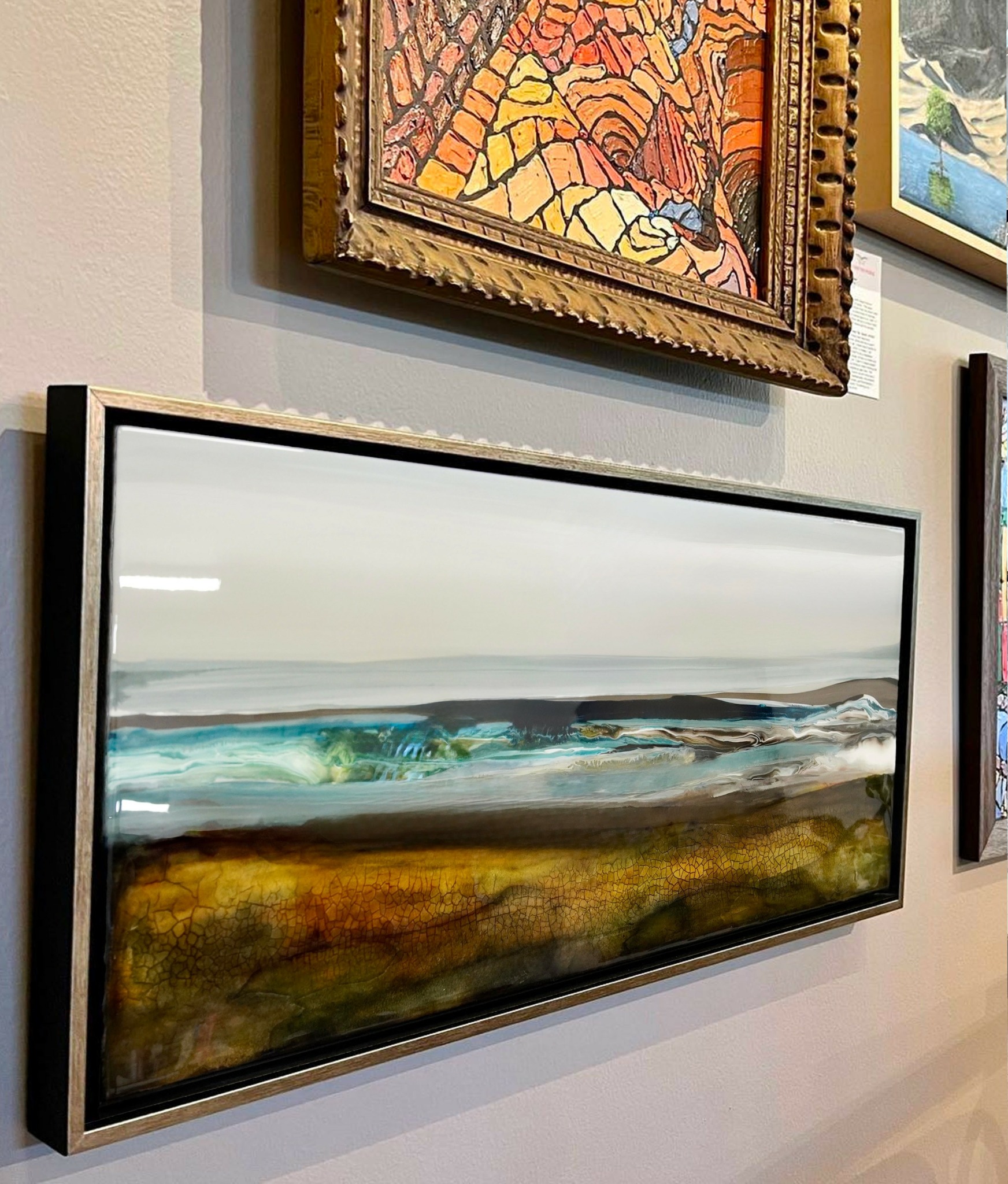
I create a range of work, from abstract landscapes and digital skyline pieces to more conceptual, light-based work, along with custom commissions. The commission work is a big part of what I love doing. It’s especially meaningful because I get to take someone’s idea, their space, or even just a feeling they’re trying to describe and turn it into something beautiful they live with every day. At that point, it becomes more than decoration, it becomes personal.
At the core of it, my work is about connection. To nature, to each other, or to something bigger than ourselves. We’re living in a time that seems to constantly divide us, not just from one another, but from the natural world and anything that feels deeper or real. A lot of my work is a response to that. It’s meant to slow people down, cut through the noise for a second, and give them something to actually sit with.
What I’m most proud of is how the work has evolved. I’ve allowed myself to take risks, change direction, and follow ideas even when I didn’t fully know where they would lead. That’s what shaped my voice and made the work feel honest. I’m not trying to fit into a category. I’ve learned that’s just not my style. I’m just trying to create something that resonates, something people can feel, and something that stays with them long after they’ve walked away.
Do you think there is something that non-creatives might struggle to understand about your journey as a creative? Maybe you can shed some light?
I think one of the biggest things people outside of creative work might not fully understand is that, for some of us, this doesn’t really feel like a choice. It feels more like something we have to do. Creating isn’t optional, it’s just how we process and exist.
I’ve always experienced things a little differently, more layered, more intense, maybe a little overanalyzed. There’s usually more going on under the surface than I know how to explain, and without a way to get it out, it can feel isolating. Art became that bridge for me. It’s how I take something internal and hard to define and turn it into something tangible that people can actually see and feel.
Working in mixed media adds to that. It doesn’t fit neatly into one category, which, honestly, makes sense. Neither do I. I get why that can be confusing at first. It’s hard enough for me to answer when someone asks what kind of art I make. But I’ve come to realize that’s kind of the point. I don’t need to fit into traditional categories, I’m exactly where I belong.
I actually like that initial moment of confusion. It means someone stopped. It means they’re looking a little closer, trying to figure it out. In a fast-paced world, those moments are rare.
At the end of the day, that’s what the work is for me. It’s a way to translate something internal and complex into something someone else can hopefully connect with, even if they don’t fully understand it.
In your view, what can society to do to best support artists, creatives and a thriving creative ecosystem?
I think one of the biggest ways society can support artists is by actually valuing creative work for what it is. Not just something to scroll past, but something that takes time, skill, risk, and a lot of unseen effort to create.
There’s this idea that art is just passion, and while that’s true, it’s also work. Real work. Most artists are balancing the pressure of creating meaningful pieces while also trying to sustain themselves, and that part doesn’t get talked about enough.
Honestly, one of the easiest ways to support artists right now is simply to engage with their work, especially on social media. I know after the 20th post there’s probably an eye roll or a “okay, we get it, you make art” moment. Trust me, we’re all not posting that much for fun. For a lot of us, it’s actually one of the last things we want to do.
It takes a lot more vulnerability to share something as personal as your art for everyone to see and critique than it does to post a vacation or a night out picture. The struggle can be real sometimes, at least for me.
A lot of what we do relies on visibility, and the algorithm doesn’t make it easy. So, something as simple as pausing, liking, commenting, or sharing a piece you connect with actually makes a difference. It helps more than people realize.
Beyond that, creating more accessible opportunities and spaces for artists to show their work matters. The more we invest in creative communities, the more they grow and give back. Art doesn’t survive on attention alone; it survives on people choosing to support it in real ways.
Contact Info:
- Website: https://ilenelistrom.com
- Instagram: @ilenelistrom.art
- Facebook: https://www.facebook.com/ilene.listrom.5
- Youtube: @InlightenDesigns