



We recently connected with Ian Jonassen and have shared our conversation below.
Ian, thanks for taking the time to share your stories with us today Are you happy as a creative professional? Do you sometimes wonder what it would be like to work for someone else?
I’m very happy as a creative, even though I think about what it would be like to have a regular job every single day. I feel like it’s difficult to fully classify jobs as regular or creative because there’s some form of artistry in any occupation, which is why I think it’s been difficult for me to say “Filmmaking is THE art I want to pursue, this is it.” Despite my feelings that artistic fulfillment can be found in a lot of places, I can confidently say that filmmaking gives me the most fulfillment out of anything I’ve ever experienced. Nothing makes me happier than feeling exhausted at the end of a day of filming, looking back, and knowing that I put all of my effort into something bigger than myself. There are so many things to learn and appreciate in filmmaking while collaborating with amazing people, I don’t think I’ll ever get tired of it, and that’s why I can confidently say that I’m happy pursuing it.
Awesome – so before we get into the rest of our questions, can you briefly introduce yourself to our readers.
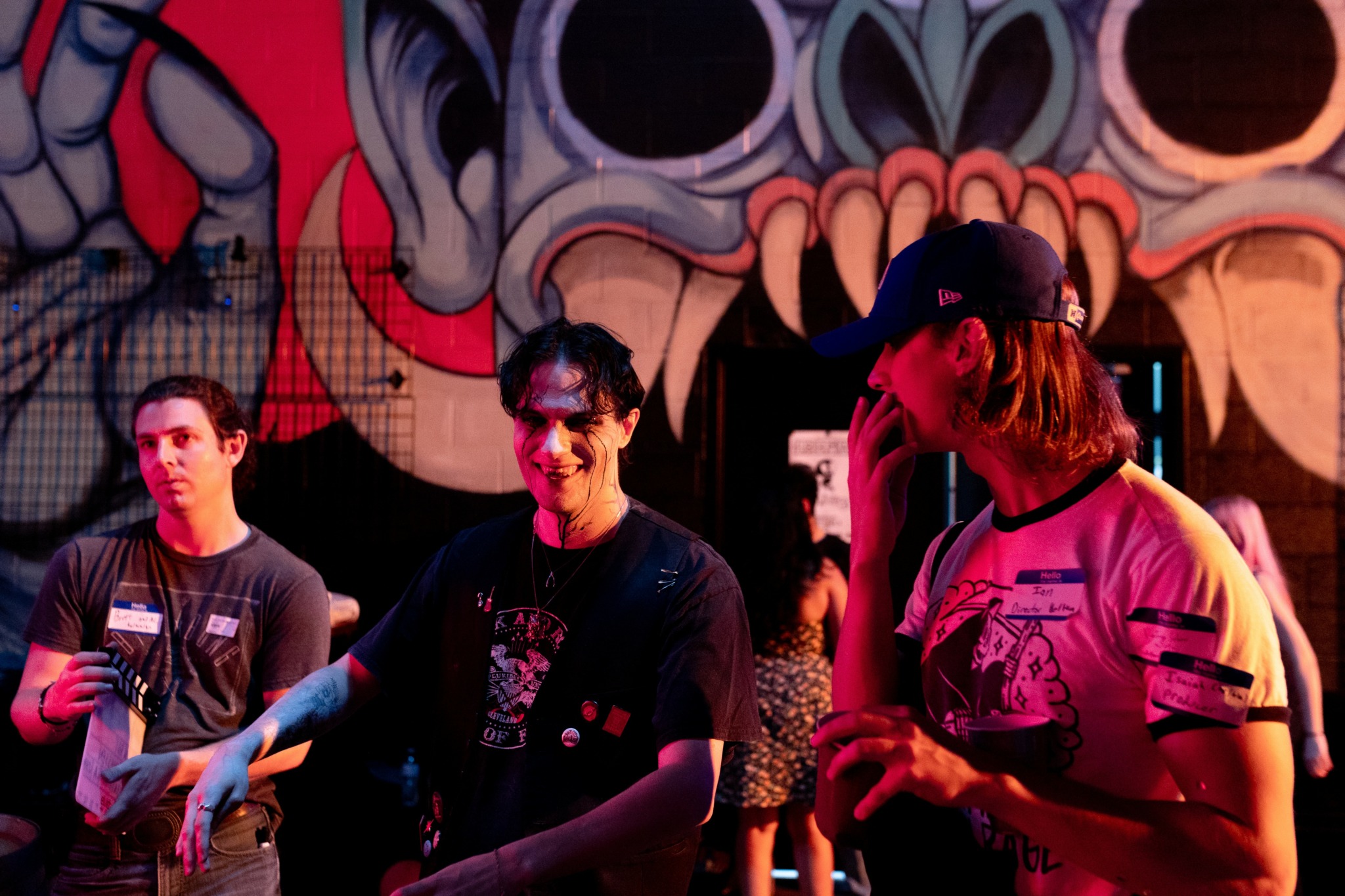
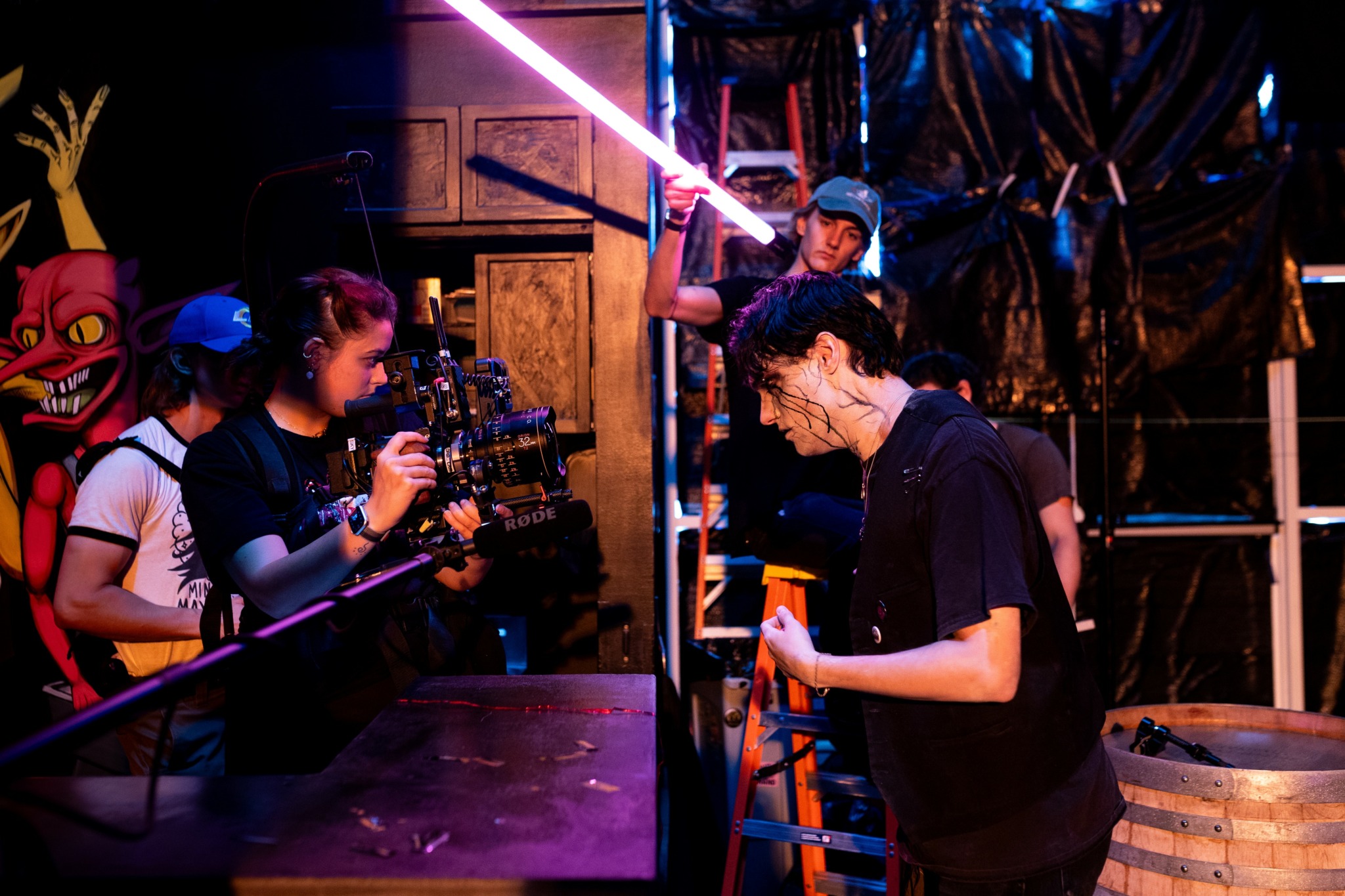
I’m a 24-year-old filmmaker, and I got interested in film in a way that many people do; I grew up watching awesome movies with my sister. After making YouTube videos with friends in high school, I went to study filmmaking at College of the Canyons before transferring to Emerson College and getting my bachelor’s there. My projects are thriller and horror-based, but deeper than that, I want to make stories that people get wrapped up in. I think storytelling is a beautiful art, and one of the reasons I love it so much is because of how difficult it is to understand; why some things work and some things don’t. I’ve always been more logically minded than artistically minded, so it’s wonderful to try to break down film into a science even when a lot of it can’t be explained. I’m most proud of my recent short film “Brain Rot”, which is a short film about three concertgoers who get trapped in a punk venue when a zombie breakout starts during a concert. There are so many moving parts to keep track of when you’re shooting with this amount of people on the cast and crew. Being able to make this short and come out the other side feeling so close to my collaborators is a wonderful experience. The short is going through the festival circuit now and we’re working on getting a feature-length zombie film off the ground thanks to how well the short film went.
How can we best help foster a strong, supportive environment for artists and creatives?
I believe that society can best support artists, creatives, and foster a thriving creative ecosystem by establishing a strong grassroots-based support structure for the arts. If everyone lifts everyone else in the pursuit of art, I feel that would do a lot to take power away from the powerful and wealthy minority that has a strong sway over how art is made and distributed. The short that I just made wouldn’t have been possible without strong support from my community. I grew up in Lancaster California, and we shot in the neighboring city of Palmdale at a local business named Transplants Brewing Company. They were so supportive of me as a local filmmaker, they let us film there for free and even lent us staff to help with the filming. Staff actually volunteered their time to be extra cast and crew in the short, helping in everything from lighting the set to filling the number of zombies we needed. Besides Transplants, many of the cast and crew were friends I made in college or high school who volunteered their time because they knew how much the project meant to me. I’m endlessly grateful to all of these people, and I can’t put into words how astounded I am by their graciousness. If all of society fostered opportunities for the pursuit of art like this, so much more art would be made, so many more voices would be heard, and so many people would get the recognition they deserve.

What’s a lesson you had to unlearn and what’s the backstory?
One lesson I had to unlearn was that storytelling is a science. This is going to sound contradictory because I strongly believe that breaking down storytelling into science is highly beneficial, but it’s been a personal struggle of mine to find a balance between adhering to storytelling rules and deviating from them. A lot of what I base my storytelling on is based off of what I learned in school, which favors story concepts like The Hero’s Journey. The Hero’s Journey is a solid concept, and it’s my rock for any kind of story that I make, but I got so attached to it that I became much too rigid in my approach to writing. The first couple of scripts that I wrote followed The Hero’s Journey perfectly, they had exactly what I was taught; 12 story points spread between 3 acts with 2 act breaks, everything following a strict blueprint and hitting certain highs and lows. The more I create though, the more I realize that you have to go with your gut sometimes. If you feel a character is in a moment where they have to live or die, but the structure tells you that they’re supposed to go in another direction, odds are that your gut is right. I’ve found it’s best to be rigidly attached to storytelling science and structure on your initial drafts and to start feeling it out more as you go along the process. Science is a comfort blanket for me, but deviating from it when my gut tells me to is what has made my storytelling that much better.
Contact Info:
- Website: https://ianjonassen.myportfolio.com/
- Instagram: https://www.instagram.com/iej2000/
- Linkedin: https://www.linkedin.com/in/ian-jonassen-2287b1197/
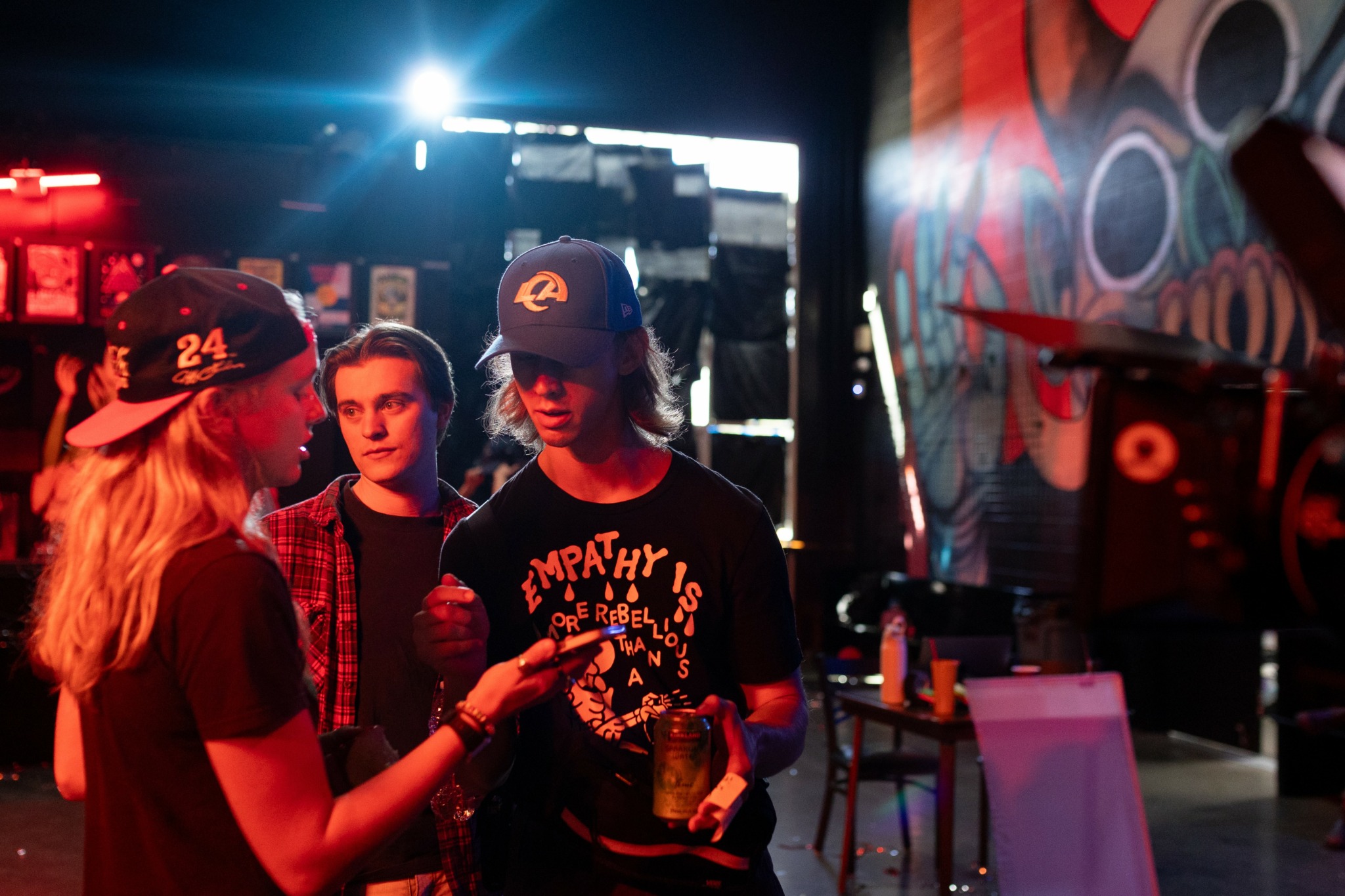
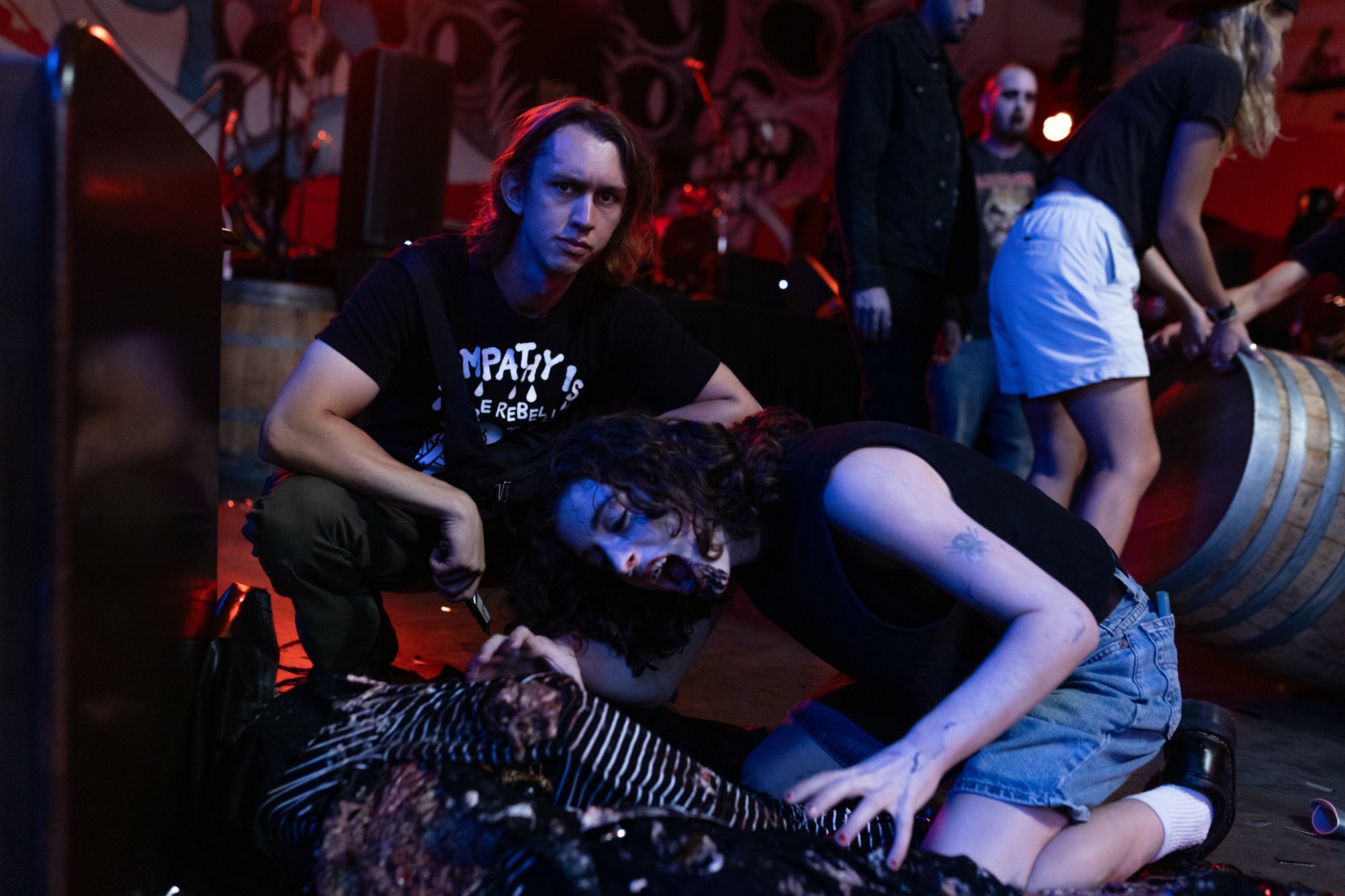
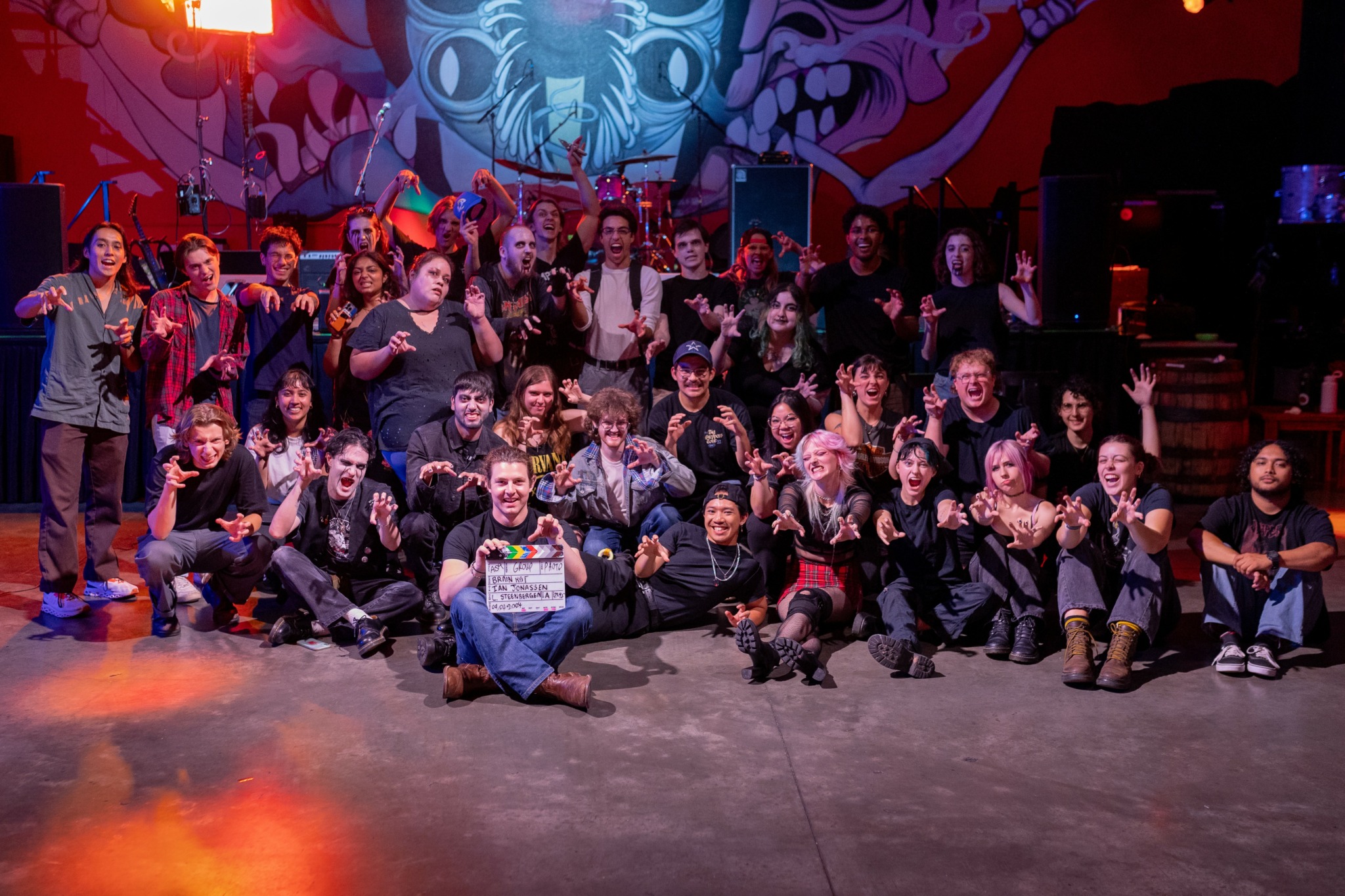
Image Credits
Isaiah Vivero