

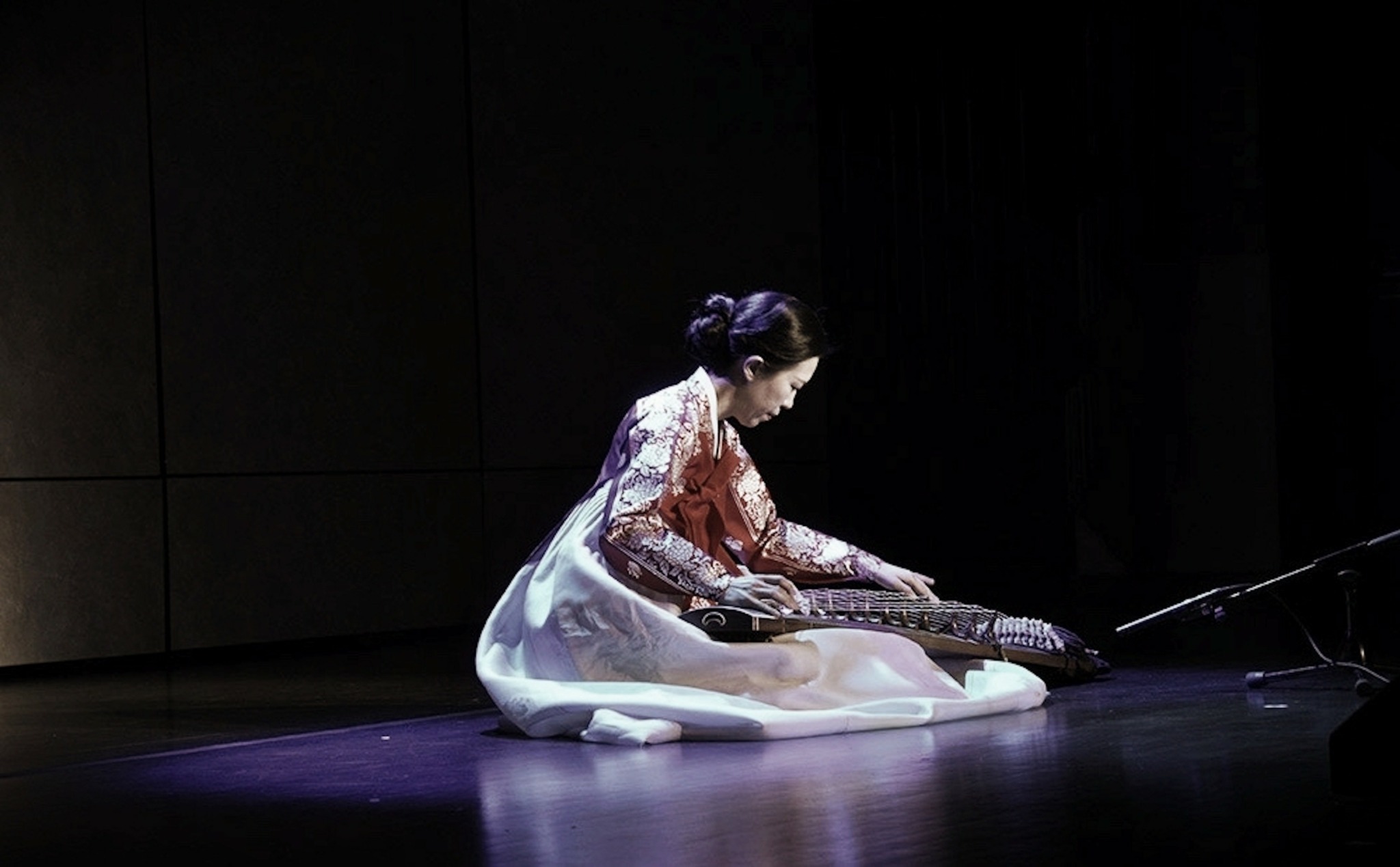

We caught up with the brilliant and insightful Hwayoung Shon a few weeks ago and have shared our conversation below.
Hwayoung, thanks for taking the time to share your stories with us today What’s been the most meaningful project you’ve worked on?
One of the most meaningful projects I’ve worked on was a collaboration with research centers in the UK and Germany, involving composing and performing alongside field recordings of Antarctic glacier collisions. This project was not a typical concert performance; it was an exploration of how to truly listen to nature.
I sought to engage with sounds that exist beyond human intention, sounds that might soon vanish due to environmental change, and consider how they could enter into a dialogue with the gayageum, my instrument carrying over 1,500 years of history. Approaching the sound of colliding icebergs as an active presence, imagining its story, and shaping musical interactions with the gayageum made every moment a choice and a discovery.
What makes this project particularly meaningful is that it goes beyond performance alone. It embodies a practice of attentive listening, experimentation, and venturing into unknown sonic territories. Beyond introducing Korean traditional sound to global audiences, it demonstrates the power of music to connect disparate contexts, discover new expressive spaces, and preserve sounds that might otherwise fade away.
As always, we appreciate you sharing your insights and we’ve got a few more questions for you, but before we get to all of that can you take a minute to introduce yourself and give our readers some of your back background and context?
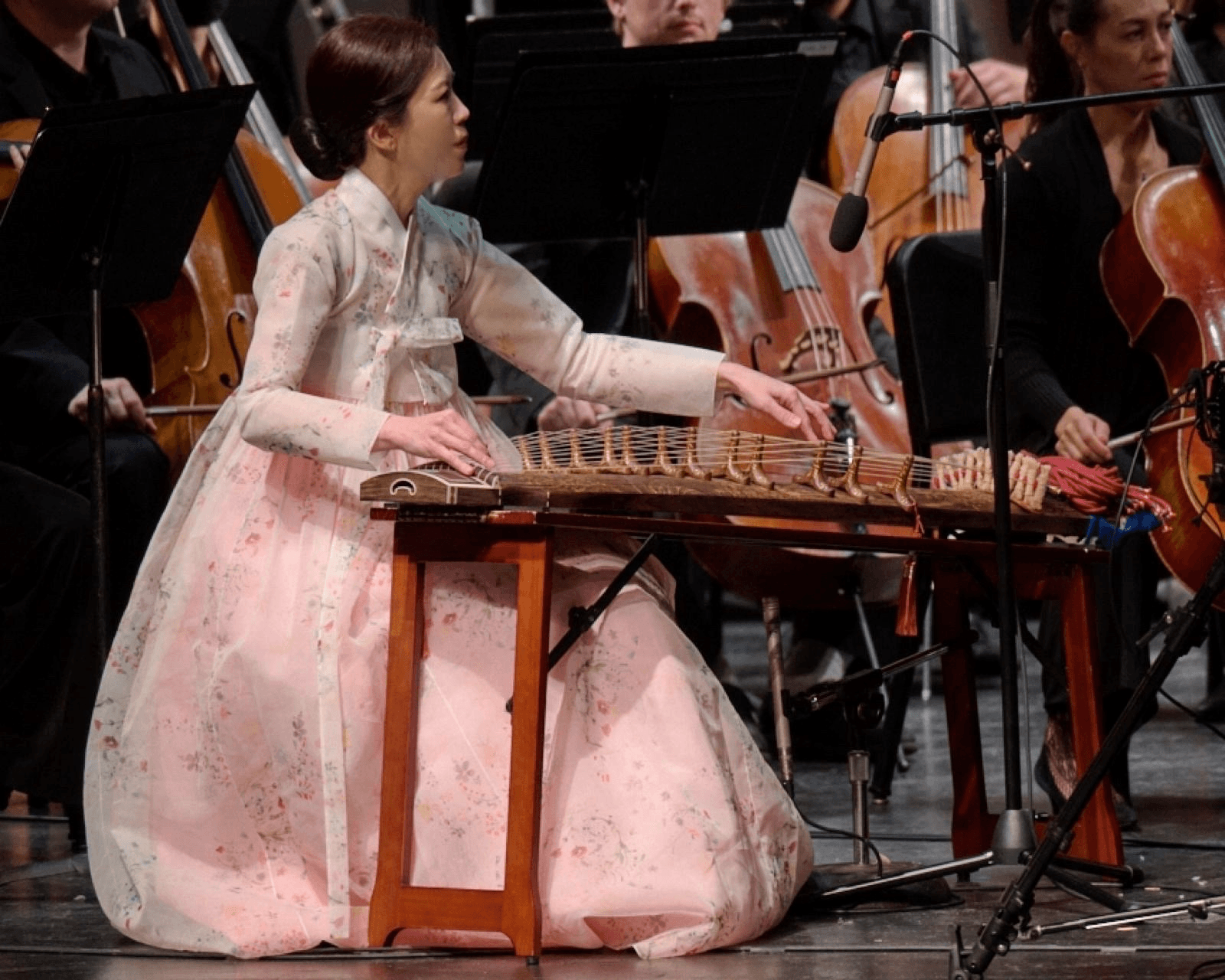
I am Hwayoung Shon, a gayageum performer and composer based in the San Francisco Bay Area, dedicated to exploring the expressive potential of Korea’s oldest stringed instrument. My work bridges traditional Korean music with contemporary practices, creating performances, compositions, and collaborations that invite audiences to experience the instrument in new and unexpected ways.
I began playing music at a young age and discovered the gayageum at eight, captivated by its delicate yet powerful resonance. Since then, I have performed worldwide, collaborated with orchestras, jazz and contemporary ensembles, and led workshops introducing Korean traditional music to diverse audiences. I also made history as one of the first gayageum musicians to collaborate with a K-pop band in South Korea, exploring the instrument’s adaptability in contemporary popular music. My projects often combine live performance with improvisation and experimental compositions, reflecting a commitment to both preserving tradition and exploring uncharted musical territory.
What sets my work apart is my approach to listening and dialogue—between instruments, genres, and even the natural world. In projects such as performing alongside field recordings of Antarctic glaciers, I explore how the gayageum can converse with sounds beyond human intention, turning each interaction into a moment of discovery and choice. I have also experimented with combining these field recordings with traditional Moroccan Berber music, creating cross-cultural sonic dialogues that bridge distant musical worlds. This attentive, experimental approach allows me to create experiences that are immersive, culturally rich, and emotionally resonant.
I am most proud of work that stretches the boundaries of the gayageum, from pioneering collaborations to initiatives that connect artists, audiences, and communities. Through my work, I hope people encounter the depth, adaptability, and enduring beauty of Korean music, while discovering new spaces for sound, imagination, and connection.
Is there a particular goal or mission driving your creative journey?
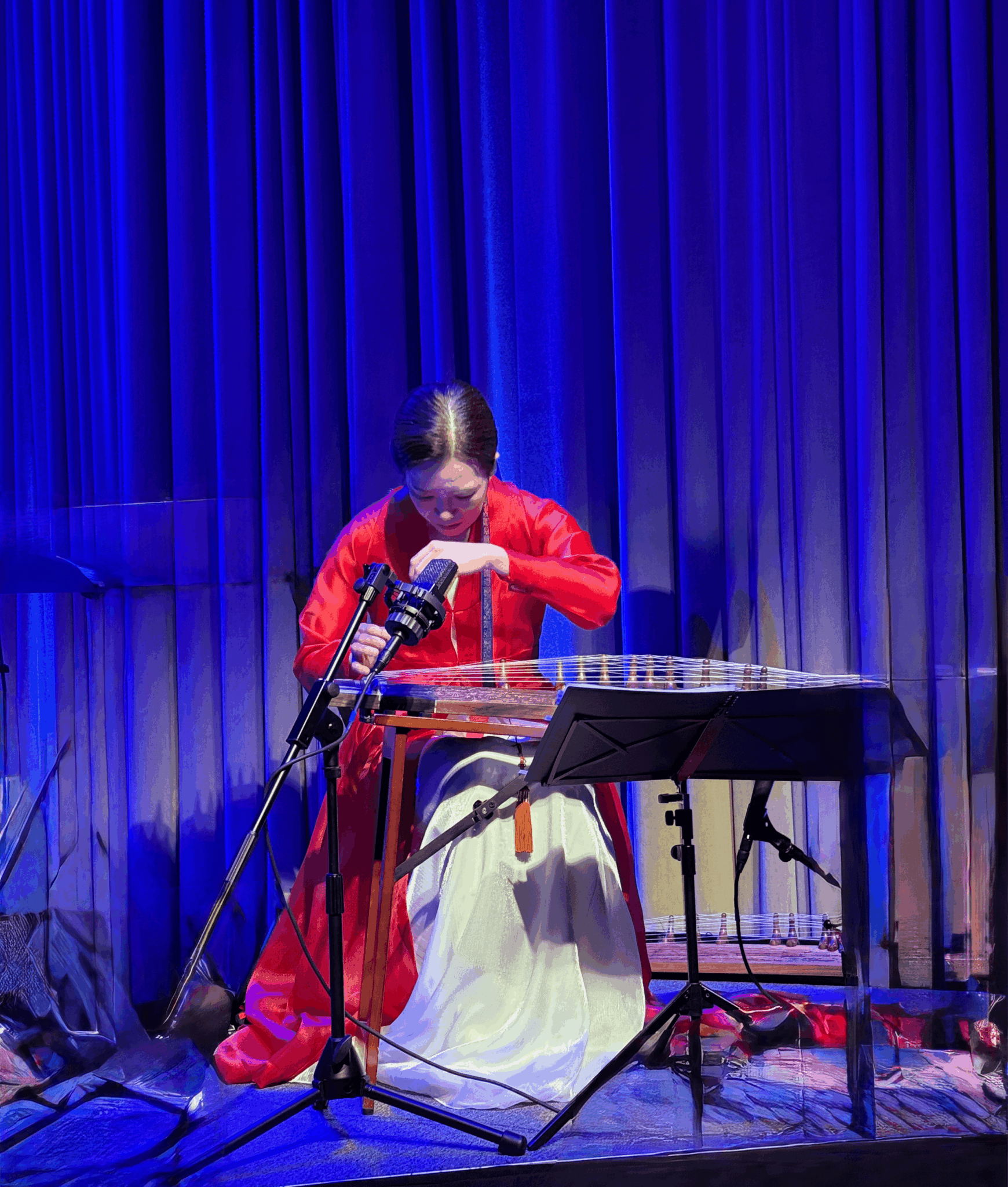
My creative journey is guided by a mission to expand the expressive possibilities of the gayageum while connecting it to the world in ways that audiences may never have imagined. I strive to honor Korea’s rich musical heritage while venturing into uncharted sonic territories—collaborating with contemporary composers, jazz musicians, K-pop artists, classical orchestras, and even creative professionals such as perfumers and tactile designers. I have also explored dialogues between my instrument and the sound of antarctic glasciers or traditional Moroccan Berber music, creating experiences that bridge cultural and sensory worlds.
For me, each project is an exploration: how can an instrument with over 1,500 years of history converse with the unexpected? How can sound itself tell stories that transcend cultural boundaries and historical context? These questions shape every composition, performance, and workshop I undertake, creating experiences that are both deeply rooted and forward-looking.
I am most proud of work that stretches the boundaries of the gayageum, from pioneering collaborations to projects that connect artists, audiences, and cultures in unexpected ways. Through these experiences, I hope to reveal the depth, adaptability, and enduring beauty of Korean music while inspiring new ways of listening, imagining, and connecting through sound.
Let’s talk about resilience next – do you have a story you can share with us?
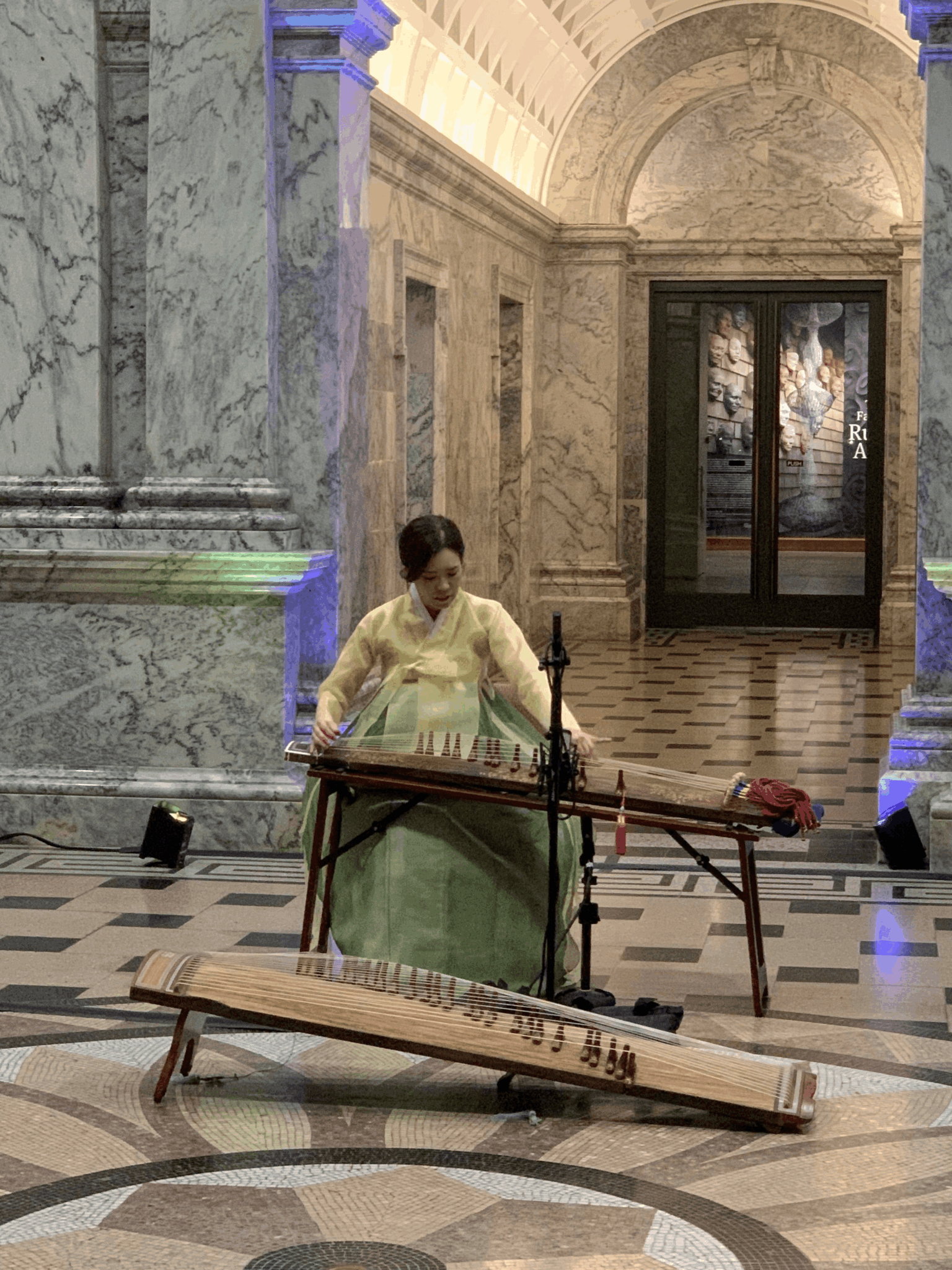
For me, introducing the gayageum to audiences who have never heard it has always been a challenge. Early on, opportunities to perform abroad were rare, and coming from a rigorous traditional training in Korean music, stepping beyond established norms to explore new directions was not easy.
Every time I ventured into a new genre or collaboration, I faced expectations and self-imposed pressure: the fear of failure, the drive to be perfect, and the challenge of presenting an instrument that most of the audience knew nothing about. Even the smallest unnoticed mistake on stage would send me replaying performance videos hundreds of times to review and refine.
Still, I have learned to focus on the language of music itself. I strive to convey emotion through the heart rather than technical knowledge. Music, I believe, is the most powerful tool to connect people beyond words.
Every performance—whether celebrated or personally unsatisfying—feeds my growth. Each experience strengthens me and becomes part of my own voice. The world is not simply divided into success and failure; what may seem like a single moment of failure becomes part of the broader journey that shapes me as an artist.
Contact Info:
- Website: https://www.hwayoungshon.com
- Instagram: @hwayoung.shon
- Facebook: /hwayoung.shon
- Linkedin: https://www.linkedin.com/in/hwayoungshon/
- Youtube: @hwayoungshon
- Other: Apple Music: https://music.apple.com/us/artist/hwayoung-shon/1654665070
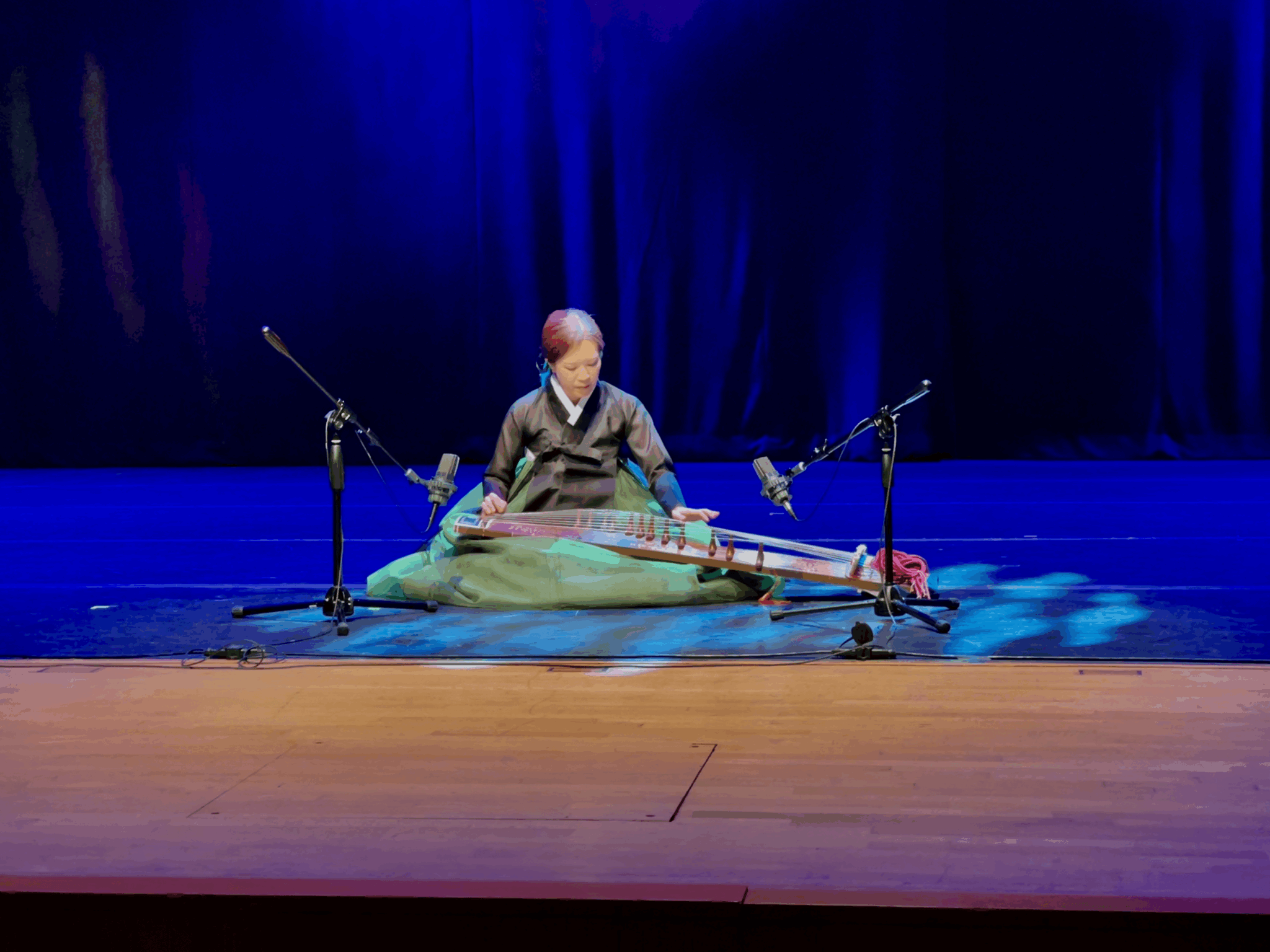
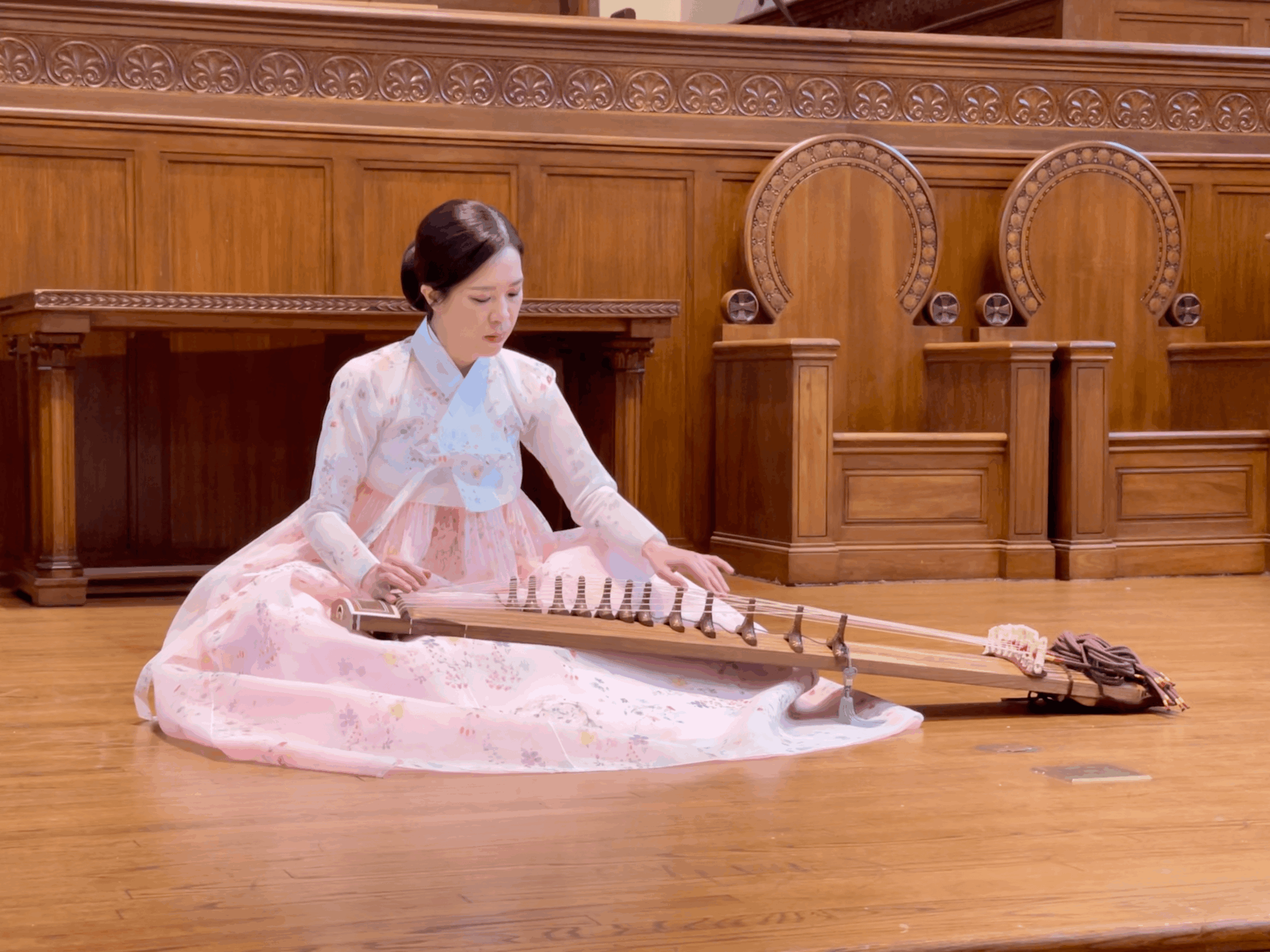
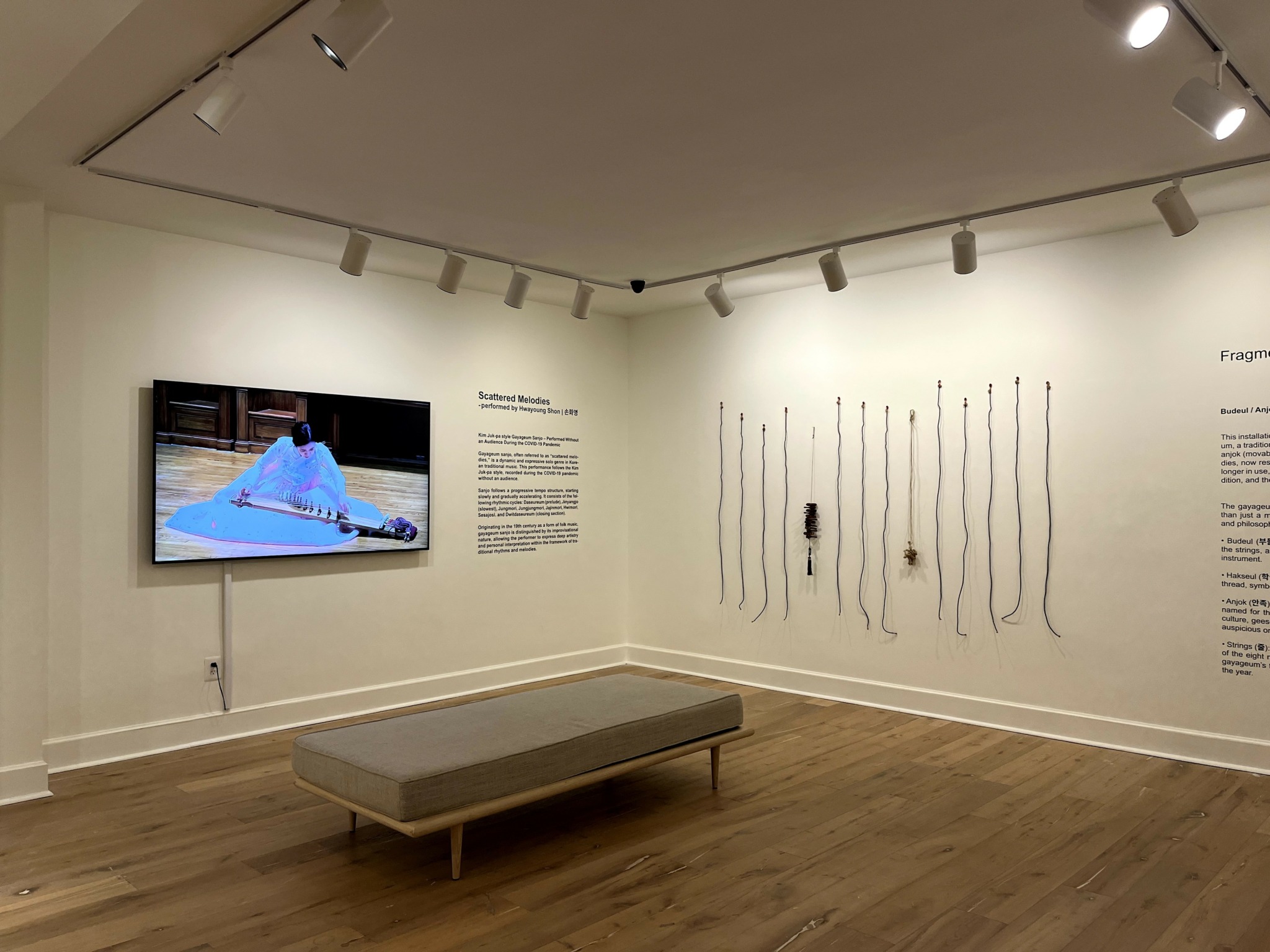
Image Credits
Exhibition view (no people), photo by photographer Yuri Lee