We recently connected with Hollis Brown Thornton and have shared our conversation below.
Hollis Brown, thanks for joining us, excited to have you contributing your stories and insights. Are you able to earn a full-time living from your creative work? If so, can you walk us through your journey and how you made it happen?
I graduated from the University of South Carolina with a BFA in 1999. I actually began as a business major, planning to go into a family business, but art had always been a constant in the background. It took me about two years to fully commit, and I switched to art halfway through my junior year.
After school, it wasn’t immediately a full-time living. I spent several years in a kind of transitional phase – commuting from my parents’ house to a studio out of town, and later living in a family lake house without heat or air for over a year. That period was less about income and more about building a foundation – developing work, figuring out what I was actually trying to do outside of an academic setting, and learning how to sustain a practice on my own terms.
Hollis Brown, love having you share your insights with us. Before we ask you more questions, maybe you can take a moment to introduce yourself to our readers who might have missed our earlier conversations?
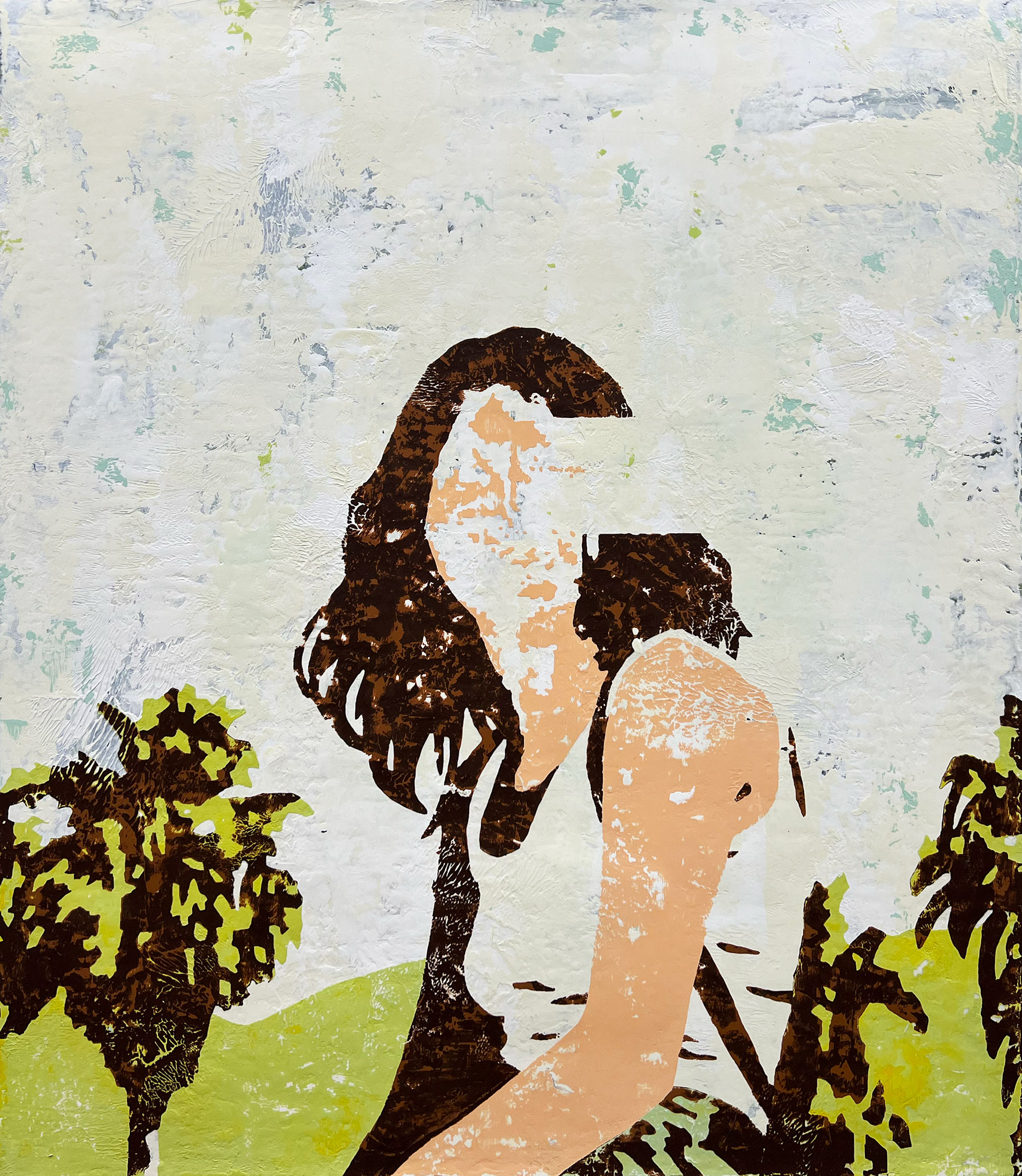
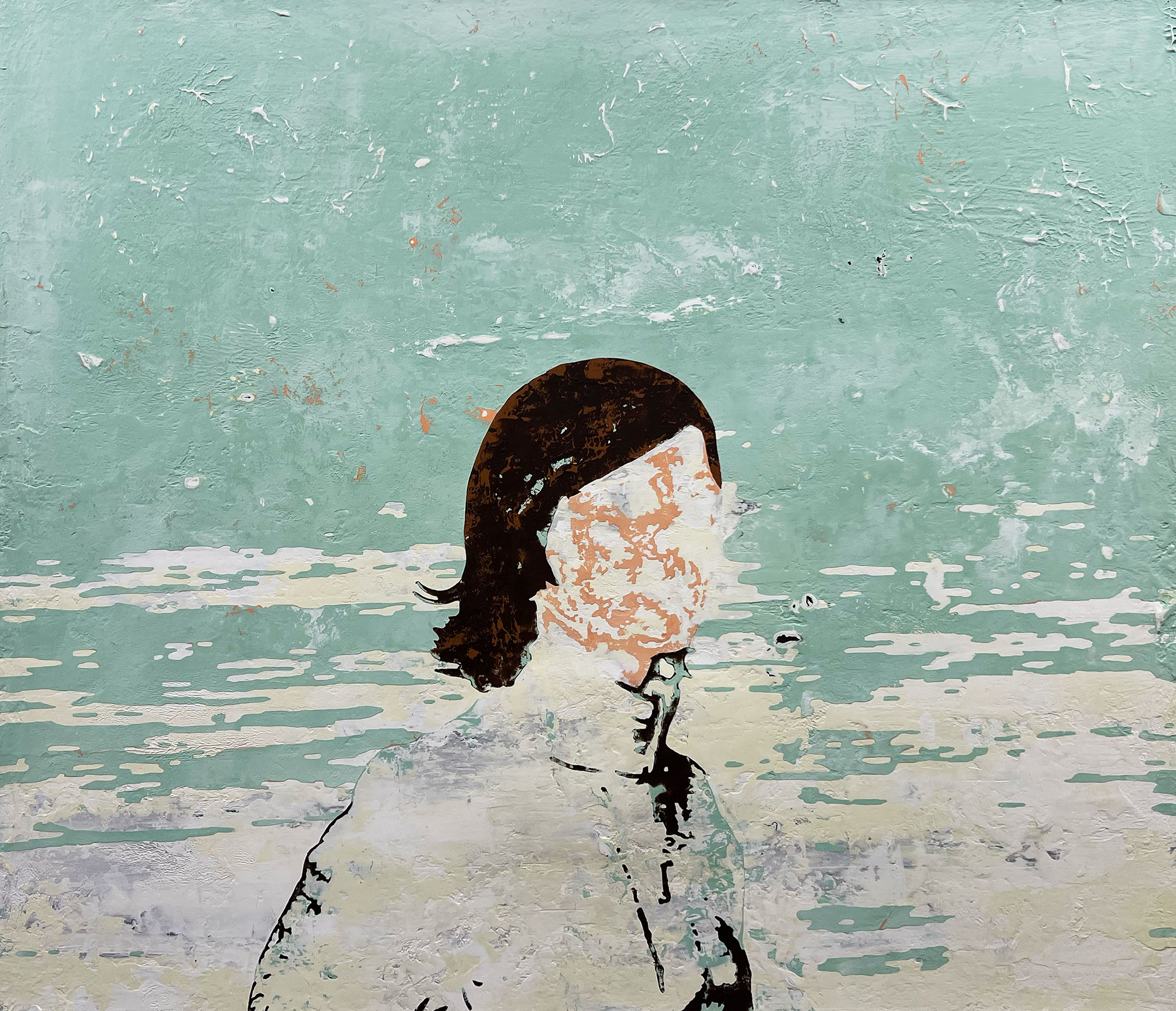
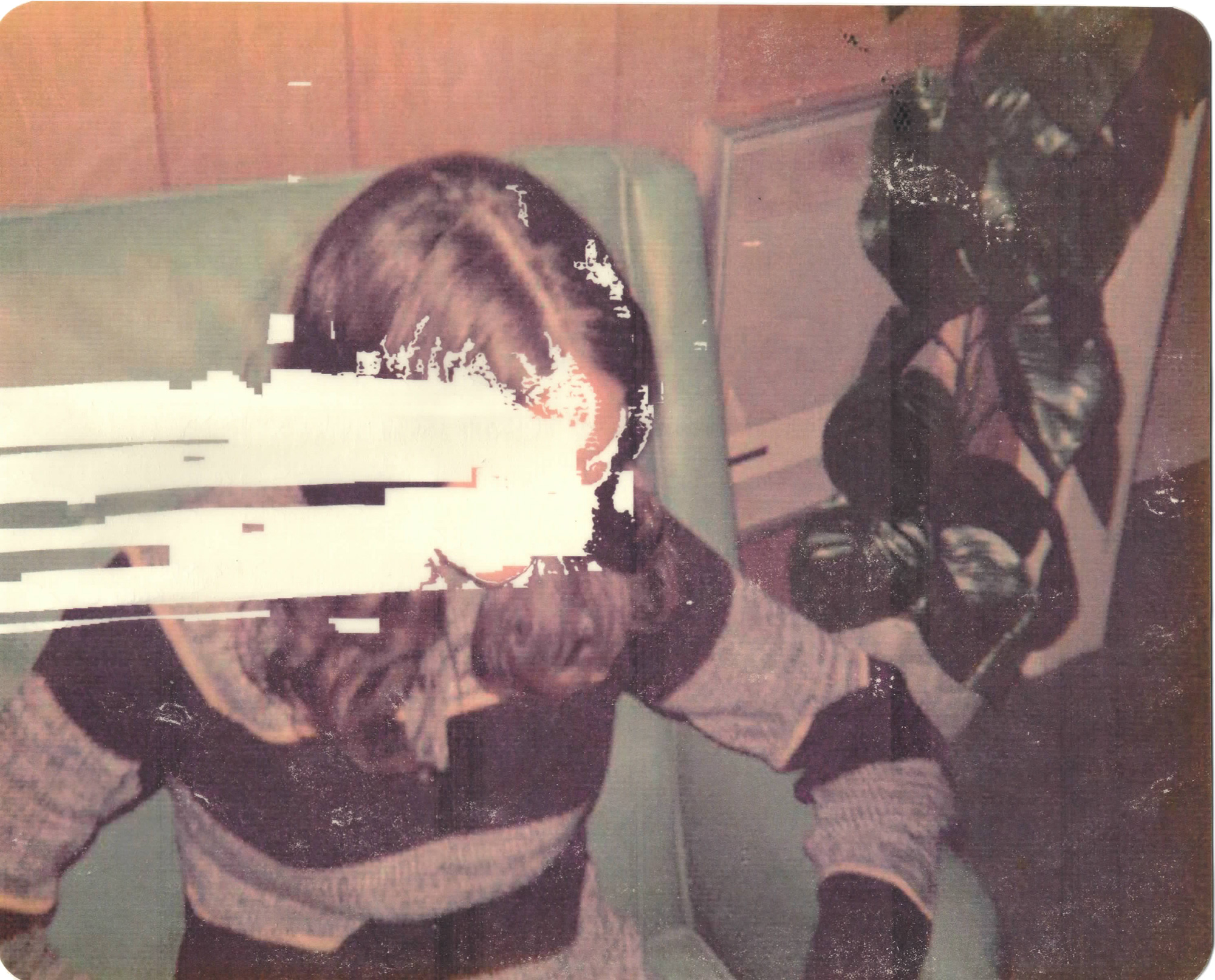
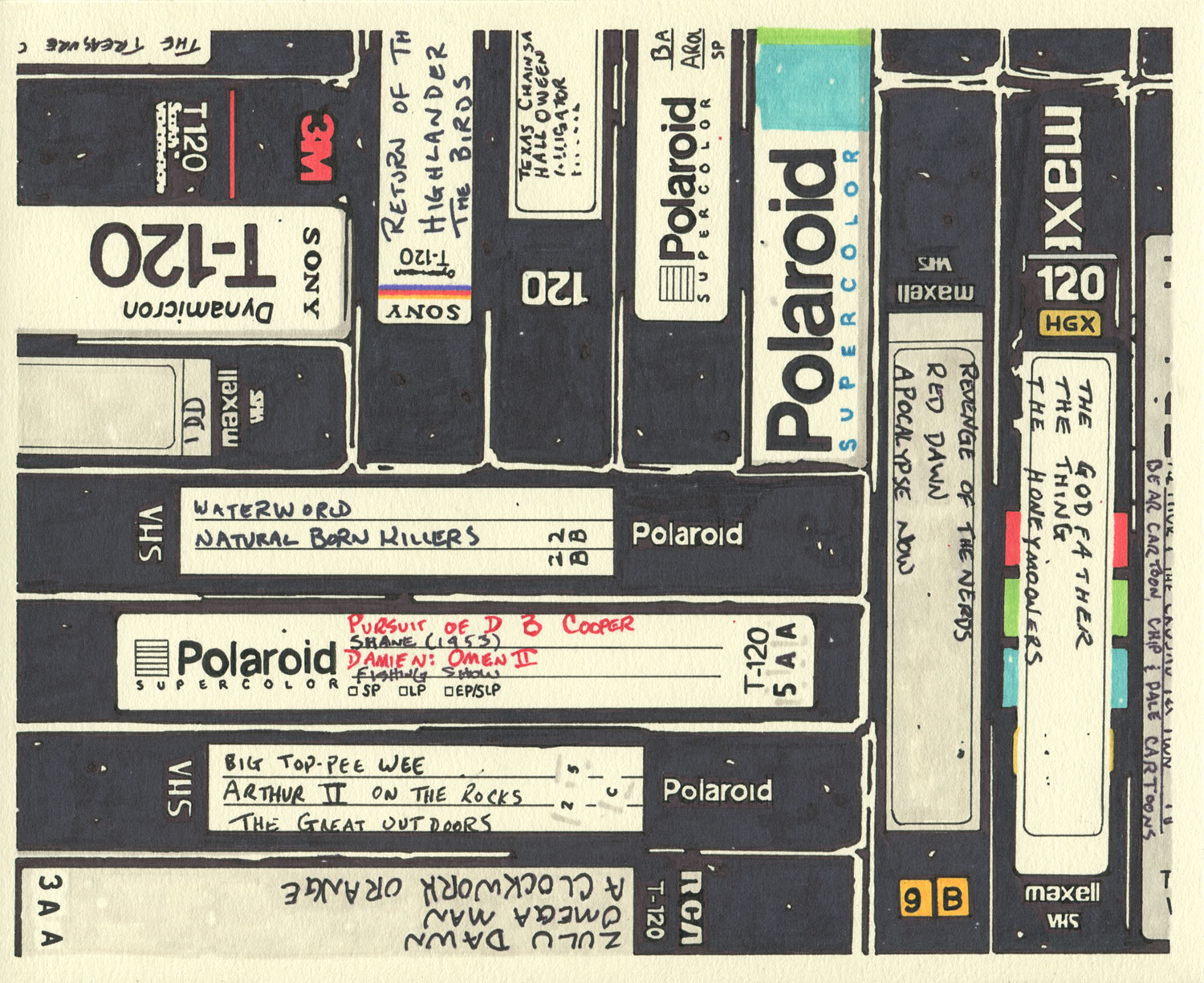
I make paintings, drawings, and prints. The work centers around memory and change – how images persist, distort, and reassemble over time. I often pull from personal material, from family photographs to fragments of pop culture, and break that imagery down. The process mirrors how memory actually functions – partial, unstable, and constantly shifting.
I came to this through a gradual commitment rather than a single moment. Art was always present, but choosing it as a life took time. Since then, the focus has been on developing a body of work that feels consistent and self-contained.
I largely work for myself. While I do show the work publicly and occasionally take on commissions, I don’t approach it as a service-based practice or problem-solving model. People who connect with the work tend to come to it on its own terms, often responding to something they recognize but can’t fully place.
What sets it apart, if anything, is that it resists being overly explicit. I’m not trying to direct the viewer toward a fixed interpretation. The work is meant to stay open – more like a surface people can project onto rather than something that tells them what to think.
What I’m most proud of is the continuity of the practice itself. Choosing to be an artist is one thing, but maintaining that decision over time – the long run, the unseen work, the paintings that get painted over, and the constant trial and error behind everything.
For anyone encountering the work for the first time, I’d want them to know that it’s not about a single image or idea. It’s about accumulation, repetition, and subtle shifts over time. The meaning isn’t always immediate, but it builds the longer you stay with it.
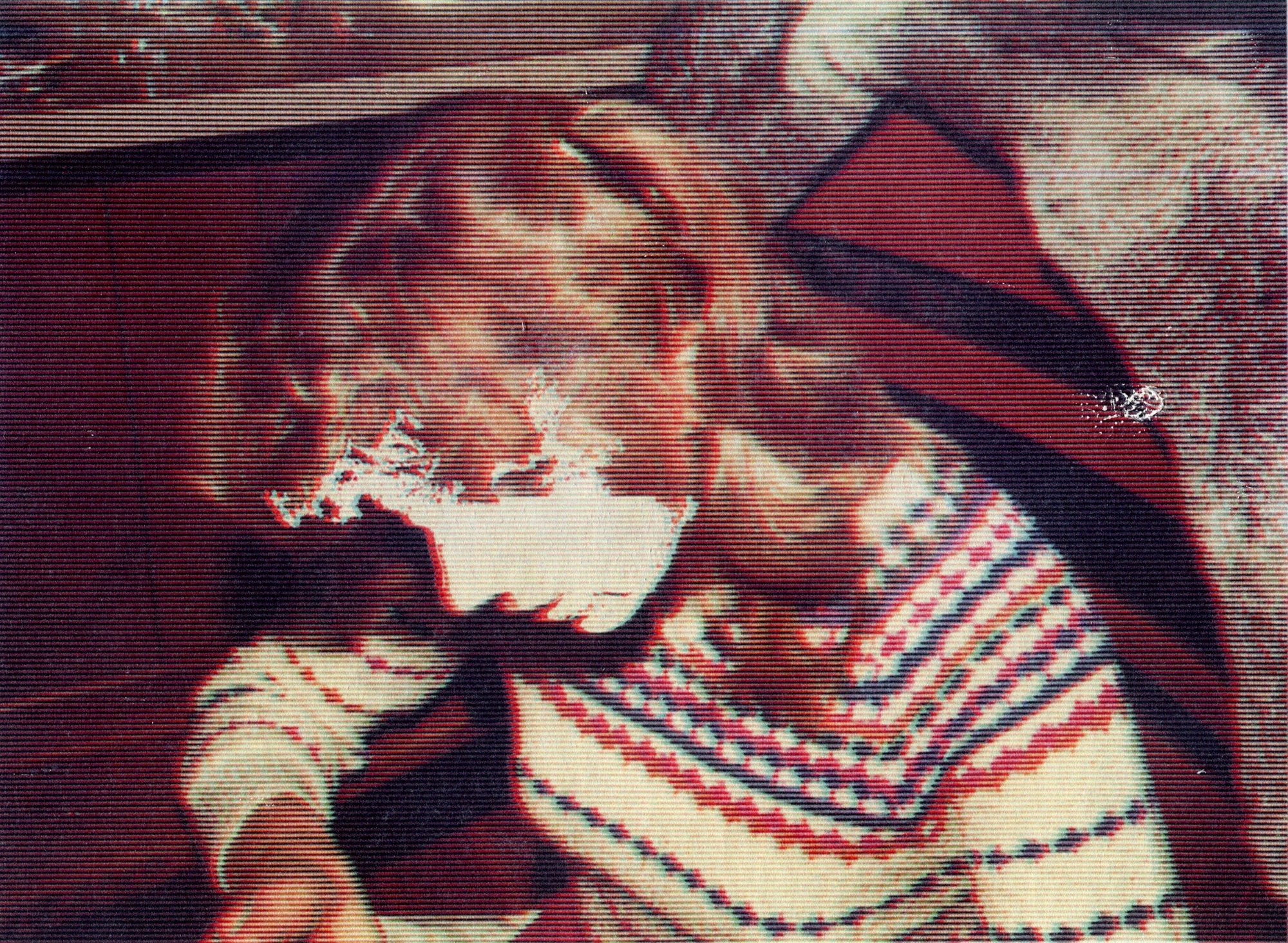
We’d love to hear a story of resilience from your journey.
From the summer of 2000 to the summer of 2001, I lived in a family lake house. It was built in the late ’50s – modest, comfortable in the summers when we grew up going there, but not meant for year-round living. There was no heat or air, aside from a small heater in one bathroom.
This was my second year out of college. When I first arrived, I finished a painting I had already been working on – but after that, I didn’t complete another piece for over six months. I was in the studio every day, often painting for ten hours at a time, but nothing would resolve. Everything stalled.
It was a difficult stretch. The conditions were physically uncomfortable, but more than that, there was no tangible sense of progress. Just repetition, uncertainty, and a lot of second-guessing.
But I stayed with it. Eventually, sometime in the spring, things started to shift and I began finishing work again.
That first painting – the one I completed when I arrived – sat in the room with me the entire time. I looked at it every day for six months. It’s still with me now, sitting about five feet away as I write this.
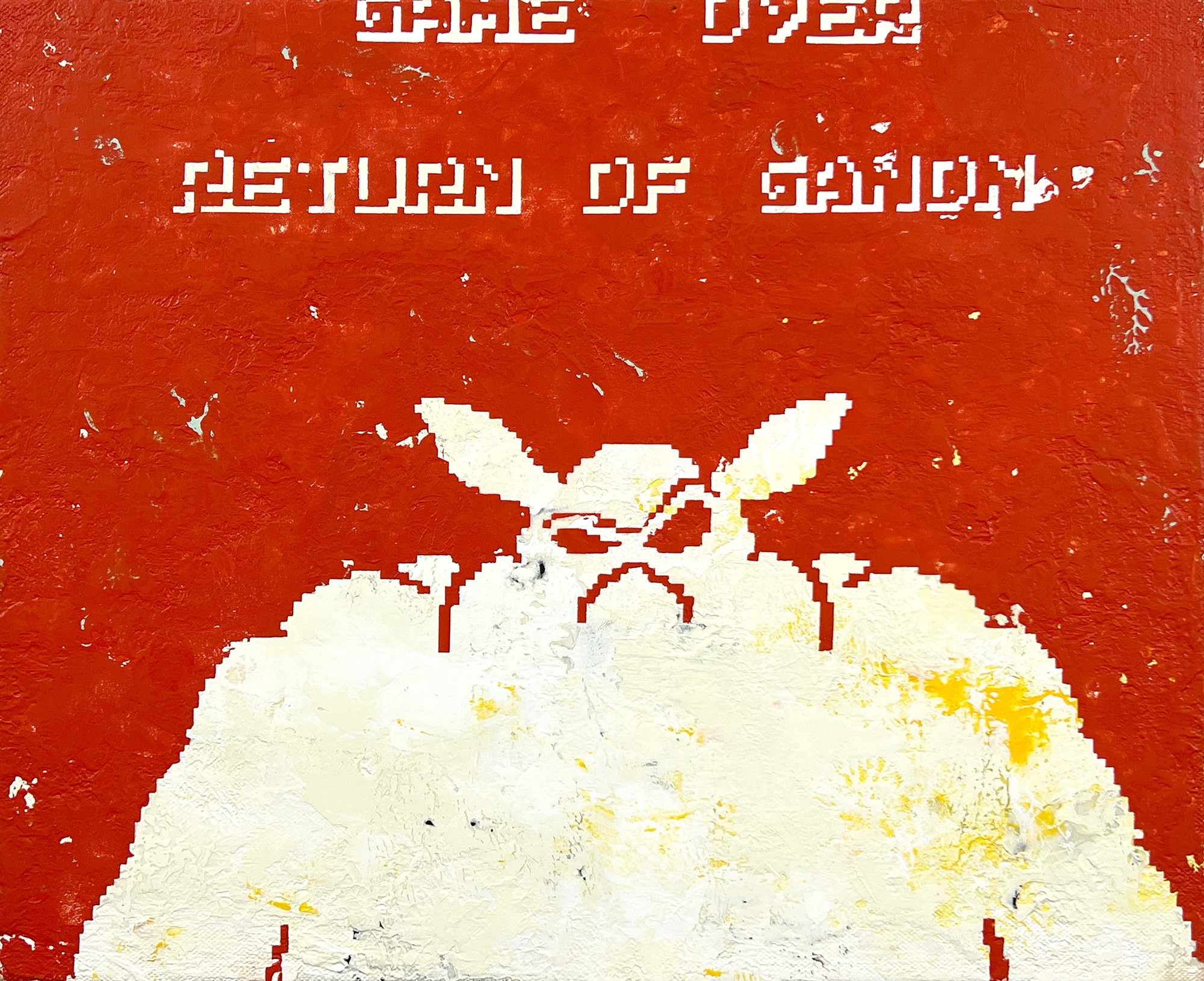
What do you find most rewarding about being a creative?
It’s the challenge. I look at my studio and the work in progress as a collection of unresolved problems.
I don’t think of myself as a naturally gifted, traditional painter. I’ve always felt a bit clumsy with the medium, so the work comes from trying to find my own way of making something that holds together. That’s where the reward is – in the struggle, the trial and error, and even the insecurity that comes from seeing other artists having success.
I spend a lot of time looking at artists throughout history and trying to build off of what they’ve done, while also pushing away from it. The real challenge is becoming something distinct.
All of the artists I’m drawn to feel like these singular blips – completely their own – and that’s what I’m always working toward.
Contact Info:
- Website: https://www.hollisbrownthornton.com/
- Instagram: https://www.instagram.com/hollisbrownthornton
- Facebook: https://www.facebook.com/hollisbrownthornton
- Other: Tumblr – https://hollisbrownthornton.tumblr.com/