

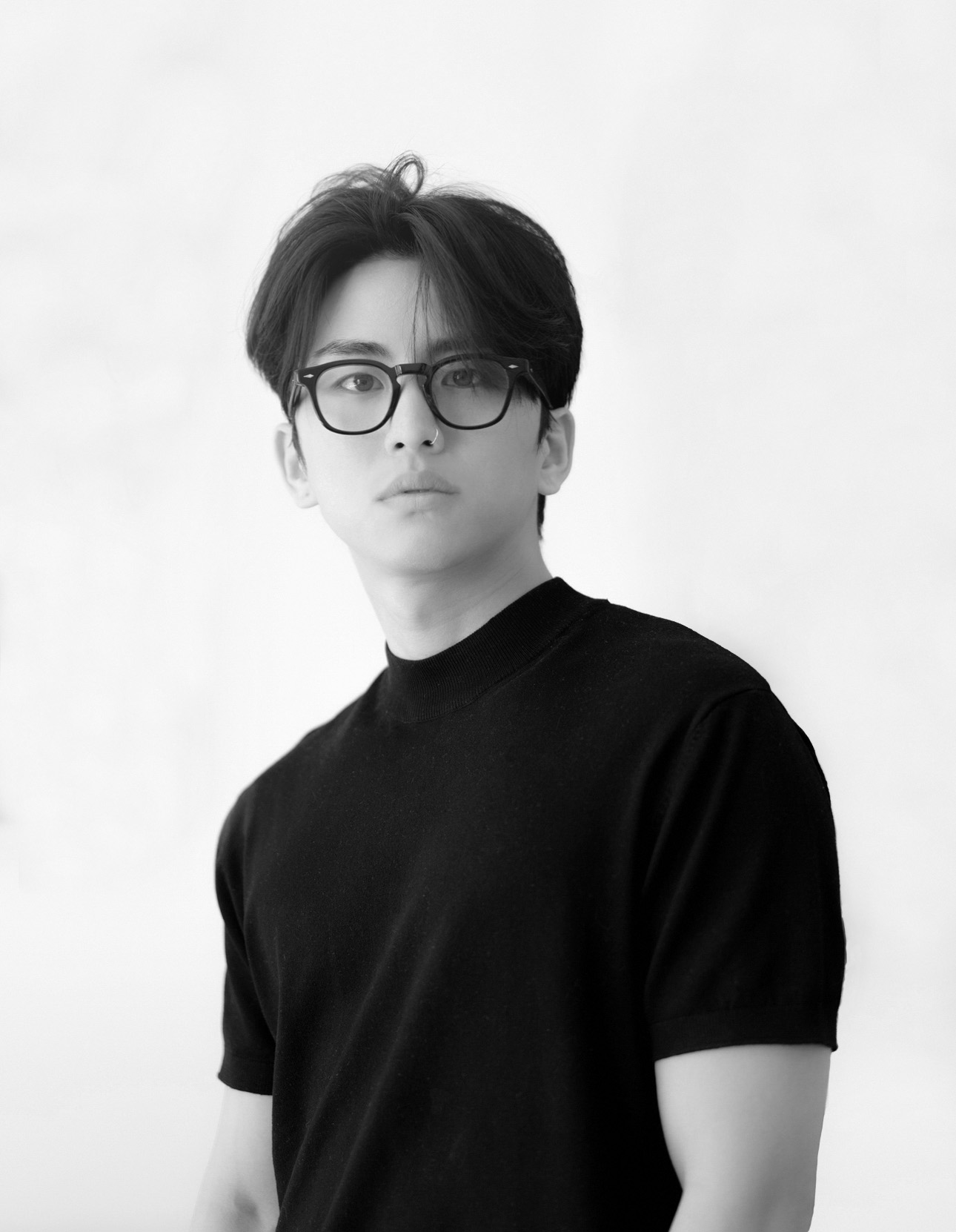

Alright – so today we’ve got the honor of introducing you to Herok. We think you’ll enjoy our conversation, we’ve shared it below.
Herok, looking forward to hearing all of your stories today. I’m sure there have been days where the challenges of being an artist or creative force you to think about what it would be like to just have a regular job. When’s the last time you felt that way? Did you have any insights from the experience?
I wouldn’t say I’m simply happier as an artist—it’s more complicated than that. Being an artist isn’t a stable kind of happiness. It moves. Some days it feels incredibly meaningful, almost necessary, and other days it feels uncertain, even fragile.
Yes, I do think about having a “regular” job sometimes.
The last time I had that thought was after a long day in the studio. I had been working for hours, layering, scraping, and reworking the surface over and over again. At some point, I stepped back and realized I didn’t know if the painting was getting better or just becoming something else. There was no clear answer, no immediate reward—just time, effort, and uncertainty.
I remember sitting on the studio floor, surrounded by the smell of paint and dust, feeling physically tired but mentally still inside the work. In that moment, I thought about what it would be like to have a more structured life—clear working hours, predictable outcomes, a sense of stability.
But as I sat there longer, I realized that what I was feeling wasn’t a desire to leave this path. It was more about wanting relief from the intensity of it.
Because what keeps me here is something I can’t easily replace. In the studio, there are moments when something unexpected appears—something I didn’t plan, something that feels like it comes from a deeper place. Those moments are rare, but they stay with me. They feel real in a way that is hard to define.
So I don’t think the question is whether I’m happier as an artist or in a regular job. It’s more about what kind of life I’m willing to engage with.
And for now, I’m choosing this one.
Great, appreciate you sharing that with us. Before we ask you to share more of your insights, can you take a moment to introduce yourself and how you got to where you are today to our readers.
I am a multidisciplinary artist based in New York, originally from
Busan, South Korea. My practice primarily focuses on abstract painting,
where I explore the relationship between memory, bodily movement,
and space. I am particularly interested in how physical experiences
accumulated in the body can be translated into visual manifestations.
Alongside my painting practice, I also work in illustration, creating book
covers, album covers, and graphic design projects. Moving between
these different mediums allows me to expand the language of my work
in different visual contexts.
My background spans several different disciplines. I first studied
advertising and branding design in Korea, and later pursued illustration
at the Savannah College of Art and Design in the United States. I then
completed my MFA in Painting and Drawing at Pratt Institute in New
York. These different experiences shaped how I approach images.
Design taught me about structure and systems, illustration taught me
about narrative and visual storytelling, and painting led me to question
the image itself—its materiality and the process through which it comes
into being.
My work often begins with the body. When I play soccer, I wear a body-
tracking device that includes GPS, accelerometers, and gyroscopes to
record movement data. At the same time, I also record the surrounding
sounds and environment of the field. Information such as movement
paths, speed, rhythm, breathing, and the boundaries of the space later
become starting points for the structures and mark-making in my
paintings. These records are reinterpreted on the canvas as lines,
structure and rhythms that evolve into painterly forms.
Recently, I have been thinking more deeply about the materials and
physical qualities within my work. I try to invite more elements of
chance into the painting process and consciously remove my hand and
intentions control the outcome. At the same time, I question my own
habitual ways of working—those unconscious tendencies that try to
return to familiar gestures. Rather than pursuing perfection, I am
interested in finding a balance within imperfection. The discomfort I
experience through this process often leads me to new realizations.
Through working this way, I realized that I am someone who tends to
control things more than I initially believed. In the studio I often
confront the act of removing or letting go of something. I cannot always
resolve the discomfort that comes with that process, but it allows me to
understand myself more deeply.
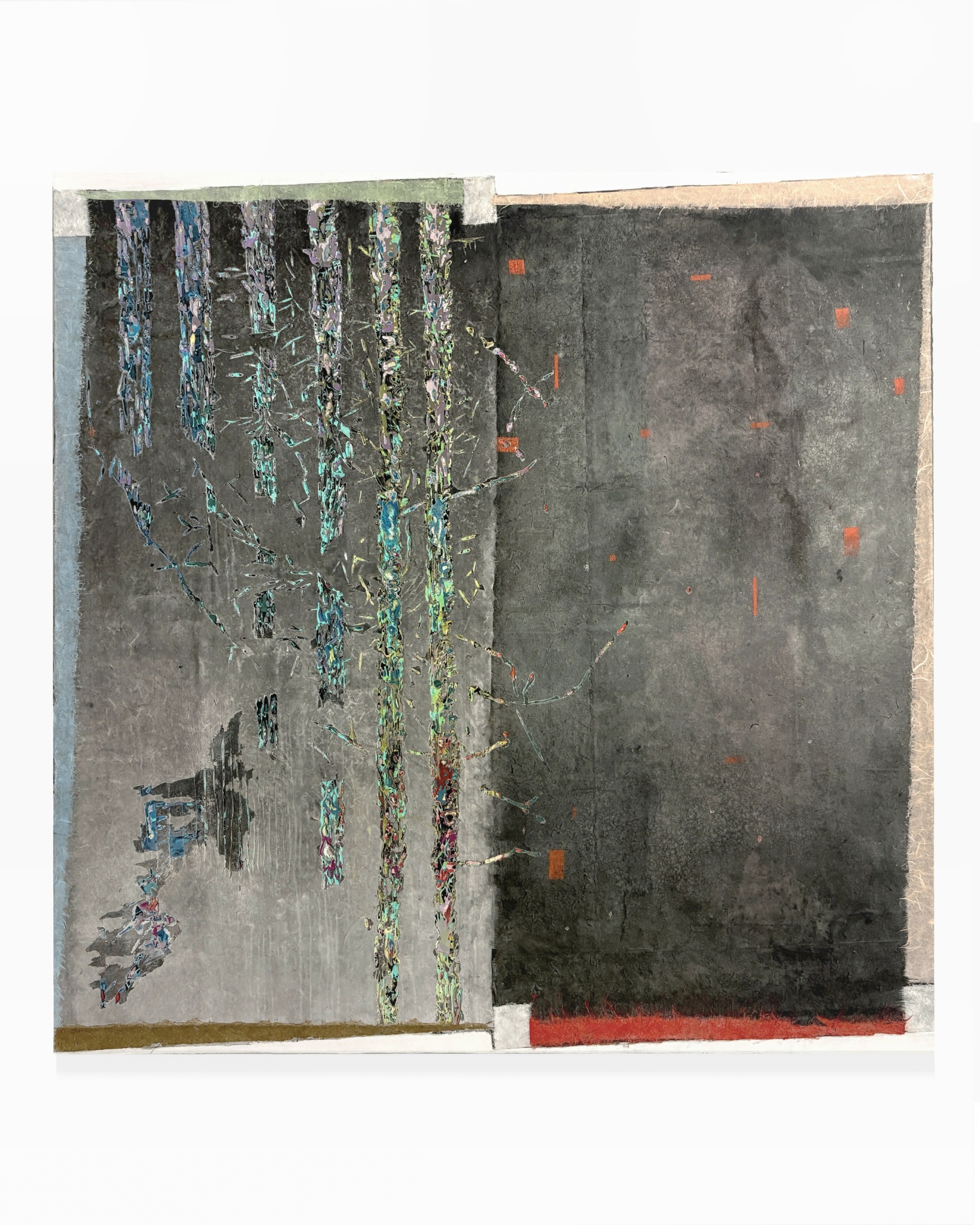
Material also plays an essential role in my work. I build thick surfaces
using layers of Korean hanji paper, toilet paper, acrylic, oil paint, and
house paint. I then repeatedly scrape and excavate the surface using
carving knives, wire brushes, and other tools. Through this process,
hidden colors and textures begin to appear, revealing layers where time,
gesture, and memory accumulate. For me, painting is less about creating
an image and more about excavating traces embedded within the
surface.
This working method developed during my graduate studies. I wanted to
find materials and inspiration that were closely connected to my own
life. By observing myself, my daily routines, and my surroundings, I
began discovering materials that carried personal meaning. One of these
tools is the wire brush. During my military service, I served as a tank
operator and frequently cleaned tanks and firearms. That was when I
first encountered a wire brush. In the confined space of a tank,
repeatedly scraping rust and dirt away from metal surfaces felt almost
like removing the rust and sediment that had built up within my own
mind. It was a strangely meaningful and meditative experience. Later, I
began using the wire brush in my paintings in place of a traditional
brush. Over time, the tools I used became sharper and more destructive,
while the materials themselves gradually expanded toward softer and
more fragile substances.
One of the central questions in my work is how we experience and
remember space through the body. Many memories are not stored simply
as visual images rather they exist as bodily sensations, movements, and
spatial experiences. Through painting, I try to give material form to
these invisible experiences.
One of the characteristics of my work is the formations emerging from
bodily movement and lived experience meeting the material processes of
painting on the surface. The starting point often comes from the spatial
data and movements of the soccer field where I play, but these data
visualizations are not confined to that specific place. They hold the
potential to expand beyond it. At the same time, the element of chance
that emerges through working with materials becomes an essential part
of the work. As layers accumulate and are scraped away, unexpected
colors, textures, and surfaces begin to appear, gradually forming the
painting. In this process, the movements of the body and the reactions of
the material interact to shape the structure and surface of the work.
What I am most proud of is that my work begins with personal
experiences but still leaves space for multiple interpretations. Some
viewers see landscapes or geological formations, while others describe
the surfaces as archaeological layers. Others respond to the textures or
the material beauty created by hanji and toilet paper. I find these varied
interpretations fascinating, because they show how the work can extend
beyond my own experiences and connect with the sensory memories of
others.Ultimately, I think of my paintings as a process of discovery.
Each painting is not a finished image but a site where time, movement,
and material interact. Through
this process, I hope the work invites viewers to reflect on their own
bodily memories and the spaces they have moved through in their lives.
Is there something you think non-creatives will struggle to understand about your journey as a creative?
This is a question I approach carefully. Whether someone is a creative
person or not, truly understanding a work of art is not something that
happens very often. I experience that myself as well. There are countless
works that we simply pass by without deeply engaging with them. And
even when we encounter the same artwork, the way we experience it can
change depending on our mood, our circumstances, or the moment in
which we see it.
Because of this, when looking at art I think it is more meaningful to
spend time observing slowly and openly, rather than trying to search for
a clear answer.
I often think that painting and poetry share something in common.
Sometimes I write short poems before I begin working. Through
conversations with poets, I realized that although the tools are different,
the creative processes are surprisingly similar. In poetry, the spaces
between words can feel like the poet’s breathing. Those breaths and
words come together to form sentences, sentences begin to flow like
lines, and those lines eventually build a structure. In many ways, this
process feels very similar to how a painting is formed.
Poets choose words with great care, much like painters choose and mix
colors. They write, erase, and rewrite repeatedly in search of the right
balance. In some moments, a single word in a poem can function much
like a color in a painting.
For me, understanding art is not about finding a single correct answer.
Instead, it is about spending time with the work and allowing yourself to
experience it.
What’s the most rewarding aspect of being a creative in your experience?
Exhibiting my work and attending openings is also rewarding for me.
Seeing the work leave the studio and exist in a space where it can be
shared with others always feels meaningful. I also find a lot of
fulfillment in conversations with other artists. Talking about our work
and discovering new ideas or perspectives through those conversations
can be very rewarding.
However, the most meaningful moments usually happen in the studio.
When I am completely immersed in the process of working, when I
discover something new during the process, or when
a piece reaches a point that feels satisfying to me—those are the
moments when I feel the greatest sense of fulfillment as an artist.
Contact Info:
- Website: https://herokstudio.com/
- Instagram: @herok
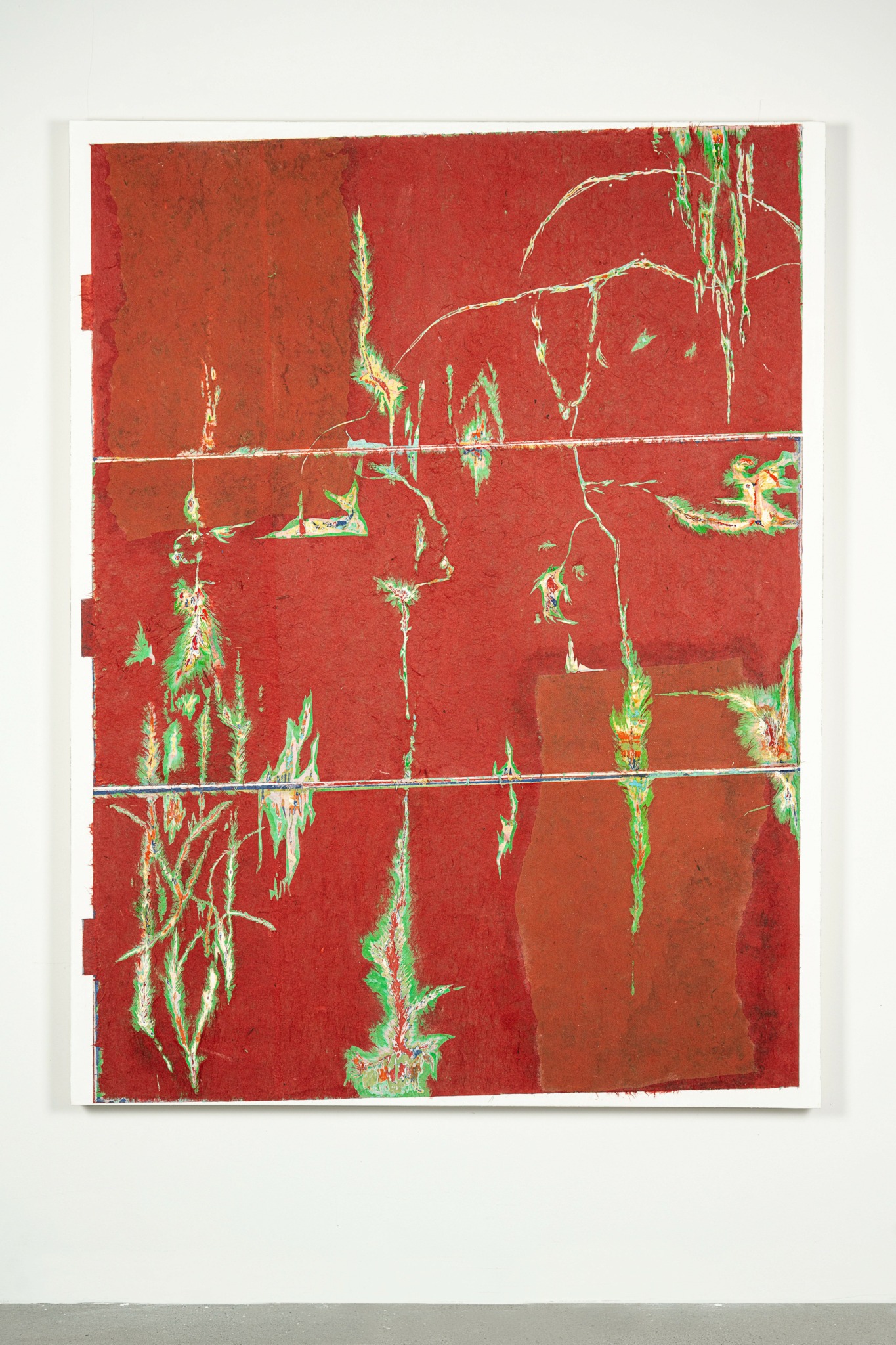
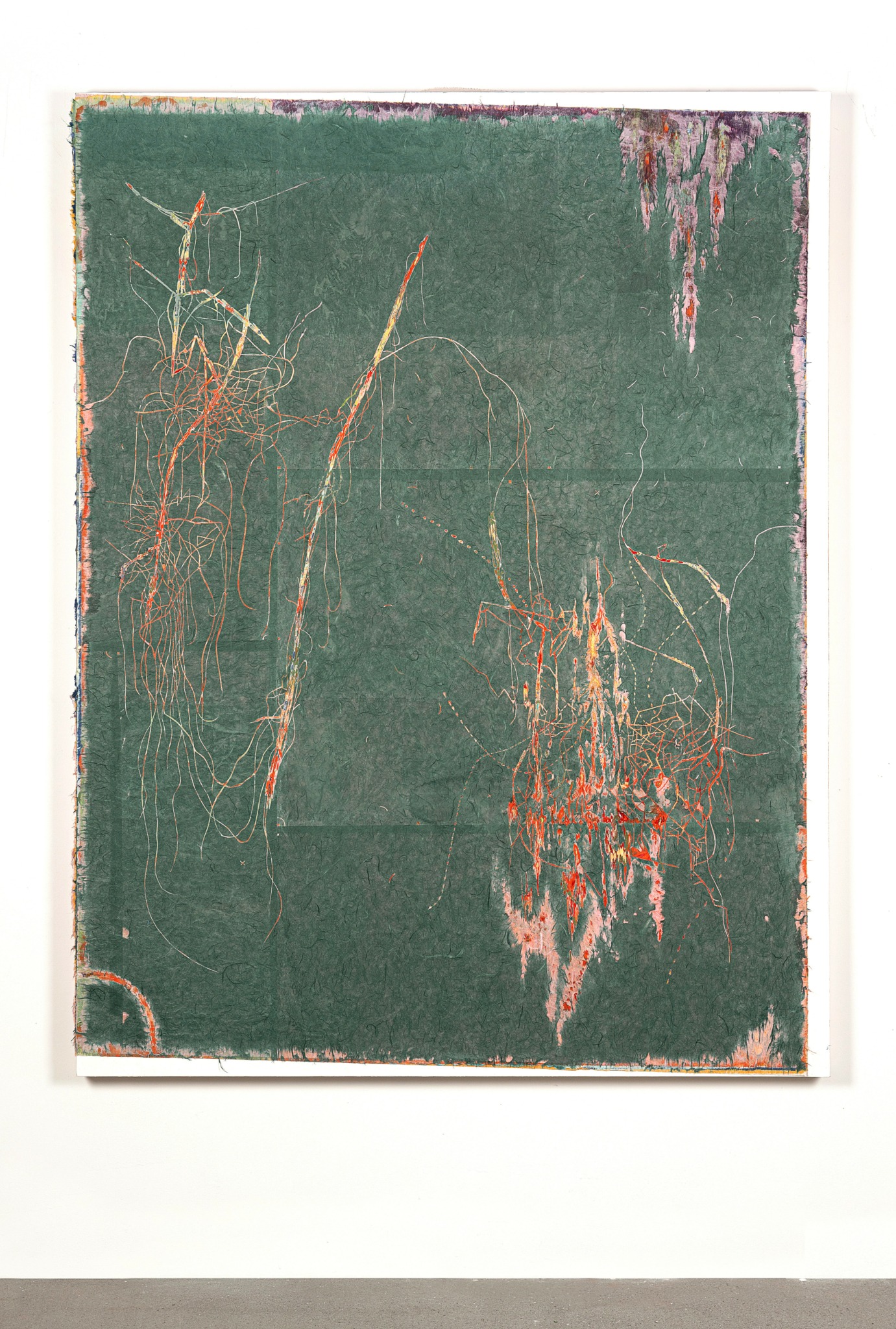
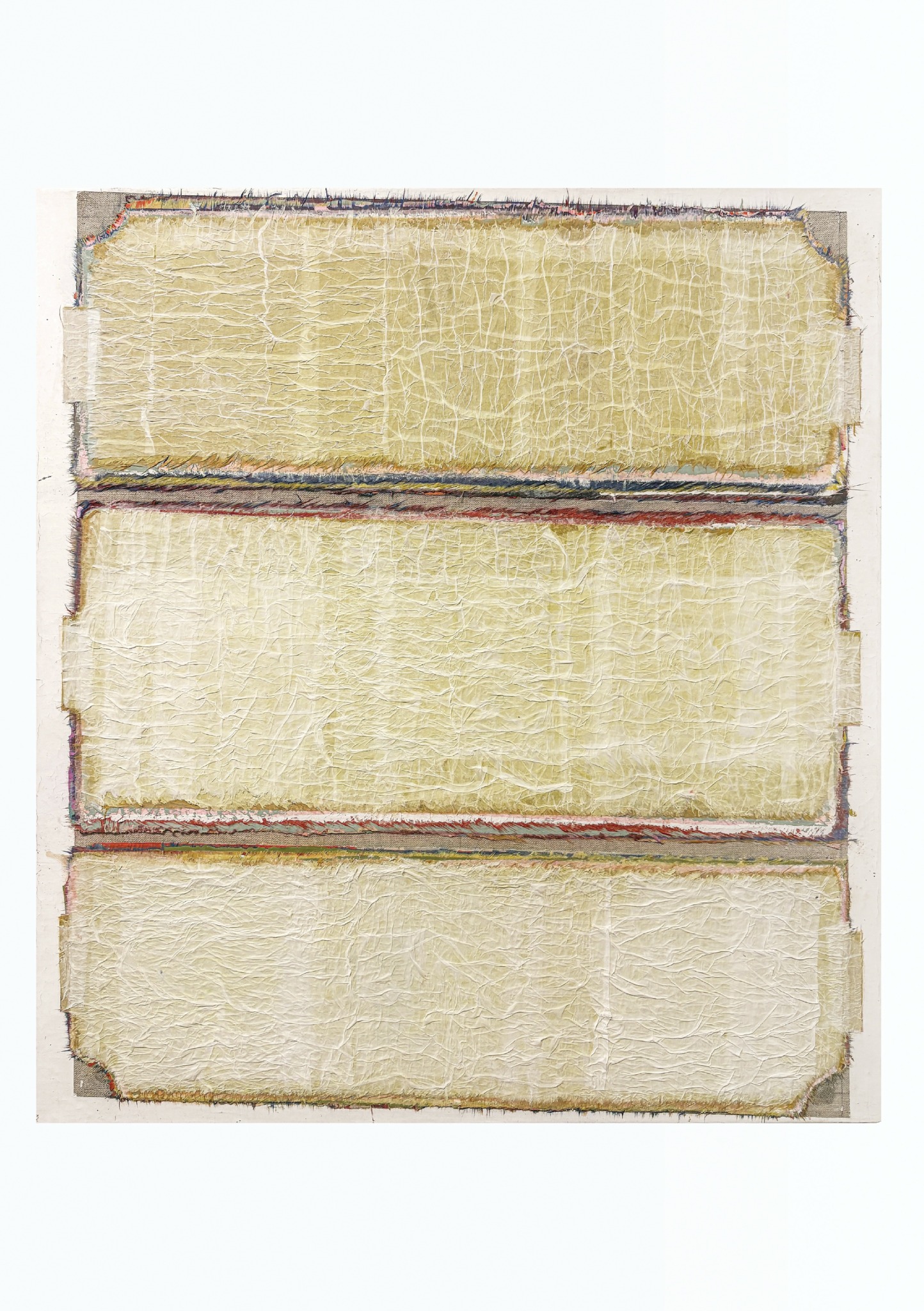
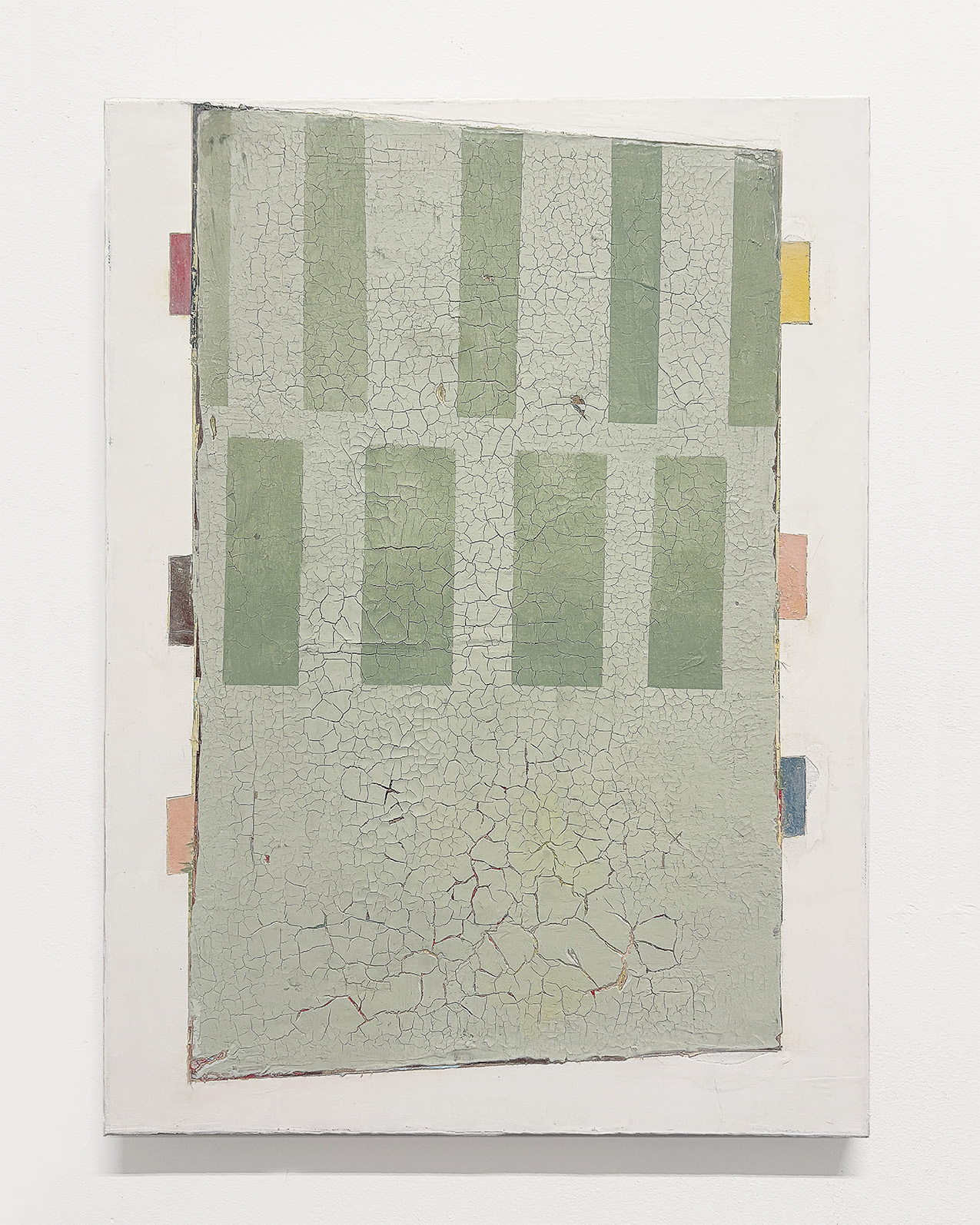
Image Credits
Field #1, 2025, Acrylic, oil, house paint, hanji paper on canvas, 52*68inches
Field #2, 2025, Acrylic, oil, house paint, hanji paper on canvas, 52*68inches
Untitled, 2024, Acrylic, oil, house paint, gravel, Korean traditional paper on canvas, 52*68inches
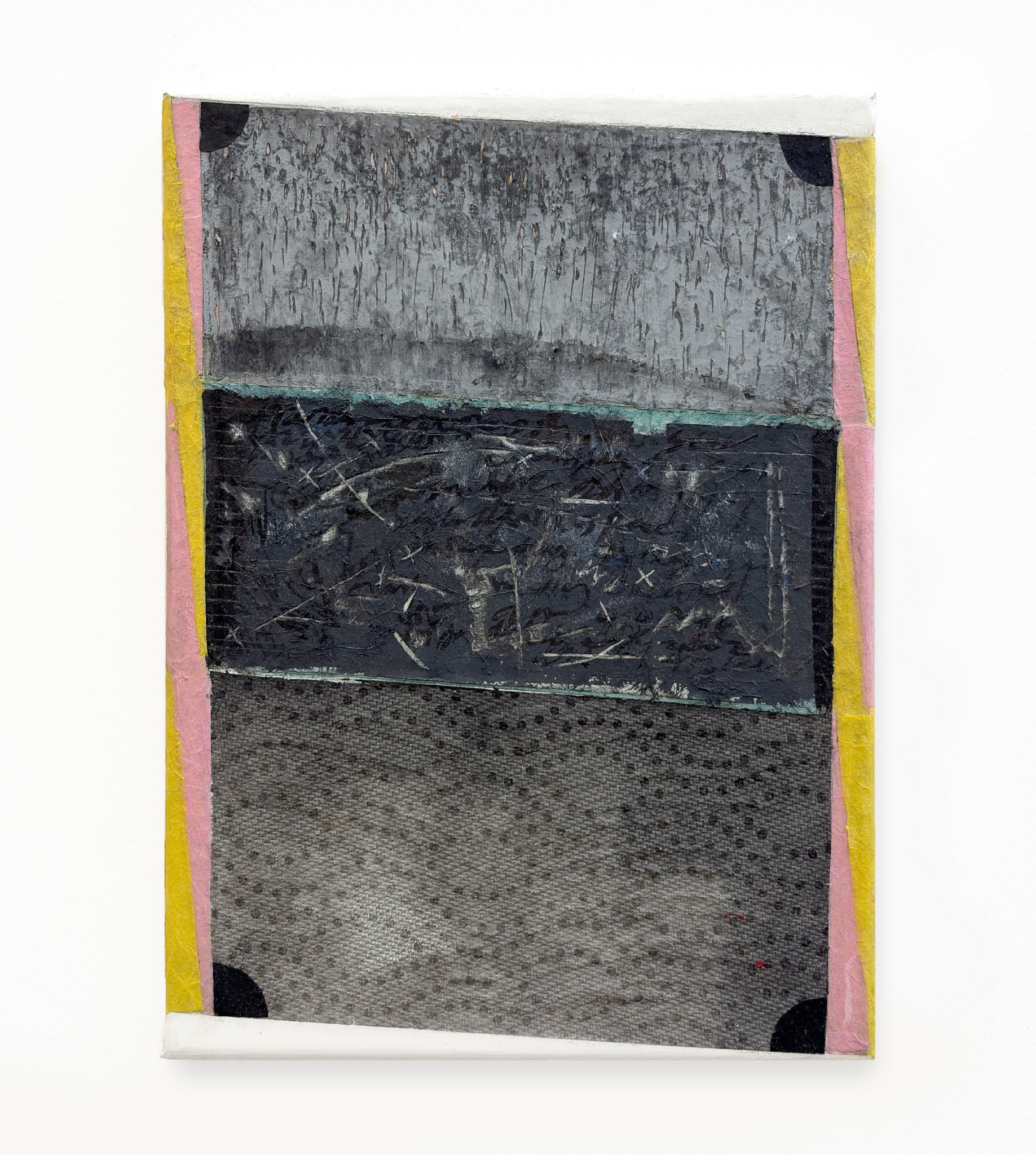
Out of field #1, 2025, Acrylic, oil, pigment, housepaint, haji paper on canvas, 18*24inches
Out of field #2, 2025, Hanji paper, pigment, plaster, toilet paper, sumi ink, 9*12inches
Out of field #4, 2026, Acrylic, house paint, hanji paper, toilet paper on canvas, 30*30inches
Out of field #5, 2026, Acrylic, house paint, sumi ink, hanji paper, toilet paper on canvas, 36*36inches
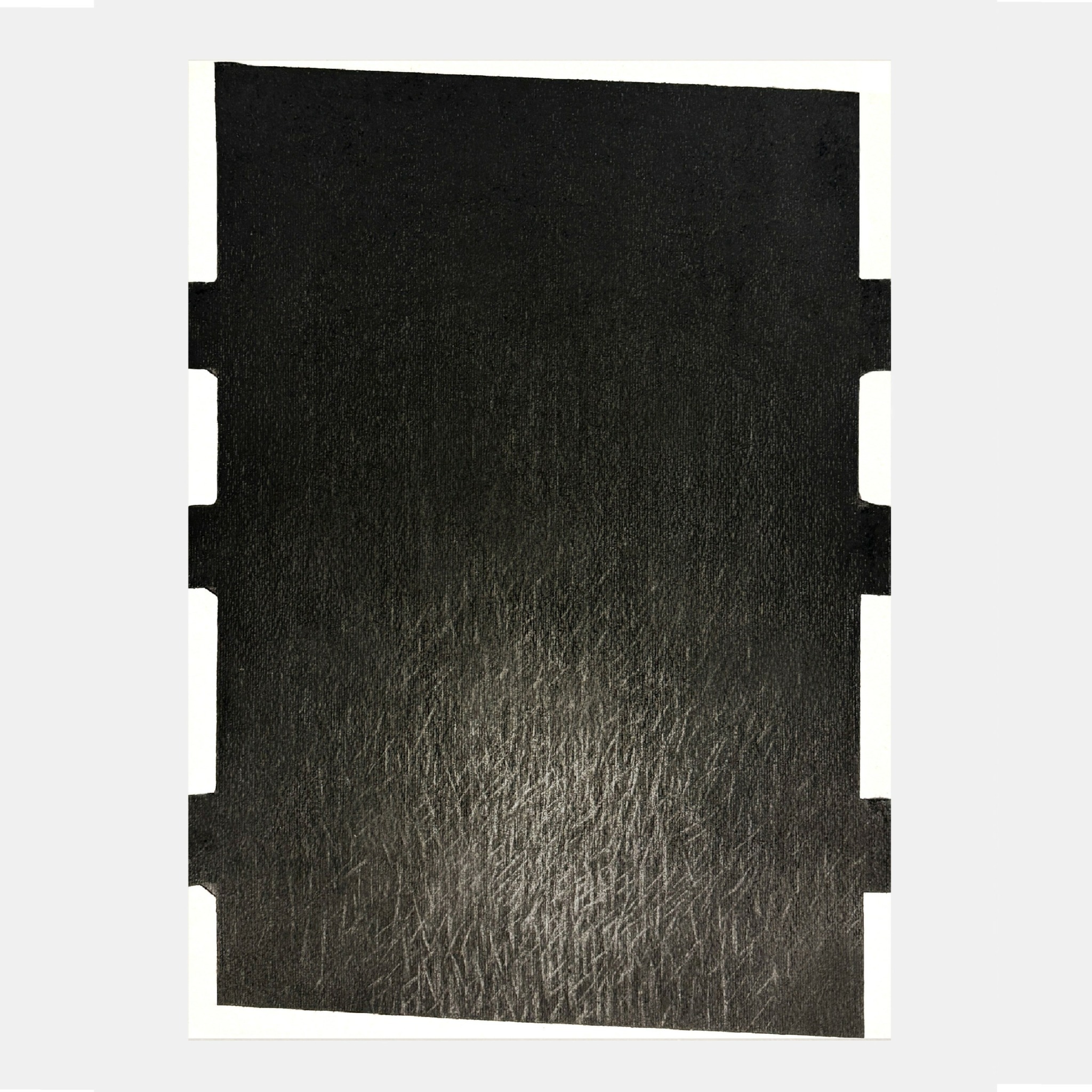
Kind of black field, 2025, Pencil, charcoal on watercolor paper, 11*15inches
image credit by Herok