

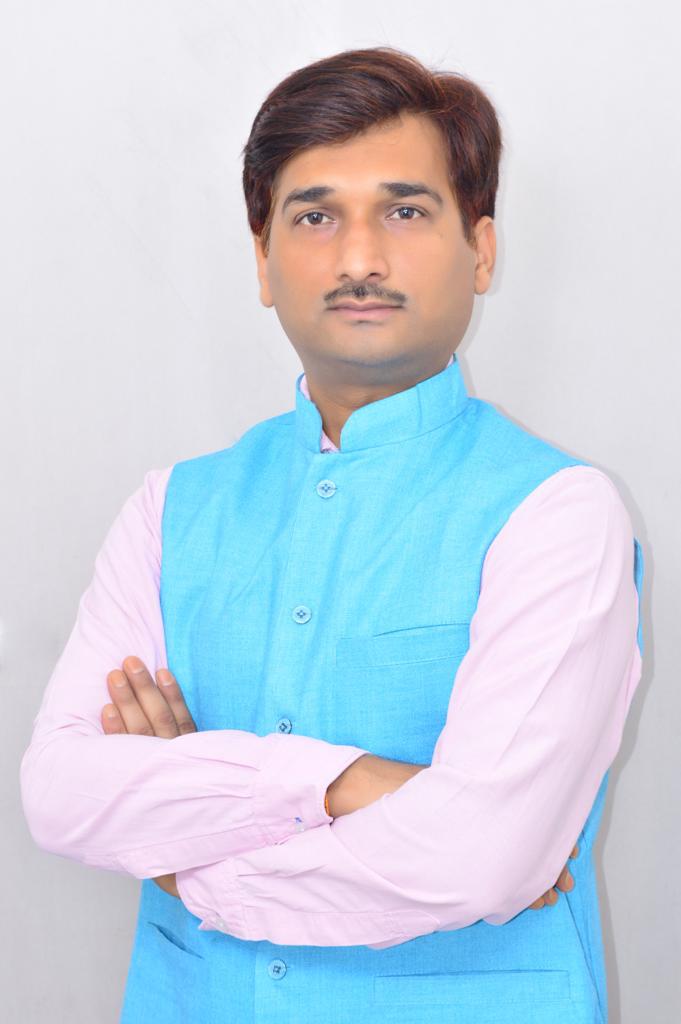

Alright – so today we’ve got the honor of introducing you to Harish Yadav. We think you’ll enjoy our conversation, we’ve shared it below.
Hi Harish, thanks for joining us today. We’d love to hear about a project that you’ve worked on that’s meant a lot to you.
I come from a rural part of India, where there are several pressing challenges such as unemployment among youth, lack of skills, poverty, and low income levels. While working as an officer in the field of entrepreneurship development, I observed these issues closely and decided to take action. I developed a plan to promote various government schemes related to entrepreneurship and to inspire young people to consider self-employment as a viable option.
I organized training programs focused on entrepreneurship and ensured that the youth were made aware of the relevant schemes. We helped them access resources and provided them with the necessary knowledge and support to start their own ventures. Although the process was quite challenging, over time, we were able to nurture and develop some promising entrepreneurs from among them. It was a slow journey, but a fulfilling one.”
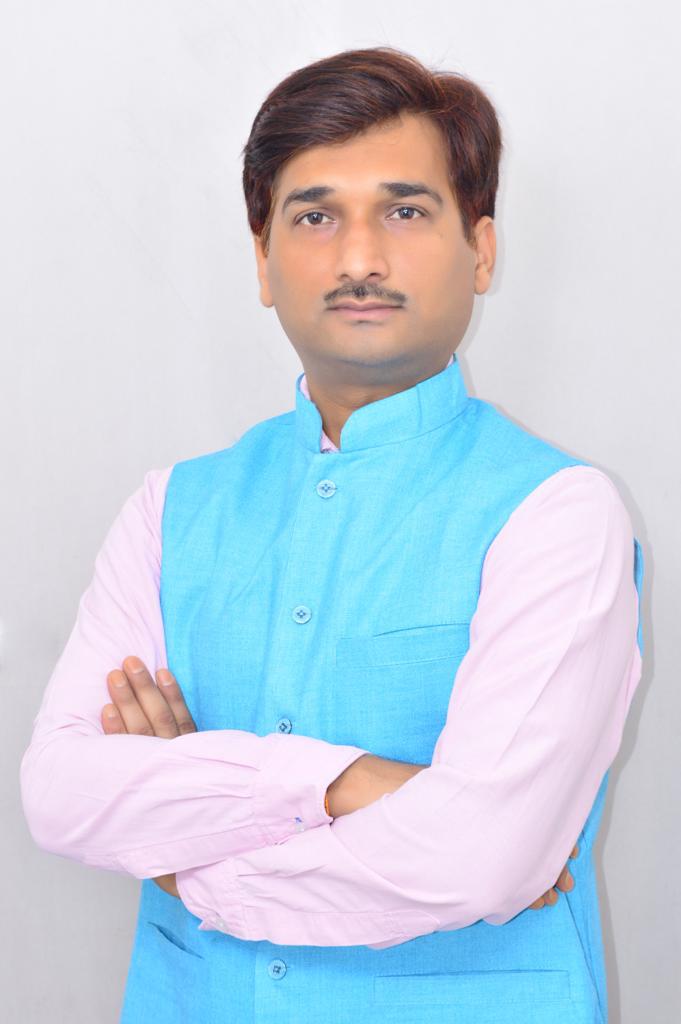
Harish, before we move on to more of these sorts of questions, can you take some time to bring our readers up to speed on you and what you do?
I am a civil service officer, author and researcher. I hail from a rural region of India, and the lived experiences of growing up amidst social and economic challenges have deeply shaped my worldview and professional commitment. My work spans across infrastructure finance, entrepreneurship development, public policy, and creative expression through literature and poetry.”
“I began my professional journey, and over the years, I have taken up diverse roles in the “Outside of my formal role, I am deeply passionate about empowering rural youth and micro-entrepreneurs. Recognizing the challenges of unemployment, lack of skills, and poverty in rural areas, I launched initiatives to connect youth with government schemes, provided them entrepreneurship training, and mentored them to start their own ventures. I take great pride in seeing some of them now running successful businesses. It hasn’t been an easy journey, but the satisfaction of grassroots transformation is priceless.”
“I also engage in creative pursuits — I write poetry, meaningful global works into and explore intersections of tradition and innovation. My literary projects often focus on themes of identity, social reform, nature, and silent resilience. Whether it’s a poetic work or a socio-cultural reflection in musical collaborations, I believe in creating content that speaks to the soul and society alike.”
“What sets me apart is the fusion of administrative precision with artistic vision — I approach governance not just as a task, but as a deeply human endeavor. I blend data with empathy, systems with storytelling. My brand is built on sincerity, inclusion, and transformation — is it in public policy, poetry, or people’s lives.”
“I want people to know that real change is possible — even if it starts from a small village or a silent corner of the system. I hope my journey inspires others — especially young minds — to stay rooted, stay curious, and never stop imagining a better world.”
Can you share a story from your journey that illustrates your resilience?
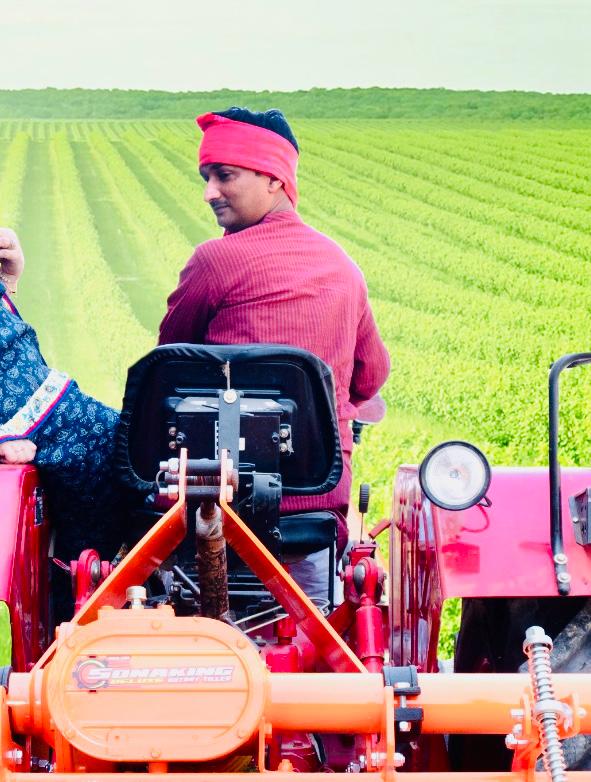
One story that truly reflects my resilience comes from my early days of working in rural entrepreneurship development. I was posted in a region where unemployment among youth was high, and there was little awareness of government schemes or the potential of self-employment. The challenge wasn’t just systemic — it was also psychological. People had lost faith in any real change.”
“I remember organizing a small entrepreneurship awareness camp in a remote village. Hardly anyone turned up. Some mocked the effort; others walked away, saying ‘Yeh sab kaagzi baatein hain’ (These are all just paper talks). It would’ve been easy to get demoralized. But I didn’t give up. I went back to those homes personally. I listened to their fears. I simplified the language of the schemes. I used local examples, local success stories, and even folk songs to convey the message.”
“Slowly, the narrative began to shift. One young man, who had dropped out of school, took the leap and joined a training program. With guidance and support, he started a small agribusiness. His success inspired others. Within two years, that same village saw the emergence of five new entrepreneurs. What started as rejection turned into revival.”
“That experience taught me that resilience isn’t just about holding on — it’s about believing in people before they start believing in themselves. It’s about going back, again and again, even when the door is closed. And most importantly, it’s about turning isolation into inclusion.”
What do you find most rewarding about being a creative?
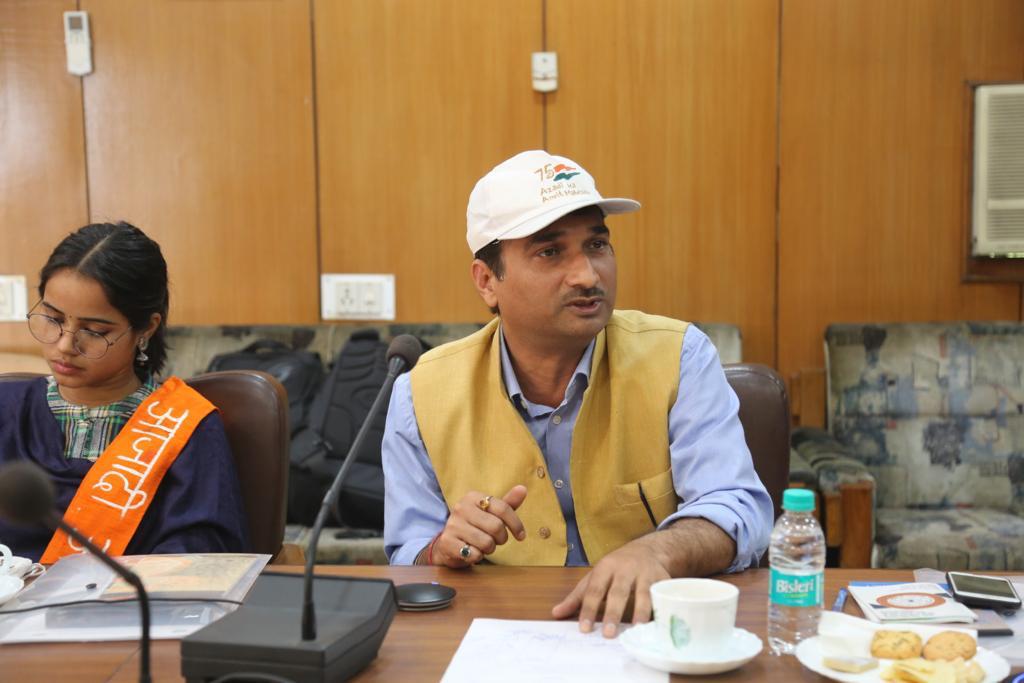
For me, the most rewarding aspect of being a creative person is the ability to connect deeply — with people, emotions, and the times we live in. When someone reads a poem I’ve written and says, ‘It felt like you wrote my story,’ that moment of silent recognition, that invisible bond, is incredibly fulfilling. It reminds me that creativity can heal, comfort, and awaken a sense of purpose in others.”
“One such moment that touched me deeply was when I wrote a song for river conservation — a ‘Nadi Bachao Geet’ — to raise awareness about the drying rivers and depleting water bodies across India. The song wasn’t just art; it was a call to action. Its emotional appeal stirred collective consciousness, and in one region, it led to the revival and protection of a dried-up river. To witness words turning into a movement, and creativity resulting in ecological restoration, was a profoundly humbling experience.”
“As a civil servant, I work with systems. As a writer and artist, I work with souls. Being able to do both means I don’t just see data — I see the faces behind it. My creative work gives me the freedom to express what bureaucracy sometimes cannot — the silent struggles of rural youth, the poetry of resilience, or the irony of modern progress. That freedom is not just rewarding; it is liberating.”
“Another great joy is creating something that outlives the moment — a verse, a song, or even an idea — that continues to move people, inspire thought, or start a conversation long after it’s been shared. Creativity gives you that timelessness, that immortality of intent.”
“In the end, it’s not about applause or recognition. It’s about touching someone’s life in a quiet but lasting way — and knowing that your words, your art, made them feel seen, made them act, and perhaps, made something live again — like a river.”
Contact Info:
- Instagram: @dr_harishyadav
- Youtube: https://www.youtube.com/c/DrHarishYadav
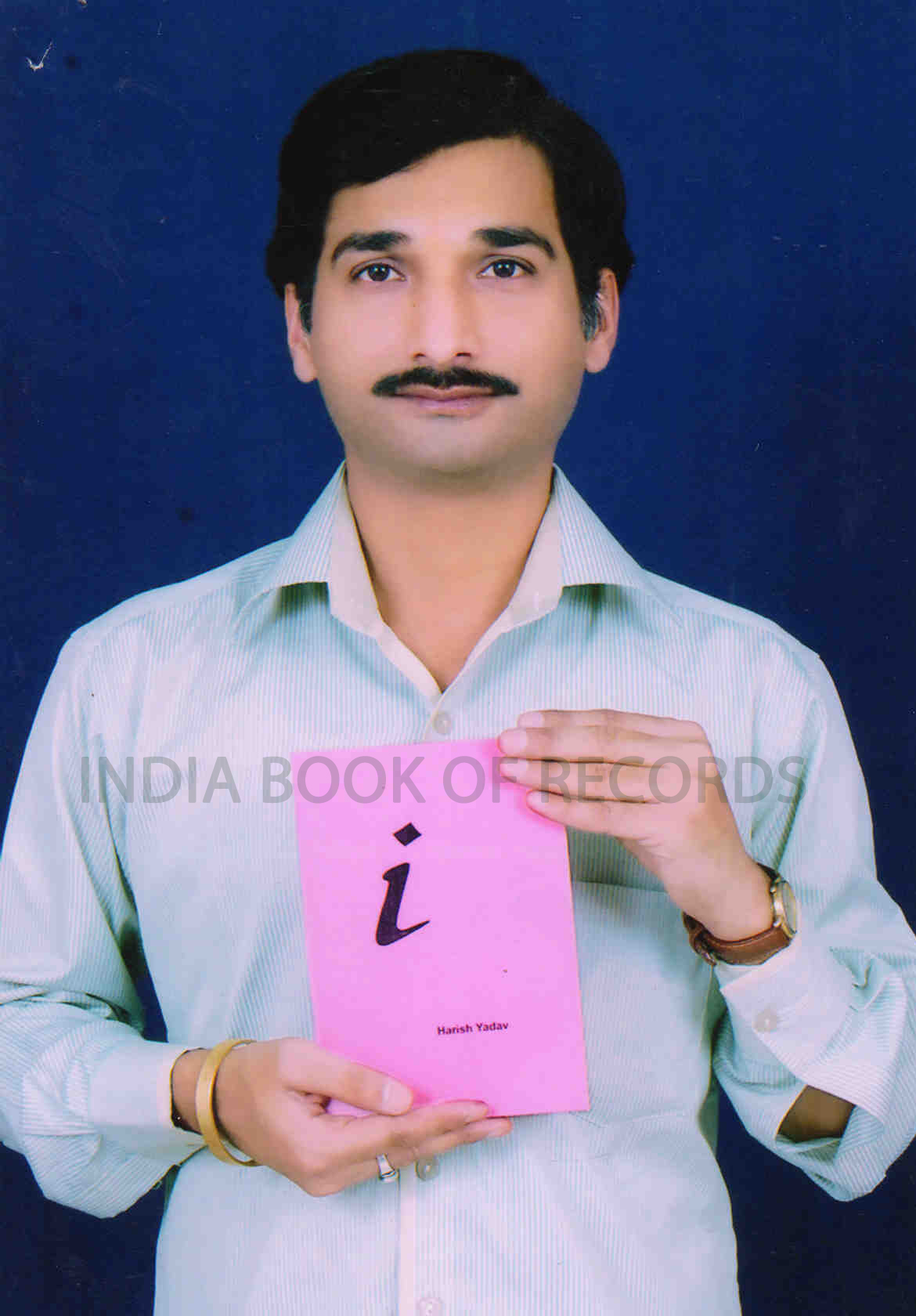
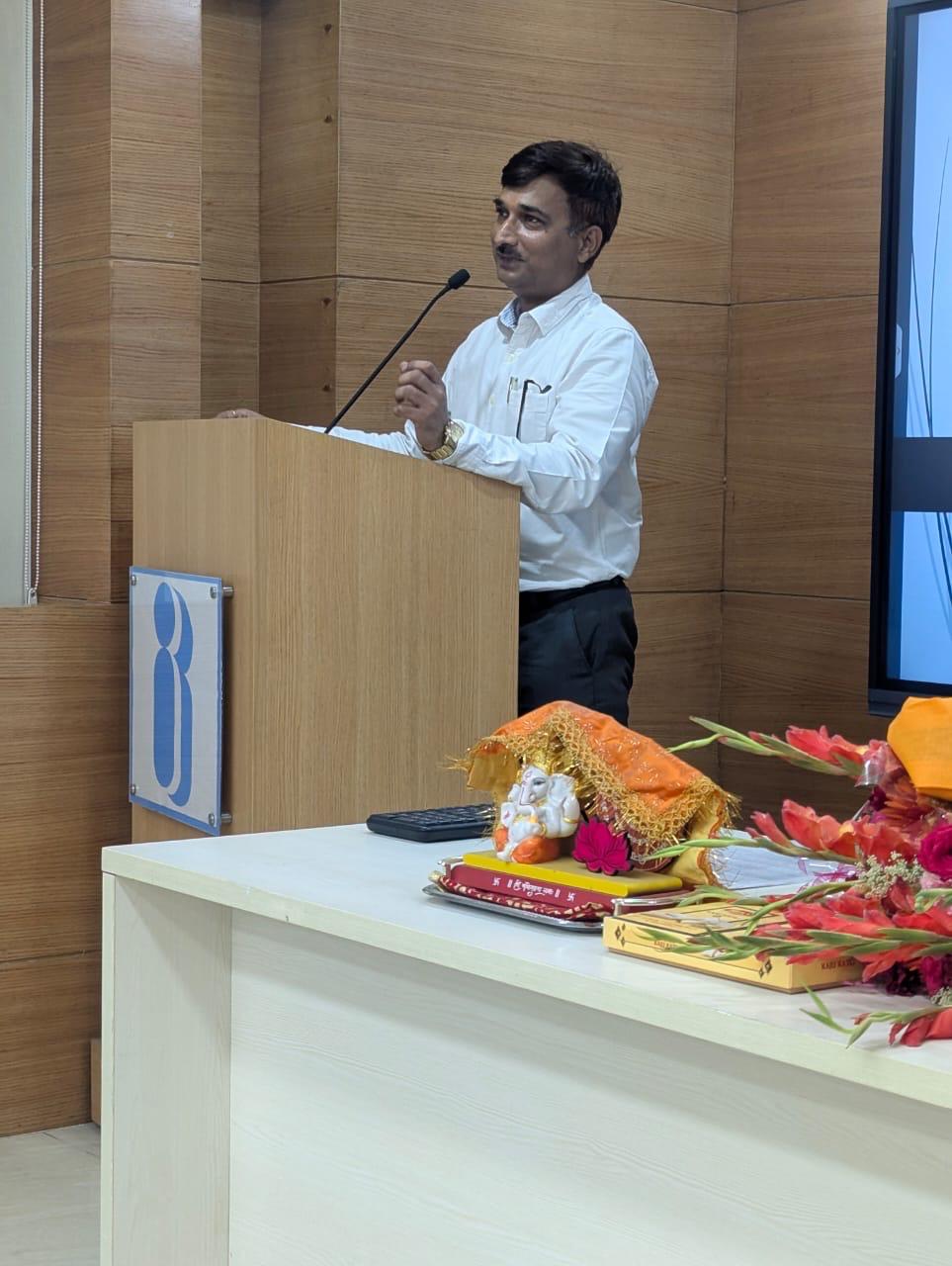
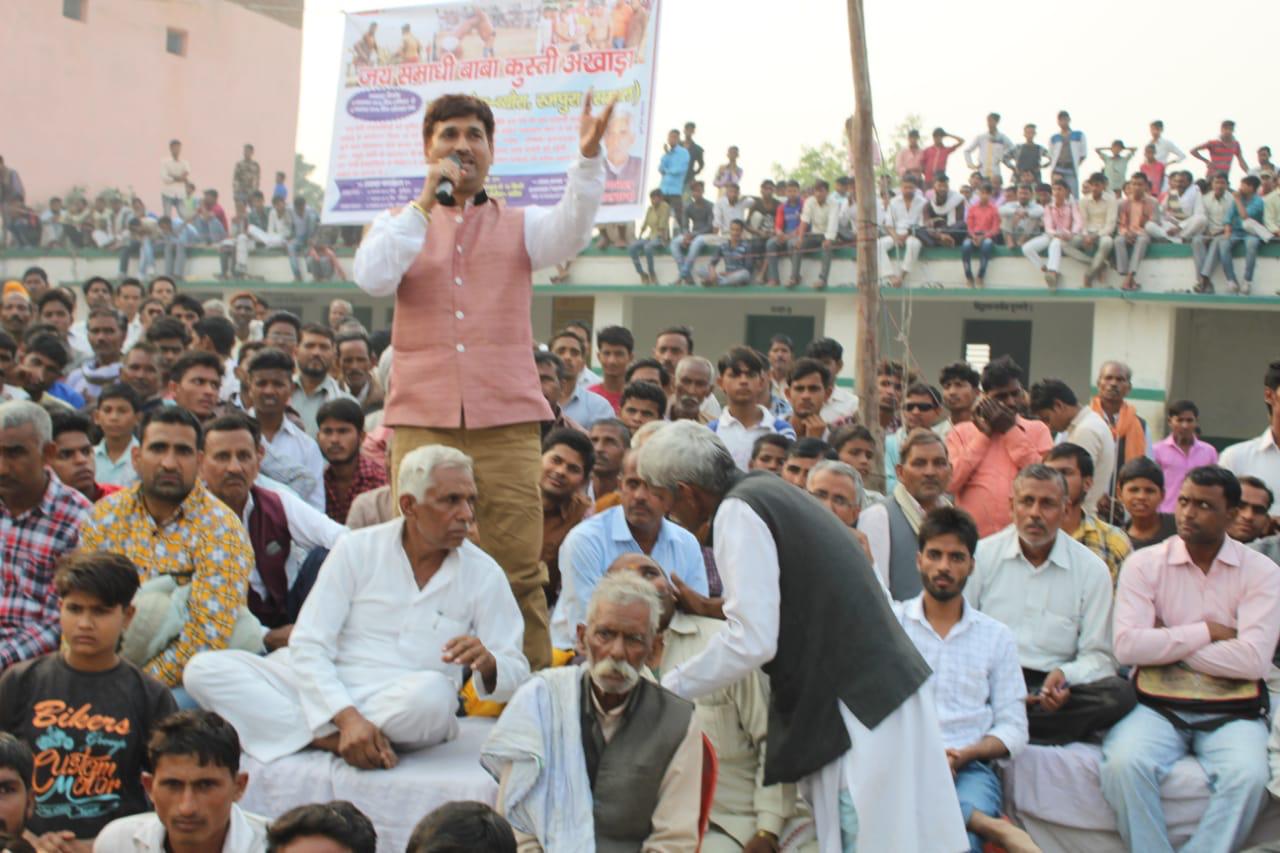
Image Credits
Harish yadav