We’re excited to introduce you to the always interesting and insightful Hannah Salazar. We hope you’ll enjoy our conversation with Hannah below.
Alright, Hannah thanks for taking the time to share your stories and insights with us today. Was there a defining moment in your professional career? A moment that changed the trajectory of your career?
My journey as a mental health counselor began in 2015, when I first ventured into teaching elementary school. At the time, I was exploring the possibility that teaching might be my true calling. I accepted a position as a long-term substitute for a third-grade classroom. The class consisted of 25 students, many of whom were English language learners. I didn’t speak Spanish at the time and was advised to provide the students with Spanish-to-English dictionaries and proceed from there.
As the weeks went by, I observed numerous challenges faced by these children. I found myself asking, “How can I better support these students? How can I create an environment where they can thrive? What changes can I make to ensure my classroom is more accommodating?” I tackled these questions one by one, but I still felt that my efforts fell short. I realized I wanted to go beyond the classroom to truly understand the factors shaping their experiences. That realization led me to my true calling: helping children outside the classroom, delving deeper into their stories, and exploring what drives their behavior.
A few years later, I began graduate school in Clinical Mental Health Counseling. During this time, I was fortunate to secure an internship with a pediatric neuropsychologist. As her psychometrist, I administered assessments and conducted therapy sessions in the afternoons. This hands-on experience introduced me to the intricacies of mental health, psychology, and neuropsychology. I quickly learned that every individual has a story, and true understanding requires sitting down and genuinely listening. Working with children, I discovered that their stories are often told not through words but through play, body language, behaviors, and emotions. This experience taught me that the understanding I sought was not a destination but a lifelong journey.
The developing brain and its capacity to absorb the world around it is a truly fascinating phenomenon. The way neurons form connections in a child’s first three years is astounding. I firmly believe that anyone working with children should seek an understanding of brain development and how it influences a child’s sense of self. Over the past 8.5 years, I have gained significant experience working with neurodevelopmental and other disorders, but I know my learning will never end. The field is constantly evolving, with new science and insights shaping our understanding of how disorders manifest across the lifespan.
I don’t believe I will ever have a single defining moment in my career. Instead, I anticipate a collection of moments that will continue to guide and inspire my path forward.

Hannah, before we move on to more of these sorts of questions, can you take some time to bring our readers up to speed on you and what you do?
My name is Hannah Salazar, and I founded The Good Neuron four years ago. At the time, I was a new counselor, deeply concerned by the alarming amount of mental health misinformation circulating during the COVID-19 pandemic. What began as a small blog quickly evolved into a growing social media presence. Over the years, The Good Neuron has transformed significantly as I expanded my focus to tutoring and mentoring new counselors on their journey to independent licensure.
As part of this evolution, I rebranded the platform to better serve counselors across the country, working with them via Zoom and Google Meet as they prepared for the National Clinical Mental Health Counseling Examination (NCMHCE). Through these sessions, I observed how performance anxiety, ineffective exam strategies, and other barriers often hinder counselors’ career paths. This insight inspired me to develop and write my own study materials, which are now available at thegoodneuron.com.
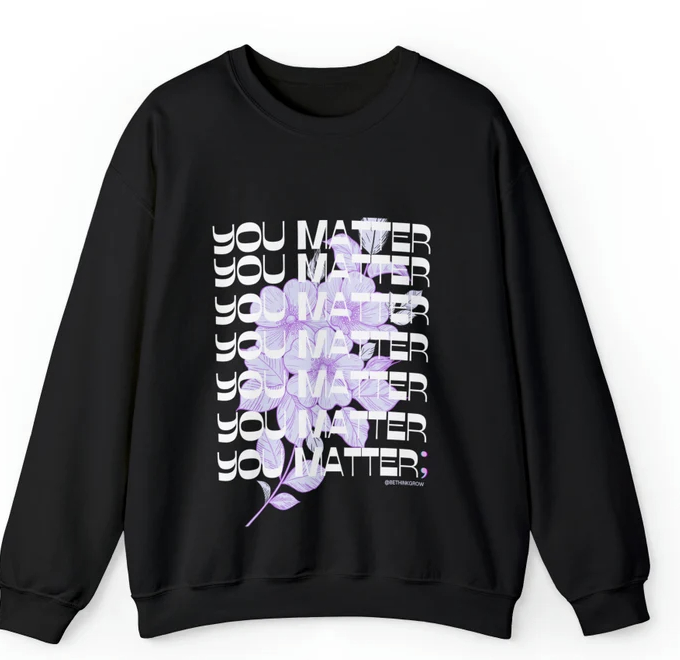
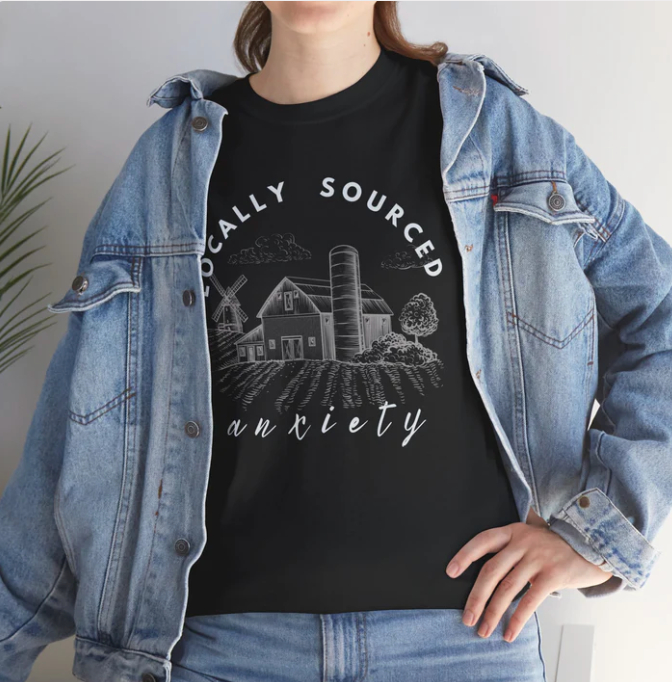
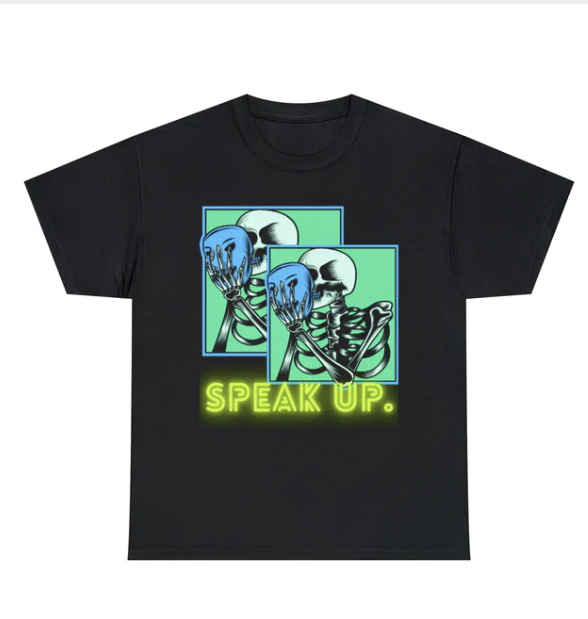
Beyond study resources, I also ventured into creating mental health-themed merchandise. I wanted to design products that not only reflect the humor and humanity of our profession but also spark conversations about mental health. Over time, I’ve gradually added more designs to the collection, turning this small passion project into my full-time work-from-home career.
What brings me the greatest joy is connecting with counselors and witnessing their growth and success. It’s incredibly rewarding to support them in achieving their goals and unlocking their potential. As The Good Neuron continues to grow, my mission remains twofold: to fill a gap in our profession by providing meaningful resources and mentorship, and to support mental health agencies through donations that enhance access to care.
I believe everyone deserves access to mental health care, and I’m honored to contribute to that cause—even if it’s through a T-shirt that starts a conversation.
If you could go back in time, do you think you would have chosen a different profession or specialty?
I absolutely would. I think the only thing I would change would be to go into neuropsychology instead of my masters of science in clinical mental health counseling. After working with neuropsychologists, I admire and have a passion for the field. However, I would still want to work with children and adolescents.
Putting training and knowledge aside, what else do you think really matters in terms of succeeding in your field?
To thrive in the mental health field, self-reflection is essential. This work requires you to confront your own biases, cultural norms, traditions, personality quirks, and anxieties to provide the best possible care to others. Many people hesitate to pursue careers in mental health due to its demanding and emotionally taxing nature, and this concern is entirely valid. Mental health professionals are often overworked and underpaid, with a high demand for services but too few providers to meet it.
One of the most vital skills in this field is empathy, which differs significantly from sympathy. Empathy involves truly understanding and responding to others, even if you cannot fully grasp why they feel the way they do. It’s about recognizing that their lived experiences have shaped their emotions and behaviors in the context of who they are. Growing this skill was transformative for me; it wasn’t something I fully appreciated until I began my journey as a mental health counselor.
Another critical skill is the ability to establish and maintain boundaries. Many new counselors enter the field with so much passion that they risk burning out before they even get started. This work is undeniably challenging—it involves listening to and holding space for another person’s pain, day in and day out. That’s why it’s crucial to learn that “no” is a complete sentence and to prioritize leaving work at work. Boundaries are key to avoiding burnout and compassion fatigue.
Despite this, some stories will inevitably stay with you. These are the ones that keep you awake at night, where you find yourself customizing interventions because you’re deeply invested in helping a client succeed. These stories can shake you, but they also refine and shape you as a counselor. They’re the ones that remind you of the gravity of this work—and how deeply it matters.
Contact Info:
- Website: https://www.thegoodneuron.com
- Instagram: https://www.instagram.com/thegoodneuron
- Facebook: https://www.facebook.com/thegoodneuron
- Linkedin: https://www.linkedin.com/in/hannahcsalazar/
- Youtube: https://www.youtube.com/thegoodneuron
- Other: TikTok: https://www.tiktok.com/@thegoodneuron