

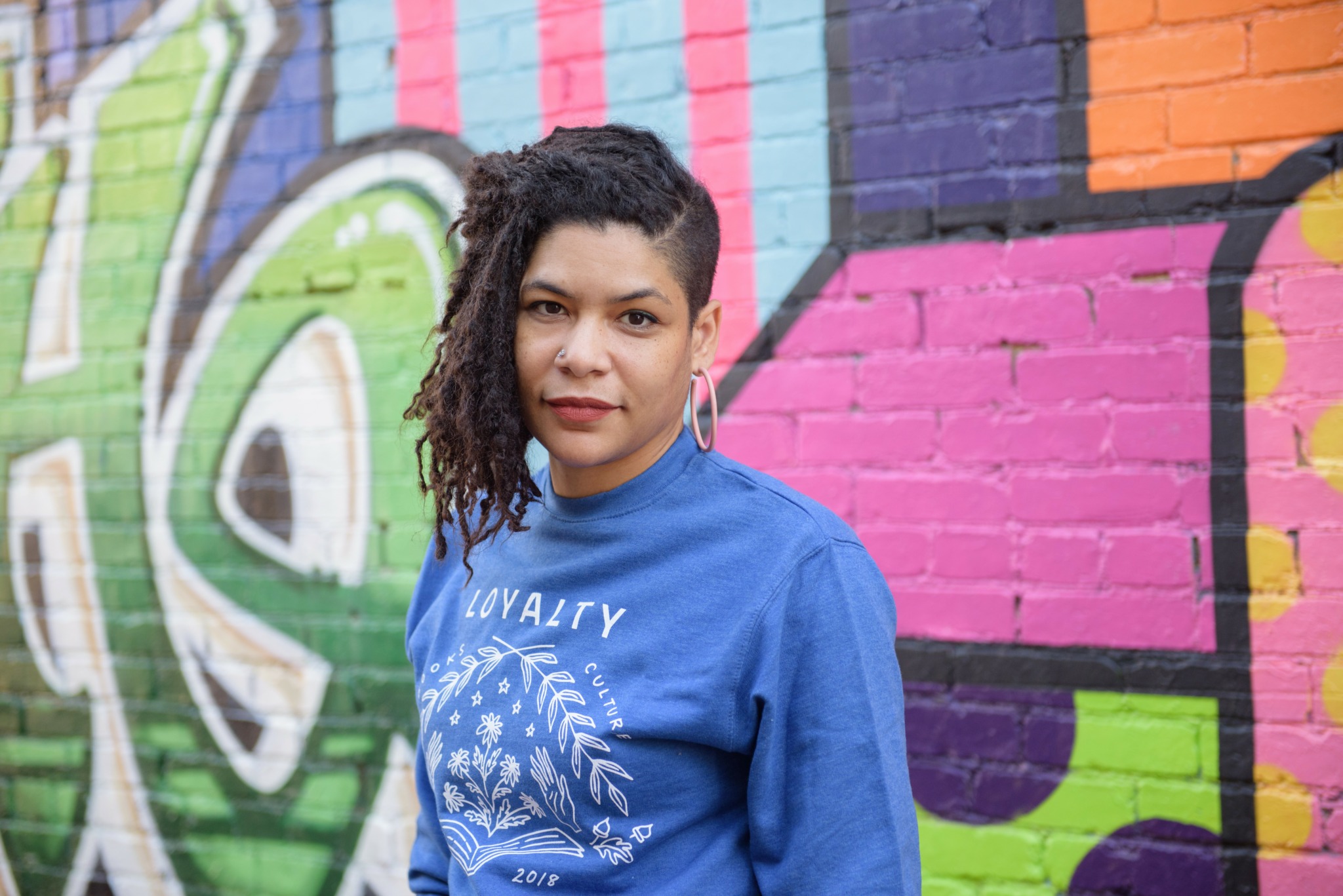

We were lucky to catch up with Hannah Oliver Depp recently and have shared our conversation below.
Hannah, appreciate you joining us today. What do you think Corporate America gets wrong in your industry? Any stories or anecdotes that illustrate why this matters?
I am not sure it is Corporate America as much as it is media, but the narrative is that people are not interested in reading or bookstores anymore and that BIPOC and young people are not readers. By the numbers and by experience that is entirely and ridiculously false. Library usage is very high in millennials and Gen Z, bookstores are often a part of weekend plans and touted on real-estate sites as ideal neighborhood value additions, and BIPOC consumers, especially Black Women, are the highest spenders on physical books. What causes bookstores to close is a lack of supply or low printing numbers on the kinds of books we specialize in due to Amazon eating up the inventory, the lack of small business protections or tax breaks in federal and local government, expensive fees and hidden charges, unfair rents and little comercial retail protections for renters, an inability due to the fact that we’re competitors for Indie Bookstores to advocate for our sales channel and for professionalizing ours industry and increase our margins and wages… Indie Booksellers do not set the prices of the books and we get smaller discounts than other retailers. Amazon sells books at a loss in order to capture customers and abuses their workers to keep their costs down and do not pay their share of taxes, but the problem isn’t even Amazon it is a system that allows this to happen. It is so often put upon the individual consumer as a scapegoat for a system that creates non-competetive conditions for retailers and asks small businesses to innovate and create their way out of starting in the negative. The community and readership are there and support indie bookstores in a beautiful and consistent way. People are smart enough to want their neighborhood to have shops and spaces by and for their community, but it becomes more difficult systemically for those businesses to exist on razor margins and any inconveniences or delays etc push customers away making the cost even higher.
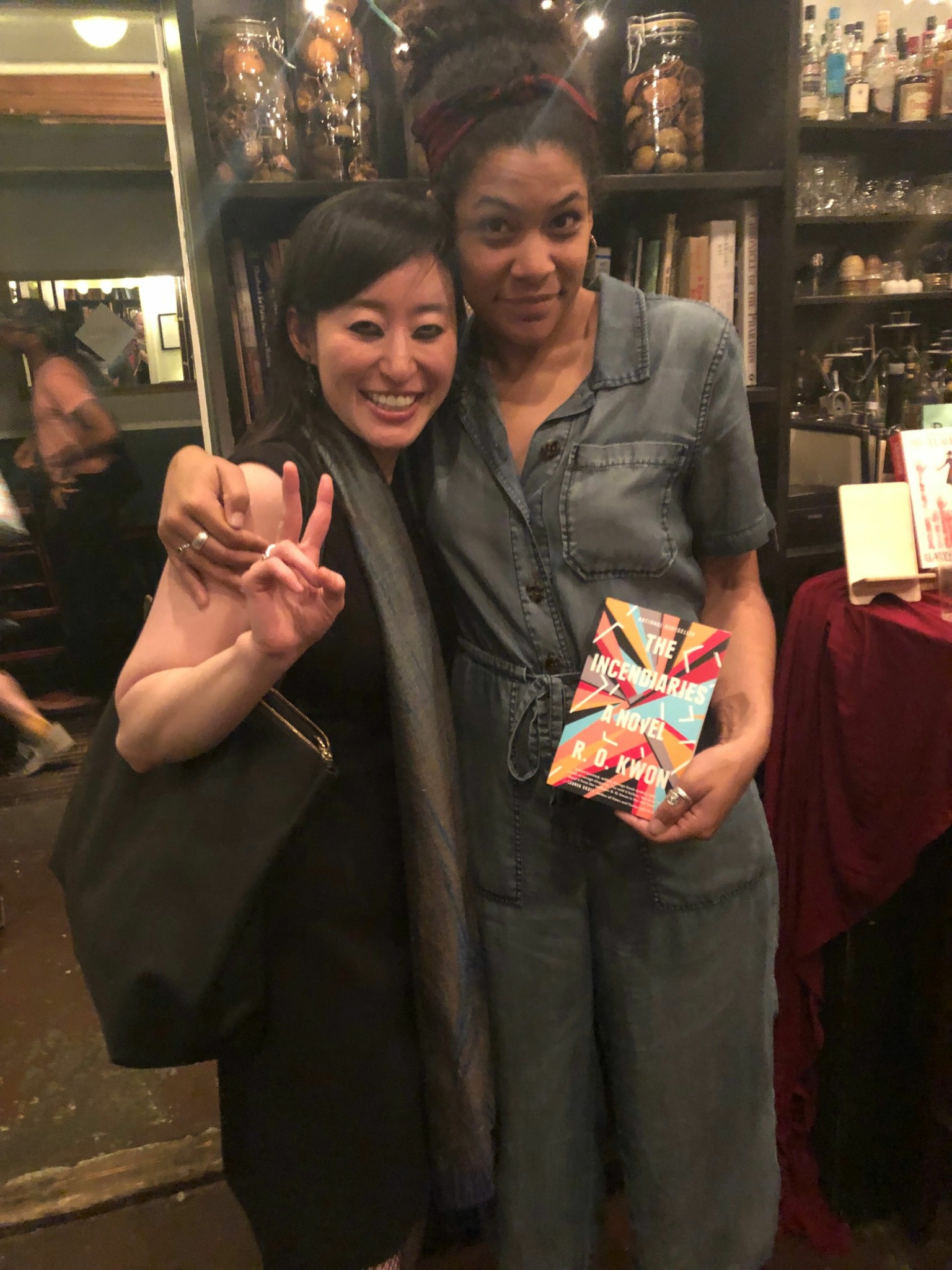
Hannah, before we move on to more of these sorts of questions, can you take some time to bring our readers up to speed on you and what you do?
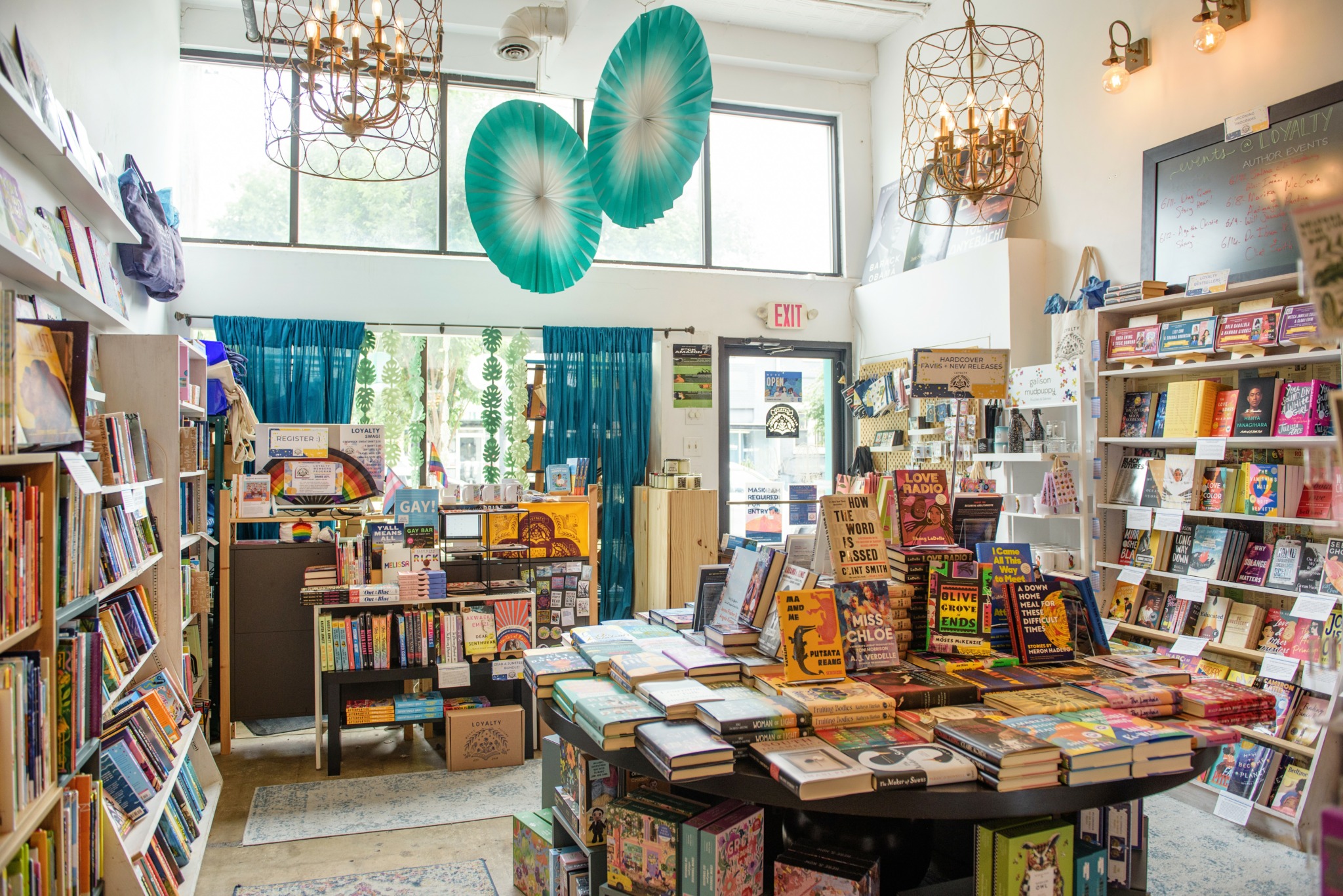
Loyalty Bookstores aims to bring the best diverse books and events to our community. Loyalty was founded by Hannah Oliver Depp, a Black and Queer Bookseller who has spent her career working to diversify the book industry in order for it to better serve the powerful communities of color and queerness. In February of 2023, Christine Bollow came on as a business partner, bringing her vast events experience and perspective as a Queer, disabled, and biracial Filipina bookseller into the fabric of Loyalty. We aim to be the Mid-Atlantic’s neighborhood spot for wonderful books and unique stationery, gifts, and programming. Our staff and our selection highlight the diverse voices and creatives that make our communities great. Our intersectional community is important to our staff, therefore those are the books you’ll find centered in our store, in our programming, and in our promotions. We work to create an inclusive, welcoming environment and provide books and goods for the home because, well, books are home. By creating a team of local vendors and community partners in Washington, DC and Silver Spring, MD that center Black, PoC, and Queer voices we create singular shopping and event experiences.
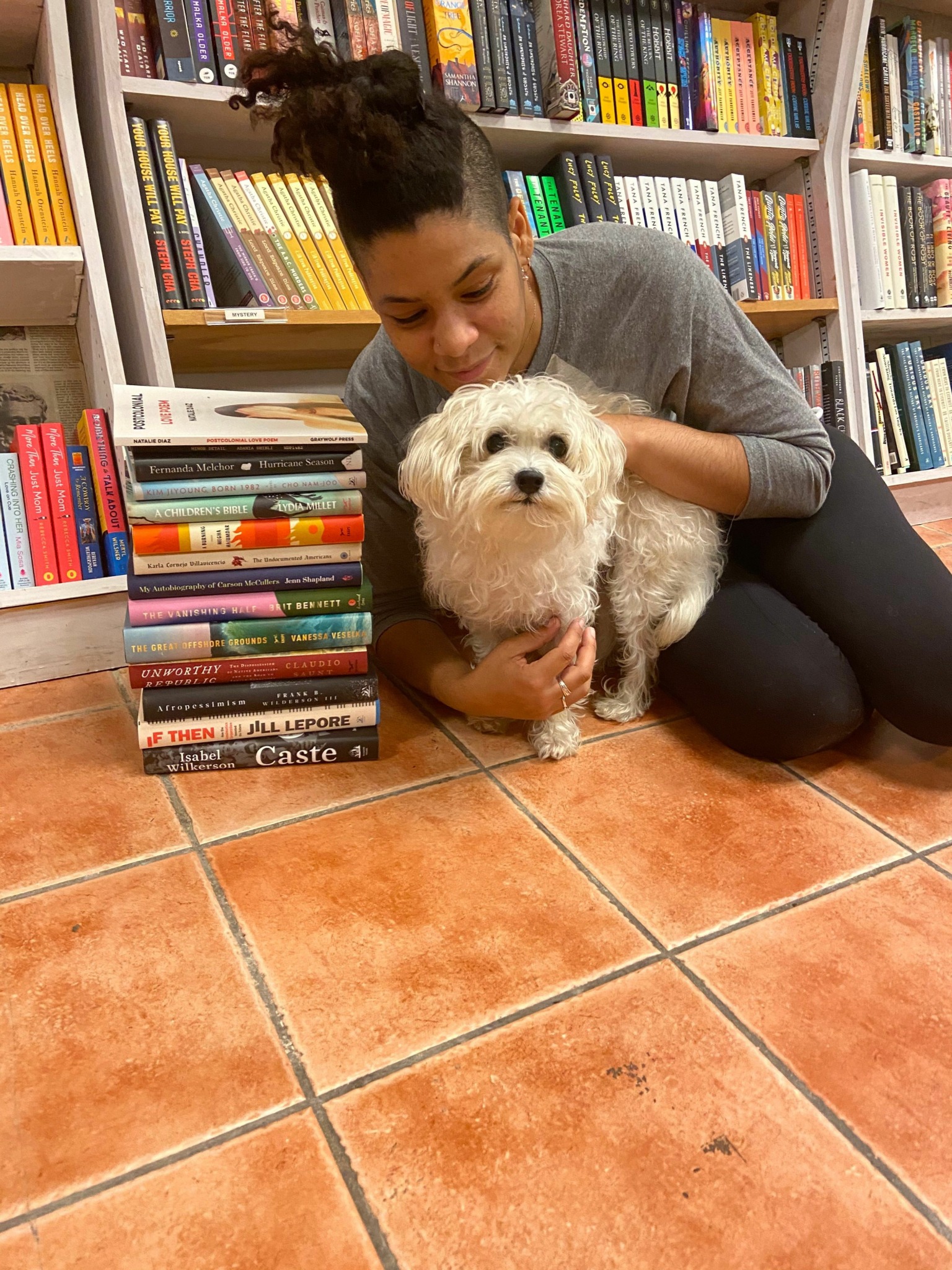
Can you tell us about a time you’ve had to pivot?
How many times is this question answered “we pivoted in 2020 and…” but the story of Loyalty Bookstores is one of pivoting. We have to be flexible and creative due to a lack of institutional backing and being founded and run by career booksellers from marginalized backgrounds. When I started the business it was a pop-up space to be used as proof of concept to myself, for fundraising efforts, and to the community I wanted to serve. I had 10K to buy books, a point of sales system, shelves, etc for a month of business and then the profits from that were all that existed to restock and employ booksellers as we grew. To begin a store, even in a pop-up space, the minumim recommended for the industry is 300K. What I lacked in funding I had in experience having worked across multiple stores and attended dozens of conferences and education sessions. The bookselling industry is remarkably generous with knowledge and we genuinely root for each other to succeed. With this background I could stock smartly to meet consumers needs and leverage connections for author events and signings. We’ve kept that spirit the entire time. We’ve moved locations, partnered with other businesses, and taken the shop on the road. We look for other community members uplifting the needs of the most vulnerable to support and partner with. When Covid hit we had a mutual aid network, customers who understood our mission, and fellow small businesses to share the burden with whether about stock and supplies, handling safety needs, or even our landlords selling space and demanding we relocate! We moved in and shared a space with another businesses on the block, cutting costs and engaging both of our customer bases to come out and support the shop during a tough time. We have remained close to that business to this day and as costs rise and our neighborhood braces for a second Trump administration in DC and is suffering significant economic anxiety we are looking at our experiences from 2020 to guide us through the instability of 2025.
How did you build your audience on social media?
An aspect of Social Media that is fascinating to me is that it both needs to be taken seriously as a marketing and community building tool and also needs to be genuine and come from the heart. Anyone who has been on social media knows that often off the cuff or more casual posts do more and you can get hundreds or thousands of eyes on something you spent 3 minutes on vs 30 likes on something you spent 30 hours on. At the heart of this is that if you cannot express yourself on social then the customers cannot connect to you. While you may or may not be your brand, there should be a clear personality and mission on social media. Rather than feeling intimidated or blocked in by this, actually talking and being clear about our belief’s, joys, and struggles on social is what has grown our following and kept our engagement high! We love actually talking to the community on social whether they’re in our neighborhood or across the country; they’re in our digital space for a reason so doubling down on that genuine connection rather than chasing noise trends creates steady growth and engagement that actually turns into sales and a long term bond.
Contact Info:
- Website: https://www.loyaltybookstores.com
- Instagram: @loyaltybooks
- Other: We’re on Threads and Bluesky as well @Loyaltybooks
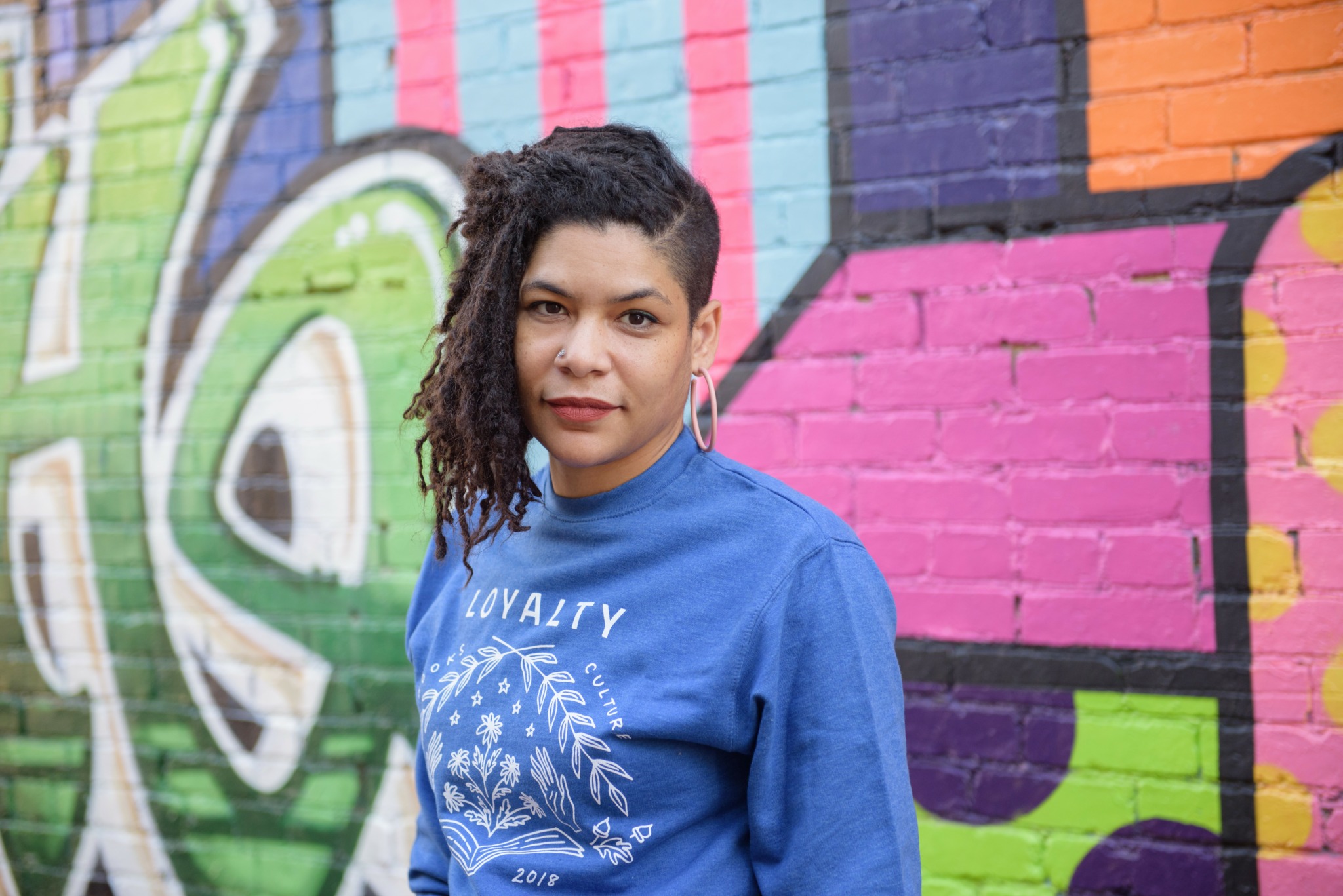
Image Credits
Headshot by Joanna Tillman