We were lucky to catch up with Han Peng recently and have shared our conversation below.
Han, thanks for taking the time to share your stories with us today Can you talk to us about how you learned to do what you do?
Learning to become a concept artist has been a fascinating and evolving journey for me. My path began with a deep-rooted love for illustration, research, and storytelling, which naturally translated into a passion for world-building. I pursued a degree in history and ancient languages before going to art school, and along the way, I engaged in a lot of extracurricular art training. Ultimately, I believe I was simply born with a passion for drawing and creating things from my imagination.
I don’t necessarily believe there is a way to speed up my personal learning process. Looking back, everything happens for a reason—even the things that didn’t work out. Everything I’ve learned along my winding journey has contributed to my identity as an artist. It’s all about who you are in the end; the journey to becoming an artist is about “knowing yourself.” While knowledge and techniques are important, as we can all learn from classes, tutorials, and mentorships, the most essential element is to understand what you love and are passionate about, to pursue it, and to dare to be yourself.
In terms of obstacles, a more structured practice routine might have improved my skills and helped me keep learning new things. For me, it’s always about being exposed to new ideas and digging deeper into subject matter because these experiences reflect in every project I create.
Awesome – so before we get into the rest of our questions, can you briefly introduce yourself to our readers.
I am a Concept Artist working in the video game industry based in Los Angeles, California. I have worked for Treyarch Studios, Activision, Firaxis and currently at Bullet Farm, a Netease Games studio. I’ve worked on Call of Duty: Black Ops 4, Black Ops Cold War, Warzone, Marvel’s Midnight Suns, and an upcoming brand new IP.
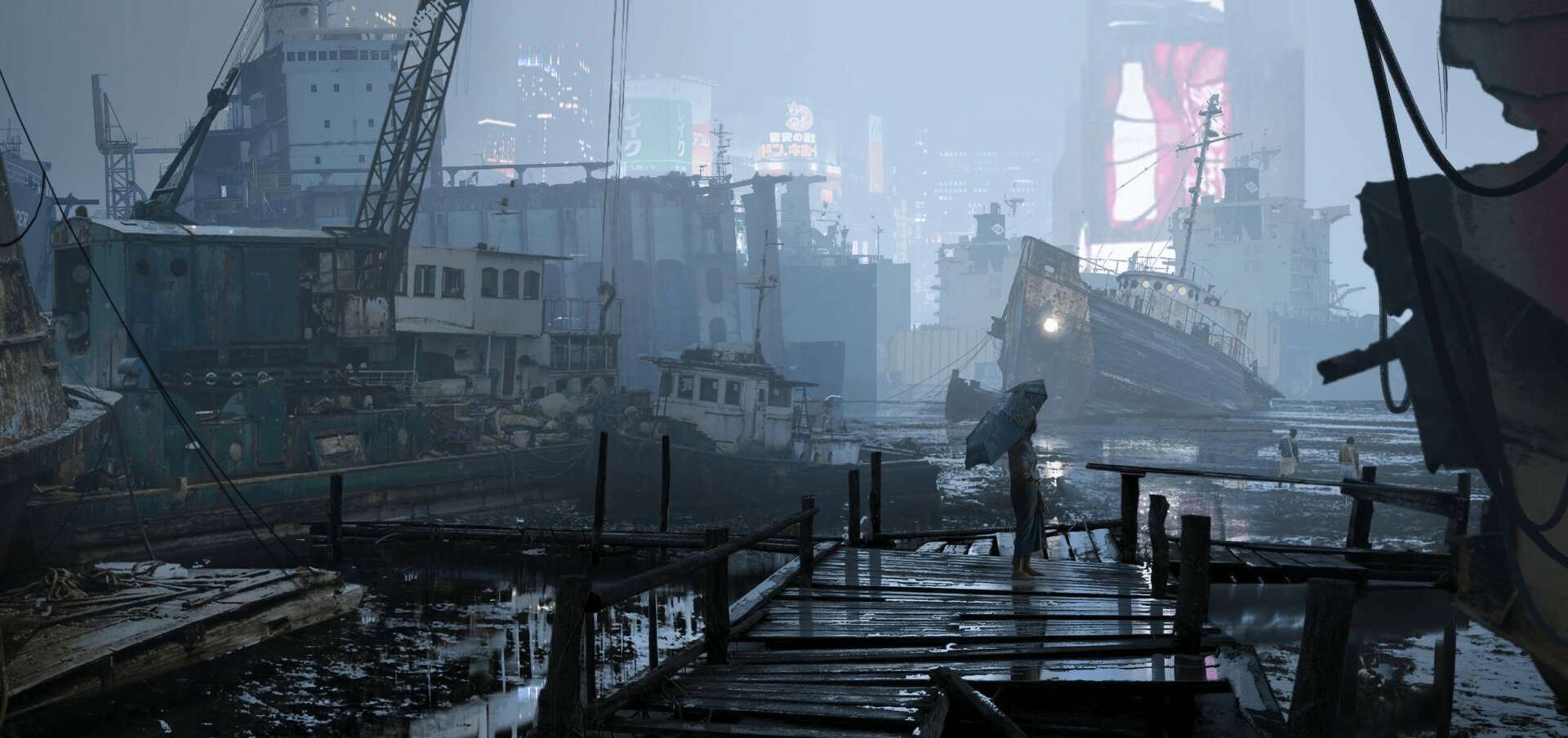
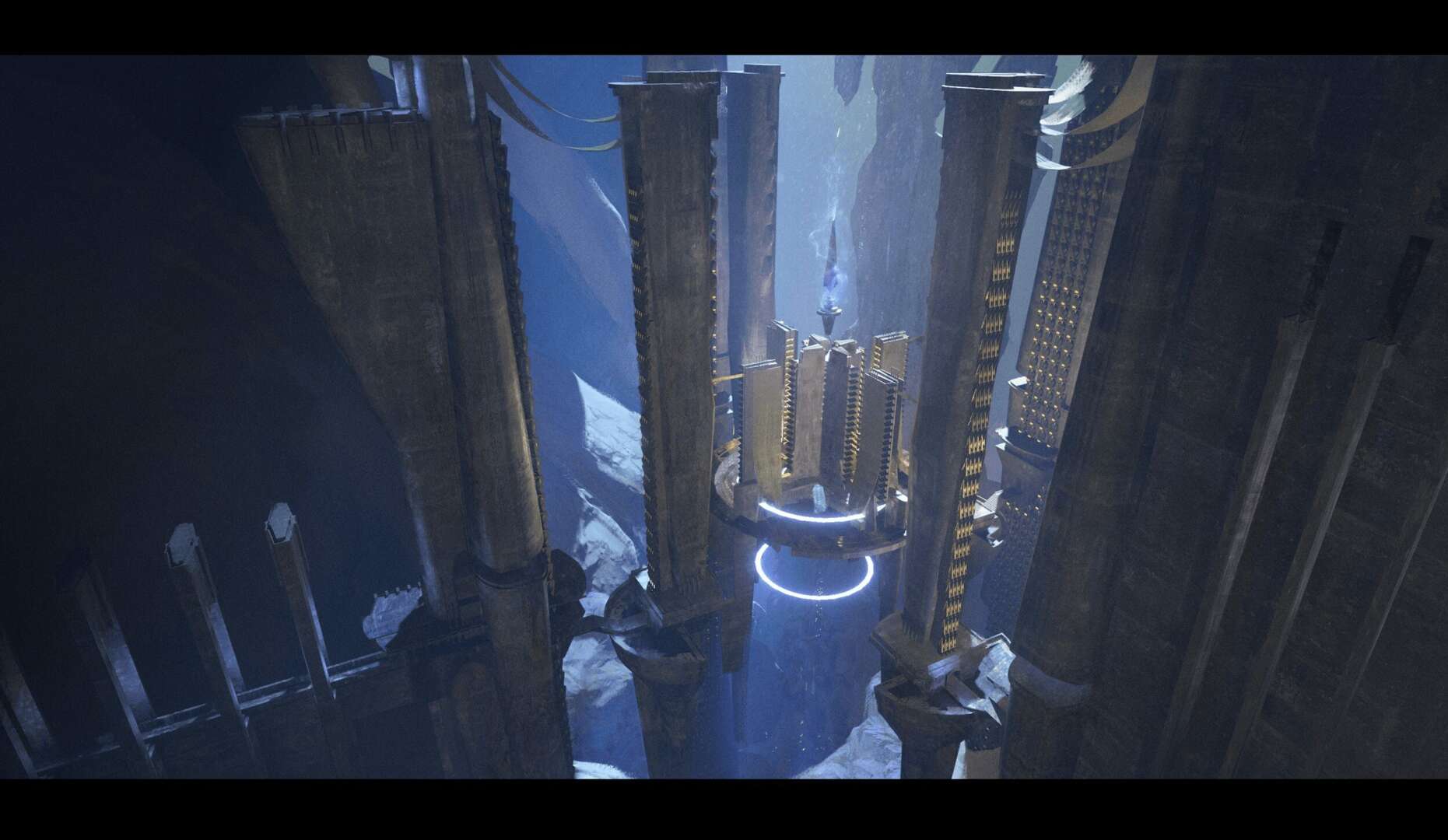
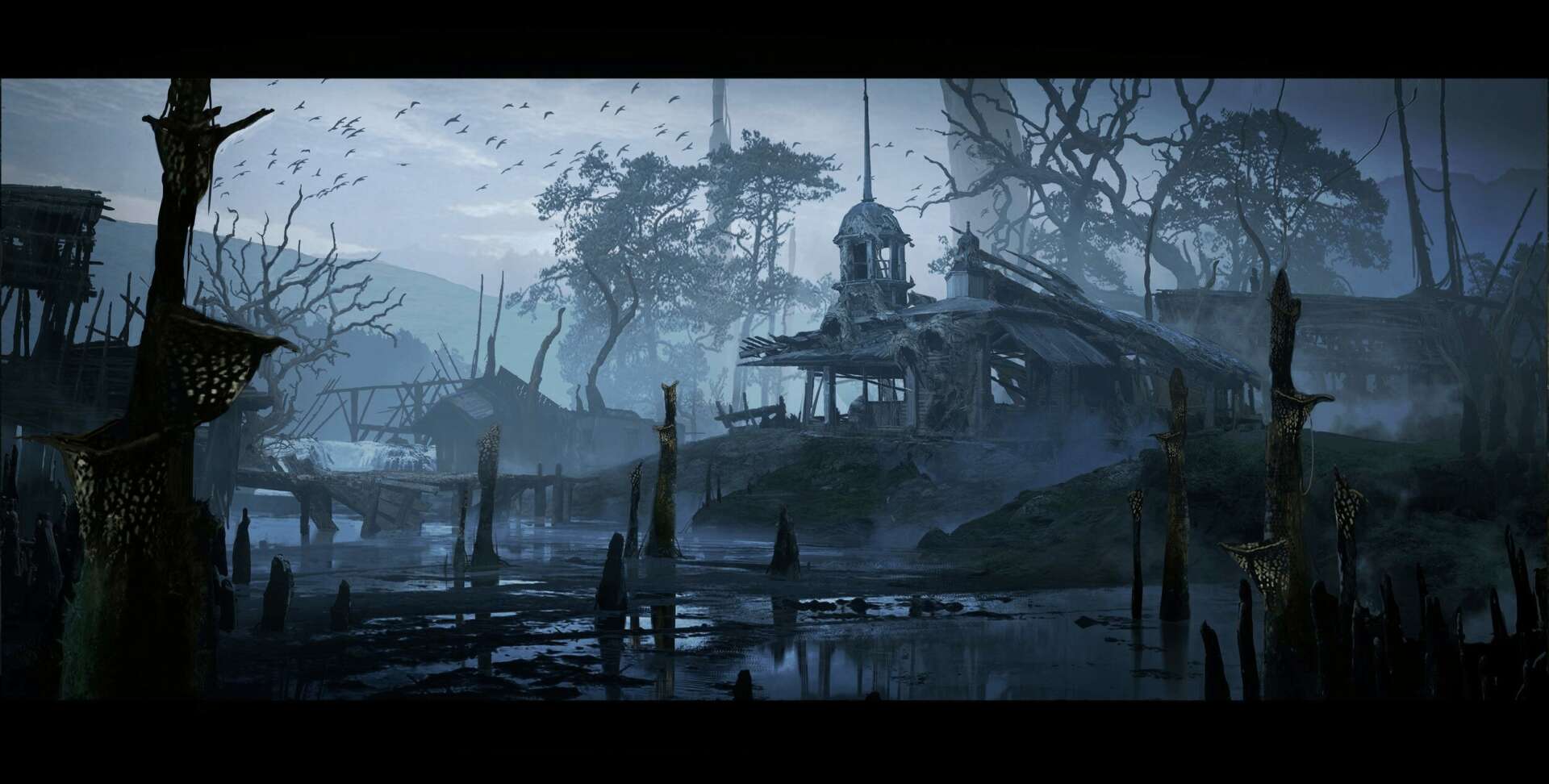
Outside of passion, skills and perseverance, I also had an incredibly lucky start that pushed me into the game industry by landing my first internship at Treyarch and working on Black Ops 4. I am forever grateful for the opportunities I had so far! As a concept artist, my primary role is to serve as an artistic resource for my team by crafting visual ideas that shape the worlds and characters in the project. Through either quick sketches or finessed paintings, and by designing characters, environments, props, and mood pieces, my work serves as a blueprint for the game’s look and feel, which help guide the team in creating immersive and compelling experiences. The problem I solve range from translating abstract ideas into tangible visual concept, to transform the basic “greyboxes” of any game level into an environment that makes sense, looks amazing, and fun to play.
What sets me apart as a professional concept artist is being well rounded, flexible, while having a decent grasp on environment concept designs. On a personal level, I also have a deep knowledge in ancient cultures, art history, philosophy, spiritualism, that help me navigate the visual and narrative aspects of certain projects on a deeper level.

For you, what’s the most rewarding aspect of being a creative?
Despite having worked on multiple major video game titles, the most rewarding part is far from seeing my name popping up at the end credits of the games I participated in. (It’s cool to talk about it in family gatherings, but that’s about it.) For me, the most rewarding aspect of being a concept artist is the ability to bring imagined worlds to life and contribute to a collective creative effort. Transforming abstract ideas into tangible visual elements that enhance a game’s narrative and gameplay is incredibly fulfilling, as each project offers a unique opportunity to craft immersive environments and compelling characters.
Additionally, the interactive nature of games means that the art I create not only serves as a visual image but also plays a crucial role in shaping how players experience and connect with the game’s world. Being able to see players engage with and react to the “ideas” behind the environments and characters I’ve helped design is deeply gratifying and meaningful.
What can society do to ensure an environment that’s helpful to artists and creatives?
To me, it’s crucial to prioritize both access to resources for interpersonal connection and the protection of intellectual property. Offering accessible educational opportunities and platforms for showcasing work can greatly assist artists in developing their skills and gaining visibility.
Additionally, recognizing and celebrating artistic achievements through awards and public acknowledgment can further enhance their outreach. Personally, being a runner-up in Creative Quarterly issues 72 and 74 significantly expanded my audience and allowed me to connect with some top industry professionals in the creative field, demonstrating the profound impact of such recognition.
By fostering a supportive environment that promotes creativity, integrity, and provides essential resources, and celebrates achievements, society can build a vibrant and resilient creative ecosystem that benefits everyone.
Contact Info:
- Website: https://www.han-peng.com/
- Linkedin: https://www.linkedin.com/in/han-peng-263384225/
- Other: https://www.artstation.com/haedre