

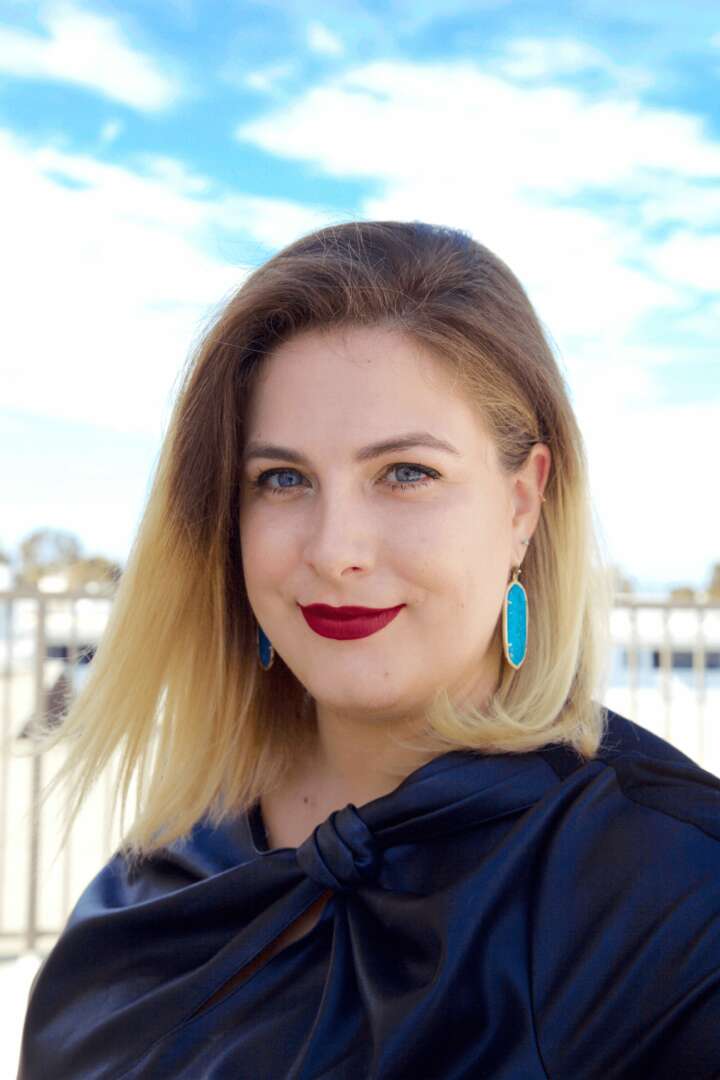

We caught up with the brilliant and insightful Halley Sutton a few weeks ago and have shared our conversation below.
Halley, appreciate you joining us today. We’d love to hear the backstory behind a risk you’ve taken – whether big or small, walk us through what it was like and how it ultimately turned out.
I’ve known I wanted to be a writer almost my whole entire life. But for a lot of my adult life, I wasn’t actively writing. I fell in love with reading books as a kid—my parents had a business that involved lots of traveling, and reading on the road was my favorite way to occupy myself. I fell in love with books and characters—I remember there was one character who I felt so close to that I started writing her letters, because I wanted her to know as much about my life as I’d read about hers. I knew I wanted to create stories like the ones that had so captured my imagination.
But life happens and while I cherished my dreams of writing books, I knew I needed to find my footing in another career. I got a job in publishing in San Francisco right out of college and for several years, put my writing on the backburner. I still thought of myself as a writer, but I wasn’t really writing. It took a simmering low-grade depression and a heartbreak for me to realize: If I was ever going to become the writer I wanted to be, I needed to put my whole heart into it. I spent every waking moment with a notebook in hand, jotting down story ideas and snippets, pieces of conversations I overheard that struck my fancy—even words or turns of phrases that I read and loved. I was both writing more and practicing being a writer.
And finally, I decided to take a big leap of faith: I left the Bay Area and my full-time job, to attend grad school in Los Angeles, where I’d focus on writing my first novel for two years. When I moved, two things happened: I fell in love with Los Angeles—which became a type of muse for my writing—and I dedicated myself to the craft of writing a book, which would go on to be debut crime novel published by Putnam, The Lady Upstairs. It was my first time really betting on myself, and it paid off BIG.
As always, we appreciate you sharing your insights and we’ve got a few more questions for you, but before we get to all of that can you take a minute to introduce yourself and give our readers some of your back background and context?
I write dark feminist thrillers, typically with a bit of a noir bent. If you love dark, twisty thrillers and authors like Megan Abbott, Elmore Leonard, or Gillian Flynn, check them out!
I’ve loved reading and books for as long as I can remember—I used to get in trouble for trying to sneak in reading at the dining table at dinner.
I’m drawn to crime novels because as a reader, I love solving puzzles. (There’s always a point in a book where I write myself in a puzzle corner and wonder, “Why crime novels?!” but I always keep coming back to them.) Now, my stories often circle my own obsessions.
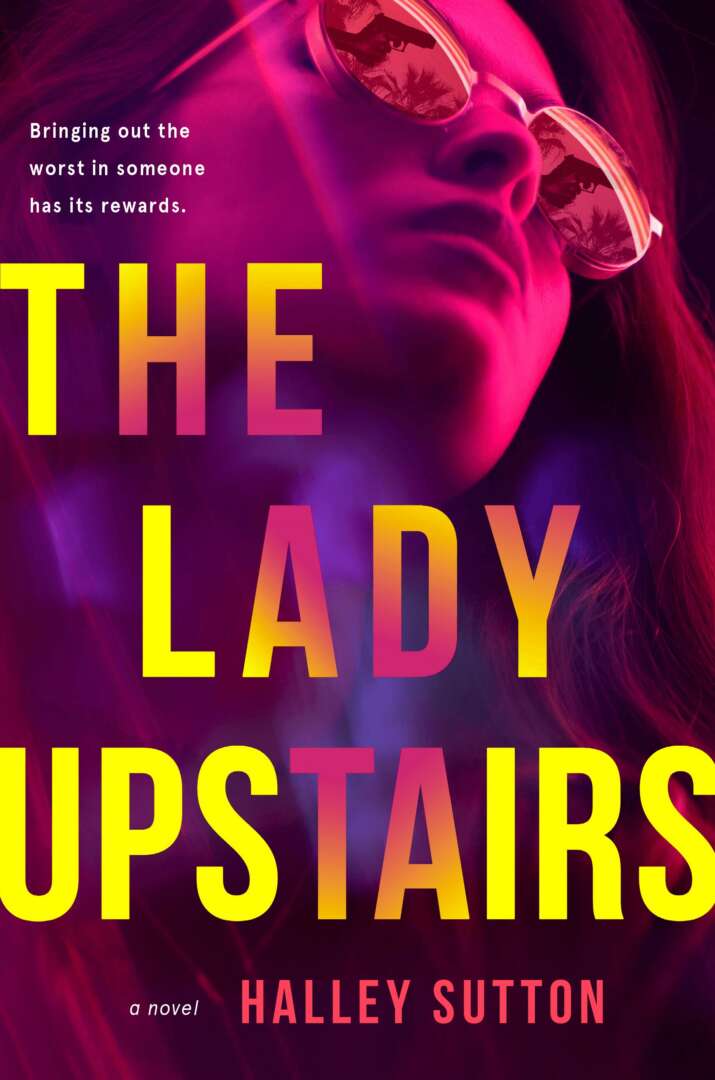
In my first novel, The Lady Upstairs, I created a character (Jo) who was a literal femme fatale: she works for an agency that targets bad, rich men and hires women to seduce and blackmail them. I was using the setting of Los Angeles and its tradition of noir film, literature, and even the noirish aspects of its history as the backbone of my story.
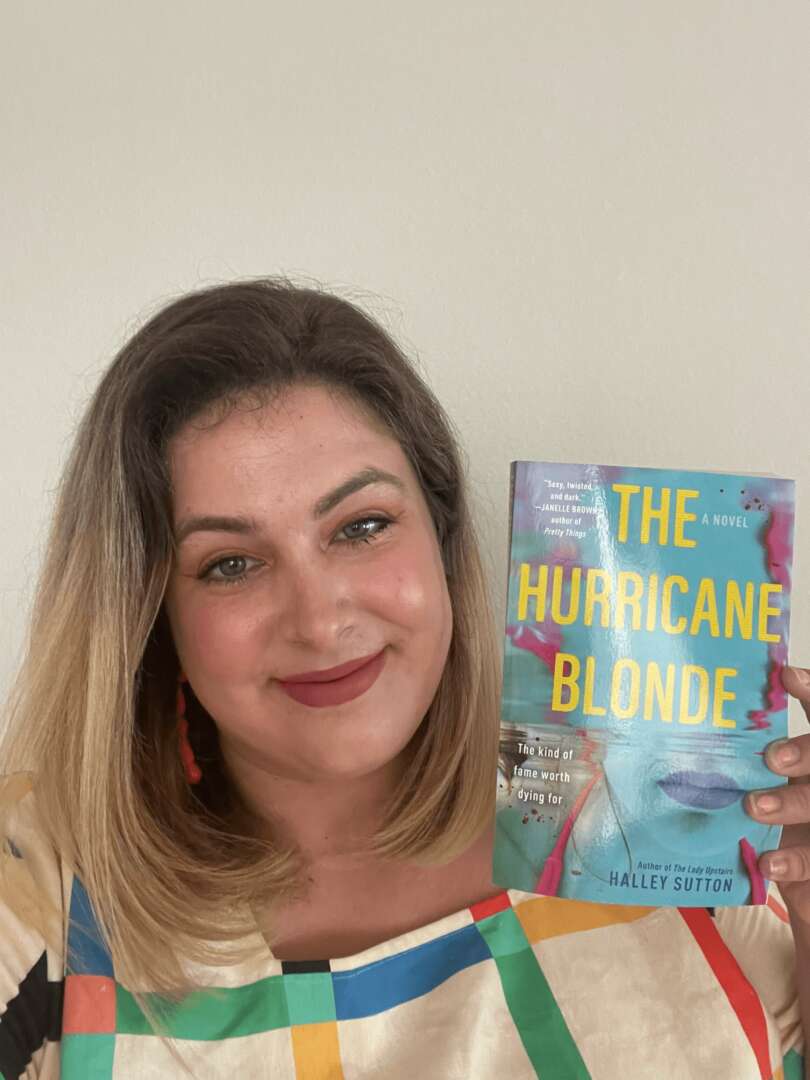
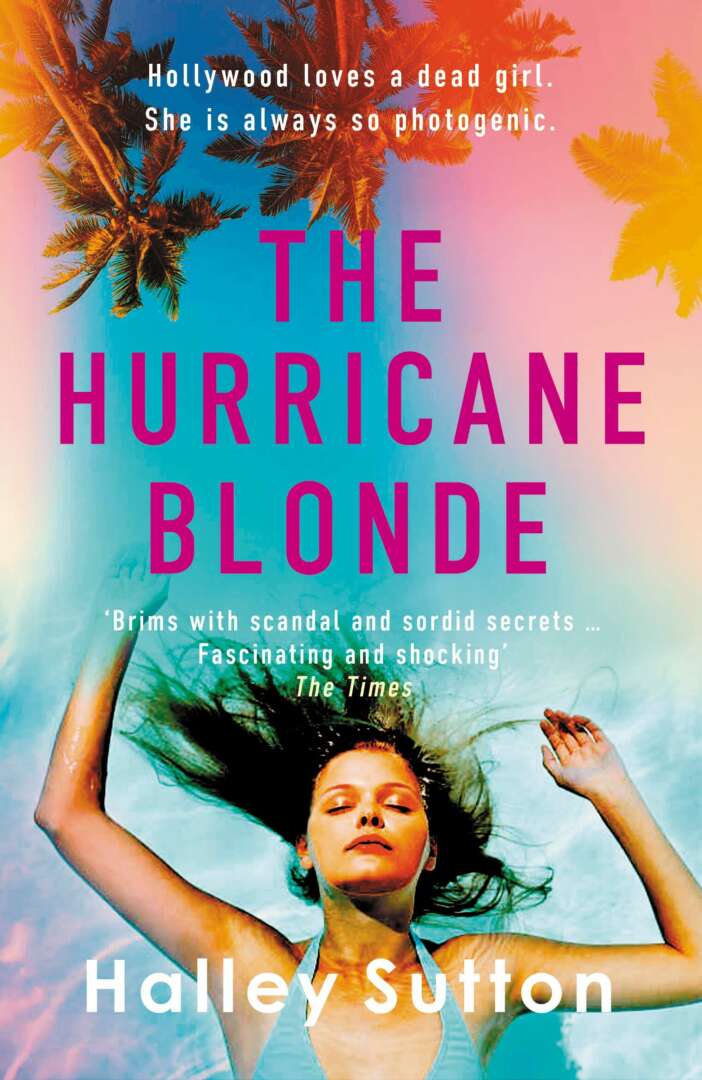
My second novel, The Hurricane Blonde, is the story of Salma Lowe, a woman who has grown up ultra-famous in Hollywood. Her parents are acting legends; Salma herself was a child star on a short-lived sitcom. All of that comes crashing down when her older sister is murdered, and the crime is never solved. Salma flames out of the industry and becomes a tour guide for Hollywood true crime bus tours—only to discover another dead body, that may have ties to her sister’s unsolved murder. I’ve been obsessed with Hollywood’s dark history and mythology even before I lived in Los Angeles—that book was a chance for me to really live in that world.
I want to create stories that come alive for my readers, the same way that books came alive for me as a kid. I write books that allow me to live all the different lives I wouldn’t otherwise have the chance to live in one lifetime.
How’d you build such a strong reputation within your market?
There’s so much about publishing as a writer that’s out of your hands. You can’t control if someone is going to think your book is sellable, or for how much. You can’t control if Reese Witherspoon will pick your book up and love it; you can’t control how much marketing your team will do.
But one thing you can control as a writer, and one thing that I think has been super helpful to my reputation, success, and even happiness in the field of creative writing has been to forge bonds with other writers. I have writer friends from all walks of life: from grad school, from social media, from networking efforts here in Los Angeles. Showing up authentically, supporting my peers, and helping open doors for others when I can, has been one of the most rewarding and successful efforts I’ve made to boost my career myself. But I think this really works because I’m doing it not as a means to an end, but because I love building my author network—whether it’s cheering someone on on social media, interviewing other authors for my author newsletter, or offering creative feedback or helping generate plot ideas, it makes me feel closer to my community and closer to the writer I want to be.
Are there any resources you wish you knew about earlier in your creative journey?
There are SO many resources out there to benefit writers, and that would have been useful to me earlier in my journey. For craft books, Save the Cat: Writes a Novel by Jessica Brody is a great primer on traditional three-act plot structure. Story Genius by Lisa Cron offers a really useful look at how to create plot out of character development. M.L. Rio, Andrea Bartz, and Leigh Stein have great substacks that offer perspective on craft and being a modern-day writer. Nina Schuyler’s Stunning Sentences substack is one of the best resources for looking at how you can create prose that provokes emotion in readers and why.
Publishing resources that I think can be handy are the Manuscript Wishlist website for searching for agents, Query Shark (the blog that chronicled effective query writing by the late, great Janet Reid), and the book Before and After the Book Deal by Courtney Maum.
I also think one of the absolute best tools for becoming a better writer is to become a more thoughtful reader. What do you like when you read, and why? What feels off and why? How does word choice, syntax, and grammar affect your experience as a reader? The more you can pay attention to what other people do that works for you, the better. You can even do this with tv shows or films!
Contact Info:
- Website: https://www.halleysutton.com
- Instagram: @halleysutton25
- Twitter: @halley_sutton
- Other: My free author newsletter at halleysutton.substack.com.
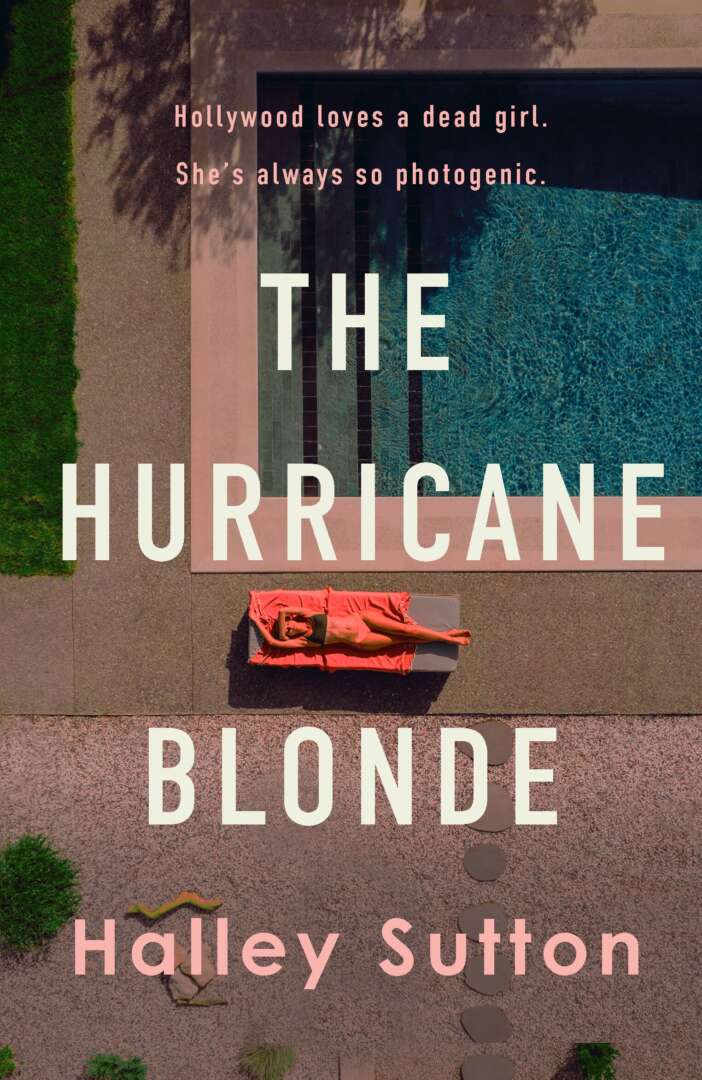
Image Credits
For the personal photo, please credit Faizah A. Rajput