

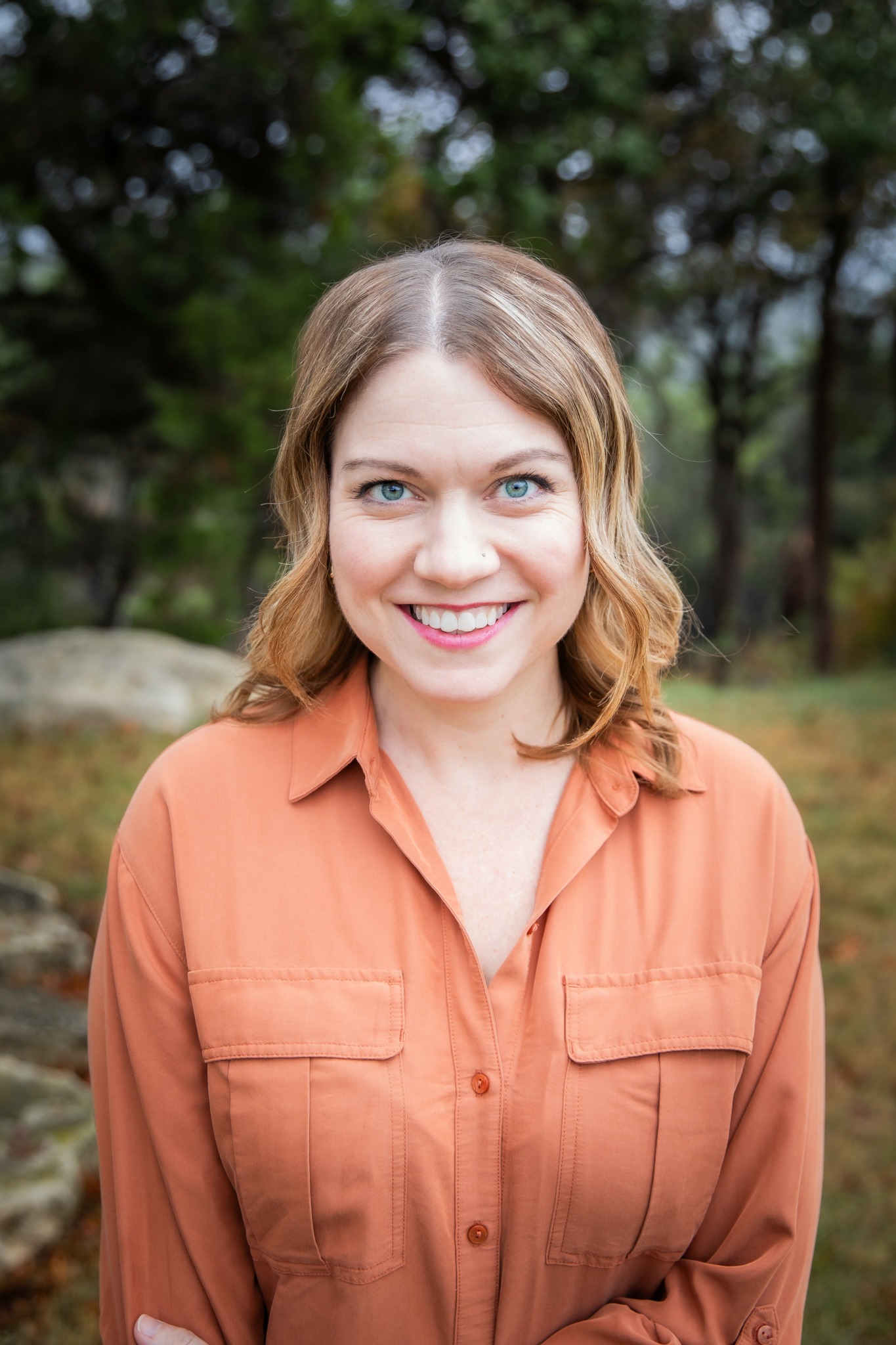

We caught up with the brilliant and insightful Haley Patterson a few weeks ago and have shared our conversation below.
Hi Haley, thanks for joining us today. If you had a defining moment that you feel really changed the trajectory of your career, we’d love to hear the story and details.
My background is in Speech-language Pathology, and about 13 years ago, I was working at a children’s hospital in Austin, TX, in a job I truly loved, when I met the founder of the organization I am now Executive Director of. At that time, I did not know anything about Human Trafficking. I assumed, like most of us, that it must look like it does in the movies. What I heard, though, were stories of women who were vulnerable for a variety of reasons: poverty, instability in their homes, lack of access to education, history of substance use disorder in their families, history of sexual assault, instability from war, etc., that led to their circumstances of trafficking and exploitation by people whom they knew in their communities. As they looked for something better, traffickers would exploit their vulnerabilities to lead them into scenarios where they no longer had agency over their lives and their bodies. As I heard these stories, I was compelled to meet with the Founder of Red Oak Hope. That one conversation led to a visit overseas to her office, which led to a career change, which led to starting a program in Central Texas that serves survivors of trafficking, which has forever changed the course of my life.
Awesome – so before we get into the rest of our questions, can you briefly introduce yourself to our readers.
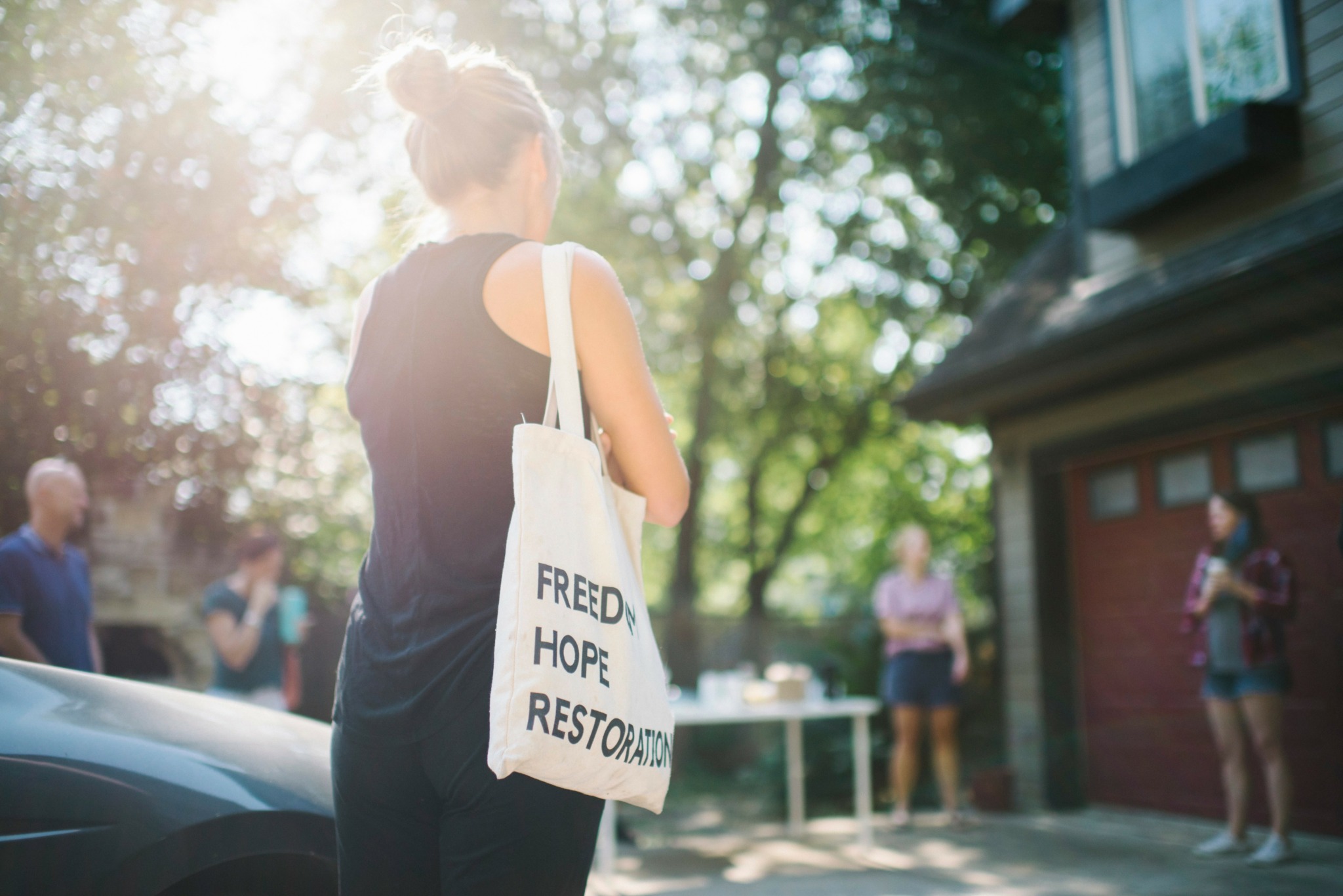
Red Oak Hope is a non-profit based in Austin, Texas. I have been working for the organization for the last 10 years, and have been the Executive Director since 2025. Red Oak’s Vision is for survivors of sexual exploitation to experience freedom, hope, and restoration, and our mission is to stop cycles of exploitation by providing holistic healing to survivors and collaborating with the community. We exist because the reality is that people are trafficked and exploited right here in Central Texas every day, and the effects are devastating. Human trafficking is the exploitation of an individual for forced labor or sex for a third party’s profit or gain. Texas has the 2nd highest number of reported human trafficking cases in the nation.
We work with adult survivors of sexual exploitation through supportive housing, community-based services, and partnership and movement building. In all our programs, our goal is to assess our clients’ complex needs and provide individualized solutions and support. We believe that long-term, deeply relational, holistic, creative, and flexible care is what this population requires. Through our Supportive Housing Program, we provide two years of safe, supportive housing with wraparound services, including case management, medical and mental health care, legal services, and employment and education support, so that survivors of trafficking can work toward long-term healing and self-sufficiency. Through our Community-Based Support, we work with clients in the community through crisis intervention, emergency shelter, case management, access to resources, and steps towards stability. We also offer a therapeutic program called Restore, an individualized program designed to develop resilient responses to free and independent living for all clients in the Supportive Housing Program and a small number of community-based clients. This program is run by another Speech-Language Pathologist who is also a Somatic Therapist and is uniquely able to support our clients with their disability needs, as we have found that the intersection of disability and trafficking is significant. All of our work focuses on deep collaboration with community partners, be it other non-profits, community mental health providers, law enforcement, hospital systems, and the Central Texas Coalition Against Human Trafficking (CTCAHT). We recognize that we cannot do this alone, and I think one of the most beautiful parts of doing this work for me is getting to see the deeply collaborative efforts established in our community to ensure that no individual survivor is left without support when they want it.

Any advice for managing a team?
The work I am in is heavy crisis/people work, so the demands on staff are high. It is very typical for there to be high turnover and high levels of burnout in helping professions in general, and especially in the anti-trafficking direct care space. Our core values as an organization are dignity, sustainability, spirituality, collaboration, and holistic care. We live these out in all aspects of our work. For me, maintaining a culture that prioritizes staff health and sustainability is one of the most important jobs I have as a leader. This means ensuring that there are structures set in place to care for the staff through benefits, how to respond after crises, boundaries around work and home life, and also regular check-ins with each staff member to ensure that they are using the structure to care for themselves. It means being a listener, to hear what is going on with the team, and catching things before they become bigger fires. It means being willing to be vulnerable and creating a working environment that is safe for staff to be vulnerable, as we do really deep, hard work together. And it also means a lot of humor to keep things light, because this work is heavy, and countering it with fun is just part of it all.
Do you think you’d choose a different profession or specialty if you were starting now?
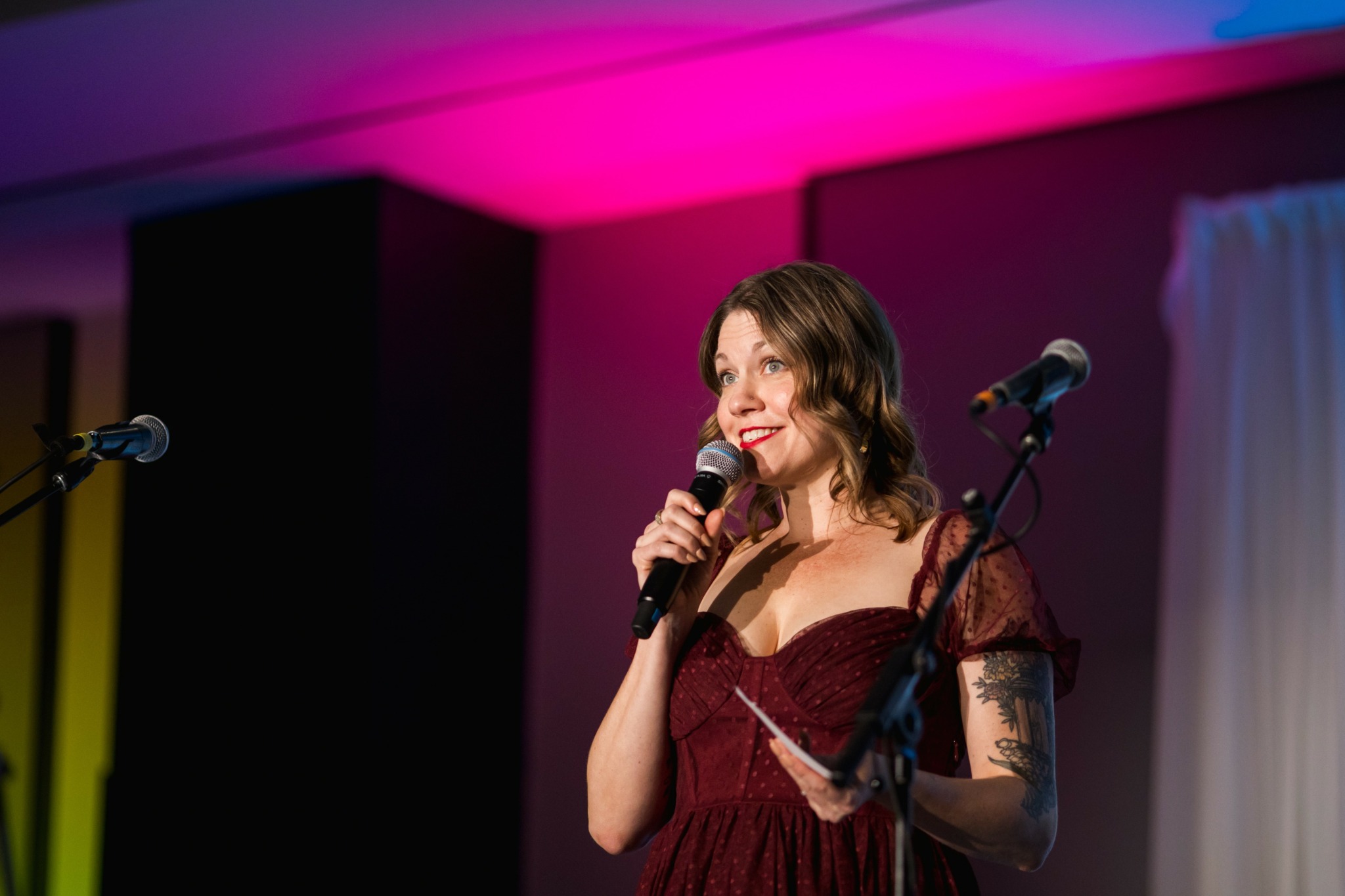
I think one of the most beautiful parts of the human experience is the inability to predict how our stories will go. My undergraduate degree was in Theatre and Dance, and I fully expected to spend the rest of my life on the stage. While I was not wrong in some ways, and still get the opportunity to perform here and there and often get to speak to people about the issue of trafficking and exploitation and the work I do, my life certainly took a lot of unexpected turns. I fell in love with working with individuals with disabilities and went back to get my Master’s degree in Speech-Language Pathology. After working in the hospital system as a pediatric Speech-Language Pathologist, I found my way into the anti-trafficking field, where I have been working for the last 10 years. While these fields and careers may seem disconnected, they deeply intersect with who I am today and the work I get to do in my current role. I would choose the same windy path, with all the wild twists, turns, and heartache, that landed me where I am today in my life and career.
Contact Info:
- Website: https://www.redoakhope.org
- Linkedin: https://www.linkedin.com/in/haley-patterson-ba7272315/

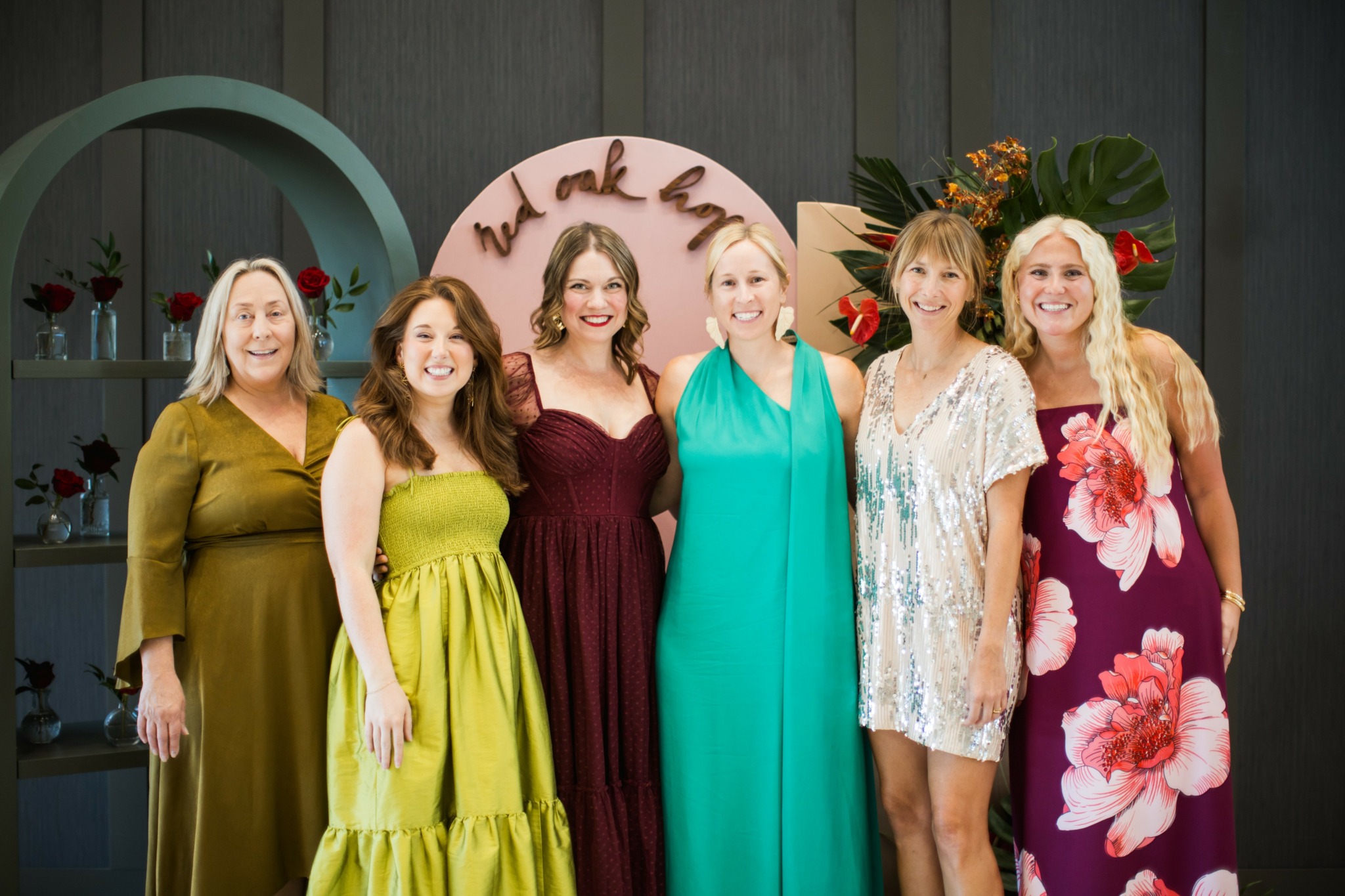
Image Credits
Shelley Elena Photography (https://www.shelleyelenaphoto.com/)
Cassidy Rowell (https://www.cassidyrowellphoto.com/)
Jessica Winniford (https://www.jwinni.com/)