

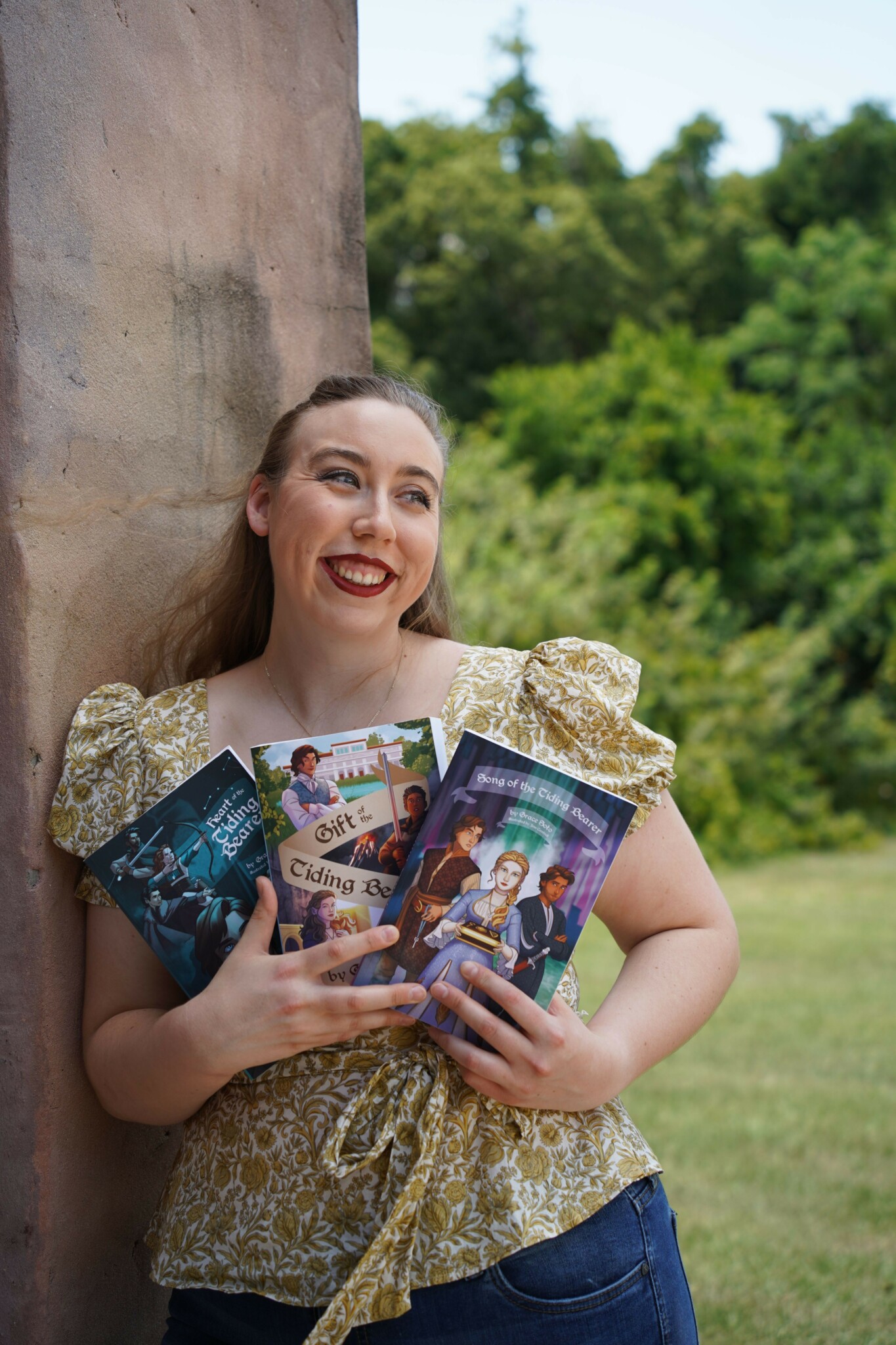

We caught up with the brilliant and insightful Grace Soto a few weeks ago and have shared our conversation below.
Hi Grace, thanks for joining us today. Can you talk to us about how you learned to do what you do?
I’ve been obsessed with stories since I was young. My dad is a gifted storyteller and my mom has a great reading voice, so growing up in a house full of books and adventure only fueled my passion further. I’m a critical-thinking, break-everything-down, over-analyze-it-all kind of gal, so when I got into writing in my mid-teens, I really got into writing. I bought books about plot structure, studied every movie and show I watched, and read countless articles from writing blogs. But when it came to crafting my own story, my greatest asset became my biggest hang up. Obsessed with getting it all right the first time, I eventually burnt myself out without getting past the first few chapters of drafting.
I didn’t revisit writing until my early twenties when a new idea struck me, this time for a fantasy-adventure-meets-biblical-allegory. But could I get past my “paralysis by analysis” enough to actually outline, draft, edit, self-publish, and market an entire novel? The answer turned out to be yes… And I went on to do it three times, finishing a full fantasy trilogy in early 2024 and launching my social media marketing campaign the same year.
But I didn’t master writing overnight, and I tell other young writers that they won’t either. One of the things I like to remind them is something my friend and series illustrator taught me: every creative person experiences the taste-talent gap. Essentially this is just a name for that icky feeling you get when comparing your own creative work to masters in the field. My taste for good writing and the nuances of storycraft deepened and refined much faster than my own skills, widening the “gap” and often making me question whether my work was even worth pursuing. That’s the beauty of creative skills, though–they’re skills–meaning they can be improved with practice and enhanced with the right tools.
My process for writing the series started with what I like to call my “Panstser Era” (“Pantster” is the term coined to refer to writers who like to “fly by the seat of their pants”). I didn’t have the skills or confidence yet to apply my limited knowledge of story structure to an original idea without melting down. I was terrified that I’d overthink the story to death like my ill-fated teen time travel mystery (RIP), so I dove straight in. I fleshed out the basic premise: boy goes on quest for priceless treasure in order to avenge his family’s death. And then I started writing.
I managed to have a printed copy in my hands within nine months and the confidence of completing that first book is well worth all the cringe I feel reading the original draft now. I constantly encourage young writers to keep writing and finish a work, even if it’s not very good. Finished is better than perfect. The creative process can be discouraging and even demoralizing as we attempt to tear out pieces of ourselves and arrange them for others to consume. It’s painful when that doesn’t feel like enough. That’s why it’s so important to grasp every small victory and use it to fuel your courage to tackle the next hurdle.
For me, that next hurdle was a sequel. And I attacked it with the same gusto and half-planning that had served me well in the first book. Only this time… It didn’t quite work out. Writing a sequel is an entirely different beast, and I got several thousand words into the first draft many times, only to realize there were new problems I’d never be able to fix if I continued with the plot in that direction. I did this enough times to rack up over 40,000 words of discarded content. I was so overwhelmed and dismayed, that I shelved the project and didn’t write again for almost a year.
And that’s where I learned another important principle of writing: waiting for an idea to mature and gaining life experience as fuel for your art. As a Christian writer infusing spiritual themes throughout my series, this was an even more essential part of the process and I believe God used the time away from writing to make the story more meaningful and fulfilling in the long run. If you’re stuck in a creative project, stepping back doesn’t have to mean permanently walking away, and the difference that it could make in your final product is immeasurable.
By the time I sat down to plot the final book in the trilogy, my process was completely refined, my plotting airtight, and my taste-talent gap tighter than ever. I knew what I wanted and had the skills to achieve it, mastering pace, action, building tension, character development, and climaxes. And I don’t say this to brag-–that understanding was hard-earned, but not the least bit unique to me; any writer who dedicates themselves to improving their craft will reach this point too.
Before publicly launching the series and starting my marketing campaign, I thoroughly revised and even rewrote parts of the first two books. I hired a professional to format the series for eBook and my illustrator to design the paperbacks. I’m very blessed to be part of the self-publishing community at a time when indie authors have more opportunities and potential reach than ever before. It’s a complex process, but offers the most control over your own art and its audience. I’m releasing a fourth book this summer and I’ve got to say, it’s a little surreal thinking back on my teen-age self and imagining how in awe she would be. My biggest piece of advice for young writers is to learn all they can, write all they can, don’t settle with less than the best you can do, and trust the process.

As always, we appreciate you sharing your insights and we’ve got a few more questions for you, but before we get to all of that can you take a minute to introduce yourself and give our readers some of your back background and context?
My name is Grace, and I’m a self-published Christian author who writes books that fuse faith with fantasy and speak truth above the lies. My complete fantasy adventure series is called the Tiding Bearer Trilogy and tells the story of three very different teens who become the unlikely heroes of a prophecy to save their kingdom from an imposter king intent on its destruction. I love stories with unique world building, flawed but redeemable heroes, dark, dangerous villains, funny dialogue, heartwarming moments and high stakes, so that’s what I write!
I’ve been writing since my teens and self-publishing for three years. I love sharing writing advice and behind-the-scenes looks into my stories through my website and my social media.

Is there a particular goal or mission driving your creative journey?
Stories aren’t just windows to watch the adventures of heroes and villains; they are mirrors, where we see a reflection of our own heroic potential—and of our own greatest enemies.
Life is hard. It’s hard for adults, for kids, for teens, and for grandparents. And even though our struggles may not be in all the same categories, they are almost always in the same intensity: my fear of the dark as a little girl is no less valid because I’ve now learned to be afraid of failure and rejection. But in a fantasy world, fears can take mythical shapes that represent all our struggles; the proverbial fire-breathing dragon can just as easily be a school bully as it can a short-tempered boss, and the hero standing up to it—sword in hand, refusing to back down—gives the same measure of courage to the tortured student and employee alike.
I know fantasy can be a twisted genre, and much of it is used to glorify darkness and lies, but it doesn’t have to be that way. I’ll never forget the overwhelming mixture of horror and gratitude that flooded me the first time I watched The Lion, the Witch, and the Wardrobe and realized that I was Edmund, and that Aslan was dying for me, despite how foolish and arrogant we had been. It brought me to tears and left me in awe.
This is why I write Christian fantasy: to connect a broken, scared, lied-to reader with broken, scared, lied-to characters who learn to trust a Love that will not let them go. I write Christian fantasy because I have been and still am that reader; because I need to understand God’s goodness and redemption in a way I can grasp. Faith-driven fantasy provides the reader trapped in darkness and fear, a Hero who brings the light, and a Truth that sets them free.
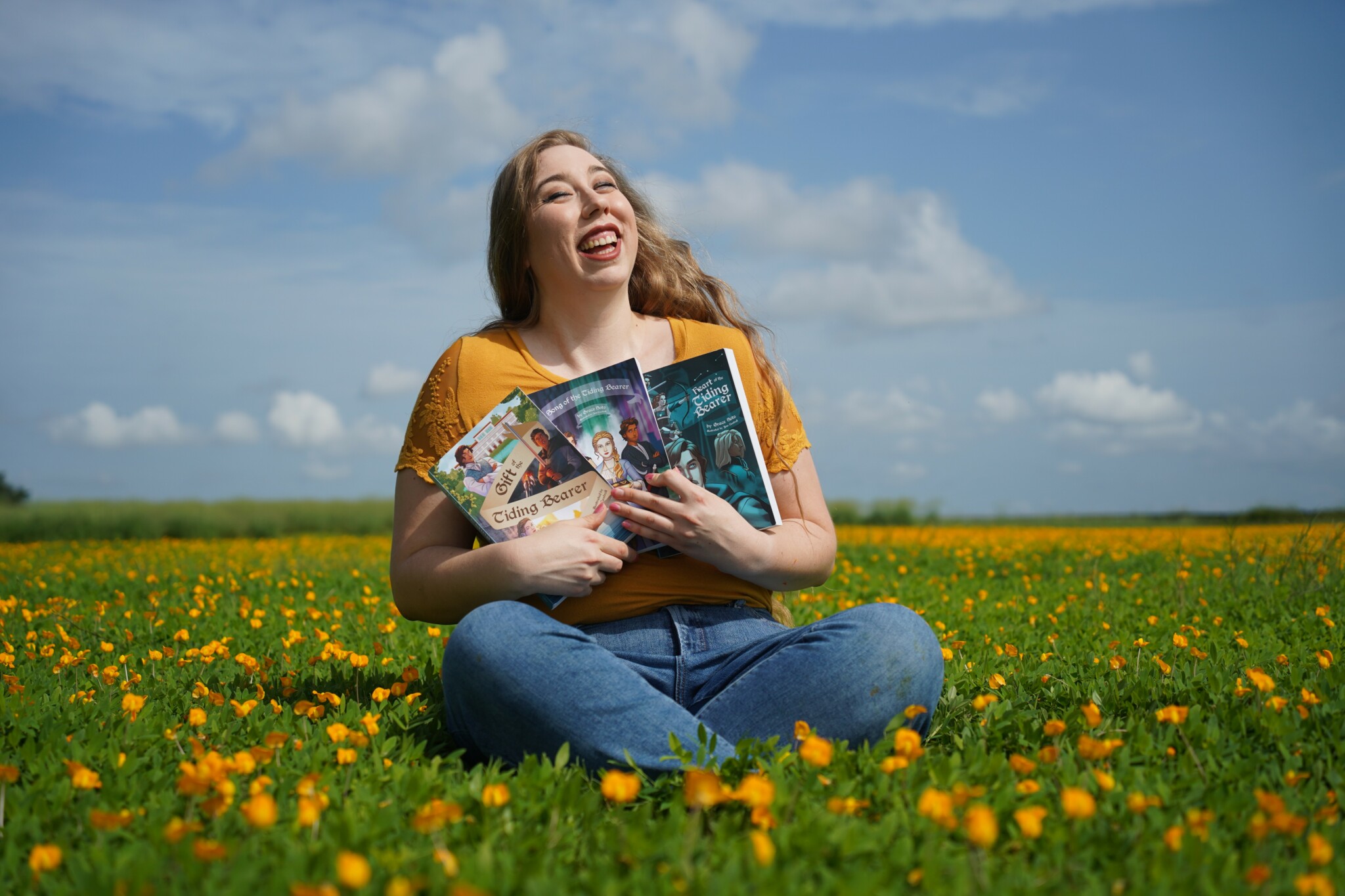
How did you build your audience on social media?
When I finally got the courage to start building a presence on Instagram in April 2024, I had no idea what I was doing. I attended a few workshops from other influencers in my field, and got started with some very poorly-designed graphics from Canva. It was a lesson in humility and patience, mostly, as I grappled with being new and bad at something again just when I was starting to feel so good about my writing. But I have 650 followers now and a thriving community.
My 3 tips for new writers trying to get their work out there are:
1) Don’t miss the “social” part of social media. You’re there to build a community, not just gain customers.
2) Figure out your niche–not just vaguely, but down to the very specifics: what age, gender, life stage, and economic status is your ideal audience? What are their needs and how can you help meet them?
3) Focus on content that meets one of these four categories as it applies to your niche: promotional (directly relates to what you’re selling), personal (lets followers get to know you and your brand), educational/inspirational (teach or inspire your audience in something that fits your niche), engaging (games, quizzes, invitations to participate in something).
Contact Info:
- Website: https://www.writesofgrace.com/
- Instagram: https://www.instagram.com/writesofgrace/
- Youtube: https://www.youtube.com/@WritesofGrace
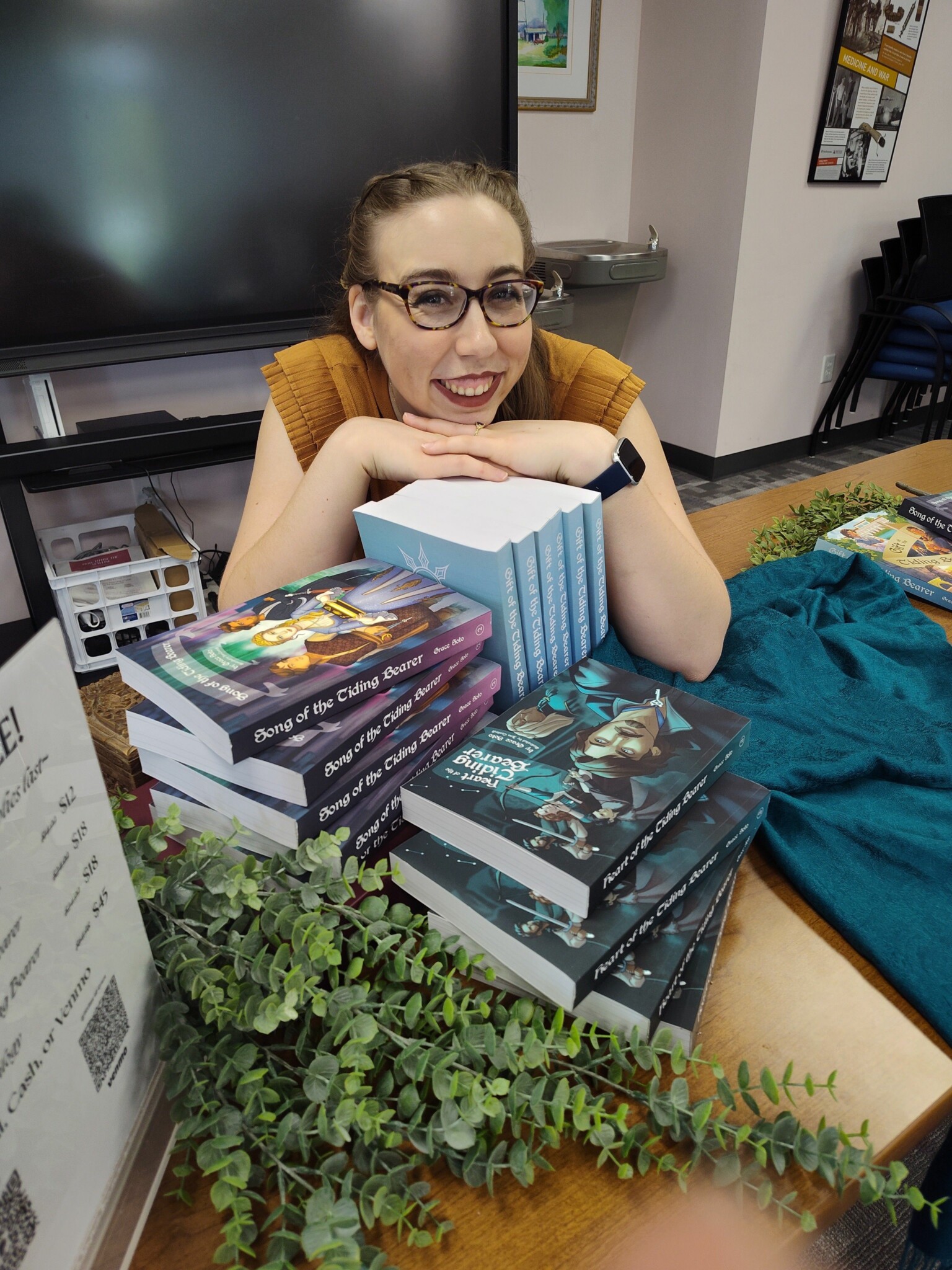
Image Credits
Daniel Ingold