
We’re excited to introduce you to the always interesting and insightful Grace Martin Franklin. We hope you’ll enjoy our conversation with Grace Martin below.
Grace Martin, thanks for joining us, excited to have you contributing your stories and insights. What was the most important lesson/experience you had in a job that has helped you in your creative career?
One of the most important lessons that shaped me as an artist came from my 11 years as a high school visual art teacher. When you spend your days surrounded by young artists, you quickly see that creativity doesn’t thrive in perfection — it thrives in experimentation.
I often watched students hesitate before beginning a project because they wanted reassurance that their idea was “right.” But the most exciting work usually appeared when they stopped overthinking and simply started creating. The moments when things didn’t go according to plan were often when real discovery happened.
Over time, I realized that while I was encouraging my students to take risks, I wasn’t giving myself that same freedom in my own work. I was still trying to make everything technically correct and carefully resolved. Eventually, I understood that I needed to approach my own practice with the same openness I asked of them — allowing room to experiment, make mistakes, and discover something new.
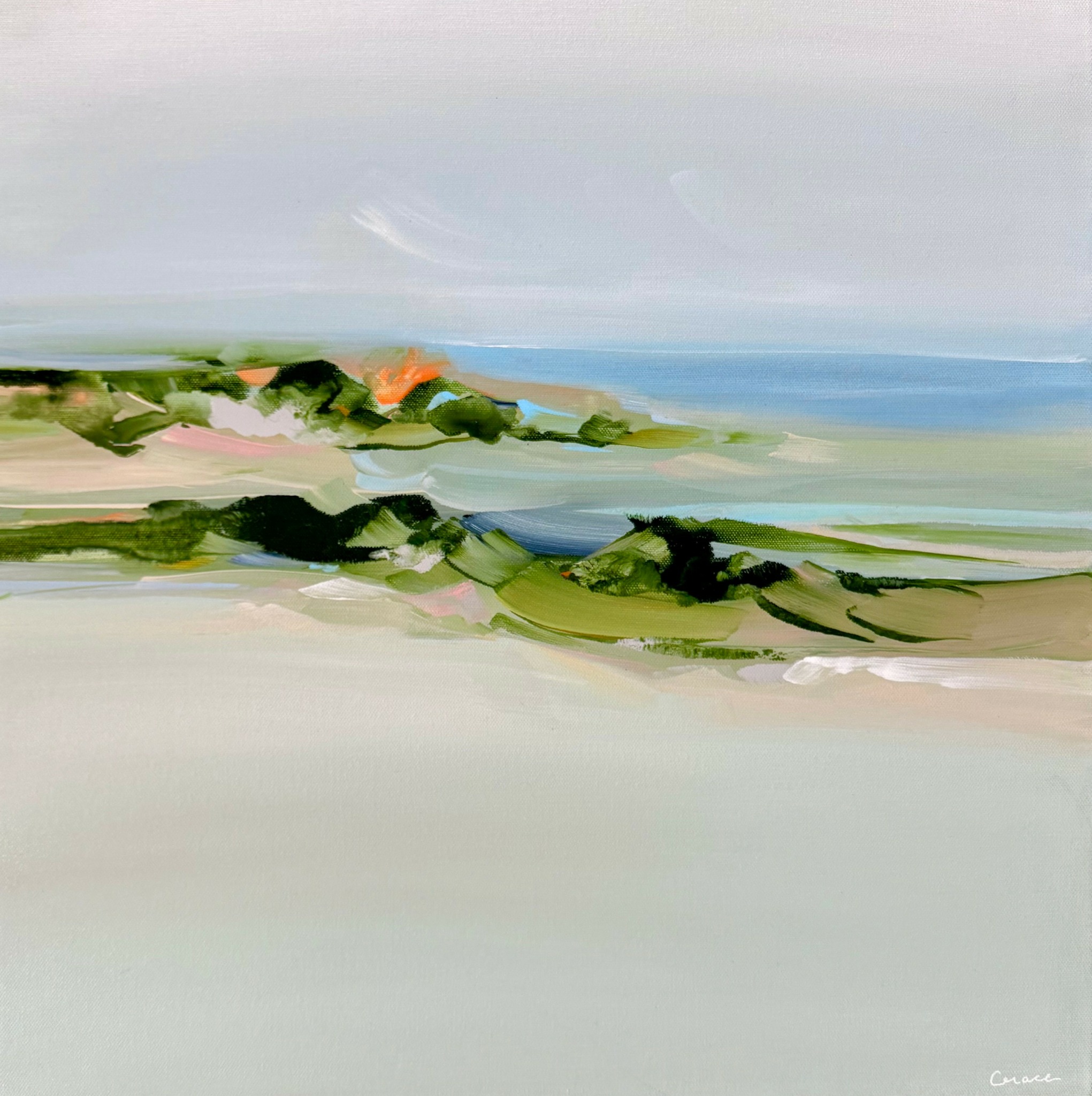
That shift changed the way I work today. I often begin a painting without a clear plan and let the movement of line, color, and texture guide the process. Some of the most meaningful pieces come from those moments of uncertainty.
The lesson I carry with me is that creativity grows when you give yourself permission to explore. Whether you’re building a business or developing your voice as an artist, you can’t wait for everything to feel perfect before you begin. You learn by doing, adjusting, and staying open to where the process leads.
Great, appreciate you sharing that with us. Before we ask you to share more of your insights, can you take a moment to introduce yourself and how you got to where you are today to our readers.
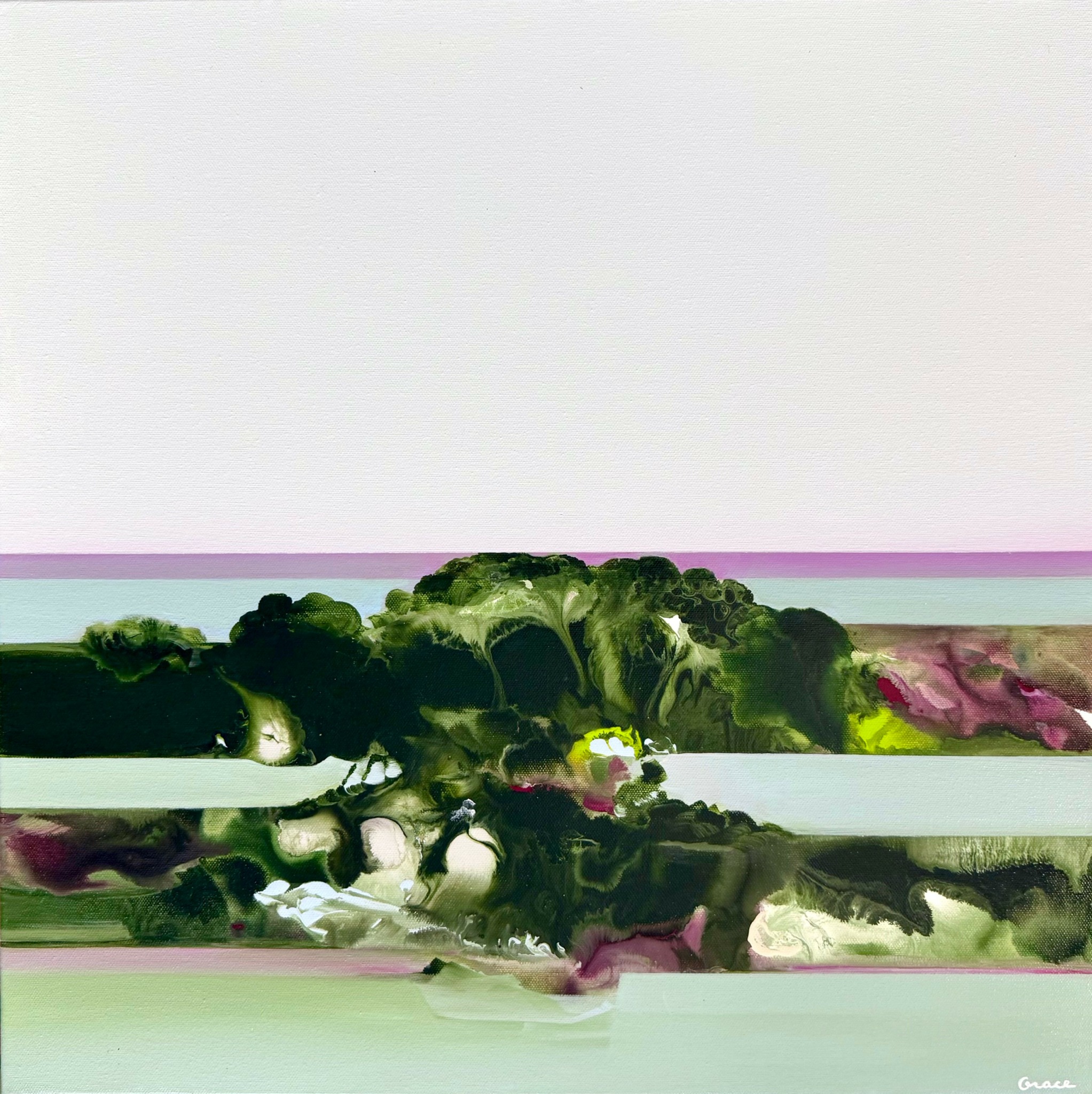
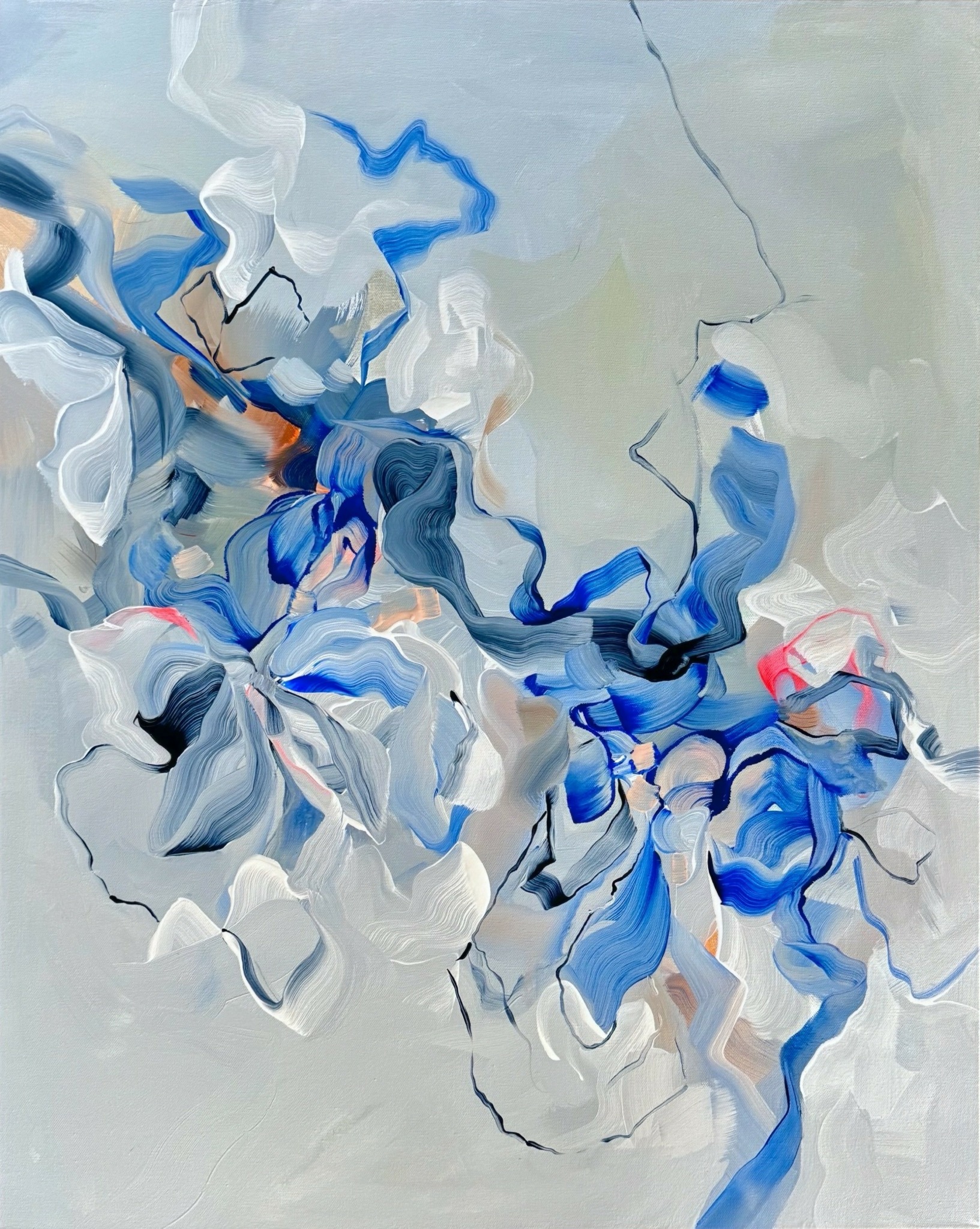
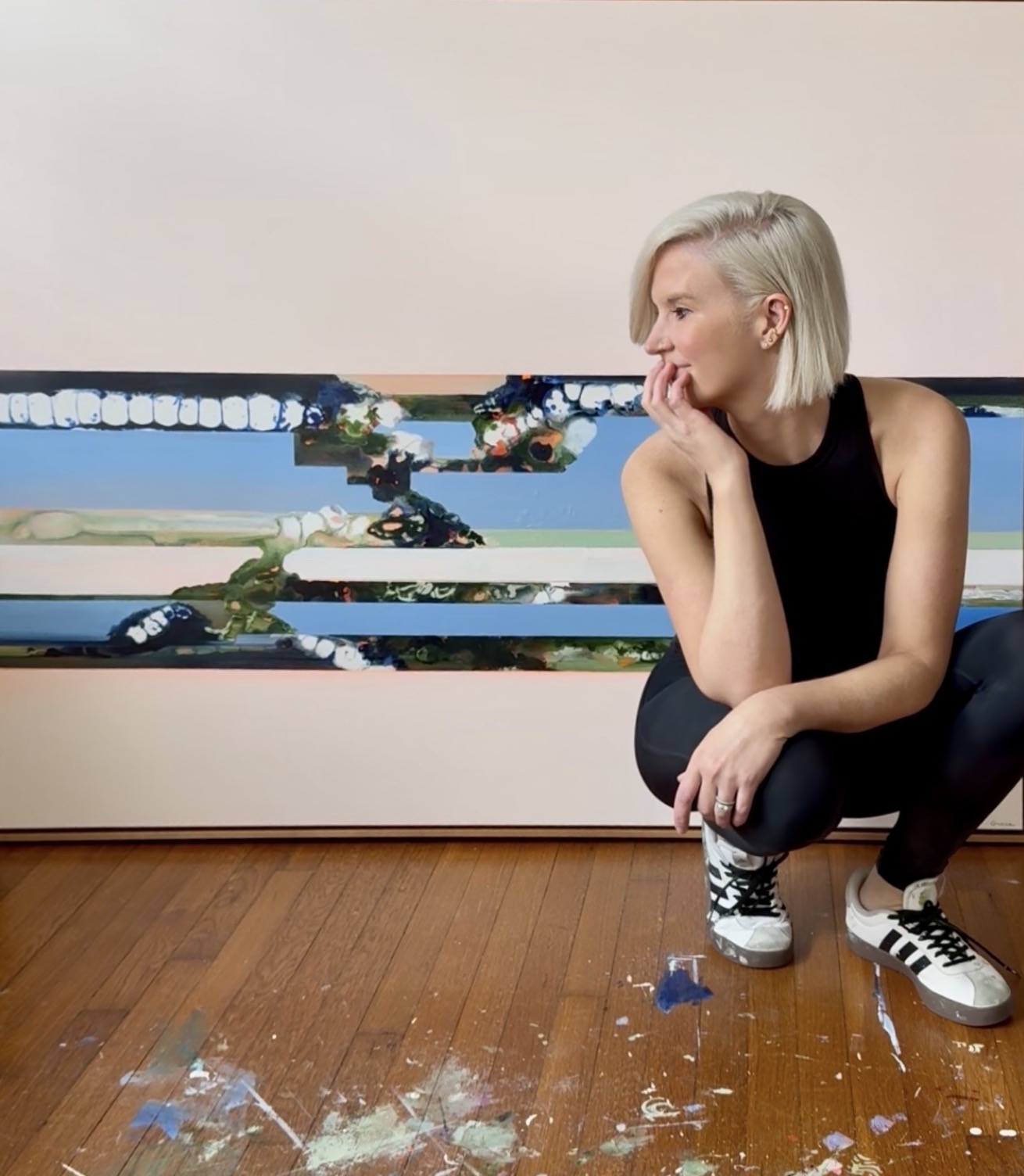
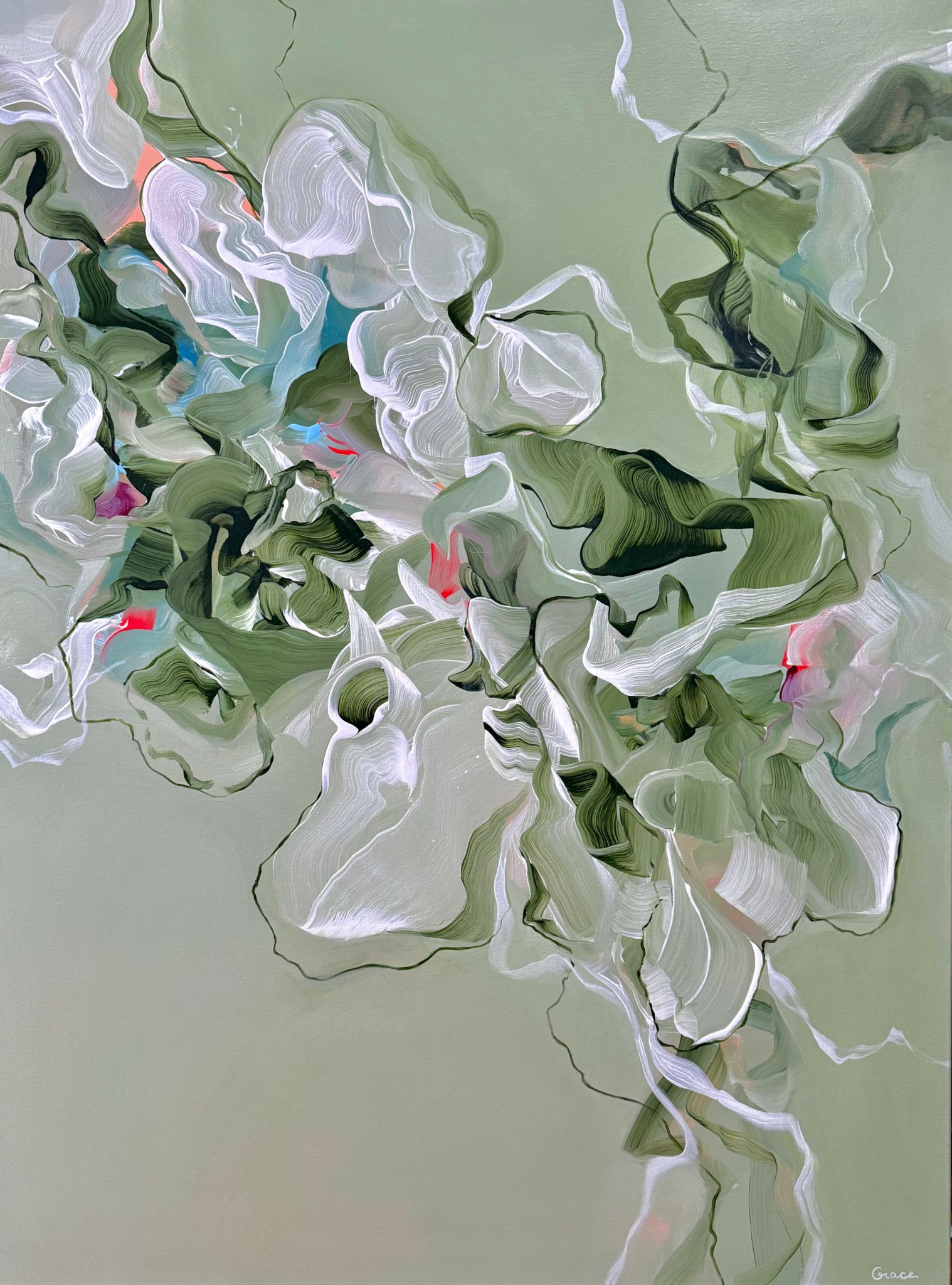
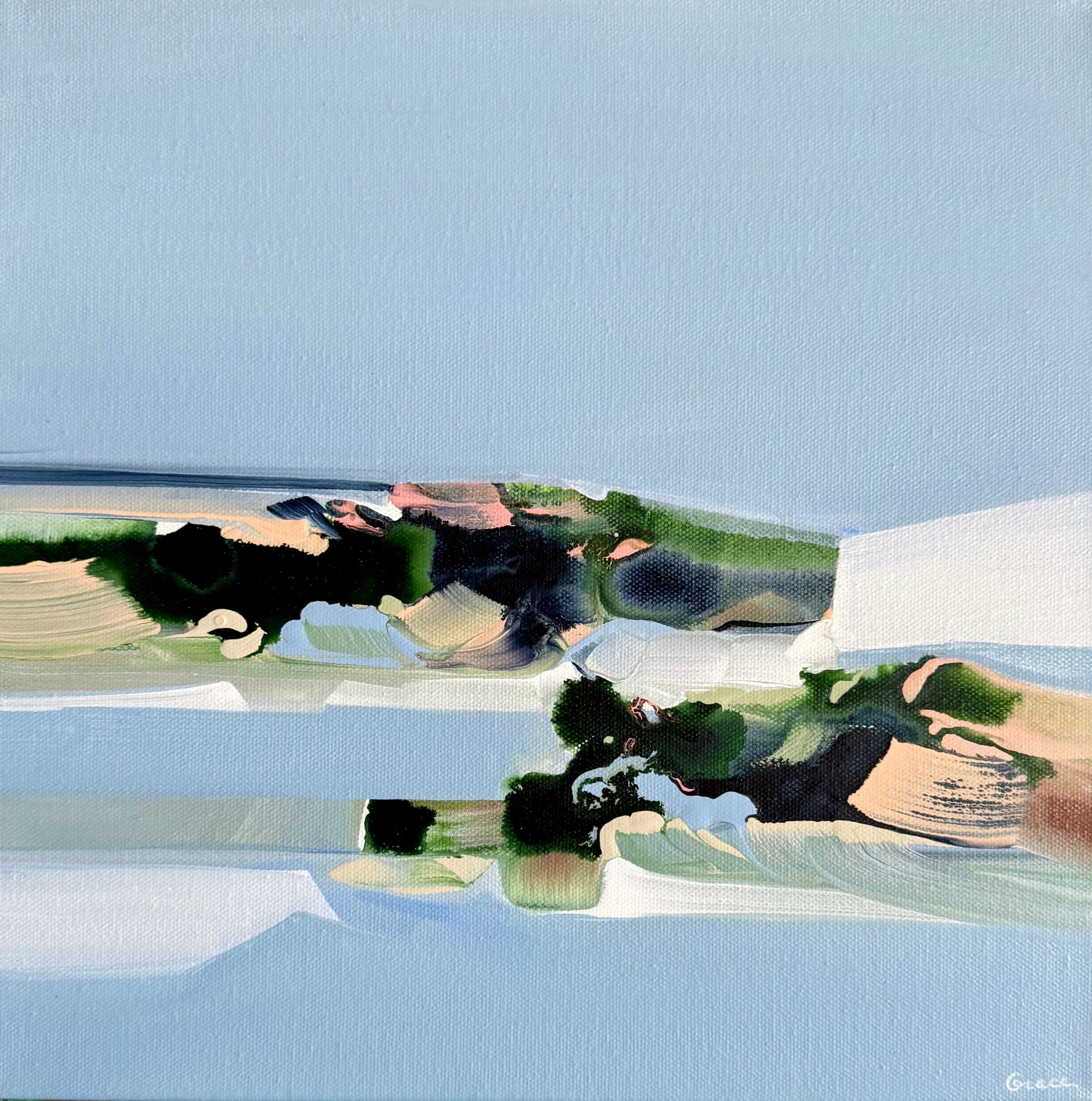
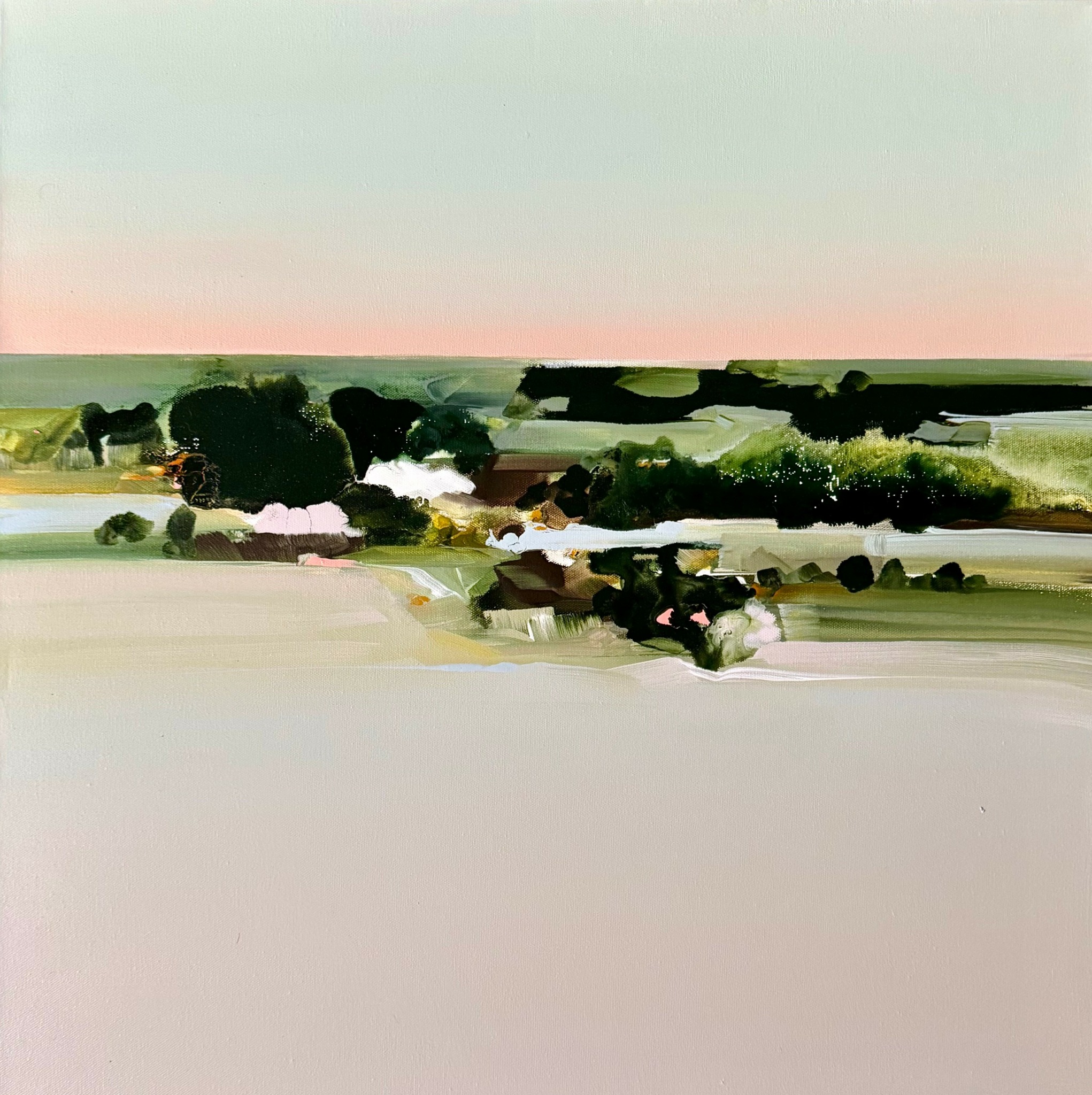
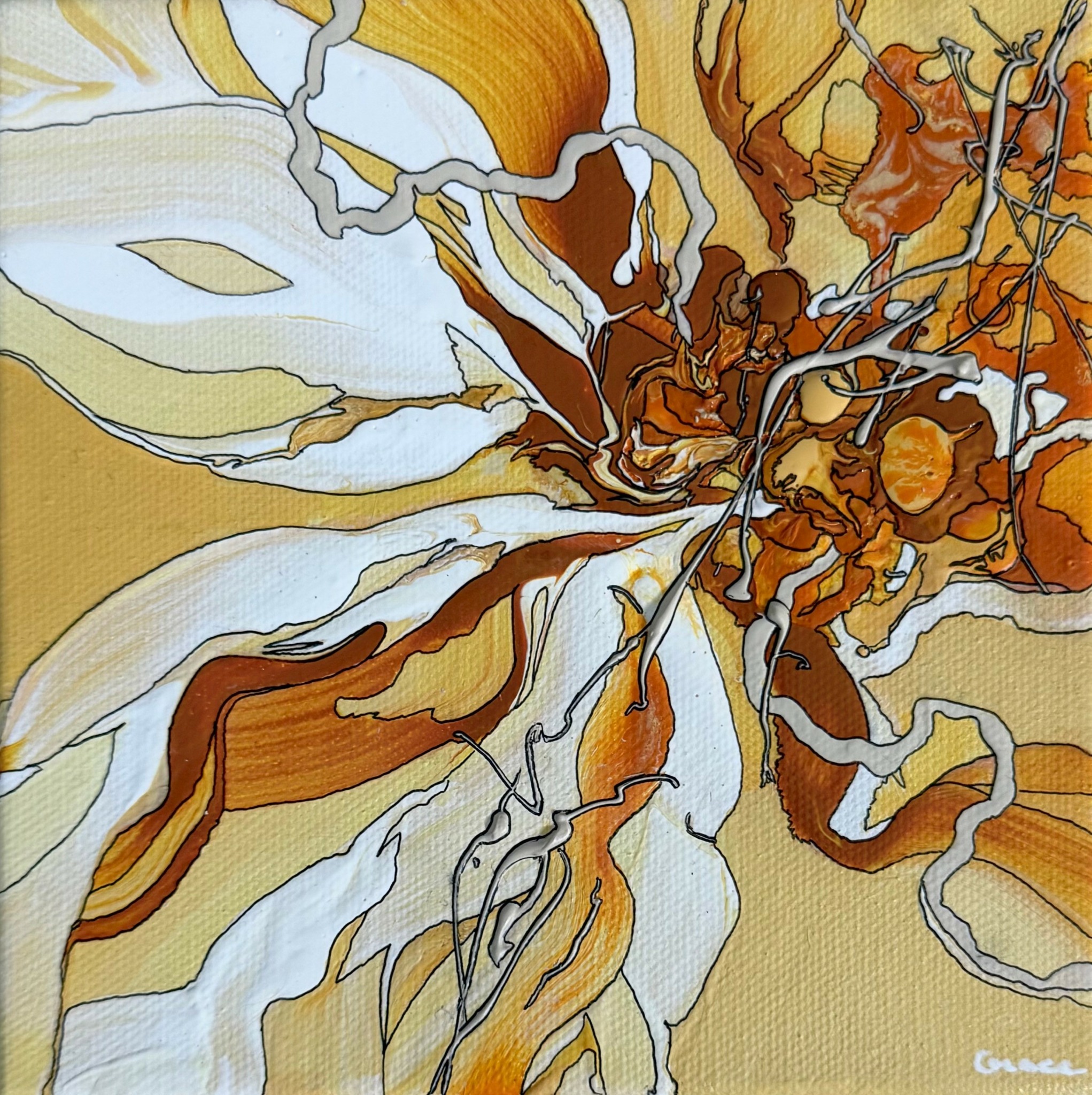
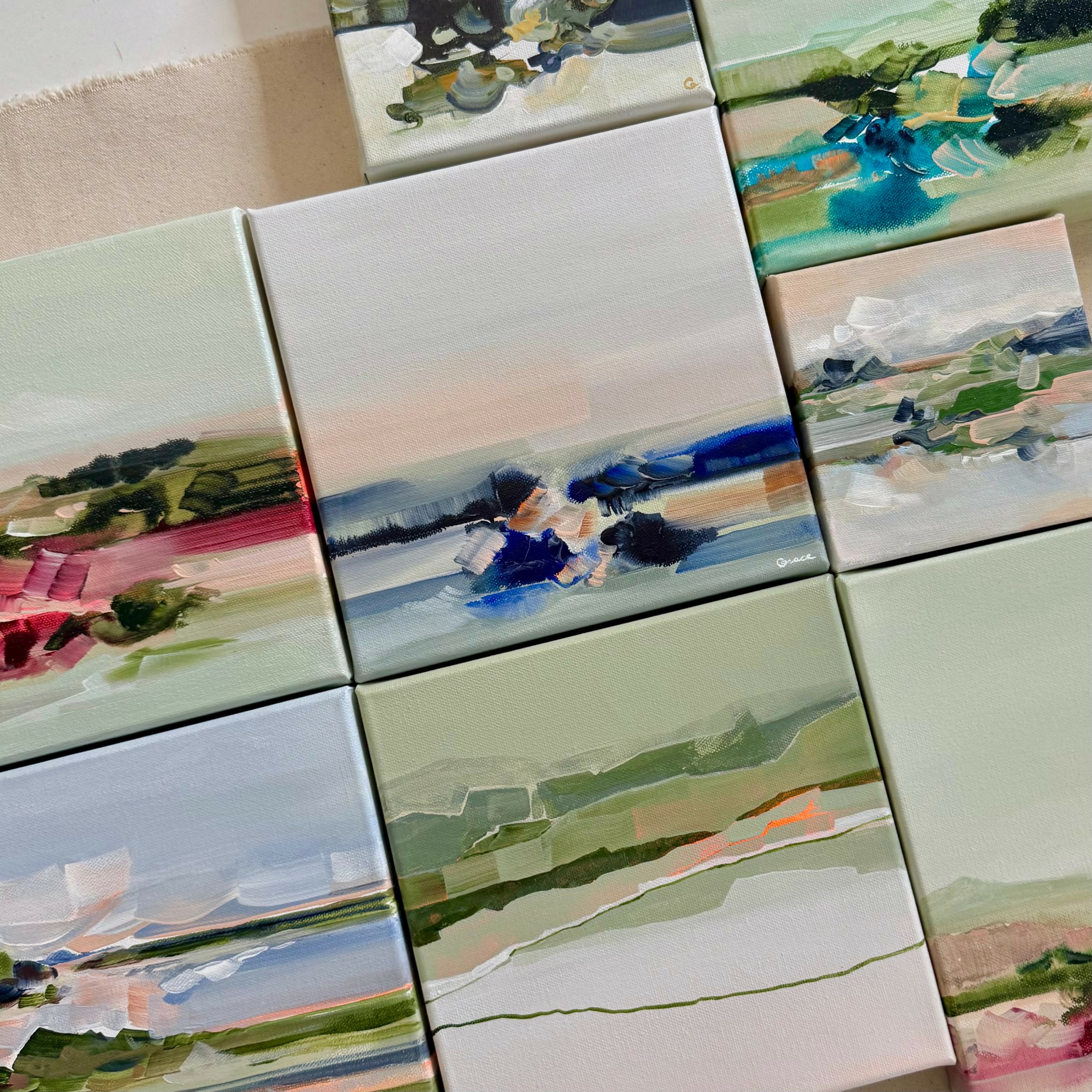
I’m a full-time abstract artist based in North Carolina, working primarily with acrylic paint and ink. My paintings are inspired by natural forms like landscapes and florals, but rather than depicting them literally, I break them down into shapes, lines, and layered color. I’m fascinated by how memory works — how we rarely remember a place or moment exactly as it was, but instead hold onto fragments of movement, color, and feeling. My work invites viewers to connect with those fragments and find their own meaning within the painting.
Before becoming a full-time artist, I spent more than a decade teaching high school visual art. That experience deeply shaped my approach to creativity. I encouraged my students to experiment, take risks, and learn the rules so they could eventually break them. Over time, I realized I needed to give myself that same freedom in my own work, which helped me develop the abstract style I use today.
My work now includes original paintings, commissions, and collaborations with galleries and businesses. I love creating pieces that become part of someone’s home or space and take on new meaning for the people who live with them. For me, painting is also a way of organizing chaos — taking movement, emotion, and uncertainty and turning it into something balanced and reflective.
At the heart of my work is the belief that art should feel personal, evolving, and accessible. If someone can pause in front of a painting and feel a sense of connection, curiosity, or calm, then I feel like the work has done its job.
How can we best help foster a strong, supportive environment for artists and creatives?
One of the most meaningful ways society can support artists is simply by recognizing that creativity plays an important role in the health of a community. Art shapes culture, brings people together, and creates spaces for reflection and connection. When artists are supported, the entire creative ecosystem becomes stronger.
In my experience, some of the most impactful support comes from people simply showing up. Visiting local galleries, attending art markets, buying work from artists, or even sharing an artist’s work with friends can make a real difference. For many independent artists, those small moments of connection are what allow their work to keep growing and reaching new audiences.
I’ve been incredibly fortunate to be part of the arts community here in North Carolina, where artists, small businesses, galleries, and collectors often work together to support one another. Events, collaborations, and community spaces help make art feel accessible and integrated into everyday life rather than something distant or exclusive.
Education is another important piece of the puzzle. Supporting arts education in schools gives young people the chance to explore creativity, curiosity, and self-expression early on. Those experiences don’t just nurture future artists — they help build communities that value creativity in all its forms.
At the heart of it, a thriving creative ecosystem grows when people see art as something worth investing in and protecting. When communities support artists, they’re also supporting the culture, energy, and shared experiences that make a place feel vibrant and alive.
Are there any resources you wish you knew about earlier in your creative journey?
One of the biggest lessons I’ve learned on this journey is just how much you need the support of other people. When I first started sharing my work and running my art business, I quickly realized that being an artist isn’t just about making art — you have to wear a lot of hats. From photography and marketing to accounting and managing commissions, there’s so much to figure out beyond the studio.
That’s when I started understanding the value of finding people who are willing to share their knowledge. I’ve been incredibly fortunate to have a mentor who has walked a similar path, as well as friends and fellow artists who know the business side of things. Their guidance has been invaluable — from giving honest feedback on work to answering questions about galleries, taxes, and online sales.
What I’ve realized is that you don’t have to do it all alone. Building a team of people who are willing to help and support you, even in small ways, is one of the most important resources an artist can have. Early on, I wish I had known just how essential community and mentorship would be, because having that network makes the creative and business side of art so much more manageable — and far more joyful.
Contact Info:
- Website: https://www.gracemartinfranklinart.com/
- Instagram: @gracemartinfranklin_art
- Facebook: https://www.facebook.com/grace.martin.franklin
- Linkedin: https://www.linkedin.com/in/gracemartinfranklinart/