



We recently connected with Giulia Hartz and have shared our conversation below.
Giulia, thanks for taking the time to share your stories with us today Earning a full time living from one’s creative career can be incredibly difficult. Have you been able to do so and if so, can you share some of the key parts of your journey and any important advice or lessons that might help creatives who haven’t been able to yet?
Yes, I’ve been able to earn a full-time living from my creative work, but it was definitely a journey with its share of challenges and milestones. Let me walk you through how it all came together.
I was born and raised in a tiny town on the shores of Lake Garda in Italy, where my passion for design started to take root. After high school, I moved to Milan, inspired by legends like Ettore Sottsass, to study Product Design at the Politecnico di Milano. However, my path to a full-time creative career wasn’t a straight line. In 2016, I moved to Berlin to pursue a Master’s in Strategic Design, and it was during this time that I discovered my love for visual thinking and illustration. This ended up shaping my entire career.
After completing a few internships and gaining experience at an agency as a full-time designer, I decided to make the leap into freelancing in September 2020. By then, a few brands I was looking up to had started to reach out to me for projects, which gave me the confidence that my work had a commercial value.
One of the most important things I’ve learned on this journey is the importance of showcasing the work you’re passionate about. From the start, I focused on highlighting personal projects: the things I enjoyed doing and wanted to do more of. Consistent communication and putting my work out there has been key to drawing in clients. I’m lucky to have received many inquiries from brands and companies because of this.
Freelancing is a continuous learning experience, filled with moments where you have to push and motivate yourself because, literally, you’re on your own. That said, I’ve never been truly alone. I have an incredible network of freelance designer friends who have supported me since day one, and I honestly believe it’s thanks to them that I’ve been able to sustain this journey. Community is key, especially in freelancing!
Looking back, I don’t think it was possible to speed up the process, even with what I know now. Each step, from internships to agency work and even the moments of uncertainty, has been crucial in shaping my understanding of the industry, my art and myself as a creative professional.
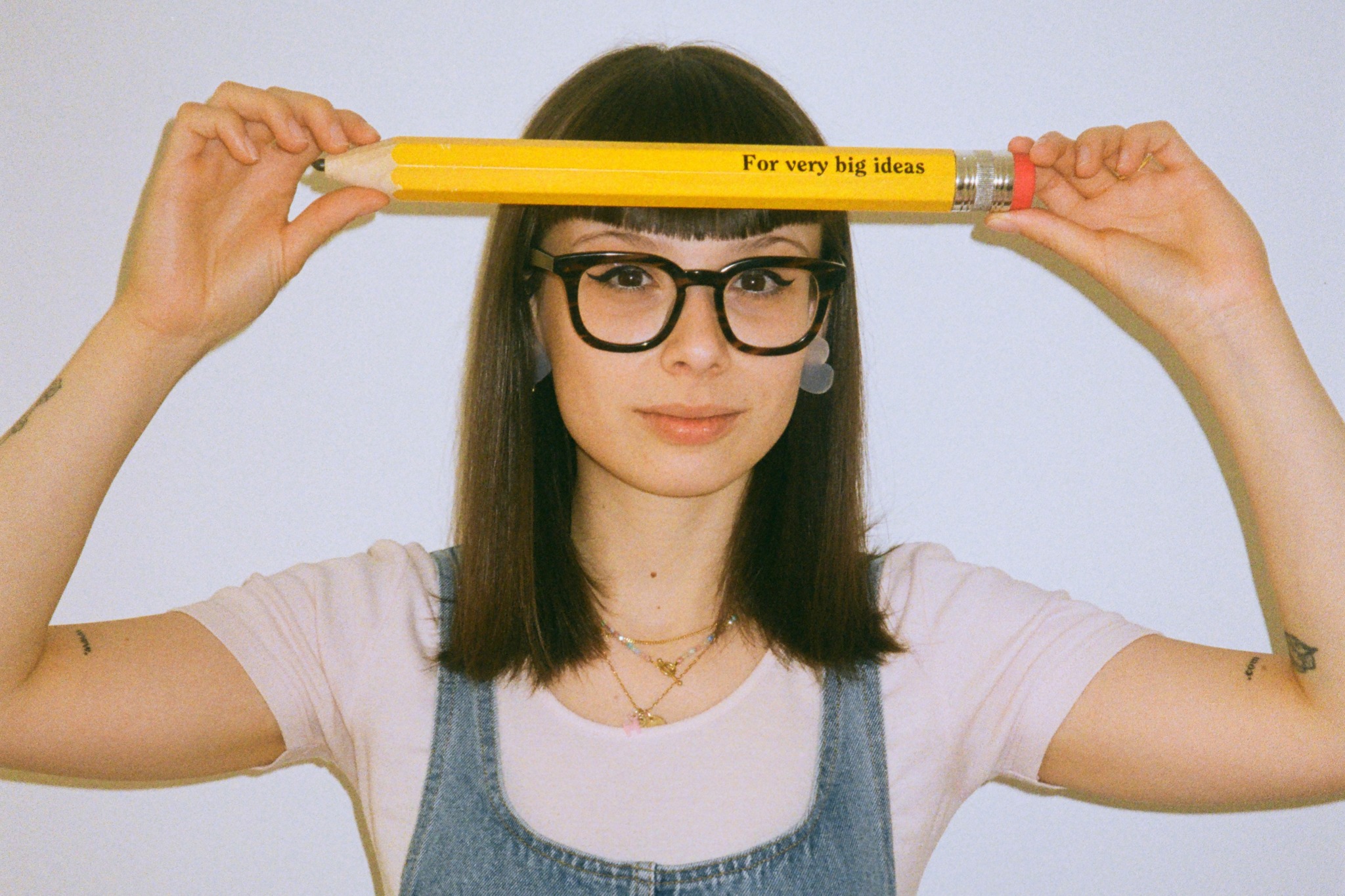
Awesome – so before we get into the rest of our questions, can you briefly introduce yourself to our readers.
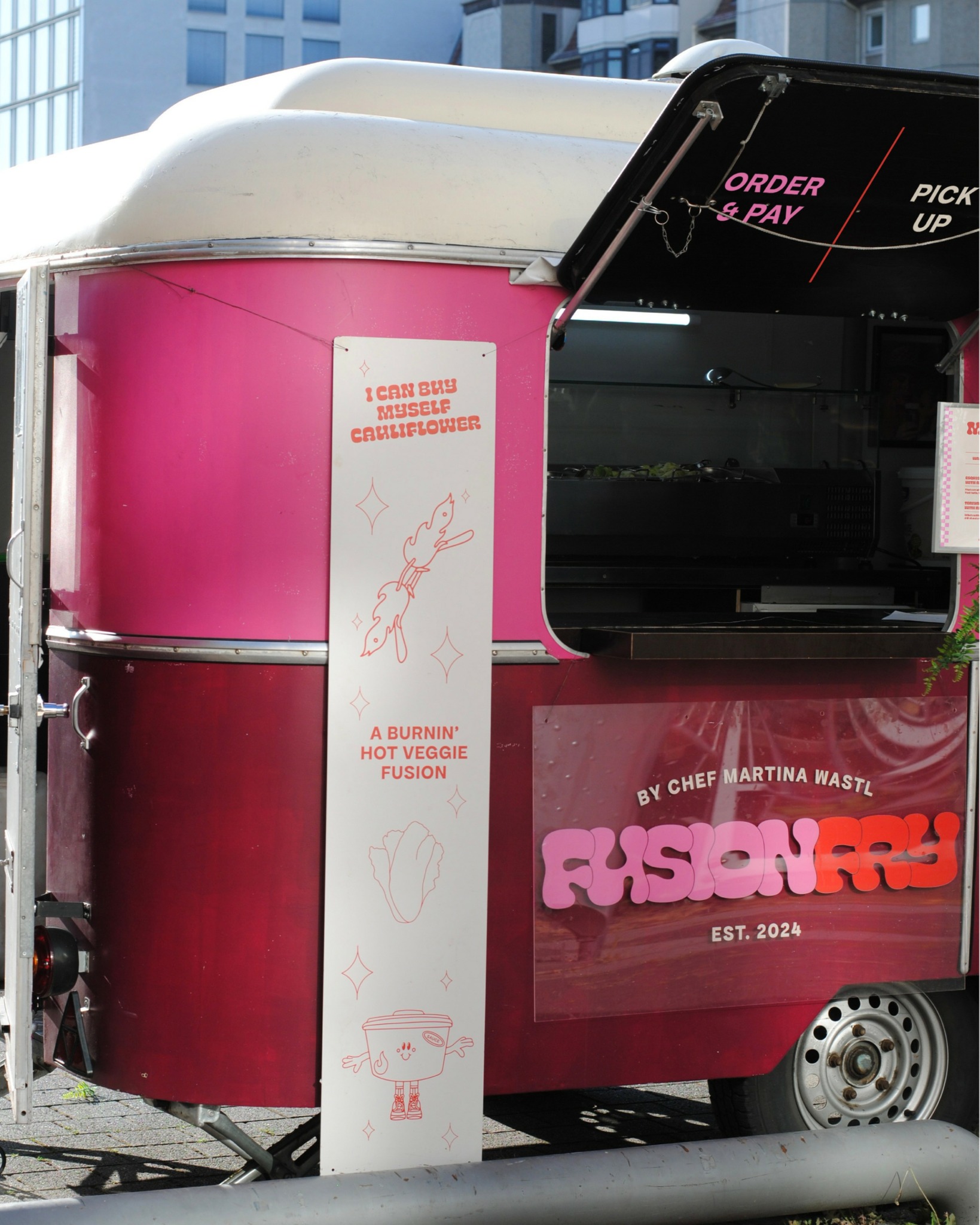
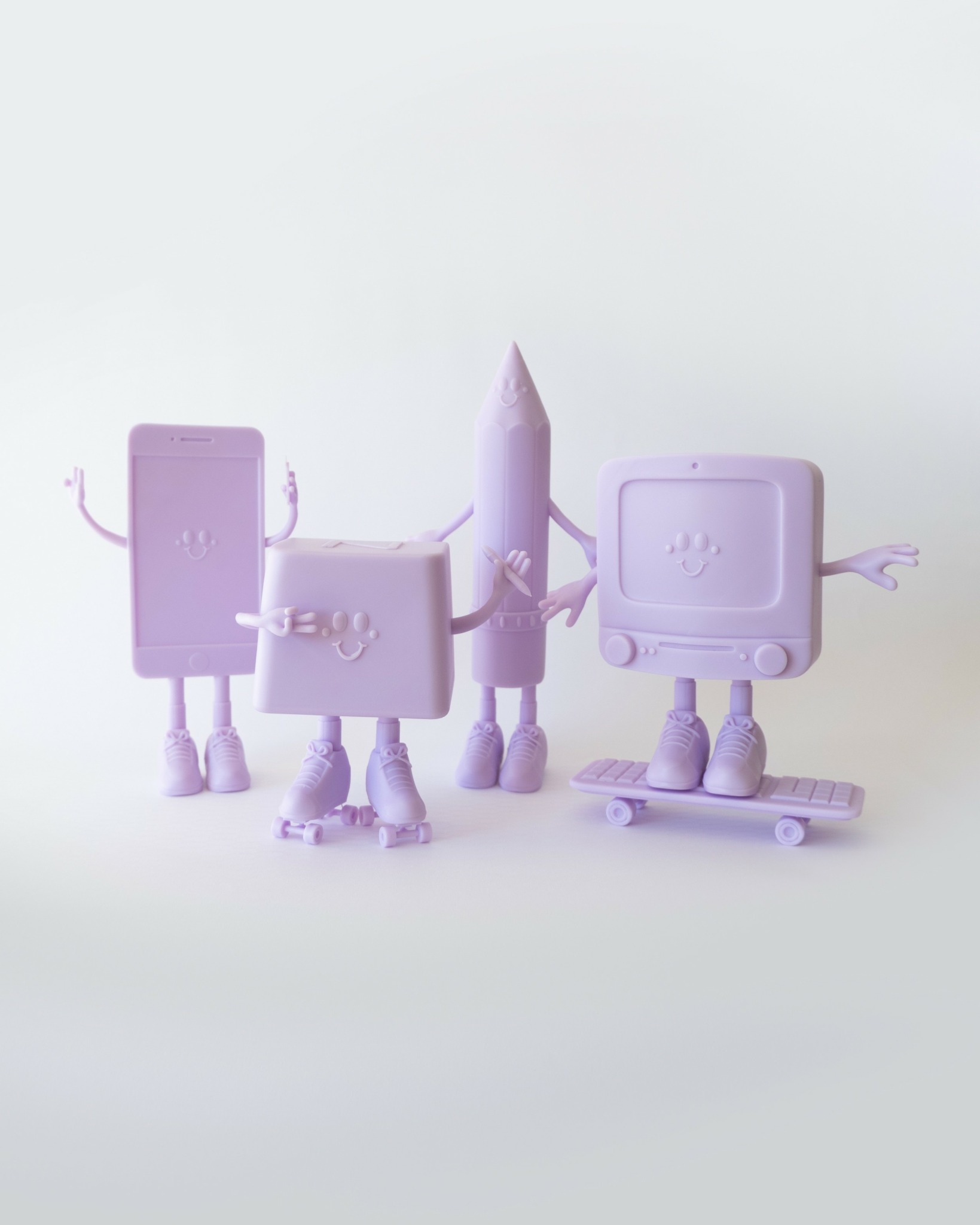
For those who may not be familiar with me, my name is Giulia Hartz, and I’m an illustrator and strategic brand designer. My creative work revolves around creating visually compelling stories, helping brands, individuals, and organizations communicate complex ideas in a way that’s engaging and easy to understand. I work across a variety of mediums, from digital illustration to analog artworks painting and customising objects with my designs. Thanks to my background, I flexibly combine strategy and creativity in my approach to the design process. This allows me to take a more holistic approach to design challenges, making sure that the outcome (being it illustrations or a branding) is aligned with the client’s goals and consistent with their brand vision, yet of course pretty!
I put a lot of heart and energy into my work. I’m committed to creating pieces that resonate with people, communicate ideas clearly and hopefully, touch home.
Looking back, are there any resources you wish you knew about earlier in your creative journey?
When I first started my creative journey, I had to figure out most things on my own, from how to price my work to managing accounting and even learning how to ship packages from my online shop (the hours I’ve spent on the DHL website!). It was a bit overwhelming at times, and I definitely wish I had access to more structured resources earlier on.
One book that has been incredibly helpful is the “Pricing and Ethical Guidelines Handbook”. It provided me with clear guidance on how to approach pricing, which was something I struggled with in the beginning. It gave me a better sense of the value of my work and helped me set more confident rates.
If you’re based in Germany, there’s also the Illustrators Organization website (https://illustratoren-organisation.de), which has been a really useful and educational resource. They offer an online calculator for quotes, which makes pricing much easier and more transparent.
That said, the most invaluable resource by far has been the community of fellow freelancers. Being able to ask questions, share experiences and get support from other creatives has made a huge difference. Whether it’s getting advice on a quote or a draft, dealing with clients or even finding emotional support during the ups and downs of freelancing, having a community to turn to is everything.
What can society do to ensure an environment that’s helpful to artists and creatives?
In my view, one of the most important things society can do to support artists and creatives is to recognize the value of creative work. Often, the arts are seen as something secondary, or as a passion project, rather than a legitimate career path. Changing this perception is crucial. A thriving creative ecosystem depends on treating creative professionals with the same respect and acknowledgment that other industries receive, especially when it comes to fair pay and ethical treatment.
Contact Info:
- Website: https://www.giuliahartz.com
- Instagram: @giuliahartz
- Linkedin: Giulia Hartz
- Other: Tiktok @giuliahartz
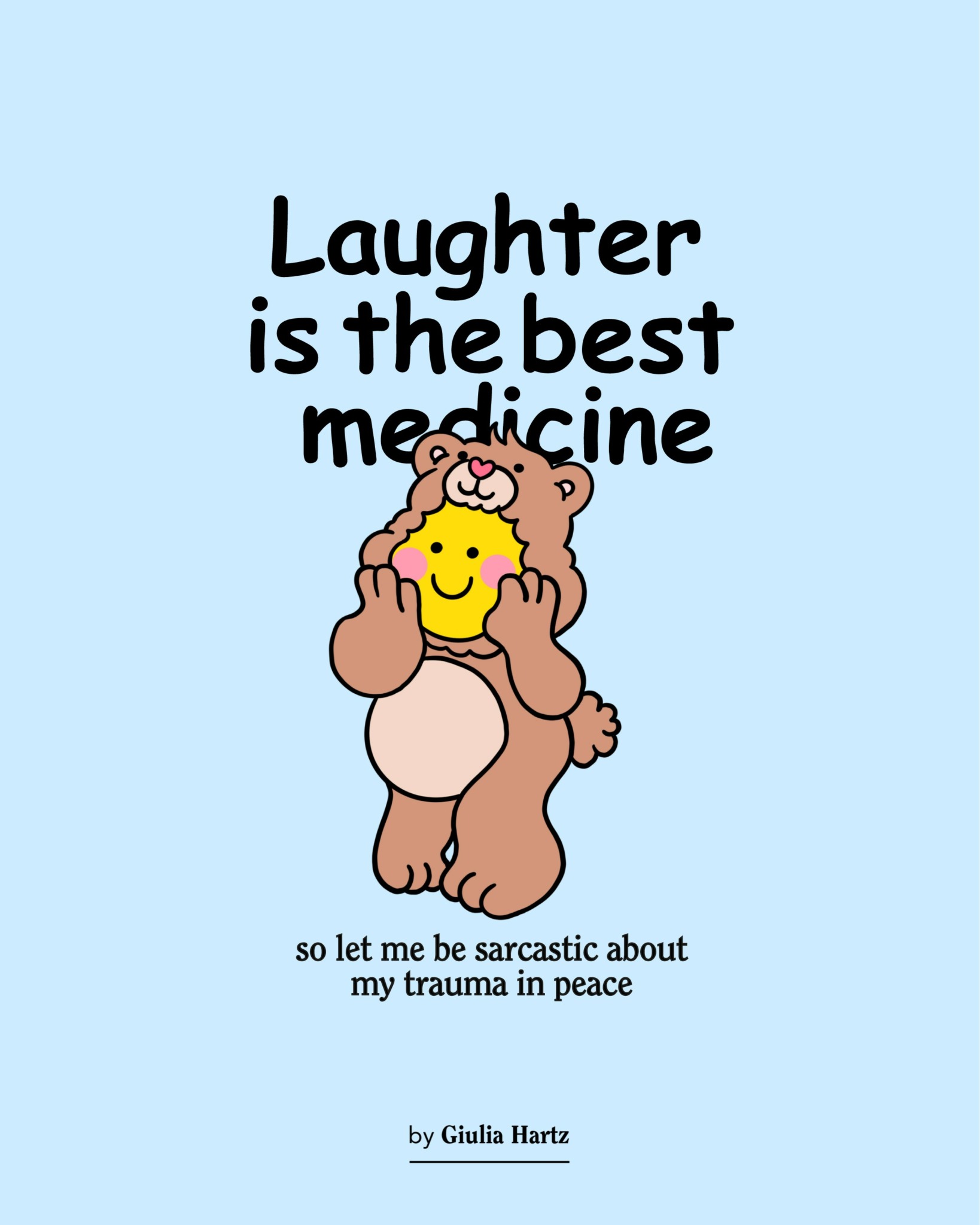
Image Credits
First portrait image by Lillian Ceben, second portrait image by Delia Baum.