

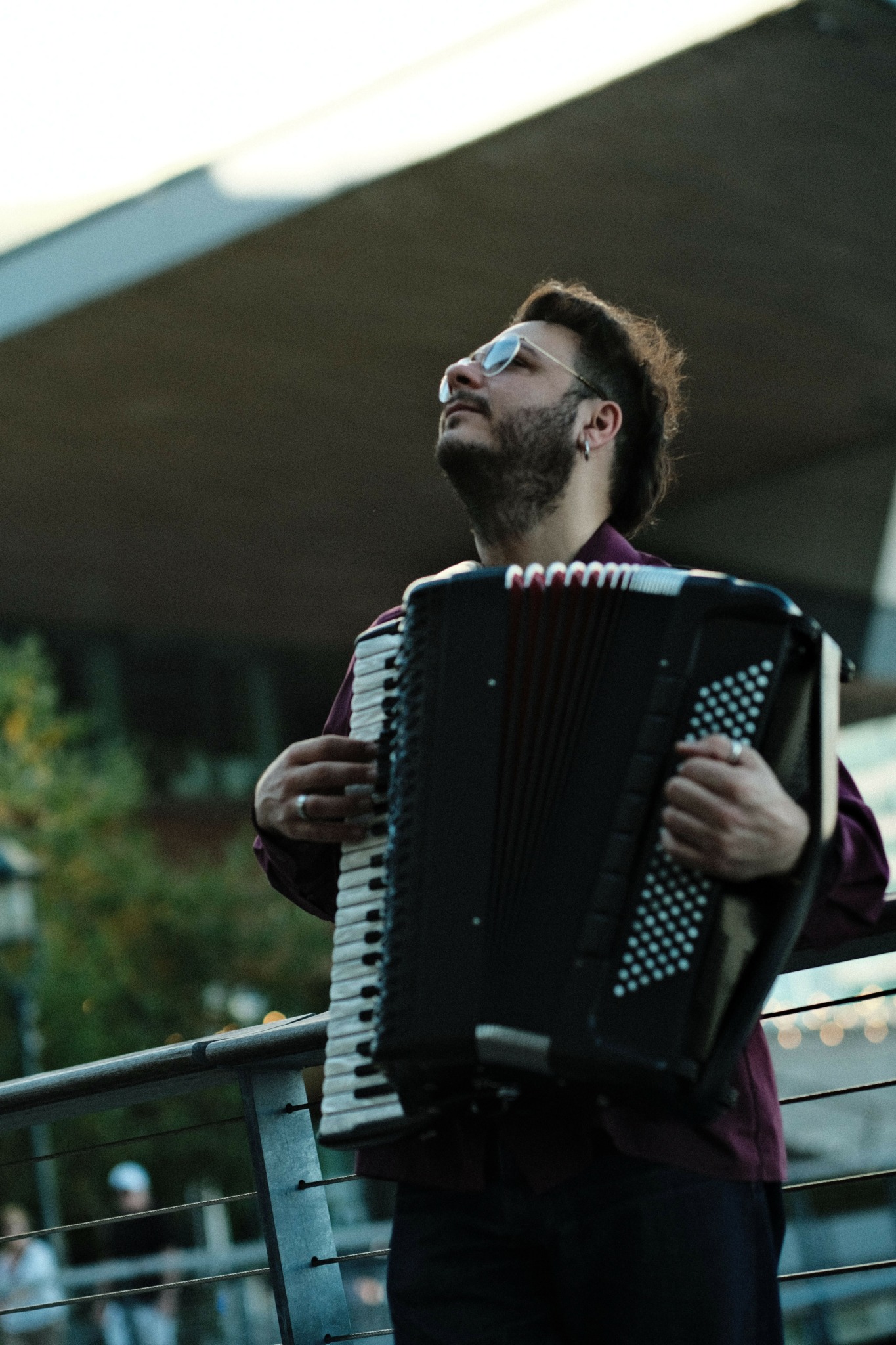

We recently connected with Giorgio Albanese and have shared our conversation below.
Alright, Giorgio thanks for taking the time to share your stories and insights with us today. How did you learn to do what you do? Knowing what you know now, what could you have done to speed up your learning process? What skills do you think were most essential? What obstacles stood in the way of learning more?
I’ve learned that in music, as in life, you never stop learning. True growth comes from acknowledging that each milestone is just the beginning of a new journey. My path began almost by chance, exploring music for fun, but soon turned into a lifelong pursuit. I took my first steps with the accordion under the guidance of a few teachers, but over time, I realized that I had to become my own teacher.
Looking back, I don’t believe there are shortcuts in learning a craft—everyone learns at their own pace. There were moments when having mentors or advisors might have helped me find direction more quickly, especially when I felt lost or uncertain. Working things out on my own slowed down the process at times, but it ultimately deepened my understanding of my craft and shaped my perspective on life.
The most essential skills I’ve developed came through gradual discovery. Mastering technique and refining my craft were essential, while pure artistic expression came more naturally. The main obstacles were often practical—accessing information and knowing where to look for it. My intuition has always guided me, but figuring out how to answer my questions was sometimes challenging. In the end, I think it was meant to be that way, as the process itself has enriched my journey and my art.
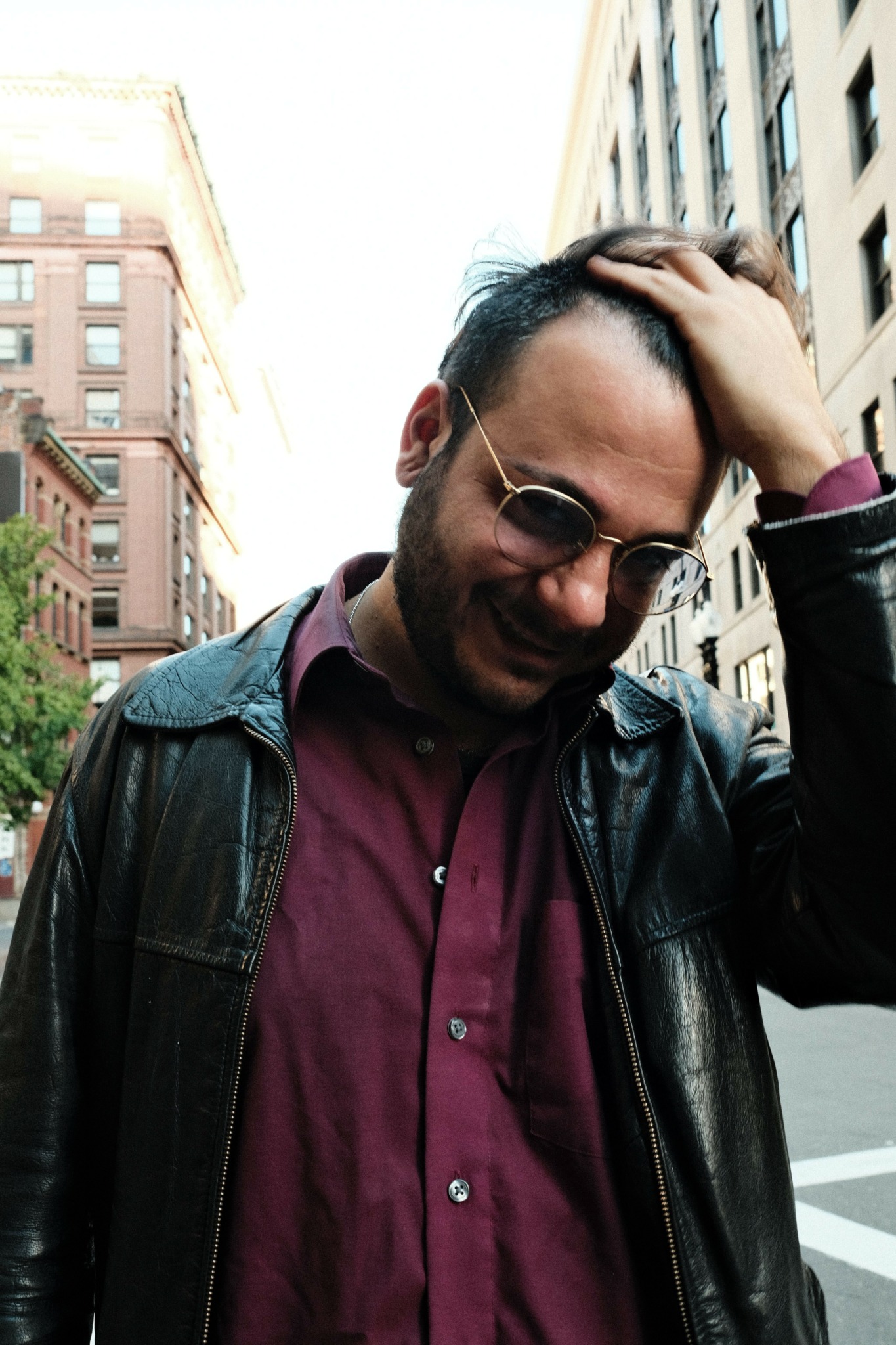
Giorgio , before we move on to more of these sorts of questions, can you take some time to bring our readers up to speed on you and what you do?
My name is Giorgio Albanese, and I’m a jazz accordion player and composer originally from Italy. My journey with music started in childhood when I first picked up the accordion. What began as a simple curiosity became a lifelong passion, one that I’ve developed through years of dedication, study, and experimentation. My work as an artist is a blend of traditional and contemporary influences, drawing from jazz, Mediterranean sounds, and a deep exploration of improvisation.
One thing that sets my music apart is my approach to the accordion itself. Traditionally, the accordion is seen as a folk instrument, but I see it as a versatile, expressive tool capable of crossing boundaries in jazz, classical, and even electronic genres. This openness to the instrument’s full potential has shaped my unique sound—a fusion of jazz with Mediterranean flavors, inspired by many influences in music and outside music.
I’m especially proud of my work as both a performer and a composer. As a composer, I’ve broadened my scope beyond just the accordion, writing for jazz ensembles, orchestras, and exploring electroacoustic compositions and music for media. My latest project, which I’m thrilled to share soon, is my second jazz album—a collection of my compositions arranged for a large ensemble of talented international musicians. It’s an expression of my artistic journey and an exciting milestone in pushing the boundaries of jazz and accordion music.
For anyone following my work, I want them to know that I am constantly driven by a commitment to expand the limits of what this instrument can convey. I aim to create music that resonates deeply, balancing technical mastery with emotional expression. Whether performing live or recording in the studio, my focus is always on creating an immersive musical experience that reflects my passion and dedication. For me, music is about bridging cultures, transcending genres, and connecting with people, and I’m grateful to share this journey with my listeners.
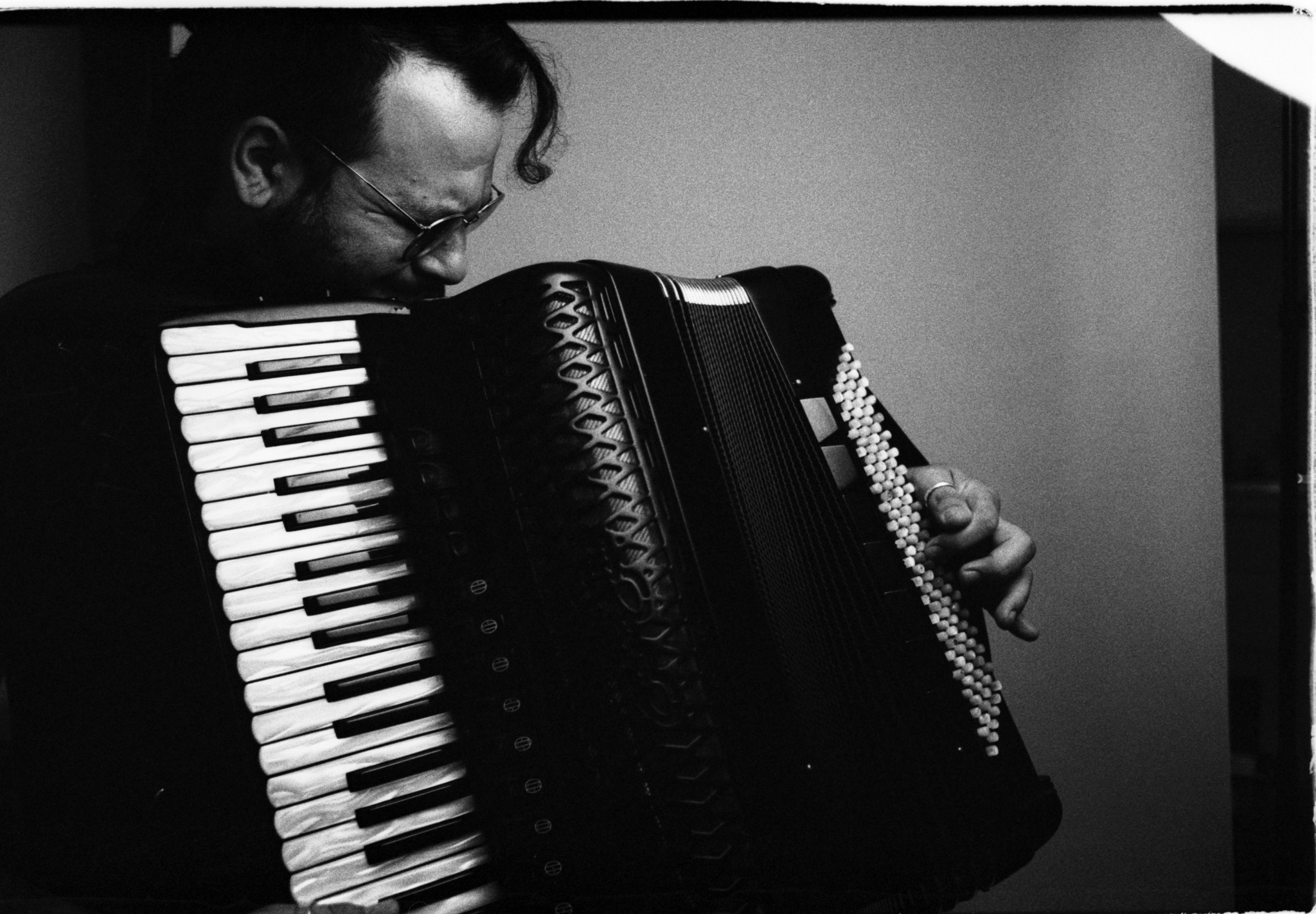
What can society do to ensure an environment that’s helpful to artists and creatives?
In my view, a thriving creative ecosystem requires society to prioritize both structural support and cultural appreciation for the arts. First, investing in accessible arts education and funding is essential. By exposing young people to the arts early on, society not only fosters individual creativity but also builds a stronger, more empathetic future. Studies show that those who study art or music develop unique skills in critical thinking, problem-solving, and emotional intelligence, which can positively impact society as a whole.
Additionally, artists need more opportunities to share their work and engage with the public. Society can support this by creating more platforms and public spaces for artistic expression—such as community galleries, performance spaces, and arts festivals. For independent and freelance artists, financial support mechanisms like grants, artist residencies, and tax benefits are vital, as they ease financial strain and allow artists to dedicate more time to their craft.
Equally important is transforming the cultural perception of the arts. Society should respect and value artistic careers as much as it does other professions. Recognizing the arts not merely as entertainment but as a cornerstone of cultural identity and emotional well-being fosters an environment where artists feel appreciated and empowered to explore new creative horizons that benefit society as a whole.
Ultimately, creating an ecosystem where creativity is celebrated, financially supported, and widely accessible would enable artists to thrive, connect deeply with their communities, and continue to inspire future generations.
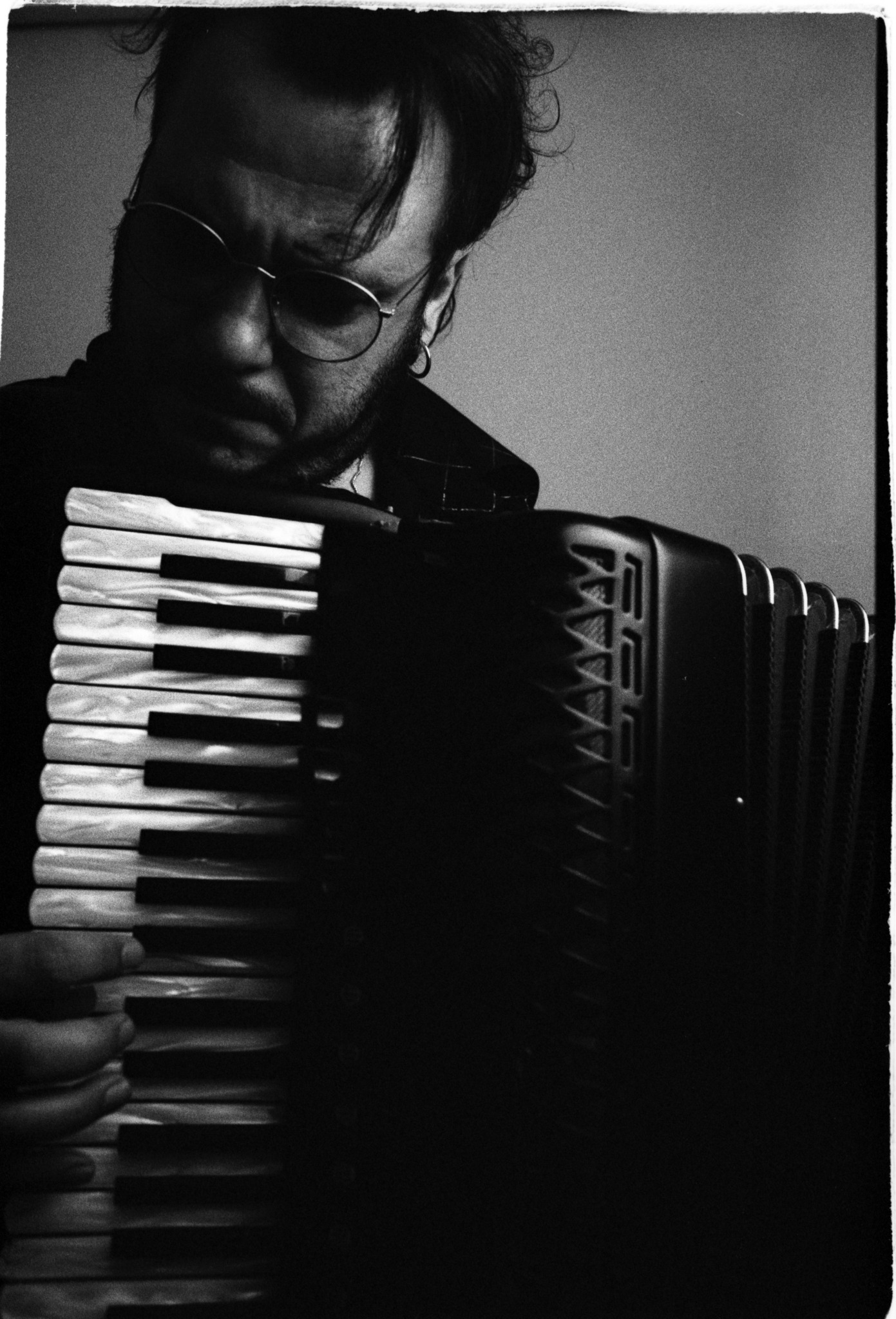
What’s the most rewarding aspect of being a creative in your experience?
For me, the most rewarding aspect of being an artist is the ability to connect deeply with others through my work. Music, especially, has a unique power to communicate across languages and cultures, touching emotions that words often can’t capture. When I see an audience resonate with a piece I’ve performed or hear from someone who felt a personal connection to my music, it reaffirms why I chose this path.
Another incredibly fulfilling part is the journey of continuous growth. Being an artist means constantly evolving, pushing boundaries, and exploring new creative landscapes. Each project or composition is a chance to discover something new about myself, my craft, and even the world. It’s a lifelong process that keeps me curious, inspired, and open to endless possibilities.
Ultimately, knowing that my art can offer others a moment of joy, reflection, or inspiration is the most meaningful reward. It gives purpose to the dedication, challenges, and endless hours spent creating—because in the end, it’s about sharing something larger than myself.
Contact Info:
- Website: https://www.giorgioalbanese.it/en/bio/
- Instagram: https://www.instagram.com/giorgioalbanese_official/
- Facebook: https://www.facebook.com/giorgioalbanese.it/
- Linkedin: https://www.linkedin.com/in/giorgioalbanese86/
- Youtube: https://www.youtube.com/channel/UCnbKNLZxK3eG7MxBmwp0uww
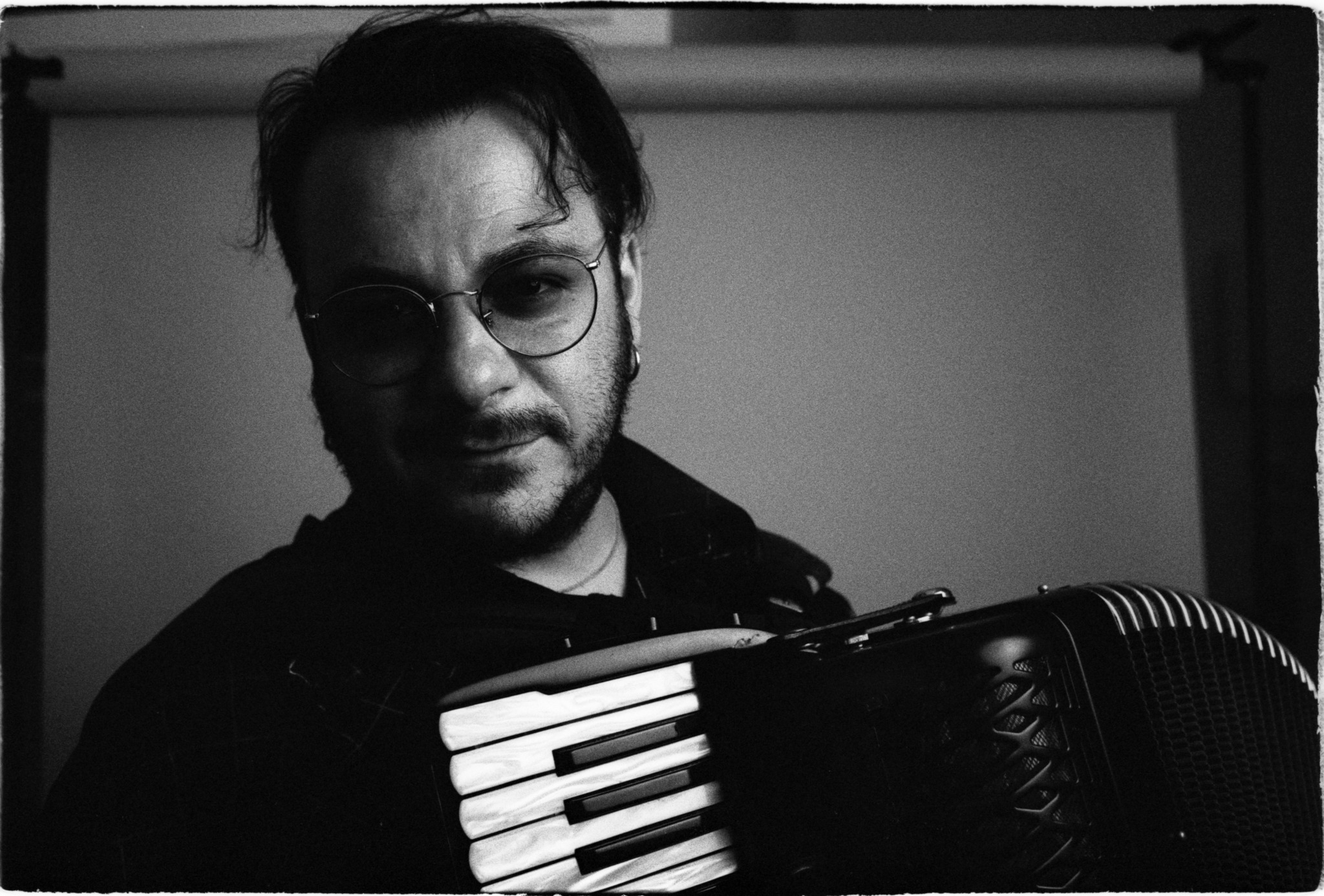
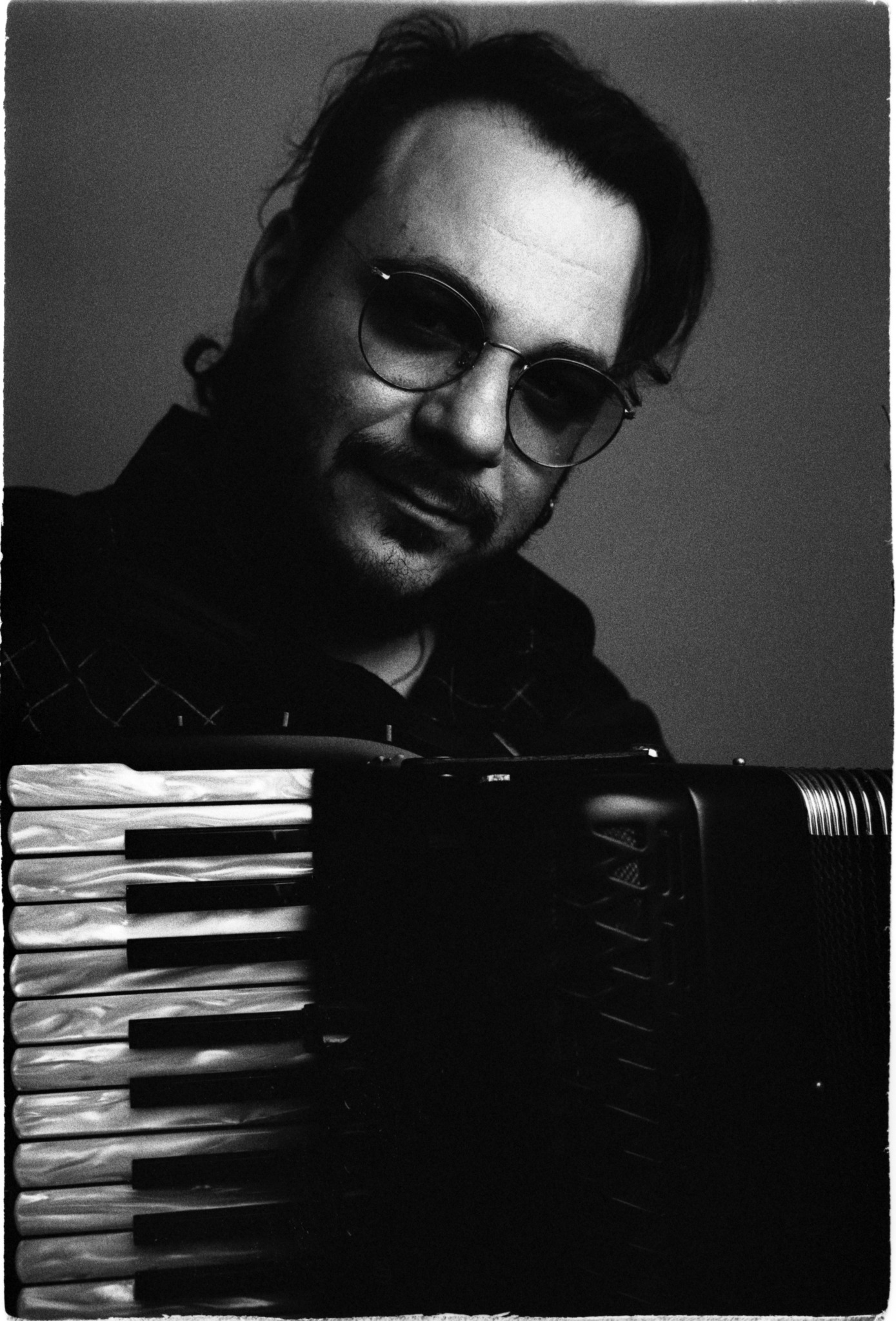
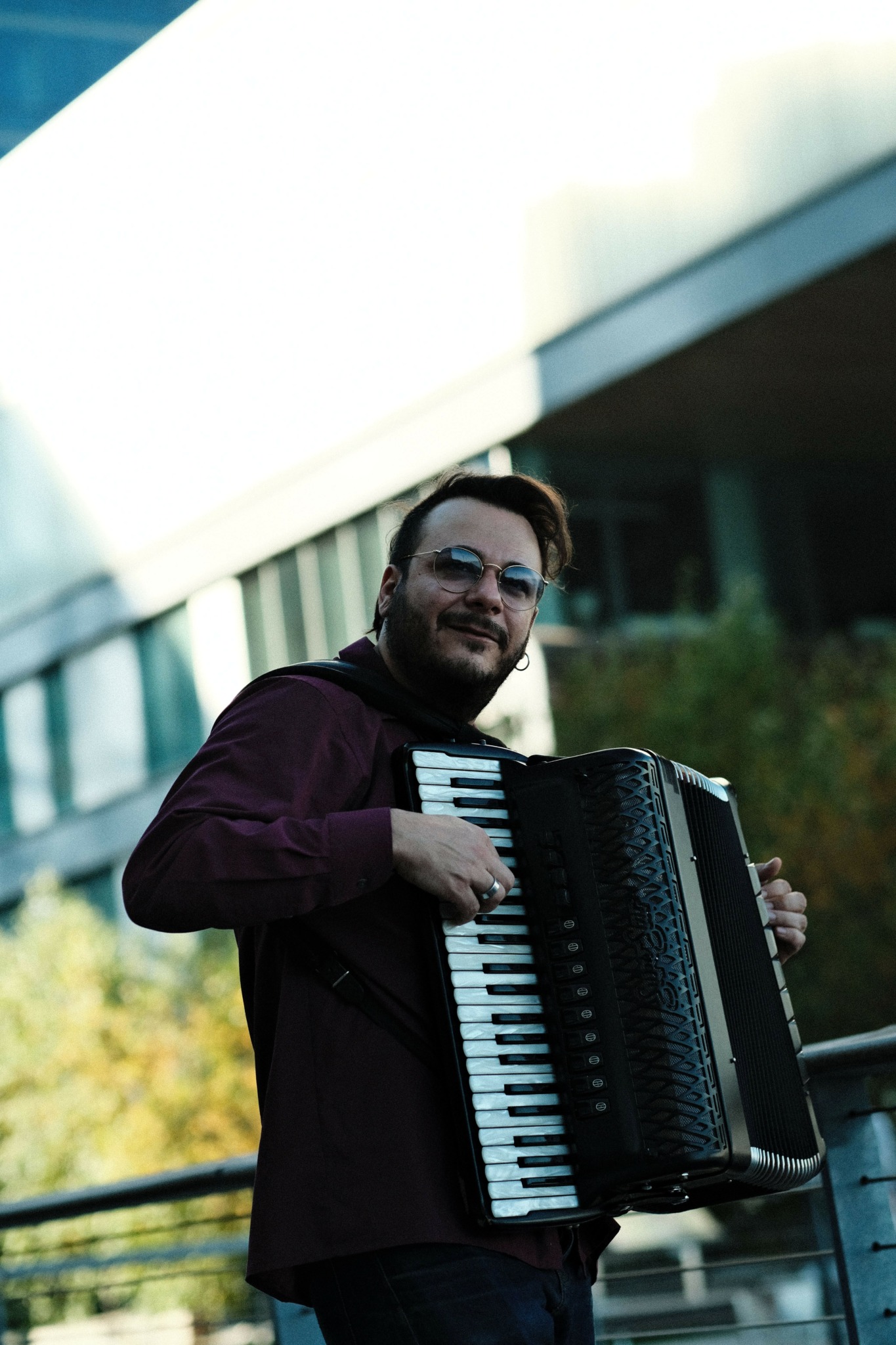
Image Credits
Raphael Lehnen