

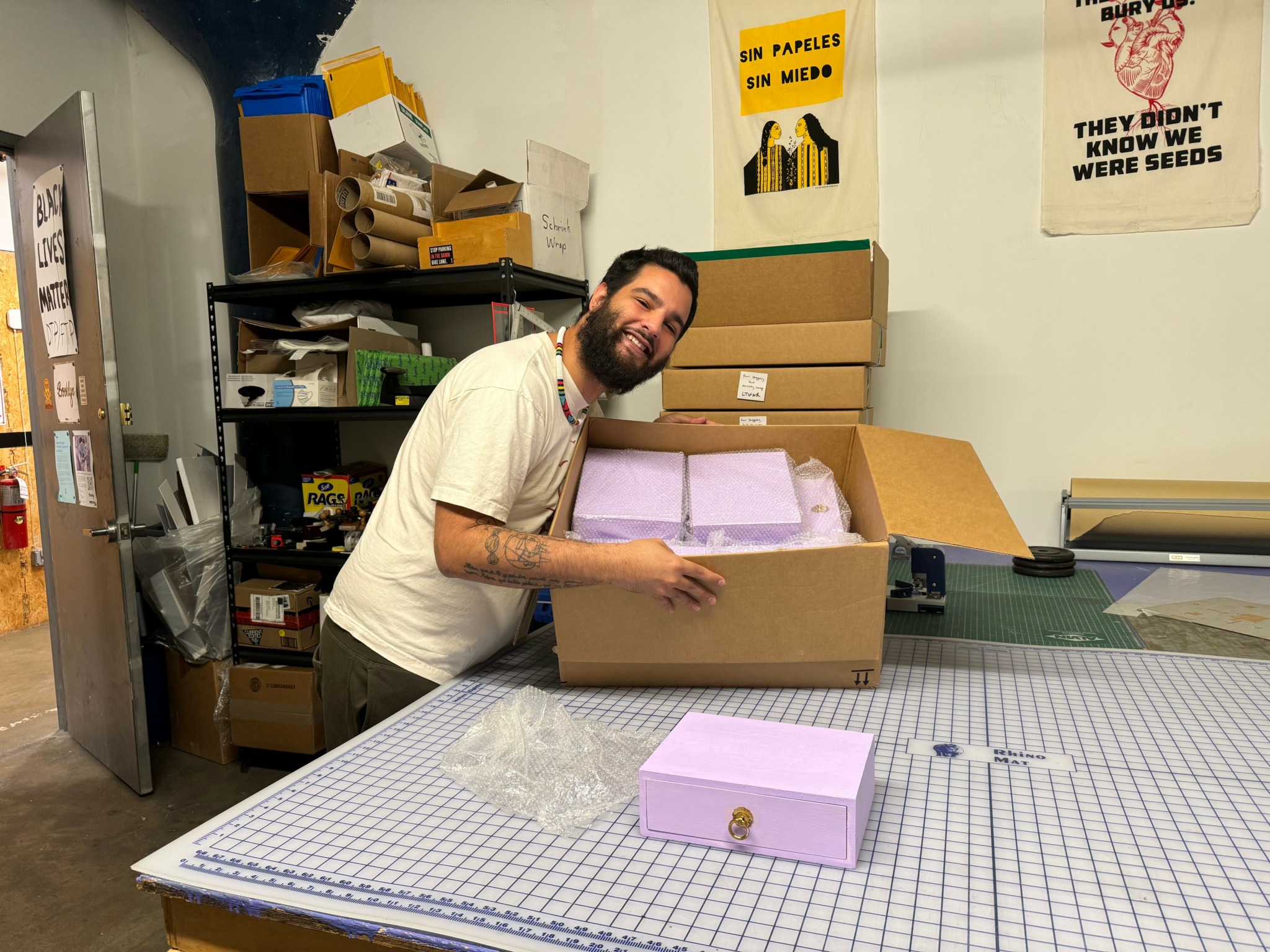

We recently connected with Gino Romero and have shared our conversation below.
Gino, looking forward to hearing all of your stories today. We’d love to hear about a project that you’ve worked on that’s meant a lot to you.
A little background about myself, I used to work at Florida State University’s archives. At the archives, I was in charge of describing and processing artist books for our records. During this time, I fell in love with print and books. While I was working here, I also was creating books inspired by all the pieces I was processing. I was interested in filling the gaps in the archives with my own stories and experience, which were not reflected by their collections at that time.
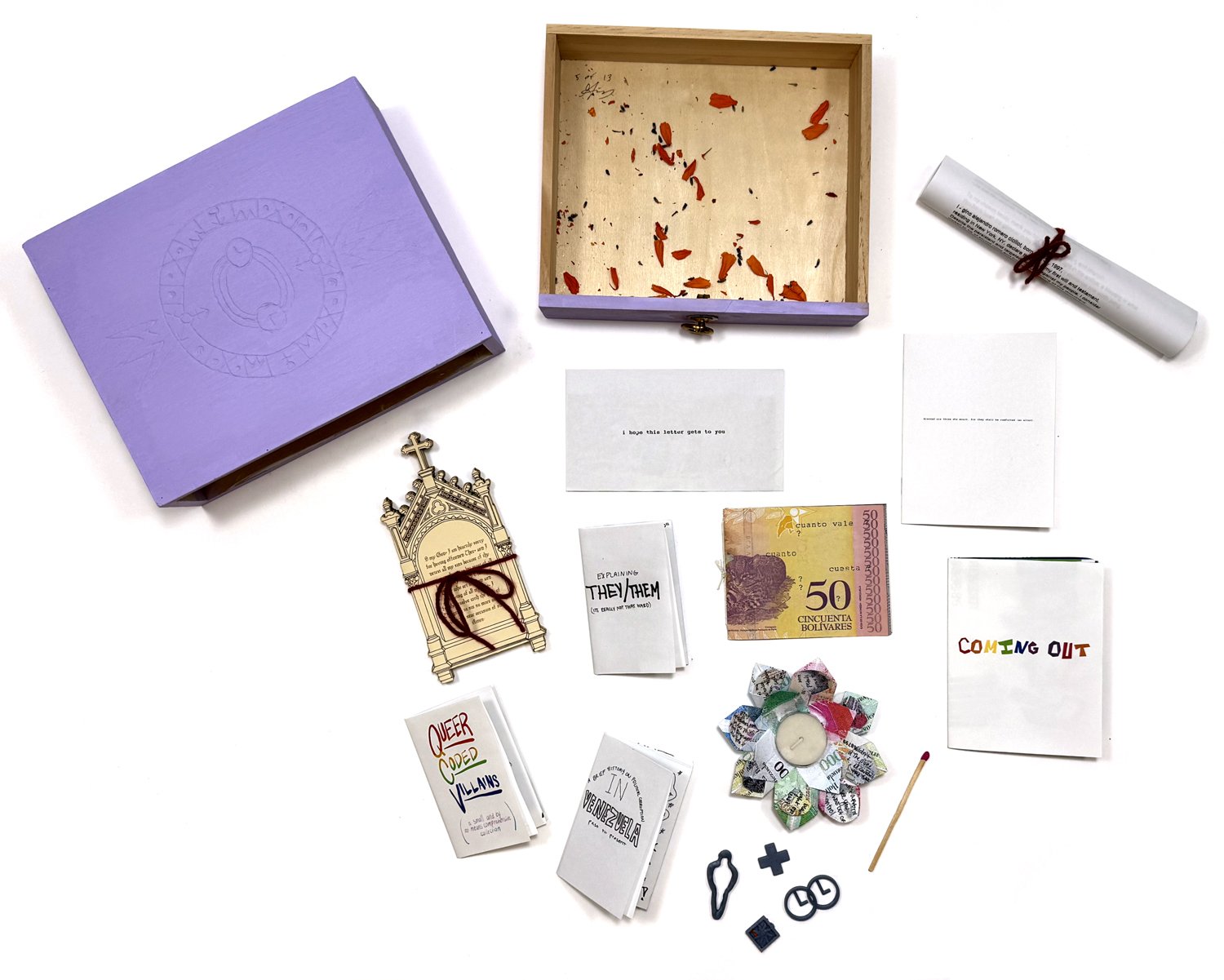
At the beginning of 2024, I debuted a set of artist books to be sold through Booklyn. This project started the summer of 2023 when I was invited by a Booklyn curator to create a box set of my works. The set, titled “Blessed are those who mourn, for they shall be comforted (an altar.)”, is a combination of previous works as well as a few new ones made specifically for the set. Some of the works included were the first ever zines I made.
This has been my most meaningful project thus far because it was my confirmation I am on the right path. Not only did I get to debut these books with an organization that wanted my work, but all of the books made have been collected by archives and universities. This was a full circle moment for me. As someone who used to help archive works like these, I am now the one who is archived!
As always, we appreciate you sharing your insights and we’ve got a few more questions for you, but before we get to all of that can you take a minute to introduce yourself and give our readers some of your back background and context?
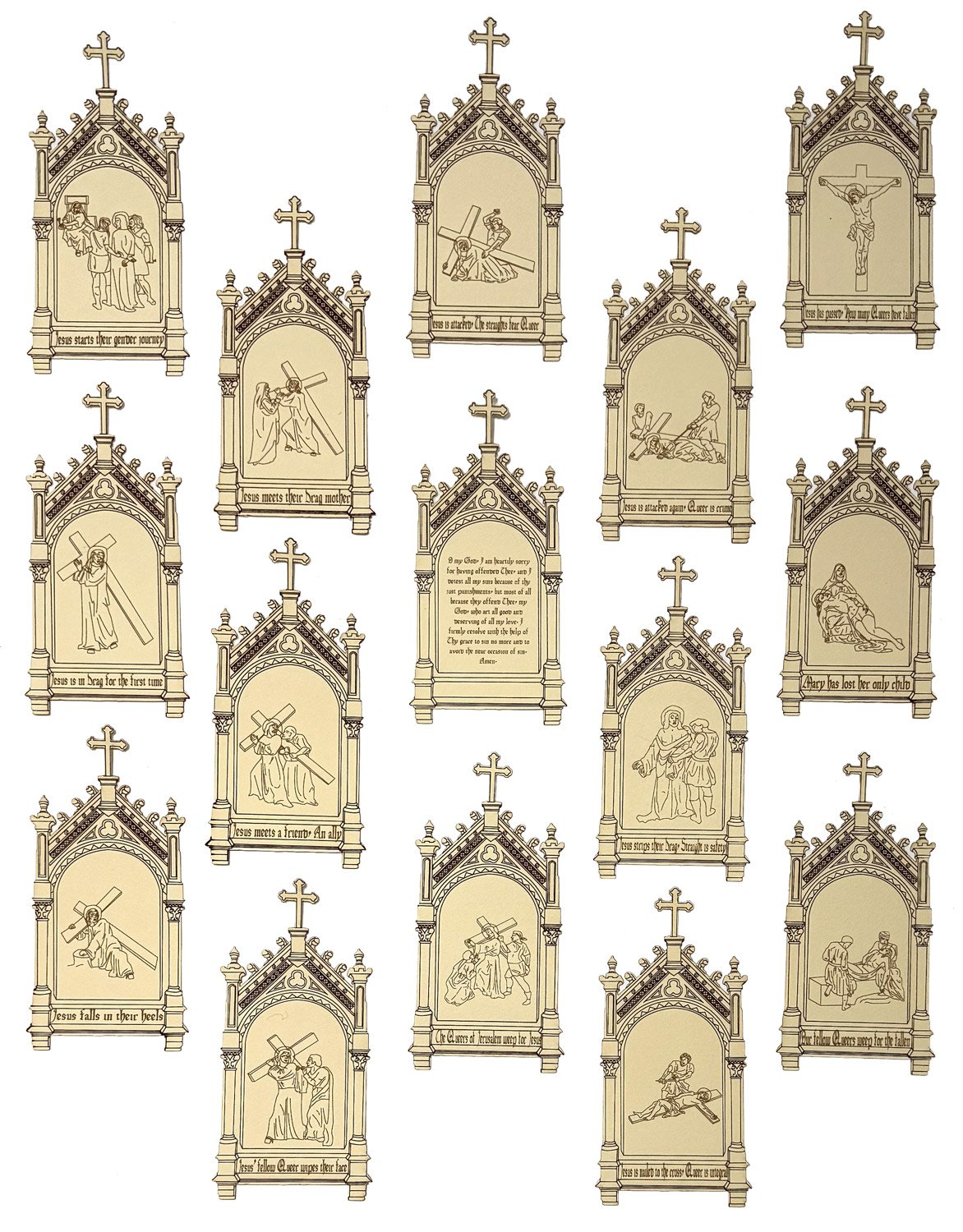
Midway through my undergraduate degree, I switched from biology to art, but the moment I became the artist I am now was my first printmaking class. I remember the printshop was such a different atmosphere than all the other departments. I feel like I really found my voice as an artist in that class. I wanted my work to be more direct and accessible. Print and books felt very straightforward and able to hold exactly what I wanted to say. I felt like my humor was able to come through and diffuse the tension of the heavy topics that I wanted to discuss, such as the Venezuelan crisis, anti-Queer/Trans legislation, and religion.
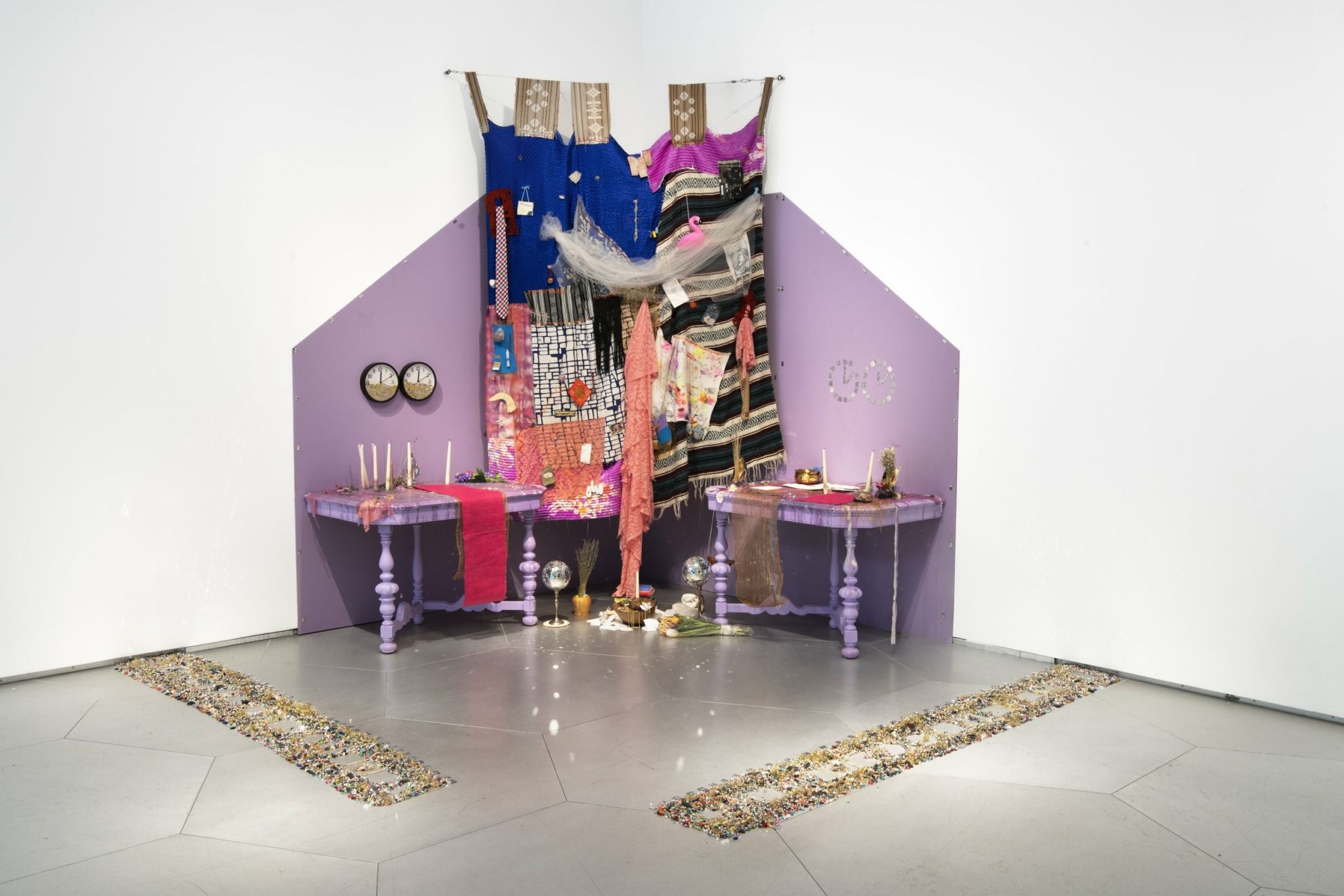
Now, my definition of a book has expanded a bit more. I consider my performances and installations to be an extension of my book arts practice. My current work still holds a lot of the same content that I worked with before, now it just incorporates more media and approaches. I would say my practice is most interested with the construction of the archive. There are so many ways an archive can manifest outside of an institution, and I am interested in what those archives can hold. What does a ritual say about the time in which it was created? What is missing from the institutional archives that we all collectively look towards as stewards of history? How can we carry and pass down our own stories? These are some of the questions I am thinking through. Currently, I am thinking through a body of work that highlights the current crisis in Venezuela.
Looking back, are there any resources you wish you knew about earlier in your creative journey?
I wish I knew how handy inventory websites like Artwork Archive can be! Excel/a spreadsheet works in a pinch too, but just having a place to dump all the information that doesn’t fit in your website is so convenient. I’m trying to be better about managing my own inventory, but it has been so nice to have one place to look for dimensions, exhibition histories, locations, collections, etc. It makes your life so much easier when you’re juggling a lot of shows, applications, and acquisitions!
Also, look at artists CVs! They are a wealth of information. During grad school, if there was someone whose work I liked, I went to their CV and checked exhibition history and residency history and added those to my application list. They’re like niche databases!
What do you find most rewarding about being a creative?
The most rewarding part of being a creative is seeing/meeting people who genuinely connected to my work. One of my favorite moments as an artist was hearing that an artist’s kid had gotten a copy of one of my zines and shared it with their class for show and tell. I was so touched by that little moment and those are the types of interactions I strive for with my work. For a lot of us, our work can be very personal and intimate, and seeing people interact with it can often be cringey. These moments of connection remind me why I work through the cringe and the nerves to share my story and my art.
Contact Info:
- Website: https://www.ginoromero.com
- Instagram: @gino.aro
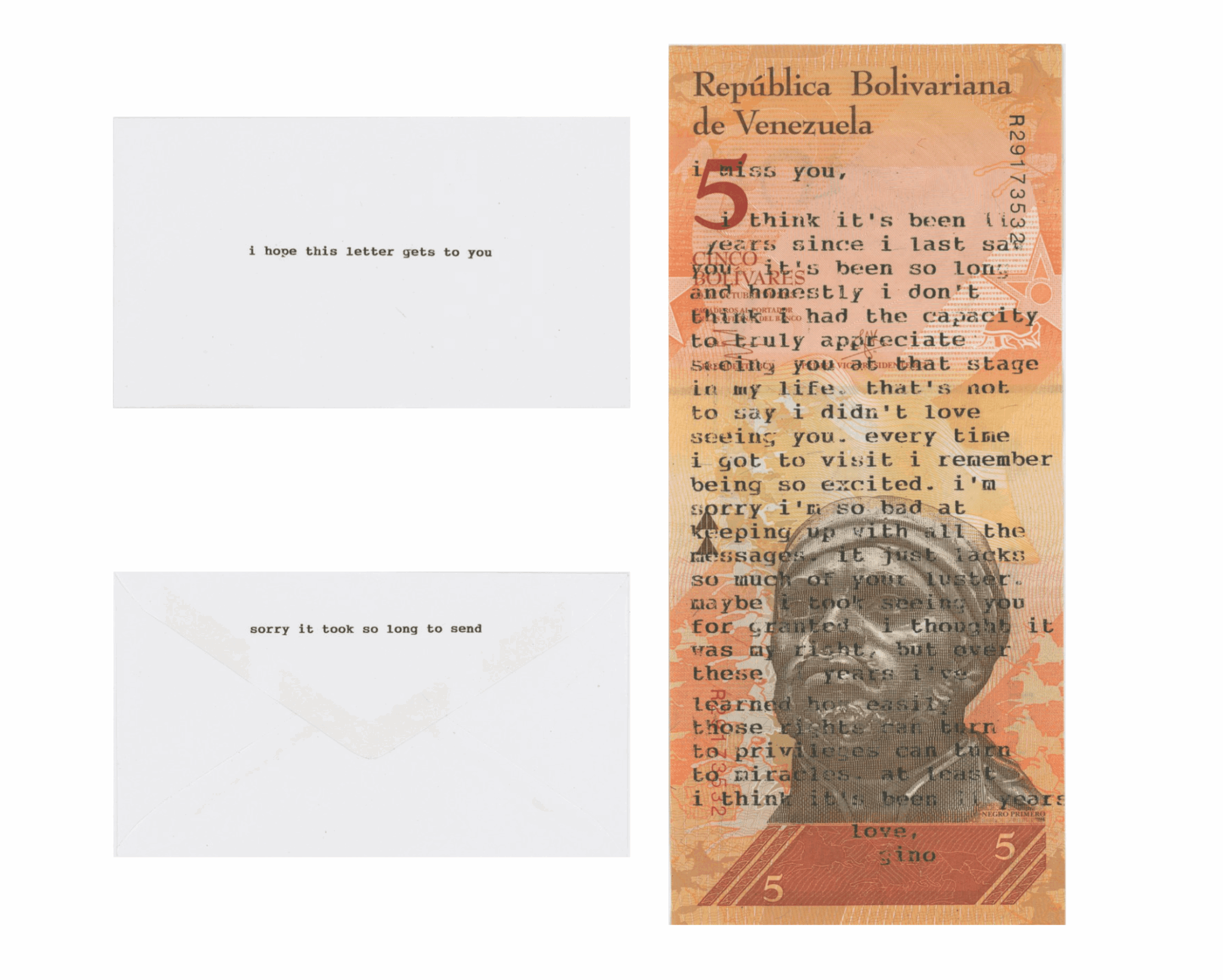
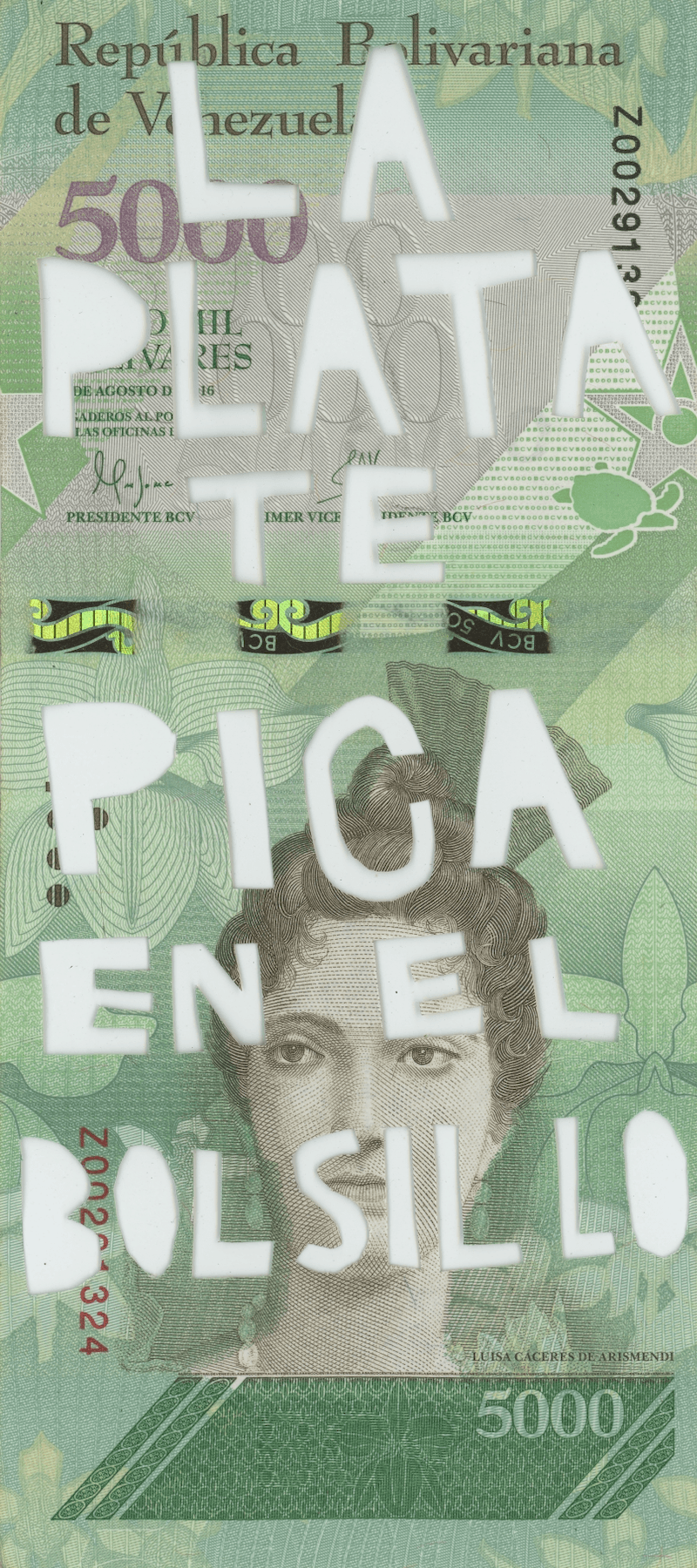
Image Credits
Martin Seck