



We caught up with the brilliant and insightful Gilde Flores a few weeks ago and have shared our conversation below.
Gilde, looking forward to hearing all of your stories today. Can you talk to us about your team building process? How did you recruit and train your team and knowing what you know now would you have done anything differently?
Paint the Noise (PTN) did not begin with a traditional hiring model. In the early stages, it was just me, operating as both the creative engine and the infrastructure builder. I had already spent years working inside larger systems, so when I started PTN, the focus was not on building a large team quickly; it was on building trust and a repeatable process first.
The first collaborators were not recruited through formal job postings or interviews. They were friends who happened to also be fellow creators I had already seen show up consistently, people who valued long-term growth over short-term wins. Instead of resumes, I looked at how they handled deadlines, communication, and pressure. That became the real interview process. I paid close attention to mindset and reliability because the work in film and television moves fast and requires calm problem-solving.
One unconventional part of the process was that I did not build a traditional hierarchy right away. I built small project-based teams and allowed leadership to emerge through action. If someone demonstrated initiative and consistency, they naturally stepped into more responsibility. Training happened through real projects, not theory. I believe people learn faster when they are solving real problems alongside you.
If I were starting today, I would invest earlier in documenting systems and expectations. In the beginning, I carried too much in my head, which works when you are small but slows growth later. Clear frameworks help new team members step in with confidence. What I would not change is the emphasis on character and alignment. Skills can grow over time, but integrity and work ethic are what truly sustain a creative company.
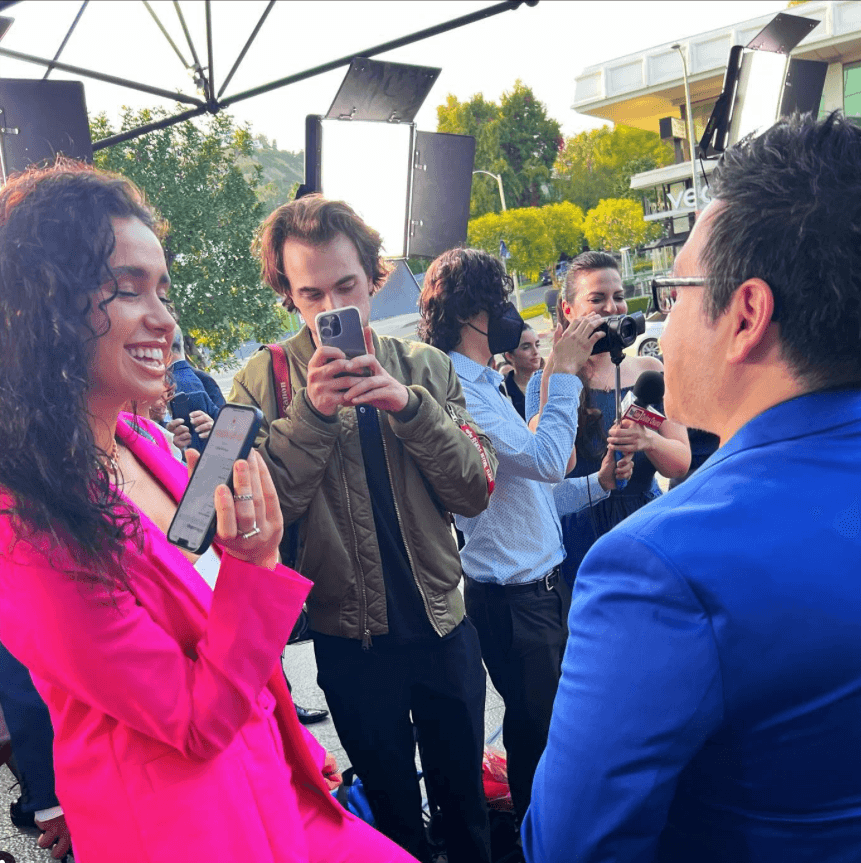
Awesome – so before we get into the rest of our questions, can you briefly introduce yourself to our readers.
I came into this industry through the long road, not the fast lane. I spent years working behind the scenes creating music for film, television, trailers, and branded media, often stepping into high-pressure environments where precision and timing mattered more than recognition.
I worked under industry titans/leaders and within demanding creative systems, frequently brought in when crucial fine detail was needed, and when the existing team did not operate within the visual media space. That experience pushed me to grow more independently, take ownership of complex creative problems, and operate in a lane where very few people were positioned. It allowed me to support high-caliber global brands, bridge creative gaps with zero friction, and develop the mindset that eventually became the foundation of PTN.
Those years shaped how I think about music and the business behind it today. I do not see it as just art on its own. It is storytelling support, emotional architecture, and a tool that helps visual projects connect with audiences in a real way.
Over time, I realized that many creators and studios were facing the same challenge. They needed high-quality, broadcast-ready music, but the process was often slow, fragmented, or dependent on too many outside variables. That realization led me to build Paint the Noise, a music operations company focused on creating original music for visual media while also building systems that help creative teams move faster without sacrificing quality. Today, the work spans film and television scoring, trailer-driven production, custom music for campaigns, and developing a growing catalog designed specifically for placement across global media.
Alongside building Paint the Noise, I currently work closely with an Emmy-winning television production partner, delivering original music on an ongoing weekly basis. That experience keeps the company grounded in real production timelines and reinforces the systems we build internally. It is not just theory or experimentation; it is work that has to function consistently inside active broadcast schedules.
What sets my work apart is the mindset behind it. I approach every project from both a creative and operational perspective. I understand what it is like to be an artist, but I also understand the pressure on producers, editors, and studios who need reliability, clarity, and speed. Much of what I build is designed to remove friction for clients, whether that means developing scalable workflows, building trusted creator teams, or creating music that is ready to live inside real production timelines. The integrity and discipline learned from those early high-pressure roles are now built directly into the DNA of Paint the Noise.
What I am most proud of is not just the placements or the credits, but the shift from being a solo creator to building something that helps other creators grow alongside me. Paint the Noise was built on long-term thinking, collaboration, and the belief that independent artists can operate at a world-class level when the right systems and culture are in place. I want potential collaborators and clients to know that the goal is always bigger than a single cue or project. It is about building trust, creating meaningful work, and helping stories land with impact through sound.
How about pivoting – can you share the story of a time you’ve had to pivot?
One of the biggest pivots in my journey happened when I transitioned from working inside established industry systems to building Paint the Noise from the ground up. For years, I was brought into high-pressure projects where the expectations were clear, and the infrastructure already existed. The pivot came when I realized that while I had helped shape countless creative outcomes, I wanted to build a system that reflected my own values around integrity, collaboration, and long-term vision.
That shift was not immediate or comfortable. Moving from being the person called in to execute to becoming the person responsible for the entire ecosystem required a different mindset. I had to think beyond individual projects and start building processes that could scale with other creators, clients, and teams. There were moments where resources were limited, and the path forward was uncertain, but those challenges forced me to become more intentional about leadership and structure.
Looking back, that pivot was less about leaving something behind and more about expanding what was possible. It allowed me to turn years of experience into a platform that supports not only my work but the growth of other creatives who want to operate at a professional level within film and television. That decision continues to shape everything I build today.
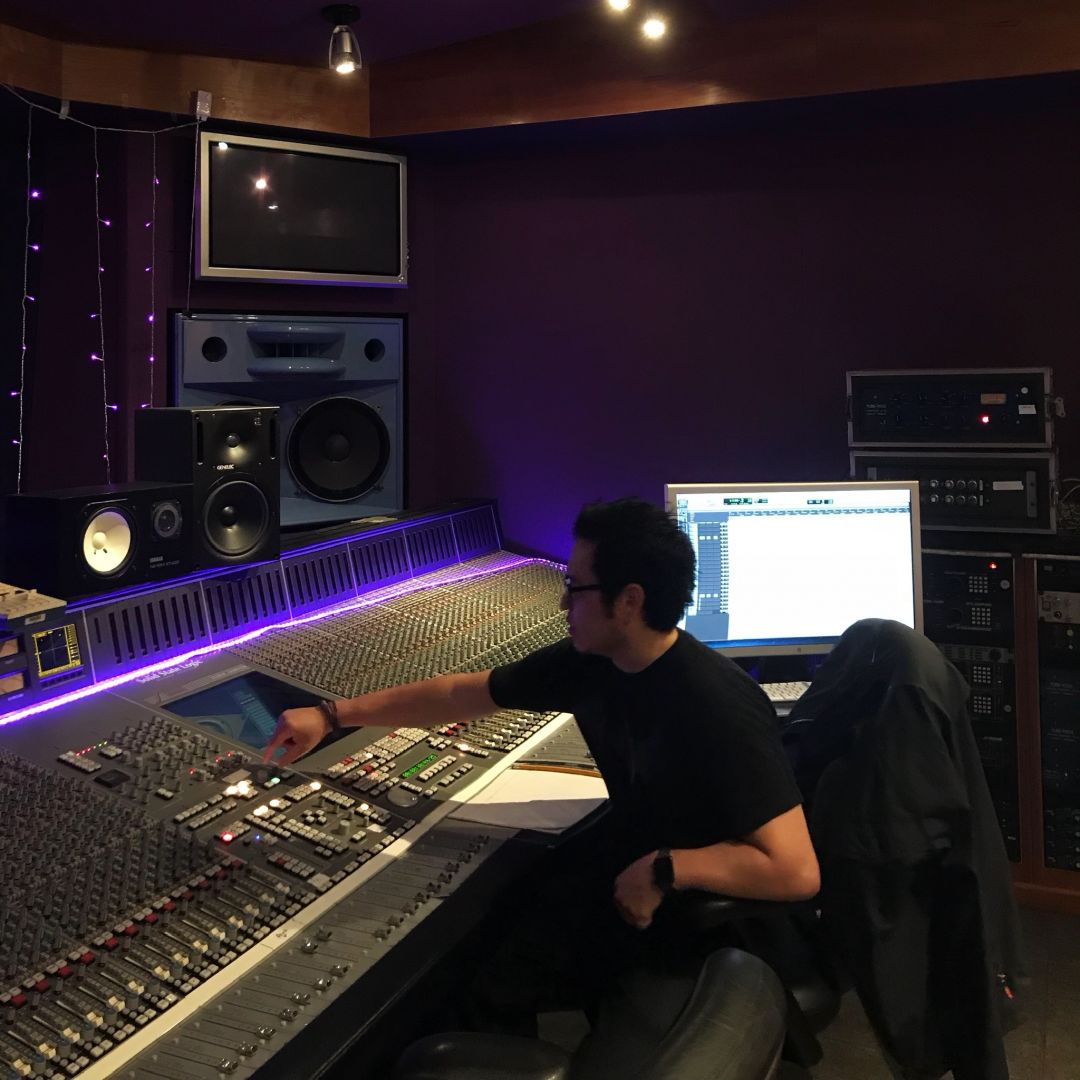
If you have multiple revenue streams in your business, would you mind opening up about what those streams are and how they fit together?
Yes, and developing multiple revenue streams has been an intentional part of how Paint the Noise was built. The core foundation is original music created for film, television, trailers, and branded media, but over time, the business evolved into a broader music operations model. That includes developing a growing catalog designed for placement, collaborating with creators through structured project pipelines, and supporting ongoing production partnerships that require consistent weekly delivery.
For me, supplementary revenue streams are not just about income diversification; they are about stability and sustainability for the creative community involved. When one area slows down, another part of the ecosystem continues moving. This approach also allows us to invest back into new projects, support emerging collaborators, and maintain a consistent level of quality for clients.
What I have learned is that building a creative company today requires thinking beyond single projects or one-time opportunities. It is about designing systems that allow creativity and business to support each other long-term. That philosophy has helped PTN remain adaptable while continuing to grow within the visual media space.
Contact Info:
- Website: https://www.paintthenoise.com
- Instagram: https://www.instagram.com/gilfloproductions
- Linkedin: https://www.linkedin.com/in/gildeflores/
- Youtube: https://www.youtube.com/user/gildef
- Other: Portfolio – https://linktr.ee/gilflo
Image Credits
Self, Amira, Valerie