


We caught up with the brilliant and insightful Gigi Turner a few weeks ago and have shared our conversation below.
Alright, Gigi thanks for taking the time to share your stories and insights with us today. Let’s go back in time a bit – can you share a story of a time when you learned an important lesson during your education?
During my graduate studies in psychology, I encountered a lesson that transformed not only my approach to helping others but also the trajectory of my own life. It was during a research seminar, late in the afternoon, in a quiet, sunlit corner of the university library. I was studying the psychological impacts of trauma and resilience, focusing on how stress manifests in the body and mind. At the time, my world revolved around theories, clinical cases, and carefully measured data. Yet, despite the clinical precision, there was an elusive thread that kept emerging—a pattern suggesting that healing wasn’t solely rooted in talking or thinking, but in something deeper, something beyond words.
One day, I came across a case study detailing how certain non-verbal, sensory experiences—like sound and vibration—had profound effects on patients struggling with trauma. These weren’t abstract results; they described individuals who had felt trapped in their pain finally releasing their burdens, their healing sparked by frequencies and vibrations. Something clicked. It was as if I could feel the harmony between science and something ancient, intuitive, and deeply human.
That moment was a pivot. I began to explore the ways the body holds onto stress and trauma, not just as memories in the mind but as tensions, blockages, and imbalances within the body itself. This understanding would later lead me to discover sound healing as a tool to gently guide people toward release and restoration.
Fast forward years later, as a professor and psychotherapist, I saw this insight play out time and again. My clients needed more than words; they needed experiences that reached into their very being, that resonated beyond logic. This realization inspired my journey into sound healing, where vibrations and frequencies create spaces of deep relaxation and healing.
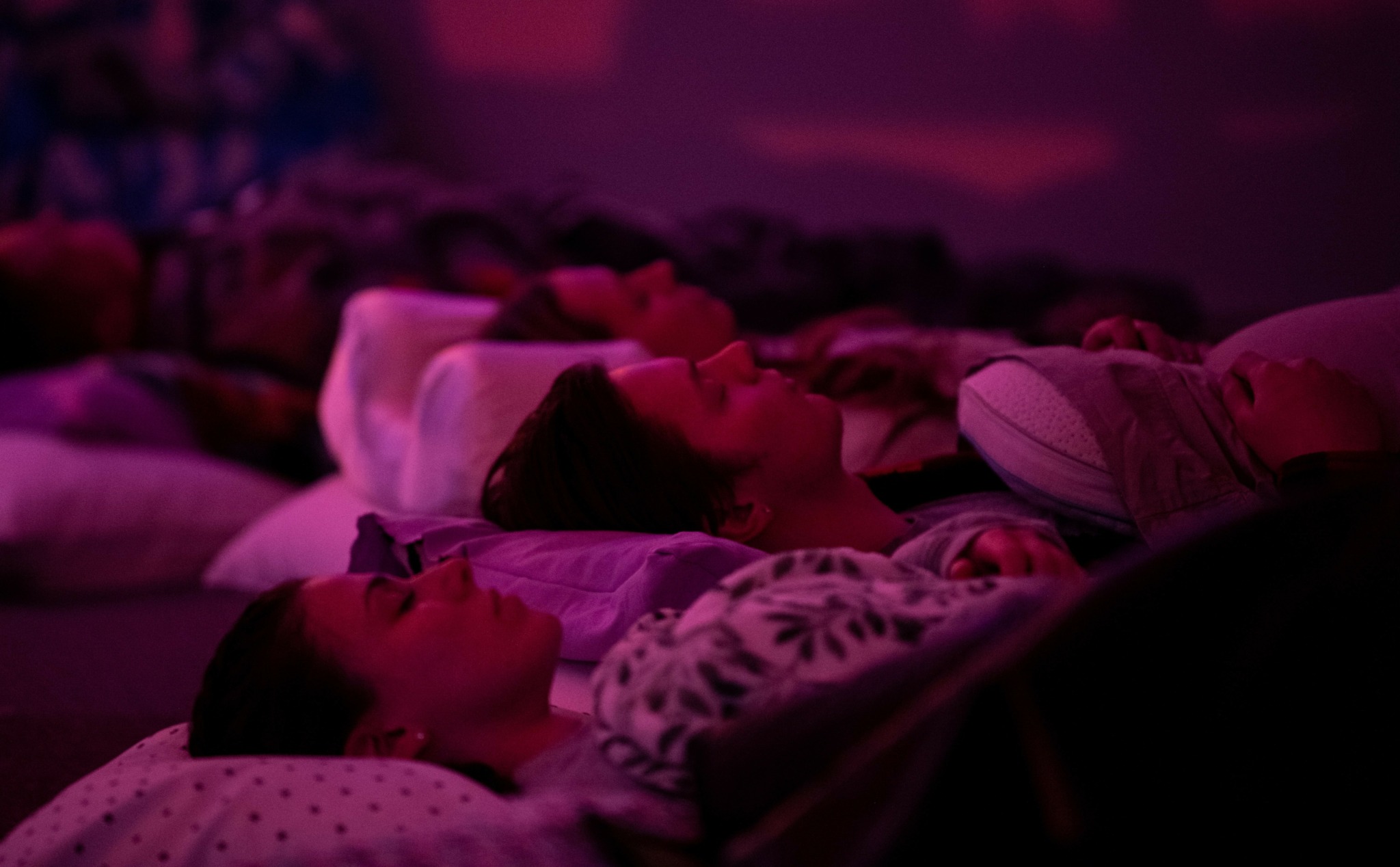
Today, as a sound bath practitioner, I see that lesson echoed in every session. When participants lie in a cocoon of sound, I witness the same profound releases and transformations that first inspired me during that quiet moment in the library. It’s a testament to the enduring truth I learned in school: healing is a symphony, and when mind, body, and heart are in harmony, the most profound changes can take place.
Gigi, before we move on to more of these sorts of questions, can you take some time to bring our readers up to speed on you and what you do?
I’m Dr. Gigi Turner, PsyD—a former psychology professor and psychotherapist turned sound bath practitioner. My journey into sound healing began with my deep interest in understanding how stress, trauma, and emotions are stored in both the mind and body. Over the years, I realized that traditional psychological approaches, while impactful, sometimes didn’t reach the deeper, unspoken layers where true healing begins. This realization led me to explore alternative methods, and eventually, to the profound world of sound healing.
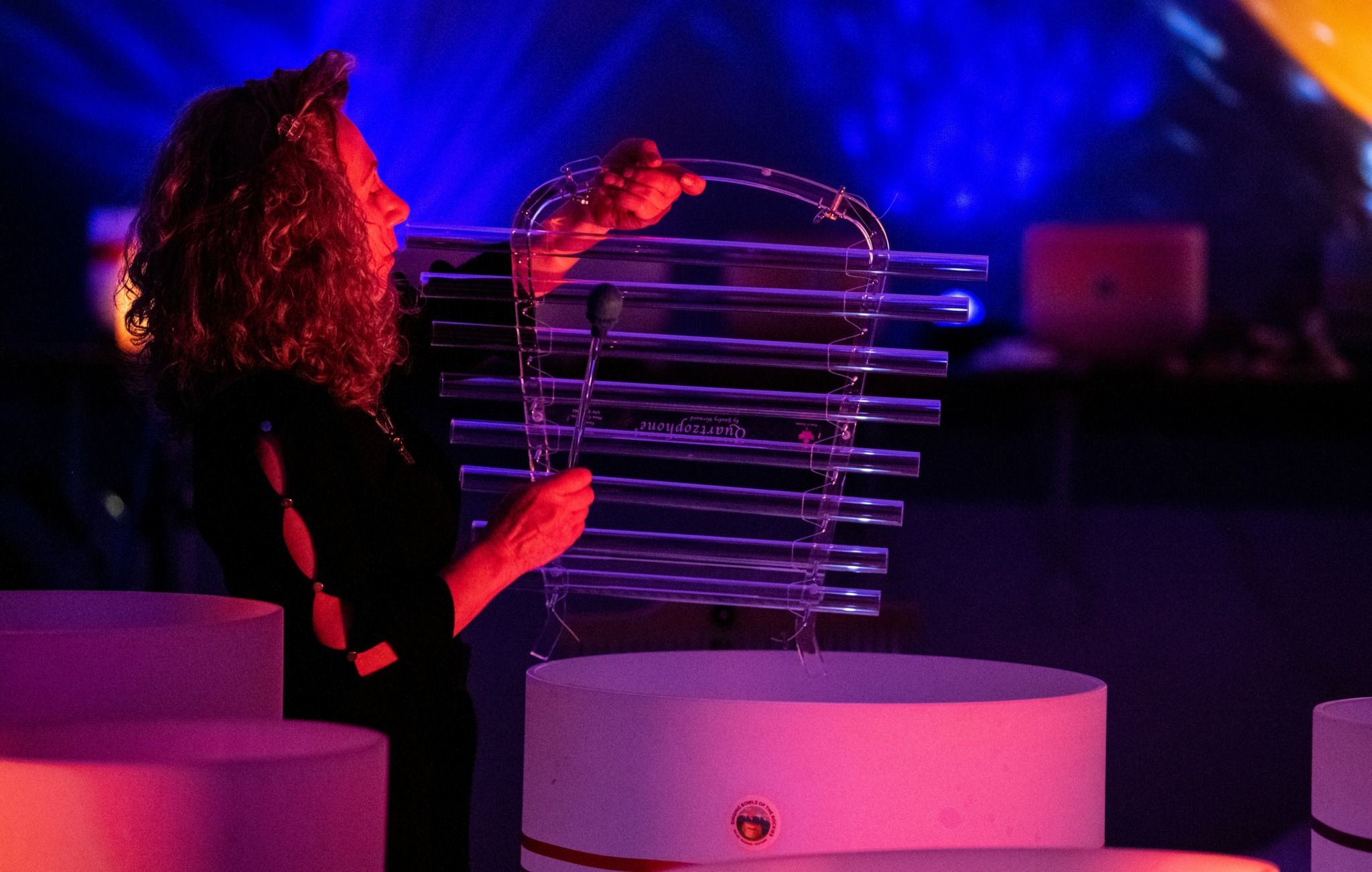
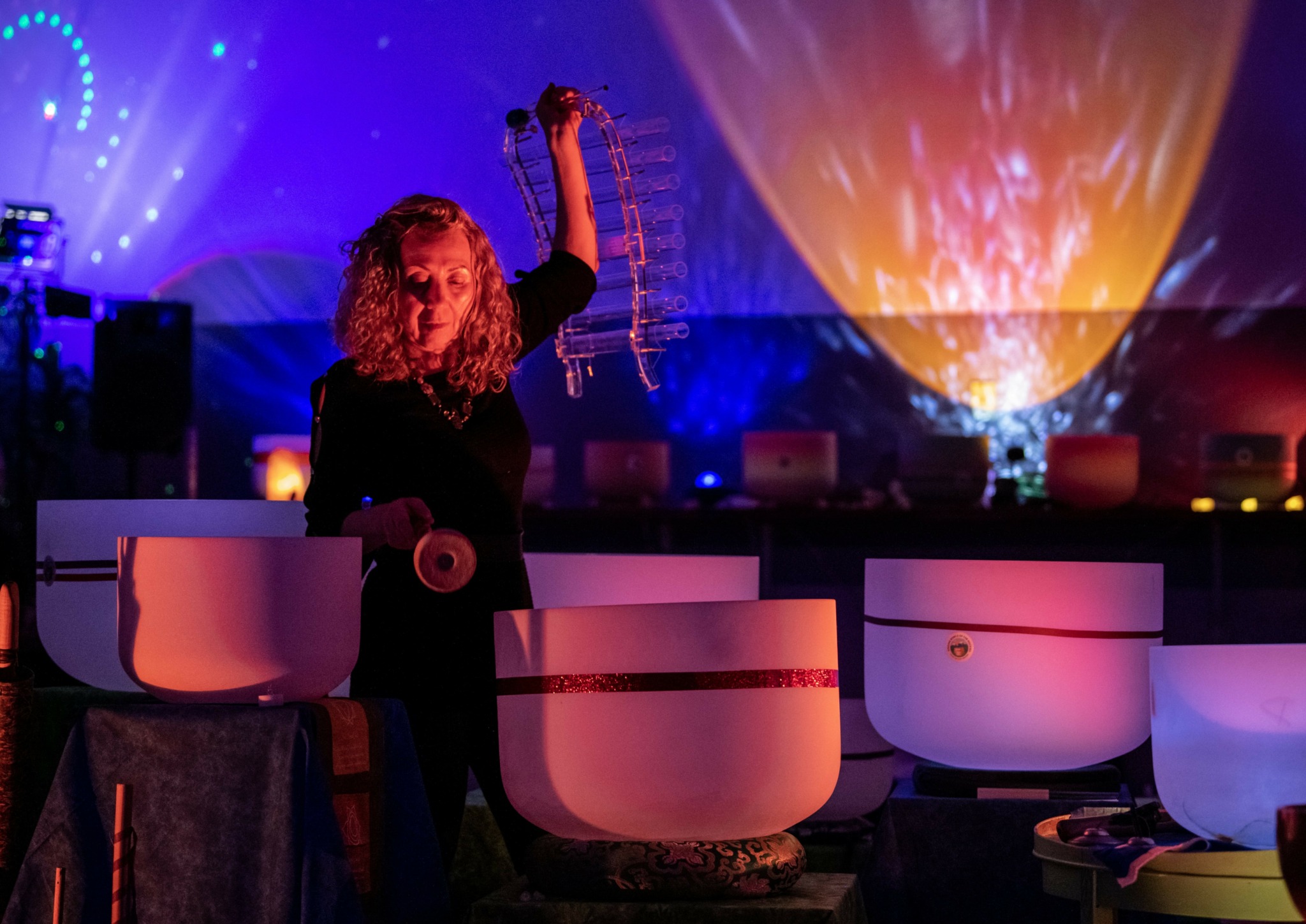
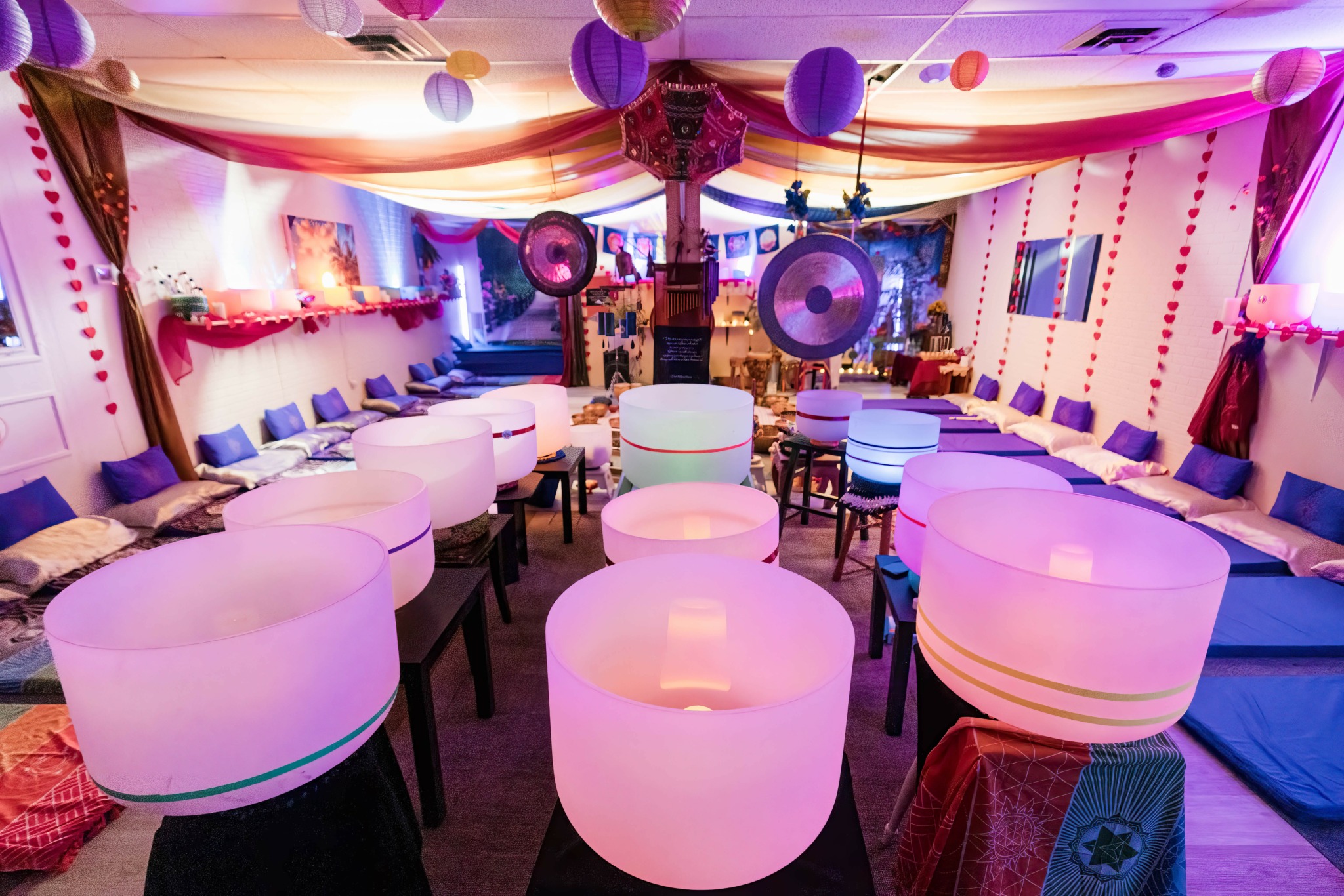
In 2015, I received my certification from Singing Bowls Immersion and founded *Singing Bowls of the Rockies* in Colorado Springs. This space is a sanctuary for relaxation and self-discovery, offering transformative sound bath experiences where sound and vibration guide participants on a journey of emotional release and rejuvenation. We combine a variety of instruments—including crystal and Tibetan singing bowls, chimes, drums, and others—to create a symphony of frequencies that help harmonize the mind, body, and soul.
What truly sets us apart is the integration of my psychology background with sound healing practices. Each session is designed intentionally, with specific sounds and vibrations aimed at releasing trapped energy caused by stress and trauma. Our mission is to provide a safe and nurturing space where participants can experience profound relaxation and connection, free from judgment and distractions.
I’m incredibly proud of the impact our work has had. Participants often share how our sound baths provide a sense of deep calm, clarity, and healing they hadn’t experienced before. Knowing that we’ve helped people find peace, even if just for a moment, is at the heart of everything we do.
If you’re considering joining us, my hope is that you’ll leave feeling lighter, more centered, and deeply cared for. At *Singing Bowls of the Rockies*, we’re here to support your journey toward balance and well-being through the timeless practice of sound healing.
We’d love to hear a story of resilience from your journey.
Early in my career as a psychologist, I was working with a client who had experienced profound trauma. Despite my academic training and clinical skills, I felt there was a barrier we couldn’t cross—something words alone couldn’t reach. It was frustrating and humbling. Around the same time, I was navigating my own challenges, balancing the demands of academia, clinical practice, and a deep-seated feeling that I needed to explore something more expansive.
The turning point came during a particularly difficult period when I was questioning whether my work was making the impact I hoped it would. In the midst of this, I attended a workshop on alternative healing modalities. It was here that I first encountered the power of sound healing. As the vibrations of a single singing bowl filled the room, I felt an unexpected wave of calm and clarity. It wasn’t just the sound—it was the way it seemed to connect with something unspoken within me. I realized that healing isn’t always about speaking or analyzing; sometimes, it’s about feeling and releasing.
That moment marked the beginning of a major shift in my life. I decided to step away from the path I had known—one that felt safe but incomplete—and embrace the unknown world of sound healing. It was a leap of faith, and there were times it felt like everything was stacked against me. Starting a new practice meant financial uncertainty, a steep learning curve, and facing the skepticism of colleagues in traditional psychology. But I kept going, grounded by the belief that this was the right path for me and for those I wanted to help.
Fast forward to today, and I see resilience reflected in every step of that journey. It’s in the moments I pushed through doubt, the countless hours spent honing my craft, and the deep breath I took when I opened Singing Bowls of the Rockies. It’s also in the faces of participants who tell me they’ve found peace in our sound baths—a peace I once sought for myself.
Resilience, for me, is about listening to that quiet voice inside that says, “Keep going.” It’s about embracing change and trusting that even the hardest moments are part of the process. It’s a lesson I carry with me every day, both in my personal life and in the sanctuary I’ve created for others.
Do you have any insights you can share related to maintaining high team morale?
For much of my life, I believed that productivity equaled worth. If I wasn’t constantly achieving, creating, or moving toward a goal, I felt restless and, at times, even guilty. This mindset served me well in academia and during my early career as a psychologist, where measurable outcomes were the gold standard. But it also came at a cost—burnout, stress, and a growing sense that I was missing something essential.
The turning point came unexpectedly. It was during a solo trip I took to reset and reflect after a particularly demanding period in my career. I found myself hiking a quiet mountain trail, surrounded by nothing but trees, birdsong, and the sound of the wind. I had no agenda, no timeline, and no looming deadlines. Yet, for the first time in years, I felt deeply connected to myself and the world around me.
In that stillness, I realized that some of the most meaningful moments in life come not from doing, but from simply being. The pressure to constantly produce was a weight I had been carrying unnecessarily, and it was time to let it go. That hike became a metaphor for what I wanted my life—and later, my sound bath practice—to embody: a space to pause, breathe, and reconnect without the expectation of achievement.
Unlearning the connection between productivity and self-worth wasn’t easy. Even now, I sometimes catch myself slipping into old habits. But through my work with Singing Bowls of the Rockies, I’ve found a profound joy in creating spaces where others can experience what I did on that mountain trail: the power of stillness, the beauty of presence, and the understanding that simply existing is enough.
This lesson has shaped not just my approach to life but also how I guide others. My sound baths aren’t about reaching a goal—they’re about embracing the moment, releasing the need to strive, and allowing yourself to just be. That’s a lesson I carry with me every day, and one I hope to share with every participant who steps into our sanctuary.
Contact Info:
- Website: https://www.singingbowlsoftherockies.com/
- Instagram: https://www.instagram.com/singingbowlsoftherockies/
- Facebook: https://www.facebook.com/singingbowlsoftherockies/
- Linkedin: https://www.linkedin.com/in/singing-bowls-of-the-rockies-600749329/
- Yelp: https://www.yelp.com/biz/singing-bowls-of-the-rockies-colorado-springs-3
- Other: AirBnB Experiences: https://www.airbnb.com/experiences/1055769?scheduled_id=104396139
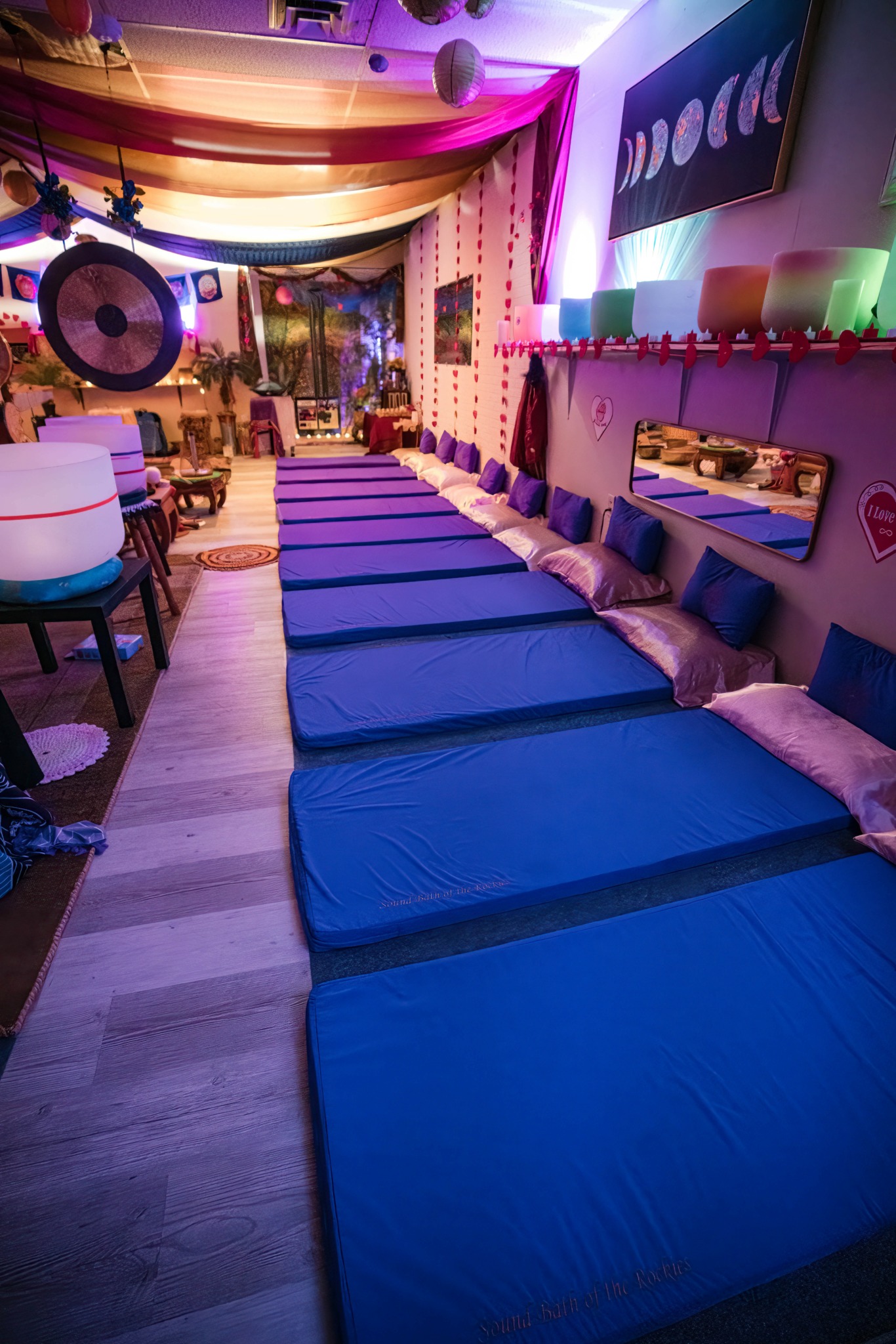

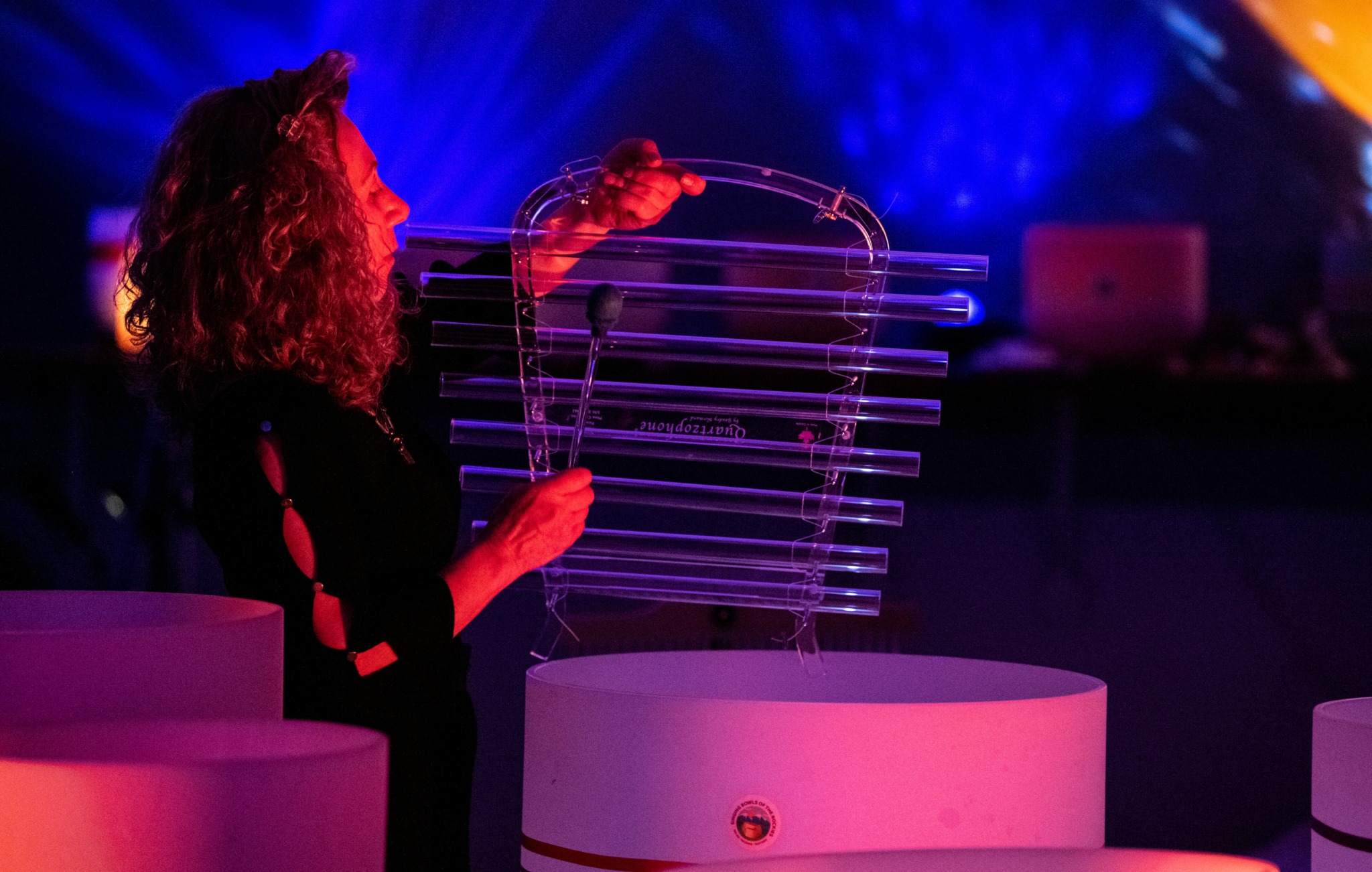

Image Credits
Parker Seibold