



We’re excited to introduce you to the always interesting and insightful Genevieve Smith. We hope you’ll enjoy our conversation with Genevieve below.
Genevieve, thanks for joining us, excited to have you contributing your stories and insights. Are you happier as a creative? Do you sometimes think about what it would be like to just have a regular job? Can you talk to us about how you think through these emotions?
I am undoubtedly happier leading extremely creative work. Before becoming a freelance artist I was an art teacher and worked in restaurants. Which taught me a set of skills that I still use today, so I definitely don’t regret my time in those professions. However, having control over my direction, my hours, business priorities and budgeting has catapulted me into a chapter of my life that I’m not sure I would have achieved while still maintaining a “regular job”.
The social aspect has to be what I miss most. In workplaces I could be a bit of a social butterfly and working for yourself tends to get lonely from time to time. I am a team of one, which has plenty of perks but zero chances of blaming a coworker when I inevitably make a mistake. I kid, but in reality freelancing is a very high accountability job. You don’t always have different minds to spitball ideas off of or to help with a problem. Nevertheless, I enjoy the work I do now so much more than any job I had before. Which I try to remind myself of when I don’t have coworkers to go out karaoking with. It’s not the work of a regular job I miss, it’s the people.
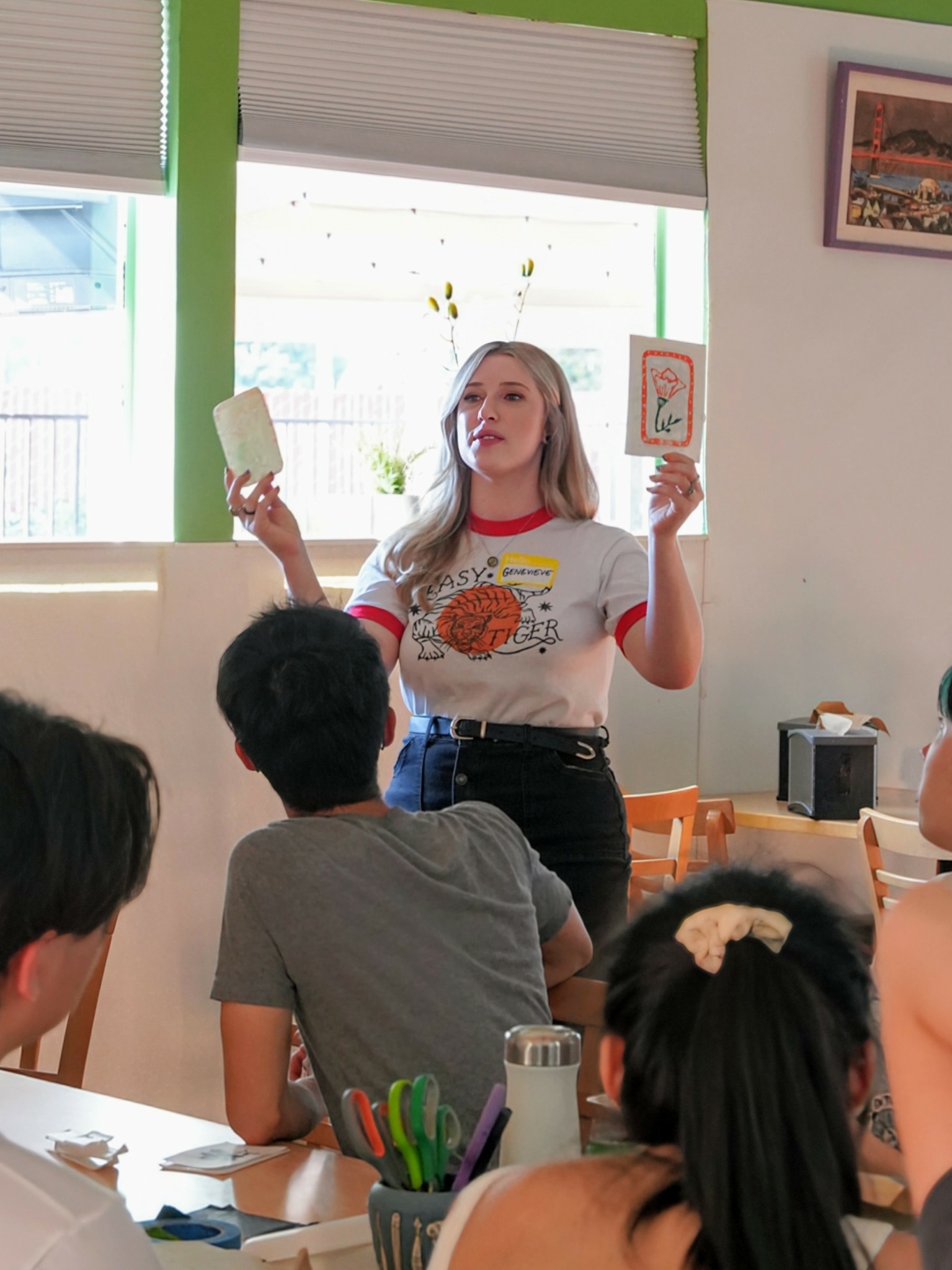
Genevieve, before we move on to more of these sorts of questions, can you take some time to bring our readers up to speed on you and what you do?
If we’re not familiar, my name is Genevieve and I run a small art business called Genevieve Inspired where I specialize in illustration and printmaking.
I got into the small art business during Covid while I was making art for myself to keep my sanity. My business name originated from my Instagram handle, the basis of which was simply what I make when I’m inspired.
Looking back now I would have loved to have named it something more clever, but I’ve come to appreciate that those that admire my work feel a little more familiar with me and can come up and say hi to me at an event already knowing my name.
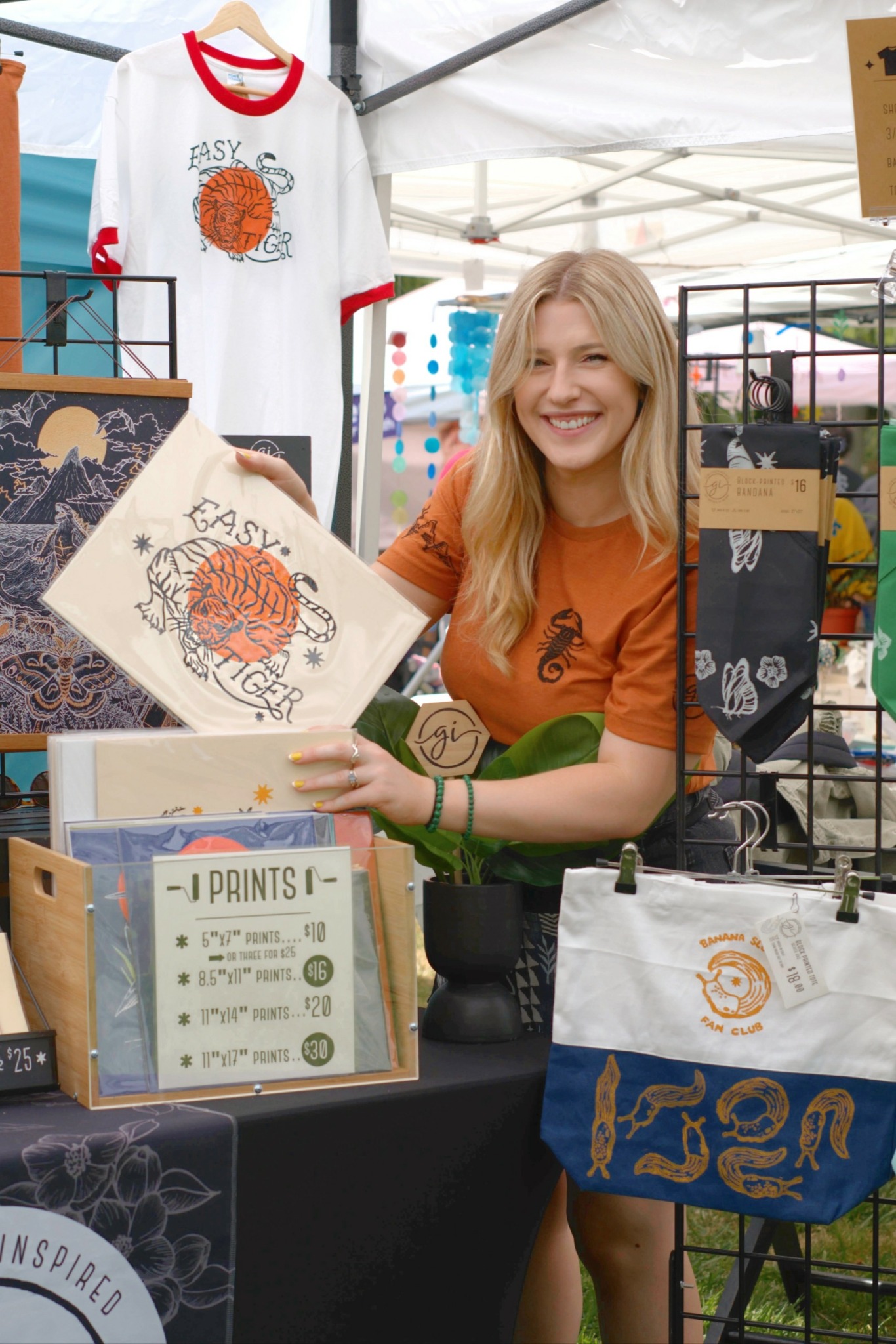
I got my start by painting custom commissions, then as I expanded into art markets and festivals I explored different products such as greeting cards and stickers. Fast forward almost four years now, coming across my booth at a market you’ll find the majority of the items focus around printmaking. I block print apparel, cotton bandanas, upcycled clothing, bookmarks, and of course art prints from my wood block press.
I love the look and process of printmaking. I’m happiest when I’m working with my hands, and printmaking gave me the tactile satisfaction while allowing me to create on a larger scale for my business. I like that the repurposing potential of printmaking also keeps me sharp as a creative. A carved linoleum block (lino for short) can serve more than one purpose. A carved design may be printed on paper to be framed, printed repeatedly to make a pattern for a bandana, or even printed across the back of a thrifted jacket to give it new life. It changes the way you think about the image you’re creating and forces you to consider wider possibilities. Another fun layer of that is now getting to share my love of printmaking through introductory workshops. I taught my first printmaking workshop over the summer and plan to teach another one this fall. It requires some patience but the inking and printing process is a ton of fun.
My favorite designs to create are works that have a fun energy with a nod to nature lovers. I was raised in the middle of the woods in the Midwest, so I grew up constantly swimming, climbing trees, and sleeping under stars. When I moved to the Bay Area in adulthood I remember being nervous about the amount of nature that would be available to me.
I found myself pleasantly surprised once I started exploring the state parks and beaches. It was a new nature that I had never been exposed to before and I became obsessed with it.
Every place has a distinct ecosystem that thrives there. Having not grown up in a city, I didn’t have any famous landmarks or distinctive neighborhoods to identify the place that I called home. My landmarks were always the plants that grew there and the wildlife that withstood the same elements that I did. The closest I came to a famous landmark where I grew up was a giant tree(shout out to the Bur Oak). So when I visit new places, that’s what I look for. I’m asking myself, “who are the locals?” and looking to the native plants and animals to tell me.
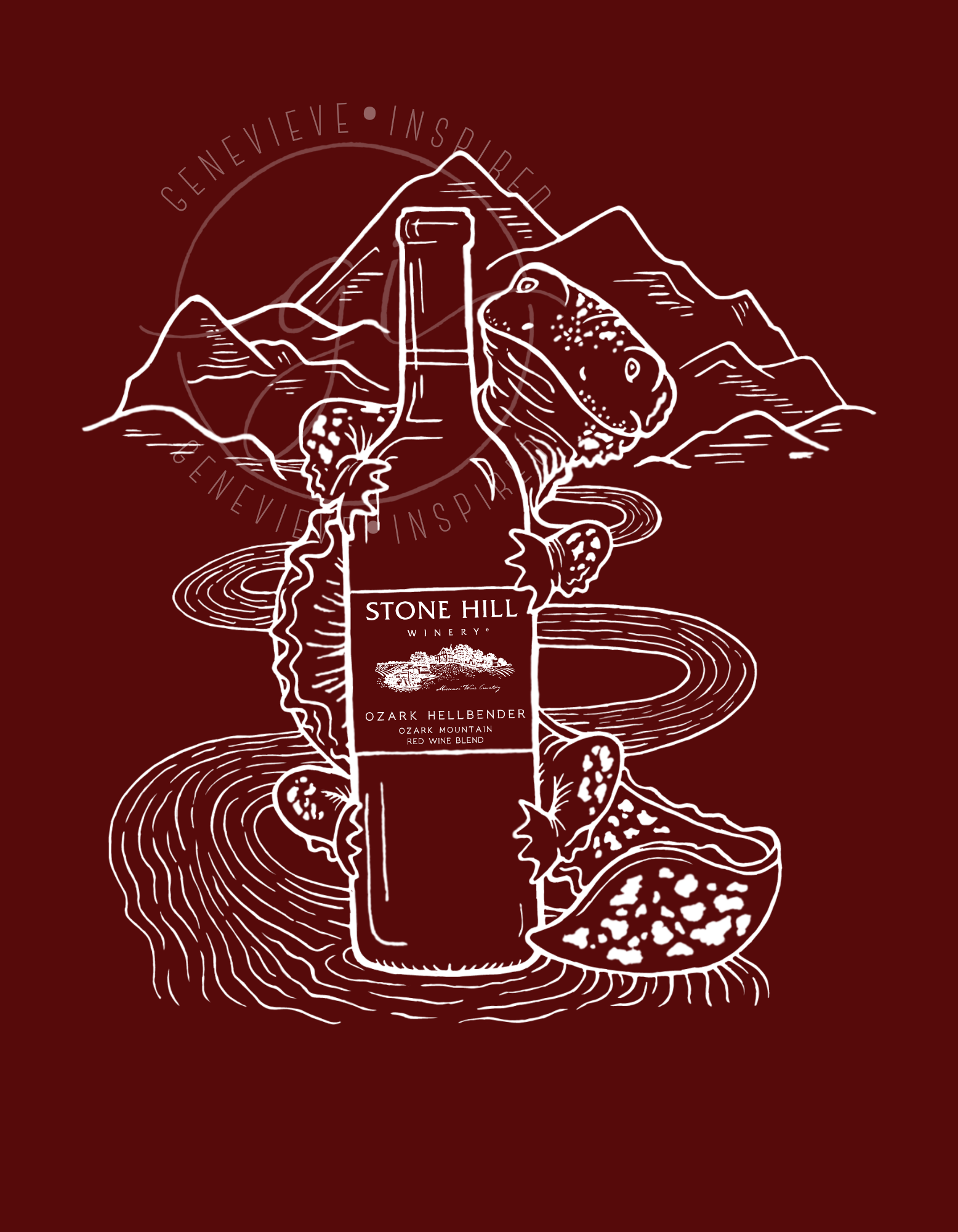
In the future I’d love to do more work that raises awareness of endangered animals. I would not consider myself a conservation artist but it is a profession that I admire very much. I had the opportunity to illustrate a mascot for an endangered salamander that lives in the Ozarks last year, and it was a great feeling to support an endangered species from the region where I grew up.
As a brand I thoroughly enjoy exploring the nature of where I’m calling home and designing a fun visual representation. When other people identify with or express appreciation for the representation that I have created that’s how I know that I’ve done a good job.
Are there any resources you wish you knew about earlier in your creative journey?
Most definitely. Anyone that has attended a drawing group with me knows that I am an open book when it comes to the resources that I use.
First and foremost, ASK QUESTIONS to the other small business creatives you know. They are one of the biggest resources out there because they have all been through it and can save you so much time and money, but you have to ask! Imposter syndrome gets us all, and it may feel embarrassing but I can’t tell you how many times I have asked a simple single question to a fellow creative that turned into an incredibly insightful conversation/networking session. Plus, if you see them doing something well and you want to know more about it, start by complimenting them on it. If anything they should appreciate the recognition of the effort and work they’re putting into their small business.
Secondly, the necessary evil that is social media requires a lot of adaptation and virtual resources which can feel exhausting while you’re trying to run an entire business, so here are some free apps that have helped me in my business.
Square is fantastic for small business because you can create a website for free as well as use it’s tap-to-pay function in the app to accept payment for in person sales. The app PhotoRoom is fantastic for people that don’t have a studio space to do product shoots. The app removes the background from an image and lets you isolate an object and place it on a selection of backgrounds to create a product listing photo. You can add shadows, add text, really very handy for people that have no idea where to start with marketing their product.
Another question I hear a lot from fellow creatives that are just getting started is, “how do you find out about events?”. Now I can only speak on what has worked for me, but part of it is asking fellow creatives and the other part of it is following your local parks and recreation Instagram. If the downtown area of where you live has an Instagram, follow it. I probably follow almost every city in the Bay on Instagram. Those geographical accounts are going to post about upcoming events and festivals, share what’s going on in the city, and keep you in the know. It’s a great place to start for anyone not sure how to get into vending.
Is there something you think non-creatives will struggle to understand about your journey as a creative? Maybe you can provide some insight – you never know who might benefit from the enlightenment.
I’ve actually been thinking about this a lot over the past couple years with the emergence of AI. Art theft right now feels worse than it has ever been before. It feels like almost every other day I’m seeing another creative or small business that’s being ripped off and having their artwork sold without their consent. It’s gotten so bad that it’s considered a morbid mark of success nowadays. As in, that artist must being doing something right to have their art stolen for mass production and sold at a fraction of the cost.
I’ve gotten complaints as well as some of my fellow makers from customers expressing that they don’t like it when an artist puts their name or their logo on a product. Whether it’s on a t-shirt or a print, they don’t want to see the logo near the artwork. What I wish the average non-creative understood, is that the artist mark is one of our only lines of defense against art theft. There’s a lot of work that goes into creating an original design for a product in a small business, and if the artwork is stolen the artist mark is one of the only things that can immediately help the artist get the fraudulent listing taken down.
I would love to see a wave of acceptance of the artist mark from non-creative patrons that still support the arts. I want them to know that the artist mark actually gives the artwork or product more validity and reassures the customer that they are buying from an ethical source.
Contact Info:
- Website: https://www.genevieveinspired.com
- Instagram: @genevieveinspired
- Facebook: @genevieveinspired
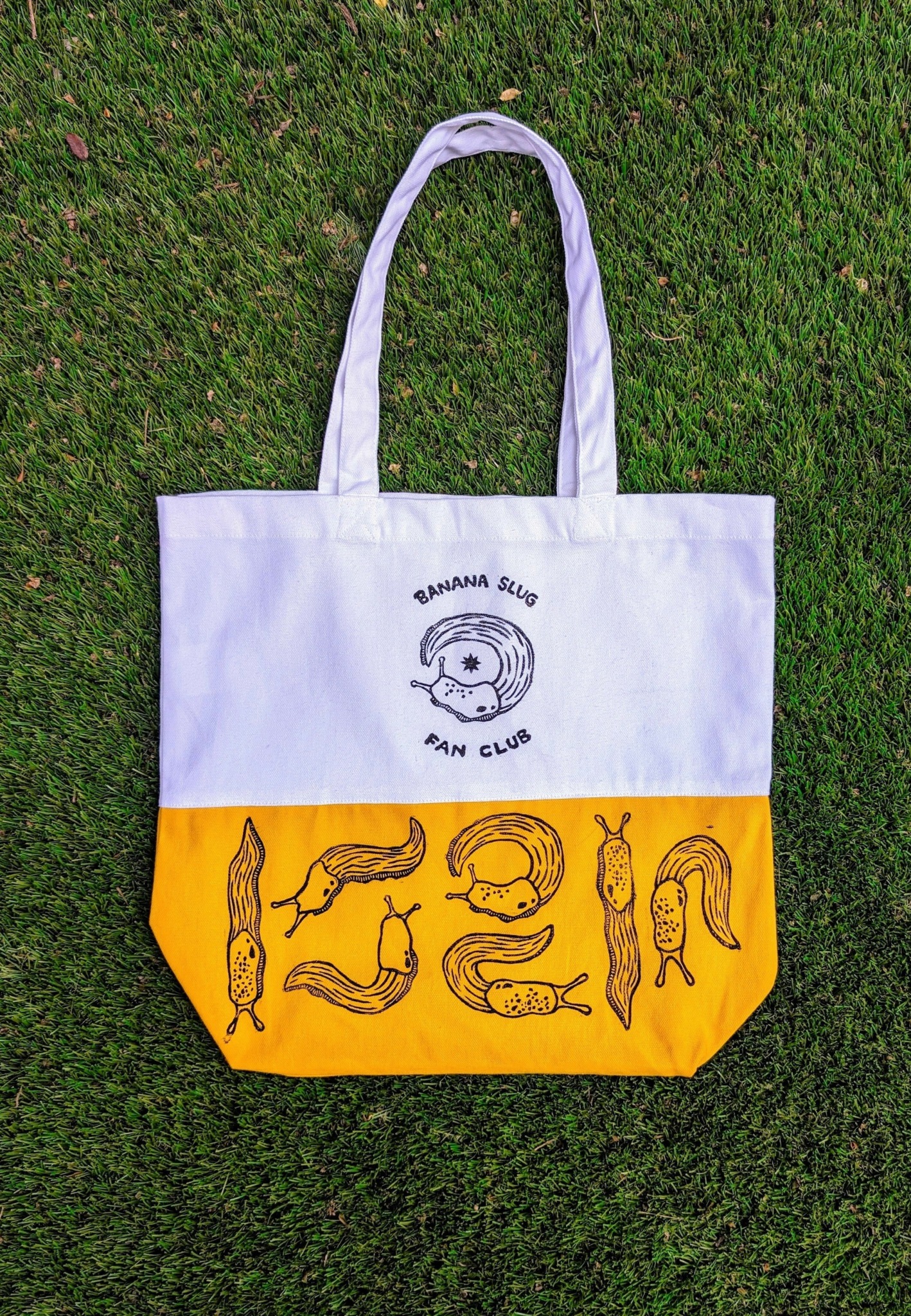
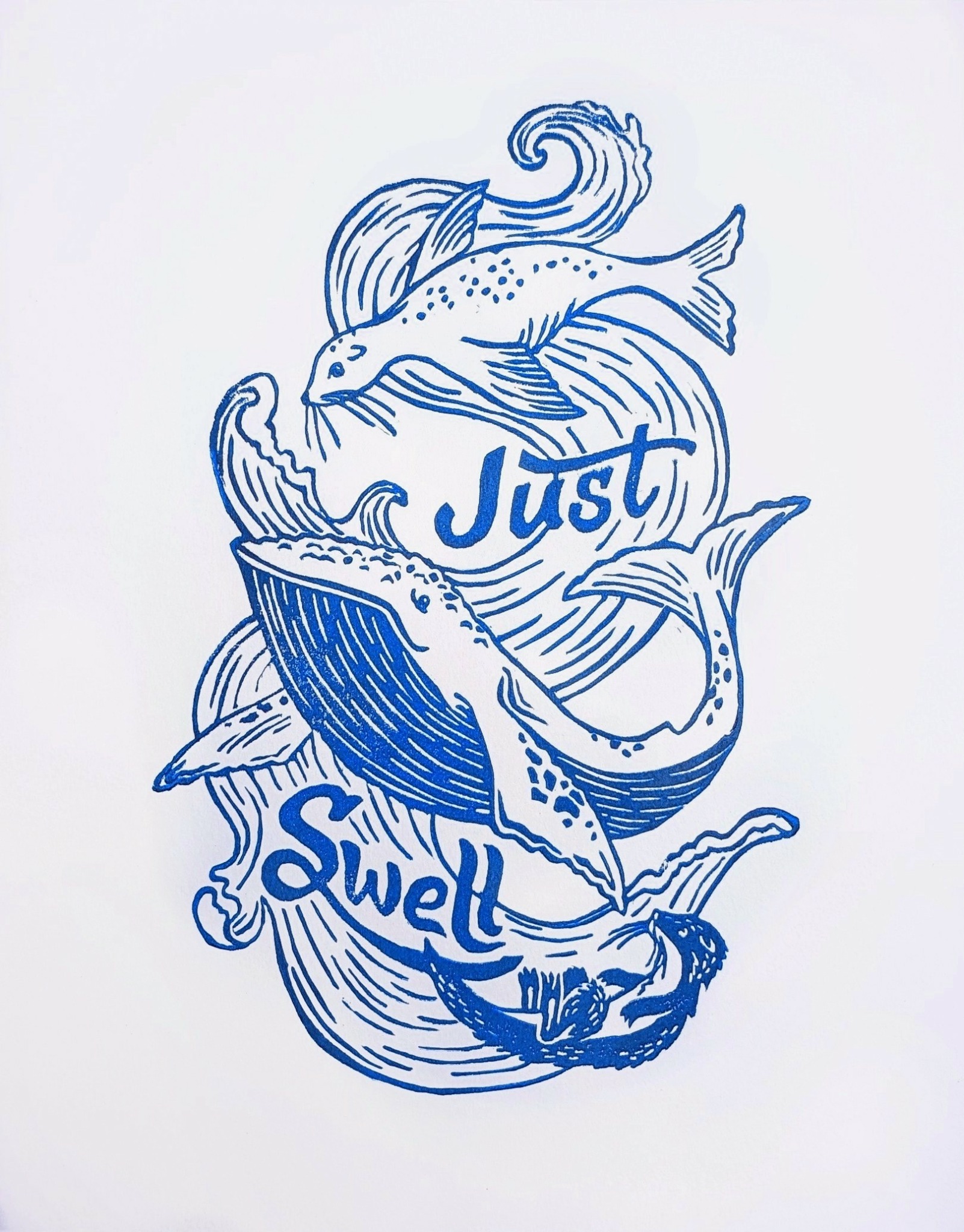
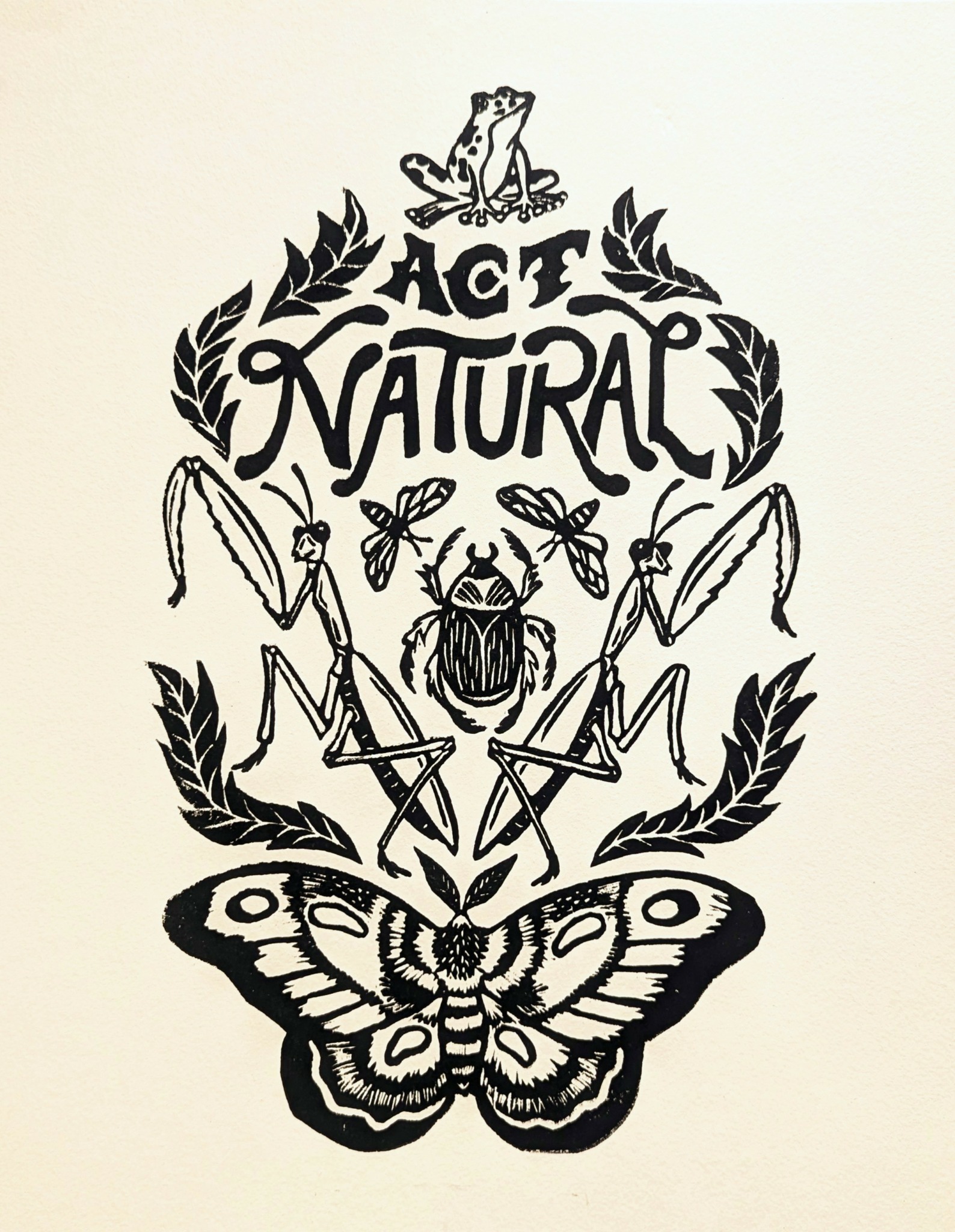
Image Credits
N/A