

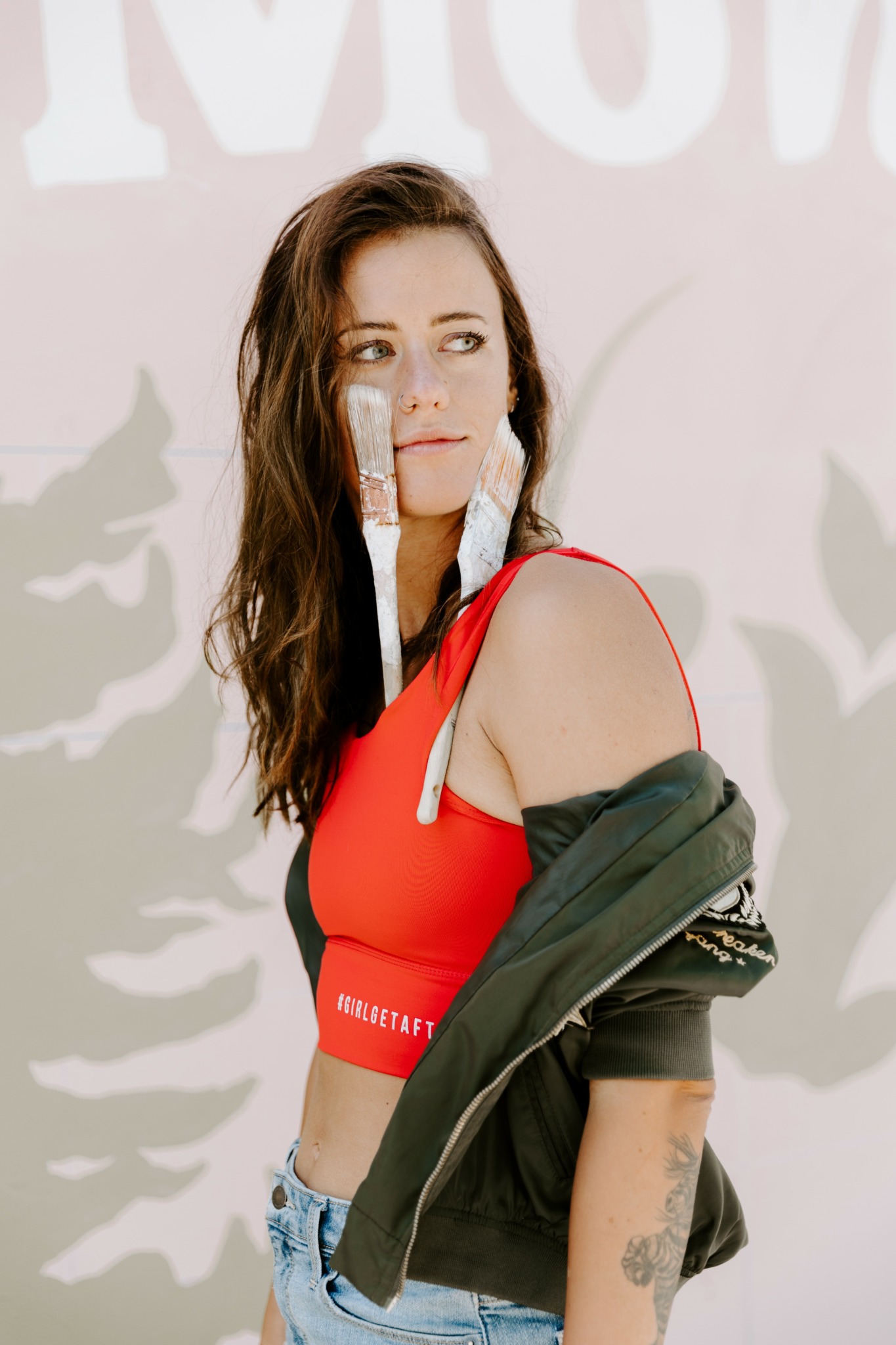

Alright – so today we’ve got the honor of introducing you to Gabrielle Lewis. We think you’ll enjoy our conversation, we’ve shared it below.
Gabrielle, thanks for joining us, excited to have you contributing your stories and insights. Let’s kick things off with a hypothetical question – if it were up to you, what would you change about the school or education system to better prepare students for a more fulfilling life and career?
I’m an artist, and I did not need to go to school to become one. Let’s be clear, there are many incredible and necessary reasons to go to school: 1) If you’re entering a field where training is essential (you know, nurses, architects, doctors, accountants, etc.), or 2) if you need the cushion of exploring your field without the turbulent mask of reality (and, to be honest, there are more economical ways of discovering the reality of your field than university fees and student loans, but I digress).
If we’re talking high school education, there’s a lot to tackle there. Perhaps we should keep it simple, and say, if high school could prepare individuals for the growth and success that comes from the inevitable failure during each stage of the learning process instead of accolades for quick memorizing skills and letter grades, we might be headed in a good direction. I’ve painted murals in schools, which is about as first hand as I’ve gotten to teachers lately; teachers are incredible and deserve so much more than they are currently given. There aren’t enough teachers in the world to give the sort of one-on-one attention that this switch in learning would require. To that, I would simply say, offering more opportunity. I attended two public high schools during my stint in secondary education; one school was in Texas, and the other was in Idaho. The sheer number of classes/electives that I could choose from in Texas, from art to woodworking to CAD drafting to cooking, was pretty enormous compared to what Idaho had to offer; these option grew in me a comfort with options and potential directions.
If we’re talking college/university, I would say that my biggest qualm with my university education was… the professors. My hot take is that: if you are not currently an active professional in your career, you shouldn’t be teaching it. Like, I said, hot take. But what about retired folks who want to teach? Well, college is a time to learn about your desired field AND to make connections that will take you into that career, including knowing relevant industry happenings. Especially in art degrees, if the professors are not successful artists, what do they have to teach about being a successful artist? Go teach a hobby class at a local art center instead. I direly wish that my student loans lent me the reach of industry connections and the tasting of second hand success from professors that I respected and wanted to replicate. Knowing this now, I would have been more selective with my university choice.
But then we get back to my very first point, there are quite a few fields, especially when business skills and entrepreneurship are the backbones of your field. For example, to be a successful artist, you need to be an entrepreneur (or have damn good connections with one and be willing to share profits). All I can speak to is being an artist, so don’t think my perspective small for it, but rather take what you will and apply it to your own field. I wish that education taught us the creativity of approaching life. The amount of “that’s a good point” that I’ve found is astounding following the heat of a verbal entanglement from the notion that creativity is a learned skill (some of us just started learning it at a super young age).
I wanted to quit school every semester much to the continual woe and worry of my mother, yet two art degrees later and it was in school that I learned this very concept: I can do anything I want as long as I want to learn how to do it and then stick with the process that that learning requires of me to be successful with it. And so, turning from the mindset of having perfect class attendance and seeking a hit of dopamine from yet another “A+,” I started looking for the things that I really wanted to do. I heard a great piece of advice the other day: what makes you jealous? Does someone having a successful art show make you jealous? Getting a big mural gig in an airport? Going on vacation because of their successful social following impact? Having a consistent brand look to their marketing videos? Getting awards? Whatever makes you jealous is probably what you care about, so try doing that.
The greatest thing that school can teach you, besides the significance of classic literature and physics, is how to learn. The act of learning itself; that is priceless; the act itself is the humility and invitation of failing, comfort in how many options anre out there, and the allure of freedom from ceaseless learning.
When I made the jump from community college to university, I decided that I wanted to start my own art business. I enjoyed what I was learning in school, and I loved my peers. I also knew that what I wanted to be doing came from learning outside of the classroom. I stumbled my way to through opening an LLC, pitching myself to clients, being under-qualified and underpaid, pitching myself again, and growing in price and experience with every success and failure.
Gabrielle, love having you share your insights with us. Before we ask you more questions, maybe you can take a moment to introduce yourself to our readers who might have missed our earlier conversations?
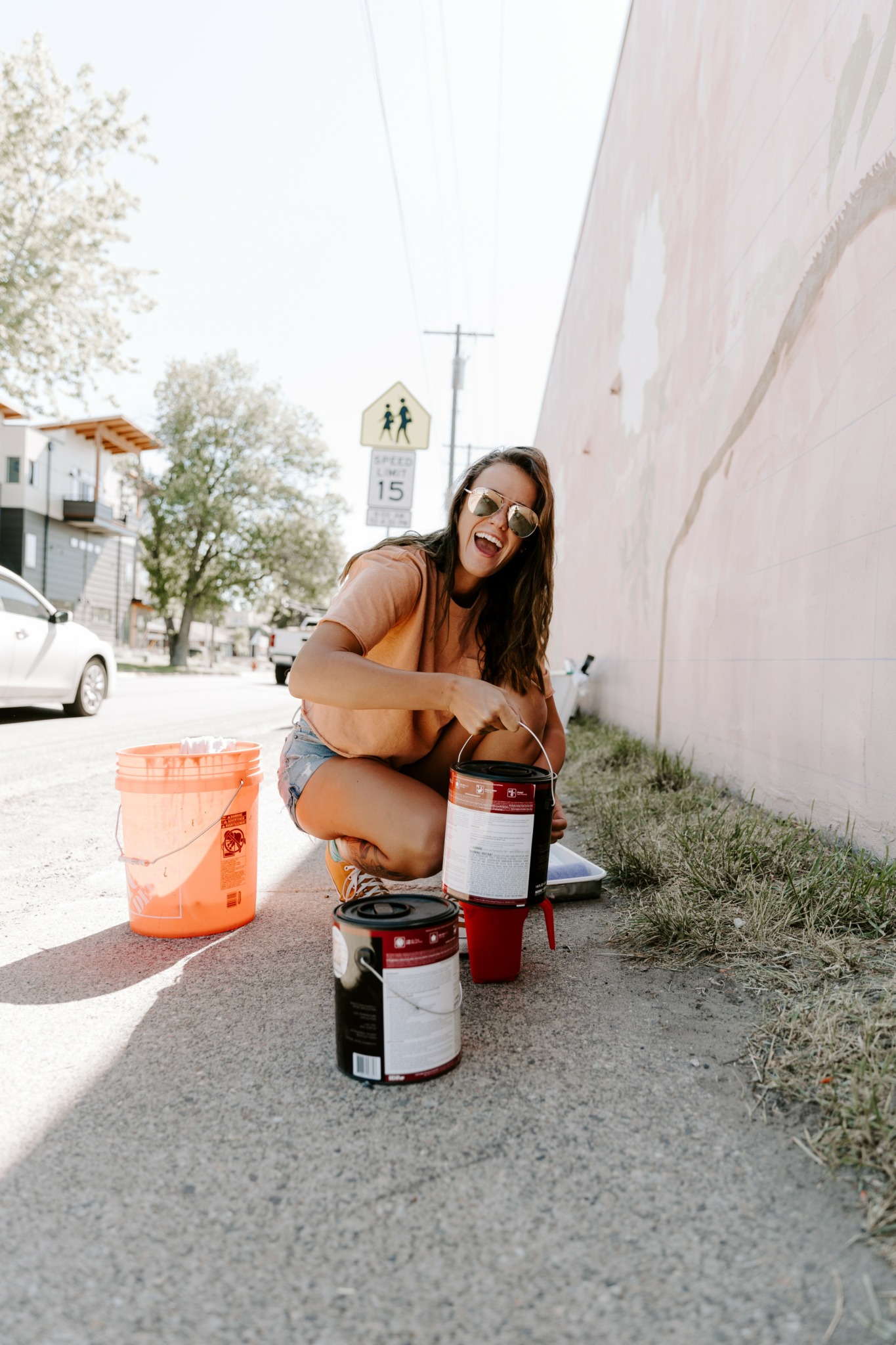
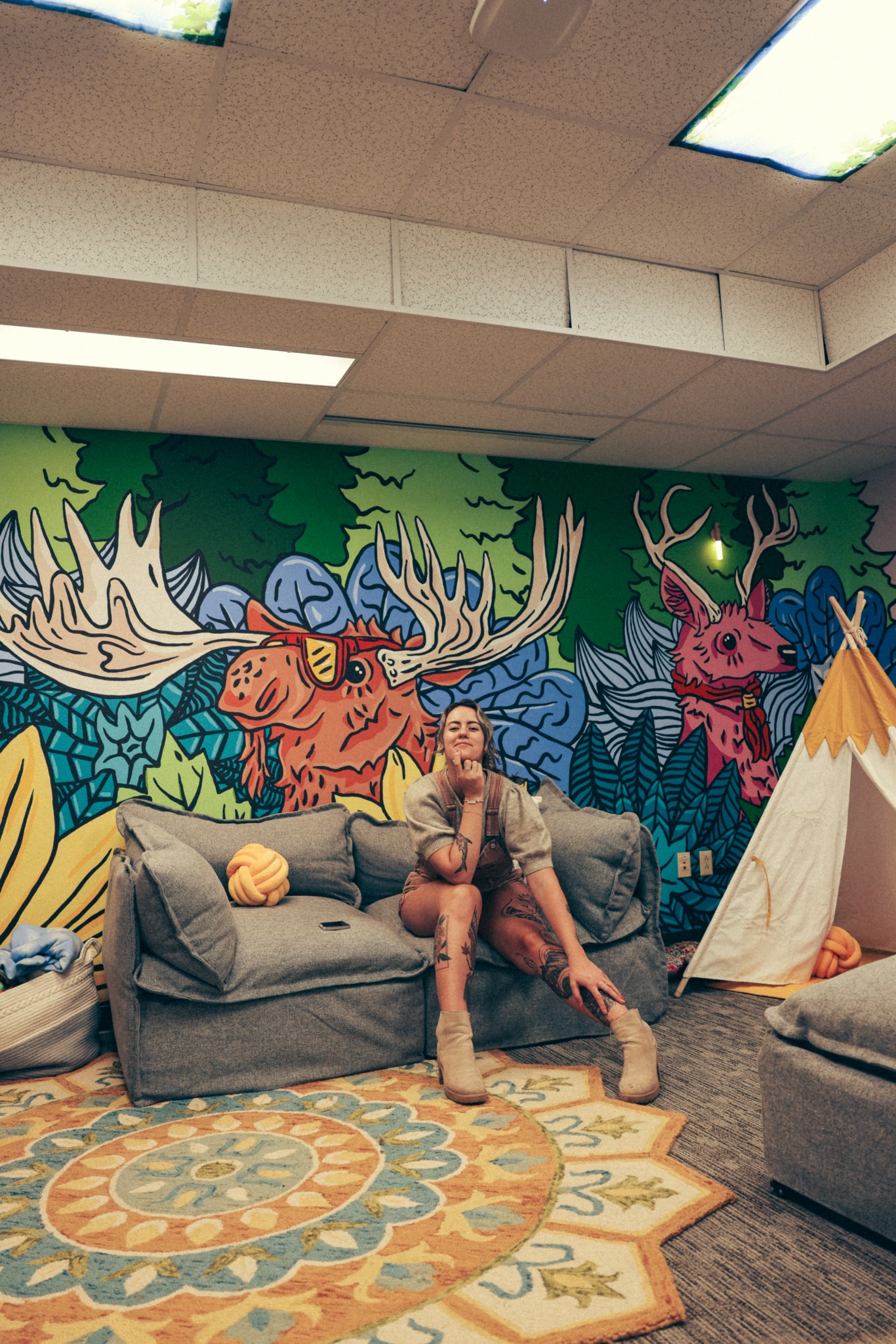
I like to say that I started drawing when I was 5 years old; my dad performed his half of the homeschooling lessons and took pencil to paper for the first time with my older brother and I. Since then, after countless high school classes and extra circular classes, I went to Montana State University for two Bachelors in Art (graphic design and film). I opened up my art LLC while I was still in college, with the goal of being a full time artist, merging illustration with graphic design and film. Upon the upheaval of the Covid pandemic, I transitioned into the public art realm, and began doing murals, starting in Seattle and then all over the Pacific Northwest. And today, while still maintianing the autonomy and creative intrigue of my art LLC, I am the Executive Creative Director at Jobu Beverages in New York (remote). I paint commissions and other acrylic canvas art work, as well as, murals. I would love to for people to know that I approach my art with a whimsical, colorful angle, because that’s just how my creativity sees the world. The goal is always to make onlookers to my art feel more happy and at peace, and to approach their own world with more wonder and creativity because of it. The best compliments that I receive from murals or canvas pieces are that they made people feel happy.
What do you think helped you build your reputation within your market?
For me, when it comes to the creative market, especially in my local area, getting involved in the community is key. You can boost posts and market online all you want, but nothing compares to positive word-of-mouth recommendations and real interactions with real people. That’s who we invest our time/likes/follows in online anyways, right? Into people that feel like people. Personalities. That, and consistently creating. No one is hiring me? I’m still creating. Someone hired me? I’m creating. If this is what I want to do, I’m not waiting for people to “allow” me to do it, I am out doing it. This is easier in some fields than others of course, but just remember, the first person that you need to believe in you is you. Cheesy? Maybe. Probably cheesy enough for a Pinterest board or midwest bathroom poster, but it’s true. If you don’t even want to watch your content or look at you art, if you don’t even like doing it, why are you waiting for other to? Do something you like, do something you get jealous of, do it consistently, and connect with the others around you that do the same (in different fields too).
Learning and unlearning are both critical parts of growth – can you share a story of a time when you had to unlearn a lesson?
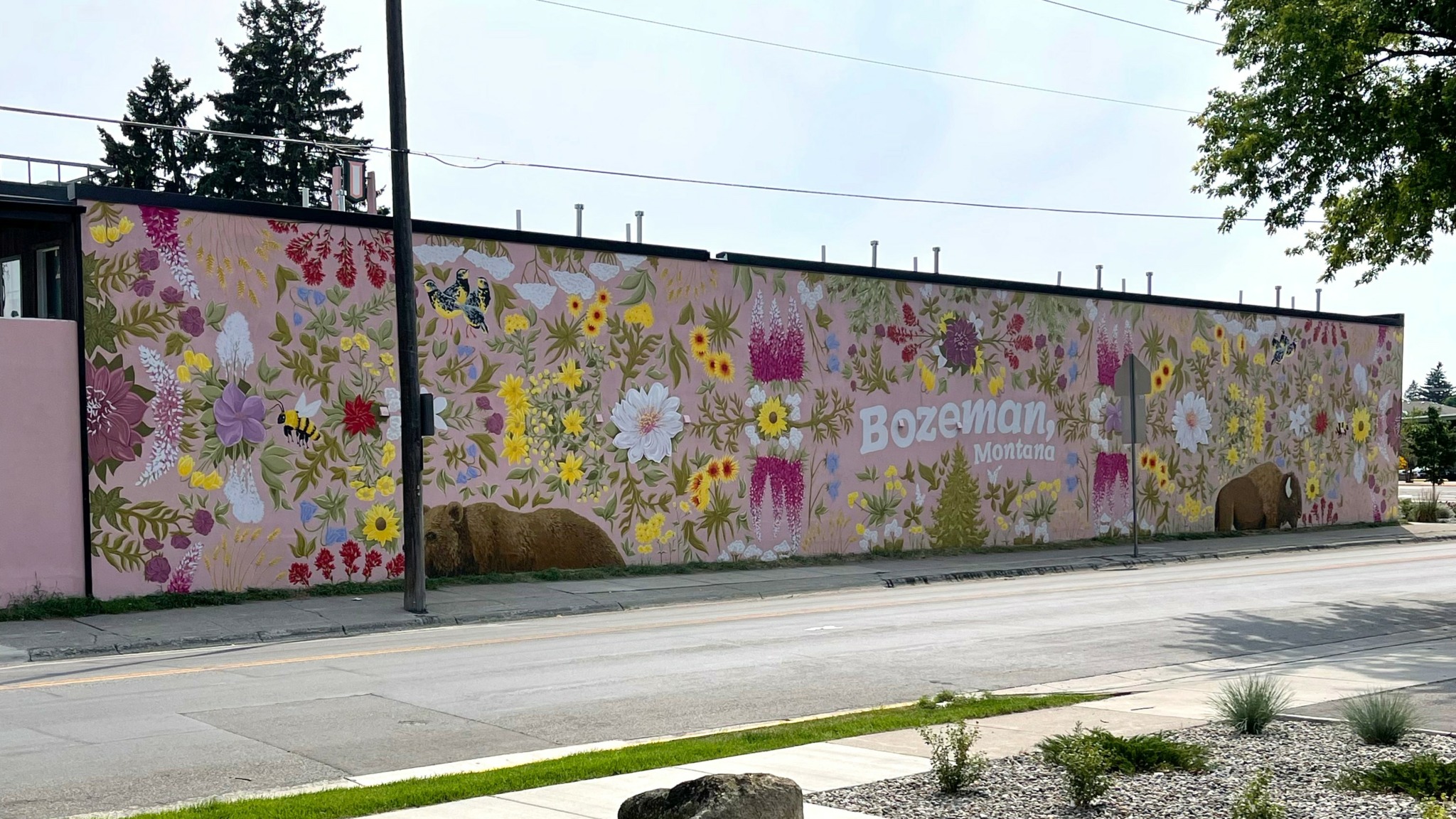
As an artist, the hardest lesson I had to learn was that my identity wasn’t in my success as an artist. Once you taste a major success, it’s difficult not to identify with that success, especially in regards to your worthiness to be successful and your worth during the lull of success. I design and painted the most well-known mural in Bozeman, Montana, and spent a summer being famous. Even if people didn’t know my name, they knew who I was and what my work looked like. They kept tabs on the project. Brough presents. Kids shouted encouragement from cars. Traffic doubled down that street. Local News. The Wall Street Journal. TV shows. Books. And then, when the lull comes after that… where does my identity lie? Whether in success or the striving for success, I learned that it’s important to figure out what your identity is, and I can tell you, it’s not hinged on the greatness or accolades of it all. Can I approach the question of why do I paint? Why do I even do art? If no one ever saw another piece of my art, would I still do it? Why? My identity isn’t even as an artist, which is weird for me to say as… well… as an artist. And, that’s what I need to feel at peace; to be able to step up to my easel or a wall each day and feel capable; to be able to go to bed at night without having been “productive enough;” to try something new and “off brand;” to continue being creative and tasting the reason I started doing art in the first place… because I love to create and I feel the most like myself when I am creating, no matter who sees it.
Contact Info:
- Website: https://www.brelseillustration.com
- Instagram: @brelseillustration
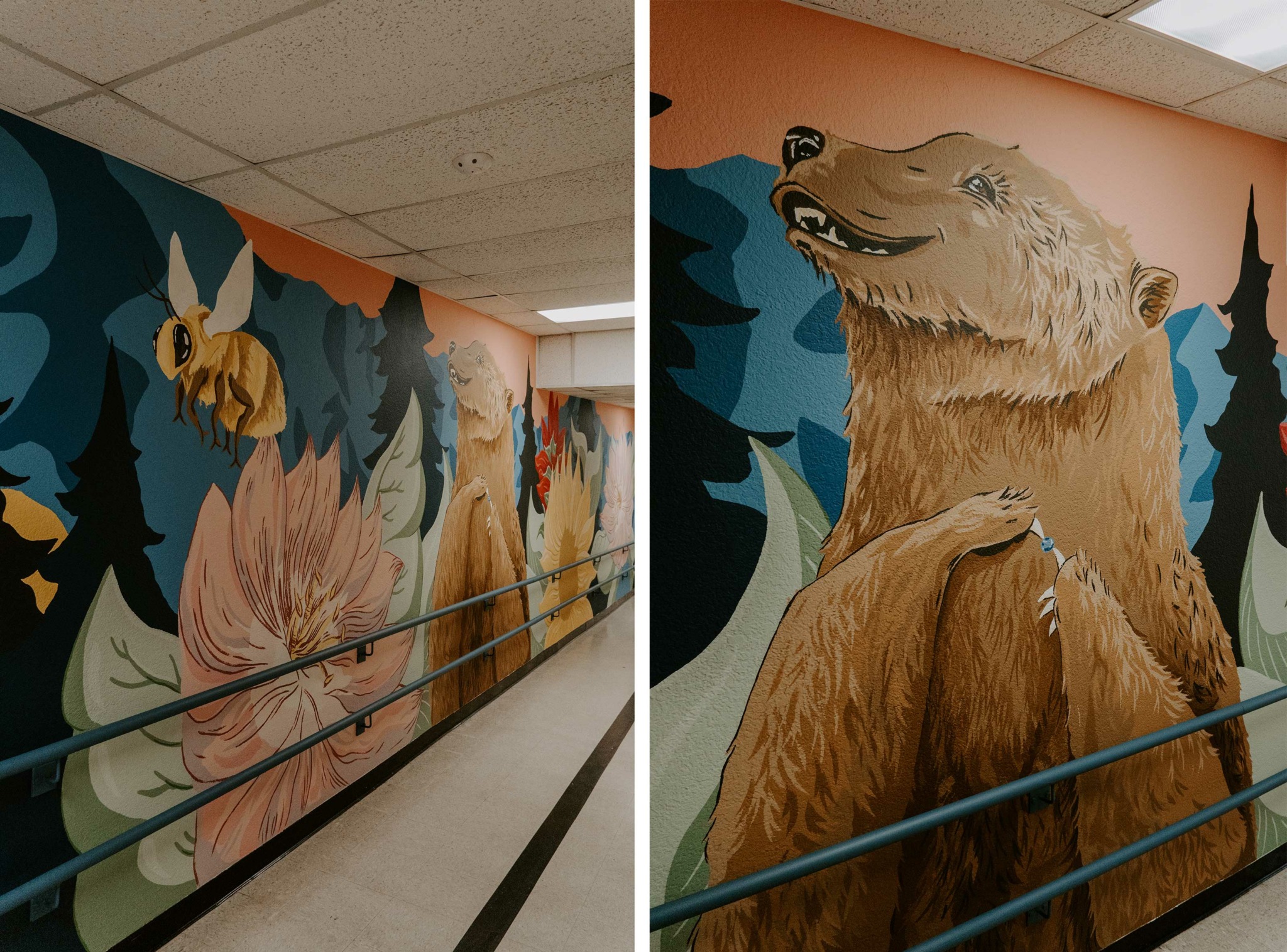
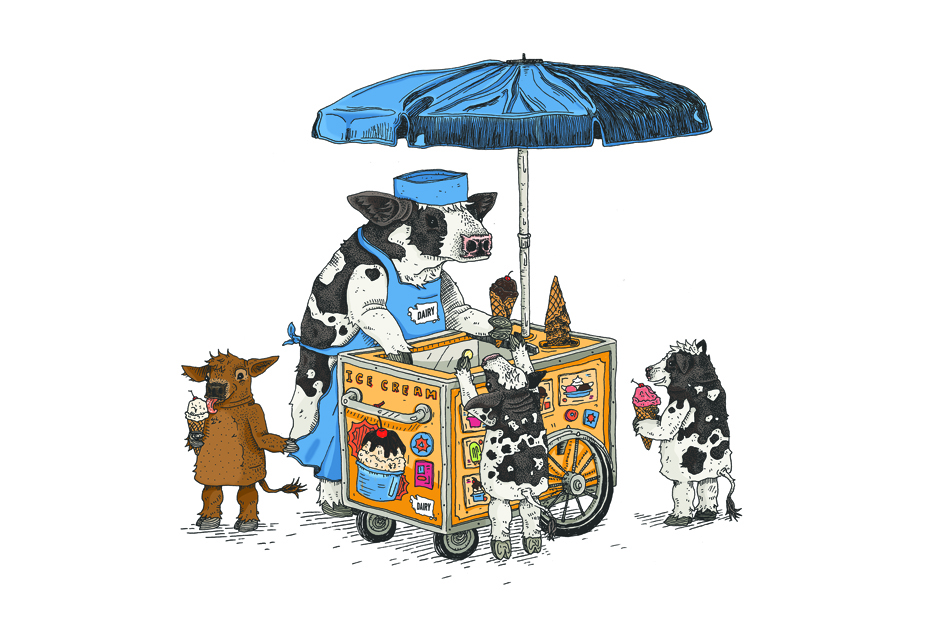
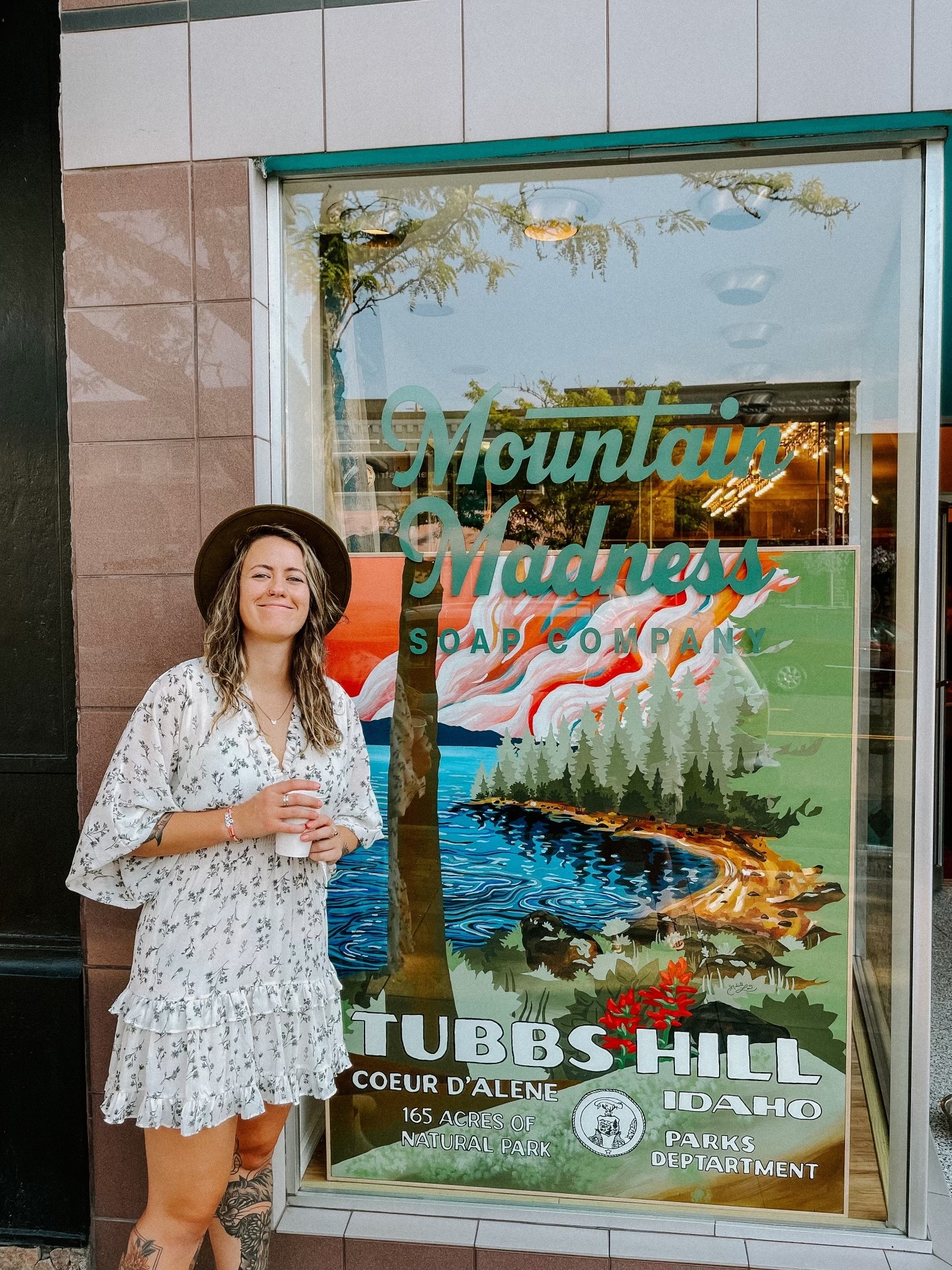
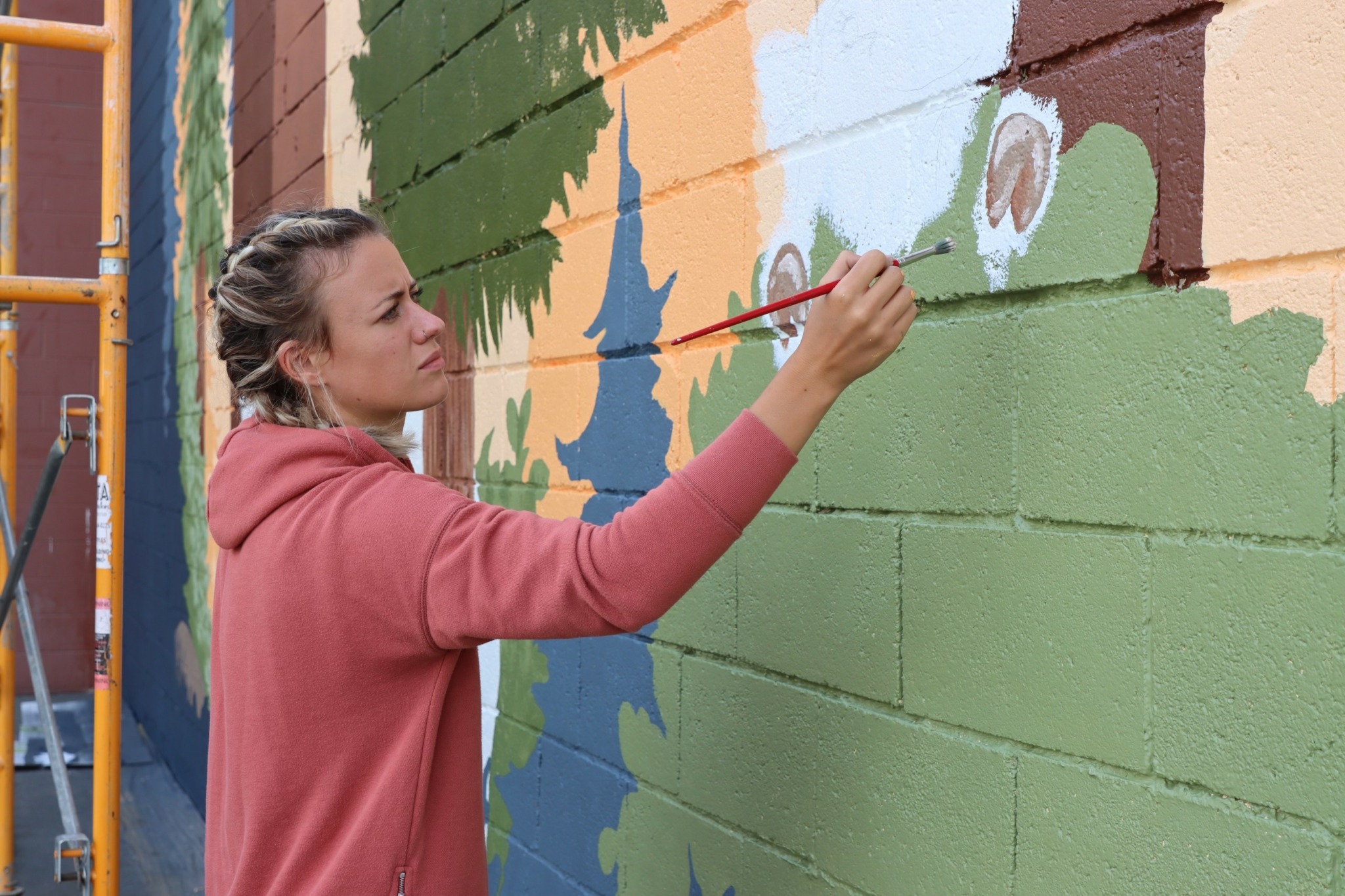
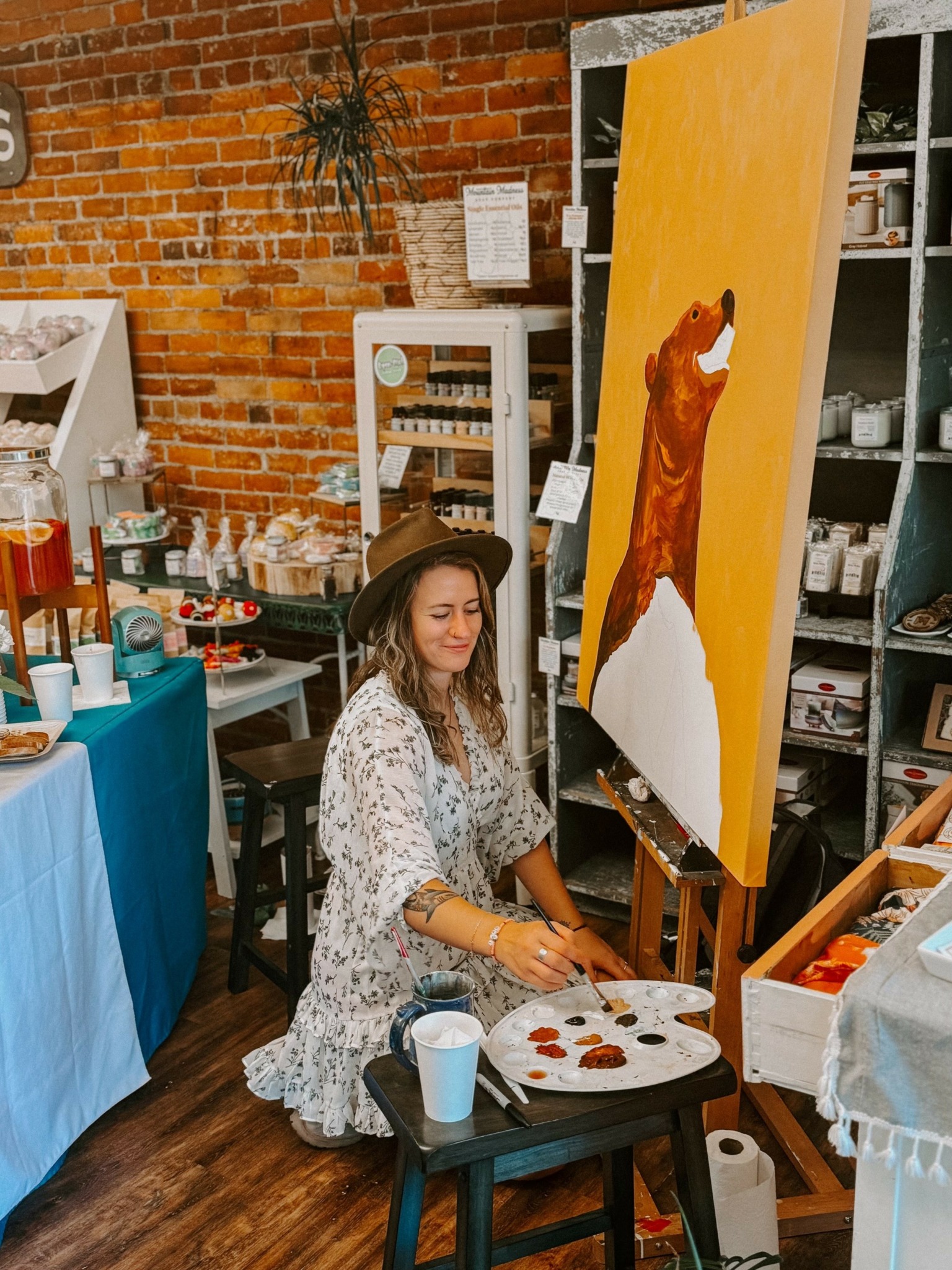
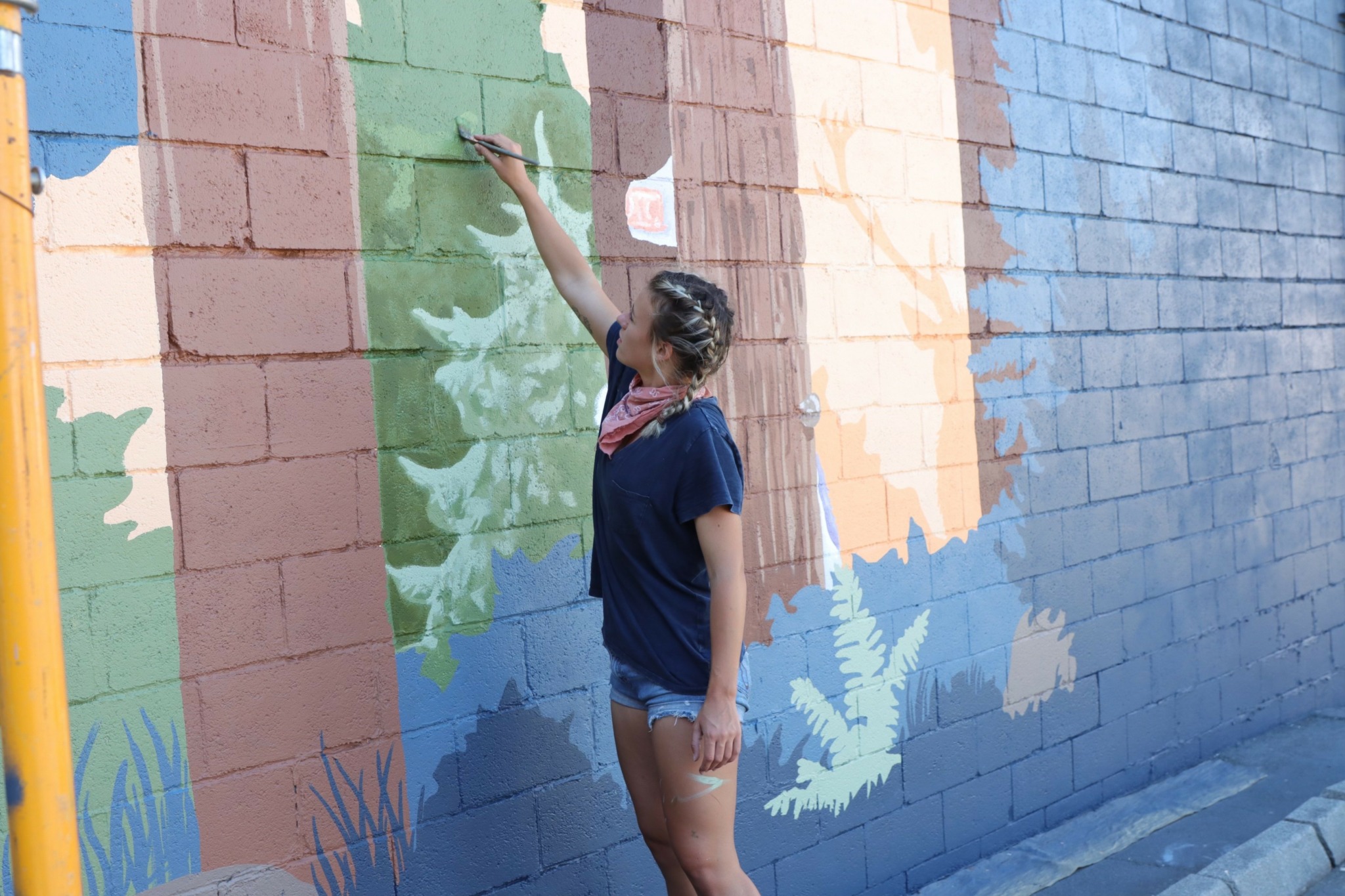
Image Credits
Soersha Dyas, photo credit for “Gabrielle Lewis 1” and “Gabrielle Lewis 2”