


We caught up with the brilliant and insightful Fred Seghetti a few weeks ago and have shared our conversation below.
Fred, appreciate you joining us today. Learning the craft is often a unique journey from every creative – we’d love to hear about your journey and if knowing what you know now, you would have done anything differently to speed up the learning process.
Most of what I know came from experience and practice, not classrooms. The Army played a big role in shaping how I think and operate.
Working in human intelligence and counterintelligence forces you to pay attention to details most people miss. You learn to observe, analyze, and adapt quickly. That mindset carried over into everything else I do.
Whether it is building a seasoning company, making music, creating art, or learning aviation, I approach it the same way. Pay attention, experiment, learn from mistakes, refine, repeat. Curiosity has always driven me more than anything.
Looking back, the biggest thing I could have done to speed things up would have been focusing earlier on visibility and marketing. I spent a lot of years just creating. Music, art, products, ideas. I assumed if you built something good enough people would eventually find it. That is not how the world works anymore.
Creating the work is only half the battle. Learning how to get it in front of the right people matters just as much.
The most essential skills have been observation, persistence, and adaptability. Observation helps you see patterns and opportunities that others miss.
Persistence is critical because most creative and entrepreneurial work happens in long stretches where nobody is paying attention yet. Adaptability keeps you alive because technology, markets, and industries change constantly. If you cannot adjust, you get left behind.
The biggest obstacle has simply been time. When you are building things from scratch you end up doing everything yourself. Designing, producing, marketing, shipping, fixing websites, answering emails, learning new skills. That slows down how fast you can grow in any one direction.
The other obstacle is the noise of the modern world. There are millions of creators and businesses competing for attention. Breaking through that takes patience and a lot of persistence. But the upside is that if you keep showing up and keep improving, eventually the signal starts getting through.
Great, appreciate you sharing that with us. Before we ask you to share more of your insights, can you take a moment to introduce yourself and how you got to where you are today to our readers.
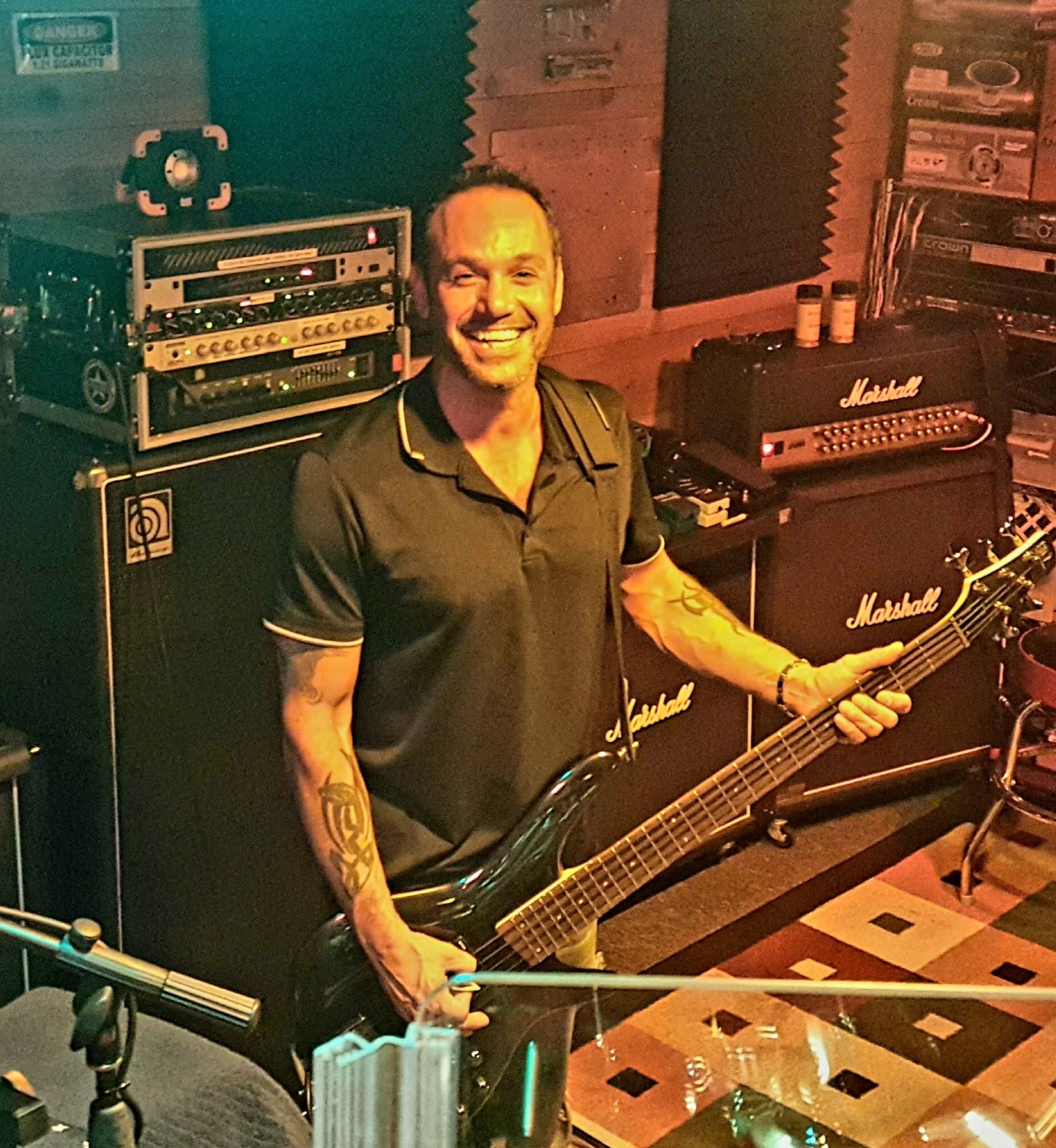
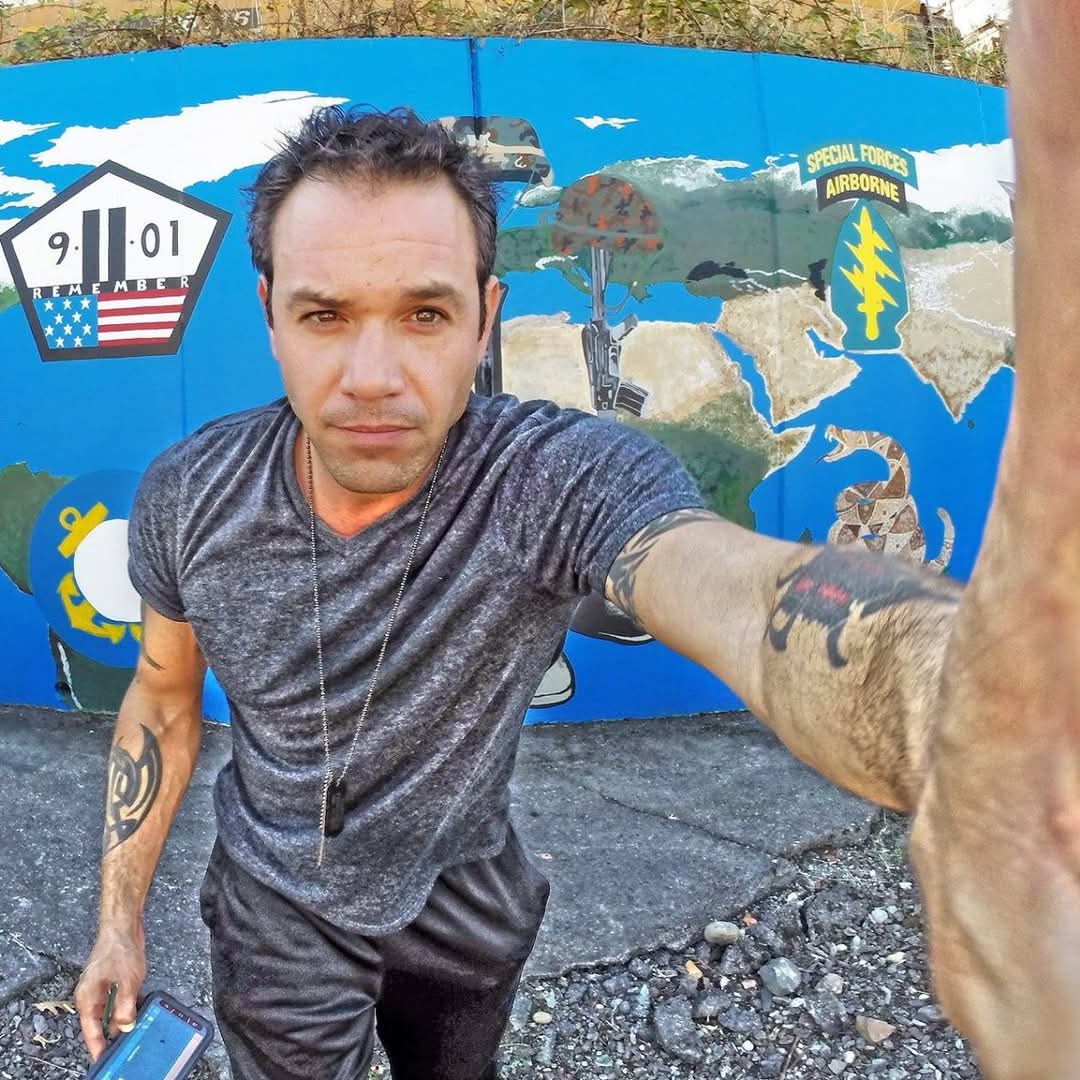
I am a veteran, entrepreneur, artist, and musician based outside of Nashville, TN. My path has not been a straight line, it has been more like a series of missions. I served in the U.S. Army working in human intelligence and counterintelligence, where I learned discipline, observation, and how to analyze problems in real time.
Those skills shaped how I approach everything I do today. I tend to look at the world differently than most people. I study patterns, pay attention to details, and I am always asking how something can be built better.
After my military service I continued building things across different creative fields. I create music, visual art, and I founded Seghetti’s Top Secret Seasoning, a line of premium salt free, sugar free, and gluten free seasoning blends. Each blend uses a large number of real ingredients, often twenty to thirty eight components depending on the blend, which is unusual in the seasoning industry where most products rely heavily on salt.
My goal was simple. Create something that actually improves food while also being healthier for people.
My creative work goes beyond food. I have produced and released original music for years, and I have created hundreds of visual designs that have been printed on products around the world. Creativity has always been a natural outlet for me. Whether it is writing a song, designing artwork, or building a new product, I approach it with the same mindset of experimentation and refinement.
What sets me apart is that everything I create comes from a place of curiosity and authenticity. I am not chasing trends. I am trying to build things that have depth and longevity.
The seasoning blends are built from real ingredients and careful formulation. The music comes from real life experience. The art often reflects deeper ideas about technology, humanity, and the world we are building.
What I am most proud of is that everything I have created has been built from the ground up. No big investors, no marketing machine, just persistence and a willingness to keep learning.
That process has not been easy, but it has been honest. The people who connect with my work tend to appreciate that authenticity.
What I want people to know most about me and my work is that it is all driven by the same mission. Build things that are meaningful, useful, and creative.
Whether someone discovers my music, my artwork, or one of my seasoning blends, I want them to feel like they found something real that was made with intention.

Is there something you think non-creatives will struggle to understand about your journey as a creative? Maybe you can provide some insight – you never know who might benefit from the enlightenment.
One thing people who are not in creative work often struggle to understand is how much time you spend building things that almost no one sees at first. From the outside it can look easy or random, like someone just had an idea and it worked. The reality is very different.
Most of the time you are experimenting, failing, adjusting, learning new skills, and starting over again. That process can go on for years before anything really gains traction.
Creative work also requires a certain tolerance for uncertainty. When you build something with your own ideas, whether it is music, art, or a product, there is no guaranteed outcome. You can put enormous effort into something and it might still go unnoticed. That does not mean the work had no value. It just means the world has not discovered it yet.
Another thing people underestimate is how many different roles creatives have to play. You are not just the artist or the builder. You also become the marketer, the designer, the technician, the salesperson, and the problem solver. Especially when you are starting from nothing. That constant switching of roles takes time and energy, but it is also where a lot of the learning happens.
The insight I would share is simple. If you feel driven to create something, do it because you believe in the work itself, not because you expect immediate recognition. Recognition is unpredictable.
The process of building something meaningful is the real reward. Over time the people who stay persistent and keep improving their craft tend to be the ones who eventually break through.
Can you share a story from your journey that illustrates your resilience?
Resilience for me has shown up across several different parts of my life, especially with my art, music, and my seasoning company. All three started the same way, with curiosity and a willingness to experiment, but none of them grew overnight.
With my artwork, I have spent years creating pieces and designs, eventually building a catalog of hundreds of works that are now available on products around the world. Early on there was very little attention.
You create something you believe in, you put it out there, and sometimes it feels like it disappears into the noise. But I kept creating, refining my style, and expanding the ideas behind the work. That process required patience and persistence, and over time those designs began reaching people in ways I never expected.
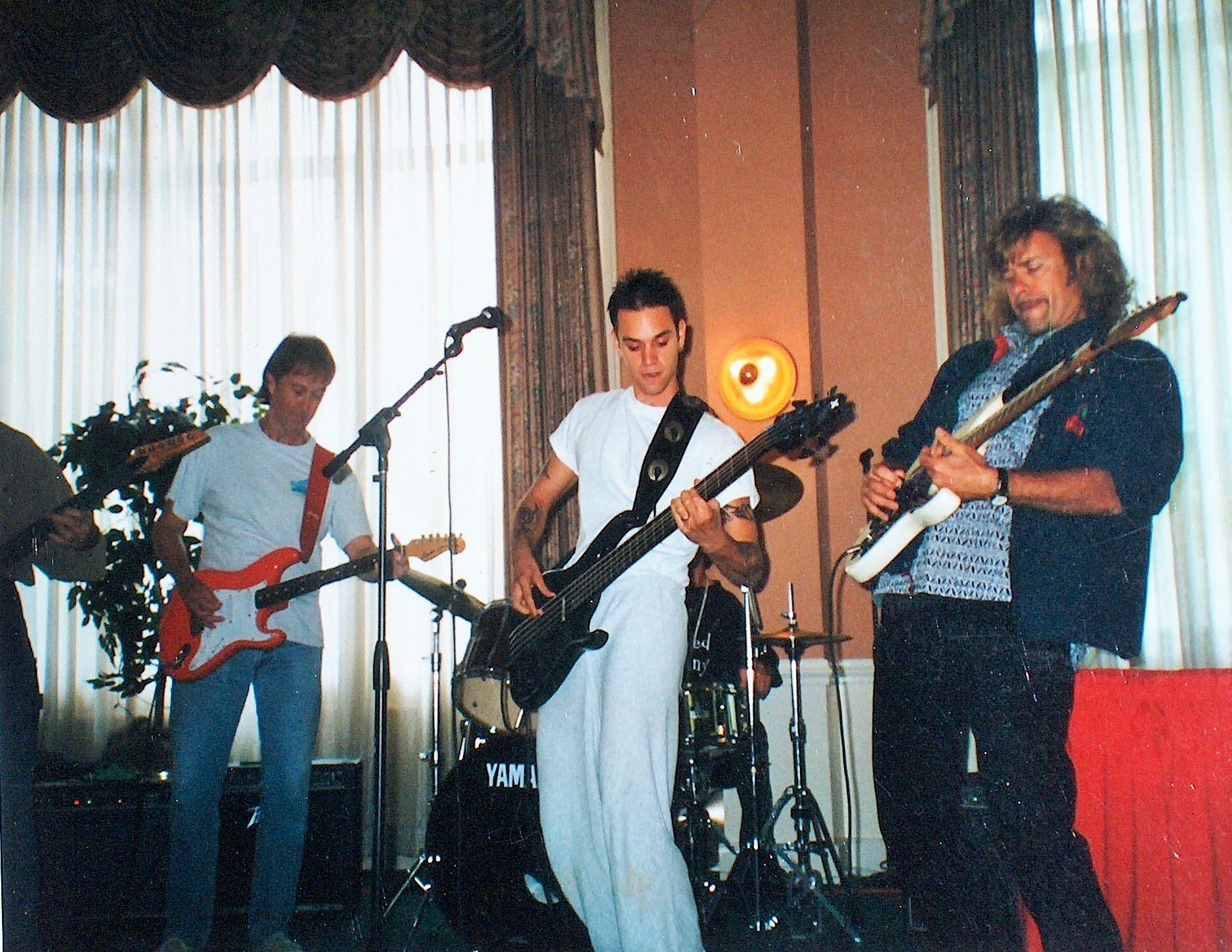
Music has been similar. I have written and recorded dozens of songs over the years. Some gained traction and reached large audiences, while others are still waiting to be discovered.
Writing music requires a lot of patience because it is personal. You are putting your thoughts and experiences into something anyone can hear and judge. The resilience comes from continuing to write and record anyway.
Persistence matters, but communication matters more, because music is ultimately about connecting with people.
Seghetti’s Top Secret Seasoning is another example. I built those blends from scratch because I wanted something different from the typical seasoning products that rely heavily on salt. Some of my blends contain twenty to thirty eight ingredients, which makes them complex but also more expensive and harder to produce.
There were plenty of moments where it would have been easier to simplify the formulas or follow what everyone else was doing. Instead I stuck with the original idea and kept refining the blends until they matched the standard I had in mind.
That process required patience to get the formulas right, persistence to keep moving forward, and communication to share the story behind the product so people understand what makes it different.
What all three experiences taught me is that resilience usually comes down to a few simple things. Patience to allow ideas to develop over time, persistence to keep working when progress feels slow, and communication so the work can reach and connect with the people it was meant for.
Contact Info:
- Website: https://www.fredseghetti.com
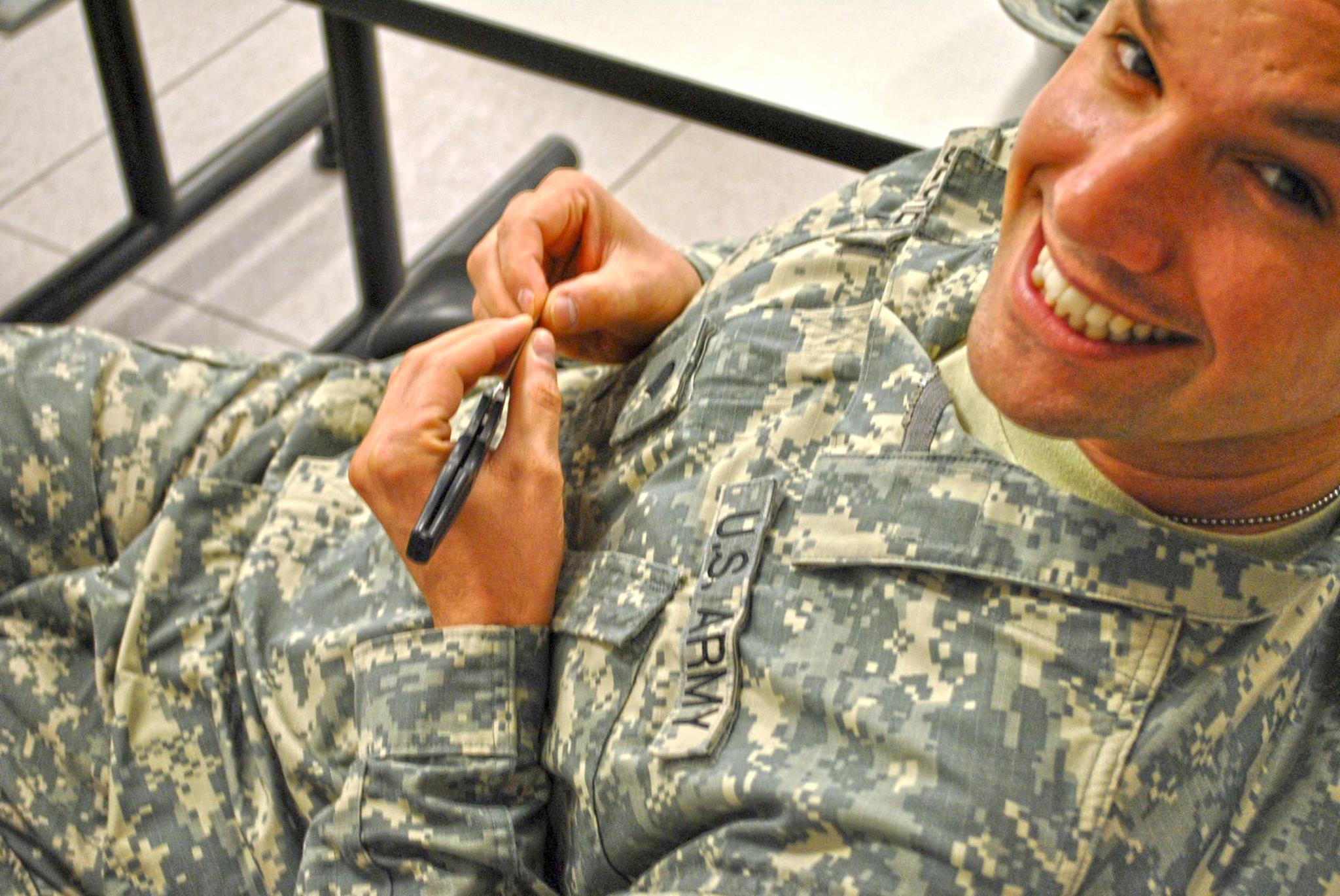

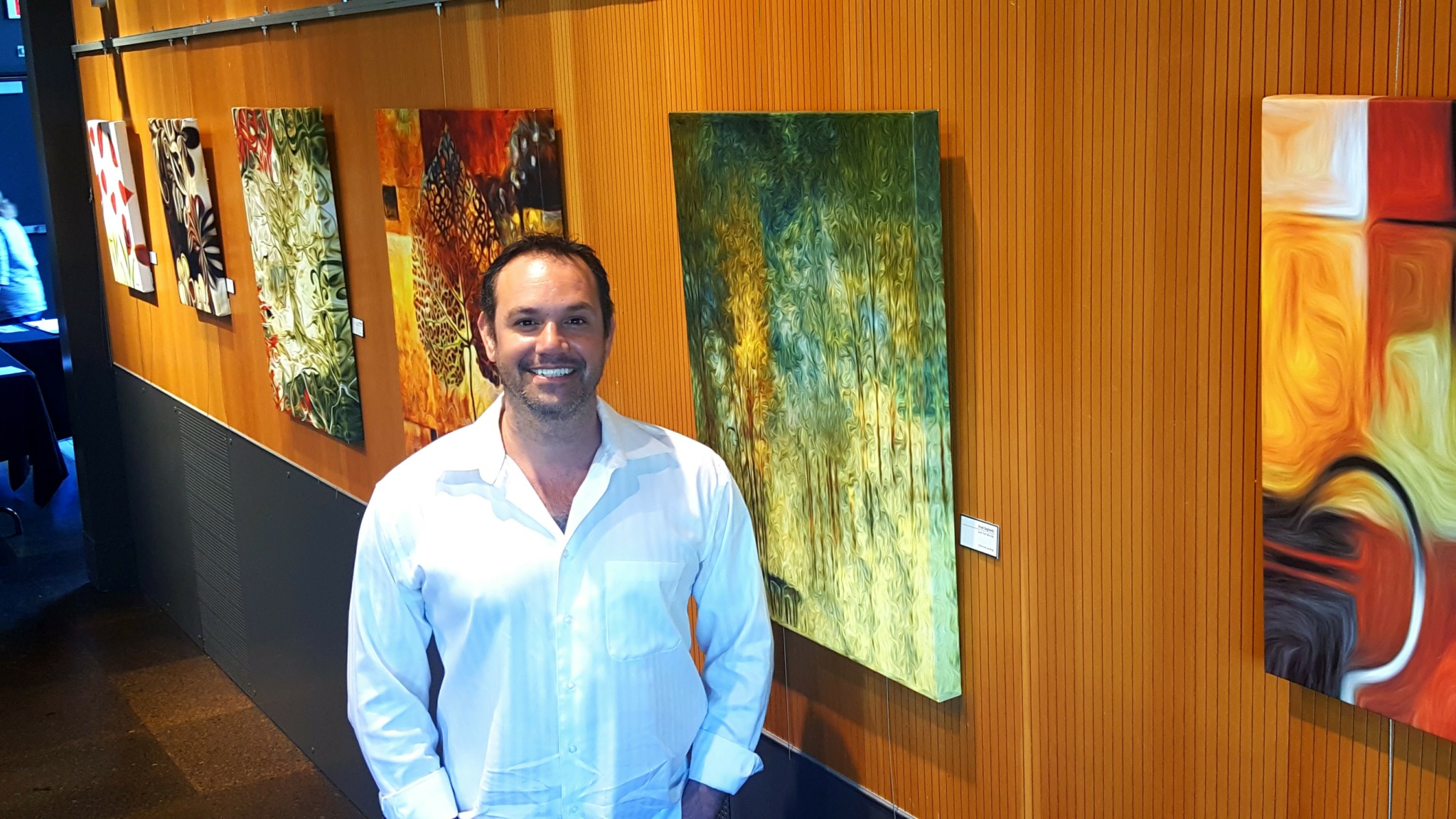

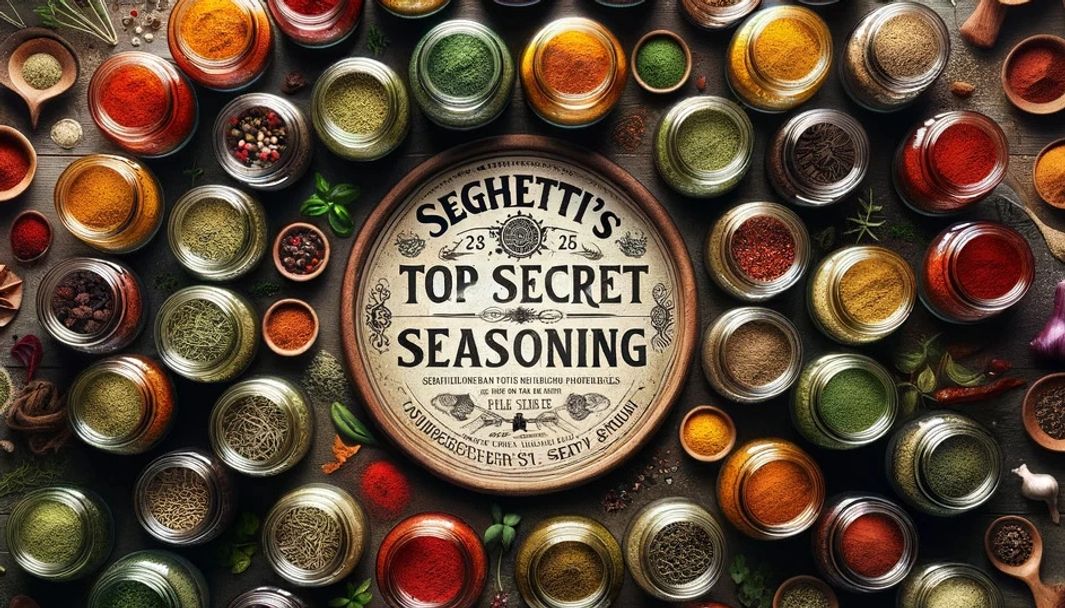
Image Credits
Images and Art by Fred Seghetti.