

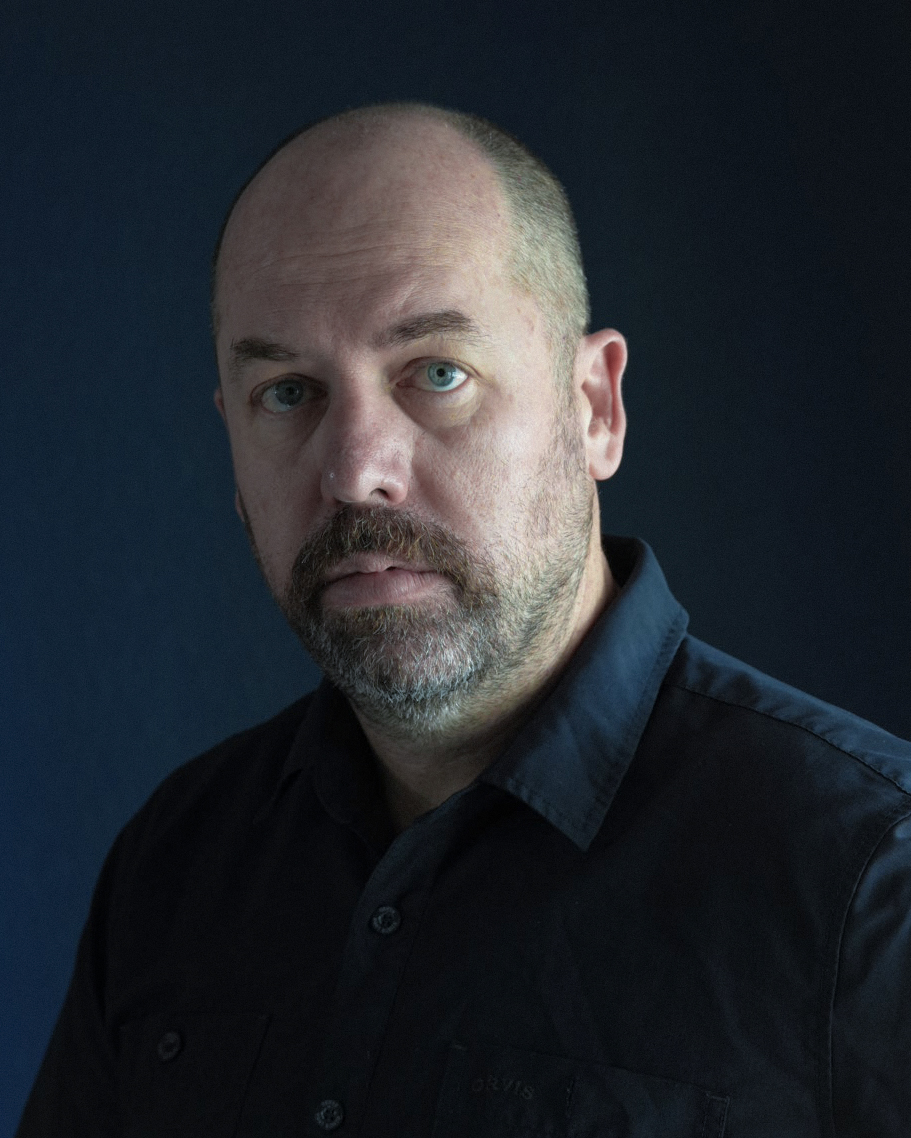

We recently connected with Frank Stockton and have shared our conversation below.
Frank , looking forward to hearing all of your stories today. Do you feel you or your work has ever been misunderstood or mischaracterized? If so, tell us the story and how/why it happened and if there are any interesting learnings or insights you took from the experience?
In art class, “illustration” is usually used as a pejorative term — shorthand for work that’s literal, heavy-handed, commercially-minded. In illustration circles, fine art is often thought of as lazy & unskilled work propped up by flowery language. Both camps tend to define themselves in opposition to a watered-down version of the other.
Illustration and contemporary painting have different goals. The problem is neither side respects what the other is actually trying to do: One transforms text; by adding to it and changing how it’s read. The other often pushes against the boundaries of taste, courting discomfort.
I’ve maintained two professional identities for years now, separated out of necessity. My painting practice is an ongoing negotiation of aesthetics and meaning, inherently experimental. My illustration practice is both a collaborative practice and a business demanding predictable outcomes.
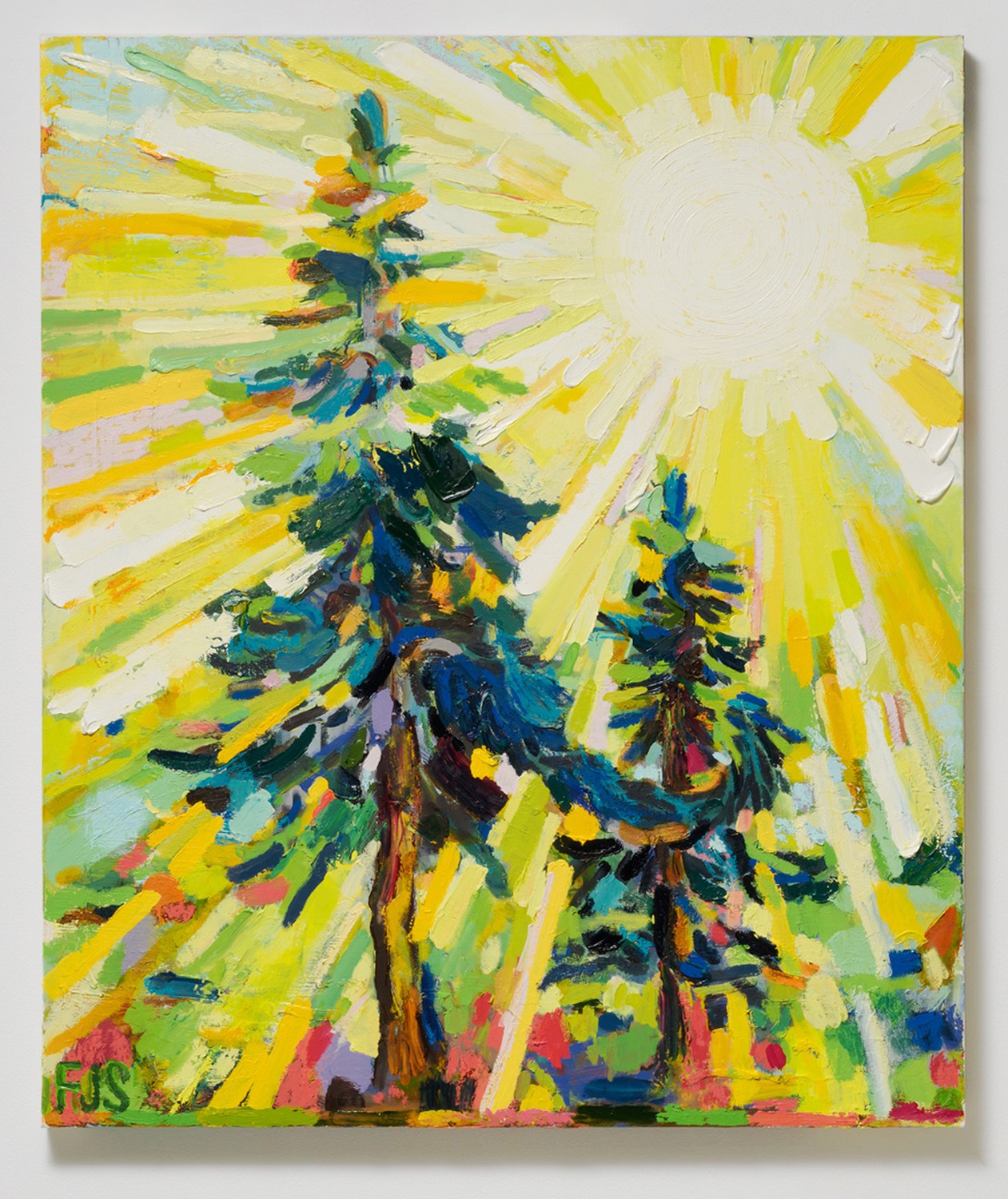
Awesome – so before we get into the rest of our questions, can you briefly introduce yourself to our readers.
My work moves through several art contexts: illustration, painting, curation, exhibitions, criticism, and education.
I’m often asked by upper-division students and recent graduates how these worlds connect — and where they might fit within them.
Studio Notes, an ongoing writing project, is where I work through those questions from the perspective of a working painter and illustrator.
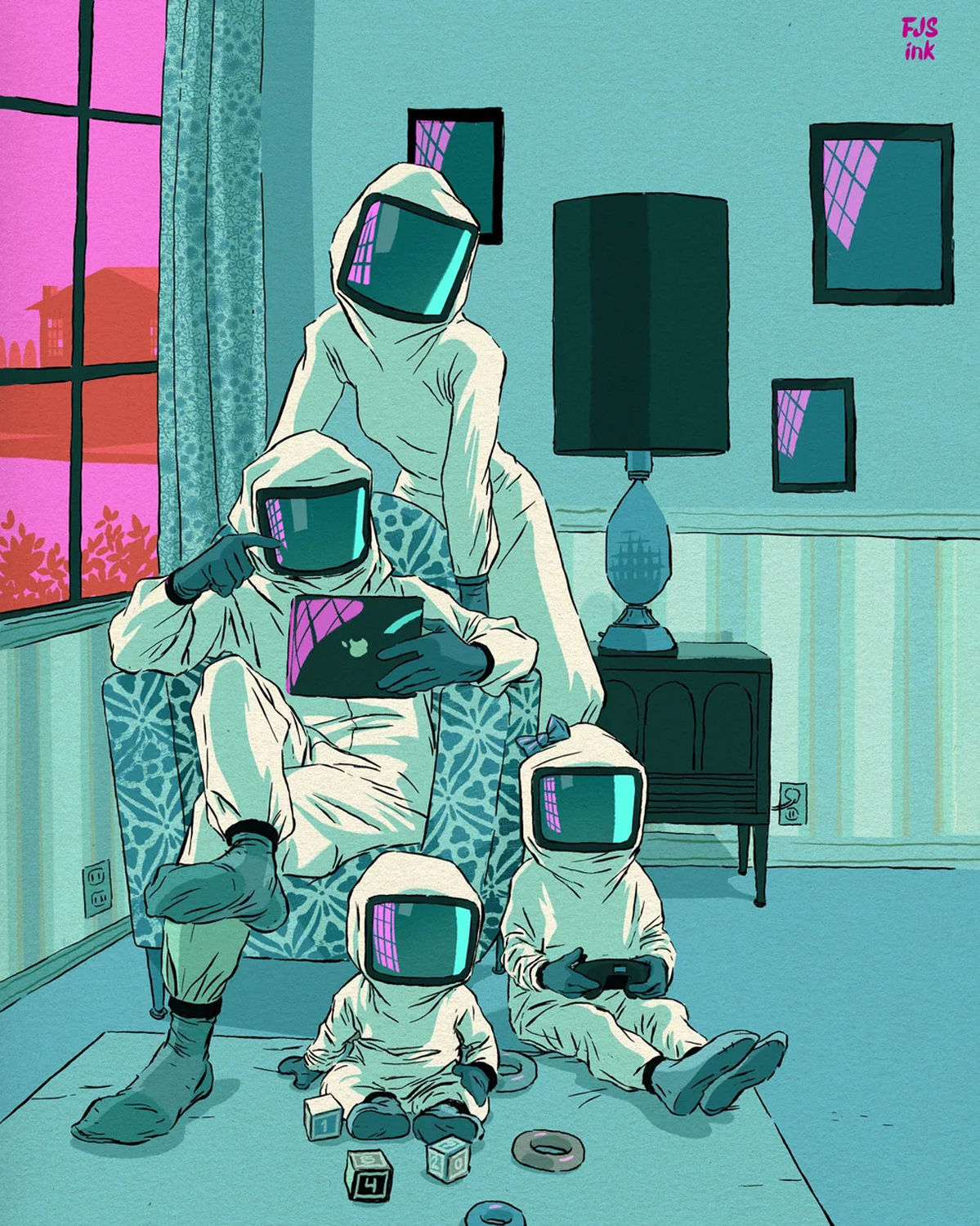
Is there something you think non-creatives will struggle to understand about your journey as a creative? Maybe you can provide some insight – you never know who might benefit from the enlightenment.
Artists and entrepreneurs both tolerate risk, but they use different compasses. One tracks demand; the other tracks necessity. Financial success can support the work, but it can’t set its direction without hollowing it out.
An art career doesn’t function like a business. A business adjusts when the product underperforms. An art practice follows a line of thought to its end. Even illustration — commercial by nature — only works when it carries a distinct point of view. From the outside that can look stubborn. In reality, changing course too quickly erases the reason the work exists.
Art begins in commitment, not consensus. It may or may not be commissioned. It might not land widely. It exists because someone believed it needed to exist, and that’s its superpower.
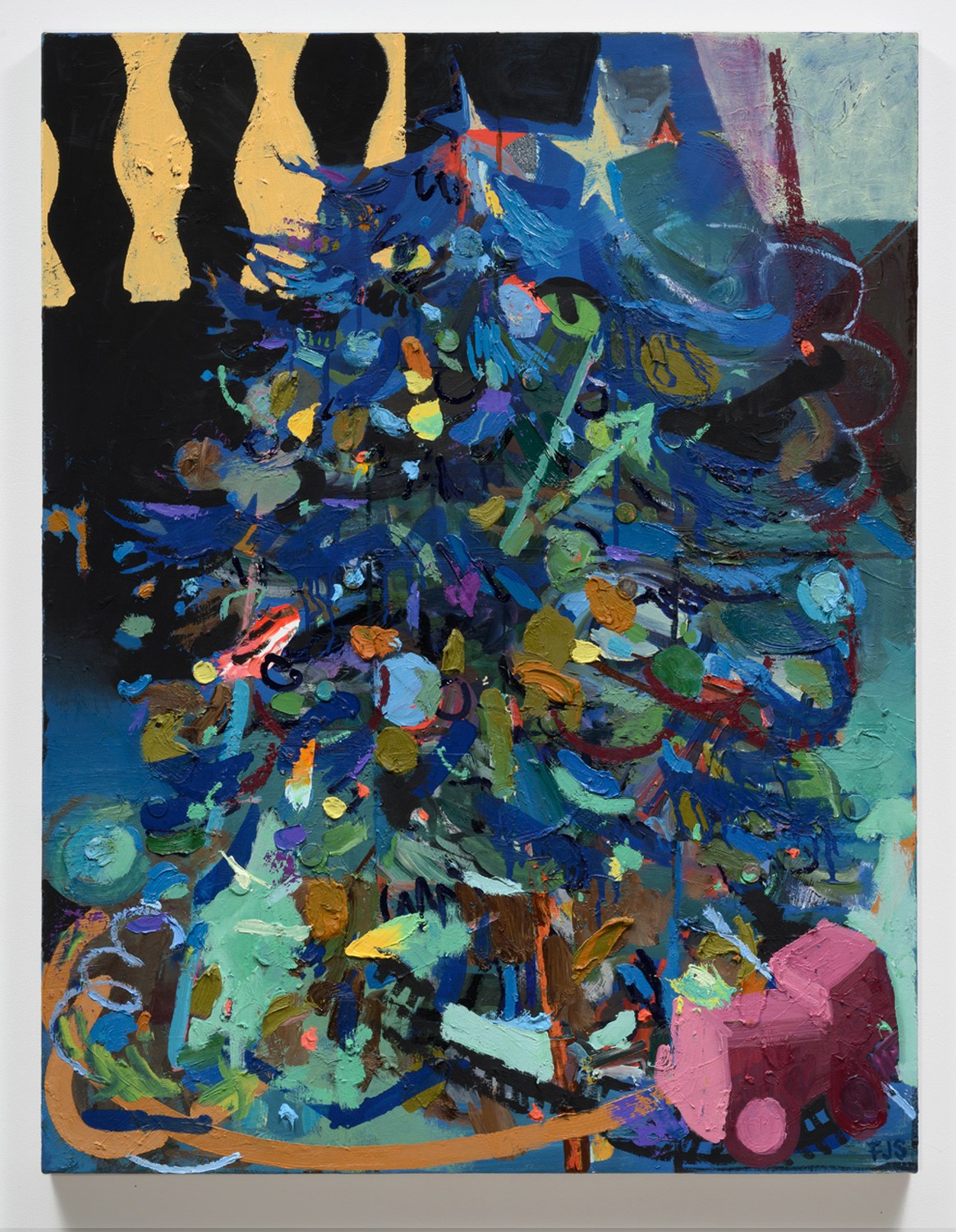
What can society do to ensure an environment that’s helpful to artists and creatives?
Art begins with commitment, not consensus. Support, then, can’t be reduced to funding.
Culture develops through repeated, specific encounters. The spaces and events that make that possible matter: galleries, museums, concerts, screenings, readings. They sharpen perception and train judgment through conversations, disagreements, and recognition over time.
Follow artists across years, and cultivate your taste by experiencing the arts in person.
Money gives artists time, but attention brings art to life.
Contact Info:
- Website: https://www.frankstockton.com
- Instagram: @fjstockton
- Facebook: https://www.facebook.com/FrankJStockton
- Other: Substack: https://frankstockton.substack.com/
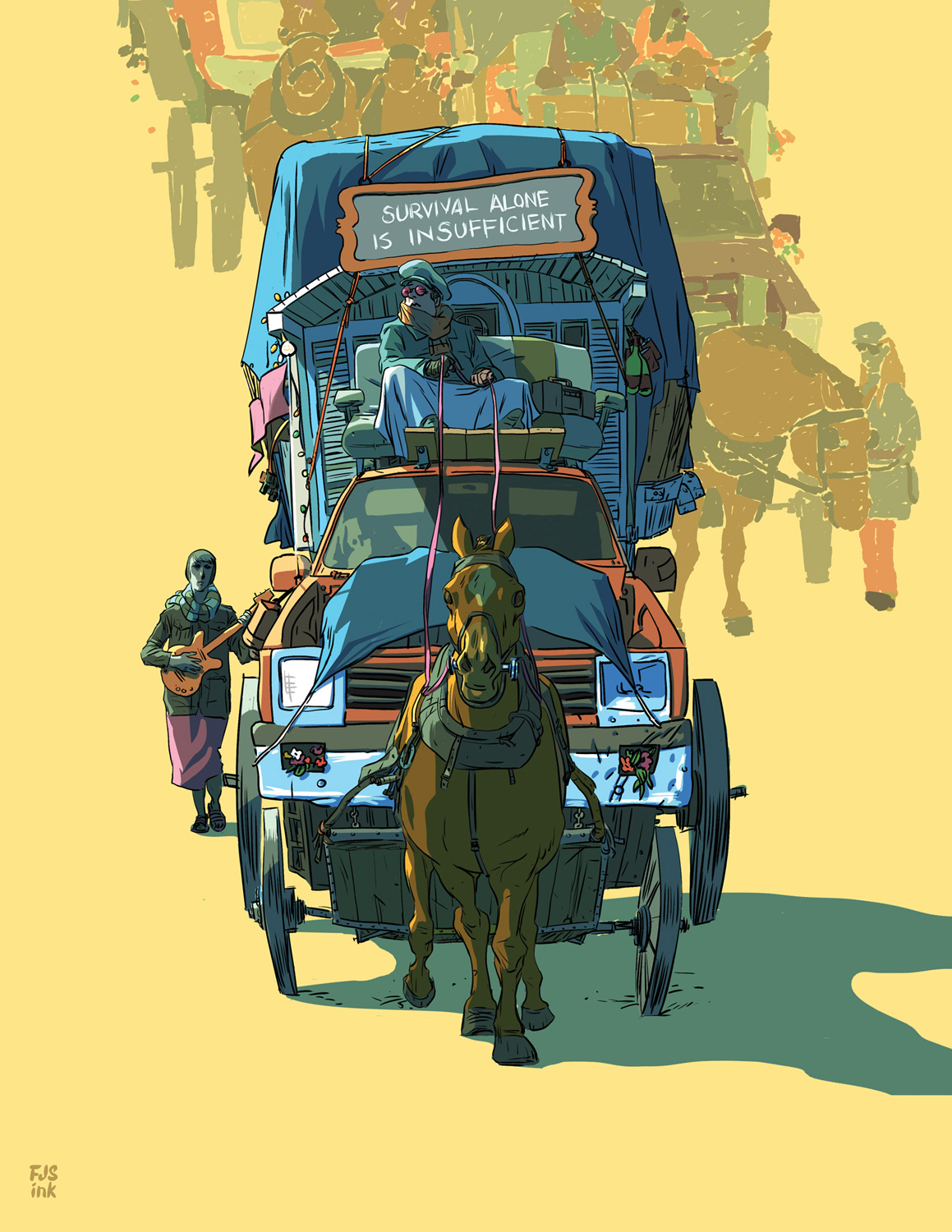
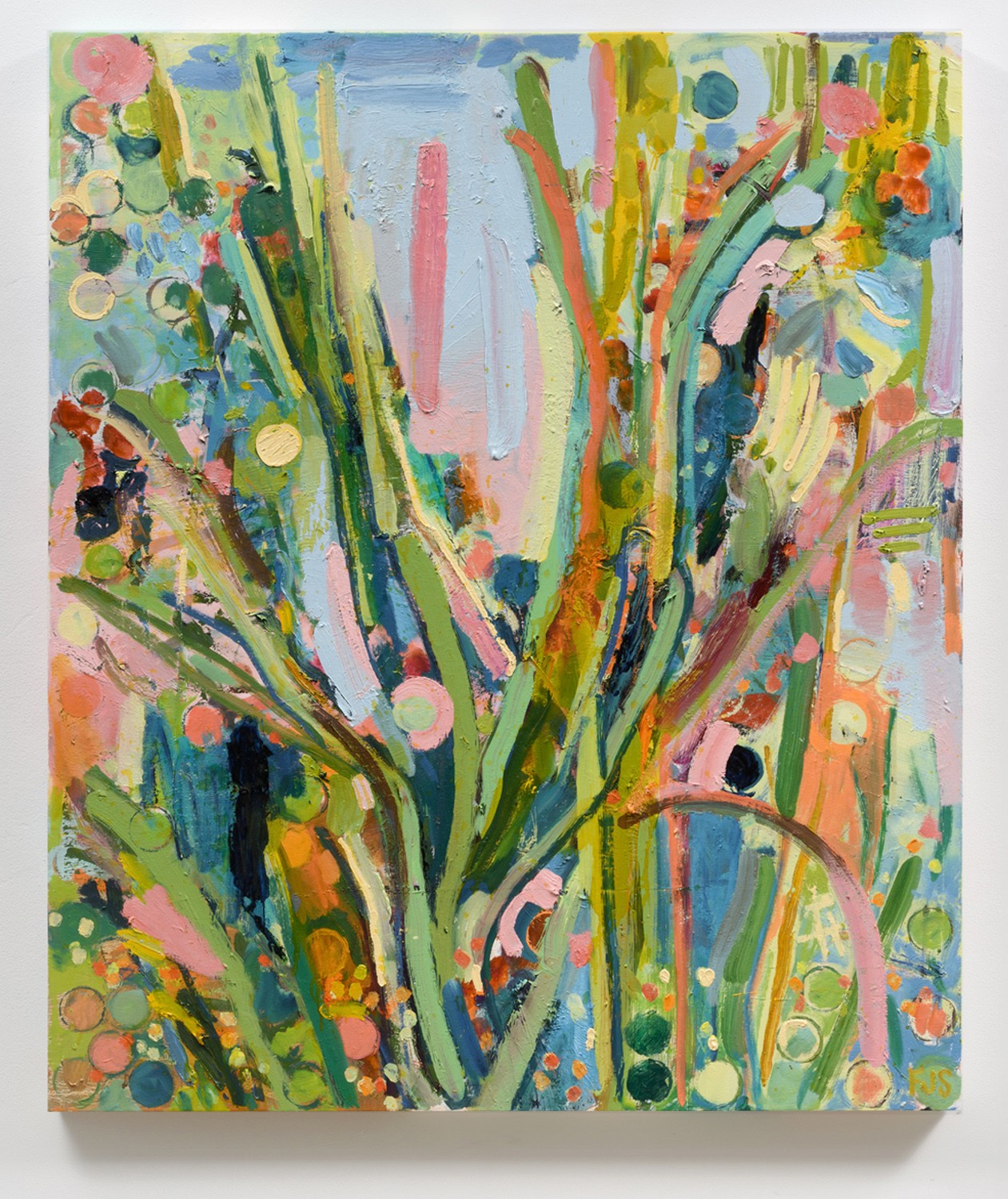
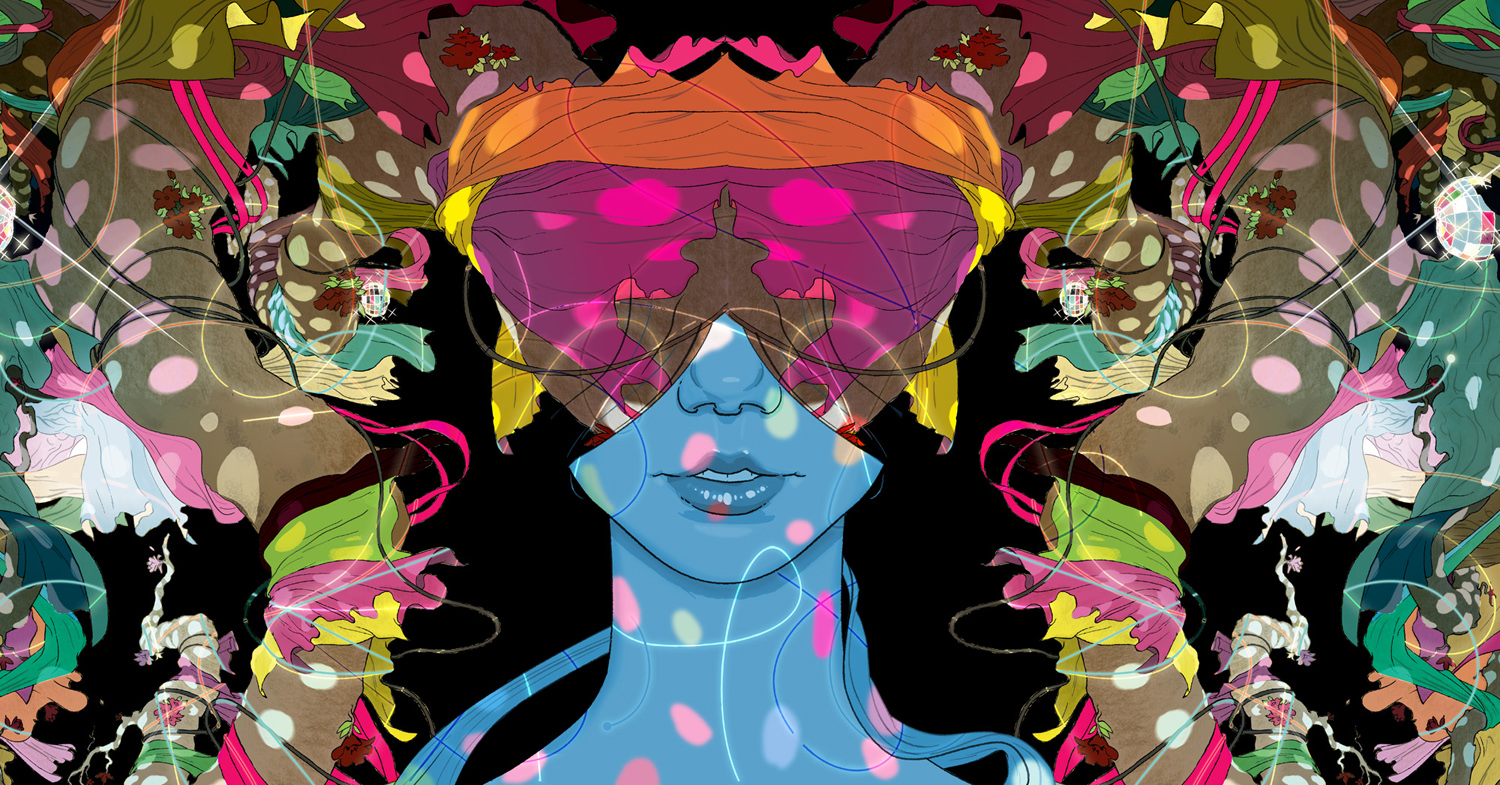
Image Credits
Alan Shaffer