We’re excited to introduce you to the always interesting and insightful Frank Rolfe. We hope you’ll enjoy our conversation with Frank below.
Frank, thanks for taking the time to share your stories with us today Let’s start with important influences in our lives. Is there a historical figure you look up to?
My first thought is Conrad Hilton, who lost everything in the Great Depression and then made the biggest comeback in real estate history. Here’s a guy that built an empire of luxury hotels and then lost every single one to bank foreclosure in the 1930s. Anybody else would have curled up in a ball and cried, but Hilton saw this misfortune as an opportunity. He convinced the banks to let him continue to manage the hotels they have taken away from him and then waited for the economy to turn around. By managing these assets he would see an upward trend ahead of everyone else. When he saw hotel occupancy start to turn up, he bought his hotels back from the lenders for a bargain and then went on to buy every major hotel in the U.S., from the Plaza to the Waldorf. He learned from this experience “never to build anything from scratch but instead wait for recessions and buy them in foreclosure for a penny on the dollar”. I am a huge fan of his profound underdog story and his ability to find opportunity even in the darkest times.

Frank, before we move on to more of these sorts of questions, can you take some time to bring our readers up to speed on you and what you do?
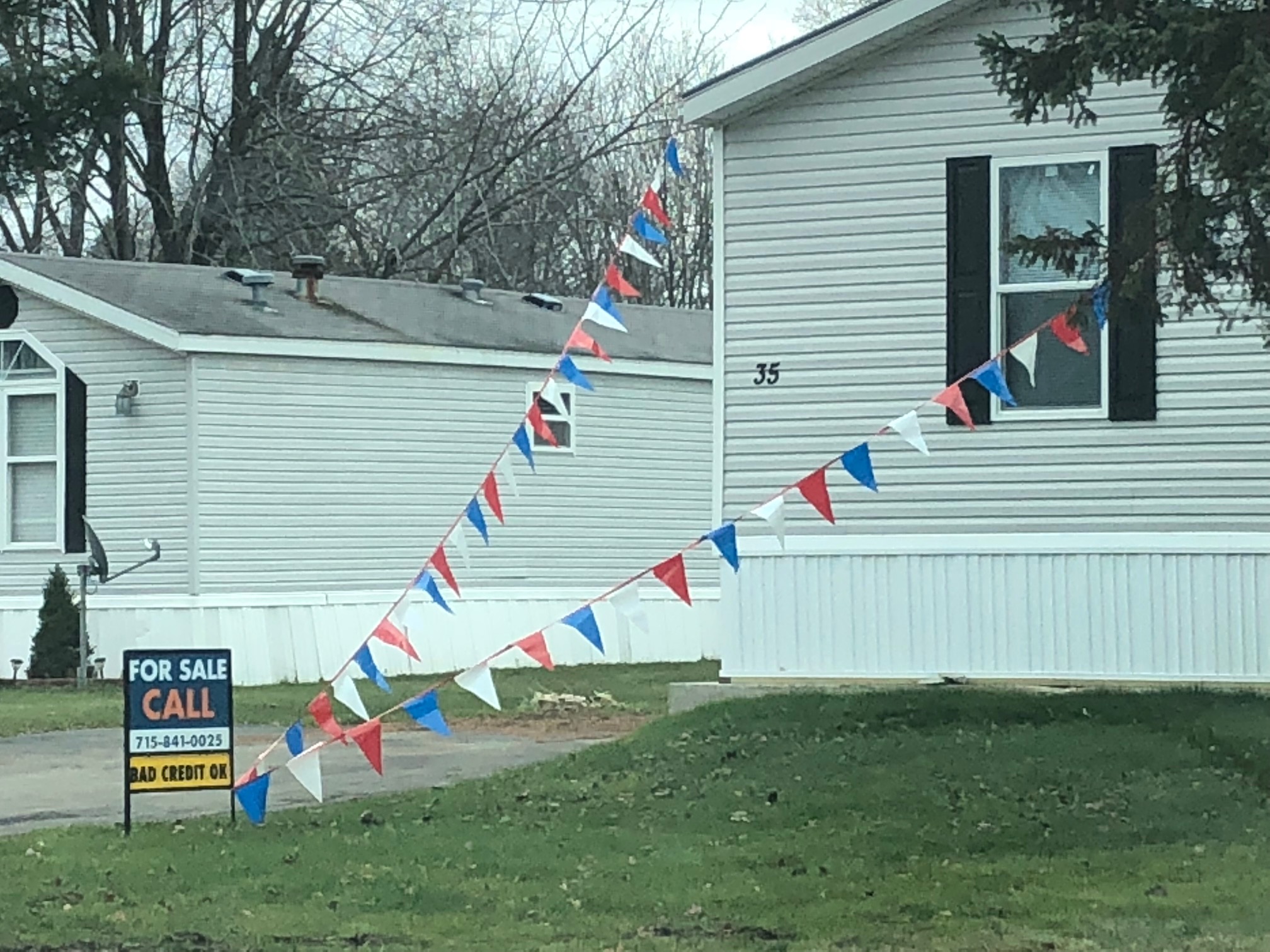
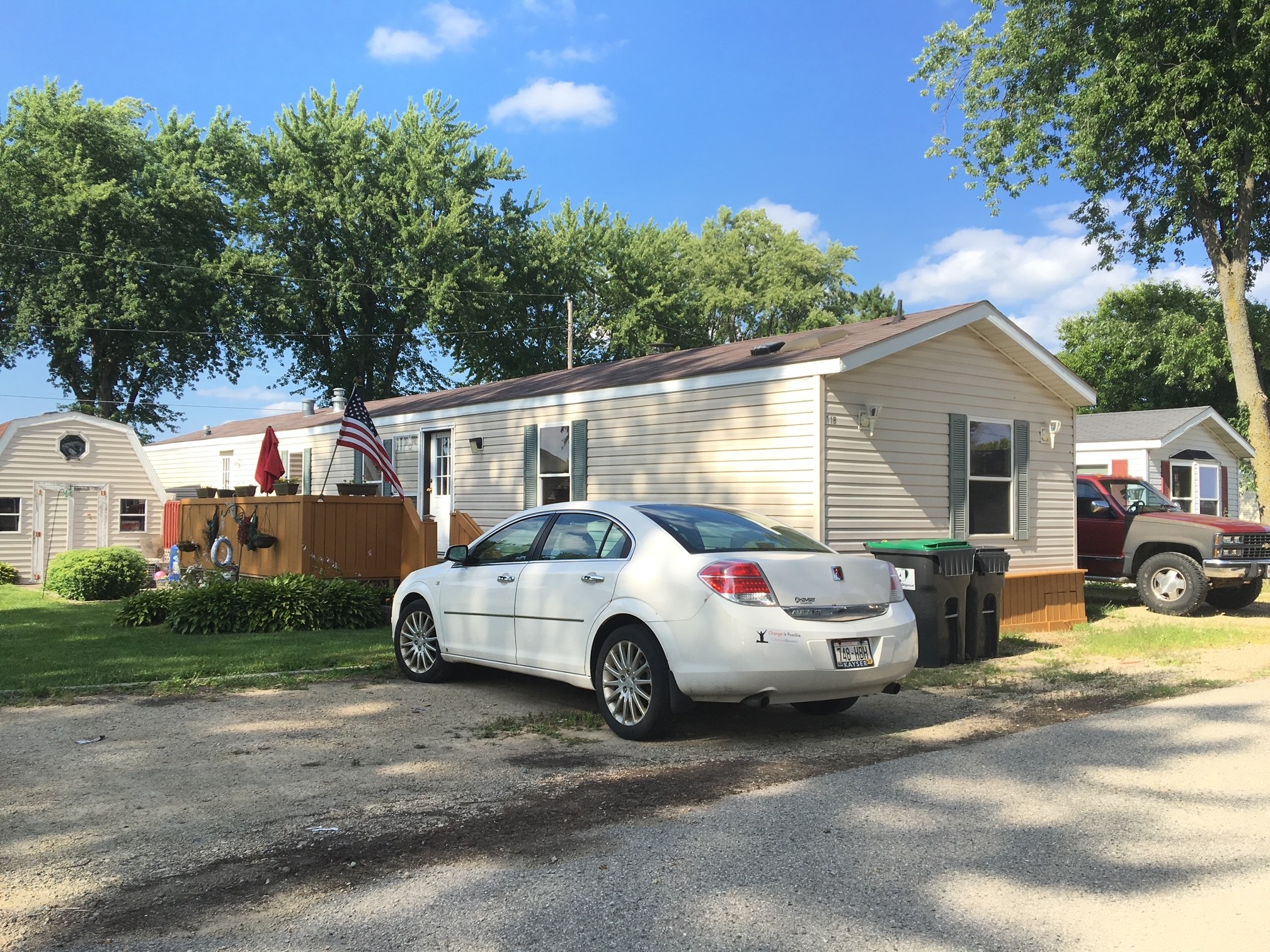
I have owned mobile home parks for 30 years and have ranked as high as the Top Ten in that sector. I also write and speak on the industry on a regular basis. Our website MHU.com is the leading provider of content to about 30,000 mobile home parks owners/buyers in the U.S. I have been featured in the New York Times, National Geographic, Time, Forbes, Bloomberg and many other publications.
My career has been built around doing things that others are not very interested in, and then hanging in there until they are (and the values go up). I am all the time thinking though the trends and what I think will be the next big thing, and then investing in it.
One of my key success qualities is the ability to run towards downturns and see them as an opportunity to expand my business.

Can you share a story from your journey that illustrates your resilience?
I started a billboard company when I got out of Stanford. I grew it into a nice little company until the Savings and Loan crash happened in 1988 and my revenue dropped by 50% in one year.. I knew I could either just sit there and cry or use the crash to buy up other depressed operators and grow my business. I doubled in size during that economic recession and then sold out to a public company when it turned around. I was inspired by buying a book at a used bookstore in Ft. Worth when all seemed lost and realizing that economic depressions are simply buying opportunities, not a time to give up. That book was “the Man That Bought the Waldorf: The Biography of Conrad Hilton”.
Learning and unlearning are both critical parts of growth – can you share a story of a time when you had to unlearn a lesson?
I went to Stanford University and, back in the 1980s, everyone thought the key to success was to be a professional or work at a big company. But I leaned with my billboard business back then that the most successful people I knew actually never went to college. So I gave up on the idea of going back to college to get an MBA and — although I’m ranked as one of the most notable graduates of Stanford on Wikipedia — I do not believe that college is essential for success.
Contact Info:
- Website: https://www.MHU.com