
We recently connected with Frank Gibbs and have shared our conversation below.
Frank, appreciate you joining us today. Alright, let’s take a stroll on memory lane, back to when you were an apprentice or intern. What’s a memorable story from that time that you can share with us?
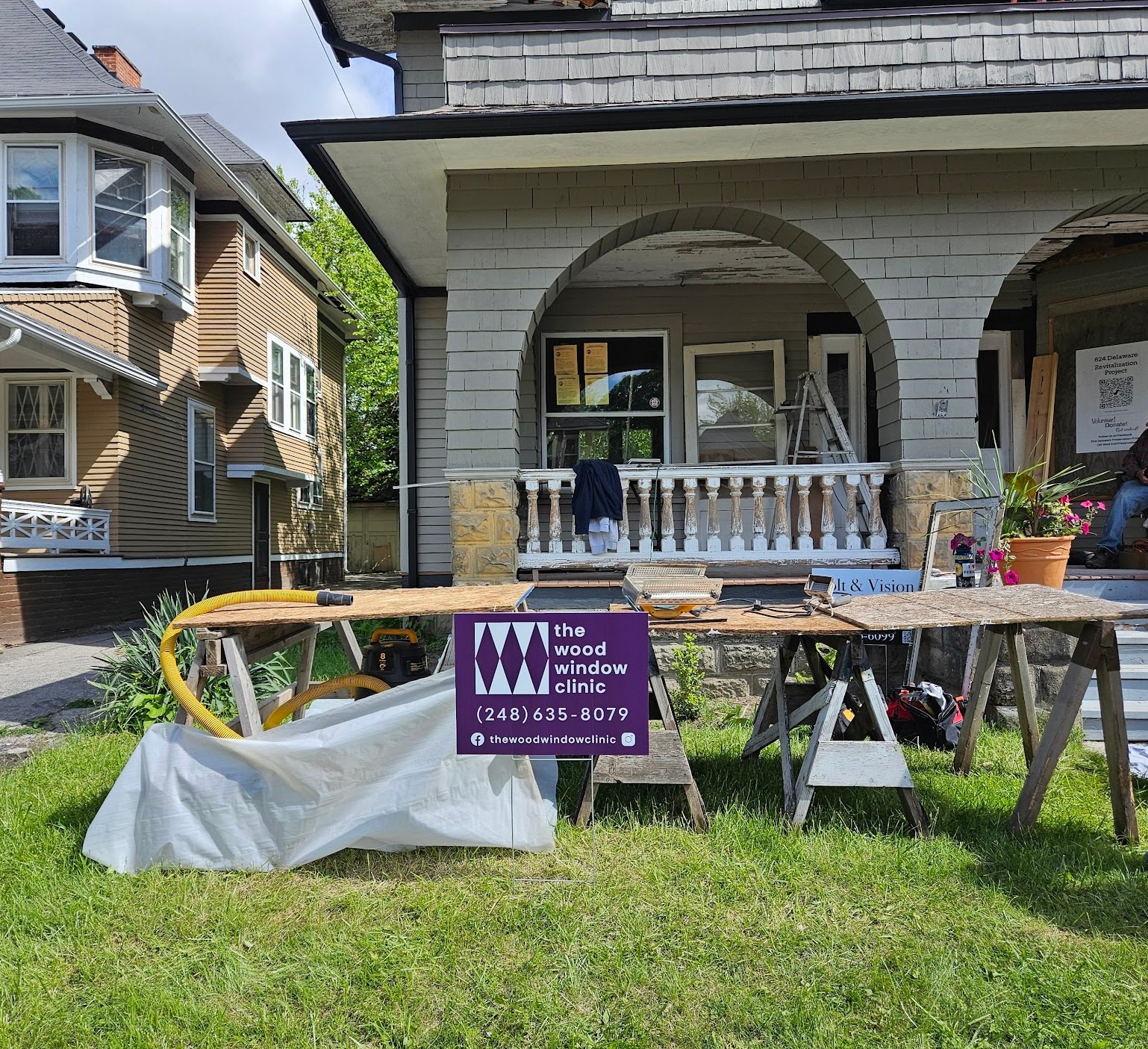
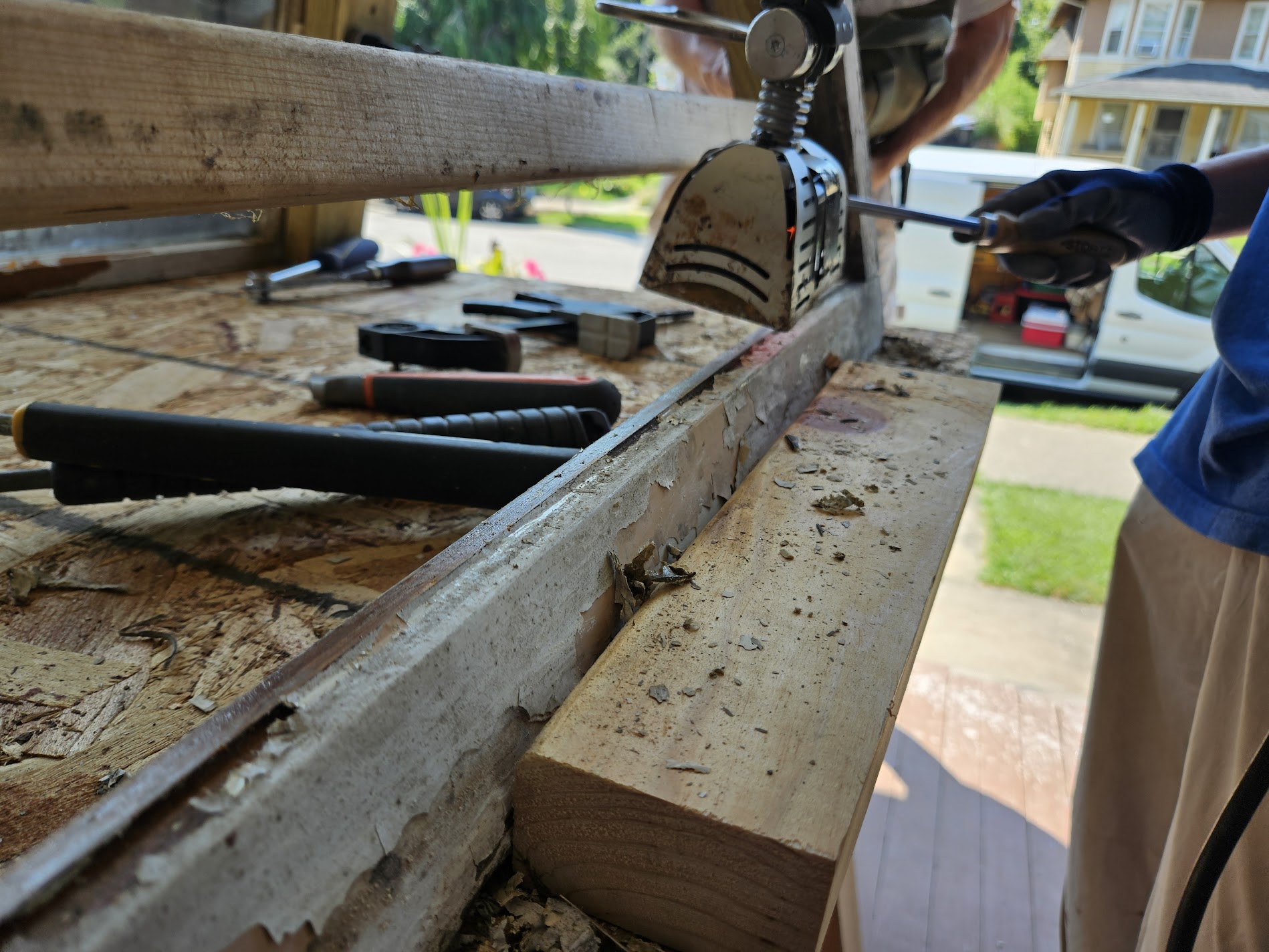
My trajectory is a bit all over the place which I think works for my style of “chaotic structure” which I tell myself is a personal tug of war between both ends of the spectrum. What that looks like in my business is having started it on my own and THEN having an apprenticeship… of sorts. A preservation project across the street gave me an opportunity to make a name for myself and share this craft with other neighbors. Well, that caught the attention of a product manufacturer who just happened to have a contact in the industry who, come to find out, was a pioneer in the world of window restoration (Duffy Hoffman). At first, he worked with me on my “window clinics”–the workshops I put on at the preservation project that was free for neighbors to attend and restore the windows. Two hour long workshops on Saturdays turned in multiple late nights–and then full weekends–long after volunteers had left. Thus began the start of a makeshift apprenticeship. I was now being brought into larger scale projects, traveling up to 7hrs one way to learn all things restoration, material science, historic structures, and commercial contracting. My haphazard processes began to take a sensible shape of uniform movements, sequential steps, and a cohesive end product. Every two weeks, I make the 2.5hr drive down to my mentor’s shop with a lavender-colored notebook in hand writing down every step, every process, every material, and every bit of extra knowledge I can from the best sandpaper grits to use for different scenarios and surfaces to epoxy repairs and paint prep. My previous understanding of this craft took on a whole new perspective with the depth of experience my mentor offered me in a way I’m sure my father would envy. That is to say, this is what they mean by “how they used to do things” and the information we thought we had lost in the digital age. This is someone with a familial history of prepping and painting and which oils or paints to use and when to use them. I have always struggled with parts of the digital age where I want to ask questions, I want a hands-on teacher, I want instant gratification in the sense that I want someone there to answer all the questions my creative and obsessed mind can conjure. In my 3rd year of doing this, I’m incredibly grateful–and lucky– to have found this “apprenticeship” before any bad habits could take root. I’m even thankful for the sometimes frustrating generational differences between my mentor and myself who is 40 years my senior because it gives me an understanding of the evolution of the craft as well as the evolution of the craftsperson.
Frank, love having you share your insights with us. Before we ask you more questions, maybe you can take a moment to introduce yourself to our readers who might have missed our earlier conversations?
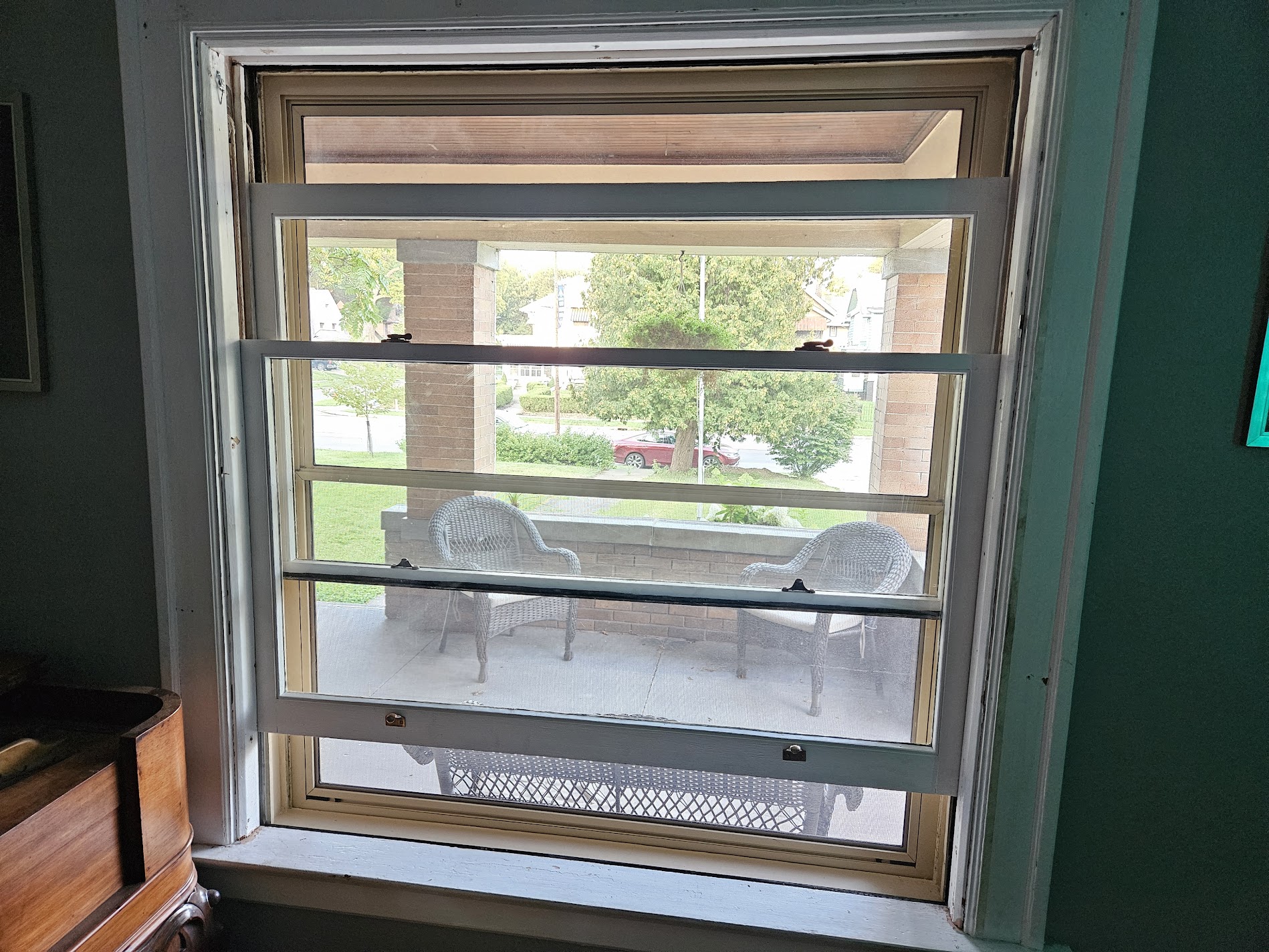
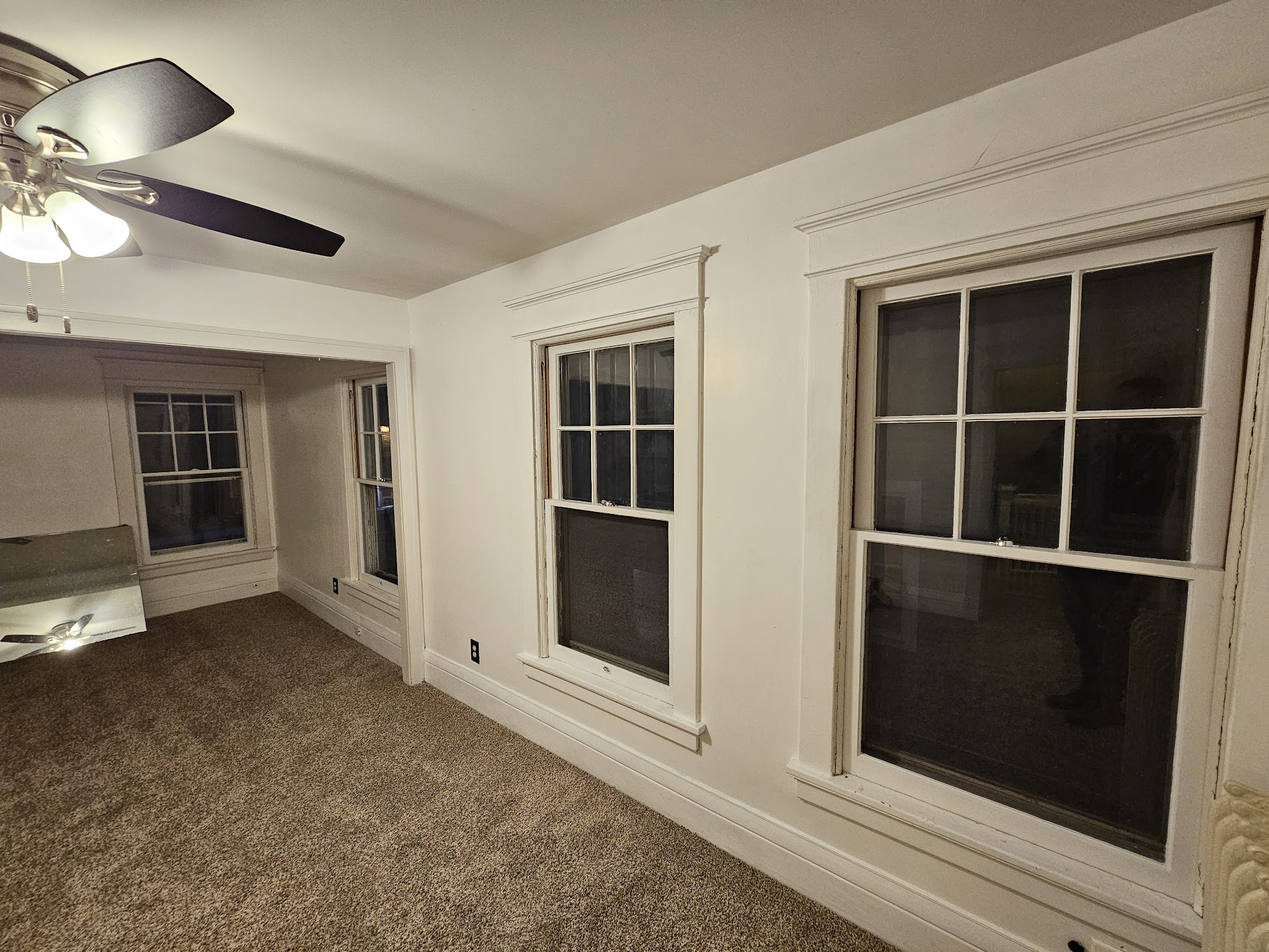
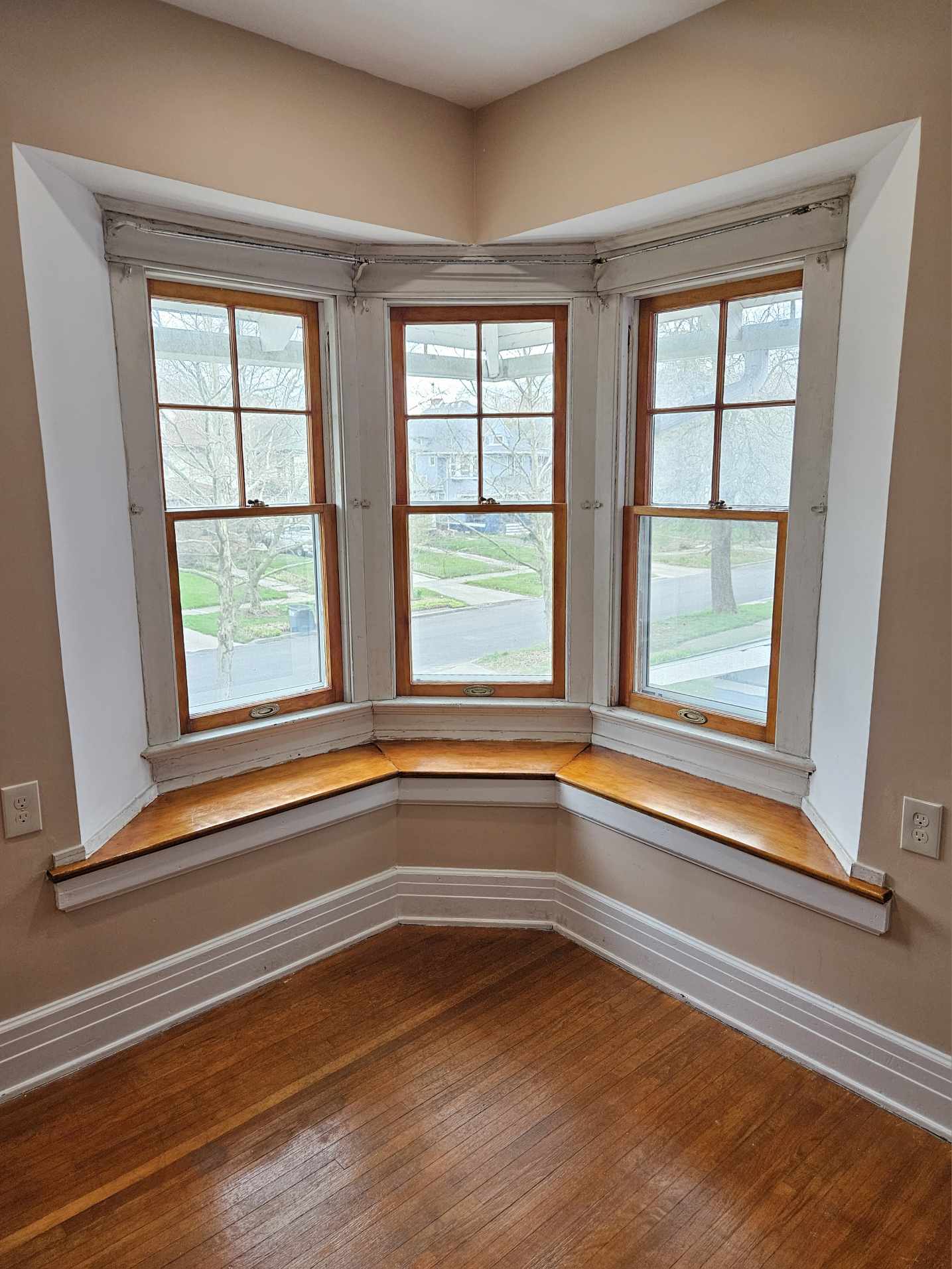
A mental health therapist by trade, my wife and I happened to buy a century home right as I was figuring out how to reengage with social media in a more healthy and productive way. I found a spectrum of professionals and hardcore DIYers to show how best to take care of these 100+ year old homes to last another 100+ years. Enter the “old wood window” and the simple complexities it offers. I learned how to fix broken glass, use linseed oil glazing putty, change out the ropes attached to hidden weights, and how to put it all back together again for a functional end product. To keep my background but have a little fun with it, I named my business The Wood Window Clinic to give the same attention to these oft forgotten/replaced windows that I did to my therapy clients. Now I can say I replace glass, rebuild windows, and put in new rope for the counterbalance–all things I learned over the last few years with little more than DIY experience under my belt.
I have since learned to put a few pieces together that make up an old home and how it’s designed to function. That includes how to problem solve and address moisture issues, rot, paint failure, and energy efficiency. While my background is certainly eclectic to say the least, it’s allowed me to zoom in and out on certain issues and look at the bigger picture aside from the individual parts. It’s the same approach I used in therapy: what symptoms someone is experiencing and identifying all the factors that led them to my session.
So, after all that, what am I most proud of? That I’ve stuck with it this long. I have a healthy mix of diagnosed OCD with a few undiagnosed ADHD symptoms that generally result in having a million hobbies that become dust collectors. Painting, drawing, piano lessons, collecting portable typewriters (that take up a lot of space!), and film cameras, the last of which I keep up with the most out of the rest. I’ve also learned to give myself grace. In a time of AI infringement, I have found it hard but possible to allow for the human touch and the human error that comes along with it. Time has not always been kind to these old homes in favor of new and flashy things lauded as “maintenance free”. Because of that, it’s taken a lot for me to forgo absolute perfection and search instead for progress in myself. I would like customers to see that new side of me. I’d like them to see that I put every bit of care into their home and the repairs I do because I want someone like me in 100 or more years to appreciate the things I’ve learned to appreciate and to carry that forward.
We often hear about learning lessons – but just as important is unlearning lessons. Have you ever had to unlearn a lesson?
As a therapist, I always imagined my strong suit being communication. Communication with clients, colleagues, in case consultations, during supervision, even down to note taking. I felt like an expert communicator. But I’ve never been a contractor and that makes such a difference in communicating expectations with customers in different ways than clients in therapy. In therapy, everything is a bit of a moving target with timelines being a bit abstract in nature. Sure, there are treatment plans with expected timeframes of improvement but things happen. In window restoration especially, you’re dealing with overlapping variables similar to therapy, however, I’m doing a different kind of work with different parameters. While I haven’t had to completely unlearn things, I’ve needed to be intentional about how I’m communicating a more concrete product with a historically abstract background. It’s been a big challenge and sometimes I worry I let my customers down. I’ve even spiraled a time or two about how my reputation might take a huge hit and my business will go under because of my own ineptitude. Deep breaths; I know I won’t let that happen. It is; however, a big fear I’ve had to stare down several times and I like to think I’m turning a corner with some recent projects.
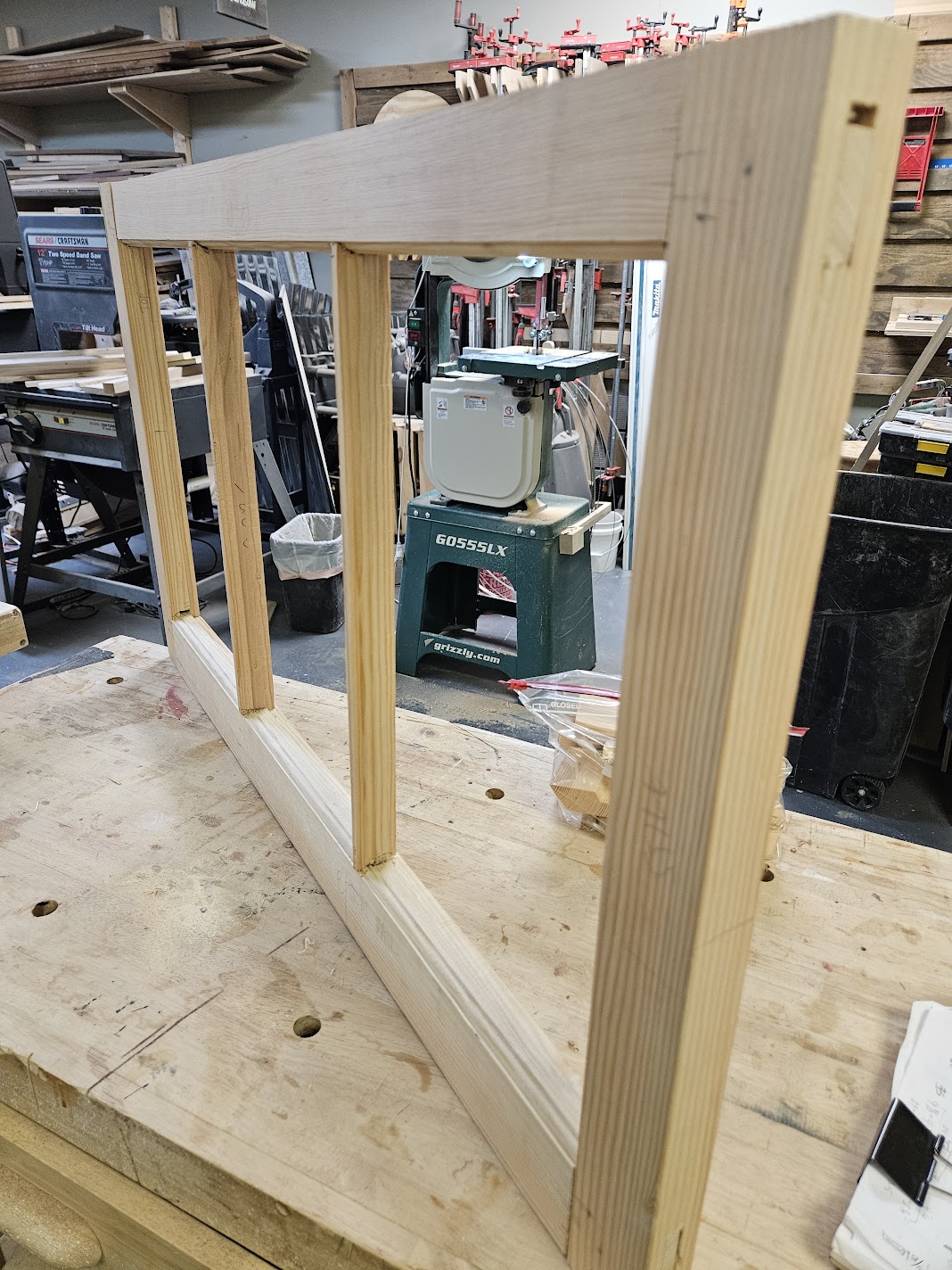
We’d really appreciate if you could talk to us about how you figured out the manufacturing process.
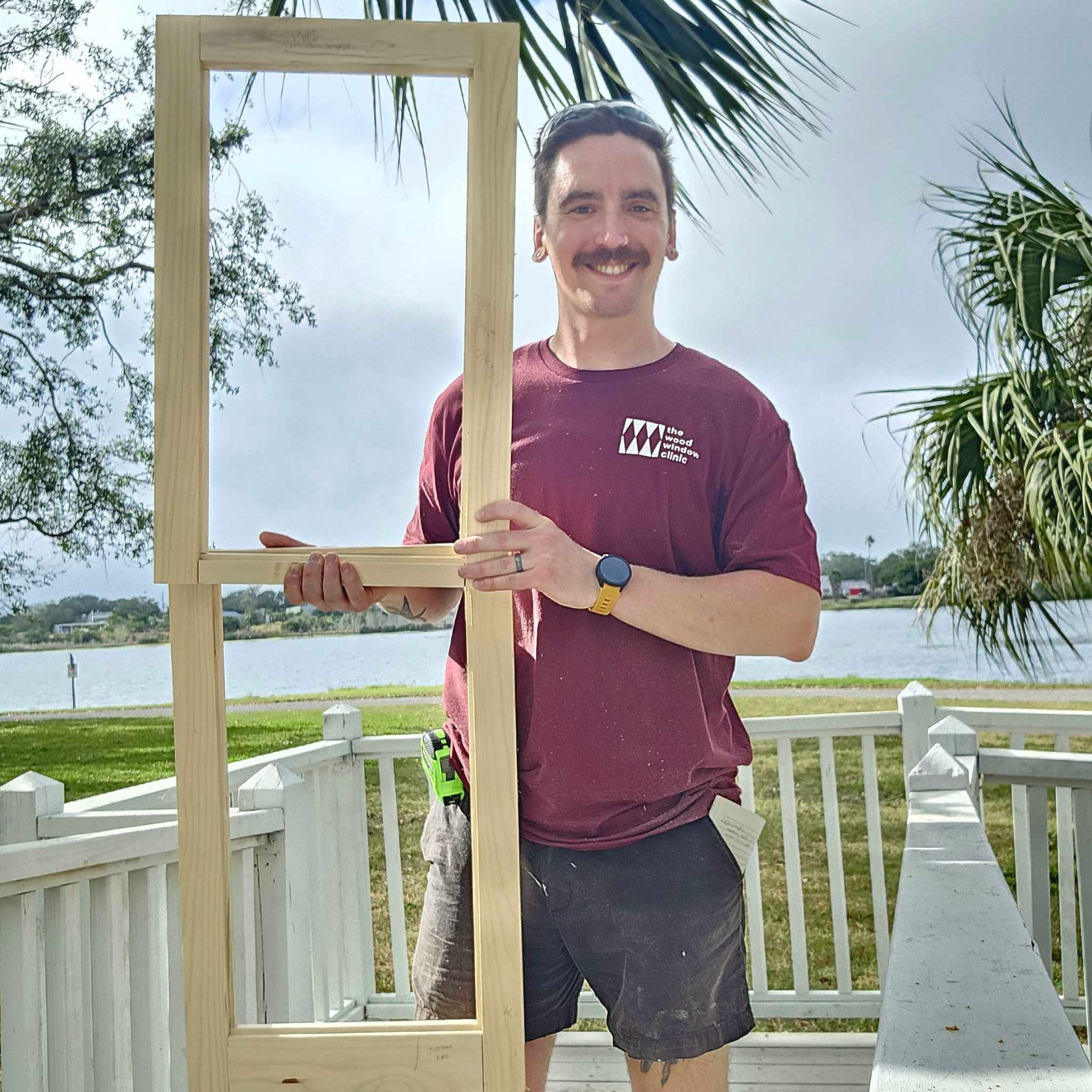
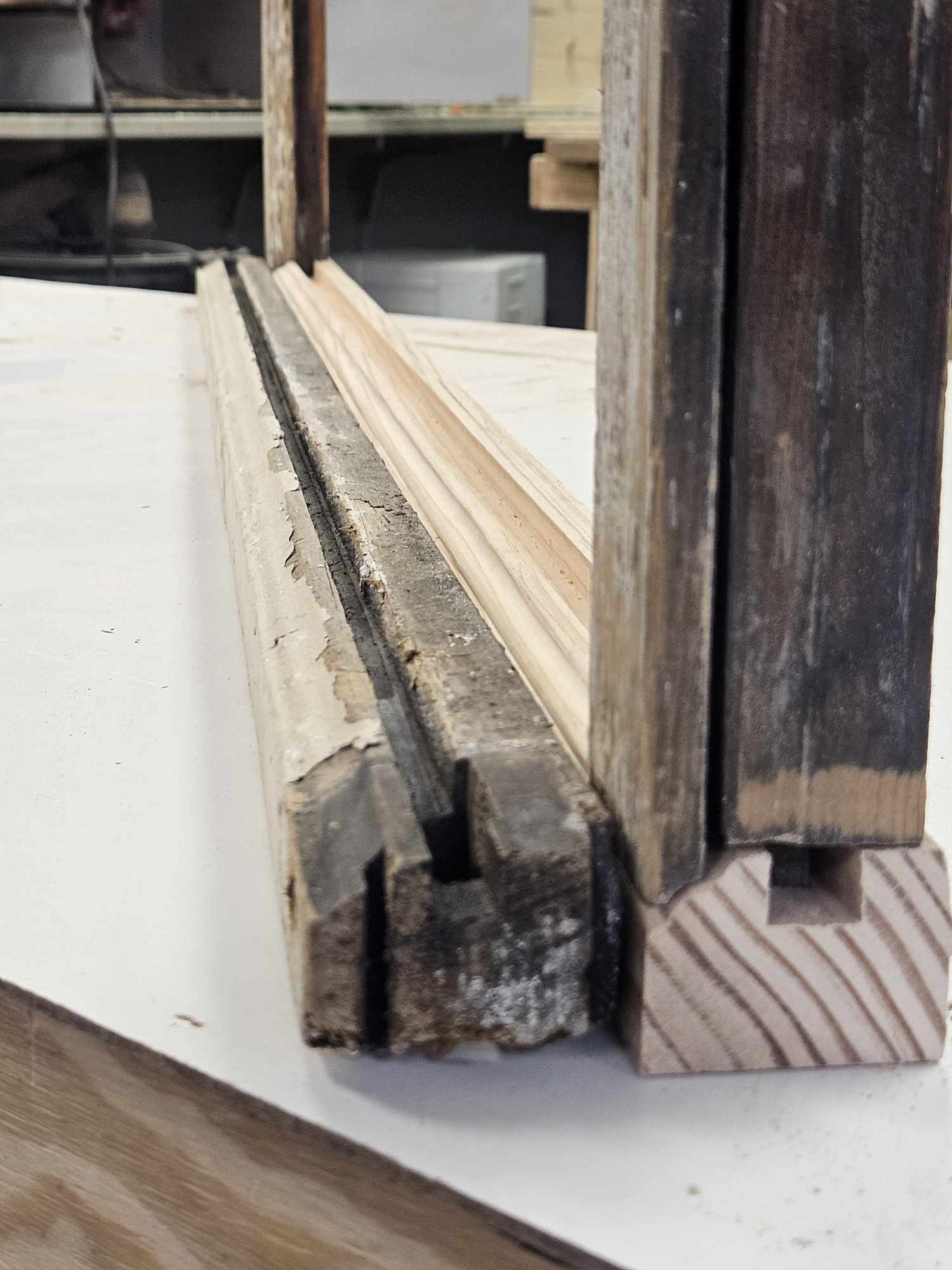
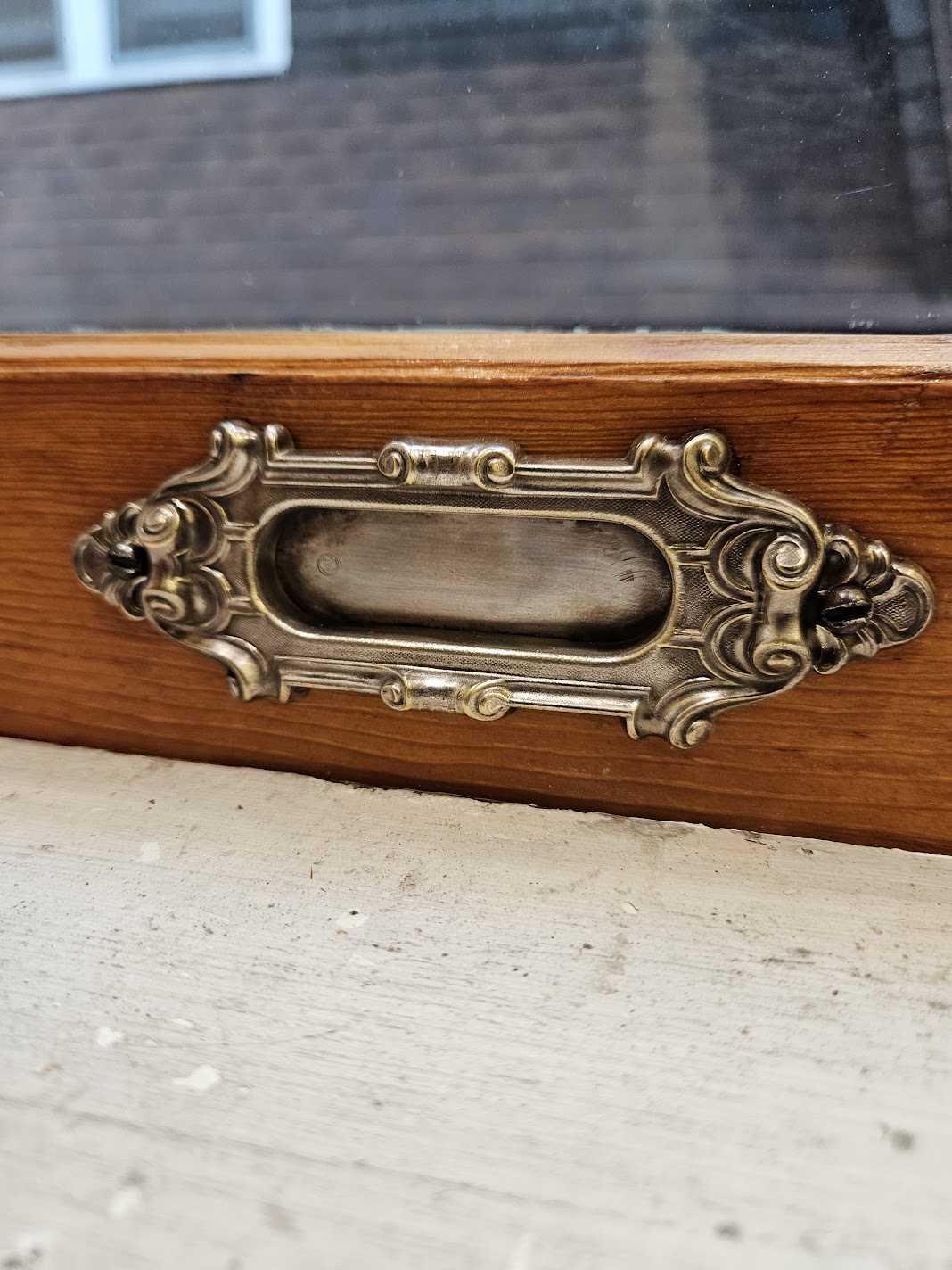
Once I knew the mechanics of an original window, it felt a bit intuitive as do most things put together by humans instead of factories. What I couldn’t nail down; however, was how they were put together and the joinery used in their construction. Through The Wood Window Makeover, I took a course in how to build a window. Mortise and tenon is some of the oldest joinery used across a wide range of cultures and it happens to be the root of building these traditional window units. From there, it’s a refinement of decoration, art, and functionality. There’s a decorative profile on the inside and a utilitarian “rabbet” on the inside where the glass sits. It’s not unlike a picture frame but there’s a harmonious juxtaposition of materials: wood, metal, glass, and glazing putty that starts to take shape as a window. Add in the touches of primer, paint, and finishing and voilà, you’ve made a window, sort of. You also have to allow for the rope that connects to the weights, factor in the slope of a window sill for moisture wicking, and the meeting rail–where the top and bottom sash of a full window come together–that creates a tight seal. It was the small touches I didn’t expect to find. Ironically, you find yourself looking through a window and rarely at them or at least that’s what happens with newer construction and newer windows. We forget the artisanal touches that used to go into things. We overlook how even downspouts were treated as a decoration. Because of this, I’ve relearned to appreciate all the fine touches and imperfections that come with human made products and have lost touch with the things that feel inherently devoid of human creation. It sounds overly romantic but it’s a balance between form and function without fully sacrificing either in the endeavor.
Contact Info:
- Instagram: https://www.instagram.com/thewoodwindowclinic
- Facebook: https://www.facebook.com/thewoodwindowclinic