



We were lucky to catch up with Florie Gounelle recently and have shared our conversation below.
Florie, appreciate you joining us today. Can you talk to us about how you learned to do what you do?
Singing and teaching singing are two distinct but connected journeys. This is something common to all teaching professions, I guess: you may master a craft, but the moment you feel the desire to pass it on, you quickly realize that knowing how to do something is very different from knowing how to teach it. I began teaching singing as a student job, and almost immediately felt the need to deepen my understanding of the voice—not only to improve my students’ technical abilities but also to grasp what was happening inside their throats (and hearts).
From that moment, I sought to fill the gaps in my knowledge. First, by learning more about the voice to teach better, and then by developing the pedagogical tools necessary to pass on that knowledge effectively. I became involved with organizations dedicated to helping teachers, such as IVTOM, Flow Phonation, and continuing professional development programs. But in the ever-evolving world of voice science, there’s always something new to learn. This is a blessing, but because I feel it is a duty to keep ourselves updated, it’s also a curse (laughs)! At times, this can be overwhelming because new discoveries often challenge what we once believed to be true. Reassessing our understanding can be disorienting, especially since teaching singing is not only about theory—it’s a practical skill. As singers and teachers, we constantly have to adjust how we perform and how we guide others.
To gain even more clarity, I decided to pursue a Master’s in Vocal Pedagogy with the Voice Study Centre. It has helped me take a step back and view things from a broader perspective, and I now have access to an endless range of tools to refine both my teaching and my understanding of the voice, vocal performance, and musicians’ minds.
Beyond the practical aspects of the voice, I also wanted to understand my students on a deeper level—the emotional and psychological challenges they face. This led me to earn an accreditation in coaching. I wanted to be able to define clear objectives with my students, not just in terms of vocal technique but also in terms of their mindset. The ability to ask the right questions and help them push beyond their perceived limits has been invaluable. I loved my coaching training so much that I decided to become a professional coach for musicians as well. In this role, I now help artists navigate creative doubts, overcome performance anxiety, manage their artistic persona, and handle the ups and downs of their creative lives (among other things!).
For both teaching and coaching, I believe the most essential skills are humility and curiosity. The more I learn about music, the voice, and the lives of musicians through my business Howling Birds, the more I realize how much I still have to learn. It’s really humbling (and a bit scary if you let your mind wander on the subject!) to understand that the more you know, the less you know. It’s like walking through a vast forest—one that seems familiar, but each time you tread a well-known path, you find a hidden trail that leads to new and exciting knowledge. The more you walk, the more you realize you don’t know the forest *at all* (laughs). As teachers and coaches, it’s easy to assume we understand our students’ and clients’ feelings and experiences, but doing so can close the door to new opportunities for growth—both for ourselves and for the people we work with.
Florie, love having you share your insights with us. Before we ask you more questions, maybe you can take a moment to introduce yourself to our readers who might have missed our earlier conversations?
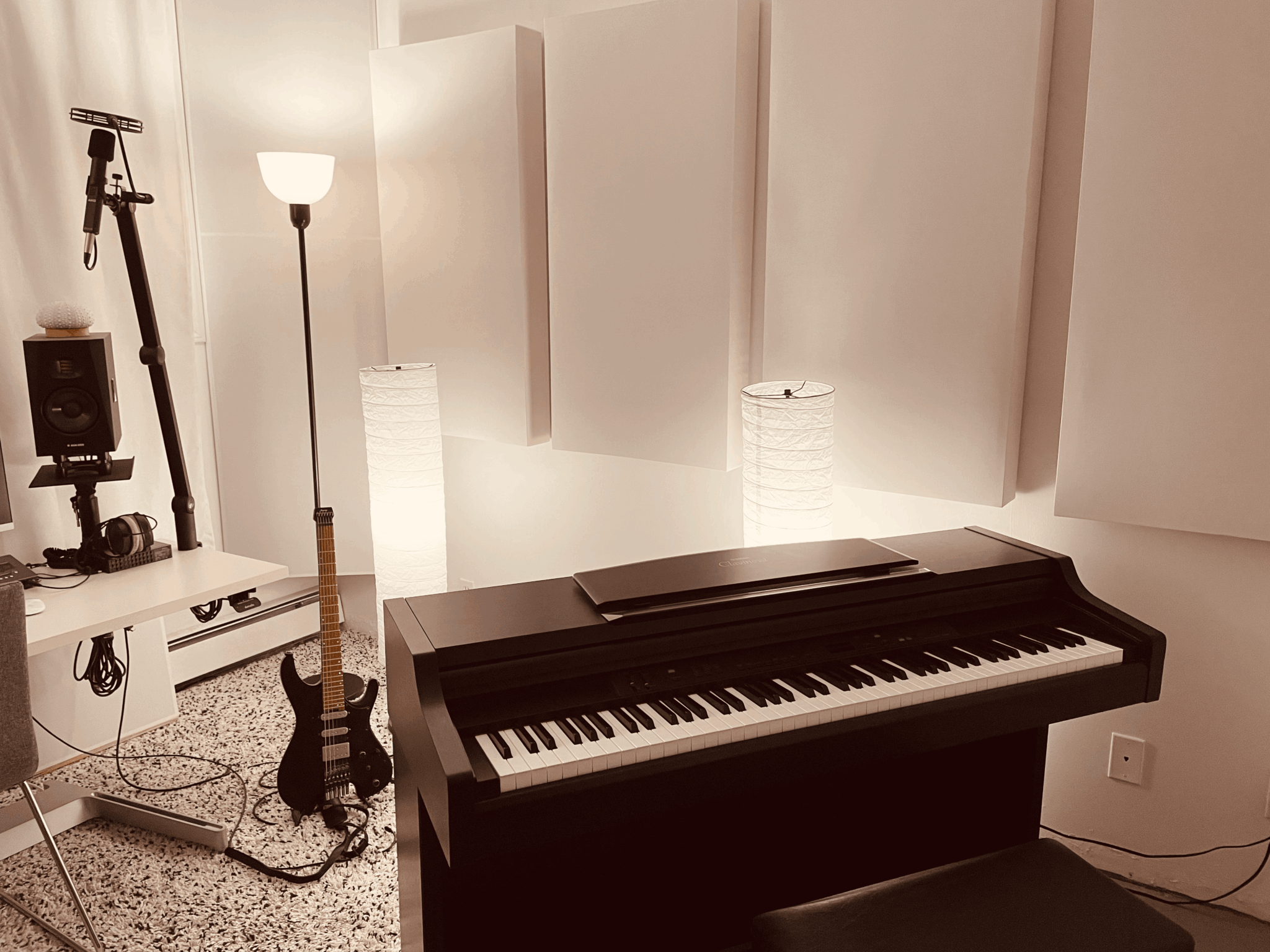
Hi, I’m Florie, a musicians coach and voice teacher, passionate about helping people find their true voice and navigate the challenges of a creative life. Through my business, Howling Birds, I work online and in person with singers and musicians of all levels, guiding them through both the technical and emotional aspects of their craft.
I’ve been singing for as long as I can remember, though it didn’t initially occur to me that I would make a career out of it. Music was such a natural part of my life—I played instruments and sang all the time—so it’s funny, in hindsight, that teaching singing never crossed my mind. Now that I think about it, it really seems silly, especially since I feel so fulfilled with my teaching and coaching work (laughs). Sometimes I think, “It was right in front of you this whole time, you fool!” It wasn’t until I started teaching as a student job that I realized how much I loved it—it was a true revelation for me. Coaching followed a similar path. I felt like I was only scratching the surface with my students, and I needed new tools to help them grow. That’s when I discovered coaching, and I loved it so much that I decided to coach beyond just singing.
Now, I offer singing lessons for all levels and styles, including the speaking voice, and my mission is to help people find their true voice. It’s not just about technique—I guide my students to love their voice, push their boundaries, and craft something authentic to themselves. I also coach musicians on being the artists they want to be, unlocking their potential, and balancing their personal and professional lives as creatives. My aim is to give them the tools to step out of their artistic comfort zones and shine bright!
I believe it’s very important to demonstrate patience, empathy, and non-judgment in both voice lessons and coaching sessions. I truly believe in my clients’ and students’ potential, even when they don’t see it themselves. In singing, I let students set their own goals, no matter how big or small they might seem, because it’s their journey. I’m there to show the possible paths, not to dictate how their journey should unfold. In coaching, I’m often simply there to hold clients’ hands, always amazed at how they already have their solutions—they just need a bit of guidance and the right questions to see them clearly.
What I’m most proud of is the progress I see in my students and clients. Watching them grow and become more confident, both in their craft and in themselves, is incredibly fulfilling for me. It may sound cheesy, but eh, I’m cheesy sometimes, and their successes truly fill my heart with pride!
Is there a particular goal or mission driving your creative journey?
The core of my mission as both a coach for musicians and a voice teacher is to help people trust their voice—whether it’s their inner voice or their singing or speaking voice, which I call their “outer” voice. I genuinely believe that with the right support and encouragement, my students and clients can accomplish wonders. It’s heartbreaking to see so many people hold back because they doubt themselves or their abilities. I want to help them see that their potential is far greater than they imagine. I think you might know the feeling I’m describing: when someone you care about doubts themselves, and you can’t understand why because you see all their strengths, and you’re thinking, “Why in the world are you even doubting yourself?! You’re amazing, and you know how to do this, and this, and this! Why can’t you see it?”
I also find it so unfortunate when people are told they don’t sing well, and it robs them of the joy of singing. Mind you, it’s often just a matter of not knowing how to use their voice, and with a few tweaks, they’re good to go! But let’s say you think you’re a terrible drawer, but doodling makes you happy. So what? Are you going to stop doodling just because you think, subjectively, that you’re not good at it? Let’s remember the love and happiness that come from expressing yourself through art. One of my favorite moments is when I hear my students humming a song as they leave a lesson, no matter their singing level. It tells me they’re leaving with a touch of happiness, and I love it. The voice isn’t just a tool for self-expression—it’s also a way to build self-awareness and confidence.
In coaching, my goal is to help people discover their own inner strength—to become their own kind of superhero. Whether in voice lessons or coaching sessions, I love seeing people get to know themselves more deeply and feel proud of what they’ve achieved. In both roles, it’s about showing them how much they’re truly capable of.
Ultimately, I want my students and clients to love themselves and see their potential as much as I do. I want them to leave every session not just with technical progress, but with a stronger sense of self, a renewed trust in their own creativity, and a belief in what they can accomplish.
What’s the most rewarding aspect of being a creative in your experience?
It’s that I get to live every day as a different day, a new adventure, both as a coach and a voice teacher! Even when I work with musicians on similar themes—like finishing songs and releasing albums—the journeys and solutions they choose are always unique. I love how the process is never the same, and that constant change keeps things exciting and fulfilling. As a singer, I feel this too. While I sing purely for the love of it and not to brand myself as an artist, the freedom to explore different styles without any pressure is a huge part of why I love what I do. That creative freedom is something I also find in my coaching and teaching—no two days ever resemble each other, and I wouldn’t want it any other way.
I understand how this might sound redundant, but the moments that make me feel most fulfilled are when my students or clients succeed, even if it’s tiny steps like mastering a vocalisation pattern. It’s also when they feel proud of what they’ve accomplished—whether it’s mastering a new singing technique or pushing through creative blocks in coaching to come up with a whole new composition project. Watching them grow and succeed is always incredibly rewarding.
There are so many success stories that stand out to me, from students getting into the schools or auditions they worked so hard for, to clients overcoming fears and performing on stage. I’ve also had the privilege of helping people rehearse surprise songs for weddings or proposals, and it’s always emotional when they come back to tell me how it went.
Working with creatives, in particular, makes me feel even more creative myself. You’d think that at some point the circle of creativity would come to an end, like “Wow, someday all the ideas are going to get used up!”, except that it does not. This is weird, right (laughs)? It feels never-ending—it’s a beautiful cycle that keeps feeding itself.
Contact Info:
- Website: https://www.howlingbirds.com
- Instagram: @howlingbirds
- Facebook: https://www.facebook.com/howlingbirds/
- Linkedin: https://www.linkedin.com/in/floriegounelle/
Image Credits
Marc Ginot