

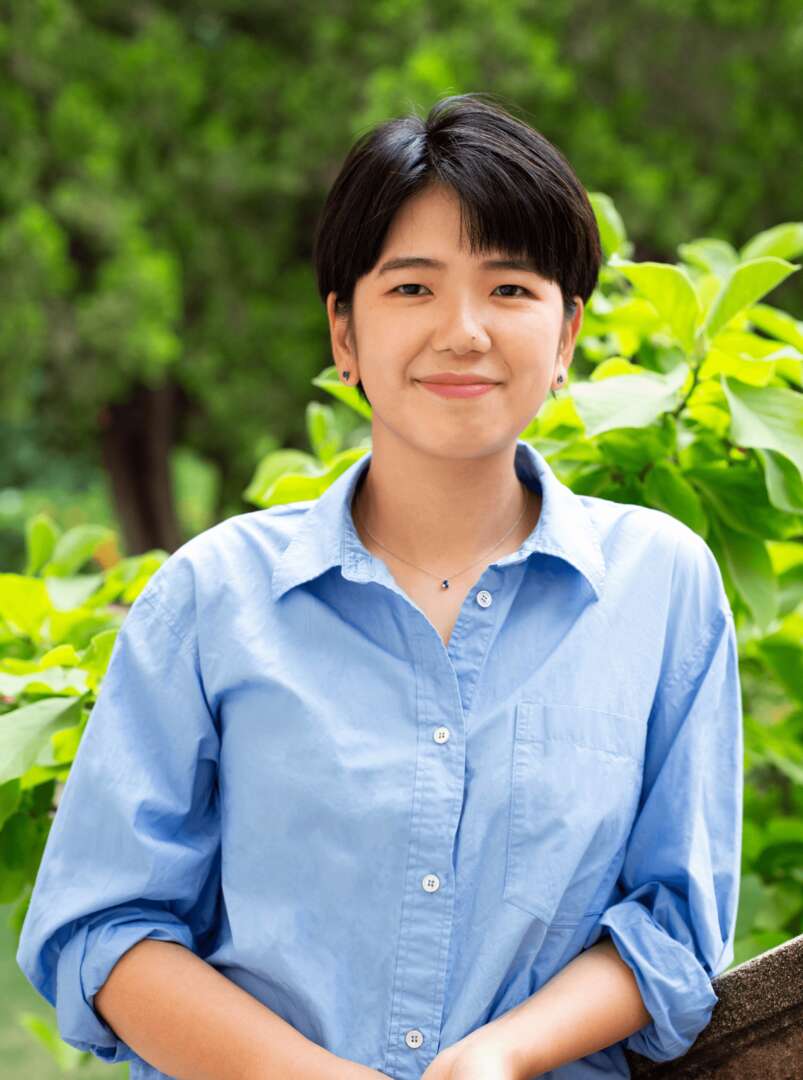

We recently connected with Eunice Choi and have shared our conversation below.
Eunice, thanks for taking the time to share your stories with us today We’d love to hear about a project that you’ve worked on that’s meant a lot to you.
Since last year, I have been continuing two projects that began with mixed emotions of loss, grief, confusion, fear, and a sense of imbalance.
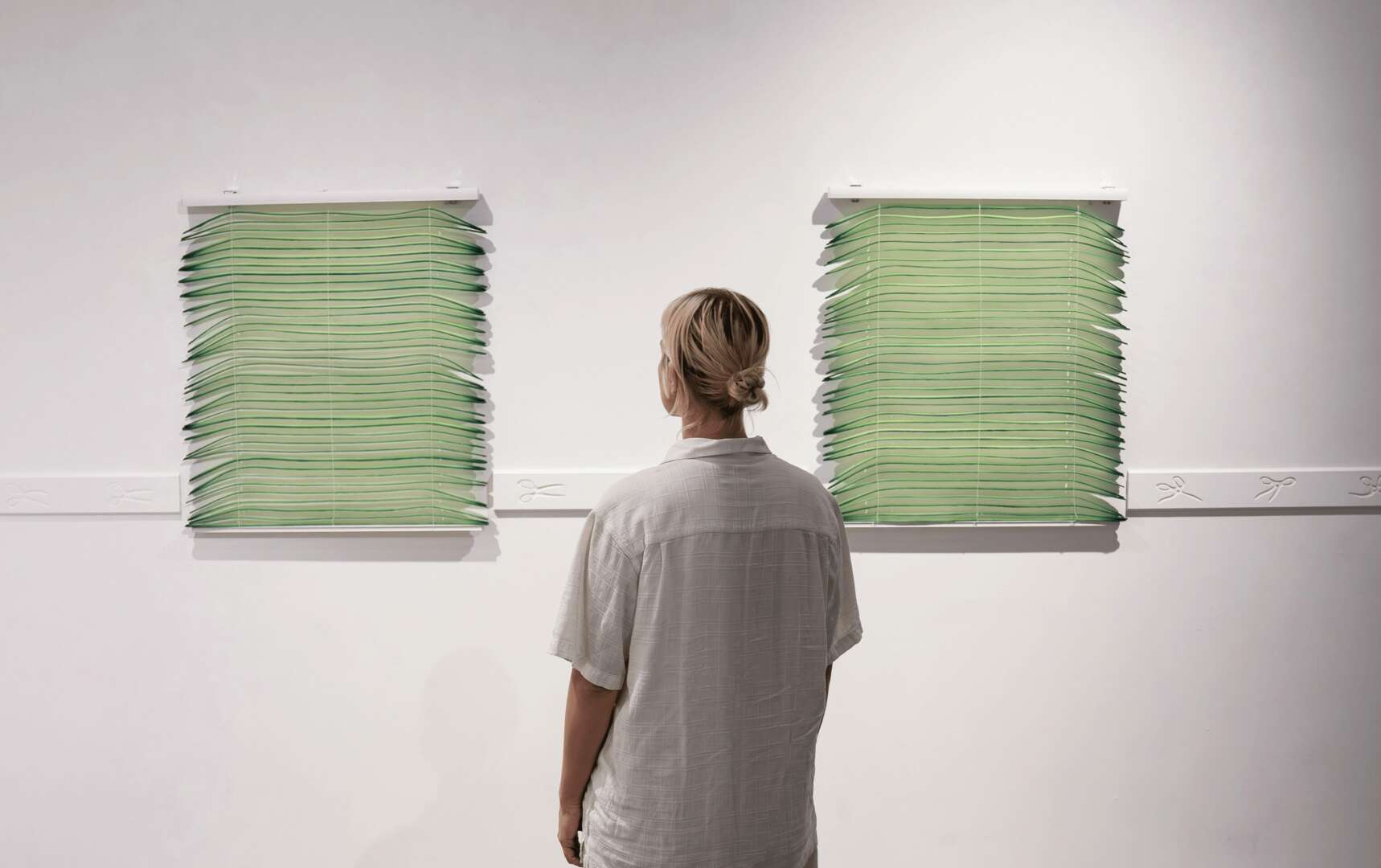
It started with the project In Between Letting Out and Holding In, an installation with sculptures and video, where I sought to understand the emotions I was struggling with while grieving—such as pain, denial, numbness, and sorrow. In extreme fear and panic, I couldn’t comprehend what I was feeling, nor could I find the language to express it.
Unconsciously, I began searching for different metaphors as an alternative language. For instance, I used a cucumber as imagery because I felt like I was carrying tears inside my body, much like a cucumber holds moisture. As I struggled to break down my emotions, I started to imagine myself as a non-functional cutting tool. While drawing distorted scissors in an array, I noticed how the distorted scissors could resemble ribbons. Ribbons signify tying things together, connecting, or closing, whereas scissors are for cutting and trimming things into pieces. I found myself incapable of cutting or closing my feelings. Instead, I was in between, oscillating between scissor and ribbon.
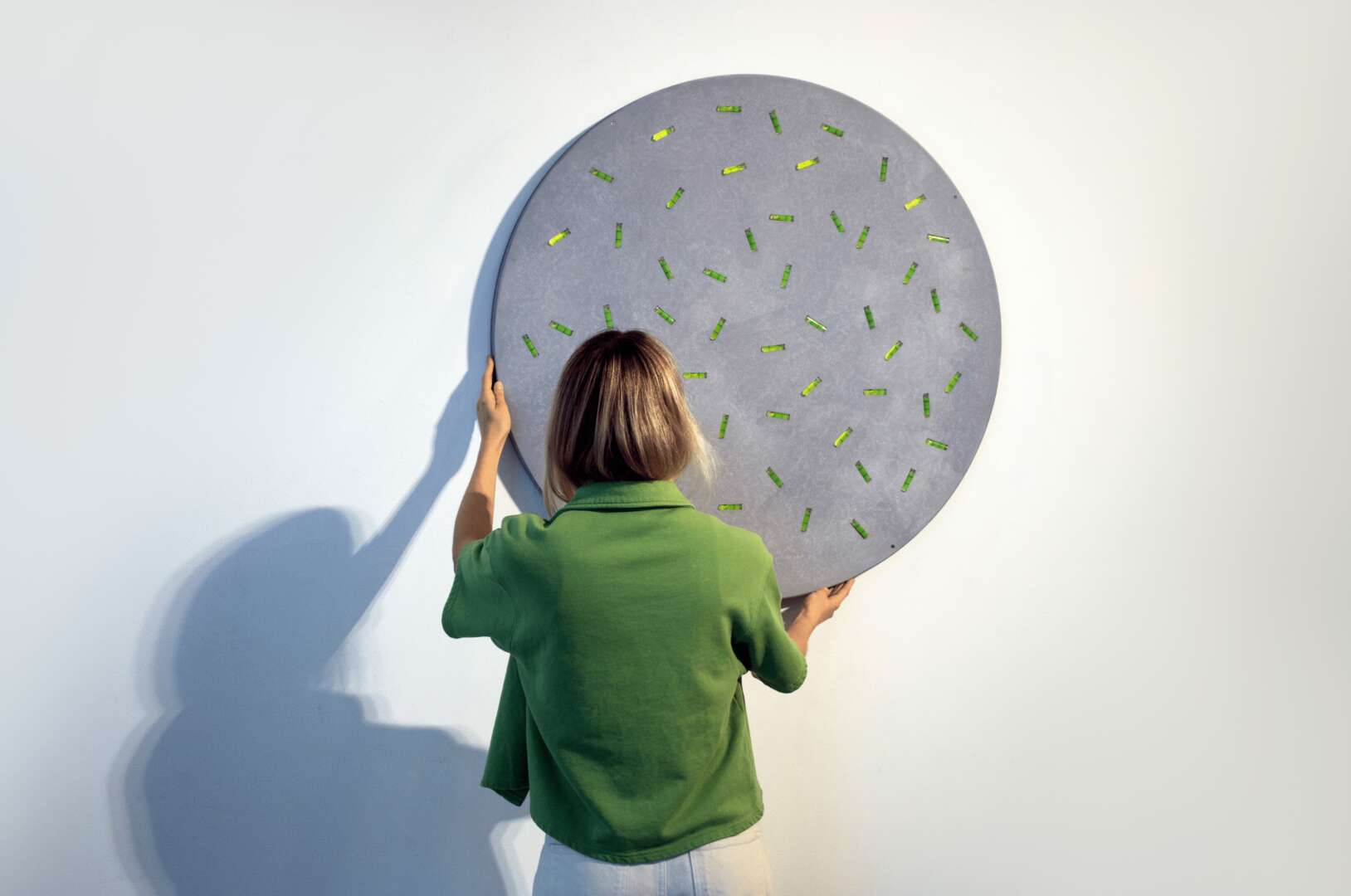
After this project, I continued with Unlevel Level. While struggling to reach the mirage of balance, I started to get frustrated by the idea of balance itself. How do I re-establish standards, balance, and frameworks when the measuring system I took for granted has crumbled? Why do I fight for a certain state and struggle to maintain it? In exploring these questions, Unlevel Level delves into the state of being in between, off-balance, and confused.
These two projects marked a significant shift in my practice, as both brought fear and confusion to the surface. Unlike my earlier work, which often involved instant, abstract, and playful interactions with audiences, these projects were slow, personal, and vulnerable. This experience led me to embrace undefined emotions and questions as part of my practice, rather than avoiding them out of fear.
Awesome – so before we get into the rest of our questions, can you briefly introduce yourself to our readers.
I am Eunice Choi, an artist and designer who works with sculpture and installation. My work focuses on observing mundane experiences, thoughts, emotions, and questions, and creating interactive objects or narrative spaces that allow for revisiting those observations.
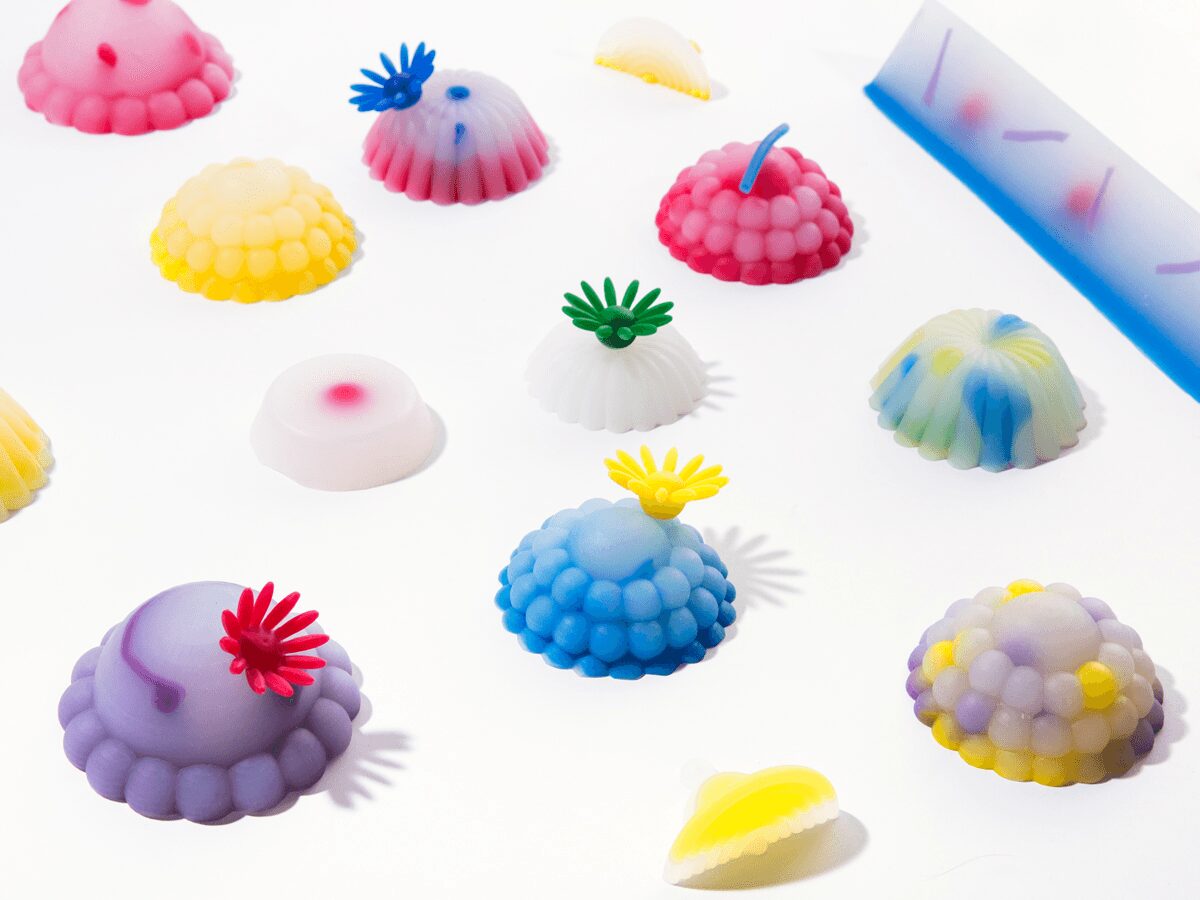
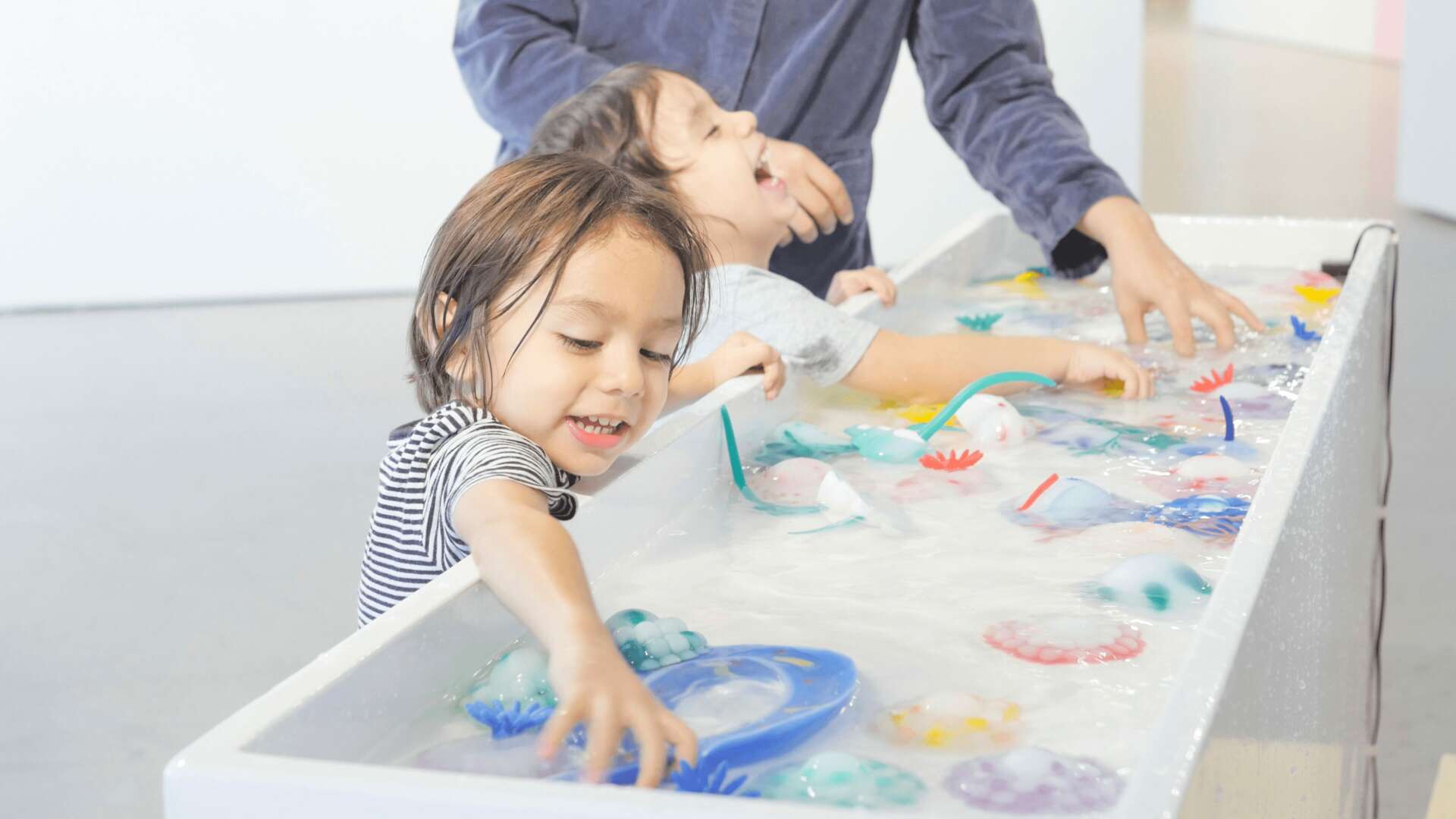
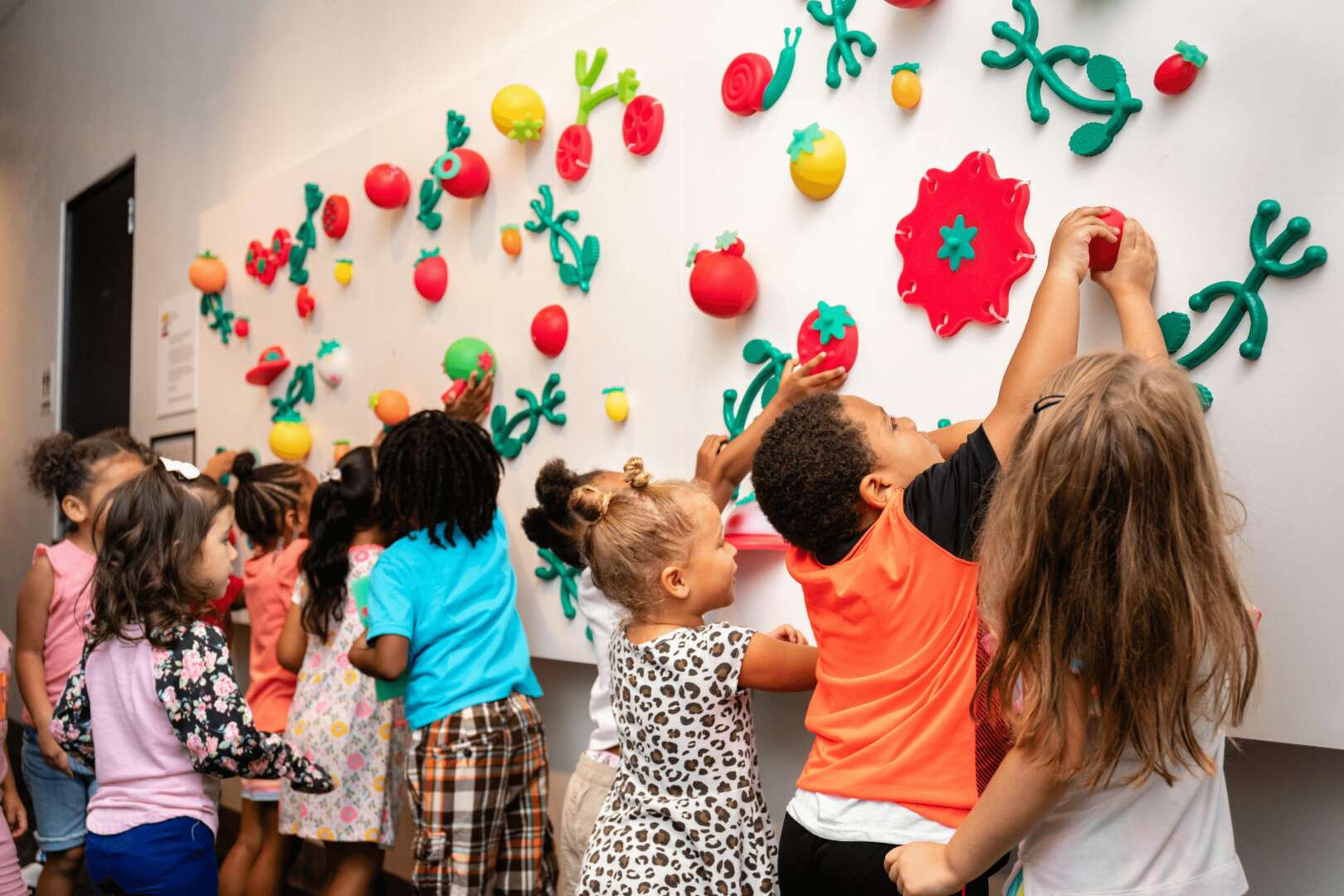
In my early practice, I was particularly interested in creating performative sculptures and interactive installations that engage the five human senses— especially touch, taste, and sound. I was drawn to the playfulness and instant feedback from the audience during their interactions with the pieces. After seeing how children actively engage with sculptures, it encouraged me to create installations specifically for younger audiences, which led me to a residency at the Children’s Museum of Pittsburgh. During the residency, I enjoyed observing how children and families interact in the museum’s various spaces, and how installations could transform the narrative of a space.
During my MFA program, I became more interested in embracing errors and questions within my practice. In many of my projects, I use objects and metaphors as instruments to explore unresolved questions or the state of being in-between—situations that can’t be easily defined by a single definition. Currently, I’m working on designing distorted measuring tools to explore the fear of error.
I enjoy working with various materials, including wood, silicone, resin, foam, clay, papier-mâché, and metal. I’m particularly interested in how these materials can express physical responses to emotions through their traits—such as density, opacity, weight, temperature, texture, and flexibility. My process often involves digital fabrication and mold making/casting, which allow me to reshape materials while preserving their inherent characteristics. I’ve noticed many similarities between cooking and fabrication, so I often incorporate techniques from cooking into my sculpture making, and vice versa.
I’ve exhibited my work in the United States, Italy, and South Korea, including at Salone del Mobile Milano, New York Design Week, and the Children’s Museum of Pittsburgh.
I hold a BFA from the School of the Art Institute of Chicago and an MFA from UCLA Design Media Arts. I’m currently based in LA, working as a lecturer at UCLA, and enjoying the warm weather.
What do you find most rewarding about being a creative?
As a natural overthinker, I find great relief in the fact that building an art practice involves repeating the process of mulling over, questioning, getting frustrated, and yet continuing the rumination.
I can’t say it has always been fun to get obsessed with one thought until the project is finished, but I’m grateful for the sense of expansion that comes after trying to digest emotions and experiences. The work records my state, process, and logic. By bringing fear and insecurity to the surface, it becomes a method of releasing and confronting them as entities.
Exploring another language through sculpture and installation to express the questions and experiences that puzzle me has allowed me to connect with people who resonate with the work and share their own experiences. When I see the audience feel safe to show their emotions—whether through laughing, crying, or pausing while interacting with the work—I feel deeply grateful for the opportunity to connect with them through the work.

Is there mission driving your creative journey?
The core motivation that led me to work as an artist comes from memories of different artworks that evoked emotions in me. To me, the strength of art lies in its its ability to move and console.
For the past three years, I have feared confronting confusion and pain. My fears and insecurities rose to the surface in my practice, and I was terrified to face them. However, continuing slowly even with the uncertainty and fear allowed my emotions to circulate rather than remain stagnant.
As I continue to live, I will continue to be in between a state of understanding and confusion. I wish to continue my practice without avoiding or diminishing any emotions that arise, even if they are crude. I hope to create work with a level of dedication and care similar to what I would put into the first draft of a love letter or a confession. Furthermore, if my work can provide comfort, offer others a moment to take a breather from life, or invite people to observe and reflect on their emotions as they are, I would wish for nothing more.
Contact Info:
- Website: https://www.eunicechoi.net
- Instagram: @eunice_unice_choi
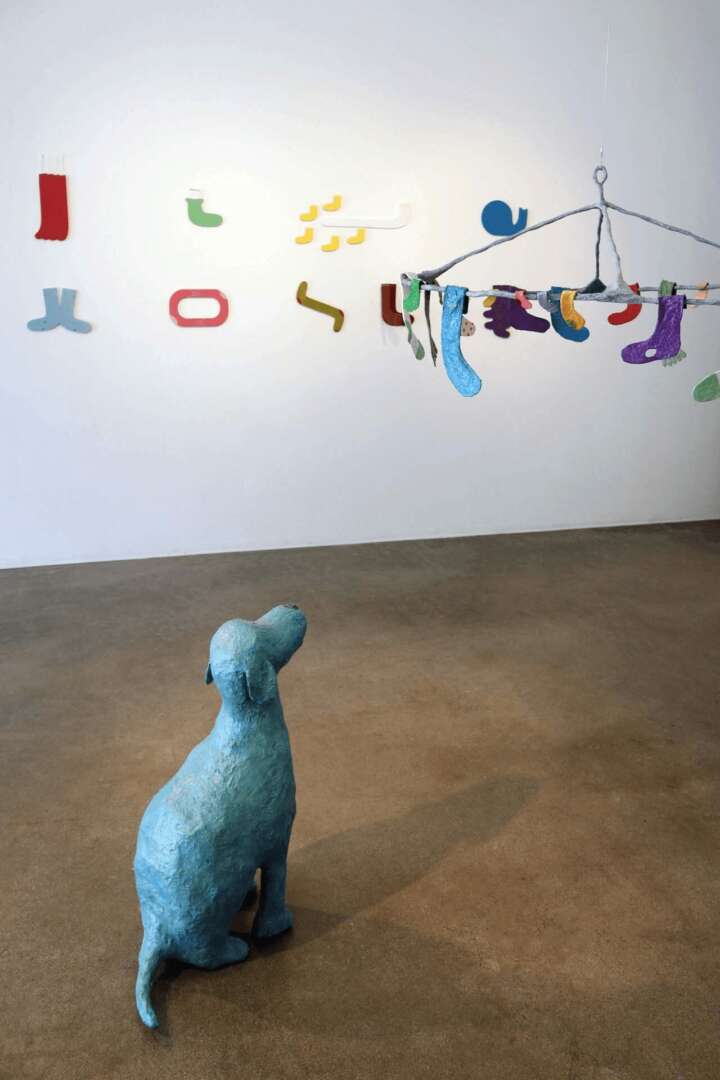
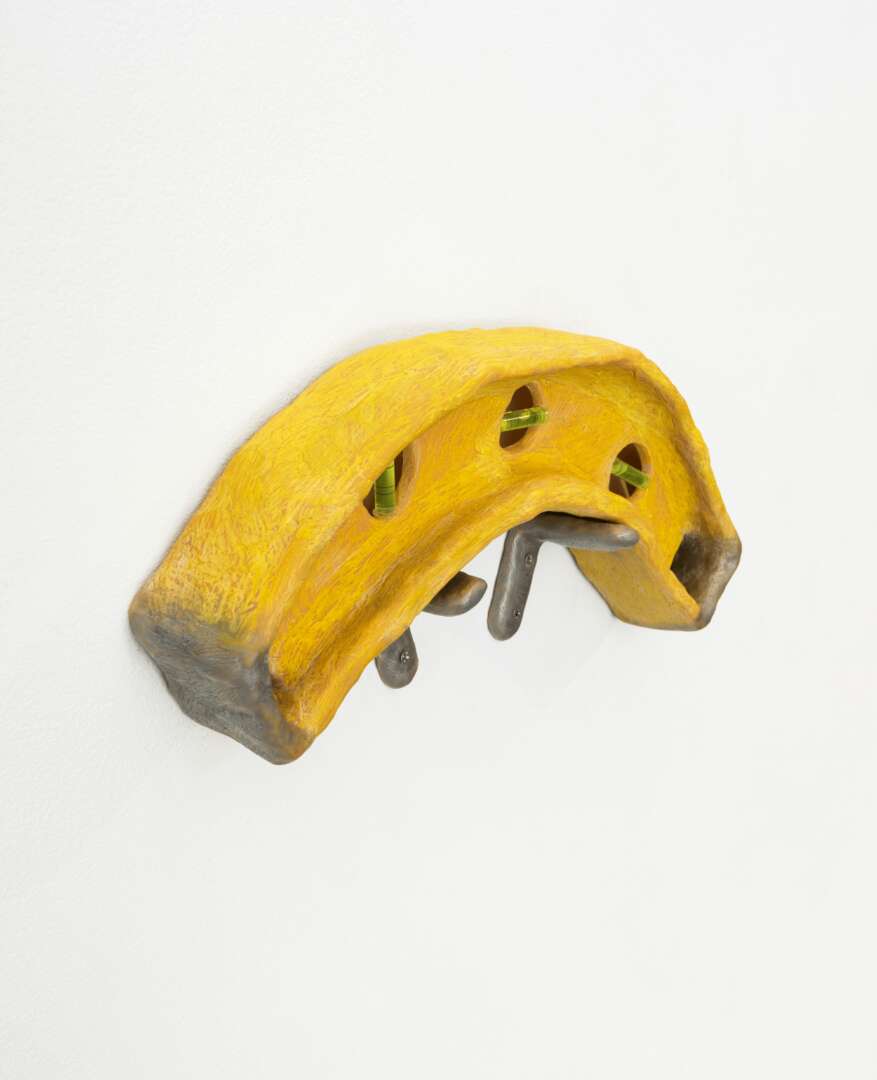
Image Credits
Photo credit: Yuchi Ma, Ji Yang, Paloma Dooley, Brenton Zola, Children’s Museum of Pittsburgh
Model: Aurora Mititelu, Jules Johnston, Lucio Francisco-Schwartz, Joaquin Francisco-Schwartz