

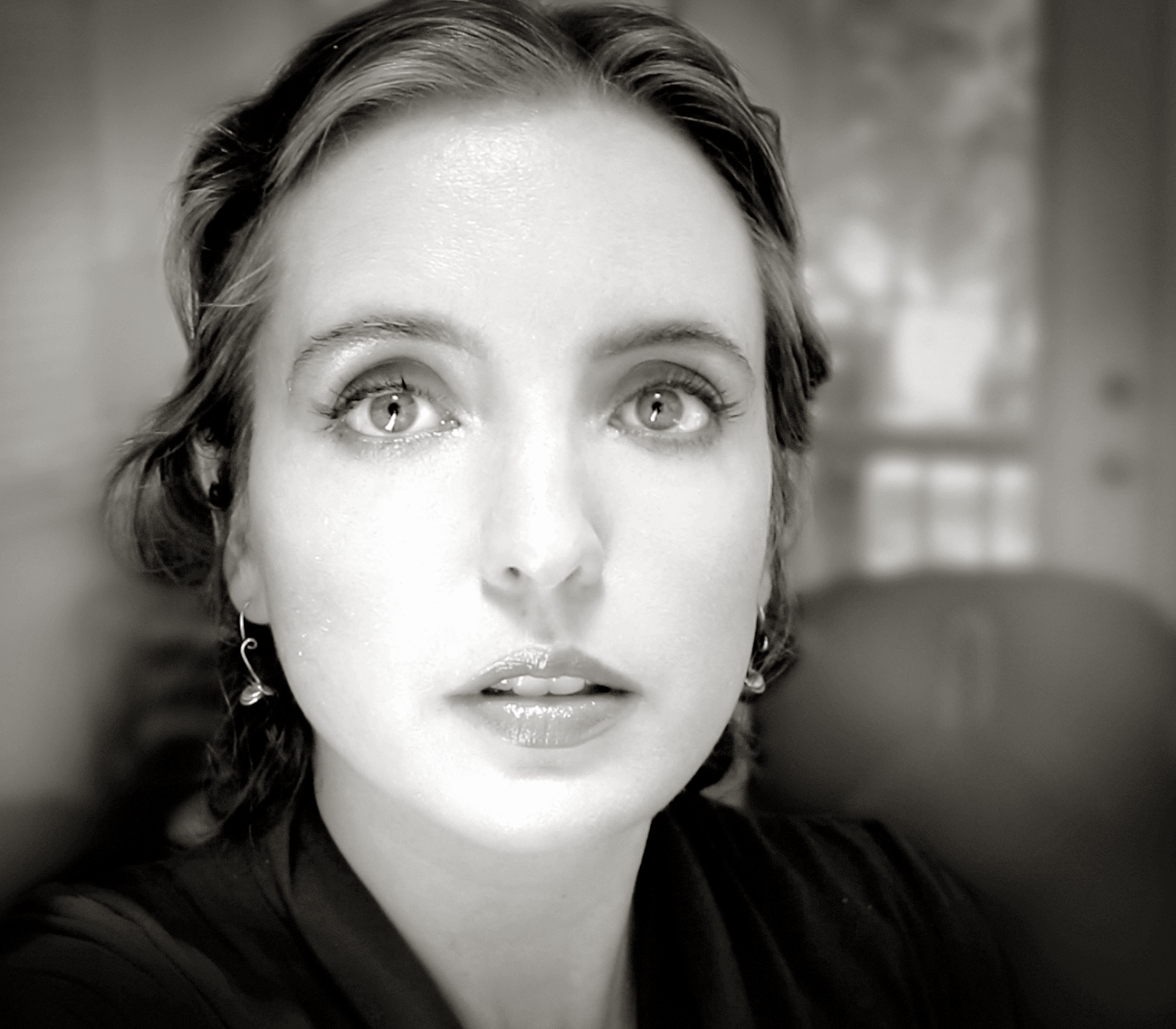

Alright – so today we’ve got the honor of introducing you to Erin Schalk. We think you’ll enjoy our conversation, we’ve shared it below.
Erin, thanks for joining us, excited to have you contributing your stories and insights. Learning the craft is often a unique journey from every creative – we’d love to hear about your journey and if knowing what you know now, you would have done anything differently to speed up the learning process.
The honest answer is that the learning never stops. I carry a persistent sense that there is a significant gap between where I am now versus where I want to be, and I’ve made peace with the fact that I will probably feel this way for the rest of my life. That tension keeps me moving.
I don’t think I could have meaningfully sped up the learning process in most situations, either. Real learning, in my experience, is foundational by nature. It’s accomplished brick by brick, layer by layer. You can acquire knowledge fairly quickly, and knowledge matters enormously. But knowledge alone leaves out the harder, slower parts: the trial and error, the failures that don’t feel instructive until much later, the detours that turn out to be previously unimagined opportunities. Learning rarely follows a straight line. Some of the most important things I’ve learned arrived through paths that looked, at the time, like they were leading somewhere else entirely.
The skills I value most are a combination of formal education and what I’ve earned through life experience. My academic writing training, including research methods, argumentation, and structure, shaped me more than I realized as a student. When I was deep in research for my novel manuscript, tracing the immediate, short-term, and long-term effects of school violence across psychological studies, sociological research, journalism, and articles on post-traumatic stress disorder, I understood how directly those foundational skills had carried forward. The same is true in my visual art practice: formal training gave me valuable vocabulary and techniques, and my own experimentation has taken my work into new spheres. Recently, I’ve been layering digital photographs the way one would layer papers in an analog collage, as well as merging drawings and watercolor studies with digital images—a hybridized blending that feels natural to how I think about image-making.
But the lessons I hold most closely are the ones life has taught me. So far, I’ve experienced more major transitions than most people experience in a lifetime, which built character traits in me that no classroom could have: resilience, determination, courage, and the ability to stay creative under pressure. When you’ve had to adapt to many different locations and life circumstances on unpredictable timelines, creativity can become a survival tool. It can give you the confidence to stop waiting for someone to hand you a map and to decide to start drafting your own.
I’ve found that if I dwell on personal challenges too much, they can become all-consuming. Lately, I’ve been trying to focus on what I can control, including the ways I may hold myself back, whether consciously or unconsciously. Specifically, there’s a private mental war that happens at the moment of submitting new creative work: do I send to the opportunity I have a reasonable chance at, or do I aim at the stretch opportunity? The one that’s likely to end in rejection, with only a tiny chance of success? I know which choice ultimately leads to growth. What I’m working on now is choosing the stretch, accepting the exposure, and trusting that the bold reach toward a dream is worth more than the safety of a “sure thing.”
Awesome – so before we get into the rest of our questions, can you briefly introduce yourself to our readers.
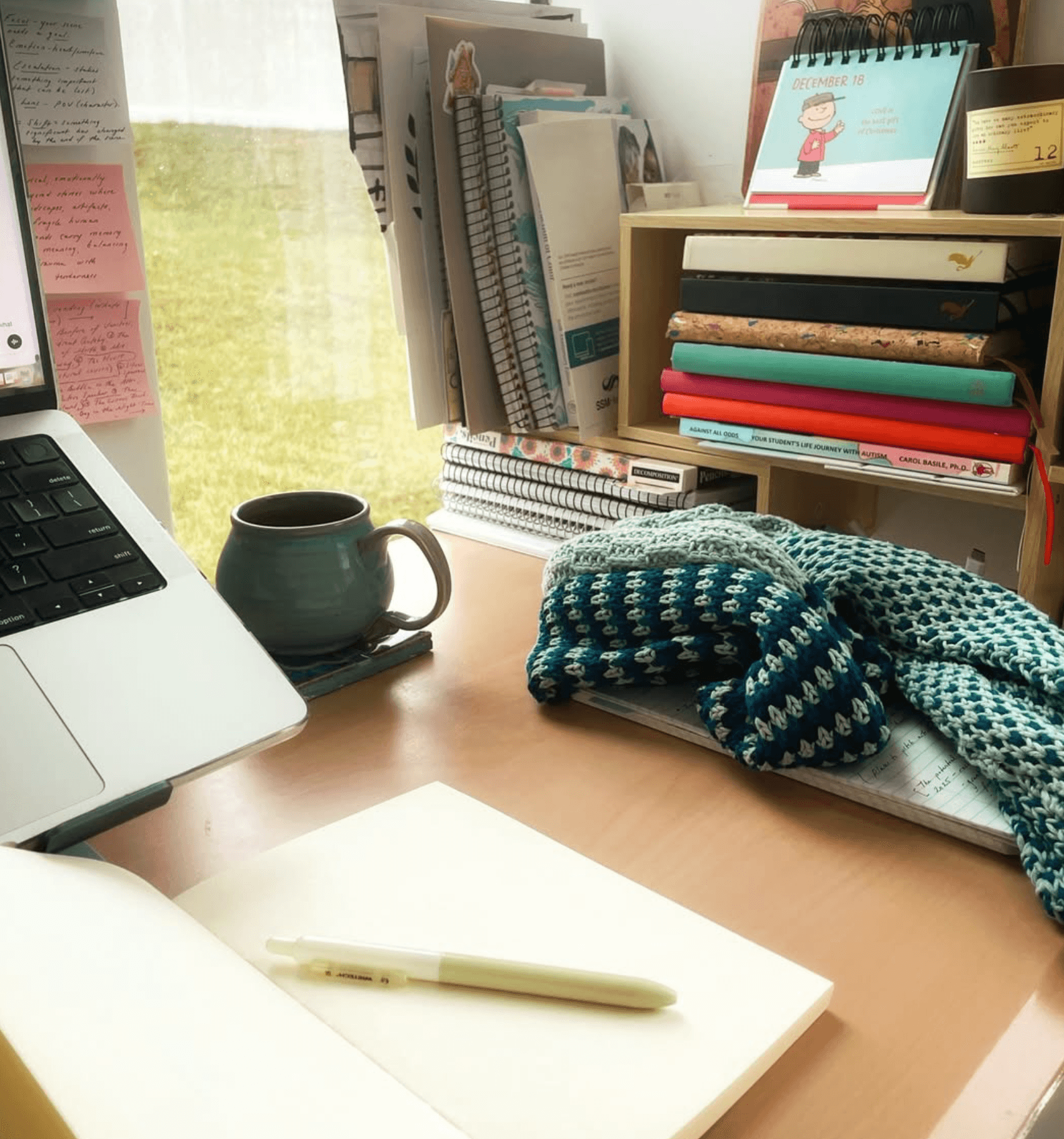
I am a writer, visual artist, educator, and editor. My work also extends into disability advocacy and voice narration, and depending on the season of life I’m in, any one of these roles can move to the foreground.
This through line goes back to childhood. I grew up with strong creative impulses and a voracious appetite for reading and storytelling, which manifested in writing stories and drawing constantly. I was certain from an early age that I would find a way to build a life around what I loved to do.
Shortly after finishing my undergraduate degree, I moved to Okinawa, Japan for three years, and that chapter forever changed my life. Teaching opportunities found me quickly, including large group classes, small groups, and one-on-one tutoring. I discovered I had skills that were genuinely in demand: visual arts instruction, writing, and English language learning. None of these teaching roles came with pre-built curricula, so I taught myself instructional design from the ground up, learning by paying close attention to what was actually landing with students. Teaching English to Japanese-speaking students, while I was also learning Japanese, was particularly formative. Navigating real language barriers in the classroom taught me to become highly sensitive to facial expressions and body language with precision, i.e. to notice the moment comprehension arrived––or didn’t––without waiting for a student to say so. That skill has informed so much of my work in the classroom since.
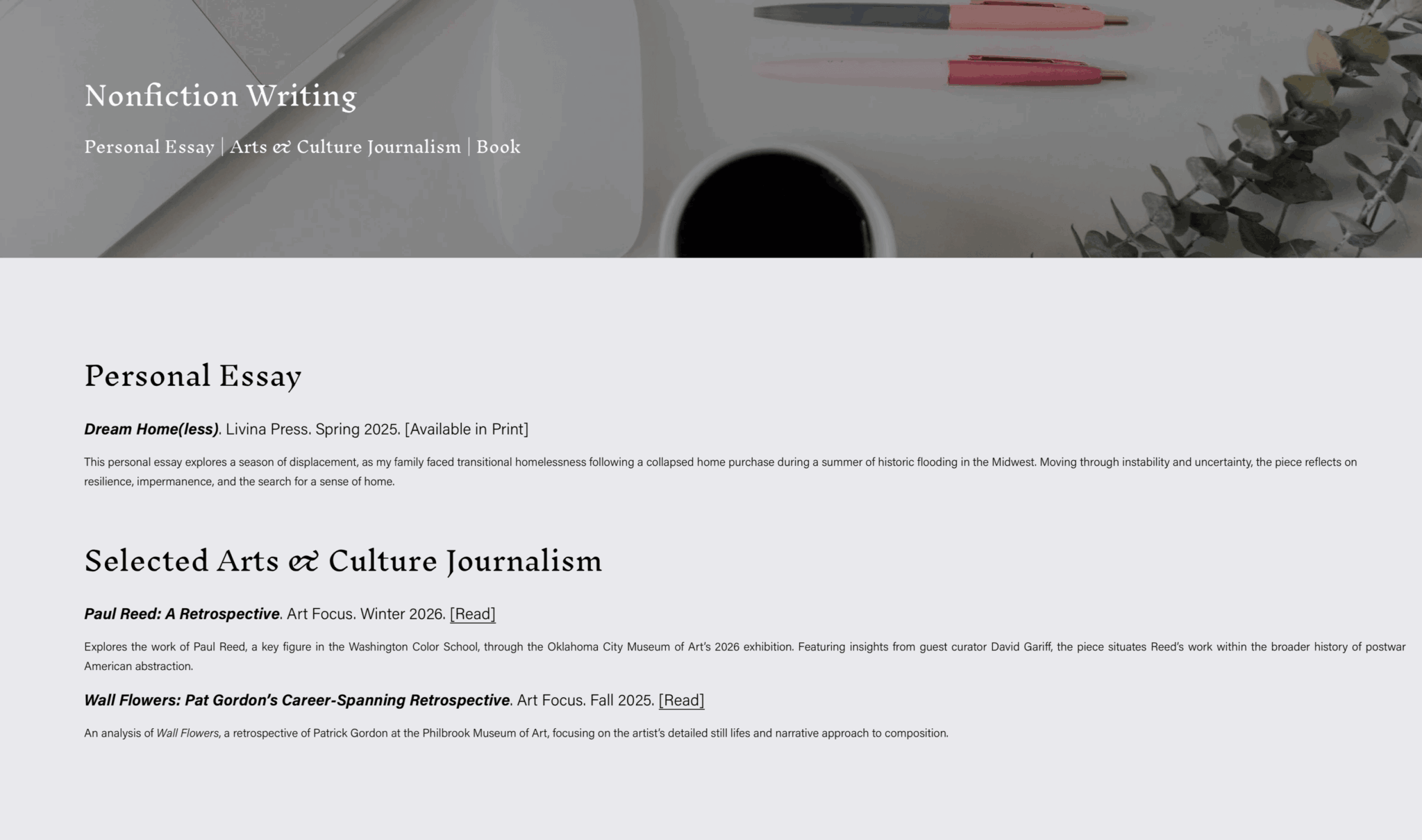
Today, my creative practice is built around writing and visual art. As a writer, I work across literary fiction, poetry, and nonfiction. I am a contributing writer for a number of publications on arts, culture, education, and accessibility. Recent highlights have included interviewing a curator from the National Gallery of Art in Washington, D.C., and writing about the nonprofits that are putting Oklahoma on the map as a destination for public art and murals. My visual art practice spans exhibitions across the United States, Japan, and Europe, with work featured in numerous publications.
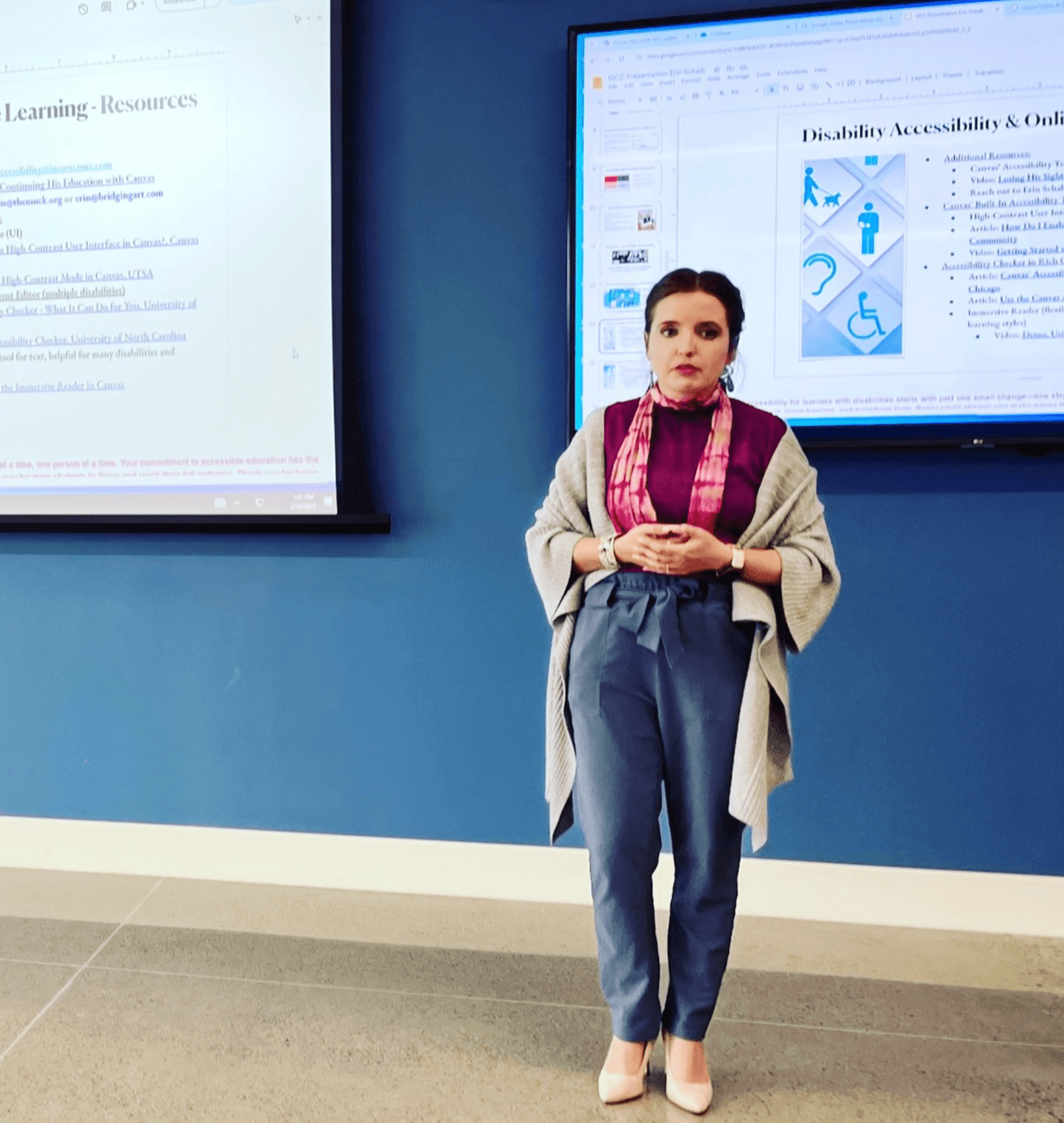
On the education side, I teach workshop series in creative disciplines and lead professional development trainings for educators and administrators working in nonprofits and higher education. This work often focuses on disability accessibility in both in-person and virtual classrooms, including through online learning management systems (LMS). My teaching sits at the intersection of two things I deeply care about: strong pedagogy and genuine inclusion.
I’ve recently expanded into editorial services, with a focus on developmental and line editing. I’ve served in editorial roles for various anthologies and literary arts journals, and I’ve worked closely with individual writers on their projects. My ideal clients are literary fiction writers or memoirists—writers who are working on deeply personal, carefully-crafted projects and want a thoughtful collaborator to help them bring that work fully to life. I’m open to working across other genres as well.
What I’m most proud of is building both range and rootedness, even when life kept upending the ground beneath me. My work grows from the same place: a belief that creative practice, made and taught with intention, has the power to open people to new experiences and perspectives.
For more information, visit my website at erinschalk.com.
How about pivoting – can you share the story of a time you’ve had to pivot?
My life has been marked by a particular kind of compounding, and not the kind that happens when you stay rooted in one place, build within one or a few institutions, and grow steadily along a single track. Mine has happened across multiple relocations, disciplines, and reinventions of who I am and what I do.
One of the most significant pivots has been a gradual shift in creative identity. I arrived at the School of the Art Institute of Chicago’s graduate program thinking of myself as a visual artist. I left with something I hadn’t anticipated: a writing practice. My professors recognized something in my writing I hadn’t fully realized or claimed for myself. By the time I graduated, I had a handful of poetry publications in literary journals, despite being a person without formal poetry training. That shift didn’t erase the visual artist in me; it expanded her in the best possible ways. I became deeply interested in how image and text can inform and illuminate each other, and this interest eventually led me to create “Ekphrasis: Perceptions of Ability,” a project that puts portraiture and poetry in direct conversation.
More recently, I made a decision that I can only describe as leaving something established to build something I couldn’t yet see. After years of building a career, a community, and a creative network in California, I made the choice invest more fully in my creative practice: writing, visual art, education work, and growing into editing and voice narration. It was not a decision made lightly, and it is still very much in progress.
An person I deeply respect—Dr. Carol Basile, a psychologist and educator of 40+ years with extensive expertise in autism spectrum disorder, and someone I’ve collaborated with professionally on multiple projects—once told me that all the branches of the many things that I do share a trunk. A core. As I continue to navigate this new creative and professional phase, this image stays with me.
What do you think is the goal or mission that drives your creative journey?
Creativity, for me, moves through writing, visual art, teaching, voice narration, disability awareness, and advocacy. For me, these aren’t separate compartments. They are facets of the same underlying drive: to open understanding and opportunities for others.
I’m always striving for the moment when someone encounters the work and comes away thinking: “I hadn’t considered this before. I didn’t know this world existed. I felt something I wasn’t expecting to feel.” When the work carries someone to a new place, or opens a new perspective they most likely wouldn’t have arrived at alone, I feel a sense of ease in that the work is doing what I intended.
My visual art and the work I’ve done around disability representation, including a solo exhibition on the perceptions of ability and disability, have lived in that space. So does my teaching, where the goal has always been to expand what’s possible for students through new skills in creative disciplines, new research, and improved accessibility accommodations that become real tools in their lives.
And now, so does my writing. I recently completed a 96,000-word upmarket literary fiction and psychological realism manuscript, which illuminates the long-term aftermath of community violence. We hear a great deal about the immediate effects of traumatic events, but we hear far less about the slower, stranger terrain survivors navigate in the many years that follow. Recent readers have described developing a deep emotional investment in the characters, encountering new perspectives, and experiencing an urgency to keep reading. That response is exactly what I hope for––the reader finishes changed.
Contact Info:
- Website: https://www.erinschalk.com
- Instagram: https://www.instagram.com/erin.schalk/
- Linkedin: https://www.linkedin.com/in/erinschalk/
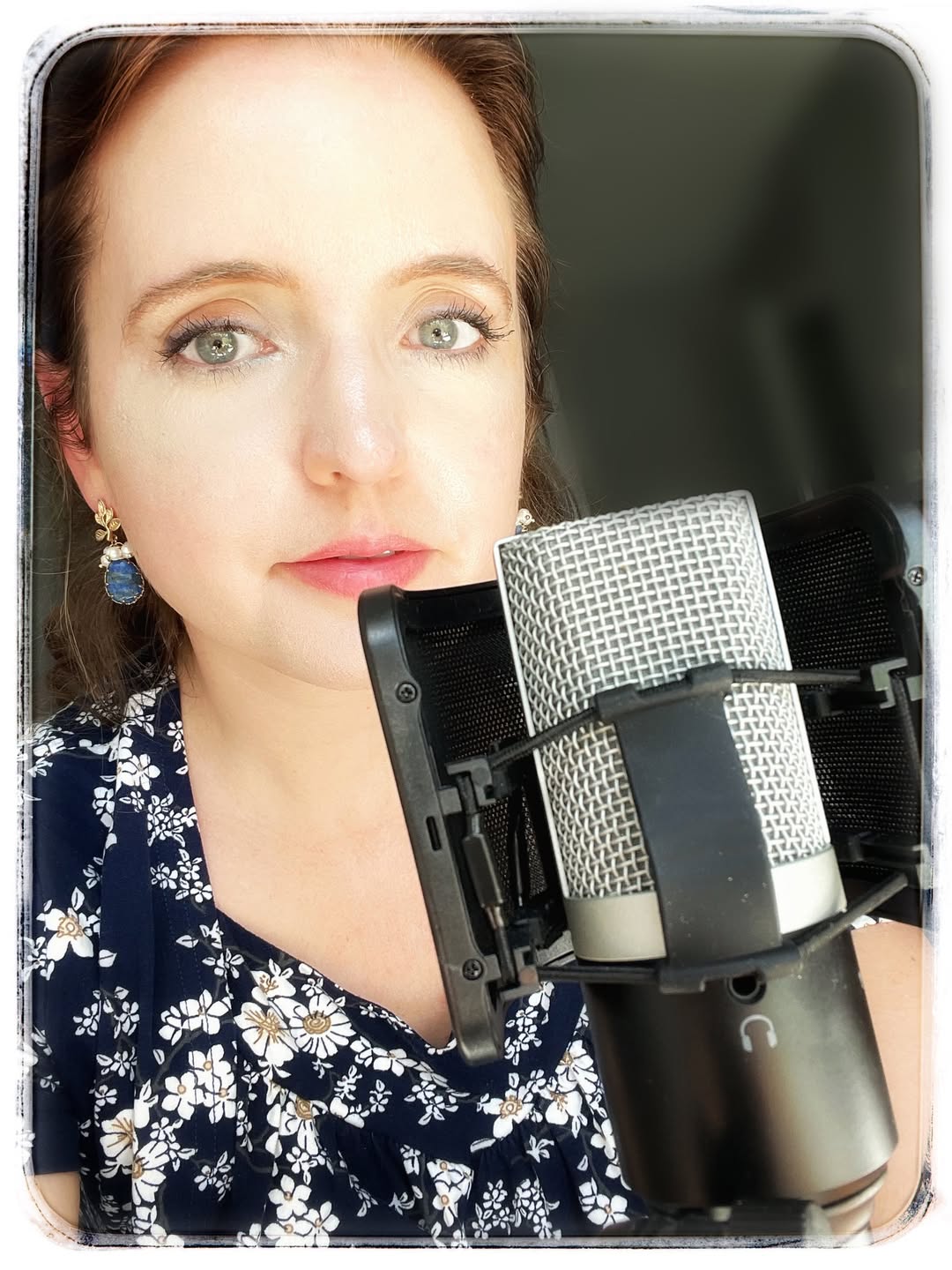
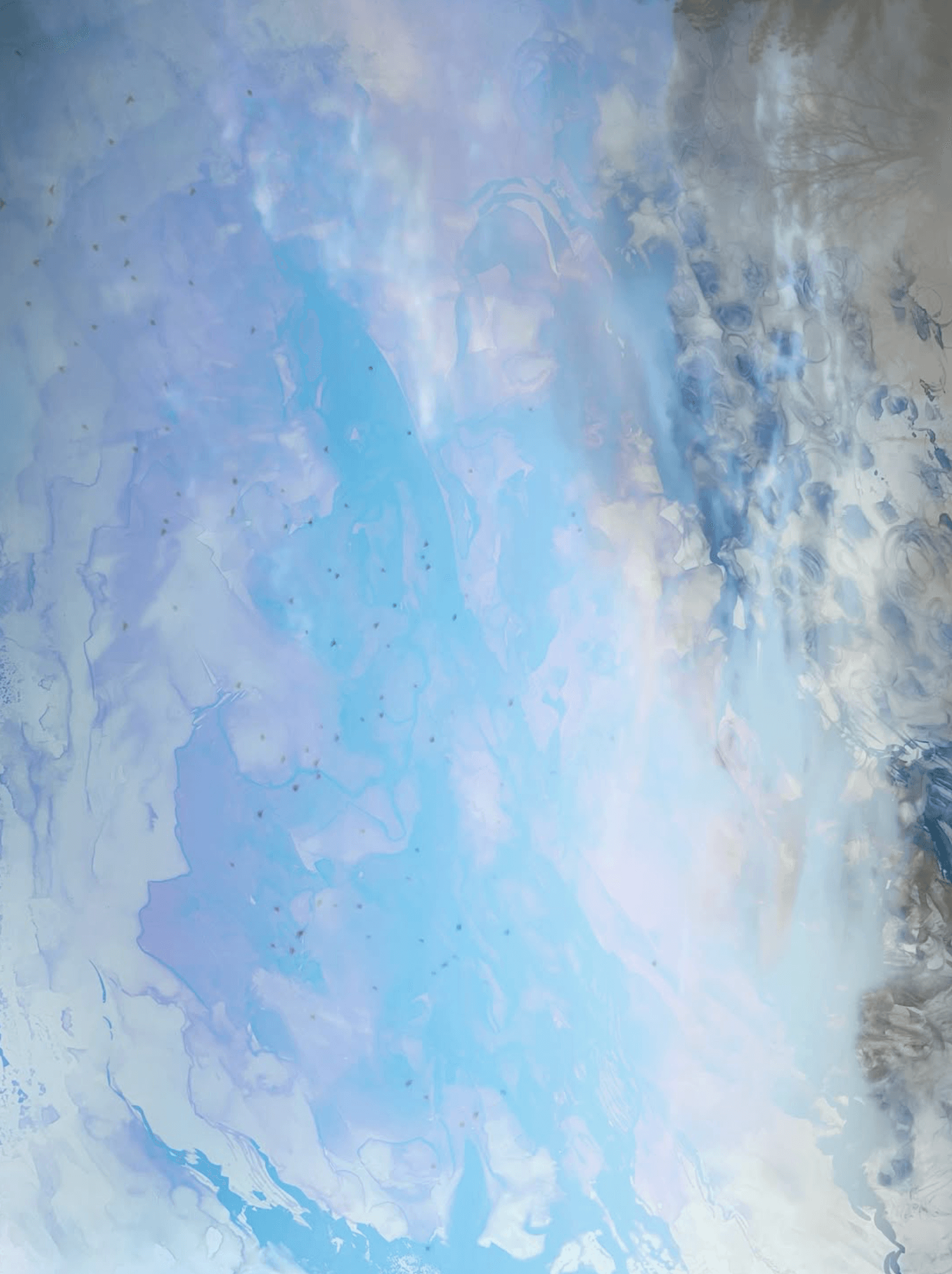

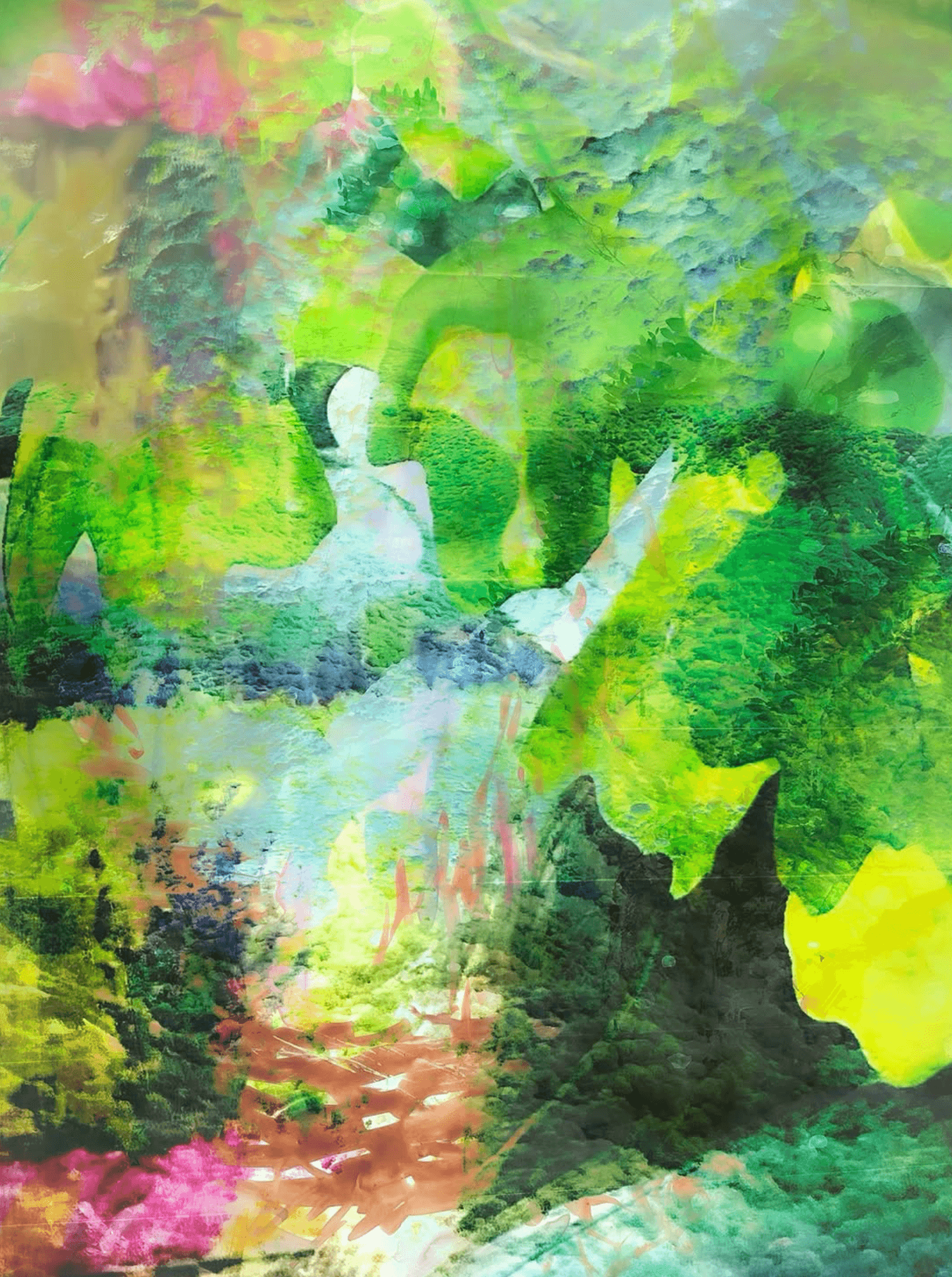
Image Credits
Lecturing Photo by John Michael Dickinson
Remaining Photos by Erin Schalk