

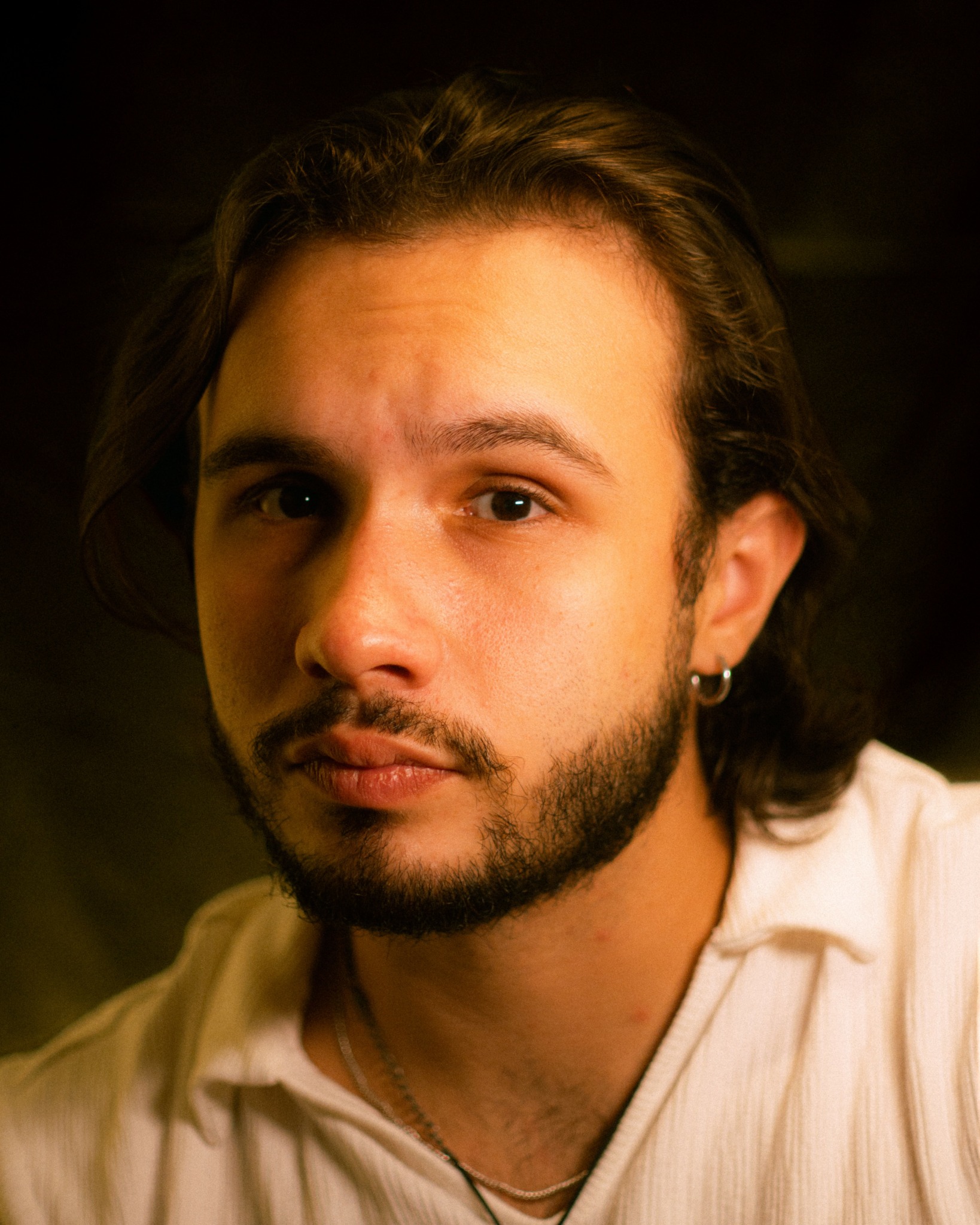

We caught up with the brilliant and insightful Enrique Zambrano a few weeks ago and have shared our conversation below.
Enrique, looking forward to hearing all of your stories today. How did you scale up? What were the strategies, tactics, meaningful moments, twists/turns, obstacles, mistakes along the way? We’d love to hear the backstory the illustrates how you grew your brand.
Well, I am from Venezuela, that’s a crucial matter when we talk about filmmaking business. There is no industry as such here, therefore everything is more complicated than other countries or regions with facilities to belong inside an industry. It is only now that things are starting to take off, because people are beginning to notice the importance of video thanks to social media. Although video advertising has always been important for major brands in this country, film production, which is what I aspire to be a part of, is practically nonexistent. While there are a few (very few) success stories, the incentive to produce these kinds of films is becoming increasingly scarce.
I must admit that I’ve had opportunities and privileges, all things considered. I was able to study at a film school, and although they teach you everything by the skin of your teeth, there are some professors (not all) who are extremely passionate about the field, and you learn from them. You learn the processes, which I believe is what differentiates a professional from an enthusiast. And of course, you connect with others who want to achieve the same thing as you; alliances and friendships are formed, and you’ll work on your future projects with them.
Now that I’ve graduated, I’m glad I didn’t wait until graduation to enter the professional world. I got my first camera and laptop for editing halfway through my degree and started offering my services. What taught me the most was working on the street. Obviously, theory is important, but relying solely on it won’t get you anywhere. You always have to take the lead and launch yourself into the professional world, even if you’re a bit inexperienced. That’s what will truly teach you, help you develop your own judgment, and allow you to start building your future.
After working in agencies (where the pay was extremely low) I can say that I learned a lot, that’s why I’ve been a freelancer for a year now, and I intend to open an audiovisual production company soon.
Now, life as a freelancer is tough, even though it’s an incredibly fun and rewarding journey. There are months when you can’t find clients or work opportunities, and others when you can’t rest a single day. It’s very volatile, especially in a country where, as I said, there’s no audiovisual industry. Even though there are agencies and production companies that have been established for years, the working conditions as an employee or freelancer aren’t the most comfortable. In many cases, the pay can be much better, and a major emerging problem is that everyone needs video to market themselves, but nobody wants to pay what’s necessary to get it. So it’s difficult in that sense. You have to be resilient, try not to give up, and always strive for what you believe is possible.
At least in my case, as a young man of just 22, I feel I’ve experienced a lot in the working world. Despite that, I feel I’m only just starting out, that I have a long road ahead, and that yes, things will flourish in this beautiful country, but only because of those of us who seek to do good and create the industry we lack, but from a place of fairness. Not from the deceit and cunning that have characterized so many in the past.
As always, we appreciate you sharing your insights and we’ve got a few more questions for you, but before we get to all of that can you take a minute to introduce yourself and give our readers some of your background and context?
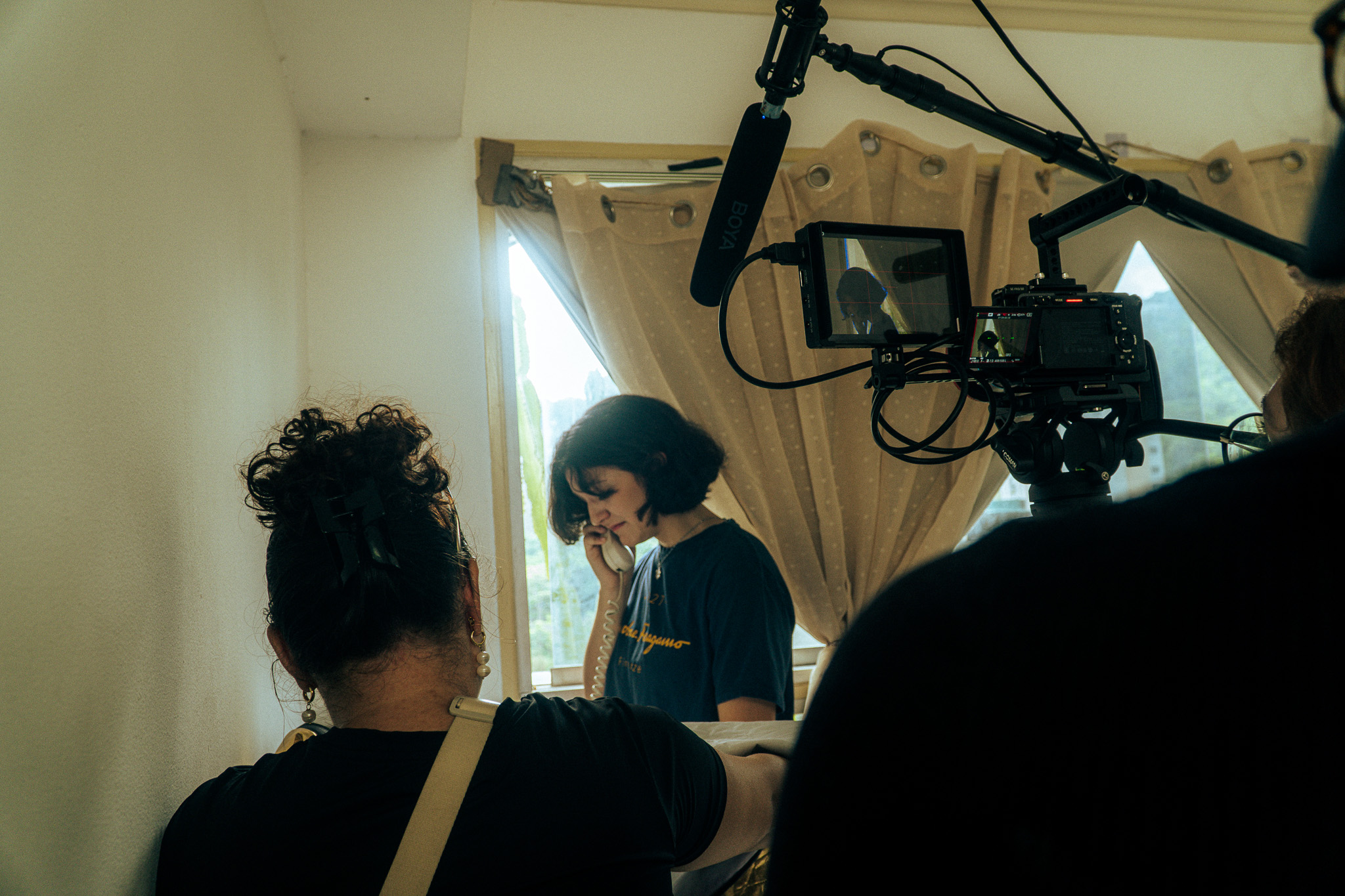
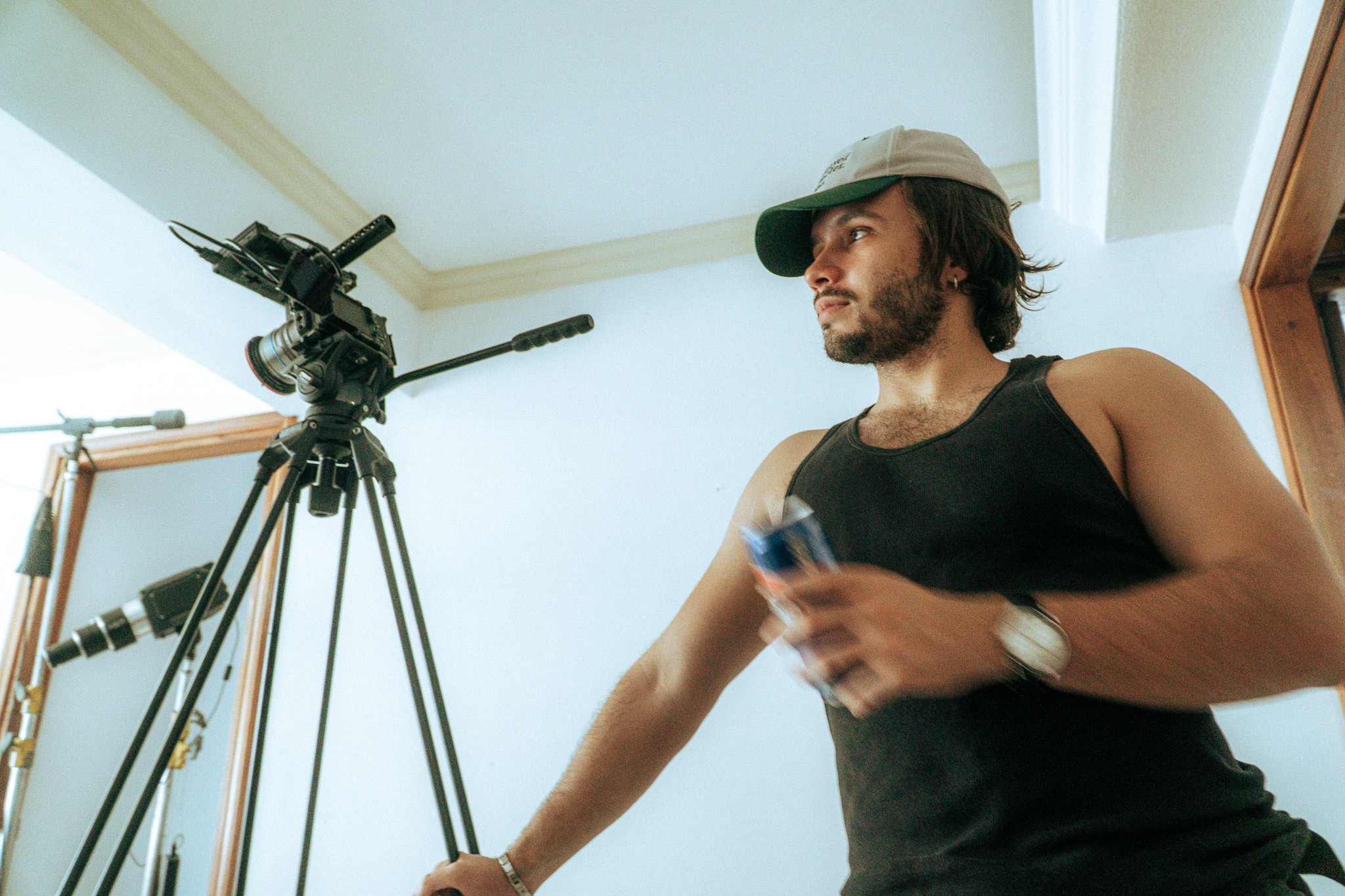
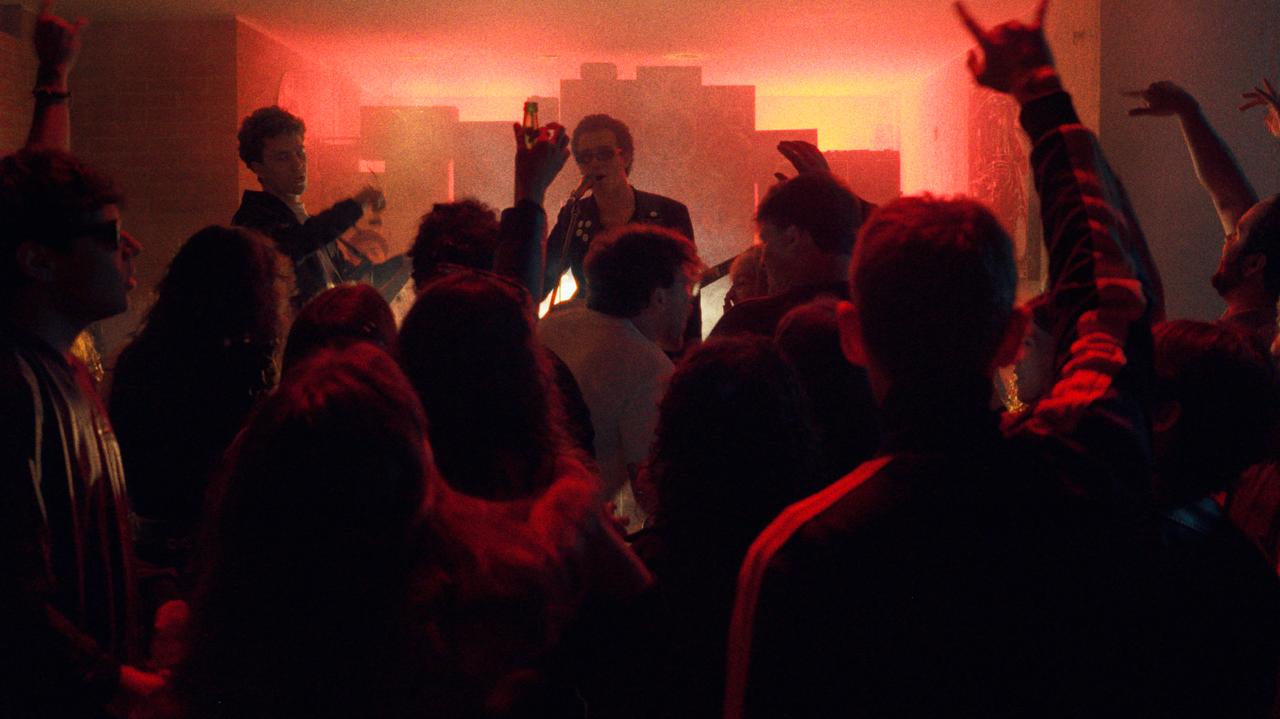
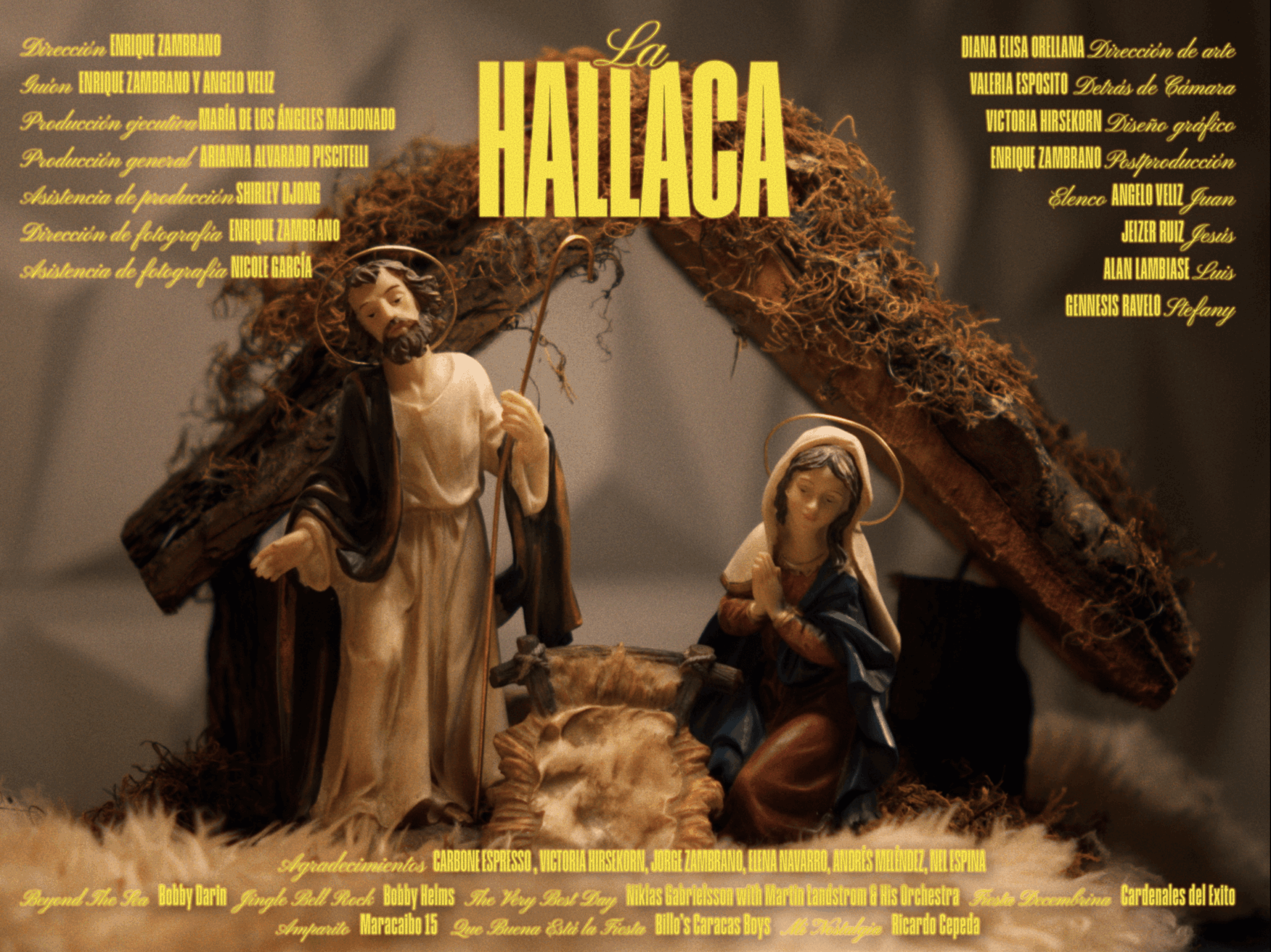
Epa! I am Enrique, but you all guys can call me Kike. I am a Filmmaker, video editor and colorist based in Caracas, Venezuela. I have a degree in Film Direction and now I offer my services as a freelancer all over the world. I have worked on projects on Dominican Republic (As a Film Editor). I have directed independent short films, both documentaries and fiction pieces; fortunately, some have toured festivals and received awards. So far my biggest and most ambitious work has been the development of a documentary series about Venezuelan idiosyncrasies, called “Criollo Sapiens” where I not only directed, but also did the cinematography, editing, and color grading. It was very tough but I am very very proud of it.
I want to continue expanding into narrative projects, commercials, and music videos. I firmly believe that in Venezuela we have excellent stories to tell, stories that resonate not only nationally but also with the entire world. In the near future, I want to invest in the film industry, developing projects that showcase what we are truly capable of. We have the potential to become an industry as large as those in Mexico, Argentina, or Brazil.
For now, I’m focused on promoting high-quality projects with strong narrative and visual appeal. I’m working to build my own audiovisual production company and my next documentary project, aiming to offer these projects to major brands willing to invest in coherent and innovative storytelling on social media.
Is there mission driving your creative journey?
As I’ve mentioned in previous questions, I belong to an enthusiastic generation that grew up with the great television and film stories of bygone eras in this country, when the medium was highly valued, not only economically but also because it was extremely respected both nationally and internationally. My generation’s goal is to recapture that greatness that defined the industry 20 and 30 years ago. But above all, to do so with discernment and education. While I was a student, I greatly underestimated the university. It’s well known that Quentin Tarantino learned about filmmaking on his own and by working on a blockbuster, but that’s not the case for everyone. Now I’ve begun to appreciate what university taught me. It shaped my judgment and, above all, taught me all the necessary theory to produce an audiovisual production. With the democratization of filmmaking thanks to social media, anyone with an iPhone claims to be a professional filmmaker, and that damages the industry. It diminishes its value, and it shows. To work in this field, you undoubtedly need at least basic education and a lot of judgment, so as not to plunge an entire industry into cheap, low-quality videos.

For you, what’s the most rewarding aspect of being a creative?
Undoubtedly, having the ability to create from your deepest feelings, having the opportunity to create a tangible piece from emotions, and then having people find value in what you created not just because they think it’s cool, but also because they feel a connection to it makes you feel heard. It also makes you feel like you belong, that you’re not the only one who thinks this way, but that you can also connect with others through your creation.
Contact Info:
- Instagram: https://www.instagram.com/kikefilm?igsh=a3g4anJwaGh6MnJm&utm_source=qr
- Youtube: https://youtube.com/@kikefilmm?si=tcad2nscOVP8UNx1
- Other: My production company’s official Instagram account: https://www.instagram.com/coroterofilms?igsh=MTg2eWRmeWpzM2hxdA%3D%3D&utm_source=qr
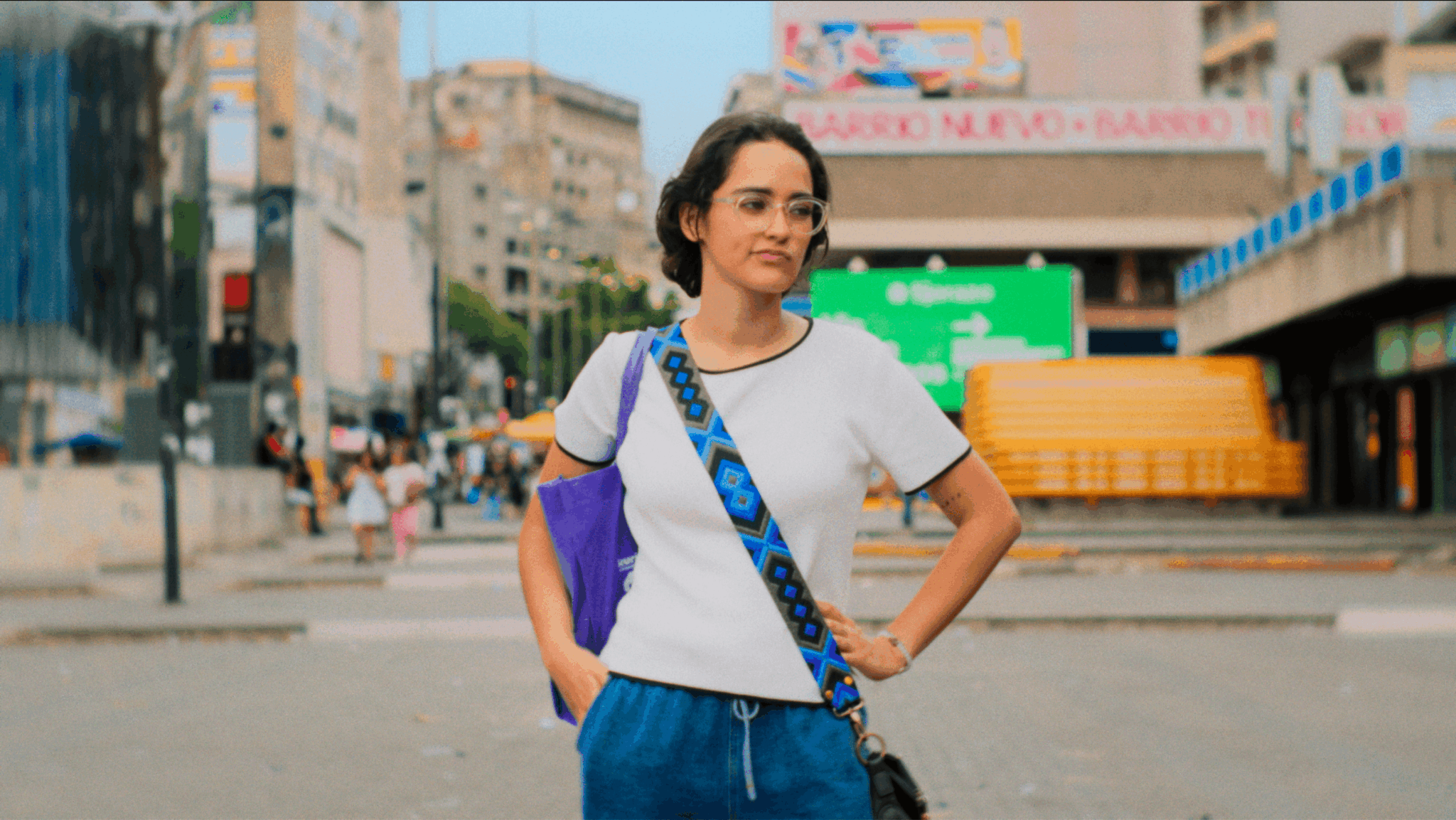

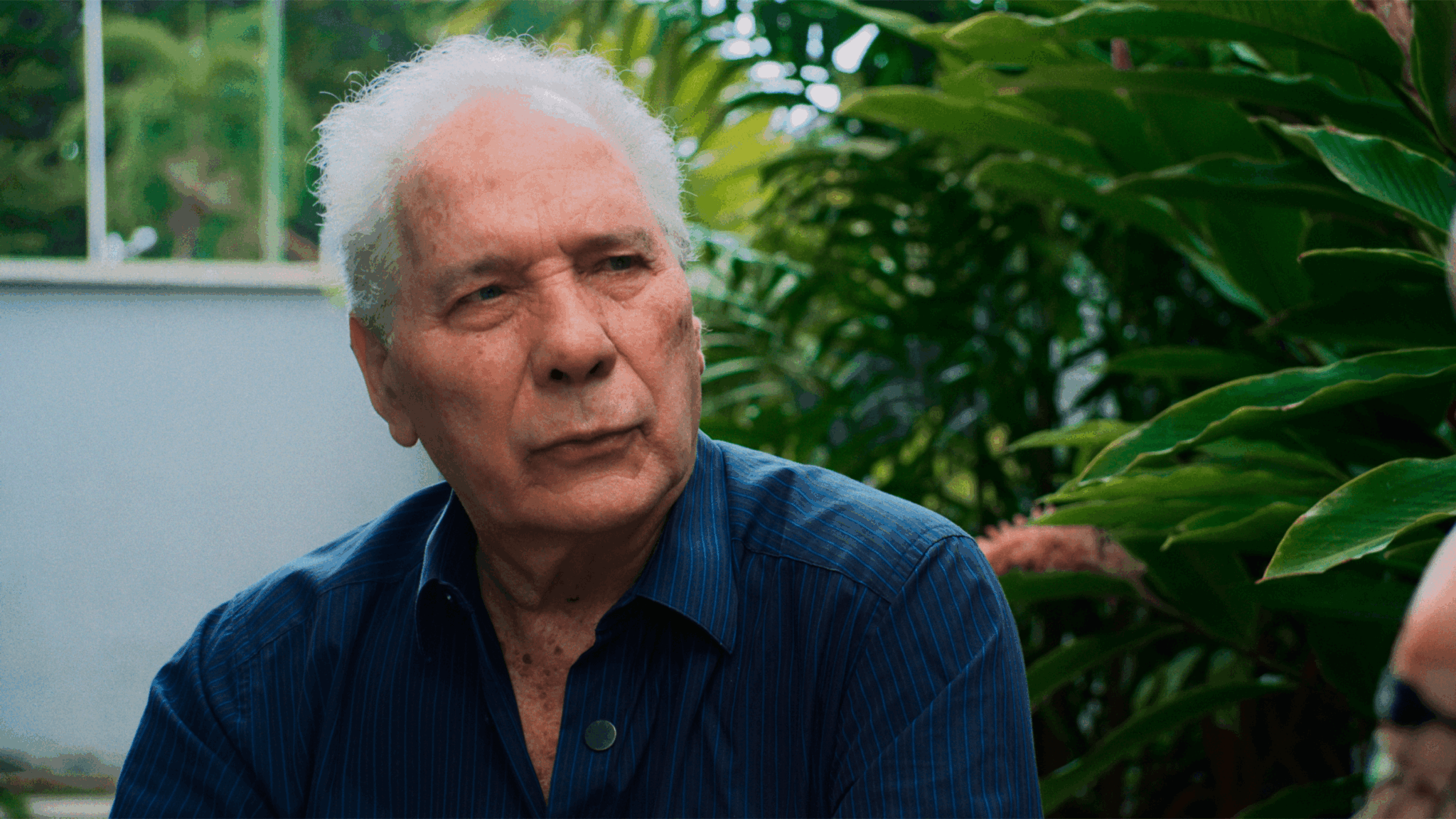
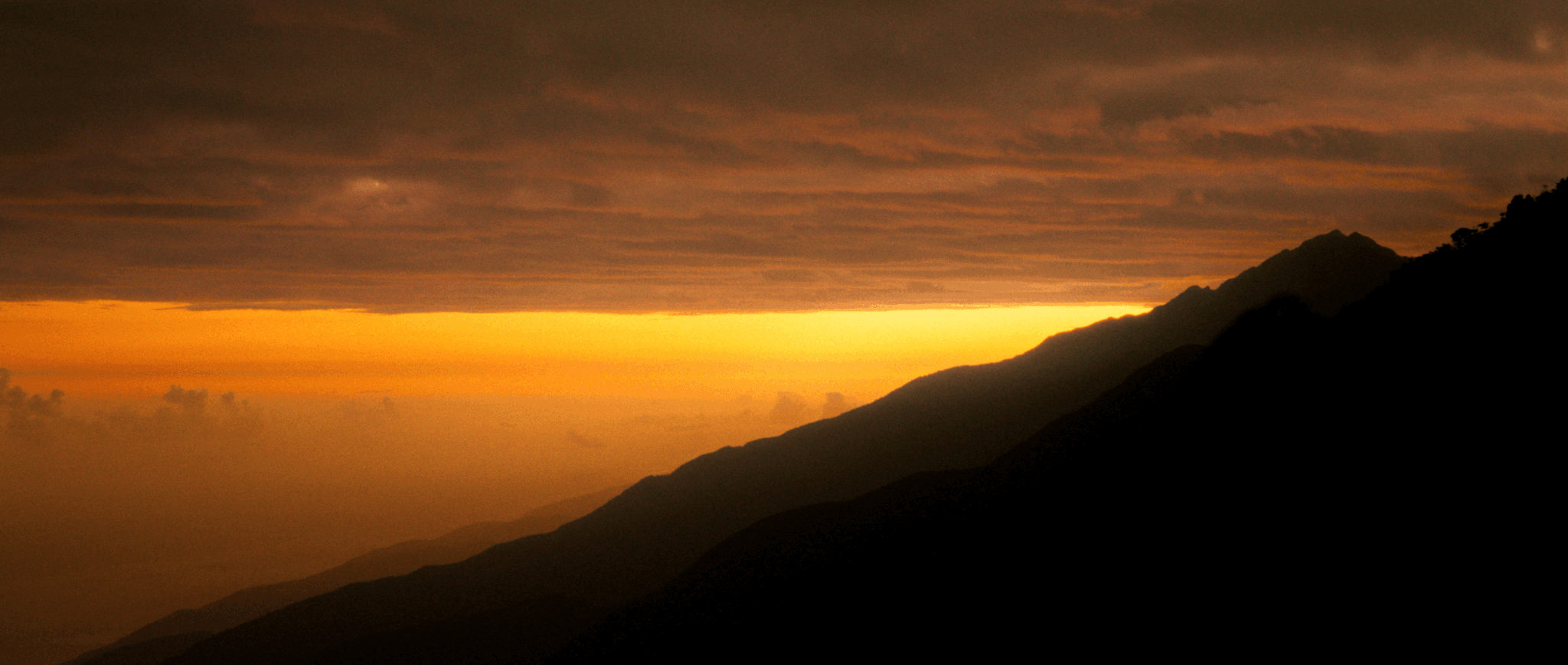
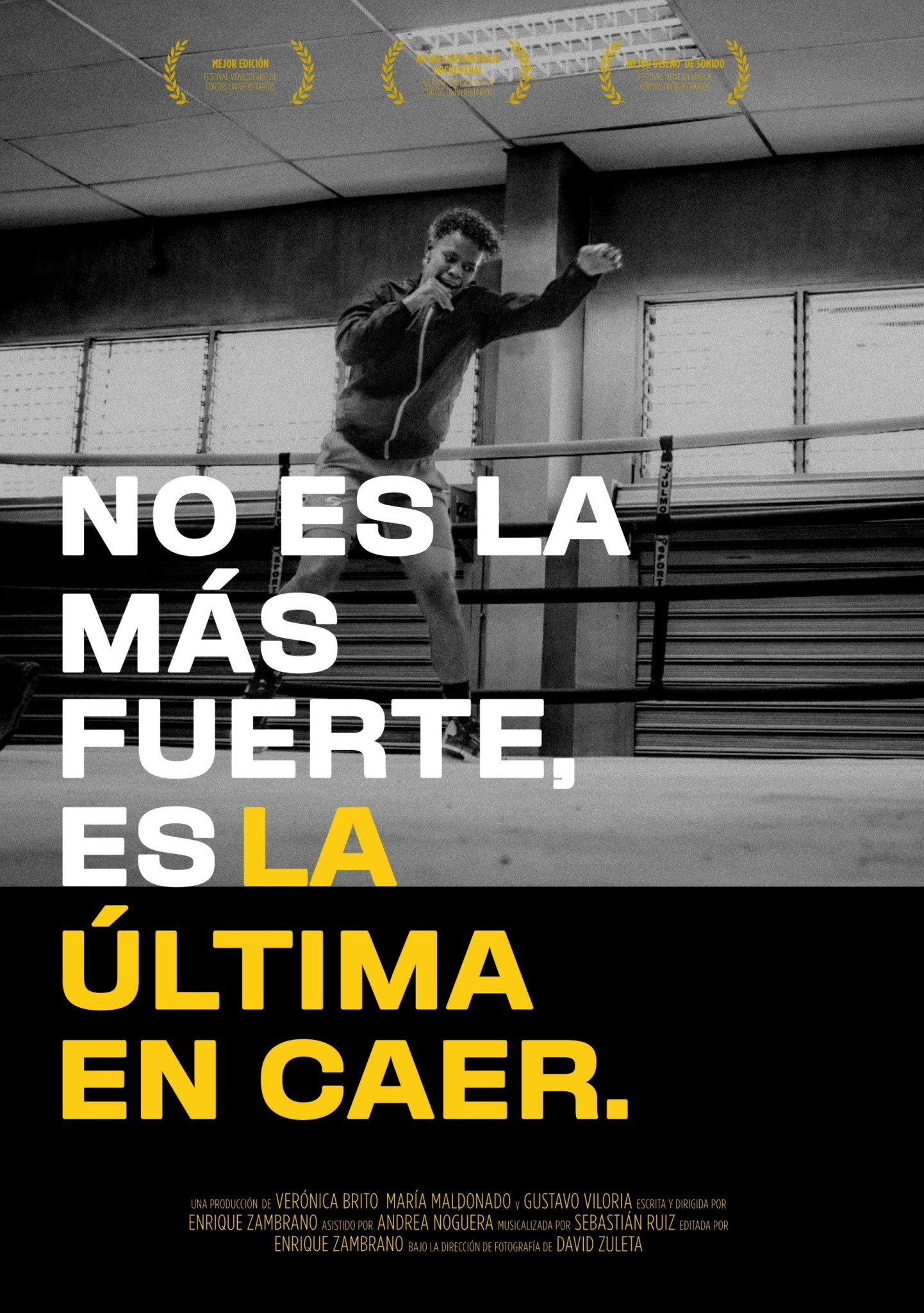
Image Credits
Juan Bellorín – Foto Fija
Enrique Zambrano – Stills de proyectos
David Zuleta – Foto Fija