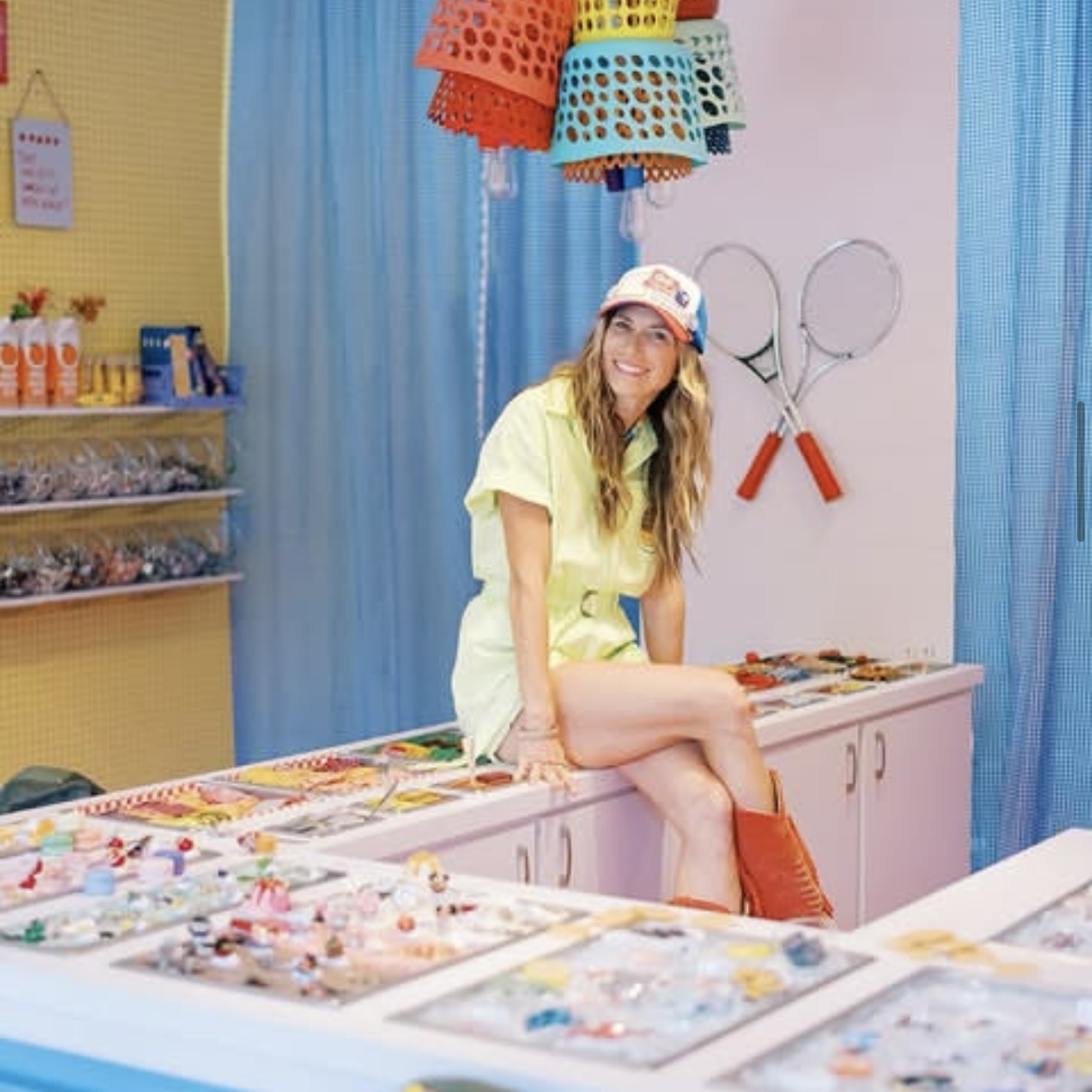

We caught up with the brilliant and insightful Emily Bargeron a few weeks ago and have shared our conversation below.
Hi Emily, thanks for joining us today. Risk taking is something we’re really interested in and we’d love to hear the story of a risk you’ve taken.
The biggest risk I’ve taken was choosing to shift my focus away from a business I had spent over a decade building—my fashion brand, Mamie Ruth—to fully invest in something entirely new.
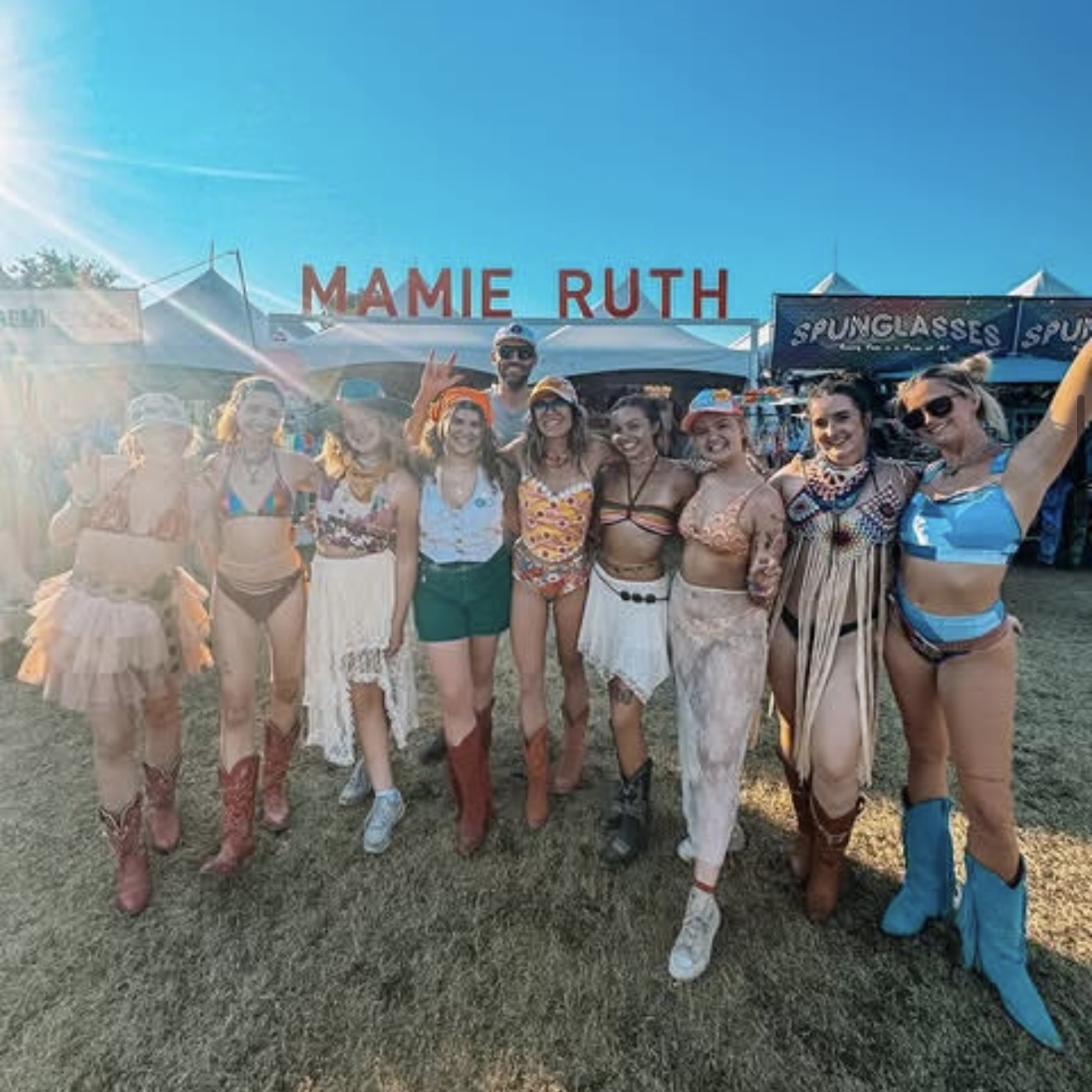
Mamie Ruth was my foundation. It gave me international recognition, took me on countless music festival tours across the country, and sustained me for years. It was a brand I poured myself into—constantly creating, evolving, and showing up for. I knew how to run it. I knew how to grow it.
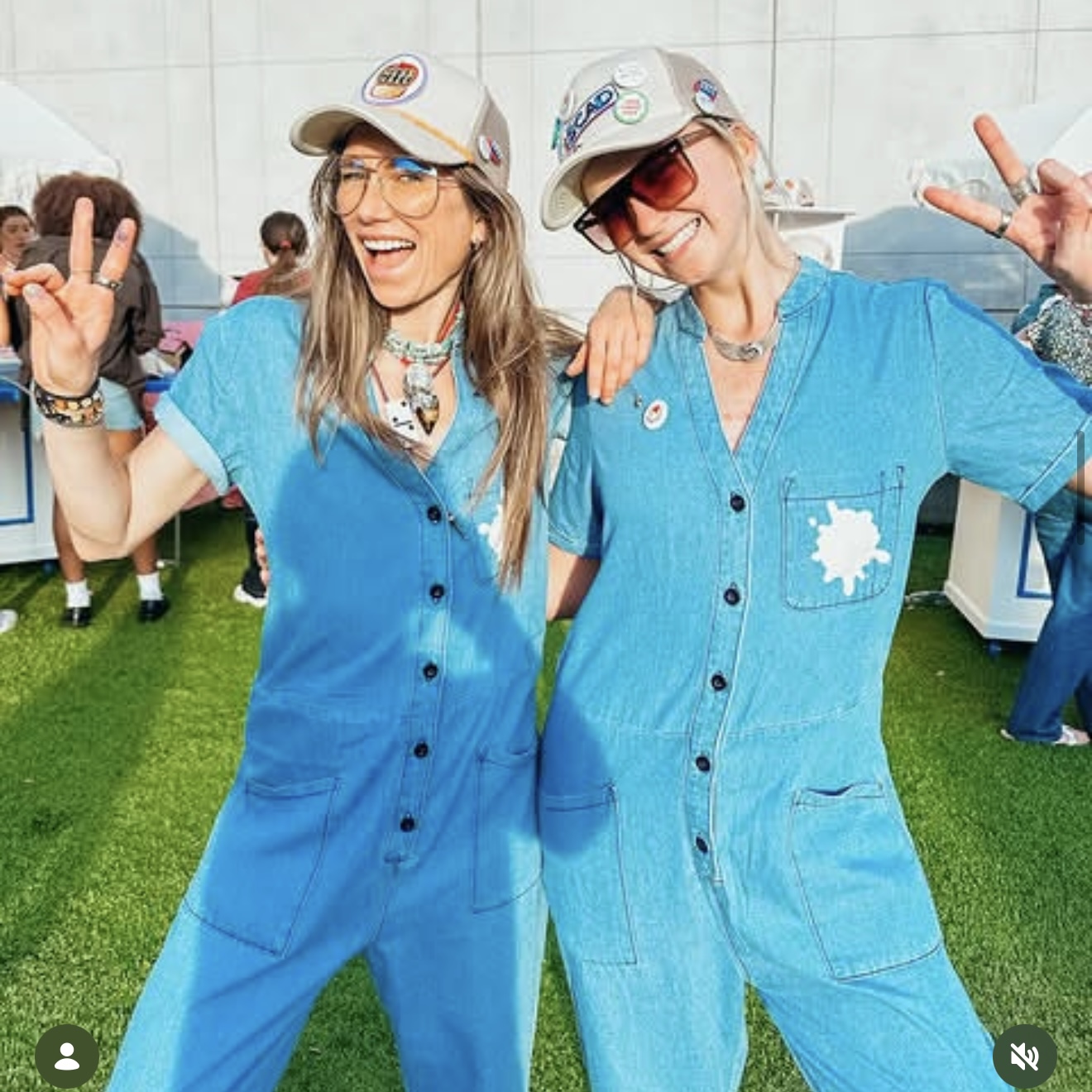
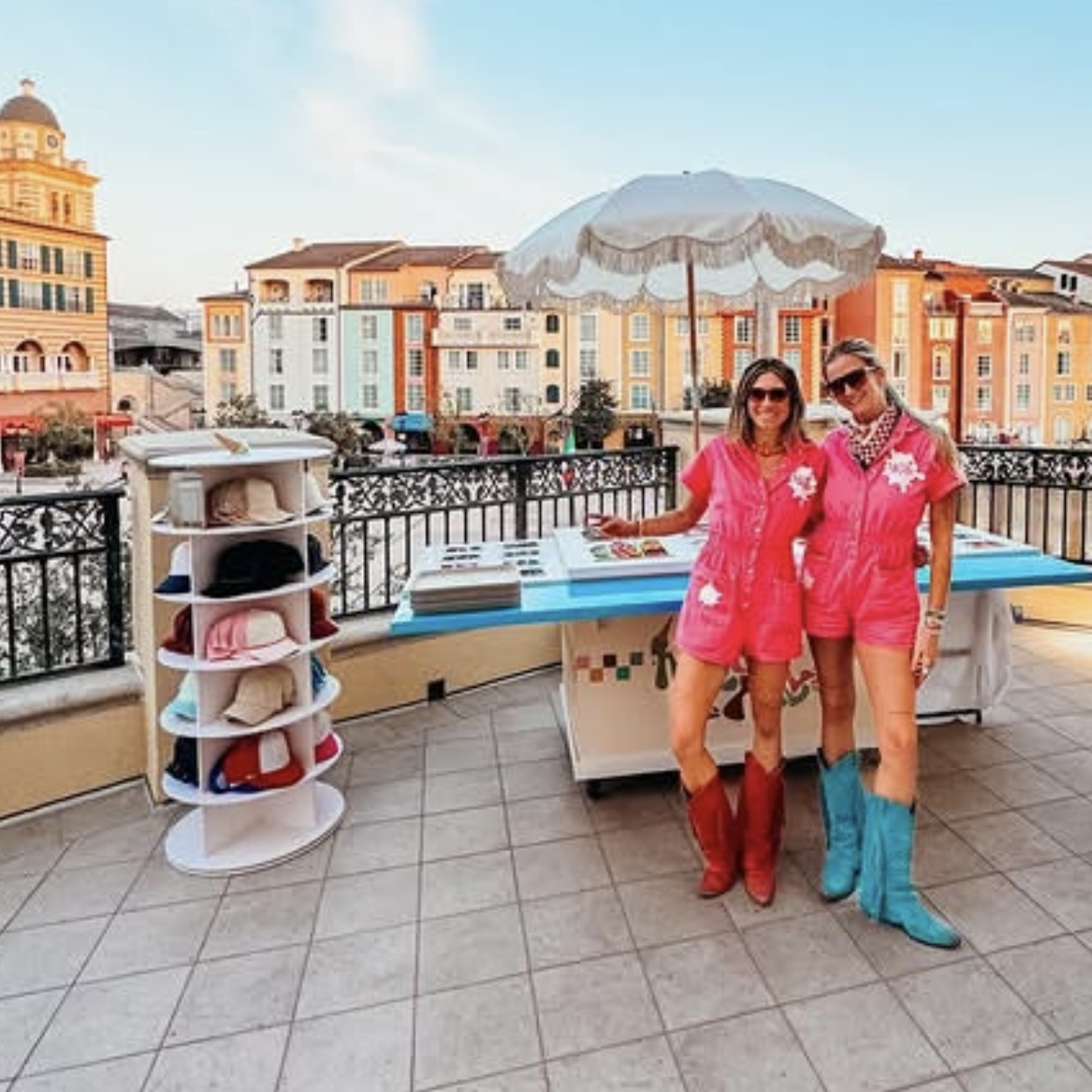
But innovation has always been at the core of how I operate. During one of our festival tours, we tested a “build-your-own” hat bar concept—initially just as an experiment. The response was immediate and overwhelming. It was clear we had tapped into something different.
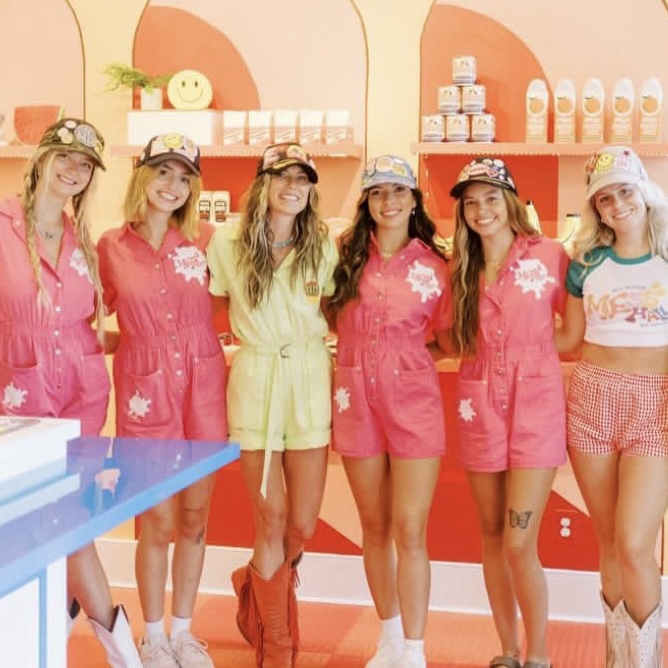
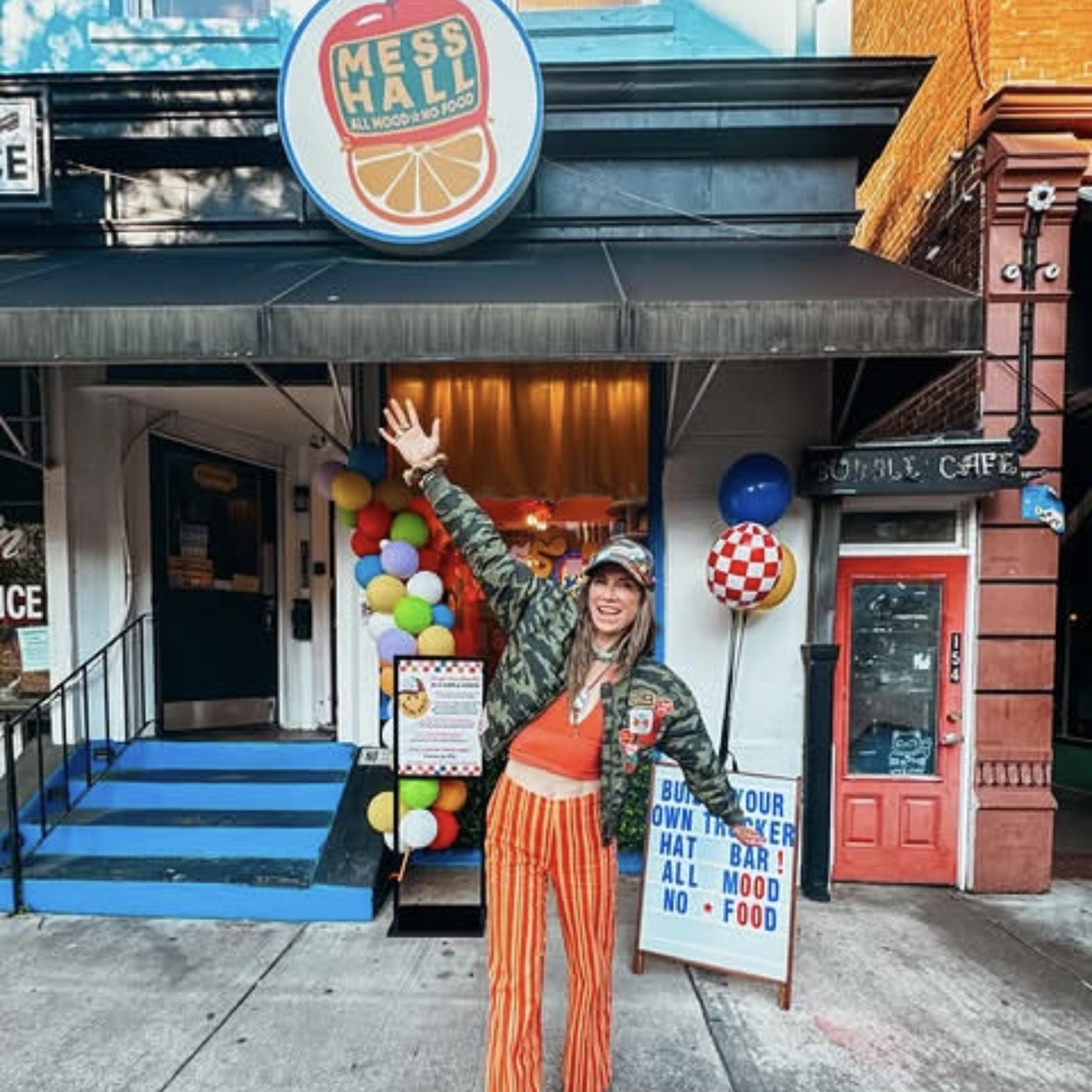
When we returned home, I made a call that, on paper, didn’t make a ton of sense. We secured a tiny 250-square-foot space in a prime downtown Savannah location and built what would become Mess Hall. Knowing we had to move a high volume of people through a small footprint, we leaned into what would become our signature buffet-style, highly interactive experience—and committed to it fully.
And it worked. Fast.
What started as a trial quickly took on a life of its own and demanded my full attention. And that’s where the real risk came in—because growth doesn’t just ask you to add more, it forces you to choose.
Letting Mamie Ruth take a backseat after ten years wasn’t easy. It wasn’t just a business, it was something I had built my life around. But Mess Hall had momentum you can’t manufacture—and I’ve learned that when something is on fire, you don’t hesitate, you lean in.
Mess Hall became that bet. And it’s been the most defining one I’ve made.

Emily, before we move on to more of these sorts of questions, can you take some time to bring our readers up to speed on you and what you do?
I’m a Savannah-based entrepreneur and fashion designer, and I’ve spent my career building brands that blend creativity, nostalgia, and community.
I launched my clothing brand, Mamie Ruth, in 2006, inspired by my grandmother’s vintage wardrobe. What began as a personal creative outlet grew into a nationally recognized brand, with a strong presence in boutiques and on the music festival circuit across the East Coast. That experience shaped my foundation as both a designer and a business owner—learning how to build something with longevity while constantly evolving it.
Over the years, I expanded into additional ventures that pushed beyond traditional retail. I co-founded Starland Strange & Bazaar, an immersive space that combined shopping, snacks, and art, and launched East + Up, a vintage shop centered around curated collections and local artists, along with Lose Ya Cool, a custom t-shirt company. Each of these concepts helped refine my approach to creating environments that are just as engaging as the products themselves.
That evolution led to the creation of Mess Hall: All Mood No Food—an experiential retail concept built around customization, creativity, and connection. What started as a simple idea quickly developed into a brand that invites people to participate, create, and leave with something uniquely their own.
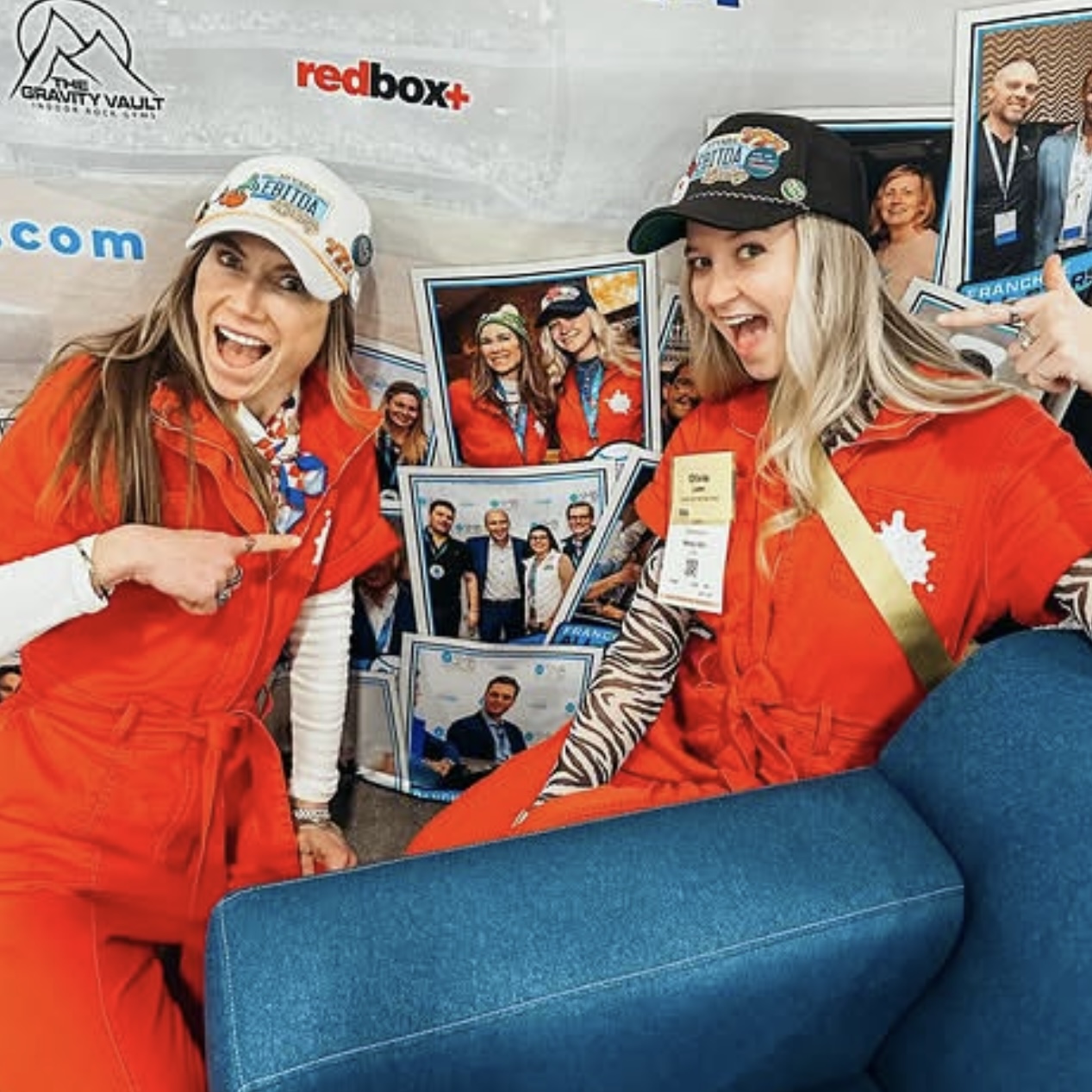
Today, Mess Hall continues to grow as a multi-location franchising brand with a focus on scalable systems, strong creative identity, and community-driven experiences, laying the groundwork for national expansion.
I also had the opportunity to showcase my work and perspective on a global stage as a contestant on Making the Cut, hosted by Heidi Klum and Tim Gunn—an experience that reinforced my passion for blending design with entrepreneurship.
Can you talk to us about manufacturing? How’d you figure it all out? We’d love to hear the story.
I had experience with manufacturing from my clothing brand, so I understood the process—but I didn’t have direct experience producing patches or hats when we started Mess Hall.
That didn’t slow me down. If anything, it gave me a clear starting point. I knew how to ask the right questions, what to look for in quality, and how to navigate sourcing.
In the beginning, we kept it simple. We sourced vintage patches and worked with wholesale vendors for our hats. It allowed us to test the concept quickly and focus on what mattered most—whether people connected with the experience.
Once we saw the demand take off, it became clear that if we wanted to scale the business in a meaningful way, we needed more control. Not just for margins, but for consistency and brand integrity.
Finding the right manufacturing partners—and eventually bringing production in-house—was a process of trial and refinement. We tested different vendors, went through iterations, and held a very high standard for quality. I’ve always believed that your product has to live up to the experience you’re creating, so we were intentional about getting it right.
Over time, we built relationships with partners who could truly execute our vision, and we began integrating more of our production internally. That shift allowed us to control quality across the board, move faster, and design with more flexibility.
What I’ve learned is that manufacturing isn’t just about finding someone who can make your product—it’s about finding people who understand your brand, your standards, and your long-term vision. And sometimes, the best way to guarantee that is to take more ownership of the process yourself.
How did you build your audience on social media?
We built our social media presence almost entirely organically, and that was very intentional from the start.
We’ve spent little to nothing on traditional marketing because we designed Mess Hall to be the kind of experience people want to share. The core of our growth has been user-generated content—real customers documenting their experience in real time.
From day one, we focused on creating an environment that feels interactive, visually engaging, and a little unexpected. When people walk in, there’s a sense of discovery and excitement that naturally translates to photos, videos, and sharing. That “shock and awe” moment isn’t accidental—it’s built into the experience.
What’s been most powerful is that our growth hasn’t just come from visibility, it’s come from trust. When someone discovers us through social media, it’s usually through a friend, a creator, or someone they already follow having a genuinely great experience from start to finish.
That kind of word-of-mouth carries more weight than any paid campaign ever could. It’s not just marketing—it’s validation.
At the end of the day, we don’t think of social media as a separate strategy. It’s an extension of the in-store experience. If you get the experience right, the content—and the growth—follows naturally.
Contact Info:
- Website: https://Www.messhalltruckshop.com
- Instagram: @messhall.truckshop
- Facebook: https://www.facebook.com/emily.bargeron
- Linkedin: https://www.linkedin.com/in/emily-bargeron-designer/
- Yelp: https://www.yelp.com/biz/mess-hall-truck-shop-savannah-5?utm_campaign=www_business_share_popup&utm_medium=copy_link&utm_source=(direct)
- Other: https://Www.messhalltruckshop.com